Products

Related News

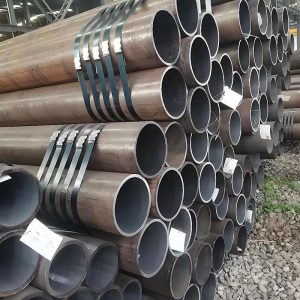
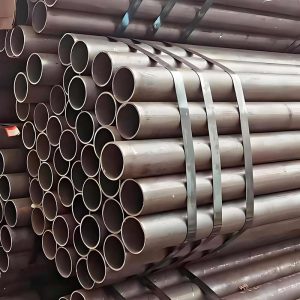
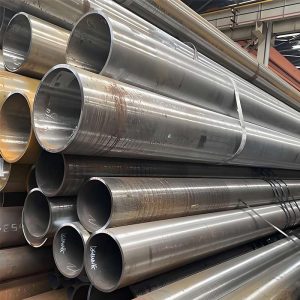
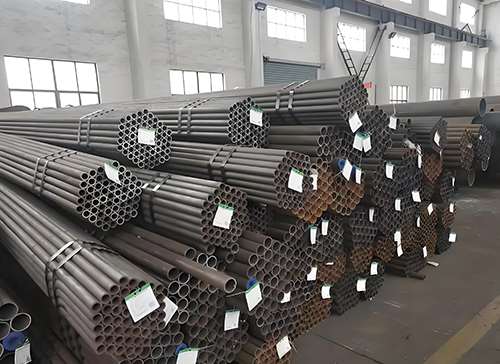
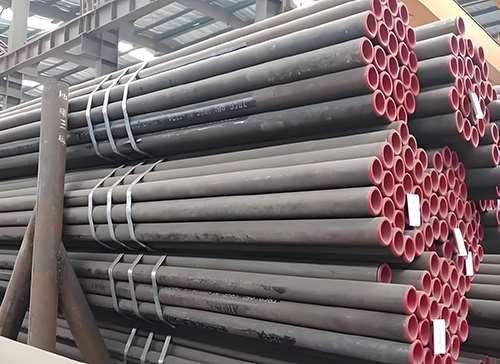
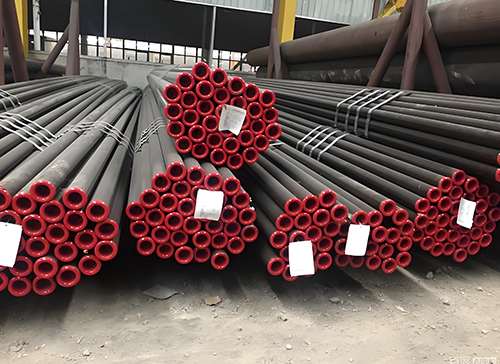
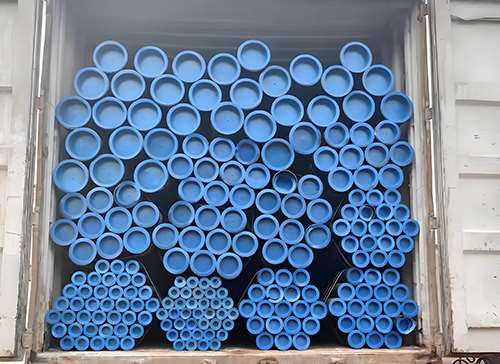
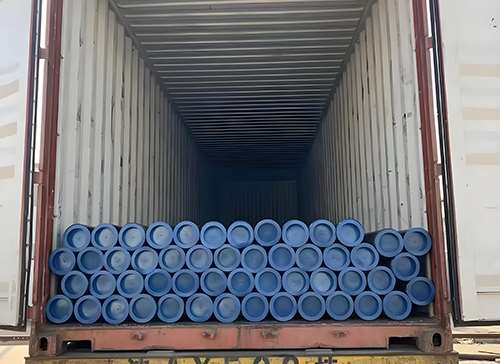
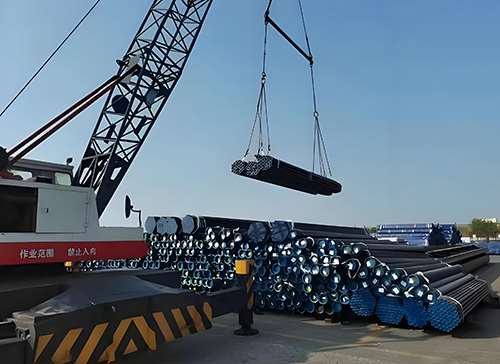
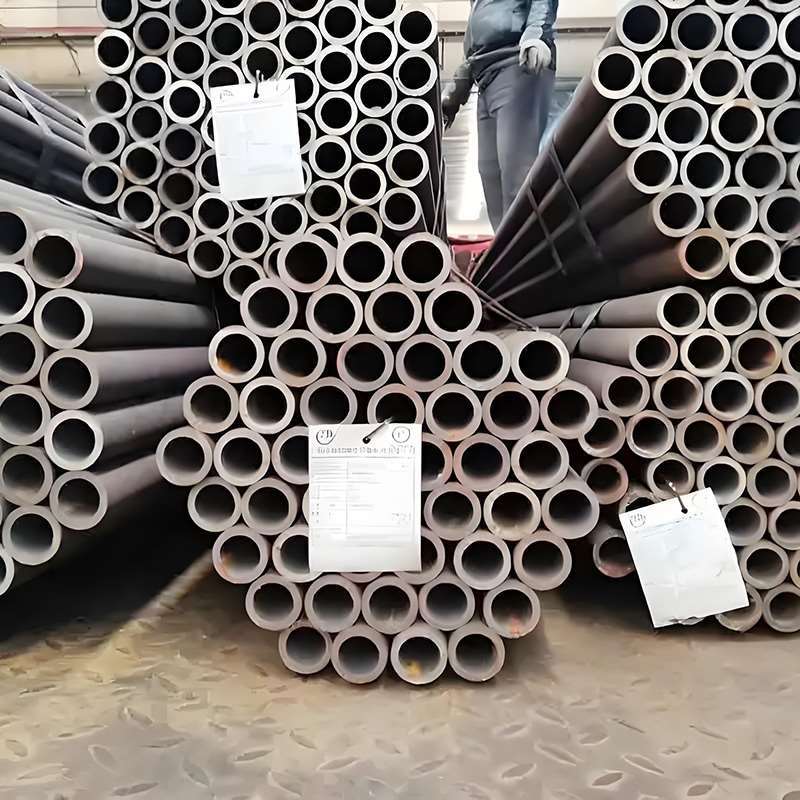
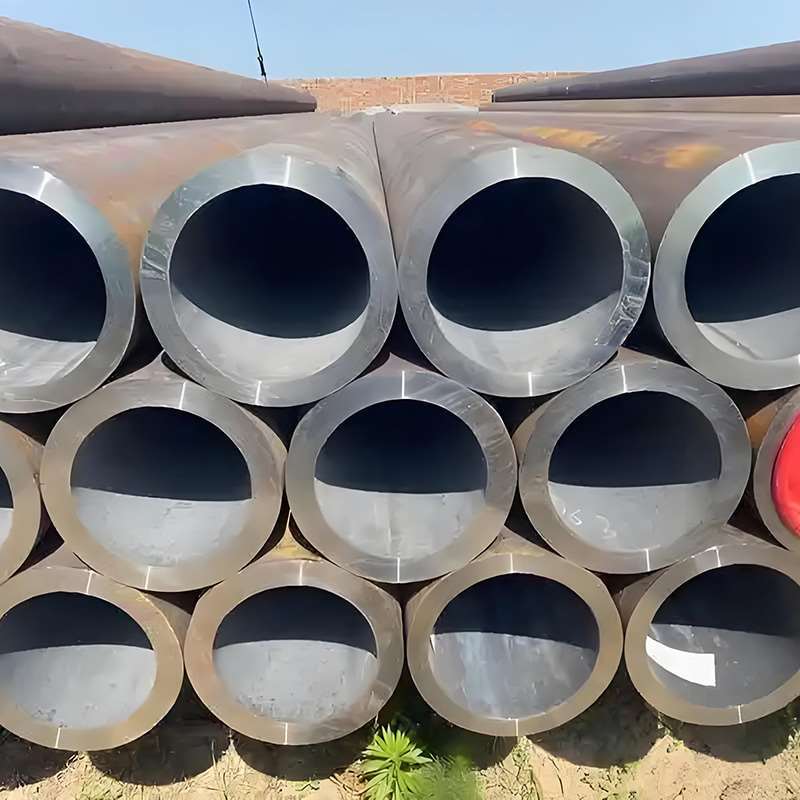
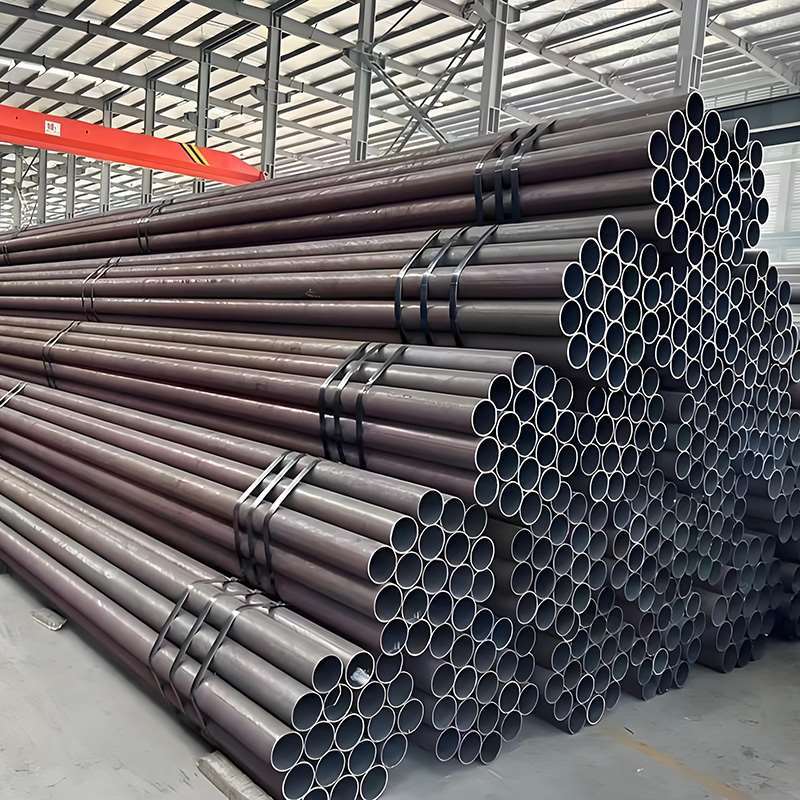
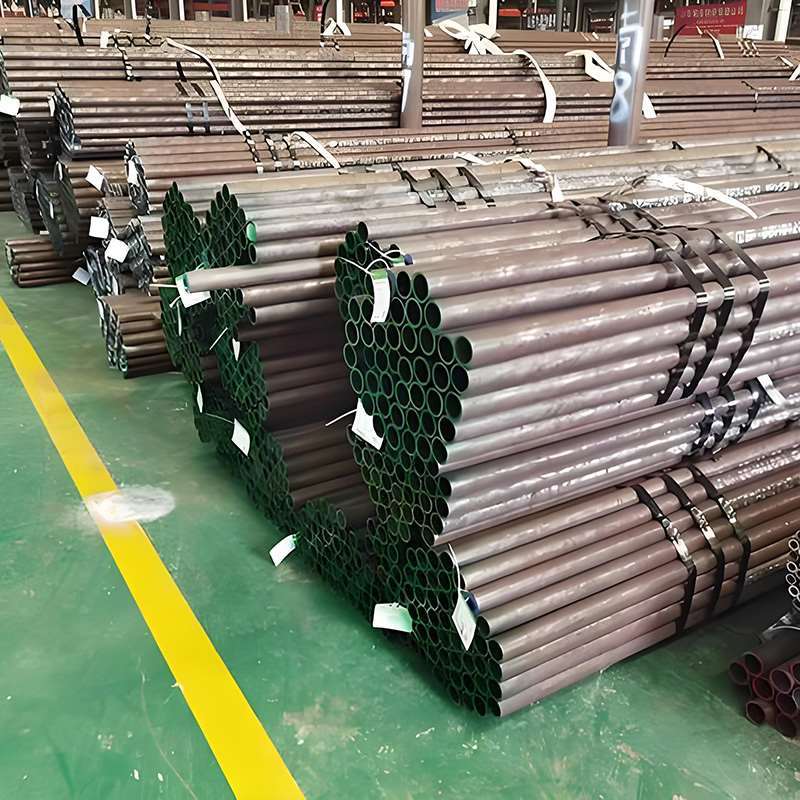
ASTM A106 Grade B Seamless Carbon Steel Pipe

OD Range :

21.3 mm – 660 mm(NPS 1/2″ – 26″)

WT Range :

2.5 mm – 70 mm(SCH 20、SCH 40、SCH 60、SCH 80、SCH 120、SCH 160)

Length :

6m、12m

Tolerance :

OD: ±1%、 Wall Thickness: +12.5% / -0%、 Length: +50 mm / -0 mm

Material :

Carbon Steel

Standard :

ASTM A106 / ASME SA106

Surface :

Black Paint、Oil Coated、Galvanized、Sand Blasted、Coating

Application :

ASTM A106 Grade B seamless carbon steel pipes are widely used for high-temperature and high-pressure pipelines in petroleum, chemical, power generation, and refining industries.

I. Introduction to ASTM A106 Grade B Seamless Carbon Steel Pipe

ASTM A106 grade B seamless carbon steel pipe is a type of carbon steel pipe designed for high-temperature and high-pressure environments. It belongs to Class B of the American ASTM standard A106. This pipe uses high-quality carbon steel as the base material and is manufactured through seamless hot rolling or cold drawing processes, featuring high strength, high temperature resistance, and pressure resistance.

Main applications include:
Boiler piping
Oil and natural gas transmission pipelines
High-temperature steam systems
Industrial circulating water and hot water piping
ASTM A106 Grade B seamless pipe is widely used in the petrochemical, heating, and energy industries, and is a reliable choice for ensuring safe pipeline operation.

II. Chemical Composition and Mechanical Properties of ASTM A106 Grade B Seamless Carbon Steel Pipes

i. Chemical Composition (mass fraction %)

ElementContent Range
Carbon (C)0.30% (max)
Manganese (Mn)0.29–1.06%
Silicon (Si)0.10–0.35%
Sulfur (S)0.05% (max)
Phosphorus (P)0.045% (max)
Other ElementsTrace impurities allowed by the standard

ii. Mechanical properties

PropertyRequirement
Yield Strength (σy)≥ 241 MPa (35 ksi)
Tensile Strength (σb)415–550 MPa (60–80 ksi)
Elongation (A)≥ 20% (varies with pipe diameter)
HardnessNot strictly specified, typically ≤ 187 HB
Impact ToughnessNot mandatory, generally good at room temperature

III. Comparison Table of ASTM A106 Seamless Carbon Steel Pipe Grades

GradeCarbon Content C (%)Yield Strength σy (MPa)Tensile Strength σb (MPa)Elongation A (%)Typical Applications
Grade A0.25% (max)≥ 205 MPa330–480 MPa≥ 30%Low-pressure steam and low-temperature fluid pipelines; good corrosion resistance and weldability
Grade B0.30% (max)≥ 241 MPa415–550 MPa≥ 20%High-temperature steam, boilers, petroleum, natural gas, and industrial high-temperature pipelines
Grade C0.35% (max)≥ 276 MPa415–550 MPa≥ 18%High-temperature, high-pressure fluid pipelines; strong high-temperature performance, slightly lower weldability

IV. ASTM A106 Grade B Seamless Carbon Steel Pipe Standard Description

ASTM A106 is a standard for seamless carbon steel pipe developed by the American Society for Testing and Materials (ASTM). It is primarily used for high-temperature service, boilers, steam, oil, and natural gas pipelines. Grade B is the most commonly used grade, balancing strength and weldability.

i. Standard Number and Name

Standard Number: ASTM A106 / A106M
Standard Name: Standard Specification for Seamless Carbon Steel Pipe for High-Temperature Service
Scope of Application: For seamless carbon steel pipes used to transport fluids (steam, oil, natural gas, water, etc.) under high temperature and high pressure conditions.

ii. Main Requirements

CategoryDetails
GradeGrade A / B / C (Grade B is the most commonly used)
Material TypeCarbon Steel
Chemical CompositionC ≤ 0.30%; Mn 0.29–1.06%; Si 0.10–0.35%; P ≤ 0.045%; S ≤ 0.05%
Mechanical PropertiesYield Strength σy ≥ 241 MPa; Tensile Strength σb 415–550 MPa; Elongation A ≥ 20%
Pipe TypeSeamless Steel Pipe
Applicable TemperatureHigh-temperature service pipelines (steam, hot water, oil & gas above ambient temperature)
Dimensional ToleranceOD and wall thickness tolerance according to ASME B36.10M
Inspection RequirementsDimensional measurement, chemical composition analysis, mechanical testing, optional non-destructive testing (NDT)

iii. Standard Description

ASTM A106 is a commonly used standard for high-temperature seamless carbon steel pipes in American, Canadian, and international projects.
Grade B balances high-temperature resistance, pressure resistance, and weldability, making it suitable for most boilers, steam, and oil pipelines.
The standard covers chemical composition, mechanical properties, dimensional tolerances, and inspection methods to ensure long-term safe operation of the pipes.
It can be combined with ASME B36.10M pipe diameter and wall thickness standards for design and engineering selection.
Related Products

NPS OD (mm) Schedule Wall Thickness (mm) Weight (kg/m) Length (m)
1/2″ 21.3 SCH 40 2.77 1.68 5.8–12
3/4″ 26.7 SCH 40 2.87 2.36 5.8–12
1″ 33.4 SCH 40 3.38 3.57 5.8–12
1 1/4″ 42.2 SCH 40 3.56 5.36 5.8–12
1 1/2″ 48.3 SCH 40 3.68 6.61 5.8–12
2″ 60.3 SCH 40 3.91 9.27 5.8–12
2 1/2″ 73.0 SCH 40 4.55 13.4 5.8–12
3″ 88.9 SCH 40 5.49 19.0 5.8–12
4″ 114.3 SCH 40 6.02 27.2 5.8–12
5″ 141.3 SCH 40 7.11 39.9 5.8–12
6″ 168.3 SCH 40 7.62 53.8 5.8–12
8″ 219.1 SCH 40 8.74 83.0 5.8–12
10″ 273.0 SCH 40 9.27 118 5.8–12
12″ 323.9 SCH 40 9.53 155 5.8–12
14″ 355.6 SCH 40 10.97 187 5.8–12
16″ 406.4 SCH 40 12.70 241 5.8–12
18″ 457.0 SCH 40 12.70 270 5.8–12
20″ 508.0 SCH 40 12.70 302 5.8–12
24″ 609.6 SCH 40 15.09 411 5.8–12

ASTM A106 Grade B seamless carbon steel pipes are manufactured according to ASTM A106 / ASME SA106 standards for high-temperature and high-pressure applications.
The standard covers chemical composition, mechanical properties, dimensional tolerances, and inspection requirements.
International equivalents include EN, DIN, and GB standards, making these pipes suitable for petroleum, chemical, power generation, and industrial high-temperature pipelines.

Category Details
Standard Name ASTM A106 / ASME SA106
Applicable Material Seamless Carbon Steel Pipe
Grades Grade A / Grade B / Grade C (Grade B is most common)
Covered Properties Chemical composition, mechanical properties, dimensional tolerances, testing and inspection
Chemical Composition Standard ASTM A106 / ASTM E415
Mechanical Properties Standard ASTM A370
Dimensional & Tolerance Standard ASME B36.10M
Inspection & Testing Dimensional measurement, chemical analysis, tensile test, bend test, optional NDT (RT, UT, MT, PT), hardness, impact toughness
International Equivalents EN 10216-2 (P245GH), DIN 17175 (St35.8 I), GB 3087 (20#), JIS G3454/G3456, BS 1387
Typical Applications High-temperature steam pipelines, boilers, petroleum and natural gas pipelines, industrial high-temperature pipelines

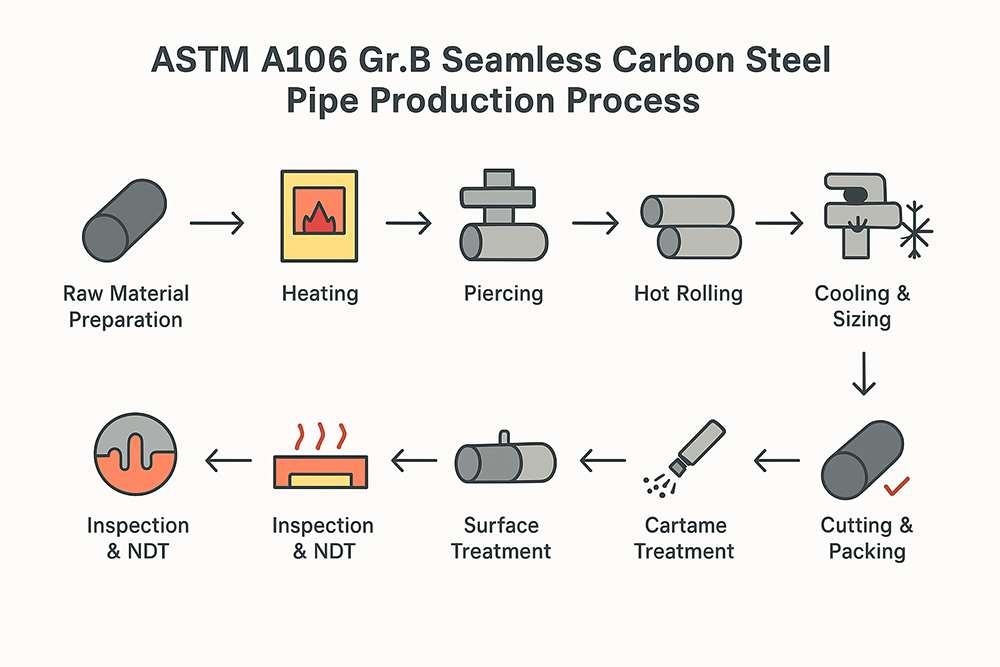
Steel Billets → Heating → Piercing → Hot Rolling → Cooling & Sizing → Optional Heat Treatment → Inspection & NDT → Surface Treatment → Cutting & Packing

ASTM A106 Grade B Seamless Carbon Steel Pipe Production Process


ASTM A106 Grade B Seamless Carbon Steel Pipe Testing Standard

Test Item Test Method Standard Reference Acceptance Criteria / Value
Chemical Composition Spectrochemical analysis or chemical analysis ASTM A106 / ASTM E415 C ≤ 0.30%; Mn 0.29–1.06%; Si 0.10–0.35%; P ≤ 0.045%; S ≤ 0.05%
Yield Strength σy Tensile Test ASTM A370 ≥ 241 MPa
Tensile Strength σb Tensile Test ASTM A370 415–550 MPa
Elongation A Tensile Test ASTM A370 ≥ 20%
Bend Test Pipe bending or impact bending ASTM A106 No surface cracks after bending
Outer Diameter (OD) Vernier caliper / tape measure ASME B36.10M ±1–2% tolerance
Wall Thickness (WT) Ultrasonic thickness / vernier caliper ASME B36.10M ±10% tolerance
Length Tape measure / steel ruler ASTM A106 Meets contract requirements
Radiographic Testing (RT) X-ray or γ-ray ASTM E94 / ASTM A106 No internal cracks, inclusions, or welding defects
Ultrasonic Testing (UT) Ultrasonic inspection ASTM A388 No internal defects in the pipe wall
Magnetic Particle Testing (MT) Magnetic particle inspection ASTM E1444 Surface cracks within allowable limits
Penetrant Testing (PT) Liquid penetrant inspection ASTM E165 Surface defects within allowable limits
Impact Toughness (Optional) Charpy impact test ASTM E23 Not below standard value at room temperature; special conditions per contract
Hardness (Optional) Brinell / Rockwell ASTM E10 / ASTM E18 Not higher than 187 HB

ASTM A106 B High Temperature and High Pressure Seamless Carbon Steel Pipe FAQ

Q1. Question: What changes occur in pipelines under high-temperature conditions?

Answer:
High temperatures cause carbon steel pipes to undergo thermal expansion, stress relaxation, and a decrease in yield strength. Long-term operation may result in permanent deformation.

Solutions:
Consider the coefficient of thermal expansion when designing pipelines, and install expansion joints or sliding supports.
Select steel pipes that meet the high-temperature requirements of ASTM A106 Grade B to ensure that the strength still meets the safety factor under high-temperature conditions.
Regularly inspect the deformation and stress condition of pipeline sections in high-temperature conditions.

Q2. Question: Are high-temperature, high-pressure pipelines prone to creep?

Answer:
Carbon steel exhibits slow plastic flow (creep) under high temperature and pressure, especially noticeable during prolonged operation above 400°C.

Solution:
Follow the permissible operating temperature range specified in ASTM A106 to avoid prolonged overheating.
For critical high-temperature sections, alloy steel or thicker-walled pipes can be used instead of standard Grade B pipes.
Perform regular non-destructive testing to monitor pipe deformation and wall thickness loss.

Q3. Question: Are high-temperature, high-pressure pipelines prone to welding or stress cracking?

Answer:
High-temperature welding and on-site stress concentration can cause weld cracks, hot cracks, or stress corrosion cracks.

Solutions:
Use low-carbon content pipes (Grade B), preheat before welding, and slow cool after welding.
Weld design should avoid sharp corners; add supports or thicken areas of stress concentration.
Perform RT/UT/NDT testing on welded pipelines to ensure weld integrity.

Q4. Question: Will the pipe wall thickness be insufficient due to high temperature and high pressure operation?

Answer:
Under high temperature and high pressure environments, the effective stress on the pipe wall increases due to internal pressure, which may lead to localized corrosion or wear over long-term use.

Solution:
Calculate the wall thickness according to ASME B31.3 / B31.1 design pressure during the initial design phase.
For high-pressure or high-temperature sections, thicker pipes or high-temperature resistant Grade B pipes can be selected.
Perform ultrasonic testing of the wall thickness regularly to detect wear or corrosion promptly.

Q5. Question: Are high-temperature, high-pressure pipelines prone to corrosion?

Answer:
Although ASTM A106 Grade B pipes are resistant to high temperatures, high-temperature corrosion, oxidation, or stress corrosion cracking can still occur in environments with steam, acidic gases, or sulfur content.

Solutions:
Use anti-corrosion coatings, galvanizing, or lining.
Control the pH and oxygen content of the transported medium to reduce corrosive agents.
Conduct online monitoring or regular inspections of critical sections to ensure safe operation.

Q6. Question: What precautions should be taken during the installation and maintenance of high-temperature and high-pressure pipelines?

Answer:
The installation of high-temperature and high-pressure pipelines is prone to stress concentration, expansion deformation, pipeline vibration, or support damage.

Solution:
During construction, strictly follow thermal expansion calculations and support design when installing pipelines.
Use appropriate expansion joints and fixed supports to avoid stress concentration.
During operation, regularly inspect the condition of supports, expansion joints, and pipelines to prevent leaks or ruptures caused by high-temperature deformation.