I. Introduction to Seamless Carbon Steel Pipes
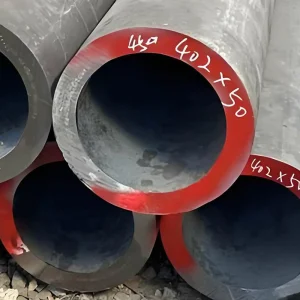
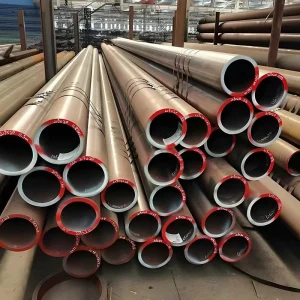
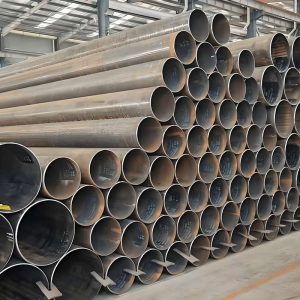
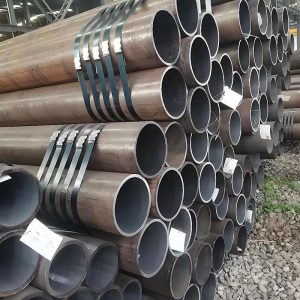
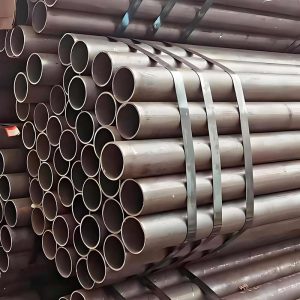
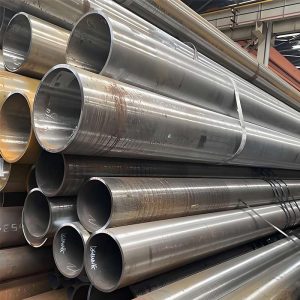
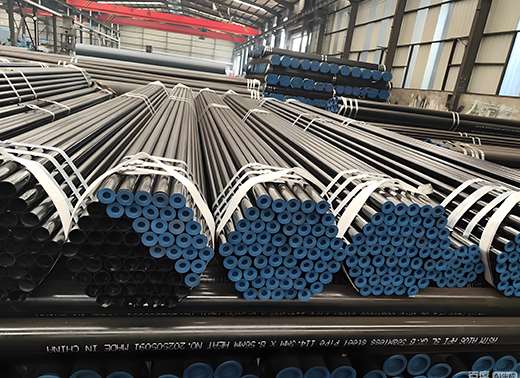
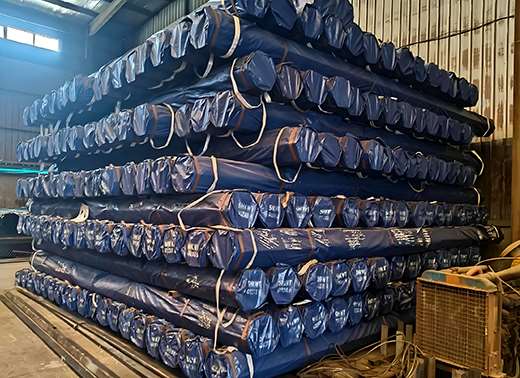
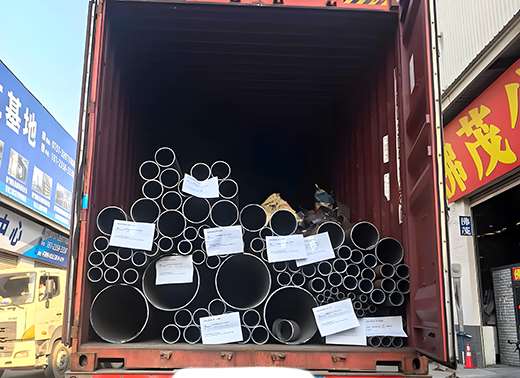
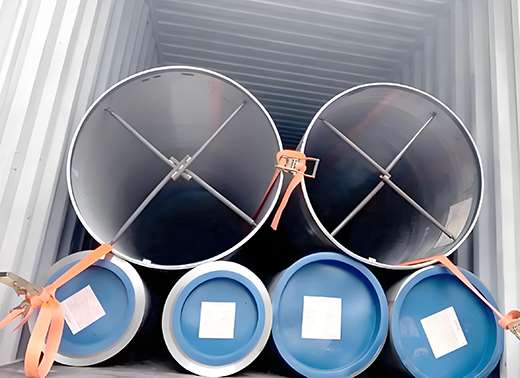
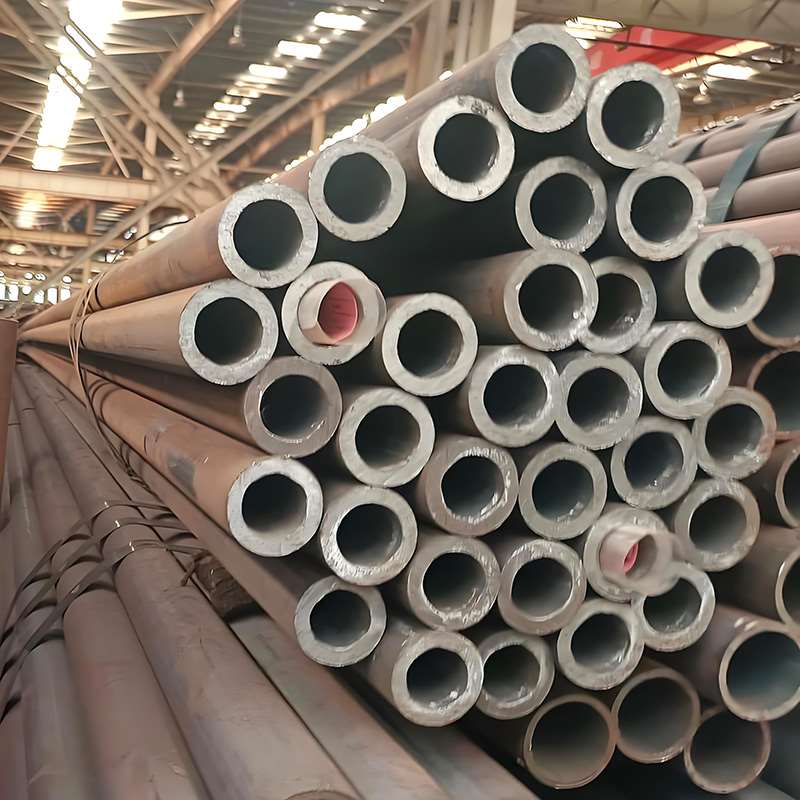
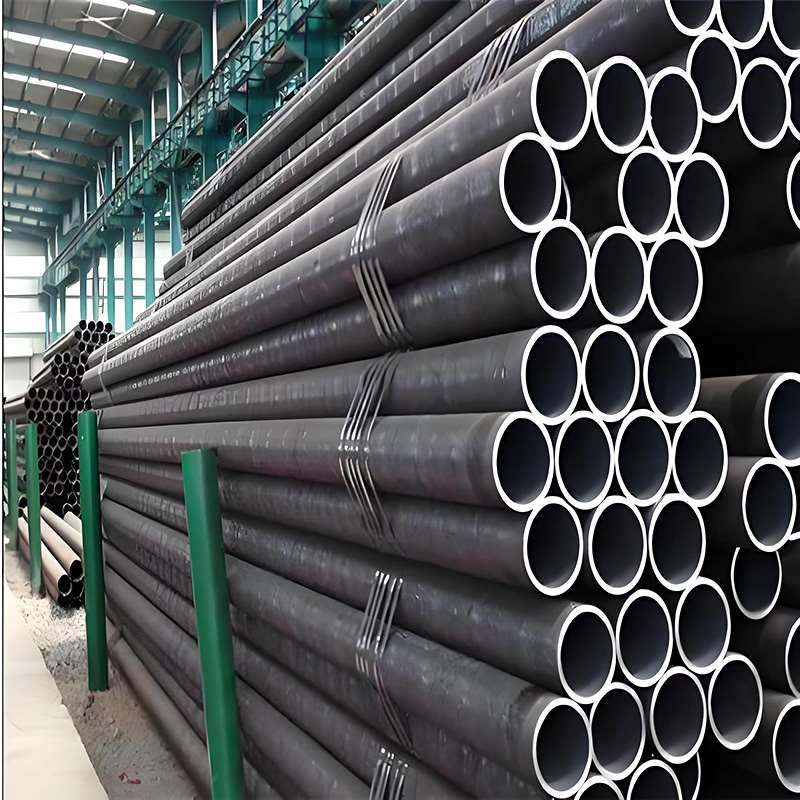
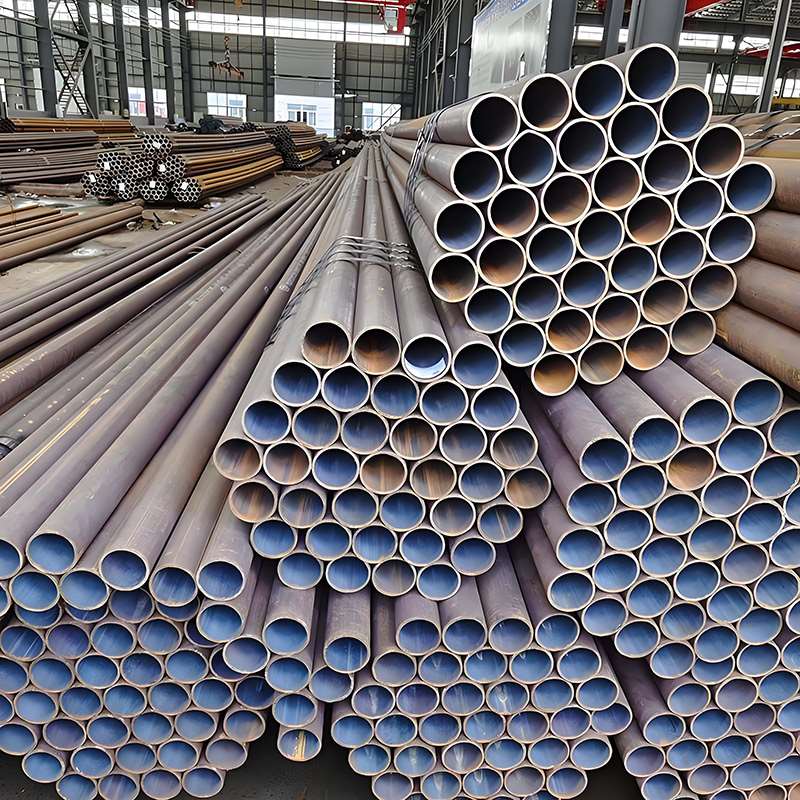
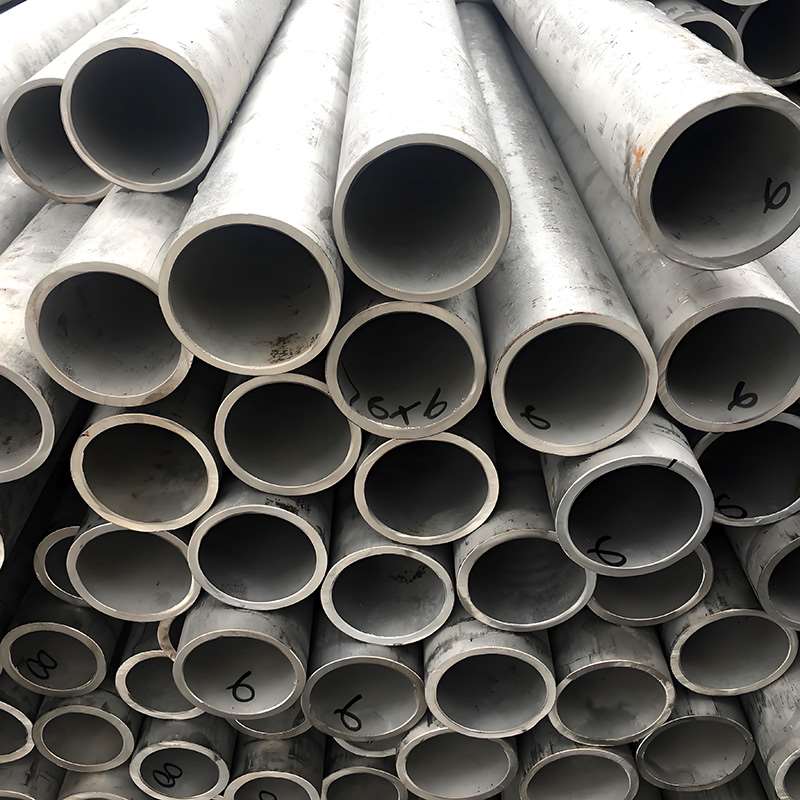
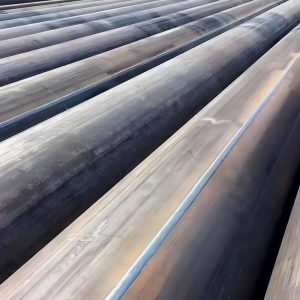
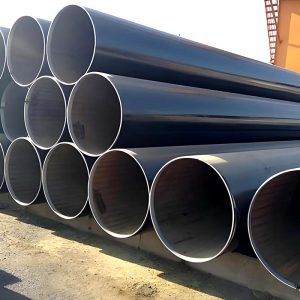
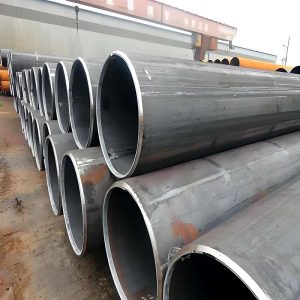
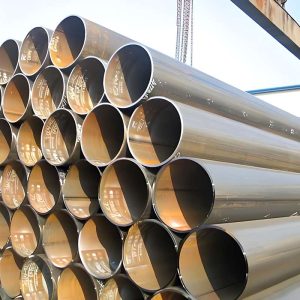
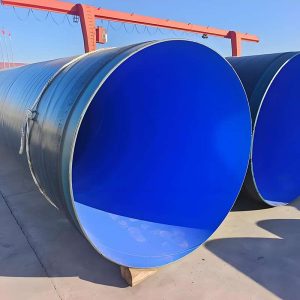
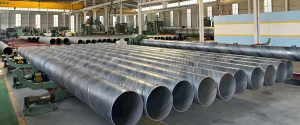
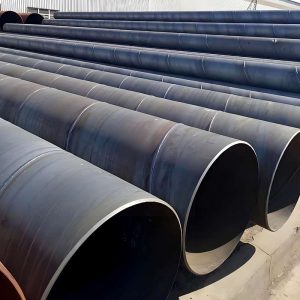
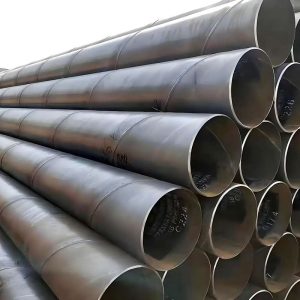
Seamless carbon steel pipes are tubes manufactured without welded seams, formed entirely by extrusion or piercing of steel billets. Unlike welded pipes, they are produced through hot-working processes that ensure uniform wall thickness, high strength, and excellent pressure-bearing capacity. These pipes find extensive applications in industrial and municipal sectors, particularly for high-pressure, thick-walled, and critical transportation pipelines.
i. Key Features
High Strength and Pressure Resistance: Seamless construction ensures stable performance under high-pressure conditions.
Uniform Wall Thickness: Guarantees safe and reliable fluid transportation while minimizing weak points.
Exceptional Durability: Suitable for long-term operation and harsh environments.
Excellent Workability: Supports secondary processing such as bending, cutting, and welding.
ii. Common Applications
Oil and natural gas transmission pipelines
Chemical, boiler, and steam piping systems
High-pressure hydraulic and liquid transfer lines
Building structural and mechanical equipment piping
II. Common Parameters for Seamless Carbon Steel Pipes
| Parameter Name | Value / Range | Description |
|---|---|---|
| Material | Carbon Steel | Commonly Q195, Q215, Q235, ASTM A106 Gr.B, etc. |
| Outer Diameter (OD) | 6 mm – 660 mm | Can be customized for larger diameters upon request |
| Wall Thickness (WT) | 2 mm – 60 mm | Selected according to design pressure; thick-wall pipes suitable for high pressure |
| Tolerance | ±0.5% – ±1% | Allowable deviation for outer diameter and wall thickness |
| Length | 6 m – 12 m | Cut-to-length available; special lengths can be customized |
| Type | Seamless | Suitable for high-pressure and thick-wall applications |
| Standard | ASTM A106, ASTM A53, API 5L, EN 10216-1 | Common international standards |
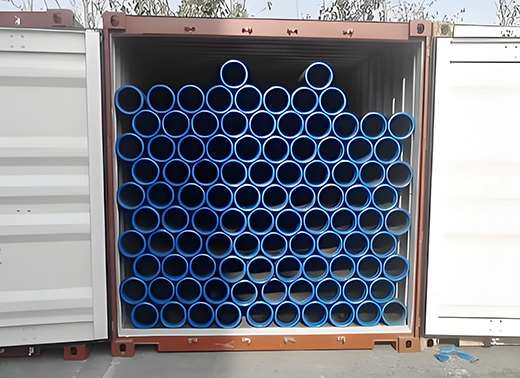
| Surface Finish | Black oxide, hot-dip galvanized, epoxy coating, plastic lining | Selected based on application; optional anti-corrosion treatment |
| End Treatment | Plain, beveled, threaded | Easy installation; compatible with flanges or welding |
| Density | 7.85 g/cm³ | Theoretical density, used for weight calculation |
| Theoretical Weight | Calculated based on OD and WT | Useful for construction, design, and logistics calculations |
| Maximum Working Pressure | ≤10 MPa (Low Pressure) / ≤25 MPa (Medium Pressure) | Determined by wall thickness and material grade |
| Operating Temperature | -20°C – 450°C | For high or low temperatures, select corresponding material grade |
III. Core Process Types for Seamless Carbon Steel Pipes
(1) Hot-Rolled Piercing Method
Process Principle: A heated steel billet is formed into a hollow tube blank via a piercing machine or rollers, then hot-rolled to adjust outer diameter and wall thickness.
Characteristics:
- Excellent wall thickness uniformity
- High pressure-bearing capacity
- Suitable for small to medium-large diameter pipes
Common Applications: Oil, gas, boiler piping
(2) Hot Extrusion Method
Process Principle: A heated billet is extruded through a die under high pressure to form a tube blank, followed by hot rolling to achieve final sizing.
Characteristics:
- High wall thickness precision
- Smooth inner surface
- Suitable for thick-walled large-diameter pipes
Common Applications: High-pressure transmission pipelines, boilers, chemical process piping
(3) Cold Drawing/Cold Rolling Method for Seamless Steel Tubes
Process Principle: Further stretching or rolling of hot-rolled tube blanks via cold drawing or cold rolling to achieve higher dimensional accuracy and smoother surfaces.
Characteristics:
- High dimensional accuracy, smooth appearance
- Good wall thickness uniformity
- Slightly higher strength than hot-rolled tubes
Common Applications: Mechanical structures, hydraulic pipes, precision industrial piping
(4) Special Process for High-Pressure Boiler Tubes
For boilers and high-pressure steam pipelines, heat treatment (normalizing, annealing, quenching and tempering) is required to enhance high-temperature and pressure resistance.
Characteristics:
- Excellent high-temperature strength
- Capable of withstanding high-pressure steam or liquids
Common Applications: Boilers, high-pressure steam pipelines
Summary:
Hot-Rolled Piercing Method: Suitable for general-purpose, industrial, and transport pipelines; lower cost.
Hot extrusion method: Suitable for thick-walled, large-diameter pipes with high precision and quality.
Cold drawing/cold rolling method: Suitable for high-precision, small-diameter mechanical pipes.
High-pressure boiler tube process: Suitable for high-temperature, high-pressure operating conditions.
IV. Practical Standards Comparison Table for Seamless Carbon Steel Pipes
| Standard Name | Applicable Medium | Allowable Pressure / Temperature Range | Manufacturing Process | Typical Applications | Inspection Methods / Certification |
|---|---|---|---|---|---|
| ASTM A106 Gr.B / C | Water, steam, oil, gas | ≤25 MPa / -29°C to 450°C | Hot-rolled seamless | High-temperature & high-pressure fluid transportation, boiler tubes | Dimensional inspection, NDT, MTC |
| ASTM A53 Gr.B | Water, gas, steam | ≤10 MPa / -20°C to 350°C | Hot-rolled seamless / ERW welded | Municipal water supply, low-pressure gas lines, structural piping | Dimensional check, wall thickness inspection, MTC |
| API 5L PSL1 / PSL2 | Oil, natural gas, oil & gas transmission | ≤25 MPa / -30°C to 50°C | Hot-rolled seamless / welded | Oil pipelines, natural gas pipelines | Radiographic testing, ultrasonic testing, MTC |
| EN 10216-1 | Water, gas, steam, chemical liquids | ≤20 MPa / -20°C to 400°C | Hot-rolled seamless | Industrial pipelines, general pressure fluid transportation | Dimensional measurement, ultrasonic testing |
| DIN 2448 / DIN 1629 | Water, gas, oil | ≤16 MPa / -20°C to 350°C | Hot-rolled seamless | Industrial pipelines, mechanical structures | Dimensional measurement, visual inspection |
| GB/T 8162 | Water, low-pressure oil & gas | ≤10 MPa / -20°C to 300°C | Hot-rolled seamless | Municipal water supply/drainage, low-pressure gas pipelines | Dimensional check, wall thickness inspection |
| GB/T 8163 | Water, oil, gas | ≤10 MPa / -20°C to 350°C | Hot-rolled seamless / welded | Municipal piping, industrial fluid transportation | Dimensional inspection, ultrasonic testing |
| GB/T 5310 | High-pressure boiler steam | ≤25 MPa / 450°C to 500°C | Hot-rolled seamless | High-pressure boiler piping, heat exchangers | Dimensional inspection, NDT, heat treatment records |
V. Selection Table for Seamless Carbon Steel Pipes for Industrial Fluid Conveyance
| Fluid Type / Application | Common Standards | Pipe Size Range OD (inch / mm) | Wall Thickness Range WT (mm) | Allowable Working Pressure (MPa) | Features / Typical Use |
|---|---|---|---|---|---|
| Water, Steam | ASTM A106 Gr.B / GB/T 8162 | 1/2″ – 24″ (21.3 – 609.6) | 2 – 60 | ≤25 | Suitable for high-temperature steam and water transportation; strong pressure resistance |
| Oil Transportation | ASTM A106 Gr.B / API 5L PSL1 | 1/2″ – 24″ (21.3 – 609.6) | 3 – 50 | ≤25 | Used for crude oil and refined oil pipelines |
| Natural Gas / Fuel Gas | ASTM A53 Gr.B / API 5L PSL1 | 1/2″ – 20″ (21.3 – 508) | 2 – 40 | ≤20 | Medium- and low-pressure gas transmission; safe and reliable |
| Chemical Liquids | EN 10216-1 / GB/T 8163 | 15 – 600 mm | 2 – 50 | ≤20 | Chemical plant process piping; optional internal lining or coating for corrosion resistance |
| High-Temperature & High-Pressure Fluids | ASTM A106 Gr.C / GB/T 5310 | 1/2″ – 24″ (21.3 – 609.6) | 3 – 60 | ≤25 | For boilers, high-temperature hot water, and steam pipelines |
| Precision Fluids | ASTM A519 / Cold-drawn Seamless | 1/4″ – 4″ (6 – 114.3) | 1 – 20 | ≤10 | Mechanical hydraulics, pharmaceutical, and food industry fluid transmission |
VI. Seamless Carbon Steel Pipe Standards and Chemical Composition Comparison Table
| Standard | Steel Grade | C (%) | Mn (%) | P (%) | S (%) | Si (%) |
| ASTM A106 | Gr.B | 0.28 max | 0.29–0.60 | 0.035 max | 0.035 max | 0.10–0.35 |
| ASTM A106 | Gr.C | 0.30–0.35 | 0.29–0.60 | 0.035 max | 0.035 max | 0.10–0.35 |
| ASTM A53 | Gr.B | 0.30 max | 0.29–1.06 | 0.035 max | 0.035 max | 0.10–0.30 |
| API 5L | PSL1 Gr.B | 0.28 max | 0.30–1.06 | 0.035 max | 0.035 max | 0.10–0.30 |
| API 5L | PSL2 X42-X52 | 0.26–0.28 | 0.50–1.20 | 0.025–0.030 | 0.025–0.030 | 0.10–0.35 |
| GB/T 8162 | Q235 | 0.22 max | 0.30–0.65 | 0.035 max | 0.035 max | 0.10–0.35 |
| GB/T 8163 | Q235 / Q345 | 0.22–0.30 | 0.30–0.70 | 0.035 max | 0.035 max | 0.10–0.35 |
| EN 10216-1 | P235TR1 / P265TR1 | 0.17–0.22 | 0.30–0.65 | 0.025 max | 0.025 max | 0.10–0.30 |
VII. Mechanical Properties Comparison Table for Seamless Carbon Steel Pipes for Industrial Fluid Conveyance
| Standard | Steel Grade | Yield Strength σy (MPa) | Tensile Strength σb (MPa) | Elongation δ5 (%) | Impact Toughness KV (J) |
|---|---|---|---|---|---|
| ASTM A106 | Gr.B | 205 min | 330–480 | 30 min | — |
| ASTM A106 | Gr.C | 230 min | 415–550 | 25 min | — |
| ASTM A53 | Gr.B | 205 min | 340–470 | 25 min | — |
| API 5L | PSL1 Gr.B | 245 min | 415–530 | 25 min | — |
| API 5L | PSL2 X42 | 290 min | 415–535 | 23 min | 27 min (–20°C) |
| API 5L | PSL2 X52 | 355 min | 450–585 | 21 min | 27 min (–20°C) |
| GB/T 8162 | Q235 | 235 min | 370–500 | 26 min | — |
| GB/T 8163 | Q235 | 235 min | 370–500 | 26 min | — |
| GB/T 8163 | Q345 | 345 min | 470–630 | 21 min | — |
| EN 10216-1 | P235TR1 | 235 min | 360–510 | 25 min | — |
| EN 10216-1 | P265TR1 | 265 min | 410–560 | 23 min | — |