Products

Related News

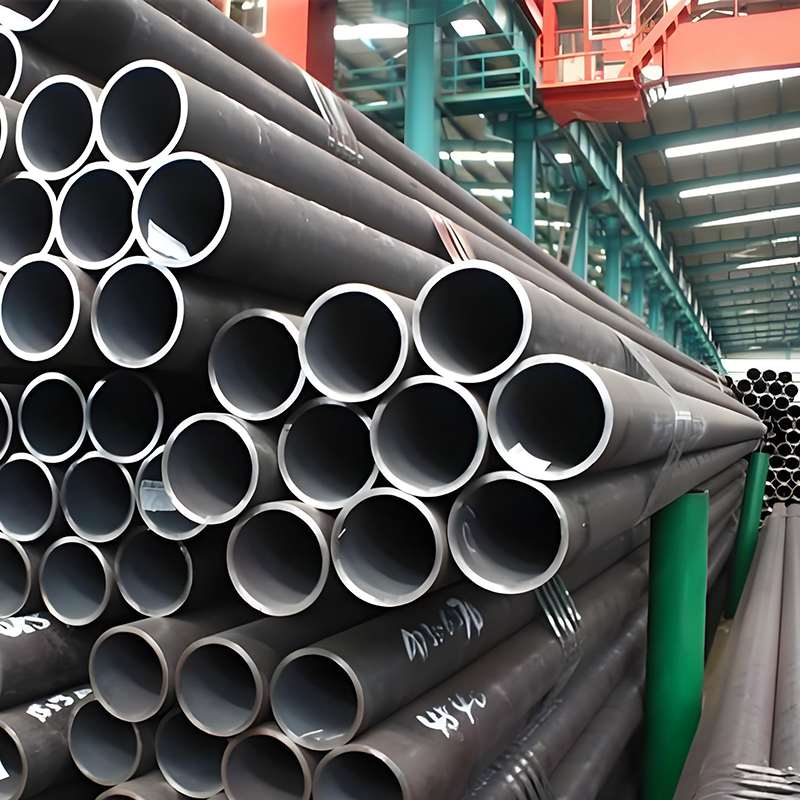
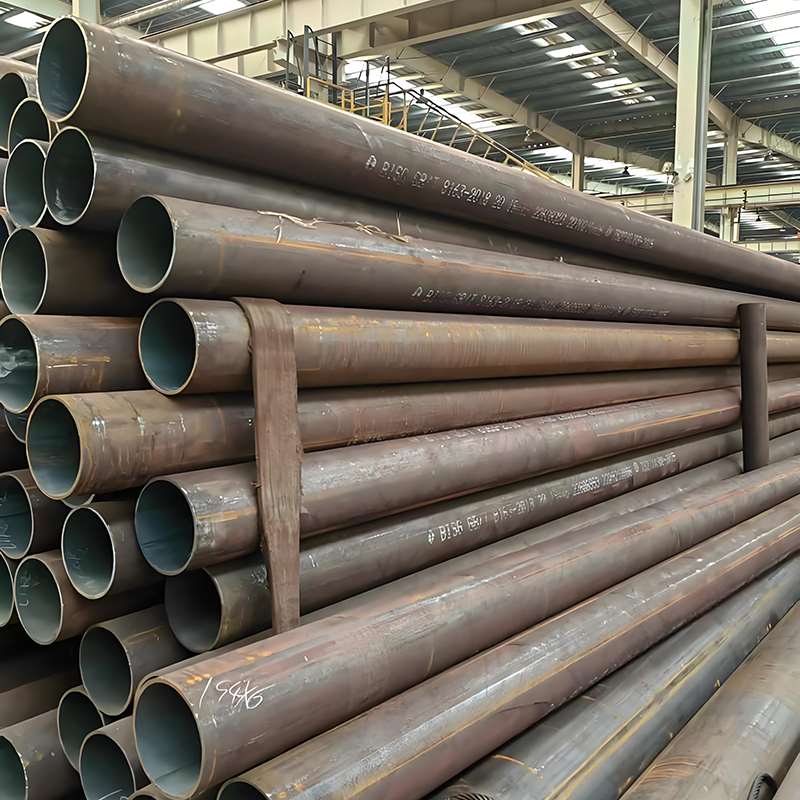
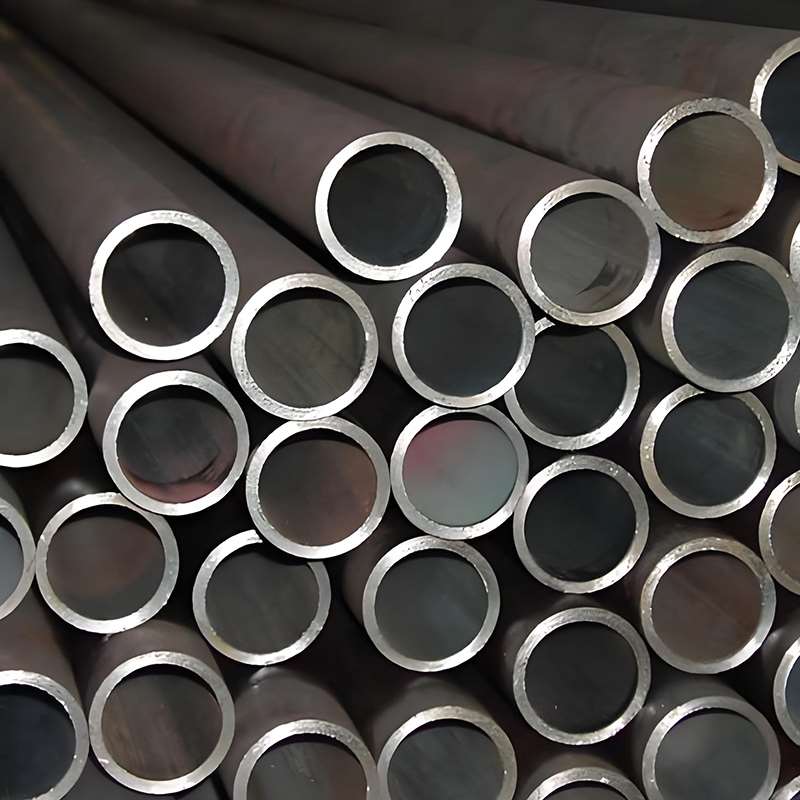
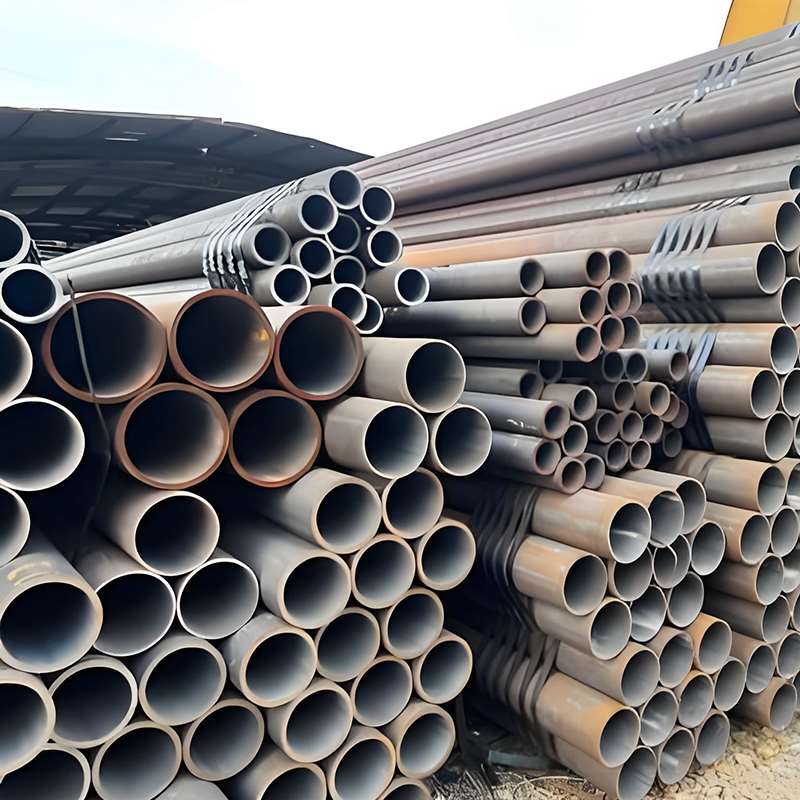
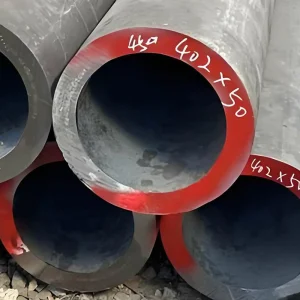
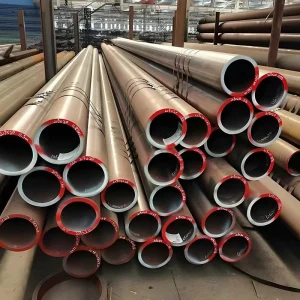
Seamless Carbon Steel Tube

OD Range :

10 mm – 610 mm

WT Range :

1 mm – 40 mm

Length :

5.8 m – 12 m

Tolerance :

Outer diameter tolerance ±1%, Wall thickness tolerance ±10%, Length tolerance ±50 mm, Straightness ≤2 mm/m

Material :

Carbon Steel(S235JRH、S355J2H)

Standard :

ASTM A106、ASTM A53、EN 10216-1、GB/T 8162

Surface :

Black pipe (uncoated), electrogalvanized, hot-dip galvanized, painted/coated

Application :

Seamless carbon steel pipes are widely used in pressure-bearing and load-bearing applications such as oil and gas pipelines, water conveyance systems, boilers, pressure vessels, and mechanical structures.

I. Introduction to Seamless Carbon Steel Pipes

Seamless carbon steel pipes are hollow tubes formed by extrusion or piercing of solid steel billets without welded seams. Manufactured from carbon structural steel, they are widely used in pressure-bearing, transportation, and structural support applications. Commonly applied standards include ASTM A106, ASTM A53, EN 10216-1, and GB/T 8162.

The advantages of seamless carbon steel pipes include high pressure-bearing capacity, excellent impact resistance, and uniform stress distribution. They are extensively applied in industrial sectors such as petroleum, natural gas, machinery, and construction.

II. Manufacturing Processes for Seamless Carbon Steel Pipes

i. Hot-Rolled Seamless Pipes

Round steel billets are heated to over 1200°C → pierced → hot-rolled → cut to length.
Characteristics: Uniform wall thickness, good toughness, suitable for pressure-bearing and load-bearing structures.

ii. Cold-Drawn Seamless Pipes

Hot-rolled or rolled round tubes undergo multiple drawing operations at room temperature → Formed to specified length.
Characteristics: High dimensional accuracy, smooth surface finish, excellent mechanical properties.

iii. Comparison of Hot-Rolled Seamless Pipes vs. Cold-Drawn Seamless Pipes

Comparison ItemHot Rolled Seamless TubeCold Drawn Seamless Tube
Production ProcessSteel billet heating → Piercing → Hot rolling → Cut to lengthHot-rolled tube or billet repeatedly drawn at room temperature → Cut to length
Surface QualitySlight oxidation scale, relatively roughSmooth and flat, high surface finish
Dimensional AccuracyMediumHigh, tight outer diameter and wall thickness tolerances
Strength & ToughnessHigh toughness, suitable for pressure-bearing structuresHigher strength due to cold work, toughness slightly lower than hot-rolled
Wall Thickness RangeWide, thick-wall tubes more economicalHigh wall thickness precision, suitable for precision applications
Typical ApplicationsPipelines, pressure vessels, load-bearing building structuresPrecision machinery, instrument tubes, load-bearing or high-precision structures
MachinabilityGood weldability, easy to bendGood weldability, but cold hardening requires attention for forming
CostRelatively lowHigher, due to complex processing and high precision requirements
Common StandardsASTM A106, ASTM A53, EN 10216ASTM A53, EN 10216-1, EN 10305

III. Table of Key Performance Indicators and Inspection Standards for Seamless Carbon Steel Pipes

CategorySpecific ItemRequirement / RangeTesting Standard / DescriptionRemarks
Chemical CompositionCarbon (C)≤0.30%According to ASTM A106 Gr.B / EN 10216-1Determines strength and weldability
Manganese (Mn)≤1.20%Same as aboveImproves toughness and strength
Silicon (Si)≤0.30%Same as aboveEnhances steel strength and heat resistance
Phosphorus (P)≤0.035%Same as aboveReduces brittleness, improves impact toughness
Sulfur (S)≤0.035%Same as aboveControls brittleness, improves machinability
Mechanical PropertiesYield Strength ReH235–355 MPaASTM / EN standard tensile testStress at which permanent deformation begins
Tensile Strength Rm360–630 MPaASTM / EN standard tensile testMaximum load-bearing capacity
Impact Toughness20–27 JCharpy V-notch, temperature 20℃ or -20℃Evaluates low-temperature impact performance
Dimensional AccuracyOuter Diameter Tolerance±1%Measurement instrumentsEnsures pipe fitting and installation precision
Wall Thickness Tolerance±10%Ultrasonic thickness gauge or mechanical measurementEnsures pressure-bearing capability
Straightness≤2 mm/mStraightening machine / laser measurementEnsures installation alignment, reduces stress concentration
Inspection & CertificationMaterial CertificateEN 10204 3.1 / 3.2Supplied with the materialTraceable, meets design and construction requirements
Other RequirementsSurface DefectsNo cracks, folds, or porosityVisual / ultrasonic / magnetic particle testingEnsures weld quality and long-term safety

IV. Selection Recommendations for Seamless Carbon Steel Tubes in Mechanical Applications

(1) Define Mechanical Purpose and Match Process

Load-bearing or structural support → Select hot-rolled seamless tubes for superior toughness and load capacity.
Precision components or hydraulic lines → Select cold-drawn seamless tubes for high dimensional accuracy, smooth surface finish, and ease of machining.
Practical tip: Specifying load direction and precision requirements in design drawings or project specifications enables rapid determination of tube manufacturing process.

(2) Select Dimensions and Wall Thickness Based on Load and Function

Lightweight components (hydraulic cylinders, bushings) → Outer diameter 20–60 mm, wall thickness 2–6 mm.
Medium-to-large structural parts (machine tool frames, support beams) → Outer diameter 60–150 mm, wall thickness 4–10 mm.
Practical tip: Combine load calculations or reference standard tables to ensure adequate tube load-bearing capacity while avoiding excessive wall thickness that wastes costs.

(3) Consider material grades and surface treatments to meet processing and environmental requirements

Material selection: ASTM A106 Gr.B, EN 10216-1 S235/S275, etc., to ensure strength and toughness.
Surface Treatment:
Indoor or precision components → Bright finish or polished;
Outdoor or corrosive environments → Hot-dip galvanized or coated.
Practical Tip: Verify material certificates and surface treatment specifications before procurement to prevent on-site rework or performance failures.
Related Products

Outer Diameter OD (mm) Wall Thickness WT (mm) Theoretical Weight (kg/m) Typical Applications
10 1.0 0.42 Low-pressure piping, furniture
15 1.5 0.80 Instrument tubing, light piping
20 2.0 1.11 Water, gas pipelines
25 2.5 1.84 Medium-pressure piping, mechanical structures
32 3.0 2.65 Industrial piping, structural components
40 3.5 3.58 Process piping, pressure vessels
50 4.0 5.40 High-pressure piping, boilers
60 4.5 7.30 Mechanical frameworks, pipelines
70 5.0 9.40 Equipment supports, industrial piping
80 5.5 11.50 Medium to high-pressure pipelines
90 6.0 14.00 Process and structural piping
100 6.5 16.50 Boilers, pressure vessels
120 7.0 21.00 Industrial piping, heavy machinery
140 8.0 29.00 High-pressure systems, structural supports
150 9.0 35.50 Large industrial piping
160 10.0 42.00 Heavy-duty pipelines and structures
180 10.5 51.00 Pressure vessels, structural frameworks
200 12.0 65.00 Large-scale piping, boilers
250 14.0 92.00 High-pressure pipelines, mechanical structures
300 16.0 125.00 Heavy industrial piping, pressure vessels
400 20.0 210.00 Large industrial and chemical pipelines
500 25.0 330.00 High-pressure industrial pipelines
610 30.0 480.00 Large-diameter high-pressure pipelines


Standard Type Applicable Material Key Features Typical Applications
ASTM A106 American Seamless Carbon Steel Pipe Standard Carbon Steel Grades A/B/C, suitable for high-temperature service, pressure piping, excellent mechanical properties Oil & gas pipelines, boilers, pressure vessels, power plants
ASTM A53 American Carbon Steel Pipe Standard Carbon Steel Seamless or welded, suitable for pressure and structural applications Water, gas, and mechanical piping, general structural use
ASTM A333 American Low-Temperature Carbon Steel Pipe Carbon Steel Suitable for low-temperature applications, high impact toughness Cryogenic pipelines, low-temperature fluid transport
ASTM A179 American Boiler Tubes Carbon Steel Cold-drawn or hot-finished, high precision, smooth surface Boilers, heat exchangers, high-pressure vessels
EN 10216-1 European Seamless Steel Tubes for Pressure Purposes Carbon Steel Hot-finished seamless tubes, high pressure and temperature resistance Industrial pipelines, boilers, chemical plants
EN 10216-2 European Alloy Steel Seamless Tubes for Pressure Purposes Alloy Steel Seamless tubes with higher strength and heat resistance Chemical, petrochemical, and power plant piping
EN 10220 European Steel Tube Dimension and Tolerances Carbon/Alloy Steel Defines outer diameter, wall thickness, and tolerances for seamless tubes Ensures compatibility with piping systems
GB/T 8162 Chinese Seamless Carbon Steel Tubes Carbon Steel Hot-finished, load-bearing and pressure applications Construction, pipelines, machinery
GB/T 8163 Chinese Seamless Steel Tubes for Fluid Transport Carbon Steel Suitable for conveying water, gas, and oil; good weldability Water supply, gas pipelines, oil pipelines
GB/T 5310 Chinese Seamless Steel Tubes for High Pressure Carbon Steel High pressure and temperature resistance, suitable for boiler and heat exchanger use Boilers, heat exchangers, industrial pressure vessels
JIS G3452 Japanese Seamless Carbon Steel Tubes for Pressure Carbon Steel High strength, high-temperature resistance Pressure piping, boilers, industrial fluid transport


Billet preparation → Heating → Piercing → Hot rolling or extrusion → Cooling → Straightening → Cutting to size → Surface treatment → Non-destructive testing → Rustproofing → Final inspection → Packaging and storage

Category Specific Item Requirement / Range Testing Standard / Method Remarks
Chemical Composition Carbon (C) ≤0.30% ASTM A106 / EN 10216-1 / GB/T 8162 Determines strength and weldability
Manganese (Mn) ≤1.20% Same as above Improves toughness and strength
Silicon (Si) ≤0.30% Same as above Enhances strength and heat resistance
Phosphorus (P) ≤0.035% Same as above Reduces brittleness, improves impact toughness
Sulfur (S) ≤0.035% Same as above Controls brittleness, improves machinability
Mechanical Properties Yield Strength ReH 235–355 MPa ASTM / EN standard tensile test Stress at which permanent deformation begins
Tensile Strength Rm 360–630 MPa ASTM / EN standard tensile test Maximum load-bearing capacity
Impact Toughness 20–27 J Charpy V-notch, 20℃ or -20℃ Evaluates low-temperature impact performance
Dimensional Accuracy Outer Diameter Tolerance ±1% Caliper / micrometer Ensures pipe fitting and installation precision
Wall Thickness Tolerance ±10% Ultrasonic gauge / mechanical measurement Ensures pressure-bearing capability
Straightness ≤2 mm/m Straightening machine / laser measurement Ensures alignment, reduces stress concentration
Inspection & Certification Material Certificate EN 10204 3.1 / 3.2 Supplied with material Traceable, meets design and construction requirements
Other Requirements Surface Defects No cracks, folds, or porosity Visual / Ultrasonic / Magnetic particle testing Ensures weld quality and long-term safety


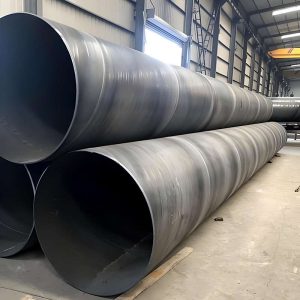
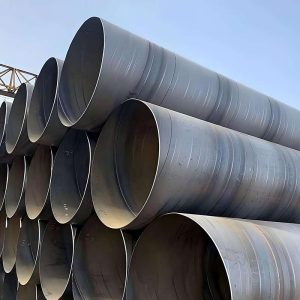
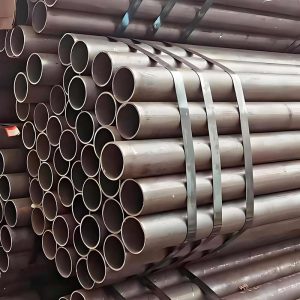
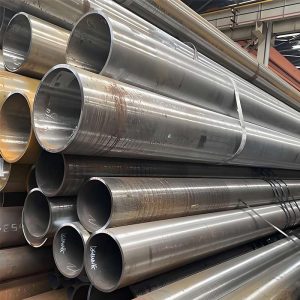
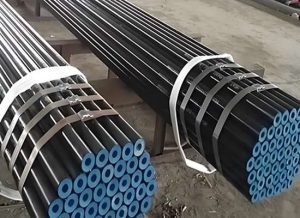
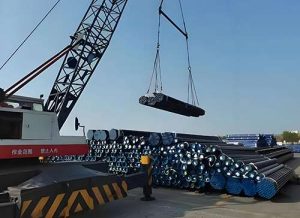
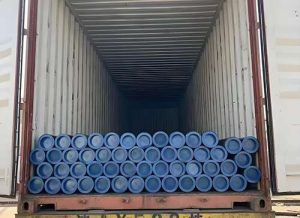
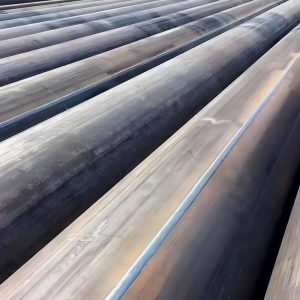
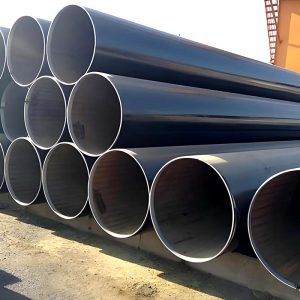
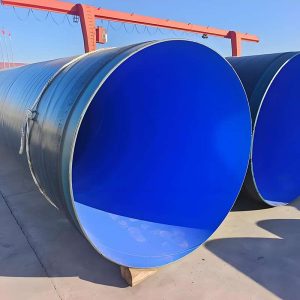
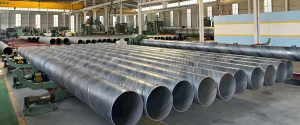
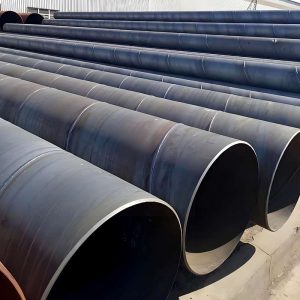
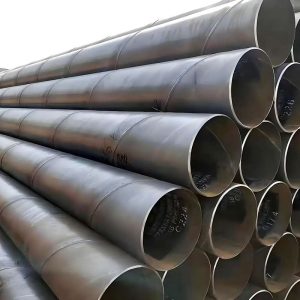
API 5L X52 Line Pipe Finished Products   API 5L X52 Line Pipe Packaging


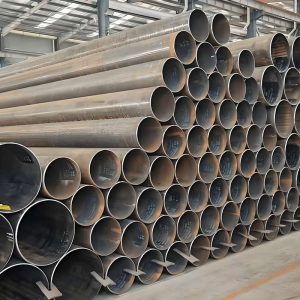
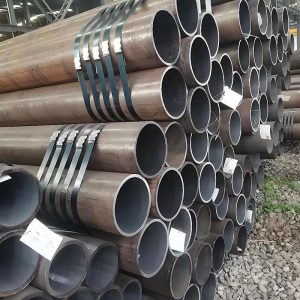
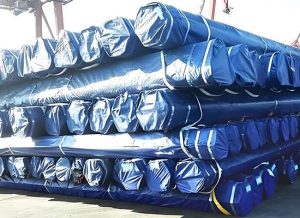
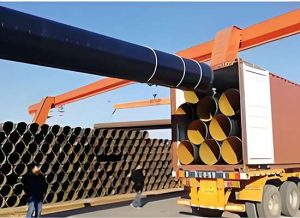
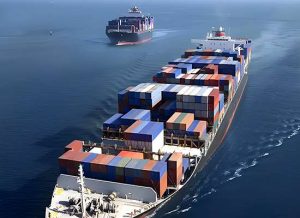
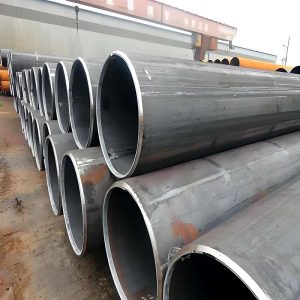
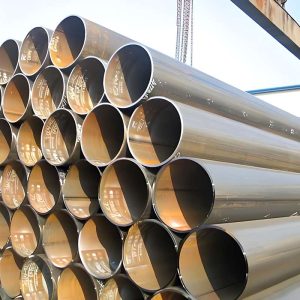
API 5L X52 Line Pipe Loading  API 5L X52 Line Pipe Transportation


FAQ on Mechanical Applications of Seamless Carbon Steel Pipes

Q1: Should hot-rolled or cold-drawn seamless carbon steel pipes be selected for mechanical applications?

A1:
Load-bearing structures, support frames → Select hot-rolled pipes for superior toughness and load-bearing capacity.
Precision components, hydraulic pipes, bushings → Select cold-drawn pipes for high dimensional accuracy, smooth surface finish, and ease of machining.
Practical tip: Clearly define application purpose and precision requirements during the design phase to quickly determine the appropriate pipe type.

Q2: How to select pipe diameter and wall thickness based on mechanical structural forces?

A2:
Small components (hydraulic cylinders, bushings) → Outer diameter 20–60 mm, wall thickness 2–6 mm
Medium to large support frames → Outer diameter 60–150 mm, wall thickness 4–10 mm
Practical tip: Consult structural load calculations or standard tables to avoid failure due to insufficient wall thickness or cost waste from excessive thickness.

Q3: What are the material standards for seamless pipes used in machinery? How should they be selected?

A3:
Common standards: ASTM A106 Gr.B, ASTM A53, EN 10216-1 S235/S275
Materials must meet strength and toughness requirements, accompanied by material certificates (EN 10204 3.1/3.2).
Practical tip: During procurement, verify chemical composition and mechanical properties to ensure welding, machining, and load-bearing performance meet mechanical application requirements.

Q4: What considerations are important when processing seamless tubes for machinery?

A4:
Cold-drawn tubes exhibit high hardness. When bending or welding, stress control is essential to prevent cracking.
Hot-rolled tubes offer good weldability but may have slightly lower straightness and surface quality, requiring straightening or grinding before machining.
Practical tip: For precision components, select cold-drawn tubes with machining allowances; perform heating or pre-treatment before welding or bending.

Q5: How can rust be prevented on seamless pipes used in machinery when exposed to outdoor or corrosive environments?

A5:
Indoor precision components → Use bright or polished pipes to minimize friction and surface imperfections.
Outdoor or high-humidity environments → Select hot-dip galvanized or coated pipes, and perform regular inspections and maintenance.
Practical tip: Confirm surface treatment methods before construction to avoid on-site rework.

Q6: How can I quickly determine if purchased seamless carbon steel pipes meet mechanical application requirements?

A6:
Verify material certificates (EN 10204 3.1/3.2)
Check outer diameter, wall thickness, and straightness within tolerance limits
Visually inspect surface quality (no cracks, pores, or folds)
Practical advice: Conduct rapid acceptance based on design requirements to ensure pipes are ready for immediate processing or installation upon arrival, saving construction time.