
I. Why Is It Important to Distinguish Between Welded and Seamless Pipes?
When purchasing carbon steel pipes, many buyers face a critical decision:
Should they choose welded steel pipes or seamless steel pipes?
Making the wrong choice can not only compromise project safety but also lead to unnecessary costs. Therefore, understanding the fundamental differences between the two is the first step toward making the right selection.
II. Key Differences at a Glance (Quick Reference)
| Comparison Item | Welded Carbon Steel Pipe (Welded) | Seamless Carbon Steel Pipe (Seamless) |
|---|---|---|
| Manufacturing Process | Steel plate rolling + welding | Piercing + rolling forming |
| Weld Seam | Yes | No |
| Strength Performance | Medium | ⭐ Higher |
| Pressure Capacity | Moderate | ⭐ Stronger |
| Dimensional Accuracy | Relatively High | High |
| Cost | ⭐ Lower | Higher |
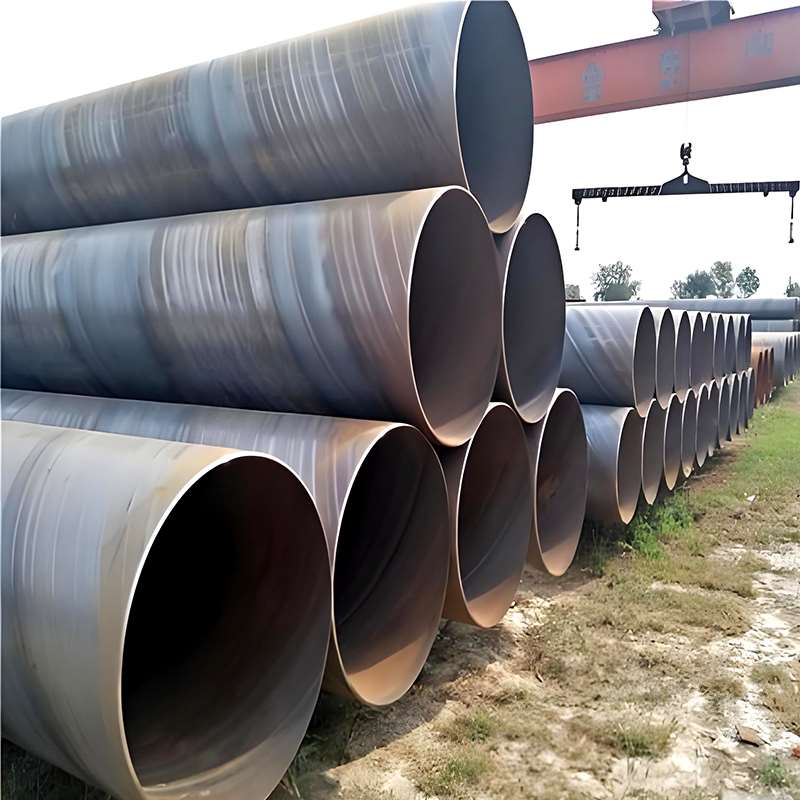
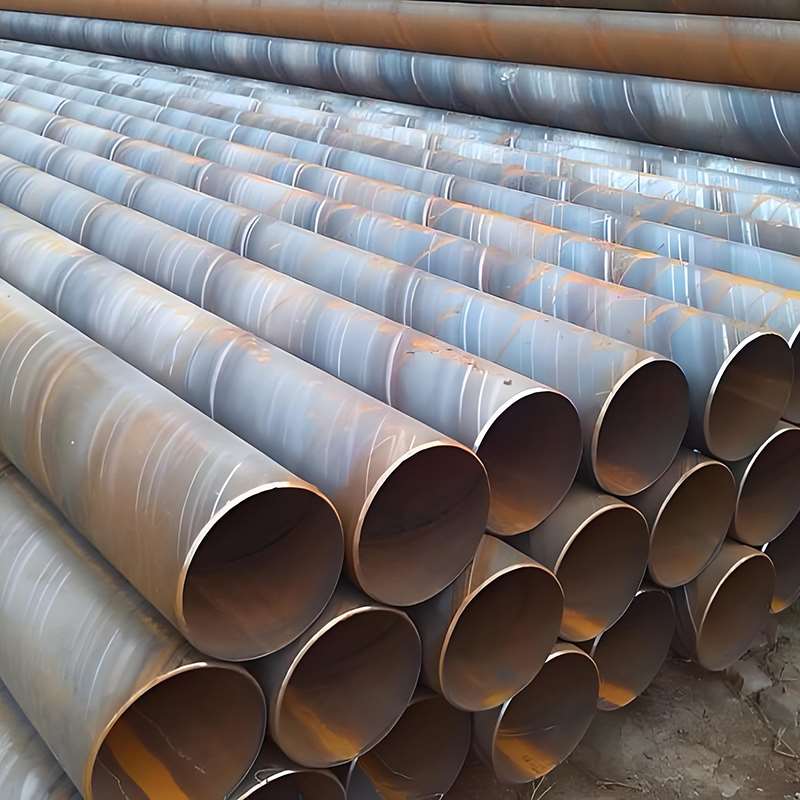
III. Advantages and Limitations of Welded Carbon Steel Pipes
- Advantages
- Low cost and high value for money
- Capable of producing large-diameter steel pipes
- Short lead times
- Consistent dimensional control
- Limitations
- The weld area may be a weak point
- Not suitable for extremely high pressure or harsh environments
- Applications:
- Water supply and drainage systems
- Structural engineering
- Low-pressure fluid conveyance
IV. Advantages and Limitations of Seamless Carbon Steel Pipes
- Advantages
- No welds, resulting in a more uniform structure
- High pressure-bearing capacity
- Suitable for high-temperature and high-pressure environments
- Greater safety
- Limitations
- Higher cost
- Limitations on the production of large-diameter pipes
- Relatively long lead times
- Applications:
- Oil and natural gas transmission
- Boilers and high-temperature steam systems
- High-pressure industrial pipelines
V. How to Choose?
In actual projects, it is recommended to make decisions based on the following criteria:
- Consider pressure requirements
- High pressure → Choose seamless steel pipes
- Medium to low pressure → Welded pipes are sufficient
- Consider the operating environment
- High temperature / Low temperature / Corrosive conditions → Prioritize seamless pipes
- Standard environments → Welded pipes are more cost-effective
- Consider the budget
- Cost-sensitive projects → Welded pipes
- Safety-first projects → Seamless pipes
- Consider Pipe Diameter Requirements
- Large diameters (e.g., ≥ 20″) → Welded pipes are more suitable
VI. Comparison of Common Applications (More Visual)
| Application Area | Recommended Type |
|---|---|
| Structural Construction | Welded Steel Pipe |
| Water Transmission | Welded Steel Pipe |
| Oil & Gas | Seamless Steel Pipe |
| High-Pressure Boilers | Seamless Steel Pipe |
| LNG Low Temperature Projects | Seamless Steel Pipe |
VII. Common Misconceptions in Procurement
❌ Misconception 1: Assuming seamless pipes are always better (ignoring cost)
❌ Misconception 2: Choosing seamless pipes for low-pressure projects (over-specification)
❌ Misconception 3: Ignoring standards (e.g., API/ASTM)
❌ Misconception 4: Focusing only on price rather than application
Best Practice:
Select the appropriate type based on requirements, rather than blindly choosing the “most expensive” or “strongest” option.