Products

Related News

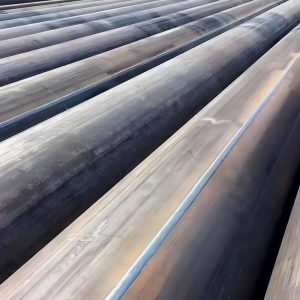
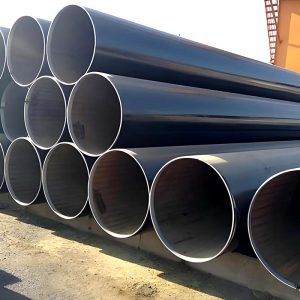
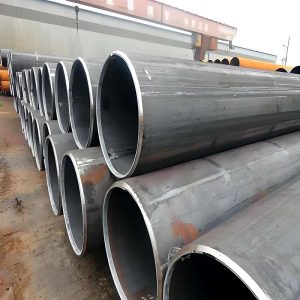
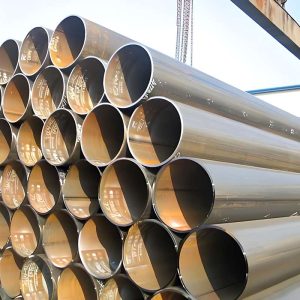
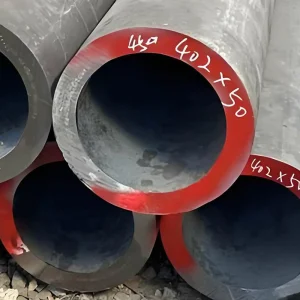
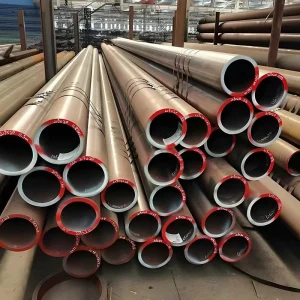
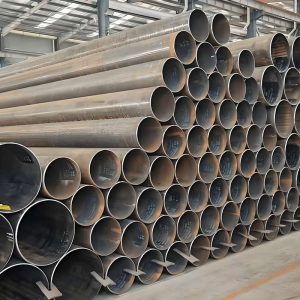
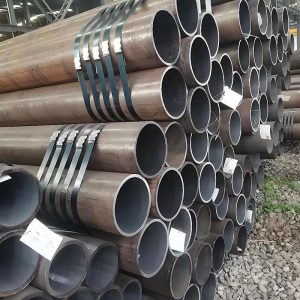
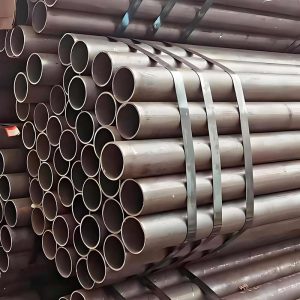
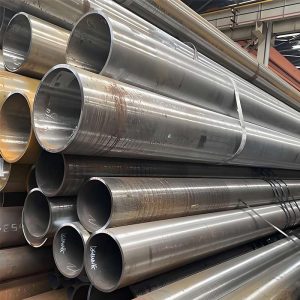
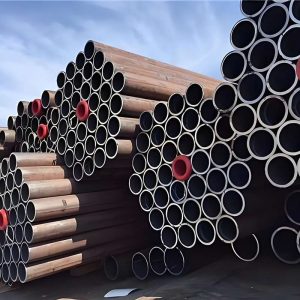
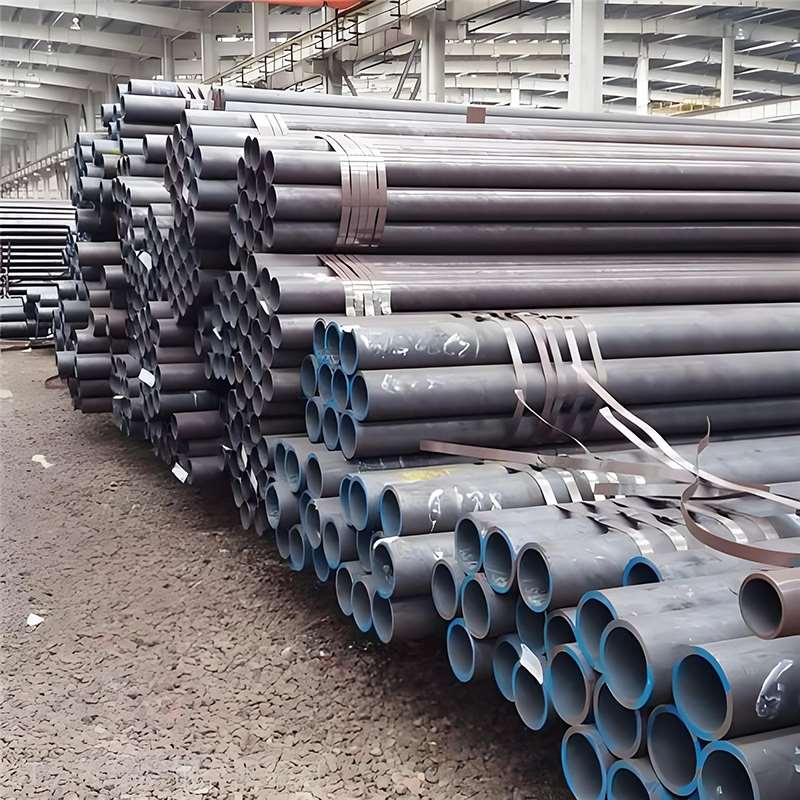
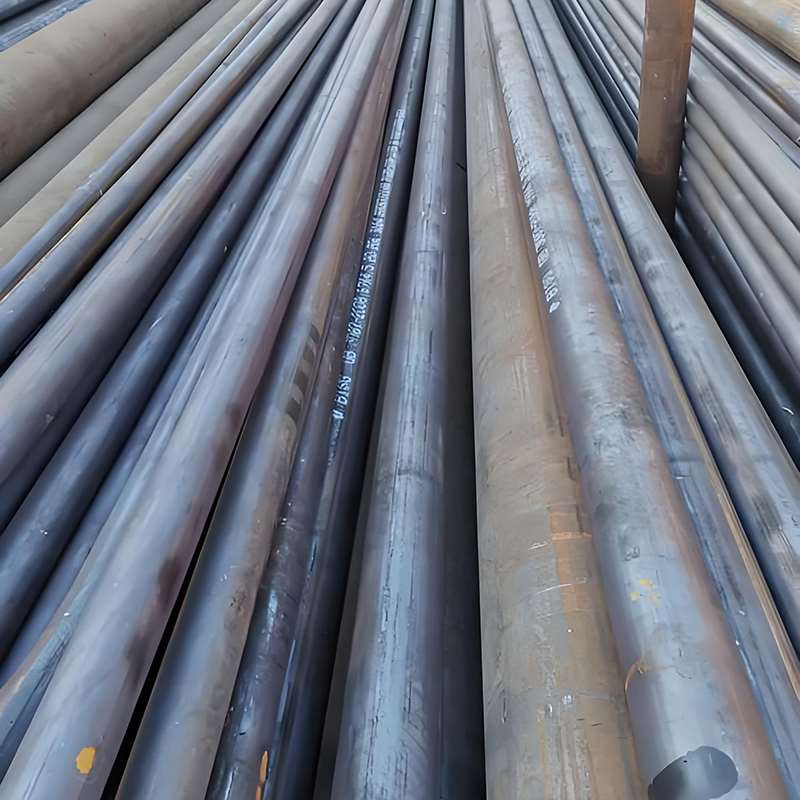
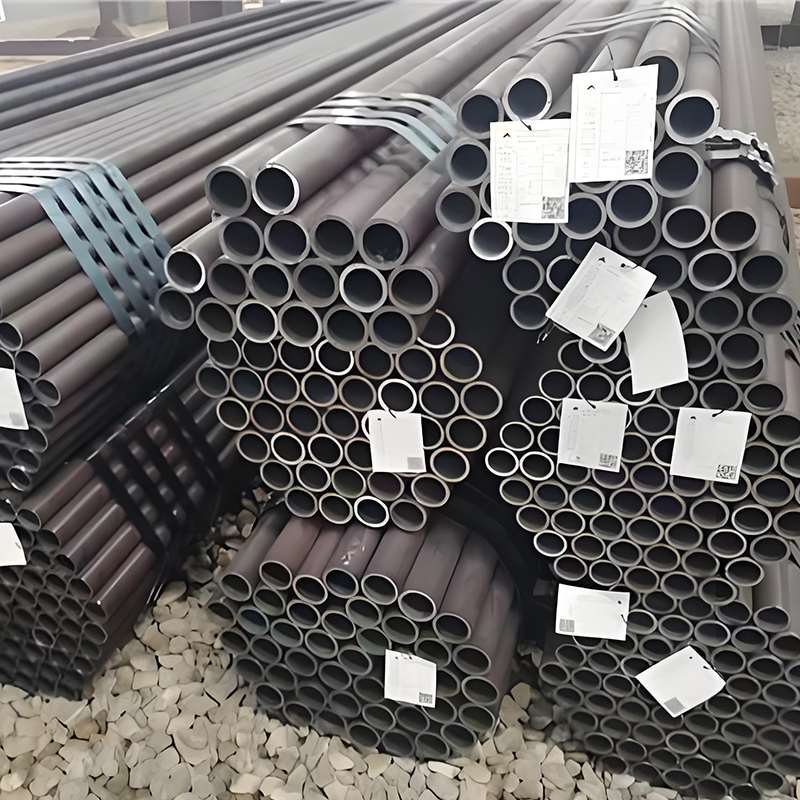
ASTM A333 carbon steel pipe

OD Range :

21.3 mm – 762 mm(约 1/2″ – 30″)

WT Range :

2.0 mm – 60 mm

Length :

6 m、9 m、12 m

Tolerance :

OD: ±1%, WT: ±12.5%, Length: +50/-0 mm

Material :

Gr.1, Gr.3, Gr.4, Gr.6, Gr.7, Gr.8, Gr.9, Gr.10, Gr.11 (commonly used: Gr.6)

Standard :

ASTM A333

Surface :

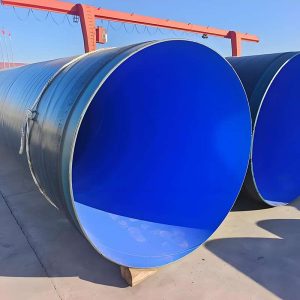
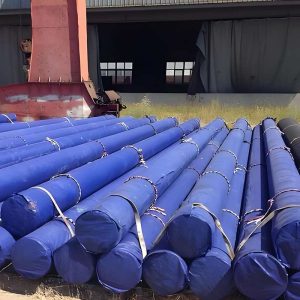
Black Painting、Anti-rust Oil、Varnish、Sandblasting, 3PE/FBE anti-corrosion coating

Application :

LNG natural gas pipelines, cryogenic pressure pipelines, oil and gas transportation, petrochemical plants, cryogenic storage tanks and heat exchange equipment

Introduction :

ASTM A333 carbon steel pipe is a seamless steel pipe specifically designed for low-temperature environments.

I. Overview of ASTM A333 Carbon Steel Pipe

ASTM A333 carbon steel pipe is suitable for cryogenic pressure piping, capable of withstanding operating environments from -46°C to -196°C.

It is used for LNG transportation, cryogenic storage tanks, and oil and gas pipelines. The appropriate steel grade can be selected based on the project’s temperature requirements.

Common steel grades include Gr.1, Gr.3, Gr.6, Gr.7, and Gr.8, among which ASTM A333 Gr.6 is the most widely used cryogenic carbon steel pipe.

II. Unique Features of ASTM A333 (Distinguishing it from ordinary carbon steel pipe)

FeatureDescription
Low-temperature toughnessMaintains good impact resistance even in low-temperature environments
Mandatory impact testCharpy V-notch impact test is required
Multiple low-temperature gradesIncludes Gr1, Gr3, Gr6, Gr7 and other temperature grades
Low-temperature service designSuitable for environments from -45℃ to -196℃
Suitable for cryogenic mediaLNG, liquid nitrogen, liquid oxygen, and other low-temperature fluids

III. Comparison of Chemical Composition and Characteristics of Major Steel Grades in ASTM A333 Low-Temperature Steel Pipes

Steel GradeMain Chemical Composition (Typical Max %)Material TypeMinimum Impact TemperatureKey Features
Gr.1C ≤0.30, Mn 0.40–1.06, P ≤0.025, S ≤0.025Low Carbon Steel−45 °CBasic low-temperature carbon steel, lower strength, limited applications
Gr.3C ≤0.19, Mn 0.31–0.64, Ni 3.18–3.82, P ≤0.025, S ≤0.0253.5% Ni Low-Temperature Alloy Steel−100 °CNickel improves low-temperature toughness, suitable for lower temperature environments
Gr.4C ≤0.12, Mn 0.50–1.60, Mo 0.44–0.65, P ≤0.025, S ≤0.025Mo Alloy Steel−45 °CHigher strength, balances low-temperature toughness and heat resistance
Gr.6C ≤0.30, Mn 0.29–1.06, P ≤0.025, S ≤0.025Low Carbon Steel−45 °CMost widely used low-temperature carbon steel pipe, cost-effective and readily available
Gr.7C ≤0.19, Mn ≤0.90, Ni 2.03–2.57, Cr ≤0.302.5% Ni Alloy Steel−75 °CMedium-low temperature alloy steel, better low-temperature toughness than carbon steel
Gr.8C ≤0.13, Mn ≤0.90, Ni 8.4–9.69% Ni Low-Temperature Steel−195 °CUltra-low temperature steel, commonly used in LNG storage and transportation systems

IV. ASTM A333 Low Temperature Steel Pipe Selection Reference Table

Minimum Operating Temperature RangeRecommended Steel GradeMaterial TypeTypical Engineering ApplicationsSelection Notes
0 °C to −30 °CASTM A106 Gr.B / A53 Gr.BCarbon SteelGeneral industrial piping, water supply & drainage systemsOrdinary carbon steel is sufficient
−30 °C to −45 °CASTM A333 Gr.6Low-Temperature Carbon SteelNatural gas pipelines, low-temperature chemical pipelinesMost commonly used low-temperature piping material
−45 °C to −75 °CASTM A333 Gr.72.5% Ni Alloy SteelNatural gas processing units, cryogenic storage & transportation systemsNickel-containing steel with better low-temperature toughness
−75 °C to −100 °CASTM A333 Gr.33.5% Ni Alloy SteelDeep cryogenic chemical units, low-temperature gas transportSuitable for even lower temperature environments
−100 °C to −196 °CASTM A333 Gr.89% Ni Low-Temperature SteelLNG storage & transportation systems, liquid nitrogen/oxygen pipelinesSpecialized material for ultra-low temperature applications

V. Comparison Table of Low Temperature Performance of ASTM A333, ASTM A106, and ASTM A53

ItemASTM A53ASTM A106ASTM A333
Standard NameCarbon Steel Pipe for Mechanical & Pressure UseSeamless Carbon Steel Pipe for High-Temperature ServiceLow-Temperature Carbon Steel Pipe
Main ApplicationGeneral structures, low-pressure fluid transportHigh-temperature, high-pressure pipingLow-temperature piping systems
Manufacturing MethodSeamless / WeldedSeamlessSeamless / Welded
Common GradesGr.A / Gr.BGr.A / Gr.B / Gr.CGr.1 / Gr.3 / Gr.6 / Gr.7 / Gr.8
Impact Test RequirementGenerally not requiredGenerally not requiredMandatory low-temperature impact test
Typical Minimum Service TemperatureApprox. −29 °CApprox. −29 °CDown to −45 °C or lower
Key FeaturesLow cost, widely usedSuitable for high-temperature and high-pressure environmentsDesigned specifically for low-temperature service
Typical ApplicationsConstruction, water supply & drainage, general industryBoilers, high-temperature petroleum & chemical pipingLNG, natural gas, low-temperature chemical, cryogenic equipment

Related Products

Nominal Size (NPS) Outer Diameter OD (mm) Common Wall Thickness WT (mm) Typical Pipe Length
1/2″ 21.3 2.77 / 3.73 5.8 m / 6 m / 11.8 m / 12 m
3/4″ 26.7 2.87 / 3.91 5.8 m / 6 m / 11.8 m / 12 m
1″ 33.4 3.38 / 4.55 6 m / 12 m
1 1/4″ 42.2 3.56 / 4.85 6 m / 12 m
1 1/2″ 48.3 3.68 / 5.08 6 m / 12 m
2″ 60.3 3.91 / 5.54 6 m / 12 m
2 1/2″ 73.0 5.16 / 7.01 6 m / 12 m
3″ 88.9 5.49 / 7.62 6 m / 12 m
4″ 114.3 6.02 / 8.56 6 m / 12 m
5″ 141.3 6.55 / 9.53 6 m / 12 m
6″ 168.3 7.11 / 10.97 6 m / 12 m
8″ 219.1 8.18 / 12.70 6 m / 12 m
10″ 273.0 9.27 / 12.70 / 15.09 6 m / 12 m
12″ 323.9 9.53 / 12.70 / 17.48 6 m / 12 m
14″ 355.6 9.53 / 12.70 / 19.05 6 m / 12 m
16″ 406.4 9.53 / 12.70 / 21.44 6 m / 12 m
18″ 457.0 9.53 / 14.27 / 23.83 6 m / 12 m
20″ 508.0 9.53 / 15.09 / 26.19 6 m / 12 m
24″ 609.6 9.53 / 17.48 / 30.96 6 m / 12 m

Basic information about ASTM A333 standard

Item Content
Standard ASTM A333 / ASME SA333
Full Standard Name Standard Specification for Seamless and Welded Steel Pipe for Low-Temperature Service
Applicable Products Seamless and welded steel pipes for low-temperature service
Governing Organization ASTM International
Service Temperature Minimum down to approx. −45°C (lower for some grades)
Main Grades Gr.1, Gr.3, Gr.4, Gr.6, Gr.7, Gr.8
Commonly Used Grade Gr.6 (most widely used)

Main contents specified in ASTM A333 standard

Item Description
Chemical Composition Specifies the content of elements like carbon, manganese, nickel, etc. for each grade
Mechanical Properties Yield strength, tensile strength requirements
Low-Temperature Impact Test Charpy V-notch impact test is mandatory
Manufacturing Process Seamless or welded steel pipes
Heat Treatment Normalizing, normalizing + tempering, etc.
Dimensional Tolerances Allowable deviations for outer diameter, wall thickness, and length
Inspection Methods Hydrostatic testing, non-destructive testing, etc.

Commonly related standards of ASTM A333

Standard Content
ASTM A333 Standard for low-temperature carbon steel pipe materials
ASME SA333 Equivalent standard in the Pressure Vessel Code
ASME B36.10 Standard for carbon steel pipe dimensions
ASTM A370 Test methods for material mechanical properties
ASTM E23 Standard for impact testing


Steel billet preparation → Tube blank forming (seamless/welded) → Heat treatment → Dimensioning → Inspection and testing → Surface treatment → Packaging and shipping

1. Billet Preparation
Select low-carbon steel or nickel-containing steel billets that meet the required steel grades.
Check that the chemical composition meets the requirements of ASTM A333 for each steel grade.
Prepare the billets by heating.

2. Billet Forming
Seamless Steel Pipes:
Hot rolling or hot extrusion forming;
Drilling with a piercing mill to form the billet.
Welded Steel Pipes (ERW/SAW):
Steel plates or strips rolled into cylinders;
High-frequency or submerged arc welding.

3. Heat Treatment
Normalizing or normalizing + tempering (for some steel grades)
The purpose is to improve low-temperature toughness
to ensure that the steel will not become brittle at impact test temperatures.

4. Dimensioning
Outer diameter correction, wall thickness adjustment
Fitting to length (commonly 6m/12m or standard length)
End machining: flat or chamfered ends

5. Inspection and Testing
Dimensional inspection: outer diameter, wall thickness, length, ovality
Mechanical property testing: yield strength, tensile strength
Low-temperature impact test: Charpy V-Notch Test (−45 °C and below)
Non-destructive testing: ultrasonic or radiographic testing
Hydraulic pressure test: to ensure pipe sealing performance.


ASTM A333 Commonly Used Test Standards for Low-Temperature Carbon Steel Pipes

Inspection Item Inspection Content Standard / Method Technical Requirements / Purpose
Chemical Composition Test Elements such as C, Mn, Ni, P, S ASTM A333 / ASTM E415 / Chemical Analysis Meet grade requirements to ensure low-temperature toughness and strength
Visual Inspection Surface smoothness, no cracks, scratches, zinc spatter Visual Inspection Ensure appearance and corrosion resistance
Dimensional Inspection Outer diameter, wall thickness, length, ovality, straightness ASTM A333 / ASME B36.10 Outer diameter and wall thickness tolerance ±1~2%, length tolerance ±50 mm, ovality ≤1%, straightness ≤0.5%
Mechanical Property Test Yield strength, tensile strength, elongation ASTM A333 / ASTM A370 Meet mechanical property requirements for each grade
Low-Temperature Impact Test Charpy V-notch impact test ASTM A333 / ASTM E23 Minimum impact temperature requirements for each grade: Gr.1/Gr.6 −45°C, Gr.3 −100°C, Gr.8 −195°C
Non-Destructive Testing Ultrasonic Testing (UT) or Radiographic Testing (RT) ASTM A333 / ASTM E213 / ASTM E94 Ensure no internal defects and low-temperature crack resistance
Hydrostatic Test Hydrostatic pressure test ASTM A333 / ASME B31.3 Ensure pipeline pressure resistance and prevent leakage
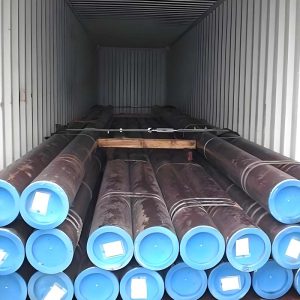
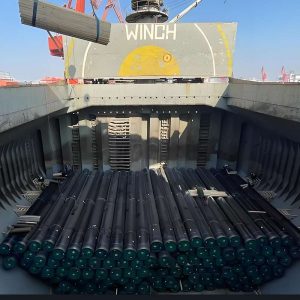
Packaging Inspection Packaging, end protection, anti-corrosion oil Company Standard / Customer Requirements Ensure no damage or rust during transportation and storage

API 5L Line Pipe

ASTM A333 Low-Temperature Carbon Steel Pipe Frequently Asked Questions (FAQ)

Q1: What is the difference between ASTM A333 and ordinary carbon steel pipes (such as A106/A53)?

A1: ASTM A333 is specifically designed for low-temperature environments and must pass a low-temperature impact test (minimum -45°C or lower) to ensure that the pipe will not fracture brittlely at low temperatures. Ordinary carbon steel pipes such as A106/A53 do not possess this low-temperature toughness and are prone to brittle fracture at low temperatures.

Q2: How to select the ASTM A333 steel grade based on the operating temperature?

A2: Selection should be based on the lowest operating temperature of the pipeline or equipment:
−45°C and above → Gr.6 (most commonly used)
−75°C → Gr.7 (2.5% Ni alloy steel)
−100°C → Gr.3 (3.5% Ni alloy steel)
−196°C (extremely low temperature) → Gr.8 (9% Ni steel) The safety factor and pressure rating should also be considered.

Q3: Which is more suitable for cryogenic pipelines, Gr.3 or Gr.6?

A3: Gr.3 contains nickel (3.5% Ni), resulting in higher low-temperature toughness and making it suitable for extremely low-temperature environments. Gr.6 is a low-carbon steel, with lower cost and wider supply, suitable for cryogenic conditions at -45°C and above, and is the preferred choice for most cryogenic pipeline projects.

Q4: Can ASTM A333 be used for LNG or liquefied natural gas pipelines?

A4: Yes, but the appropriate steel grade needs to be selected:
LNG storage and transportation and cryogenic pipelines generally choose Gr.8 (9% Ni).
Conventional cryogenic pipelines (-45°C) can choose Gr.6.
In addition, it is necessary to ensure that the pipeline has undergone cryogenic impact testing, non-destructive testing, and hydrostatic testing.

Q5: What are the weldability specifications for ASTM A333 steel pipes? Will low temperatures affect the weld?

A5: Both seamless and welded pipes conforming to ASTM A333 can be welded, but the weld must maintain low-temperature toughness:
* The pipe material needs proper preheating before welding.
* The weld material must match the steel grade.
* Post-weld heat treatment or stress relief may be required.
* This ensures the weld does not become brittle at low temperatures.

Q6: Besides the minimum temperature, what other factors need to be considered when designing pipelines?

A6: Besides the minimum temperature, the following should also be considered:
* Working pressure and pipe thickness
* Corrosive environment and corrosion protection requirements (e.g., FBE, 3PE coating)
* Pipeline length and transportation/construction methods
* Whether non-destructive testing and pressure testing are required
* A comprehensive consideration of these factors is necessary to select the appropriate steel grade and wall thickness to ensure safety and reliability.