
In chemical production and processing, pipeline systems play a critical role in transporting various liquids, gases, and mixed media. Due to the often highly corrosive nature of chemical substances, their complex compositions, as well as specific temperature and pressure requirements, much higher demands are placed on the safety and durability of piping materials.
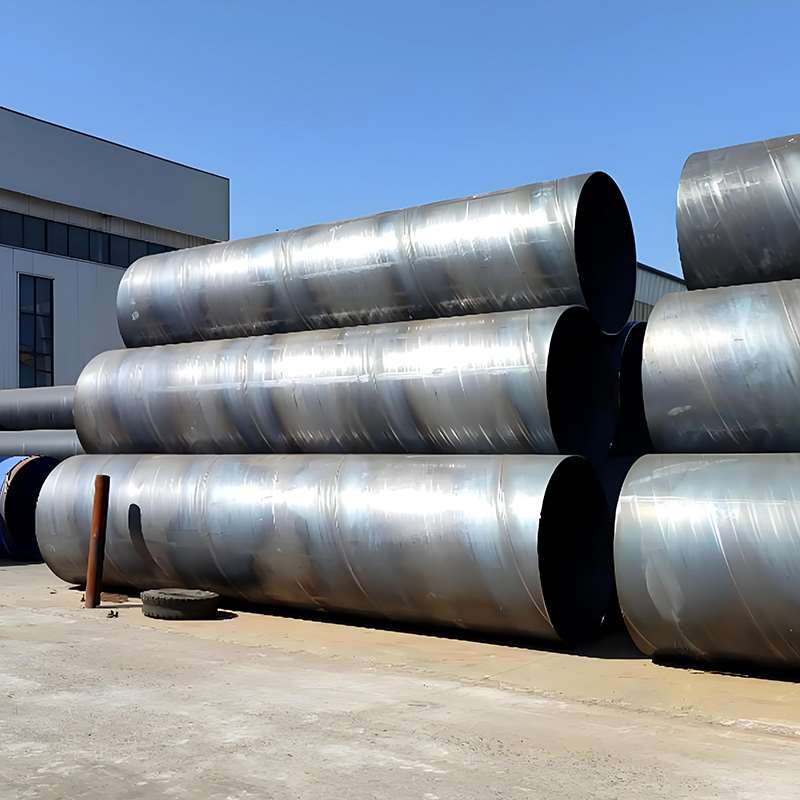
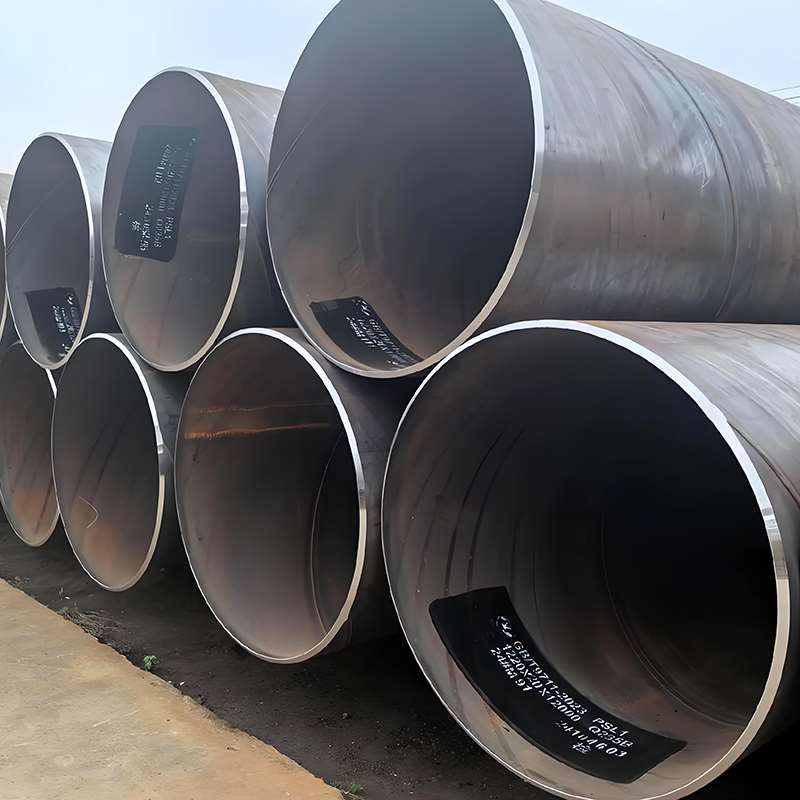
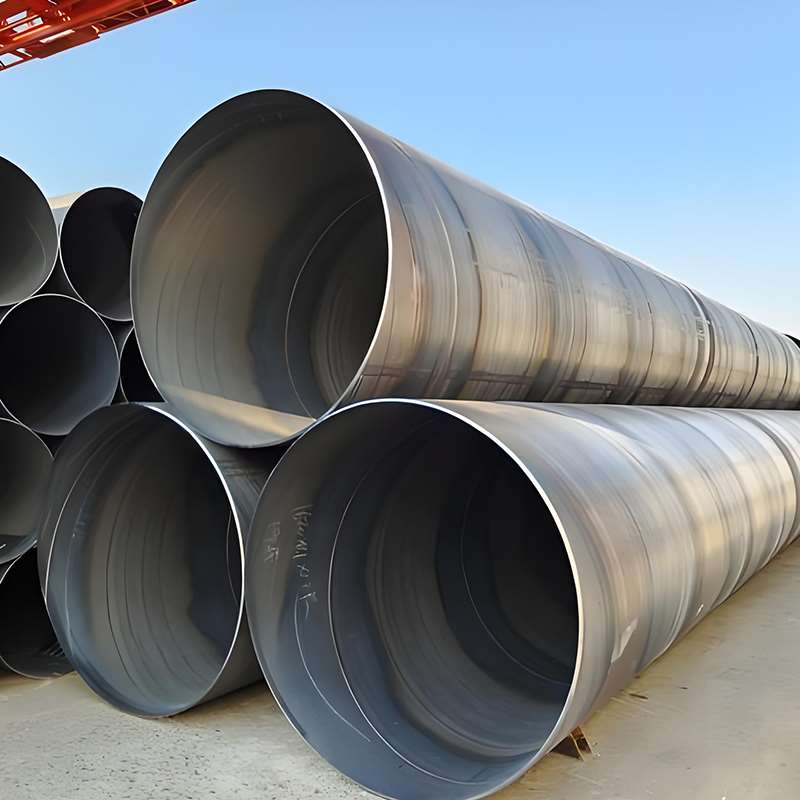
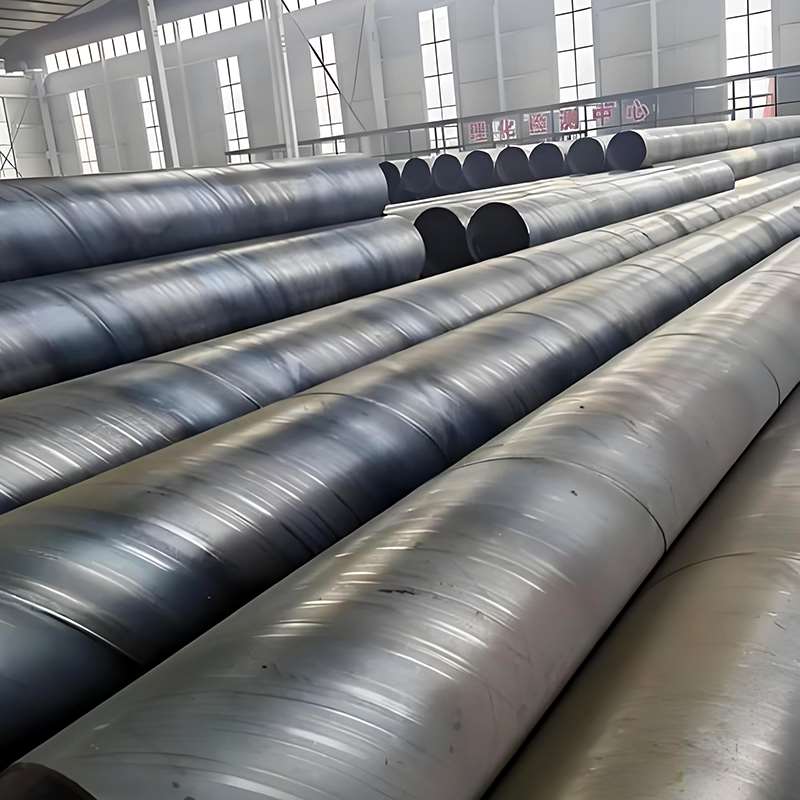
Spiral steel pipes are widely used in the chemical industry due to their high structural strength, capability for large-diameter production, and strong compatibility with advanced anti-corrosion systems.
I. Characteristics of the Chemical Industry: Highly Corrosive Media Environment
A defining feature of the chemical industry is the presence of complex and corrosive media, such as acids, alkalis, salt solutions, organic solvents, and industrial wastewater. These substances can cause significant chemical attack on metal pipelines, leading to:
- Internal wall corrosion and perforation
- Localized pitting corrosion and stress corrosion cracking
- Reduced service life
- Increased risk of leakage
Therefore, the requirements for piping systems in the chemical industry go beyond simple conveyance capability. The primary focus is on long-term safe transport and stable, reliable operation under continuous exposure to aggressive media.
II. Why Spiral Steel Pipes Are Used in the Chemical Industry
1. Suitable for Large-Diameter Transmission Systems
Chemical engineering projects typically require long-distance transportation of large-volume fluid media. Spiral steel pipes are capable of manufacturing:
- Large diameters ranging from DN300 to DN3000
- Thick-wall, high-pressure-bearing structures
- Continuous long-distance pipeline systems
Compared with seamless steel pipes, spiral steel pipes offer significantly lower cost in large-diameter applications.
2. Compatible with Multiple Anti-Corrosion Systems
The most critical characteristic of chemical environments is high corrosion aggressiveness.Welded Pipe
Therefore, spiral steel pipes used in the chemical industry are typically equipped with advanced anti-corrosion systems, such as:
| Anti-Corrosion Type | Suitable Media | Characteristics |
|---|---|---|
| 3PE Coating | Buried chemical pipelines | Excellent resistance to soil corrosion |
| FBE (Fusion Bonded Epoxy) | Chemical liquid transportation | Strong adhesion performance |
| TPEP Coating | Highly corrosive media | Internal and external dual-layer corrosion protection |
| Epoxy Coal Tar Coating | Industrial wastewater | Cost-effective solution |
| IPN8710 Internal Coating | Drinking water & industrial water | Smooth internal pipe surface for improved flow efficiency |
3PE, FBE, TPEP and other anti-corrosion systems have been widely used in the petrochemical and industrial transportation fields.
III. Main Application Environments of Spiral Steel Pipes in the Chemical Industry
1. Highly Corrosive Chemical Media Transport Systems
Typical environments:
- Acidic media (e.g., hydrochloric acid, sulfuric acid)
- Alkaline solutions (e.g., NaOH)
- Strongly corrosive industrial liquids
Recommended spiral steel pipe types:
- Lined plastic spiral steel pipes (PE/PO internal lining)
- Rubber-lined spiral steel pipes (acid and alkali resistant rubber lining)
- FBE internal coated spiral steel pipes (moderate corrosion conditions)
2. Industrial Wastewater / Effluent Discharge Systems
Typical environments:
- Chemical wastewater discharge networks
- Wastewater collection and transportation systems
- Mixed corrosive liquid effluents
Recommended spiral steel pipe types:
- FBE anti-corrosion spiral steel pipes (internal & external coating)
- 3PE external coating + internal epoxy lining system
- Heavy-duty anti-corrosion spiral steel pipes (reinforced coating systems)
3. Chemical Raw Material Transmission Pipelines
Typical environments:
- Liquid raw material transportation
- Intermediate chemical product transfer
- Plant or industrial park pipeline networks
Recommended spiral steel pipe types:
- API 5L Gr.B / X42 spiral steel pipes
- FBE internal and external coated spiral steel pipes
- 3PE anti-corrosion spiral steel pipes (for buried applications)
4. Industrial Circulating Medium Systems
Typical environments:
- Cooling water circulation systems
- Process fluid circulation systems
- Heat exchange auxiliary systems
Recommended spiral steel pipe types:
- Large-diameter spiral steel pipes (DN600 and above)
- Cement mortar lined spiral steel pipes
- Internal epoxy coated spiral steel pipes
5. Buried Chemical Pipeline Networks
Typical environments:
- Underground pipeline networks in chemical industrial parks
- Long-distance transmission pipelines
- Soil corrosion environments
Recommended spiral steel pipe types:
- 3PE anti-corrosion spiral steel pipes
- FBE external coated spiral steel pipes
- Cathodic protection systems (recommended as a supporting protection measure)
6. High-Safety Industrial Pipe Rack Systems
Typical environments:
- Large-scale chemical industrial park pipe racks
- Multi-media centralized transmission systems
- Integrated industrial pipeline networks
Recommended spiral steel pipe types:
- High-grade API 5L spiral steel pipes (X42 / X52)
- FBE external coating + topcoat system
- Maintainable industrial piping systems
IV. Standards for Spiral Steel Pipes Used in Chemical Industry
| Category | Standard Name | Standard Number | Application Scope | Description |
|---|---|---|---|---|
| Line Pipe Standard | API 5L | API 5L | Chemical raw material transportation, industrial pipeline networks | The most commonly used standard, suitable for medium and low-pressure chemical transmission systems |
| Chinese Line Pipe Standard | GB/T 9711 | GB/T 9711 | Chemical industrial parks, industrial transmission pipelines | Common standard used in domestic chemical engineering projects |
| General Carbon Steel Pipe | ASTM A53 | ASTM A53 | General industrial pipelines, auxiliary systems | Suitable for low-pressure chemical media transportation |
| Structural Steel Pipe | ASTM A252 | ASTM A252 | Pipe rack supports, non-pressure structures | Used for structural applications in chemical plants and pipe rack systems |
| Water / Industrial Water Standard | AWWA C200 | AWWA C200 | Industrial circulating water and chemical water systems | Suitable for large-diameter water transmission systems |
| Welded Steel Pipe Standard | SY/T 5037 | SY/T 5037 | Low-pressure fluid transportation | Used for general auxiliary pipelines in chemical industry |
Chemical raw material conveying system → API 5L / GB/T 9711
Industrial waste liquid and circulating water system → API 5L / AWWA C200
Low-pressure auxiliary piping → ASTM A53 / SY/T 5037
Pipe rack and support structure → ASTM A252
V. Commonly Used Materials in the Chemical Industry
| Material Grade | Characteristics |
|---|---|
| Q235B | General industrial fluid transportation |
| Q355B | Higher strength and improved load-bearing capacity |
| L245–L415 | API line pipe grades for pipeline transmission systems |
| X52 / X60 | Oil & petrochemical transportation applications |
| Stainless steel lining | Suitable for highly corrosive environments |
VI. FAQs – Spiral Steel Pipes for the Chemical Industry
1. Why are spiral steel pipes widely used in the chemical industry?
The chemical industry typically involves the transportation of large volumes of liquids, gases, and chemical media. As a result, pipeline systems must meet high requirements in terms of diameter, pressure resistance, and corrosion performance.
The main advantages of spiral steel pipes include:
- Capability to manufacture large-diameter pipes
- Suitable for long-distance transmission systems
- Lower cost compared with large-diameter seamless steel pipes
- Compatibility with multiple anti-corrosion systems
- Suitable for both buried and above-ground pipeline networks
In particular, large-diameter spiral steel pipes are widely used in chemical industrial parks, utility systems, circulating water networks, and industrial wastewater systems.
2. Do chemical plant spiral steel pipes require anti-corrosion protection?
In most cases, yes.
Chemical environments typically involve:
- Acid and alkali corrosion
- Humid operating conditions
- Salt-induced corrosion
- Chemical media attack
- Underground soil corrosion
Without proper anti-corrosion protection, carbon steel pipes are highly susceptible to:
- Internal wall corrosion
- Wall thickness reduction
- Weld seam corrosion
- Increased leakage risk
Therefore, the chemical industry selects different anti-corrosion systems depending on the conveyed medium.
Common configurations:
| Service Environment | Recommended Anti-Corrosion System |
|---|---|
| Buried chemical pipeline networks | 3PE coating |
| Chemical liquid transportation | FBE (Fusion Bonded Epoxy) coating |
| Industrial wastewater systems | Epoxy coal tar coating |
| Highly corrosive media | TPEP anti-corrosion system |
| Circulating cooling water systems | IPN8710 internal coating |
3. Will spiral steel pipes corrode when transporting chemical liquids?
Corrosion depends on several key factors:
- Type of transported medium
- Temperature
- Pressure
- pH value
- Anti-corrosion system
- Operating environment
For example:
- General industrial circulating water:
Internal anti-corrosion coating is usually sufficient - Acidic/alkaline media:
- FBE internal coating
- Epoxy resin lining
- Plastic-lined structures
- Even stainless steel lining in extreme conditions
- High-temperature chemical media:
- Coating temperature resistance
- Steel grade strength
- Thermal expansion and contraction behavior
4. Are 3PE spiral steel pipes suitable for chemical pipeline systems?
Yes, but application depends on installation conditions.
The key advantages of 3PE coating are:
- Excellent resistance to buried soil corrosion
- Strong anti-moisture performance
- Long service life
It is particularly suitable for:
- Underground pipeline networks in chemical industrial parks
- Long-distance transmission pipelines
- Outdoor buried engineering projects
However, it is not ideal for:
- High-temperature internal chemical media transport
- Long-term exposure to strong solvents
This is because 3PE is primarily designed for external corrosion protection, not for internal chemical resistance.
In many projects, a combined system is used:
- External 3PE + internal epoxy coating
This configuration is widely adopted in the chemical industry.
5. What is the difference between Chemical Pipeline SSAW Steel Pipe and ordinary water transmission steel pipe?
The key difference is:
Chemical pipeline systems place much higher emphasis on corrosion resistance and operational safety.
Ordinary water pipes are mainly used for:
- Potable water
- General industrial water
- Low-corrosivity fluids
Chemical pipelines, however, may transport:
- Acids
- Alkalis
- Salts
- Chemical solvents
- Industrial wastewater
Therefore, spiral steel pipes for chemical applications typically require:
- Higher-grade anti-corrosion systems
- Stricter weld inspection standards
- Higher wall thickness specifications
- More rigorous pressure testing
- Higher safety classification
Many chemical projects also require:
- 100% non-destructive testing (NDT)
- Hydrostatic pressure testing
- Holiday (spark) testing for coating integrity
6. Why are spiral steel pipes commonly used in industrial wastewater systems?
Industrial wastewater pipelines typically feature:
- Large flow volumes
- Large pipe diameters
- Strong corrosive media
- Long-distance buried installation
Spiral steel pipes are particularly suitable for:
- Large diameters above DN800
- Long-distance pipeline construction
- Municipal and industrial wastewater systems
Compared with seamless steel pipes:
- Lower overall cost
- Easier production of large diameters
- More economical installation
However, the main challenge in wastewater systems is internal corrosion.
Therefore, many projects adopt:
- Internal epoxy coating
- Cement mortar lining
- TPEP anti-corrosion system
- Reinforced anti-corrosion structures
If only procurement cost is considered while ignoring service life, long-term maintenance costs are often significantly higher.
7. Which is better for the chemical industry: seamless steel pipe or spiral steel pipe?
Spiral steel pipes are more suitable for:
- Large-diameter pipelines
- Medium to low-pressure systems
- Long-distance pipeline networks
- Buried installations
- Industrial wastewater systems
Seamless steel pipes are more suitable for:
- High-pressure systems
- High-temperature applications
- Small-diameter precision pipelines
- Hazardous chemical media
In many large chemical projects, both types are used in combination:
- Spiral steel pipes for main trunk lines
- Seamless steel pipes for high-pressure branch lines
This hybrid approach helps optimize both cost efficiency and system safety.