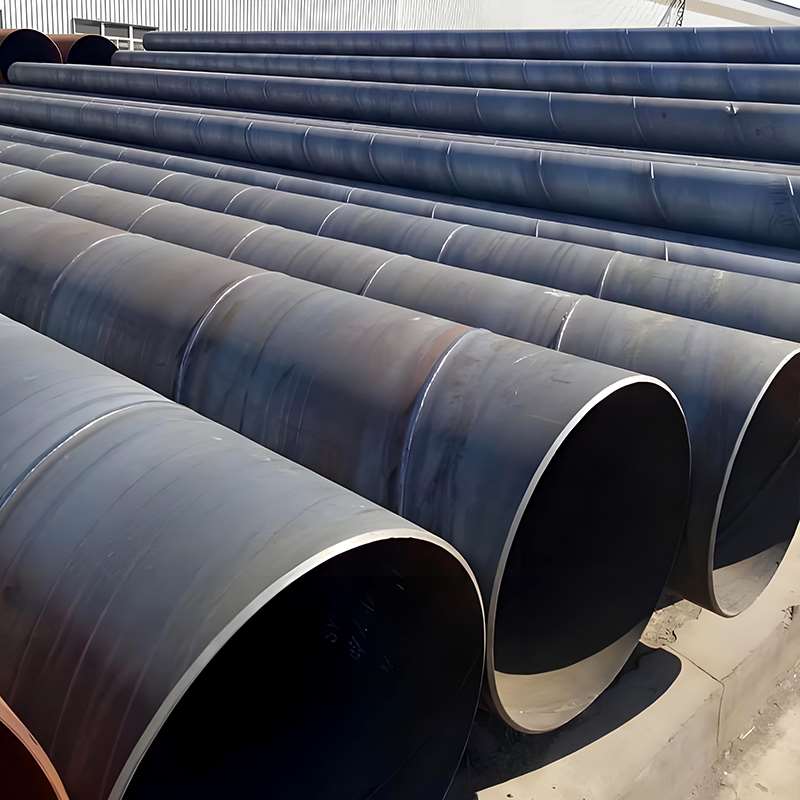
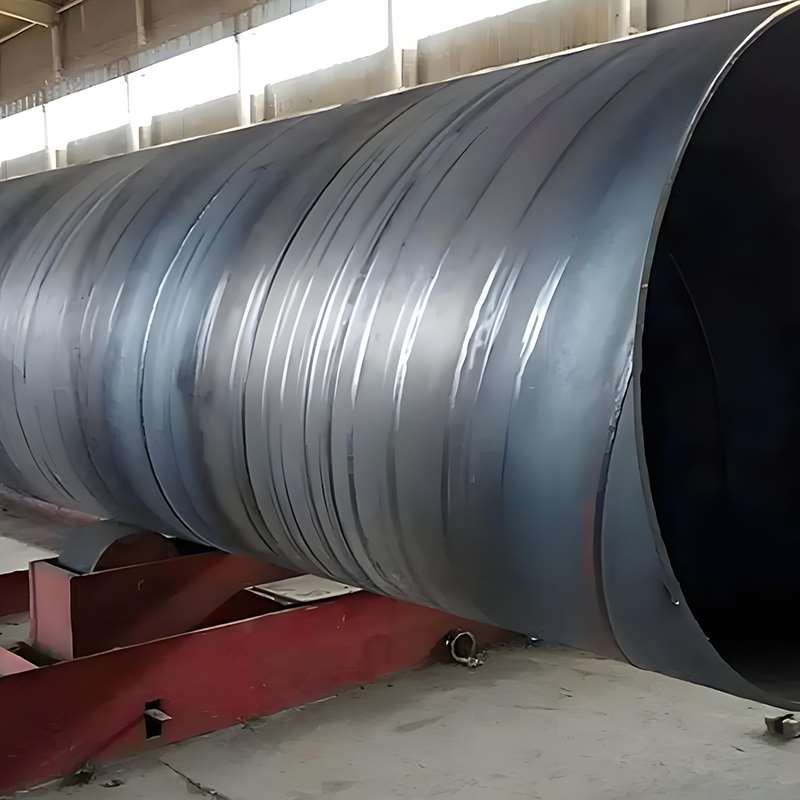
In oil and gas transmission, municipal water supply, power plant construction, bridge piling, and large-scale infrastructure projects, submerged arc welded (SAW) steel pipes are widely used due to their large diameter, high pressure-bearing capacity, and high production efficiency.
However, for large-scale project procurement, what truly determines construction quality and long-term operational stability is not simply the pipe price, but the overall capability of the supplier.
So how should contractors and engineers select a reliable submerged arc welded steel pipe supplier for major projects? The following key factors are essential.
I. Prioritize Verified Manufacturing Capability
A genuinely capable manufacturer typically operates with a complete production system, including:
- Spiral welded pipe production lines (SSAW)
- Longitudinal submerged arc welded pipe production lines (LSAW)
- Hydrostatic testing equipment
- Online ultrasonic testing (UT) systems
- X-ray (RT) inspection systems
- Coating and anti-corrosion production lines
If the supplier is only a trading company, the involvement of multiple intermediaries usually results in higher costs, less controllable quality, and less reliable delivery schedules.
For large-scale projects, it is recommended to evaluate:
- Factory scale and layout
- Annual production capacity
- Ability to handle bulk orders
- Long-term stable supply capability
- Willingness to support factory audits
Manufacturers that can provide factory videos, production photos, and real project references are generally more trustworthy.
II. Compliance with Steel Pipe Standards Is Critical
Common standards for submerged arc welded steel pipes include:
| Application Field | Common Standards |
|---|---|
| Oil & gas transmission | API 5L |
| Water transmission projects | AWWA C200 |
| Structural engineering | ASTM A252 |
| General fluid transport | ASTM A53 |
| Engineering projects in China | GB/T 9711 |
A reliable supplier should not only produce pipes that meet these standards, but also understand the technical requirements of different markets.
For example:
- Middle East projects often prioritize anti-corrosion performance
- Southeast Asia focuses more on price competitiveness and delivery time
- European projects require stricter weld inspection standards
- African projects emphasize corrosion resistance and transport adaptability
III. Quality Inspection Capability Matters More Than Low Price
Large-scale projects typically require comprehensive testing, including:
- Hydrostatic testing
- Ultrasonic testing (UT)
- Radiographic testing (RT / X-ray)
- Weld seam inspection
- Chemical composition analysis
- Mechanical property testing
High-quality suppliers establish full traceability systems, allowing each pipe to be tracked through raw materials, production batches, and inspection records.
For oil and gas pipelines, high-pressure water transmission systems, and power plant projects in particular, weld quality is a critical control point.
If a supplier cannot provide complete inspection reports, even if the price is attractive, it represents a significant project risk.
IV. Delivery Capability Directly Impacts Project Schedule
In large engineering projects, the biggest risk is not high pricing—it is delayed delivery.
Many projects operate under strict construction timelines. Any delay in steel pipe supply can directly affect installation, welding, and lifting schedules.
Therefore, when selecting a submerged arc welded pipe supplier, it is essential to confirm:
- Monthly production capacity
- Availability of ready stock
- Ability to support phased deliveries
- Export loading and container experience
- Familiarity with sea freight logistics
For export projects, additional factors include:
- Whether packaging is suitable for ocean shipping
- Support for third-party inspections
- Ability to provide complete export documentation
- Experience with destination country customs clearance requirements
Suppliers with international project experience are generally better equipped to support complex procurement and logistics workflows.
V. Anti-Corrosion Capability Determines Service Life
For water transmission, chemical plants, offshore engineering, and underground pipeline systems, the quality of the anti-corrosion coating is often more critical than the steel pipe itself.
Common coating systems include:
| Coating Type | Application Environment |
|---|---|
| 3PE coating | Buried pipeline systems |
| Coal tar epoxy coating | General underground engineering |
| FBE (Fusion Bonded Epoxy) | Oil & gas pipeline projects |
| Hot-dip galvanizing | Water supply, drainage, and structural applications |
| Cement mortar lining | Water transmission pipelines |
Large-scale projects should confirm whether the supplier has an in-house coating production line, and whether coating thickness inspection and adhesion testing are carried out according to international standards.
In many cases, pipeline corrosion issues are not caused by the steel material itself, but by insufficient coating quality or improper application processes.
VI. Do Not Focus Only on Price — Evaluate Total Cost of Ownership
Many buyers fall into the “low-price trap.” On the surface, the unit price may appear lower, but hidden costs often emerge later, including:
- Rework
- Re-supply delays
- Construction schedule disruption
- Welding defects
- Coating failure or peeling
- Transportation damage
These hidden costs can far exceed the initial price difference of the steel pipes.
A truly reliable submerged arc welded steel pipe supplier should provide:
- Stable and consistent product quality
- On-time delivery performance
- Complete inspection documentation
- Professional technical support
- Long-term partnership capability
For large-scale engineering projects, stability and reliability are always more important than the lowest price.