Products

Related News

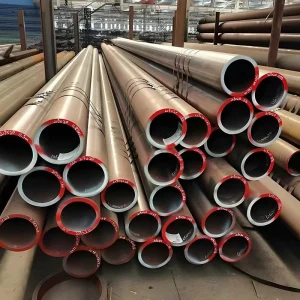
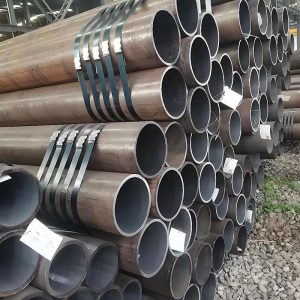
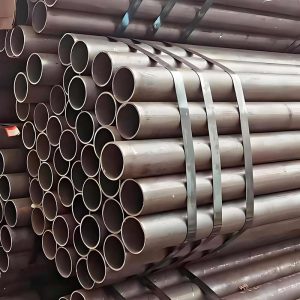
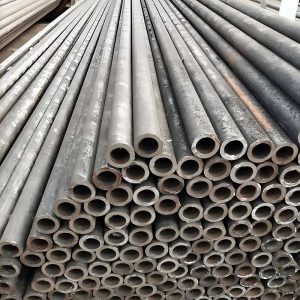
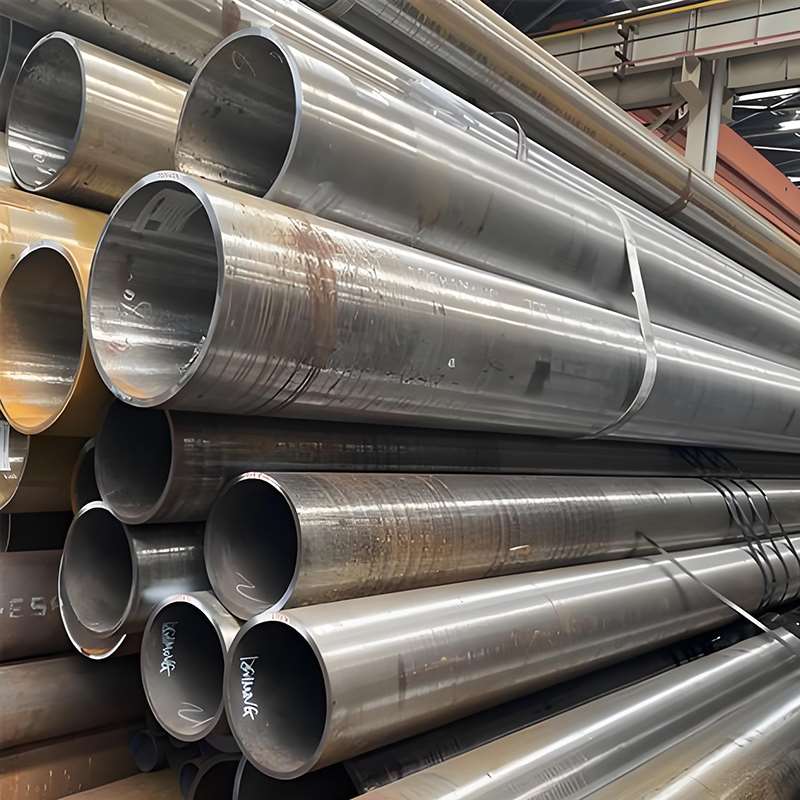
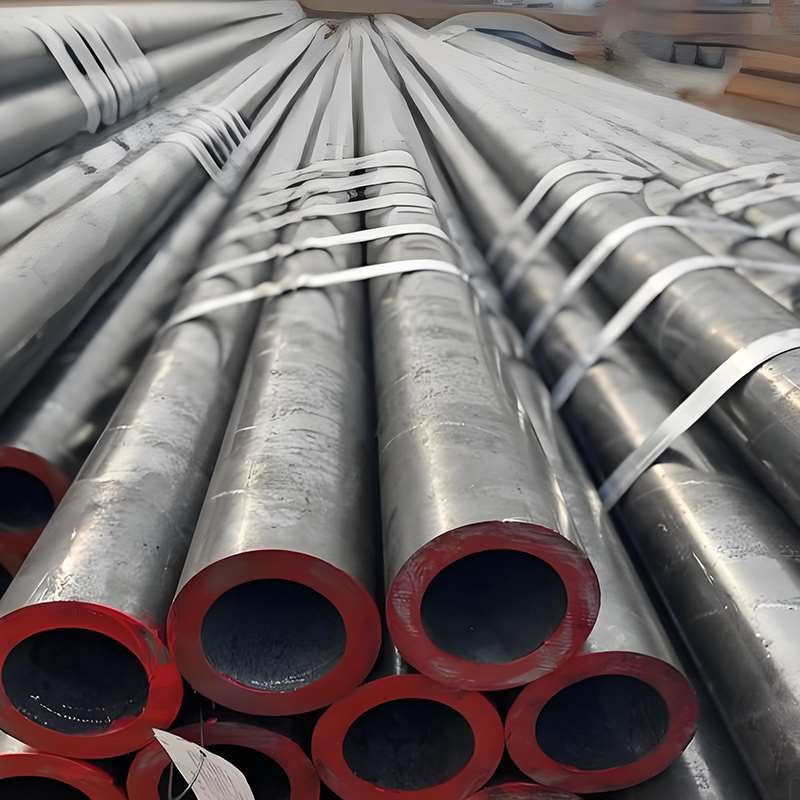
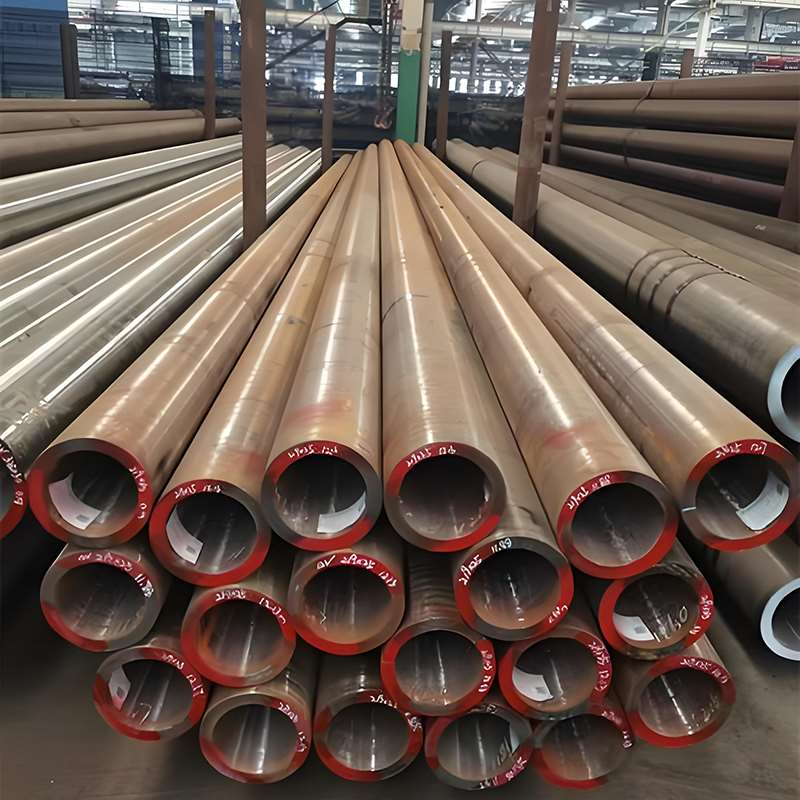
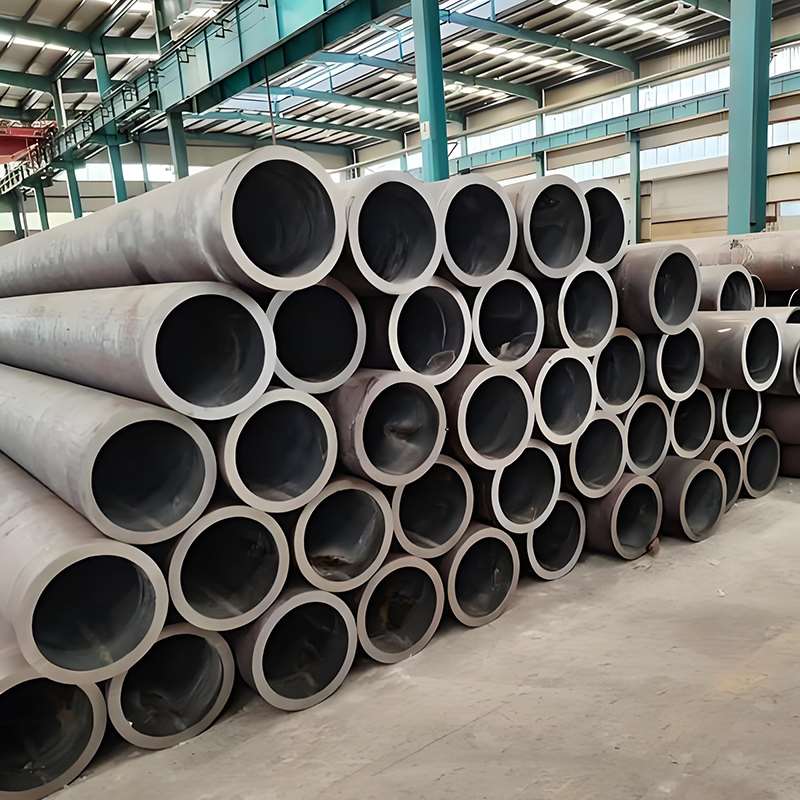
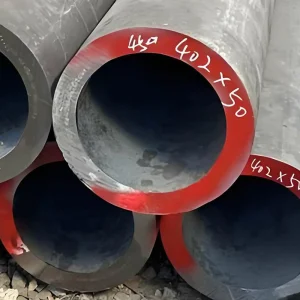
High-Pressure Alloy Steel Boiler Pipe

OD Range :

19.05 – 219 mm(3/4″ – 8″)

WT Range :

2.0 – 30 mm

Length :

6 m / 9 m / 12 m

Tolerance :

Outer Diameter: ±0.5%; Wall Thickness: ±10%; Length: +50 mm / -0 mm

Material :

ASTM A213:T11 / T22 / T91;ASTM A335:P11 / P22 / P91;EN 10216-2:P235GH / 16Mo3 / 13CrMo4-5

Standard :

ASTM A213 / ASTM A335 / EN 10216-2 / DIN 17175 / GB/T 5310

Surface :

Black Paint / Rust-Preventive Oil / Sandblasting / Clear Varnish / Galvanizing

Application :

Power plant boilers, steam pipelines, heat exchangers, petrochemicals, high-temperature and high-pressure fluid transport.

I. Overview of High-Pressure Alloy Steel Boiler Pipes

High-Pressure Alloy Steel Boiler Pipes are seamless alloy steel tubes specifically designed for high-temperature and high-pressure operating conditions. They are widely utilized in power plant boilers, steam piping systems, and petrochemical equipment.

These steel tubes typically comply with international standards such as ASTM A213, ASTM A335, and EN 10216-2. Common material grades include P11, P22, and P91, making them suitable for industrial systems operating across various temperature and pressure ratings.

II. High-Pressure Alloy Steel Boiler Pipes: Common Materials and Their Distinctions

Material GradeCorresponding StandardApplicable Temperature RangeMain FeaturesTypical Applications
P11 / T11ASTM A335 / A213≤ 450°CLow alloy steel, moderate strength, cost-effective, good weldabilityMedium-temperature, medium-pressure boilers, steam pipelines
P22 / T22ASTM A335 / A213≤ 550°CChromium-molybdenum alloy, good high-temperature resistance, strong oxidation resistanceHigh-temperature, high-pressure boilers, superheaters
P91 / T91ASTM A335 / A213≤ 600°CHigh-chromium alloy steel, high strength, excellent creep resistanceUltra-high-temperature, high-pressure power plant boilers, main steam pipelines
15Mo3EN 10216-2≤ 500°CMolybdenum alloy steel, good heat resistance, high stabilityEuropean standard boiler systems
13CrMo4-5EN 10216-2≤ 550°CChromium-molybdenum alloy, good high-temperature and corrosion resistancePressure vessels, boiler systems
10CrMo9-10EN 10216-2≤ 580°CHigh-performance alloy steel, suitable for higher temperature environmentsHigh-temperature pressure equipment
12Cr1MoVGGB/T 5310≤ 580°CDomestic high-temperature alloy steel, well-rounded performancePower plant boilers, steam systems

III. Selection and Corrosion Prevention Guidelines for High-Pressure Alloy Steel Boiler Tubes

Application AreaOperating ConditionsRecommended MaterialCorrosion Protection SuggestionNotes
Power Plant Main Steam PipeUltra-high temperature, high pressure (≤600°C, high-pressure steam)P91 / T91Internal anti-corrosion oil + external black paint or sandblastingP91 has high strength and excellent creep resistance, suitable for long-term continuous operation; corrosion protection is mandatory under high-temperature, high-pressure conditions
Superheater / Reheater PipeHigh temperature (450–600°C), medium-high pressureP22 / T22Internal and external anti-corrosion oil or varnishChromium-molybdenum alloy steel, good high-temperature resistance, suitable for boiler steam circulation pipelines
Conventional Boiler Steam PipeMedium temperature, medium pressure (≤450°C)P11 / T11Black paint or anti-rust oilCost-effective, sufficient strength, good weldability
Heat Exchanger / Chemical Steam PipeHigh temperature, corrosive medium (steam, hot water)P22 / P91 or 13CrMo4-5 (EN standard)Internal anti-corrosion oil + external paint/galvanizationHigh-temperature corrosive environment requires both heat resistance and corrosion resistance
Petrochemical / Chemical Plant PipingHigh temperature, high pressure, strongly corrosive mediumP22 / P91 or 10CrMo9-10 (EN standard)Internal anti-corrosion oil or corrosion-resistant coatingPrevent medium corrosion, ensure high-temperature stability, ensure safety
Offshore Power Plant / Seawater EnvironmentHigh temperature, high pressure + seawater corrosionP91 / 12Cr1MoVGInternal anti-corrosion oil + external paint or galvanization, or nickel-based alloy liningOffshore projects require extra corrosion protection to prevent salt spray and oxidation

Practical Selection Tips

  1. High Temperature & High Pressure → Prioritize P91
    Possesses strong creep resistance and is suitable for power plant main steam piping.
  2. General High Temperature & Medium Pressure → P22
    Commonly used for boiler superheaters and steam piping; strikes a balance between heat resistance and cost.
  3. Medium Temperature & Medium Pressure → P11
    Low cost; suitable for standard steam piping systems.
  4. Corrosive Environments → Focus on Corrosion Protection
    Internal anti-corrosion oil coating + external painting or galvanizing.
    For offshore or chemical environments, consider corrosion-resistant internal linings or upgrading to a higher-grade alloy (e.g., 10CrMo9-10).
  5. European / Export Projects → EN Standard Materials
    P235GH, 16Mo3, 13CrMo4-5, 10CrMo9-10
    Better complies with European design codes.
Related Products

Outer Diameter OD (mm) Wall Thickness WT (mm) Length L (m) Standard
19.05 2.0, 2.5 6 / 9 / 12 ASTM A213 / A335
25.00 2.0, 2.5, 3.0 6 / 9 / 12 ASTM A213 / A335
32.00 2.5, 3.0, 4.0 6 / 9 / 12 ASTM A213 / A335
38.00 3.0, 4.0, 5.0 6 / 9 / 12 ASTM A213 / A335
45.00 3.0, 4.0, 5.0, 6.0 6 / 9 / 12 ASTM A213 / A335
51.00 4.0, 5.0, 6.0, 8.0 6 / 9 / 12 ASTM A213 / A335
57.00 4.0, 5.0, 6.0, 8.0 6 / 9 / 12 ASTM A213 / A335
60.00 5.0, 6.0, 8.0 6 / 9 / 12 ASTM A213 / A335
76.00 6.0, 8.0, 10.0 6 / 9 / 12 ASTM A213 / A335
89.00 6.0, 8.0, 10.0, 12.0 6 / 9 / 12 ASTM A213 / A335
102.00 8.0, 10.0, 12.0, 14.0 6 / 9 / 12 ASTM A213 / A335
108.00 8.0, 10.0, 12.0, 14.0 6 / 9 / 12 ASTM A213 / A335
114.00 8.0, 10.0, 12.0, 14.0, 16.0 6 / 9 / 12 ASTM A213 / A335
133.00 10.0, 12.0, 14.0, 16.0, 18.0 6 / 9 / 12 ASTM A213 / A335
159.00 12.0, 14.0, 16.0, 18.0, 20.0 6 / 9 / 12 ASTM A213 / A335
168.00 12.0, 14.0, 16.0, 18.0, 20.0 6 / 9 / 12 ASTM A213 / A335
219.00 16.0, 18.0, 20.0, 25.0, 30.0 6 / 9 / 12 ASTM A213 / A335
Standard System Standard Number Material / Grade Applicable Description
USA ASTM ASTM A213 T11 / T22 / T91 Seamless alloy steel pipes for boilers and heat exchangers, suitable for high-temperature, high-pressure steam systems
USA ASTM ASTM A335 P11 / P22 / P91 High-temperature, high-pressure seamless steel pipes for power plant boilers and steam pipelines, resistant to heat and creep
Europe EN EN 10216-2 P235GH / 16Mo3 / 13CrMo4-5 / 10CrMo9-10 For pressure vessels and boiler systems, compliant with European industrial standards
Germany DIN DIN 17175 St35.8 / 15Mo3 / 13CrMo44 Steel pipes for high-temperature boilers, mainly used in power plants and chemical boiler systems
China GB GB/T 5310 12Cr1MoVG / 15CrMoG Domestic high-temperature, high-pressure boiler pipe standard, suitable for power plant boilers and steam pipelines

Production Process Flow

Raw Materials → Billet Heating → Piercing/Hot Rolling → Heat Treatment → Cold Working/Finishing → Inspection & Testing → Surface Treatment → Cutting & Packaging

1. Raw Material Preparation
Selection of high-quality alloy steel billets (carbon steel or low-alloy steel).
Chemical composition is strictly controlled in accordance with relevant standards (grades such as P11, P22, P91, etc.).

2. Billet Heating
The steel billet is heated to a uniform high temperature to facilitate subsequent forming and heat treatment.
The temperature is adjusted according to the material grade to ensure structural uniformity.

3. Piercing / Hot Rolling
The billet is formed into a tube shell using a piercing mill or hot rolling mill.
This process establishes the preliminary outer diameter and wall thickness of the tube.

4. Heat Treatment
Normalizing: Eliminates internal stresses and refines the microstructure.
Tempering: Enhances toughness and creep resistance.
For high-grade materials (e.g., P91), multiple heat treatment cycles may be performed.

5. Cold Working / Finishing (Optional)
Cold drawing or hot expanding processes are employed to ensure dimensional accuracy and surface finish.
Strict control of outer diameter and wall thickness tolerances.

6. Testing and Inspection
Chemical Composition Analysis (Spectrometer)
Mechanical Property Testing (Tensile, Hardness, Impact)
Non-Destructive Testing (UT, RT, Eddy Current)
Hydrostatic Testing

7. Surface Treatment
Internal and external anti-rust oil coating
Black paint spraying / Sandblasting / Varnish coating
Galvanizing or other anti-corrosion treatments available upon customer request

8. Cutting and Packaging
Custom-length cutting per customer requirements (standard lengths: 6m, 9m, 12m)
Ends can be finished as plain ends or beveled ends
Export packaging (wooden crates, bundling, pallets)


Inspection Item Inspection Content Technical Requirement / Acceptance Criteria
Visual Inspection Surface flatness, free of cracks, pores, slag inclusions, looseness, etc. Surface should be smooth, with no obvious defects
Dimensional Measurement Outer diameter, wall thickness, length, straightness OD tolerance ±0.5%, wall thickness tolerance ±10%, length tolerance +50 mm / -0 mm
Chemical Composition Content of C, Mn, P, S, Si, Cr, Mo, etc. Controlled according to material grade, e.g., P22: C≤0.12%, Mn≤0.50%, P≤0.025%, S≤0.015%, Cr≈2.25%, Mo≈1.0%
Mechanical Properties Yield strength, tensile strength, elongation, impact toughness According to material requirements in ASTM A213 / A335 or EN 10216-2
Non-Destructive Testing (NDT) Ultrasonic testing (UT), radiographic testing (RT), magnetic particle or penetrant testing Compliant with standard requirements, no cracks or inclusions
Hydrostatic Test Internal pressure resistance Hydrostatic test at 1.5–1.7× working pressure, no leakage
Hardness Test Rockwell or Brinell hardness Must meet material standard, e.g., P91: HRB 90–110
Surface Treatment Inspection Anti-rust oil coating, painting, varnish, galvanization Even coverage, no peeling or rust spots


Q1. What are the differences between P11, P22, and P91? Which one should I choose?

Answer:

  • P11 / T11: Suitable for medium-temperature, medium-pressure boiler steam pipes; low cost and good weldability.
  • P22 / T22: Suitable for high-temperature, high-pressure conditions; commonly used in superheaters and steam pipes; good high-temperature resistance.
  • P91 / T91: Used for main steam pipes in ultra-high-temperature, high-pressure power plant boilers; high strength and excellent creep resistance.
  • Material Selection Recommendation: Choose according to operating temperature, pressure, and project requirements. For example, temperature ≤450°C → P11; temperature 450–550°C → P22; temperature 550–600°C → P91.

Q2. How is the safety and reliability of piping materials ensured under high-temperature and high-pressure operating conditions?

Answer:

  • Select materials that comply with relevant standards (e.g., ASTM A213/A335 or EN 10216-2).
  • Strictly adhere to standard heat treatment procedures (Normalizing + Tempering) to ensure adequate creep resistance.
  • Ensure comprehensive testing requirements are met: chemical composition analysis, mechanical property testing, non-destructive testing (NDT), and hydrostatic pressure testing.
  • Implement anti-corrosion measures: apply internal anti-rust oil or protective coatings, and apply external paint or galvanization.

Q3. How are pipe dimensions selected? What standards apply to outer diameter and wall thickness?

Answer:

  • Wall thickness is selected based on the design pressure and temperature requirements, typically calculated in accordance with ASME, GB, or EN standards.
    The outer diameter is selected based on system interface specifications or flow rate requirements; available options range from 19 mm to 219 mm in outer diameter, with wall thicknesses ranging from 2 mm to 30 mm.
  • Pipes can be supplied in standard fixed lengths (6 m, 9 m, or 12 m) or customized according to specific project requirements.

Q4. What procedures should be followed for anti-corrosion treatment?

Answer:

  • For general steam piping: Applying black paint or anti-rust oil to the external surface is sufficient.
  • For corrosive environments (e.g., chemical plants, seawater exposure, or humid conditions): Apply anti-corrosion oil or a corrosion-resistant coating to the interior; for the exterior, apply paint, galvanization, or a nickel-based lining.
  • Anti-corrosion measures must be determined based on a comprehensive assessment of the material type, operating temperature, and the specific medium being transported, thereby ensuring rust-free operation over the long term.

Q5. What is the difference between selecting ASTM, EN, DIN, or GB standards?

Answer:

  • ASTM: Primarily used in the United States and for international projects; grades are designated as P11, P22, P91, etc.
  • EN / DIN: Commonly used in Europe and for export projects; grades are designated as 13CrMo4-5, 10CrMo9-10, etc.
  • GB: The standard commonly used for domestic boilers and power plants; grades are designated as 12Cr1MoVG, etc.
  • Recommendation: Select the standard based on the project’s design specifications and client requirements to ensure the piping material is suitable for the operating conditions and complies with safety regulations.

Q6. How can one ensure that piping materials perform without issues during long-term operation under high-temperature and high-pressure conditions?

Answer:

  • Select the appropriate material and grade (e.g., P22 or P91 for high-temperature and high-pressure applications).
  • Strictly adhere to the manufacturing process: Hot rolling/piercing + normalizing and tempering + finishing.
  • Conduct comprehensive testing: Chemical composition analysis, mechanical property testing, non-destructive testing (NDT), and pressure testing.
  • Combine these measures with proper anti-corrosion treatment, correct installation, and regular inspections to ensure the long-term safety and stability of the piping system.