Products

Related News

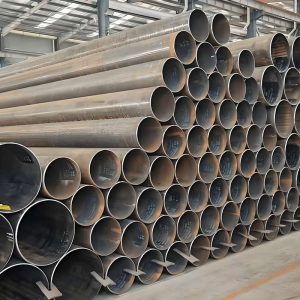
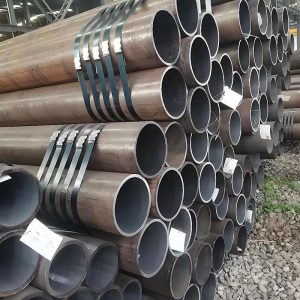
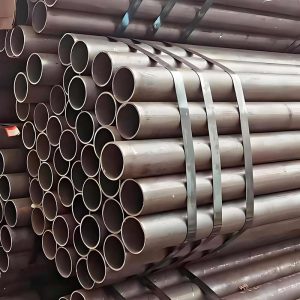
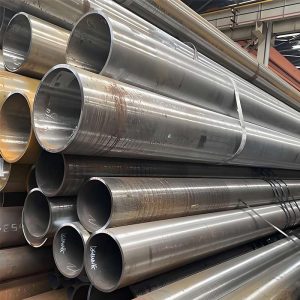
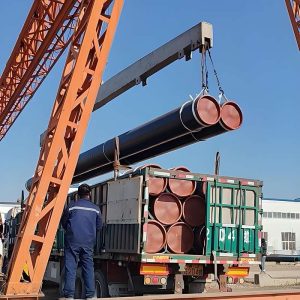
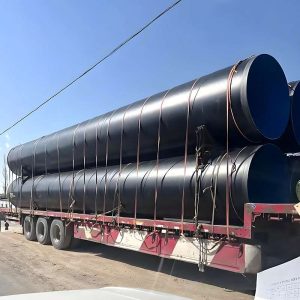
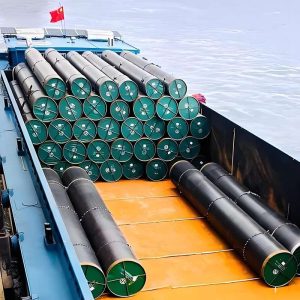
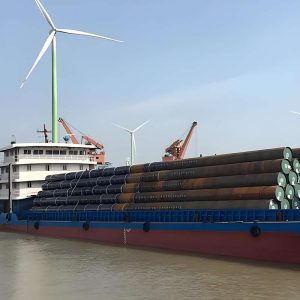
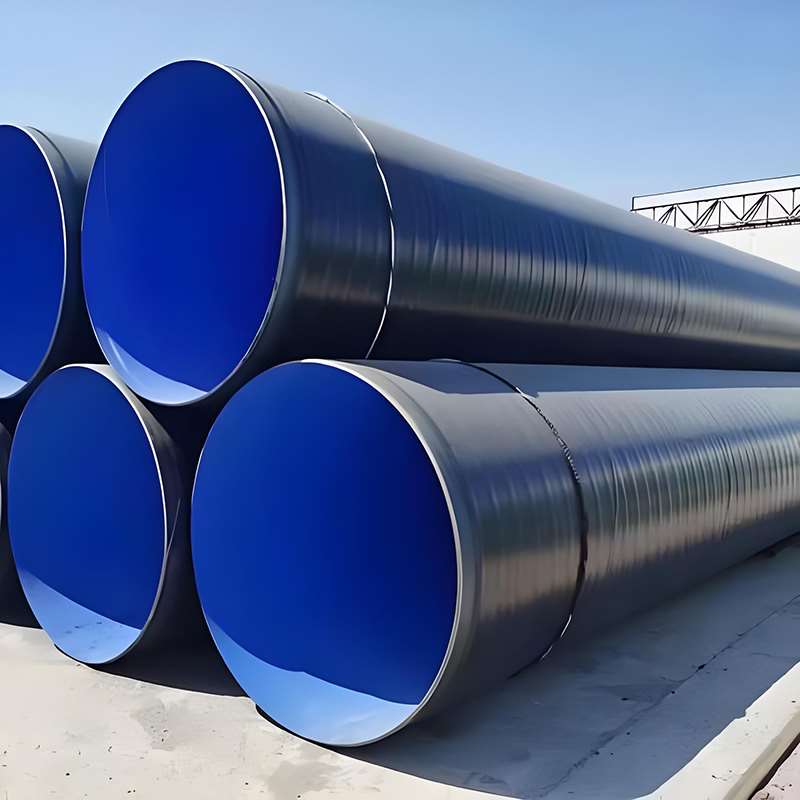
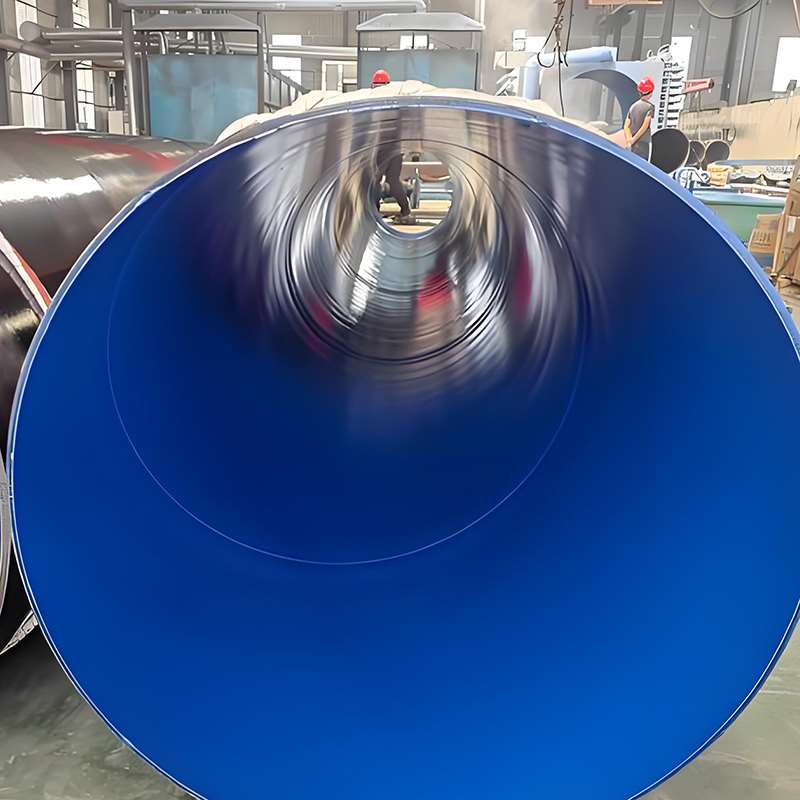
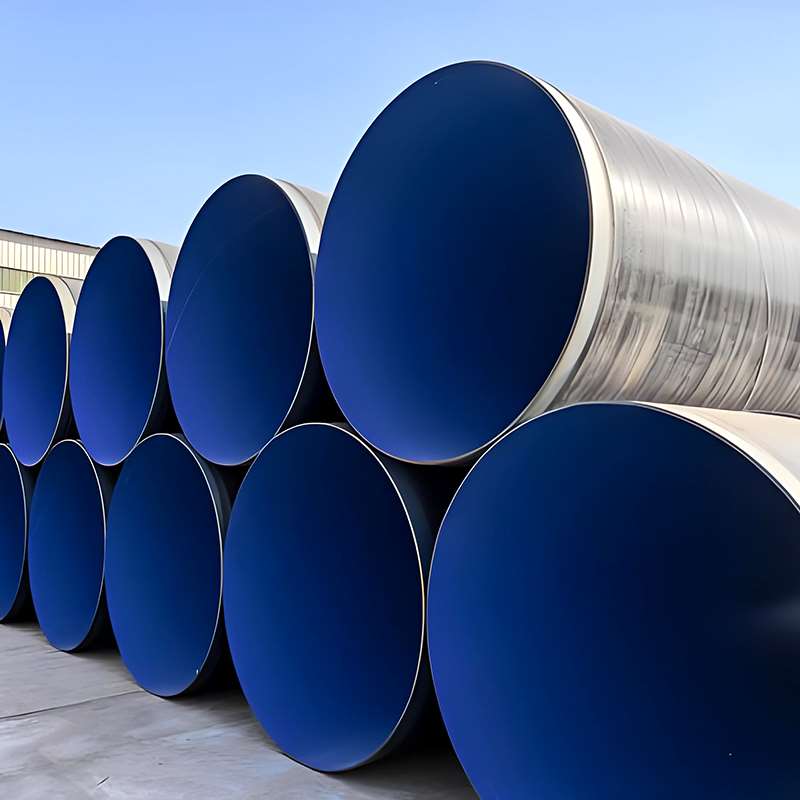
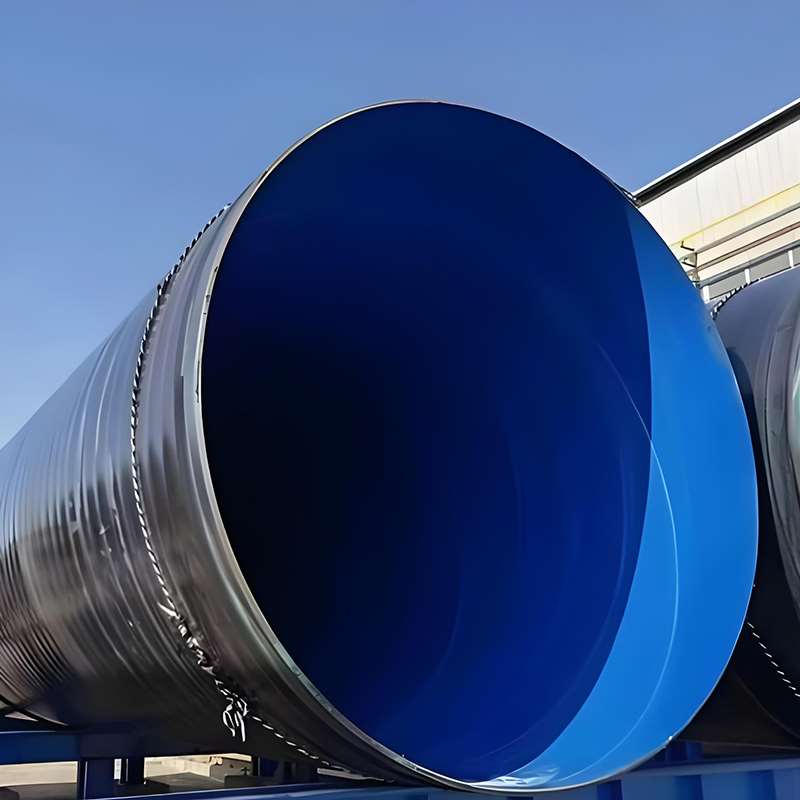
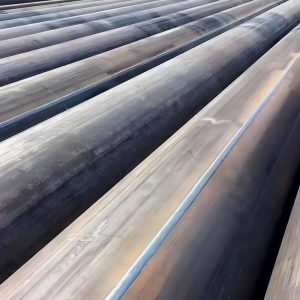
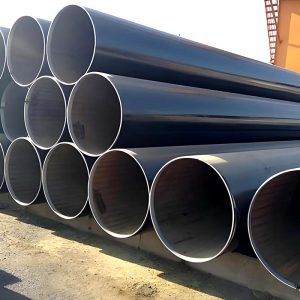
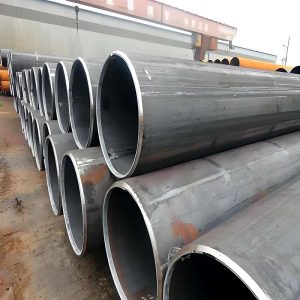
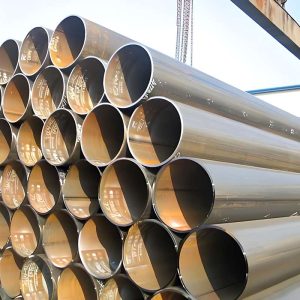
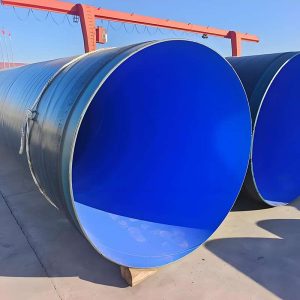
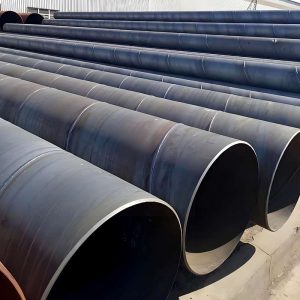
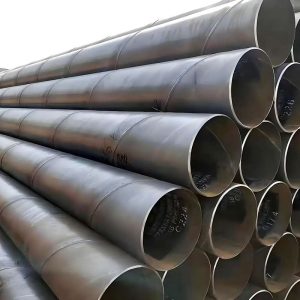
3PE Coated SSAW Steel Pipe

OD Range :

219–1219 mm

WT Range :

6–25 mm

Length :

6 m / 12 m

Tolerance :

Outer diameter ±1–2%, wall thickness ±10%, length ±50 mm

Material :

X42、X52、X60、X65、X70

Standard :

ASTM A252 / GB/T 9711.1 / EN 10217-2 / API 5L

Surface :

3PE (three-layer polyethylene anti-corrosion); FBE (epoxy powder coating); black paint anti-corrosion

Application :

Long-distance pipelines for transporting crude oil, natural gas, and refined oil; bridge pile foundations; port and wharf piles; deep foundation pit support engineering.

I. Product Overview

i. What is 3PE Coated Spiral Welded Steel Pipe?

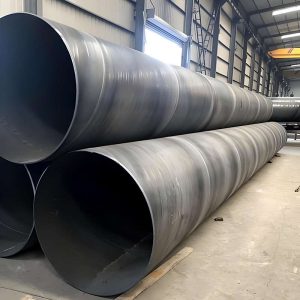
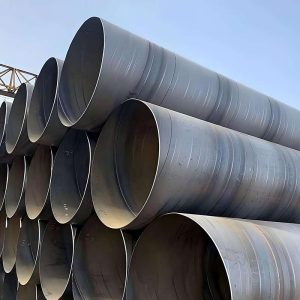
3PE coated spiral welded steel pipe is a high-performance anti-corrosion pipeline made by coating a three-layer polyethylene anti-corrosion layer onto the outer surface of a spiral submerged arc welded steel pipe (SSAW) using a dedicated anti-corrosion production line.

The steel pipe body is typically manufactured according to API 5L or GB/T 9711 standards and is suitable for long-distance transportation projects of oil, natural gas, water, and chemical media.

3PE is an abbreviation for “Three-Layer Polyethylene,” a three-layer polyethylene structure anti-corrosion system, which is one of the most widely used and mature external anti-corrosion solutions in oil and gas pipeline engineering.

ii. 3PE Three-Layer Structure Description (Epoxy Powder + Adhesive Layer + Polyethylene Layer)

First Layer: Epoxy Powder (FBE)
Second Layer: Adhesive Layer
Third Layer: Polyethylene Layer (PE)

iii. Differences from Ordinary Anti-corrosion Steel Pipes

Comparison ItemStandard Painted Steel Pipe3PE Coated Steel Pipe
Corrosion Protection StructureSingle layerThree-layer composite structure
AdhesionModerateVery strong
Impact ResistanceWeakExcellent
Service Life5–10 years30–50 years
Applicable ProjectsGeneral municipal projectsLong-distance oil & gas pipelines

iv. Why is 3PE widely used in oil and gas projects?

In long-distance oil and gas pipeline projects, pipelines typically need to:
operate underground for extended periods
withstand complex soil corrosion
be affected by cathodic protection systems
have a service life of over 30 years

According to international pipeline corrosion protection standards such as ISO 21809 and DIN 30670, the 3PE corrosion protection system can meet the long-term operational requirements of high-grade oil and gas transportation projects.

Therefore, 3PE has become the mainstream standard configuration in onshore long-distance oil and gas pipelines, urban gas trunk lines, and inter-regional oil transportation projects.

II.3PE Coated Spiral Welded Steel Pipe Structure Analysis

1.3PE Three-Layer Structure Explained

First Layer: Epoxy Powder (FBE)
Epoxy powder is fused and adhered to the steel pipe surface through high-temperature electrostatic spraying, forming a dense anti-corrosion layer.

Functions:
Provides excellent chemical corrosion protection
Provides extremely strong adhesion
Prevents moisture penetration into the steel body
It is the “core anti-corrosion layer” of the entire anti-corrosion system.

Second Layer: Adhesive Layer
The adhesive layer lies between the epoxy powder and the polyethylene layer.

Functions:
Connects the FBE and PE layers
Provides stable interlayer bond strength
Prevents delamination or peeling
This layer ensures that the three-layer structure functions as a single unit, rather than simply being stacked.

Third layer: Polyethylene (PE) layer. The outer layer is a high-density polyethylene protective layer.

Functions:
Resistant to mechanical impact
Resistant to soil stress
Prevents construction damage
Resistant to water vapor penetration
This layer is a “physical protective layer” that prevents damage to the steel pipe during transportation, hoisting, and burial.

2. Advantages of anti-corrosion performance

(1) Excellent corrosion resistance
The 3PE anti-corrosion system can effectively resist:
soil corrosion
groundwater corrosion
microbial corrosion
chemical media erosion
suitable for highly corrosive environments.

(2) Strong resistance to cathodic disbondment
Under the operation of a pipeline cathodic protection system, ordinary coatings are prone to cathodic disbondment.
However, the 3PE structure, due to the tight bond between the epoxy underlayer and the steel body, effectively prevents disbondment propagation and improves the overall system stability.

(3) Excellent impact resistance
The outer PE layer has good toughness and impact resistance, and is not easily damaged during construction, backfilling, and hoisting.
This is especially important for large-diameter spiral welded steel pipes.

(4) Long service life
Under standard construction and cathodic protection conditions, the designed service life of 3PE anti-corrosion steel pipes can reach 30–50 years, far exceeding that of ordinary painted steel pipes.

III.3PE Coated Spiral Welded Steel Pipe Project Selection Recommendations

i. Medium-Pressure Land Transmission Pipelines

Recommended Solution: X52 + Standard Thickness 3PE

Applicable Projects:
City Gas Main Pipelines
Land Crude Oil Transportation
Industrial Water Transmission Projects
General Chemical Liquid Transportation

Recommended Steel Grade:
X52 steel grade manufactured according to API 5L standard

Recommended Corrosion Protection:
Standard thickness 3PE (approx. 2.5mm–3.0mm)
Compliant with DIN 30670 or ISO 21809

Reasons for Selection:
X52 offers moderate strength and high cost-effectiveness
Meets medium-pressure operating conditions
Corrosion protection life can reach over 30 years
Reasonable cost control

ii. High-Pressure Long-Distance Oil and Gas Pipelines

Recommended Solution:
X65 / X70 + Thickened 3PE

Applicable Projects:
Long-Distance Natural Gas Transmission
Inter-Regional Crude Oil Trunk Lines
High-Pressure Energy Pipelines

Recommended Steel Grade:
X65 or X70 manufactured according to API 5L standard

Recommended Corrosion Protection:
Thickened 3PE (3.0mm–4.0mm)
High Adhesion Requirements
Strict Compliance with ISO 21809

Reasons for Selection:
Higher steel grade allows for reduced wall thickness and improved transmission efficiency
Stronger pressure resistance
Thickened anti-corrosion layer enhances long-term stability
Suitable for 30–50 year design life requirements

iii. Submarine or Highly Corrosive Environment Projects

Recommended Solution:
PSL2 + ISO 21809 + Reinforced 3PE

Applicable Projects:
Submarine oil pipelines
Offshore platform connection pipelines
High-salinity soil areas
Highly corrosive environment engineering

Recommended Standard:
API 5L PSL2 grade
Strictly comply with ISO 21809

Recommended Corrosion Protection Solution:
Thickened 3PE
Can be used in conjunction with cathodic protection systems
Add a concrete counterweight layer if necessary (submarine pipelines)

Rationale for Selection:
PSL2 has stricter requirements for chemical composition, impact performance, and testing
Higher quality control standards
Stronger resistance to cathodic disbondment
Suitable for long-term operation under complex conditions

iv. Selection Summary and Comparison Table

Project TypeRecommended Steel GradeRecommended CoatingApplicable StandardsFeatures
Medium-Pressure Onshore PipelineX52Standard 3PEAPI 5L + DIN 30670Cost-effective
High-Pressure Long-Distance PipelineX65 / X70Thickened 3PEAPI 5L + ISO 21809High pressure capacity
Subsea ProjectsPSL2 GradeReinforced 3PEAPI 5L PSL2 + ISO 21809High safety

Related Products

1. Commonly Used Outer Diameter and Wall Thickness Conversion Table

Outside Diameter (mm) Common Wall Thickness (mm)
219 6 / 8 / 10
273 6 / 8 / 10 / 12
325 6 / 8 / 10 / 12
406 8 / 10 / 12 / 14
508 8 / 10 / 12 / 14 / 16
610 10 / 12 / 14 / 16
711 10 / 12 / 14 / 16 / 18
813 10 / 12 / 14 / 16 / 18
914 12 / 14 / 16 / 18 / 20
1016 12 / 14 / 16 / 18 / 20
1220 14 / 16 / 18 / 20 / 22
1420 16 / 18 / 20 / 22 / 25

2. 3PE anti-corrosion layer thickness standard

Pipe Outside Diameter Standard Grade (mm) Reinforced Grade (mm)
≤ 273 mm ≥2.0 ≥2.5
273–1020 mm ≥2.5 ≥3.0
≥1020 mm ≥3.0 ≥3.5–4.0


1. Steel pipe base material execution standard

Standard Name Applicable Scope Key Content Common Steel Grades
API 5L Oil and gas transmission pipelines Chemical composition, mechanical properties, hydrostatic test, non-destructive testing, PSL levels X42–X70
GB/T 9711 Domestic oil and gas pipelines Dimensional tolerances, steel grade requirements, impact properties, testing standards L290–L485
ASTM A252 Structural and pile applications Strength requirements, dimensional control Gr.2 / Gr.3
EN 10219 European structural welded pipes Dimensional tolerances, mechanical properties S235 / S355

2. 3PE anti-corrosion coating implementation standards

Standard Name Applicable Scope Key Requirements
ISO 21809 International oil & gas pipeline corrosion protection FBE thickness, PE layer thickness, adhesion, impact resistance, cathodic disbondment test
DIN 30670 Polyethylene-coated steel pipes Standard / reinforced grade thickness, spark test requirements
GB/T 23257 Domestic buried steel pipeline corrosion protection Coating thickness levels, adhesion, and inspection requirements


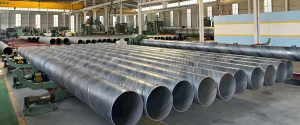
Spiral Welded Steel Pipe (SSAW) Manufacturing Process:

Raw Material Inspection → Steel Coil Uncoiling and Leveling → Spiral Forming → Internal Submerged Arc Welding → External Submerged Arc Welding → Non-destructive Testing of Welds → Hydrostatic Testing → Pipe End Beveling → Final Dimensional and Appearance Inspection → Corrosion Protection Process

3PE Anti-corrosion Coating Process:

Steel Pipe Surface Sandblasting (Sa2.5 grade) → Medium Frequency Heating (200–250℃) → Epoxy Powder Coating (FBE Layer) → Adhesive Layer Coating → Polyethylene Layer Extrusion Coating (PE Layer) → Water Cooling and Shaping → Anti-corrosion Layer Thickness Inspection → Electrical Spark Testing (Pinhole-Free Testing) → Finished Product Inspection and Marking → Packaging and Warehousing

1. Steel Pipe Substrate Testing Standards

Inspection Item Inspection Content Standard Technical Requirement
Visual Inspection Surface cracks, delamination, weld defects API 5L No cracks or lack of fusion allowed
Dimensional Inspection Outside diameter, wall thickness, length, ovality API 5L OD ±1%, wall thickness within tolerance
Chemical Composition Analysis C, Mn, P, S, and other elements API 5L Meet the requirements for the corresponding steel grade
Tensile Test Yield strength, tensile strength API 5L Meet steel grade standard values
Impact Test (PSL2) Low-temperature impact toughness API 5L PSL2 Must meet specified absorbed energy
Ultrasonic Testing (UT) Internal weld defects API 5L Full weld inspection required
X-Ray Testing (RT) Internal weld quality API 5L Sampling or full inspection of critical welds
Hydrostatic Test Pressure-bearing capacity API 5L No leakage or deformation

2. 3PE anti-corrosion coating testing standards

Inspection Item Inspection Content Standard Technical Requirement
Surface Rust Removal Grade Sandblasting quality ISO 8501-1 Achieve Sa2.5 grade
FBE Thickness Measurement Epoxy layer thickness ISO 21809 ≥100 μm
Total Coating Thickness 3PE total thickness ISO 21809 / DIN 30670 Standard or reinforced grade
Adhesion Test Coating-to-steel bonding strength ISO 21809 No delamination
Impact Resistance Test Coating impact resistance ISO 21809 No cracks
Cathodic Disbondment Test Resistance to cathodic protection disbondment ISO 21809 Disbonded area meets standard
Spark Test Pinhole detection DIN 30670 No leaks
Visual Inspection Bubbles, cracks, delamination ISO 21809 Smooth surface, no defects


1. Is 3PE coating suitable for high-pressure natural gas transmission?

Yes.
High-strength steel pipes manufactured according to API 5L standards (such as X65, X70) combined with a 3PE anti-corrosion coating conforming to ISO 21809 can be widely used in high-pressure long-distance natural gas pipelines.

The key is:
Selecting the appropriate steel grade
Selecting the PSL2 grade
Selecting the reinforced 3PE thickness

2. What are the differences between 3PE and FBE corrosion protection?

Item FBE Single Layer 3PE Three-Layer
Structure Single-layer epoxy Three-layer composite structure
Impact Resistance Moderate Stronger
Mechanical Protection Weak Excellent
Applicable Environment Moderate corrosion Severe corrosion environment

3. Does 3PE pipeline require a cathodic protection system?

Yes.
In long-distance oil and gas transmission projects, 3PE is a “passive corrosion protection system” and usually needs to be used in conjunction with cathodic protection to form double protection and extend service life.

4. What is the service life of a 3PE anti-corrosion coating?

Under normal construction and cathodic protection conditions:
Design life: 30–50 years

Actual service life depends on:
Soil corrosion level
Anti-corrosion coating thickness
Construction quality
Cathode protection effectiveness

5. Are spiral welded steel pipes suitable for oil and gas trunk lines?

Yes.
Spiral welded steel pipes (SSAW) are widely used in large-diameter long-distance pipelines, especially in onshore oil and gas projects.
As long as they meet API 5L PSL2 grade and pass non-destructive testing of the weld and hydrostatic testing, they can meet the requirements for oil and gas transportation.

6. Can 3PE be used for subsea oil and gas pipelines?

Yes, but higher standards must be met:
Use PSL2 grade steel pipes
Comply with ISO 21809
Increase the anti-corrosion thickness
Add a concrete counterweight layer if necessary
Subsea projects typically have higher requirements for impact resistance and cathodic disbondment resistance.

7. Is the 3PE coating heat-resistant?

Standard 3PE is generally suitable for:
Continuous operating temperatures ≤ 60℃–80℃
If the medium temperature is higher, consider:
High-temperature FBE
Special anti-corrosion system

8. Are 3PE pipes easily damaged during construction?

The outer layer of 3PE is high-density polyethylene (HDPE), which has good impact resistance.
However, during hoisting and backfilling, it is still necessary to:
Use soft slings
Avoid impacts from hard objects
Properly repair any joints on-site.