Products

Related News

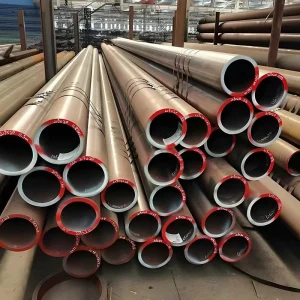
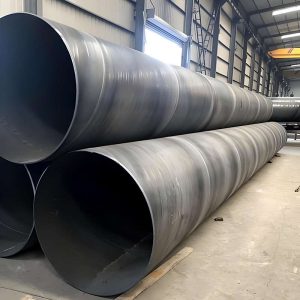
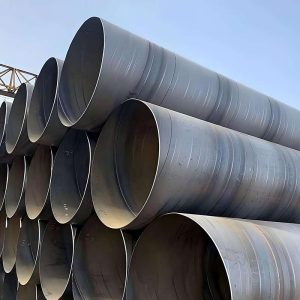
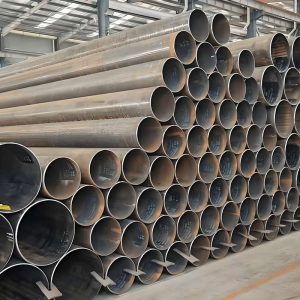
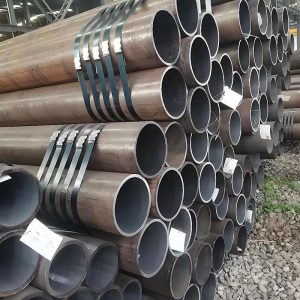
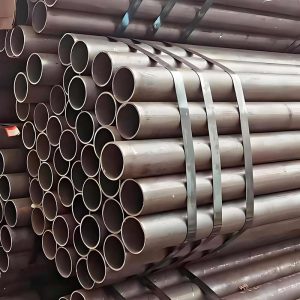
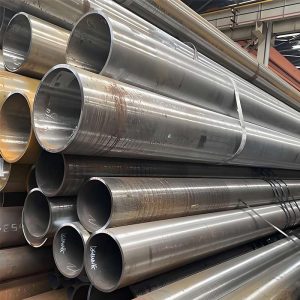
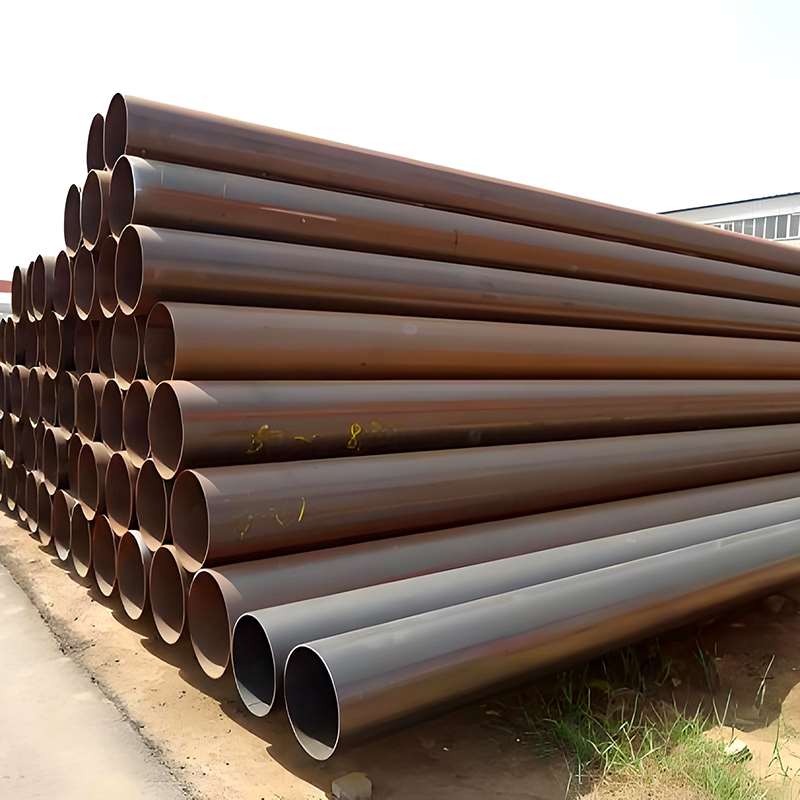
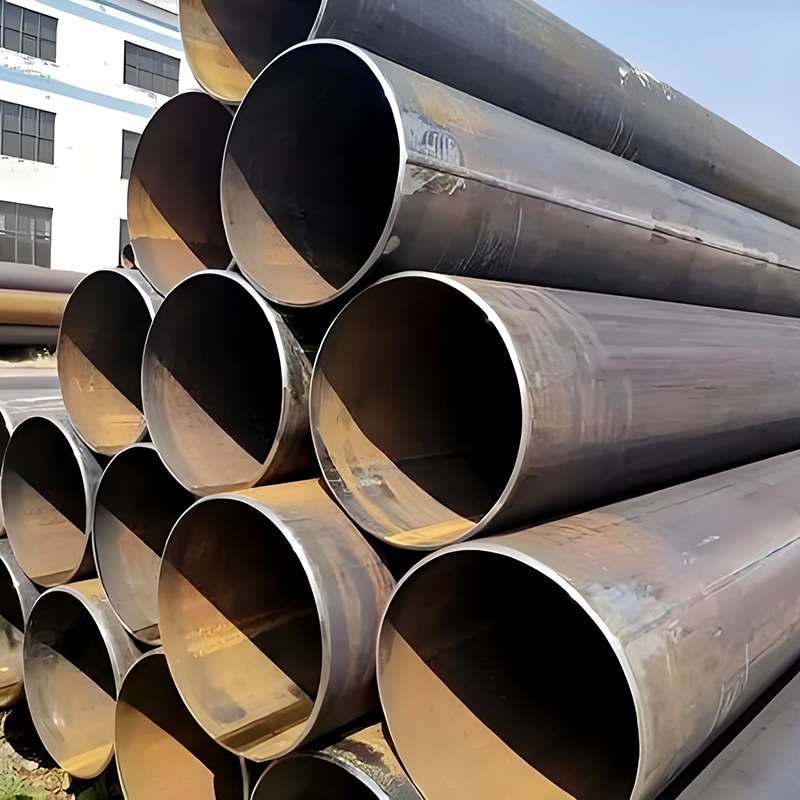
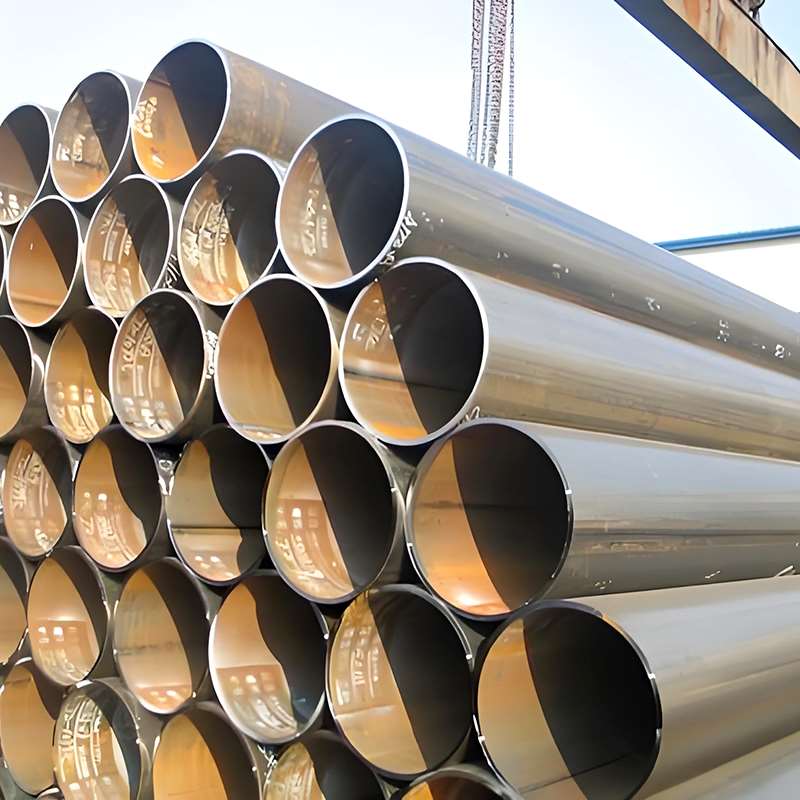
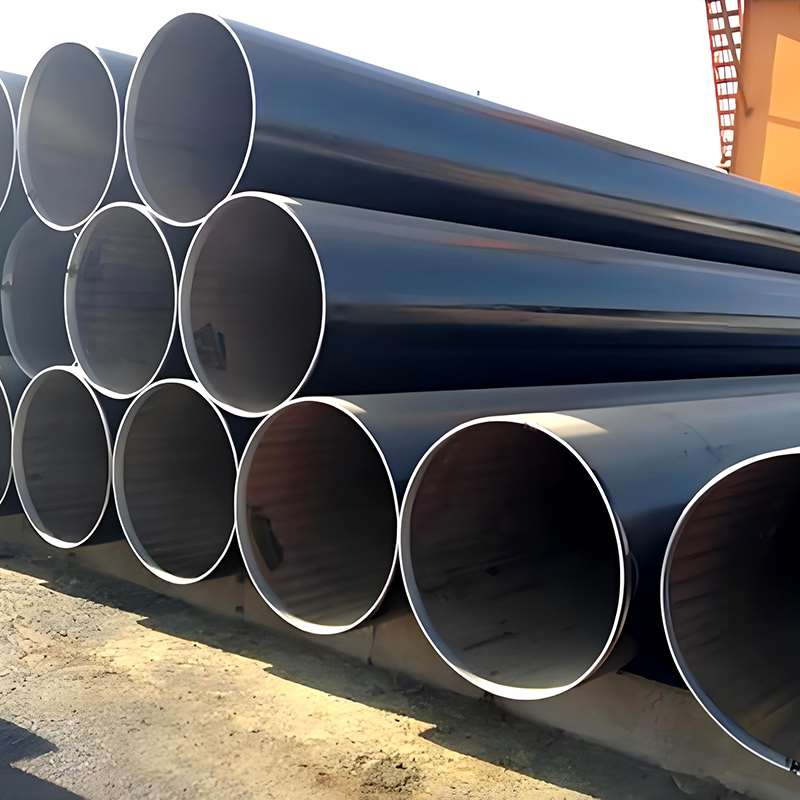
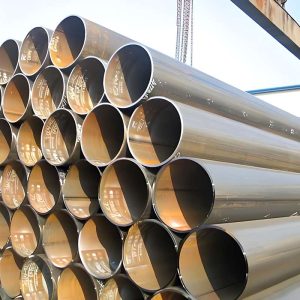
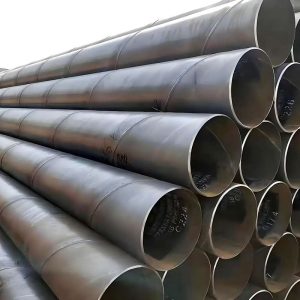
Longitudinal Welded LSAW Steel Pipe

OD Range :

406 mm – 1626 mm(16″ – 64″)

WT Range :

6.0 mm – 40.0 mm

Length :

6 m / 9 m / 12 m

Tolerance :

Outer diameter tolerance: ±0.5%, wall thickness tolerance: -5% to +10%, length tolerance: ±50 mm, ovality: ≤ 1%

Material :

PSL1 / PSL2,API 5L:X42、X46、X52、X56、X60、X65、X70

Standard :

API 5L、GB/T 9711、ISO 3183、ASTM A671 / A672

Surface :

Carbon steel / Low-alloy high-strength steel

Application :

Crude oil pipelines, natural gas transmission, long-distance pipelines, offshore platforms, pile pipes, structural engineering

I. Overview of Longitudinal Submerged Arc Welded (LSAW) Steel Pipes

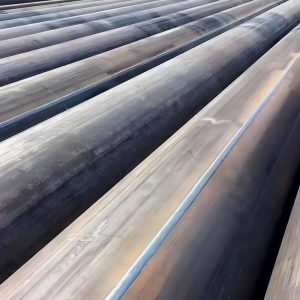
Longitudinal submerged arc welded (LSAW) steel pipes are high-strength carbon steel pipes manufactured using a longitudinal welding process from steel plates.
Compared to other welding methods, LSAW steel pipes can produce large-diameter, high-strength, and thick-walled pipes, widely used in oil, natural gas, and chemical liquid transportation pipelines.

Main Features:

  • Reliable welding process: Uses longitudinal submerged arc welding, resulting in strong welds and ensuring overall pipe strength.
  • High-strength materials: Meets steel grades X42–X70, suitable for high-pressure and critical engineering pipeline requirements.
  • Controllable large diameter: Common diameter range DN100–DN1000, wall thickness can be customized according to pressure conditions.
  • Strict quality control: The pipe body and welds undergo UT/RT non-destructive testing, hydrostatic testing, and dimensional correction to ensure safety.
  • Wide applicability: Can be used in onshore and offshore oil pipelines, long-distance pipelines, industrial pipelines, and municipal water supply and drainage systems.

Application Advantages:

  • Provides high pressure bearing capacity and corrosion resistance.
  • Suitable for long-distance transportation, improving engineering efficiency.
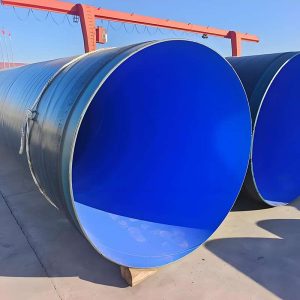
  • Can be combined with anti-corrosion coatings (3PE, epoxy, hot-dip galvanizing) to extend pipe life.

II. Longitudinal Submerged Arc Welded (LSAW) Steel Pipe Steel Grade Comparison Table

StandardSteel Grade ClassificationCommon GradesPSL LevelApplication / Description
API 5LYesX42, X46, X52, X56, X60, X65, X70, X80PSL1 / PSL2Used for transportation of oil, natural gas, and chemical fluids; higher grades are suitable for high-pressure, offshore, or long-distance pipeline systems
GB/T 9711.1 (China Standard)YesX42, X46, X52, X56, X60, X65, X70PSL1 / PSL2Oil and gas transmission pipelines; higher grades are selected for critical projects; PSL2 requires stricter control on weld quality and impact testing
ASTM A53 / ASTM A106NoClassified by material grade, such as Grade A / B, Gr.BUsed for boiler tubes and low-pressure service; classified by material and strength level, not by X42–X70 pipeline grades
EN 10208-2 (European Pipeline Standard)YesL245, L290, L320, L360, L415, L450, L485, L555Oil and gas transmission pipelines; European grades correspond to API X42–X70, expressed by minimum yield strength in MPa
EN 10217 / EN 10219 (Industrial Welded Pipes)NoS235, S275, S355Industrial piping and structural applications; classified by yield strength, not by pipeline steel grades
GB/T 8163 / GB/T 3087 (China Industrial / Structural Pipes)No20#, 35#, Q235B, Q345BCarbon steel seamless or welded pipes; selected by material type and strength level, not designated as X42–X70 pipeline grades

III. Application Fields of Longitudinal Submerged Arc Welded (LSAW) Steel Pipes

  1. Oil and Gas Transportation
  • Long-distance pipelines: High-pressure natural gas and oil pipelines across countries and provinces.
  • Subsea pipelines: Buried in deep sea, resisting high pressure and corrosion from seawater.
  1. Large Building Structures
  • Landmark buildings: Steel structure supports for airports and stadiums (e.g., large-span beams).
  • Offshore engineering: Piles for drilling platforms, support structures for offshore wind power.
  1. Bridges and Pile Foundations
  • Bridge pier support: Steel pipe piles as foundations for bridges.
  • Bridge structures: Load-bearing components of large bridges such as suspension bridges.
  1. Urban Lifelines
  • Large-diameter water supply: Water diversion projects in urban main roads (e.g., South-to-North Water Transfer Project).
  • Heating systems: High-pressure steam main pipelines for central heating.

IV. Selection Guide for Longitudinal Submerged Arc Welded (LSAW) Steel Pipes

1. First, determine: Is LSAW suitable for your project?

LSAW steel pipes are typically used in the following situations:

  • Large diameters (generally ≥ DN400 / ≥ 16″)
  • Medium-high or high-pressure transportation
  • Long-distance pipelines or critical engineering projects
  • High requirements for weld quality and dimensional stability
  • For small diameters, low pressure, and general structural applications, ERW or seamless pipes are often more economical.

2. Selecting Steel Grade Based on Operating Conditions

A higher steel grade isn’t always better; the most reasonable choice is the one that is “just sufficient.”

  • Low-pressure / Ordinary onshore pipelines: X42 / X46
  • Medium-pressure transmission, general long-distance pipelines: X52 / X56
  • High-pressure long-distance transmission, important main pipelines: X60 / X65
  • Offshore pipelines / High-safety-grade projects: X65 / X70 (PSL2)

Selection Principles:

  • Higher pressure → Higher steel grade
  • More complex operating conditions (low temperature, offshore) → Higher steel grade and PSL level

3. PSL1 or PSL2? Many customers choose incorrectly.

PSL1

  • Standard engineering projects
  • Relatively basic testing requirements
  • Lower cost

PSL2

  • High-pressure, long-distance, offshore, or critical pipeline sections
  • Mandatory non-destructive testing and impact testing of welds
  • Higher safety level
  • If the project documents mention “oil and gas pipeline / critical engineering / offshore,” you can generally choose PSL2 directly.

4. How are the outer diameter and wall thickness determined?

Outer Diameter (OD)

  • Determined by the design flow rate and transport capacity.
  • Common LSAW range: 16″–60″ (406–1524 mm)

Wall Thickness (WT)

  • Determined by three factors:
  • Design pressure
  • Steel grade (higher steel grade allows for relatively thinner walls)
  • Corrosion allowance (especially for buried or offshore applications)

Common practice in actual engineering projects:

  • An additional 1.5–3.0 mm is added to the calculated wall thickness as a corrosion allowance.

5. The operating environment determines the corrosion protection scheme:

  • Ordinary onshore environment: Epoxy paint on the outer wall / Anti-corrosion coating on the inner wall
  • Buried pipelines: 3PE / 3PP
  • Offshore or highly corrosive environments: Reinforced 3PE / FBE + inner coating
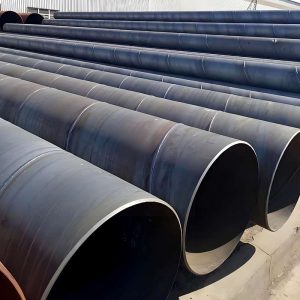
  • Temporary or bare pipe projects: Bare pipe

6. Typical Selection Combination Examples

  • Onshore natural gas long-distance pipeline: API 5L X60 PSL2 + 3PE
  • Offshore oil pipeline: API 5L X65 / X70 PSL2 + enhanced corrosion protection
  • General crude oil transmission pipeline: API 5L X52 PSL1 + external corrosion protection
Related Products

Specifications and dimensions table for longitudinally welded LSAW steel pipes

Inch / DN Outside Diameter OD (mm) Wall Thickness WT (mm) Theoretical Weight (kg/m) Tolerance
4″ / DN100 114.3 6.35, 7.11, 8.18, 9.53, 10.97, 12.70 10.7, 11.9, 13.6, 15.9, 18.3, 21.0 ±1–2%
6″ / DN150 168.3 6.35, 7.11, 8.18, 9.53, 10.97, 12.70, 14.27 14.2, 15.9, 17.9, 20.9, 23.9, 27.1, 30.4 ±1–2%
8″ / DN200 219.1 6.35, 7.11, 8.18, 9.53, 10.97, 12.70, 14.27, 15.88 18.5, 20.5, 22.8, 26.0, 29.5, 32.8, 36.5, 40.0 ±1–2%
10″ / DN250 273.0 7.11, 8.18, 9.53, 10.97, 12.70, 14.27, 15.88, 17.48 23.7, 26.0, 29.5, 33.5, 38.0, 42.7, 47.5, 52.0 ±1–2%
12″ / DN300 323.9 7.11, 8.18, 9.53, 10.97, 12.70, 14.27, 15.88, 17.48, 19.05 28.0, 30.6, 34.6, 39.2, 44.5, 50.0, 55.8, 61.3, 66.9 ±1–2%
14″ / DN350 355.6 8.18, 9.53, 10.97, 12.70, 14.27, 15.88, 17.48, 19.05, 20.74 34.0, 39.6, 45.0, 51.5, 57.5, 64.0, 70.5, 77.0, 83.8 ±1–2%
16″ / DN400 406.4 8.18, 9.53, 10.97, 12.70, 14.27, 15.88, 17.48, 19.05, 20.74, 22.23 39.0, 45.0, 51.0, 57.8, 64.5, 71.5, 78.5, 85.5, 92.0, 98.5 ±1–2%
18″ / DN450 457.2 9.53, 10.97, 12.70, 14.27, 15.88, 17.48, 19.05, 20.74, 22.23, 24.00 50.0, 57.5, 66.0, 74.0, 82.0, 90.5, 98.5, 107.0, 115.0, 123.5 ±1–2%
20″ / DN500 508.0 9.53, 10.97, 12.70, 14.27, 15.88, 17.48, 19.05, 20.74, 22.23, 24.00, 25.40 55.0, 63.0, 72.0, 81.0, 90.0, 99.0, 108.0, 117.0, 126.0, 135.0, 145.0 ±1–2%
24″ / DN600 609.6 10.97, 12.70, 14.27, 15.88, 17.48, 19.05, 20.74, 22.23, 24.00, 25.40, 28.00 82.0, 95.0, 108.0, 120.0, 132.0, 144.0, 157.0, 168.0, 181.0, 193.0, 210.0 ±1–2%
30″ / DN750 762.0 12.70, 14.27, 15.88, 17.48, 19.05, 20.74, 22.23, 24.00, 25.40, 28.00, 32.00 130.0, 145.0, 160.0, 176.0, 191.0, 207.0, 222.0, 238.0, 253.0, 280.0, 315.0 ±1–2%
36″ / DN900 914.0 14.27, 15.88, 17.48, 19.05, 20.74, 22.23, 24.00, 25.40, 28.00, 32.00, 36.00 190.0, 210.0, 230.0, 250.0, 272.0, 292.0, 315.0, 335.0, 370.0, 420.0, 470.0 ±1–2%
40″ / DN1000 1016.0 15.88, 17.48, 19.05, 20.74, 22.23, 24.00, 25.40, 28.00, 32.00, 36.00, 40.00 230.0, 250.0, 270.0, 292.0, 315.0, 335.0, 355.0, 390.0, 440.0, 490.0, 540.0 ±1–2%


Longitudinally Welded LSAW Steel Pipe Standards

Standard Type Standard No. Application Scope Steel Grade Class / Level Key Requirements
International Standard (USA) API 5L Oil and natural gas transmission pipelines (onshore / offshore) X42, X46, X52, X56, X60, X65, X70, X80 PSL1 / PSL2 Chemical composition, mechanical properties, dimensional tolerances, weld quality, impact testing
International Standard (USA) ASTM A53 / ASTM A106 High-temperature, high-pressure or general service pipelines Carbon steel pipe Mechanical properties, appearance, dimensional requirements
European Standard EN 10208-2 Oil and gas transmission pipelines B, X42–X70 Chemical composition, mechanical properties, weld inspection
European Standard EN 10217 / EN 10219 Industrial and low-to-medium pressure welded steel pipes Material properties and dimensional specifications
China Standard GB/T 9711.1-2017 Transportation of oil, natural gas and other fluids X42–X70 PSL1 / PSL2 Material requirements, dimensional tolerances, mechanical properties, impact testing, weld inspection
China Standard GB/T 8163 / GB/T 3087 Carbon steel seamless and welded pipes General material and dimensional requirements; can be referenced in combination with LSAW manufacturing practice


Longitudinal Submerged Arc Welding (LSAW) Steel Pipe Production Process Flow:

Raw material preparation → Uncoiling and shaping → Longitudinal submerged arc welding (LSAW) → Weld heat treatment (optional) → Straightening and shaping → Non-destructive testing (UT/RT) → Hydrostatic testing → Cutting and end treatment → Surface treatment and anti-corrosion → Packaging and factory inspection

Process Description

1. Raw Material Preparation
High-strength carbon steel plates are selected, ensuring that the chemical composition and mechanical properties meet the steel grade requirements.

2. Uncoiling and Shaping
The steel plate is uncoiled and shaped into a circular pipe blank, with the outer diameter and roundness corrected.

3. Longitudinal Submerged Arc Welding (LSAW)
Double-sided submerged arc welding is used to weld along the longitudinal direction of the pipe body, ensuring a strong and reliable weld.

4. Weld Heat Treatment (Optional)
Stress relief annealing is performed on high-grade steel or critical engineering pipelines to improve weld toughness.

5. Straightening and Shaping
The straightness and ovality of the pipe are corrected to ensure dimensional accuracy.

6. Non-Destructive Testing (NDT)
Ultrasonic (UT) or radiographic (RT) testing is performed on the pipe body and welds to eliminate weld defects.

7. Hydrostatic Testing
The pipeline undergoes hydrostatic testing to ensure that its pressure bearing capacity meets design requirements.

8. Cutting and End Treatment
The pipe is cut to the design length, and the ends are beveled or squared to facilitate on-site welding or connection.

9. Surface Treatment and Corrosion Protection
Corrosion protection methods such as epoxy coating, 3PE, or hot-dip galvanizing are selected according to the engineering environment to extend the service life of the pipeline.

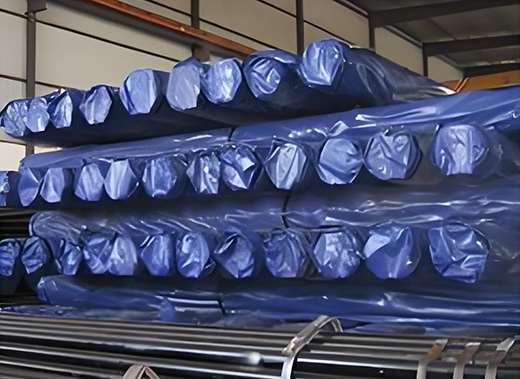
10. Packaging and Factory Inspection
The pipes are bundled or racked according to specifications, and the dimensions, appearance, and weld quality are re-inspected to ensure that the pipes meet the standard requirements before leaving the factory.

Inspection Standards for Longitudinal Submerged Arc Welded (LSAW) Steel Pipes

Inspection Item Inspection Content Standard / Requirement
Visual Inspection Pipe surface to be smooth and free from cracks, scratches, zinc lumps, or other visible defects Visual inspection in accordance with API 5L / GB/T 9711.1
Dimensional Inspection Outside diameter, wall thickness, length, ovality, straightness OD & WT tolerance ±1–2%; length ±50 mm; ovality ≤1%; straightness ≤0.5% of pipe length
Chemical Composition Test Content of C, Mn, P, S, Si and other elements In compliance with specified steel grades (X42–X70); Carbon Equivalent (CE) ≤ specified limit
Mechanical Properties Test Yield strength, tensile strength, elongation Meet the requirements of steel grades X42–X70; elongation ≥15–25%
Impact Test Low-temperature impact toughness Mandatory for PSL2 projects or low-temperature service; in accordance with applicable standards
Non-Destructive Testing (NDT) Ultrasonic testing (UT) and radiographic testing (RT) of weld seams Detection of weld defects (porosity, slag inclusion, cracks, etc.); compliant with API 5L / GB/T 9711.1
Hydrostatic Test Pressure-bearing capacity of the pipe Hydrostatic test conducted at 1.5 times the design pressure to ensure safety margin
Hardness Test Local hardness and weld hardness To prevent brittleness; hardness values shall meet steel grade requirements
Coating & Anti-Corrosion Inspection Coating thickness, adhesion, and integrity Epoxy, 3PE, or thermal sprayed zinc coating in compliance with project anti-corrosion requirements


Longitudinally Welded LSAW Steel Pipe Frequently Asked Questions

1. Q: What application areas are suitable for longitudinally welded LSAW steel pipes?

A:
Suitable for oil, natural gas, and chemical liquid transmission pipelines (onshore and offshore), long-distance pipelines, industrial pipelines, and municipal water supply and drainage.
The specific specifications should be determined based on pipeline pressure, steel grade, wall thickness, and environmental corrosion conditions.

2. Q: How to choose the steel grade (X42–X70)?

A:
The steel grade is selected based on working pressure and pipeline operating conditions:
Low-pressure or ordinary onshore pipelines: X42–X52
High-pressure onshore or long-distance pipelines: X52–X60
Offshore high-pressure or critical projects: X65–X70
X80 is used for special high-pressure or deep-water pipelines.

3. Q: What is the difference between PSL1 and PSL2?

A:
PSL1: Suitable for general engineering projects, with conventional weld inspection.
PSL2: Suitable for critical engineering projects, high-pressure or offshore pipelines, requiring full weld non-destructive testing, low-temperature impact testing, etc.
The selection is based on the project safety level and specification requirements.

4. Question: How is the pipe wall thickness determined?

Answer:
The wall thickness is calculated based on the design pressure, pipe diameter, and operating conditions.
High-pressure or long-distance pipelines require a larger wall thickness; offshore pipelines need to consider external forces and corrosion allowance.
Refer to the calculation formulas in API 5L / GB/T 9711.1.

5. Question: What inspections are required for the pipeline?

Answer:
Visual inspection (cracks, scratches, zinc nodules, etc.)
Dimensional inspection (outer diameter, wall thickness, straightness, ovality)
Chemical composition testing
Mechanical properties testing (yield strength, tensile strength, elongation)
Non-destructive testing of welds (UT/RT)
Hydrostatic testing
Low-temperature impact testing (PSL2 or offshore pipelines)

6. Question: How are corrosion protection and surface treatment selected?

Answer:
The corrosion protection method is selected based on the pipeline’s operating environment:
Onshore ordinary environment: Epoxy coating or hot-dip galvanizing
Offshore or corrosive environment: 3PE, epoxy powder, or epoxy coal tar coating
Corrosion protection treatment can extend the pipeline’s service life and reduce maintenance costs.