Products

Related News

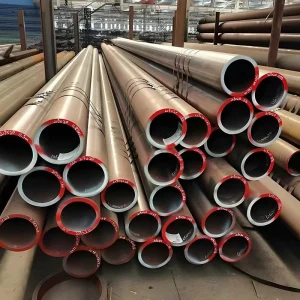
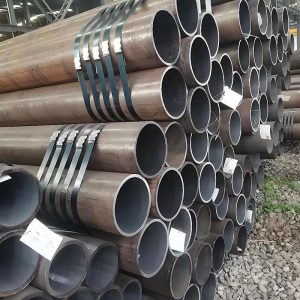
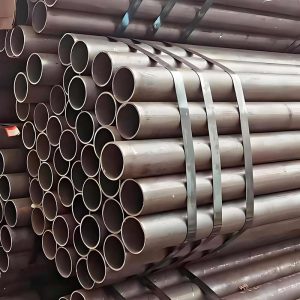
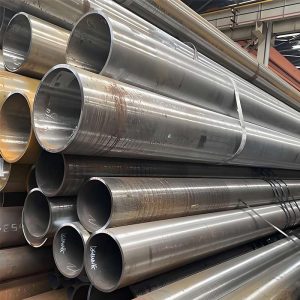
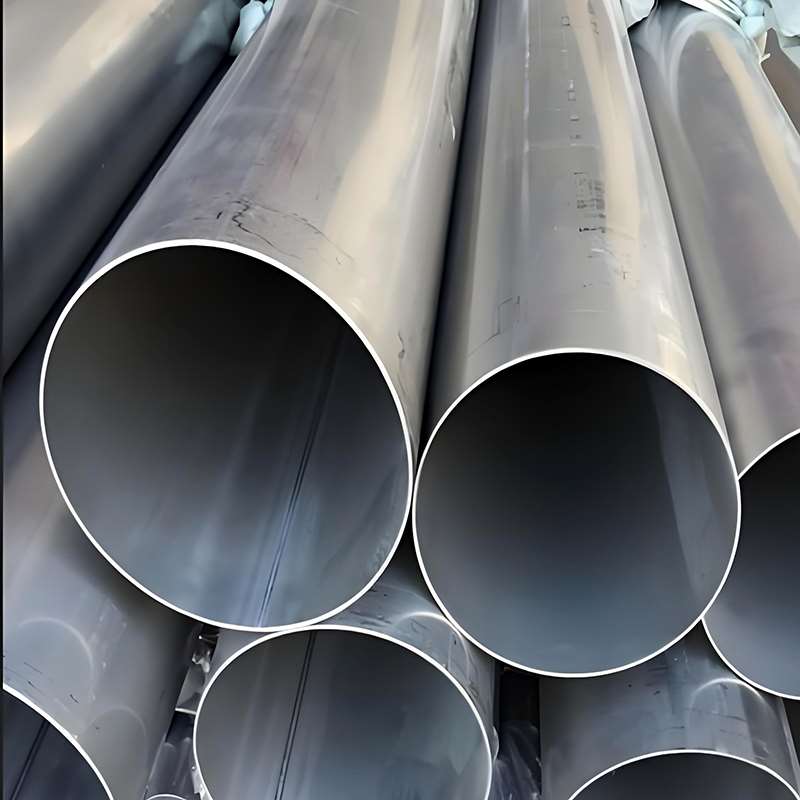
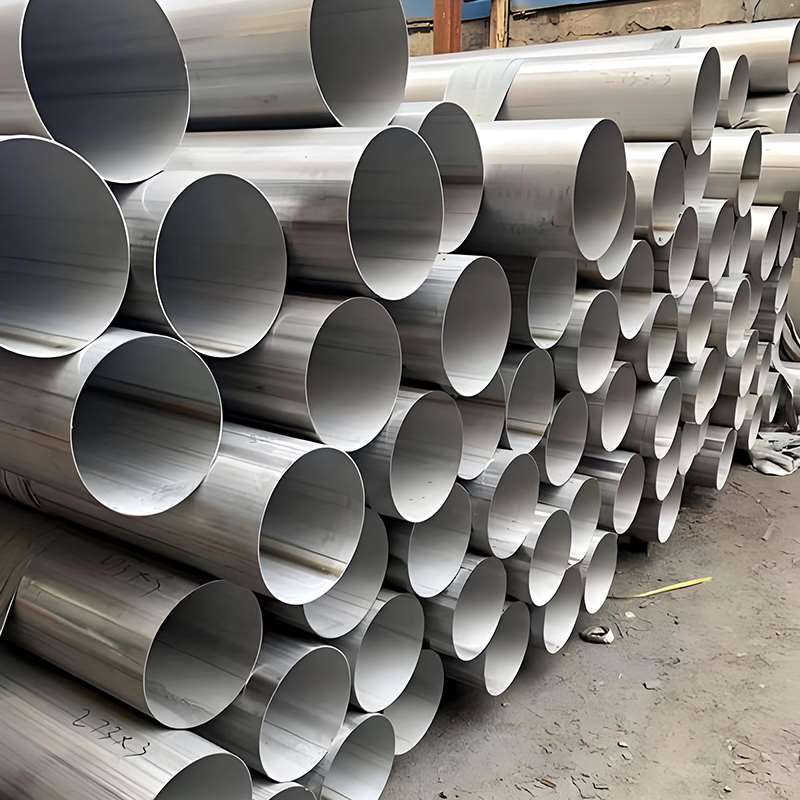
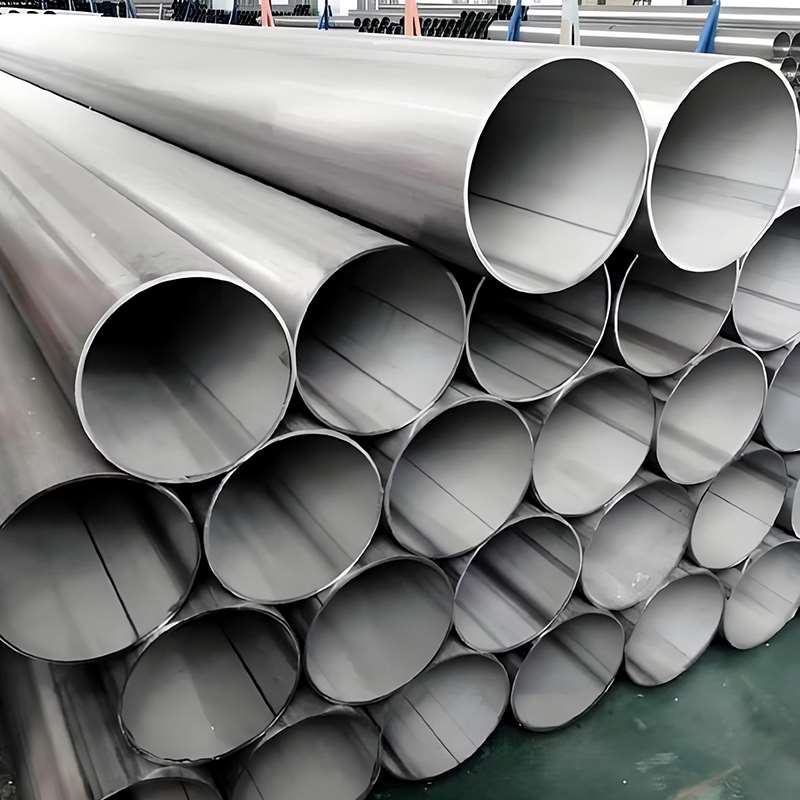
Welded Stainless Steel Pipe

OD Range :

6 mm – 508 mm

WT Range :

1.0 mm – 20.0 mm

Length :

6 m / 12 m

Tolerance :

Outside diameter ±1%, wall thickness ±10%, length ±50 mm

Material :

304、304L、316、316L、321、310S、2205

Standard :

GB/T 12771-2008、GB/T 14976-2018;ASTM A269、ASTM A554、EN 10217-7

Surface :

Polishing, wire drawing, acid pickling and passivation, anti-rust oil, or black pipe.

Application :

Petrochemicals, chemical industry, power plant boilers, heat exchangers, food and pharmaceutical pipelines, architectural decoration, mechanical structures

Introduction :

Welded stainless steel pipes are formed by rolling and welding steel plates or coils, resulting in a lower cost compared to seamless pipes.

I. Overview of Welded Stainless Steel Pipes

Welded stainless steel pipes are manufactured from stainless steel coils or strips that are rolled and welded into tubes. Compared to seamless pipes, welded pipes have lower costs and higher production efficiency, making them suitable for medium- and low-pressure, corrosion-resistant industrial pipelines and engineering projects.

Main Features:

  • High-quality welding forms the pipe body, resulting in a smooth surface and high dimensional accuracy.
  • Excellent corrosion resistance, suitable for acids, alkalis, salt water, and general chemical media.
  • Can be processed into various lengths, wall thicknesses, and diameters to meet different engineering requirements.
  • Diverse surface treatments are available, including polishing, brushing, and pickling passivation, suitable for industrial, sanitary, or decorative applications.

Typical Applications:

  • Chemical and petrochemical pipeline systems
  • Power plant boilers and heat exchangers
  • Food, pharmaceutical, and beverage conveying pipelines
  • Architectural decoration and mechanical structural supports

II. Welding Types for Stainless Steel Pipes

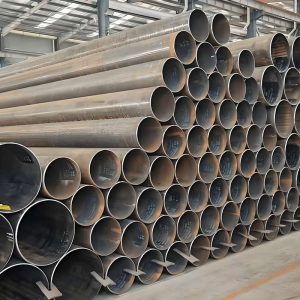
1. Straight Seam Welded Pipe (ERW / TIG / MIG)

Process Description: Stainless steel strips are rolled into a circular shape and welded along the longitudinal direction to form a pipe.

Features:

  • High precision, uniform weld seam
  • Suitable for small and medium-diameter pipes (generally ≤ 508 mm)
  • Low cost, high production efficiency

Common Applications: Chemical pipelines, food and pharmaceutical pipelines, decorative pipelines

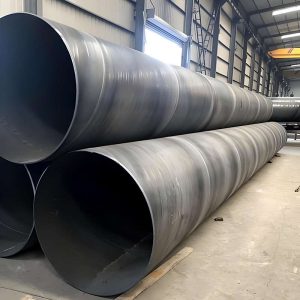
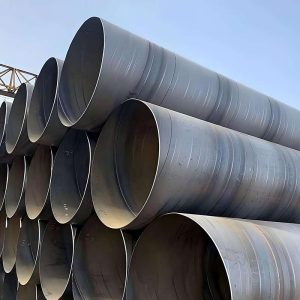
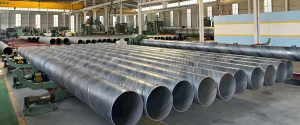
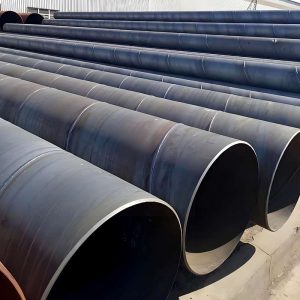
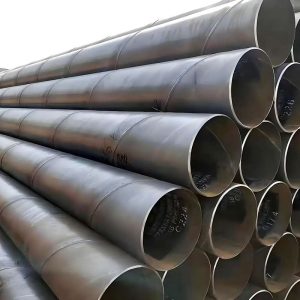
2. Spiral Welded Pipe (SSAW / HSAW)

Process Description: Steel plates are rolled into a spiral shape, and the pipe body is formed through welding.

Features:

  • Suitable for large-diameter and thick-walled pipes
  • Weld seam runs along the spiral direction, providing good pressure resistance
  • Flexible dimensions, length and diameter can be customized according to requirements

Common Applications: Large industrial pipelines, water pipelines, oil pipelines

3. Classification of Welding Methods

Welding MethodCharacteristicsApplications
TIG (Tungsten Inert Gas Welding)Smooth weld seam and high weld quality; suitable for thin-walled pipesChemical processing, food & pharmaceutical industries, decorative tubing
MIG (Metal Inert Gas Welding)High welding speed; suitable for medium to thick-walled pipesGeneral industrial piping, mechanical and structural applications
ERW (Electric Resistance Welding)High-efficiency welding; suitable for small to medium diameter pipesMedium- and low-pressure industrial and chemical pipelines
HSAW / SSAW (Helical Submerged Arc Welding / Spiral Submerged Arc Welding)Suitable for large-diameter and thick-walled pipes with high pressure-bearing capacityWater transmission, oil & gas pipelines, and large-scale industrial piping

4. Welded Pipe Selection Recommendations

  • Small to medium diameter, high precision requirements → Straight seam welding (ERW / TIG / MIG)
  • Large diameter, thick wall, high pressure resistance → Spiral welding (SSAW / HSAW)
  • High corrosion resistance requirements, sanitary pipelines → TIG welding or low-carbon steel grades (304L / 316L)
  • Economical medium and low-pressure pipelines → ERW resistance welding

III. Chemical Composition and Mechanical Properties of Welded Stainless Steel Pipes

i. Chemical Composition Table (%)

Steel GradeCSiMnPSCrNiMo
304≤0.08≤1.0≤2.0≤0.045≤0.0318.0–20.08.0–10.5
304L≤0.03≤1.0≤2.0≤0.045≤0.0318.0–20.08.0–12.0
316≤0.08≤1.0≤2.0≤0.045≤0.0316.0–18.010.0–14.02.0–3.0
316L≤0.03≤1.0≤2.0≤0.045≤0.0316.0–18.010.0–14.02.0–3.0
321≤0.08≤1.0≤2.0≤0.045≤0.0317.0–19.09.0–12.0
310S≤0.08≤1.5≤2.0≤0.045≤0.0324.0–26.019.0–22.0
2205≤0.03≤1.0≤2.0≤0.03≤0.0221.0–23.04.5–6.52.5–3.5

ii. Mechanical Properties Table

GradeTensile Strength (MPa)Yield Strength (MPa)Elongation (%)Hardness (HB)
304520–720≥205≥40140–200
304L485–620≥170≥40140–200
316520–720≥205≥40140–200
316L485–620≥170≥40140–200
321520–720≥205≥40140–200
310S515–700≥205≥35140–200
2205 (Duplex Stainless Steel)620–850450–600≥25190–230

IV. Common Application Areas of Welded Stainless Steel Pipes

  1. Chemical and Petrochemical Industry
    Transport of acids, alkalis, salts, and other corrosive chemical media
    Storage tanks, reactors, and piping systems
    High requirements for corrosion resistance and welding quality
  2. Power and Boiler Industry
    Steam pipelines and heat exchanger tubes in power plants
    Boiler feedwater and steam transport pipes
    Requires high temperature and pressure resistance and anti-scaling properties
  3. Food, Beverage, and Pharmaceutical Industry
    Pipes for transporting milk, beverages, beer, and liquid foods
    Pipes for pharmaceutical liquids and pure water
    Requires sanitary grade, corrosion resistance, and easy cleaning
  4. Construction and Decoration
    Curtain walls, handrails, railings, and decorative pipes
    Durable and aesthetically pleasing stainless steel decoration
    Surface can be polished or brushed
  5. Mechanical Manufacturing and Structural Tubing
    Machine frames, support structures, and pipe supports
    Lightweight, high strength, and corrosion resistant
    Common steel grades: 304, 316, 2205
  6. Marine and Seawater Environments
    Seawater transport, dock pipelines, and ship pipelines
    Requires resistance to chloride corrosion; 316 or duplex stainless steel (2205) is recommended
Related Products

Specifications and dimensions table for welded stainless steel pipes

Inch Outside Diameter (mm) Wall Thickness (mm) Theoretical Weight (kg/m) Tolerance
1/2″ 21.3 1.0, 1.5, 2.0, 2.5, 3.0, 3.5, 4.0 1.68–6.34 OD ±1%, WT ±10%
3/4″ 26.9 1.0, 1.5, 2.0, 2.5, 3.0, 3.5, 4.0 2.11–7.90 OD ±1%, WT ±10%
1″ 33.7 1.0, 1.5, 2.0, 2.5, 3.0, 3.5, 4.0, 4.5, 5.0 2.64–10.20 OD ±1%, WT ±10%
1-1/4″ 42.4 1.5, 2.0, 2.5, 3.0, 3.5, 4.0, 4.5, 5.0 3.36–13.00 OD ±1%, WT ±10%
1-1/2″ 48.3 1.5, 2.0, 2.5, 3.0, 3.5, 4.0, 4.5, 5.0, 5.5 3.82–15.60 OD ±1%, WT ±10%
2″ 60.3 1.5, 2.0, 2.5, 3.0, 3.5, 4.0, 4.5, 5.0, 5.5, 6.0 4.76–19.00 OD ±1%, WT ±10%
2-1/2″ 76.1 2.0, 2.5, 3.0, 3.5, 4.0, 4.5, 5.0, 5.5, 6.0 6.00–24.50 OD ±1%, WT ±10%
3″ 88.9 2.0, 2.5, 3.0, 3.5, 4.0, 4.5, 5.0, 5.5, 6.0 6.98–28.50 OD ±1%, WT ±10%
4″ 114.3 2.5, 3.0, 3.5, 4.0, 4.5, 5.0, 5.5, 6.0, 6.5 9.18–40.00 OD ±1%, WT ±10%
5″ 141.3 3.0, 3.5, 4.0, 4.5, 5.0, 5.5, 6.0, 6.5, 7.0 12.20–53.20 OD ±1%, WT ±10%
6″ 168.3 3.5, 4.0, 4.5, 5.0, 5.5, 6.0, 6.5, 7.0, 8.0 15.80–70.00 OD ±1%, WT ±10%
8″ 219.1 4.0, 4.5, 5.0, 5.5, 6.0, 6.5, 7.0, 8.0, 9.0 22.00–103.00 OD ±1%, WT ±10%
10″ 273.0 5.0, 5.5, 6.0, 6.5, 7.0, 8.0, 9.0, 10.0 32.00–155.00 OD ±1%, WT ±10%
12″ 323.9 6.0, 6.5, 7.0, 8.0, 9.0, 10.0, 11.0 43.00–200.00 OD ±1%, WT ±10%
14″ 355.6 6.0, 7.0, 8.0, 9.0, 10.0, 11.0, 12.0 49.00–245.00 OD ±1%, WT ±10%
16″ 406.4 7.0, 8.0, 9.0, 10.0, 11.0, 12.0, 13.0 63.00–310.00 OD ±1%, WT ±10%
18″ 457.0 8.0, 9.0, 10.0, 11.0, 12.0, 13.0, 14.0 80.00–390.00 OD ±1%, WT ±10%
20″ 508.0 8.0, 9.0, 10.0, 11.0, 12.0, 13.0, 14.0, 15.0 90.00–470.00 OD ±1%, WT ±10%


Welding Standards for Stainless Steel Pipes

1. American Standards (ASTM / ASME) — Predominant in the Middle East market

Standard No. Title / Application Remarks
ASTM A312 Seamless and welded austenitic stainless steel pipes Most commonly used; suitable for high-temperature service and general corrosive environments
ASTM A358 Electric fusion welded (EFW) austenitic chromium-nickel stainless steel pipes Suitable for high-temperature, high-pressure, and large-diameter industrial piping
ASTM A249 Welded boiler, superheater, heat exchanger, and condenser tubes Focuses on heat-transfer equipment with specific requirements for pressure resistance and surface quality
ASTM A554 Welded stainless steel mechanical tubing Used for decorative, furniture, and architectural structural applications; not intended for pressure service
ASTM A790 Seamless and welded ferritic/austenitic (duplex) stainless steel pipes Applicable to duplex grades such as 2205/2507; commonly used in seawater desalination projects in the Middle East
ASTM A813 Single- or double-seam welded austenitic stainless steel pipes Intended for high-quality industrial piping applications
ASME B36.19M Stainless steel pipe dimensions standard Specifies outside diameters and wall thicknesses (Schedule) for stainless steel pipes

2. European Standards (EN / DIN) — Used in some European-funded projects

Standard No. Title / Application Replaced Standard
EN 10217-7 Welded steel tubes for pressure purposes (stainless steel) Replaced the former DIN 17457
EN 10296-2 Welded steel tubes for mechanical and general engineering purposes Replaced DIN 17455 (non-pressure applications)
EN ISO 1127 Dimensions, tolerances, and unit mass of stainless steel tubes Specifies tolerance classes (e.g. D3/T3)

3. Sanitary Grade Standards

ASTM A270: Standard for sanitary seamless and welded tubing.
DIN 11850: Standard for sanitary stainless steel tubing.


Welded Stainless Steel Pipe Production Process Flow

Steel plate/steel strip → Cutting/shearing → Rolling and forming → Welding into pipe → Straightening → Cutting to length → Surface treatment → Inspection → Packaging and shipping

Process Description

1. Steel Plate/Strip Preparation
High-quality stainless steel plates or strips are selected (e.g., 304, 316, 321, 2205).
Thickness and width are customized according to pipe diameter and wall thickness requirements.

2. Plate Cutting/Shearing
The steel plates are cut into pieces suitable for the required length and width for rolling.
Dimensional accuracy is ensured to reduce welding defects.

3. Rolling and Forming
The steel plates are rolled into a pipe blank using a rolling machine.
Depending on the welding type, it can be straight seam or spiral rolling.

4. Welding into Pipe
Straight seam welding: Longitudinal welding (TIG, MIG, ERW)
Spiral welding: Spiral direction welding (SSAW / HSAW)
The weld seam is uniform and well-sealed, ensuring the pipe’s pressure bearing capacity.

5. Straightening
The straightness and roundness of the pipe are corrected using a straightening machine to ensure dimensional accuracy.

6. Cutting to Length
Cut according to customer requirements; standard lengths are 6–12 meters, customizable.

7. Surface Treatment
Pickling, polishing, brushing, passivation, or anti-rust oil treatment
Enhances corrosion resistance, aesthetics, and hygiene.

8. Inspection
Dimensional measurement, visual inspection
Non-destructive testing (UT/RT)
Chemical composition and mechanical properties verification
Pressure testing to ensure pipe safety

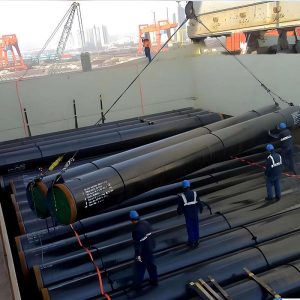
9. Packaging and Shipment
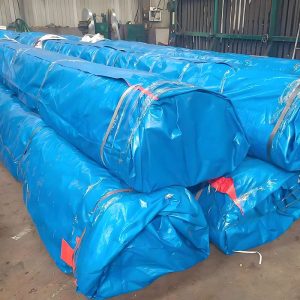
Bundling, film wrapping, or wooden crate packaging
Protects the pipes during transportation and storage, preventing scratches or oxidation.


Quality inspection of welded stainless steel pipes

Inspection Category Specific Test Item Referenced International Standard Purpose & Importance
Non-Destructive Testing (NDT) Radiographic Testing (RT / X-Ray) ASTM E94, ISO 17636 Detects internal weld defects such as porosity, slag inclusions, and cracks
Eddy Current Testing (ET) ASTM E426, EN ISO 10893 Online automatic inspection for industrial pipes to identify surface and near-surface defects
Hydrostatic Test ASTM A999, ASTM A530 Verifies leak-tightness and structural integrity under high-pressure conditions
Ultrasonic Testing (UT) ASTM E164, ASTM A388 Used for thick-walled pipes to detect deep internal and micro defects
Liquid Penetrant Testing (PT) ASTM E165, ISO 3452 Detects fine surface-breaking cracks at pipe ends and weld seams
Mechanical Property Tests Flattening and Flaring Tests ASTM A312, ASTM A370 Verifies weld toughness and bonding strength under severe deformation
Tensile and Yield Strength Tests ASTM E8 / E8M Ensures mechanical load-bearing capacity meets design requirements
Hardness Test ASTM E18 (Rockwell / Brinell) Monitors heat treatment effectiveness and ensures machinability
Chemical & Corrosion Tests Spectrometric Analysis (PMI) ASTM E1019, ASTM E572 Confirms full compliance of material composition for grades such as 304 and 316L
Intergranular Corrosion Test (IGC) ASTM A262 Practice A/E Mandatory for oil & gas projects; evaluates material service life in corrosive environments
Pitting Corrosion Test ASTM G48 Assesses resistance in high-chloride environments such as seawater (common in the Middle East)
Visual & Dimensional Inspection Dimensional Inspection ASME B36.19M, EN ISO 1127 Strict control of outside diameter, wall thickness, length, and straightness tolerances
Visual Surface Inspection ASTM A999 Ensures smooth internal and external surfaces free from scratches and scale


Q1: Under high-pressure conditions, should I choose seamless pipes or welded pipes?

Answer:
Historically, seamless pipes were considered safer, but with the development of TIG (Tungsten Inert Gas) and plasma welding technologies, modern high-quality welded pipes can achieve a weld efficiency factor of 1.0 (equivalent to seamless pipes).
Selection suggestion: If your project budget is limited and the pipe diameter is large, welded pipes are a cost-effective choice. As long as the welded pipes undergo 100% radiographic testing (RT) and online solution annealing, their pressure resistance can fully meet most petrochemical and desalination needs.

Q2: How to accurately select between 304 and 316L materials based on the environment?

Answer:
This is a common misconception. The main determining factor is the chloride ion content.
304/304L: Suitable for freshwater, ordinary atmospheric environments, and building structures.
316L: Contains 2-3% molybdenum (Mo), providing stronger resistance to pitting corrosion. If your project is located in the coastal areas of the UAE or Saudi Arabia, or involves handling fluids containing chlorides, you must choose 316L or even duplex stainless steel; otherwise, pitting corrosion and perforation will occur quickly.

Q3: Why is “online solution annealing” of welded pipes so important?

Answer:
During the welding process of stainless steel, the metallographic structure of the weld zone changes, creating chromium-depleted areas, leading to reduced corrosion resistance.
Key point: When selecting pipes, it is crucial to confirm whether the supplier has an online solution annealing process (heating the pipe material to above $1050^{\circ}C$ and rapidly cooling it). This eliminates welding stress and restores the corrosion resistance of the weld area to be consistent with the base material. Pipes that have not undergone solution annealing are highly susceptible to corrosion at the weld seam.

Q4: What is “weld bead height,” and how does it affect my system?

Answer:
Weld bead height refers to the portion of the weld that protrudes from the inner and outer surfaces of the pipe wall.
Selection Recommendation: For food, pharmaceutical (sanitary), or high-flow fluid systems, *internal weld bead smoothing* should be required. A smooth inner wall prevents media residue, reduces fluid resistance, and lowers the risk of bacterial growth or localized eddy current corrosion.

Q5: How do I understand the key information in the MTC (Material Test Certificate) during procurement?

Answer:
A valuable MTC (compliant with EN 10204 3.1 standard) is more than just a chemical composition table.
Verification Points: When verifying the selection, be sure to check:
1. Heat Number: Does it match the marking on the pipe body?
2. Mechanical Properties: Do the yield strength and elongation meet the standards?
3. Test Results: Does it include the specific results of the hydrostatic test and flattening test?

Q6: How to prevent damage to stainless steel pipes during storage and transportation?

Answer:
This is a selection and supporting requirement that is easily overlooked. Stainless steel is most susceptible to “iron contamination.”
Professional Recommendation: The selection list should include packaging requirements. Ensure that the pipes are strictly prohibited from contacting carbon steel (use wooden pallets or plastic wrapping). For orders exported to the Middle East, due to the long shipping cycle and heavy salt spray, it is recommended to require plastic end caps and overall woven bag packaging to prevent internal contamination and port deformation.