Products

Related News

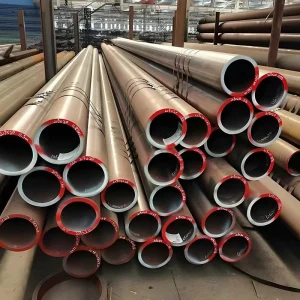
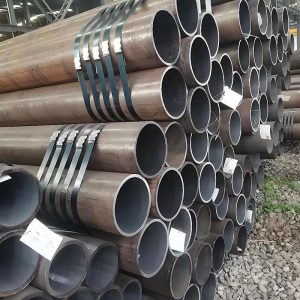
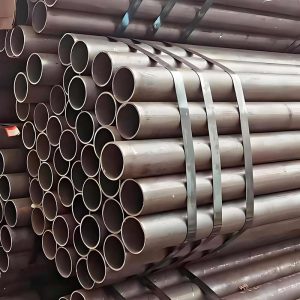
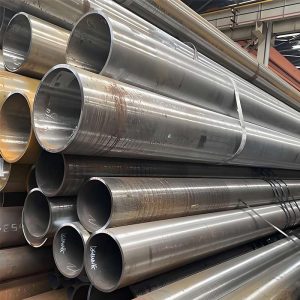
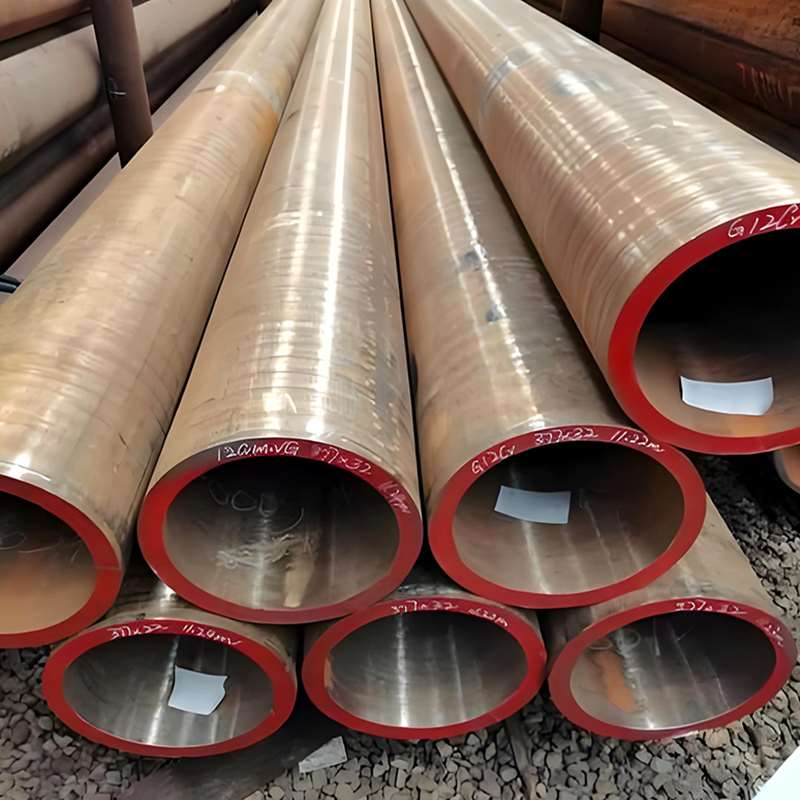
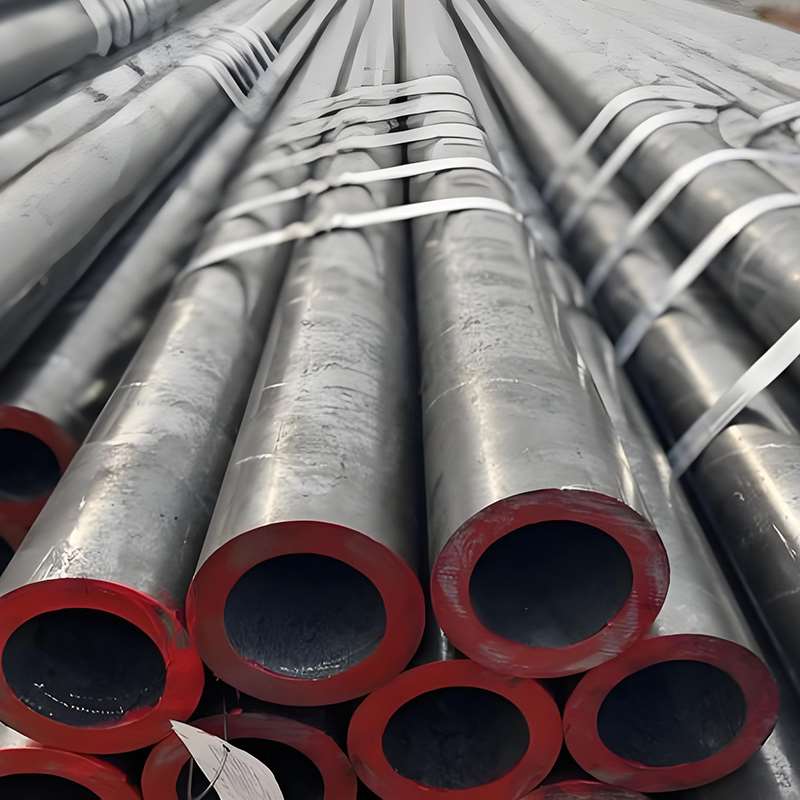
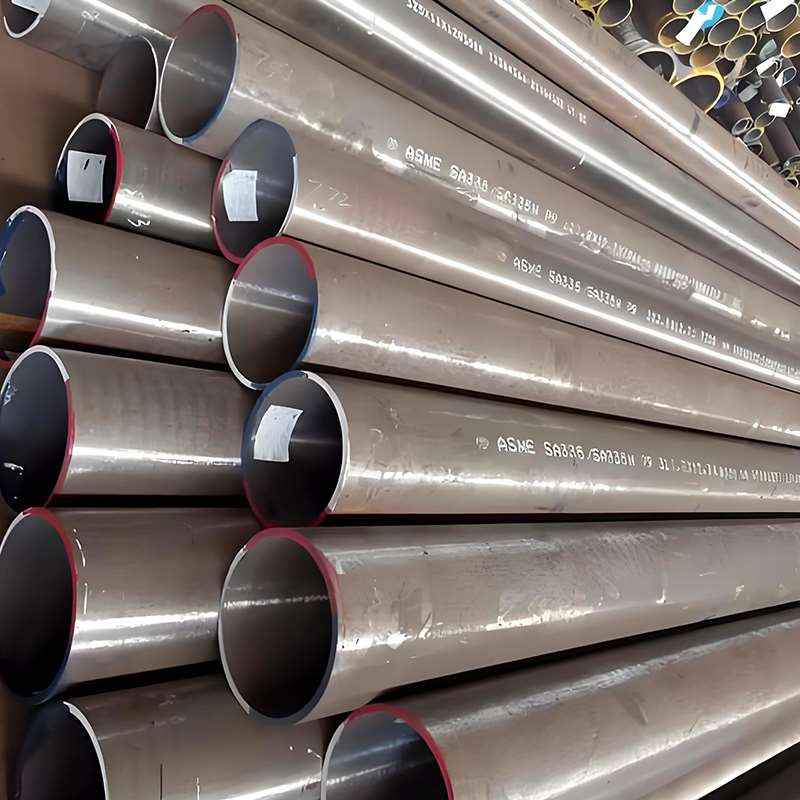
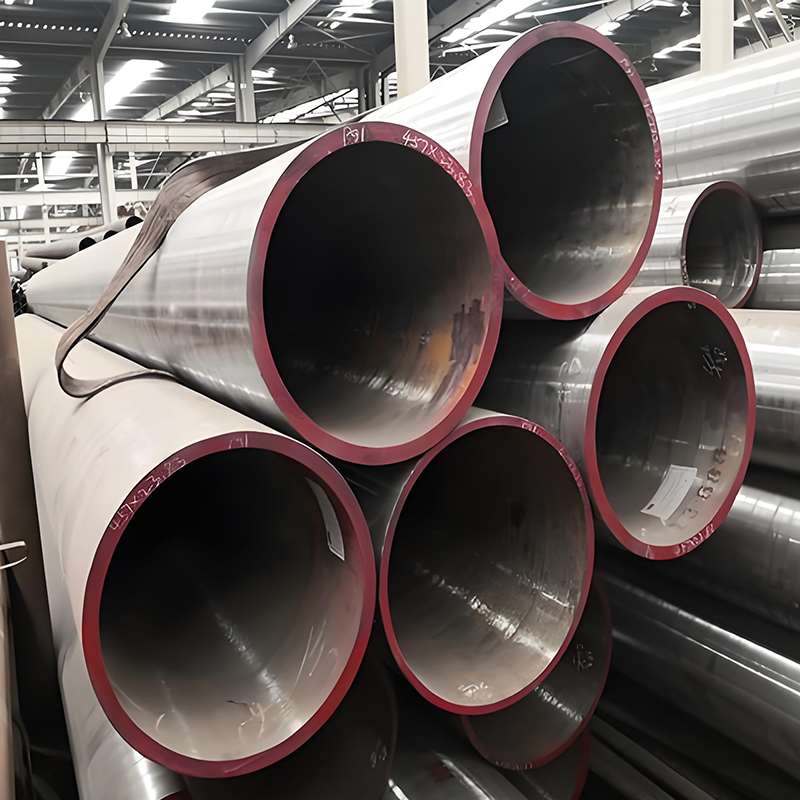
P91 Alloy Steel Boiler Tube

OD Range :

25.0 – 219.1 mm(1″ – 8½″)

WT Range :

3.0 – 25.0 mm

Length :

6 – 12 m

Tolerance :

Outer diameter ±1%, wall thickness ±12.5% ​​/ +15%, length ±50 mm

Material :

9Cr-1Mo-V-Nb alloy steel / P91

Standard :

ASTM A335 / ASME SA335 P91

Surface :

A glossy or rust-preventive oil film can be applied; sandblasting or painting may be necessary in some cases.

Application :

Main steam pipes, superheater tubes, reheater tubes, and industrial high-temperature and high-pressure boiler tubes in thermal power plants

I. Overview of P91 Alloy Steel Boiler Tubes

P91 alloy steel boiler tubes are high-temperature, high-pressure boiler tubes made from 9Cr-1Mo-V-Nb alloy steel. They are widely used in critical heat-bearing pipelines such as main steam pipes, superheater tubes, and reheater tubes in thermal power plants.

Main Features:

  • Excellent high-temperature and high-pressure strength – Maintains good yield strength and tensile strength even at high temperatures of 600℃.
  • Strong creep resistance – The tubes are not easily deformed during long-term operation, extending their service life.
  • Good corrosion resistance – Strong resistance to boiler scale and general media corrosion.
  • Reliable welding performance – Can be welded and heat-treated, ensuring pipeline integrity.
  • Wide range of applications – Suitable for power plant boilers, combined heat and power plants, and industrial high-temperature and high-pressure pipeline systems.

Typical Applications:

  • Main steam pipes in thermal power plant boilers
  • Superheater tubes and reheater tubes
  • High-temperature and high-pressure industrial boiler pipelines
  • High-temperature circulating water pipelines in power plants

II. Chemical Composition of P91 Alloy Steel Boiler Tubes

ElementContent Range (%)Description
C (Carbon)0.08 – 0.12Ensures adequate strength and good weldability
Cr (Chromium)8.0 – 9.5Improves high-temperature strength and corrosion resistance
Mo (Molybdenum)0.85 – 1.05Enhances high-temperature creep strength
V (Vanadium)0.18 – 0.25Improves creep resistance and refines grain structure
Nb (Niobium)0.06 – 0.12Enhances high-temperature strength and stabilizes grain boundaries
Mn (Manganese)0.30 – 0.60Improves hardenability and overall strength
Si (Silicon)0.20 – 0.50Increases strength and promotes deoxidation
P (Phosphorus)≤ 0.020Reduces brittleness and controls weldability
S (Sulfur)≤ 0.010Minimizes brittleness and prevents cracking

III. P91 Alloy Steel Boiler Tube Mechanical Properties

Performance ParameterValueDescription
Yield Strength σy≥ 415 MPaEnsures the pipe maintains strength under high temperature and high pressure
Tensile Strength σu585 – 760 MPaGuarantees the pipe’s tensile capacity
Elongation δ≥ 20%Ensures ductility and toughness of the pipe
Hardness HB / HRB197 – 237 HBEnsures wear resistance and machinability
Creep Rupture Strength≥ 105 MPa @ 600 °C, 100,000 hMaintains dimensional stability under long-term high-temperature use
Impact Toughness (KV)≥ 47 J @ 0 °CResists brittleness and improves safety

IV. Practical Guide to Selection and Use of P91 Alloy Steel Boiler Tubes

i. How to Select the Right Material

  1. Selection based on boiler pressure rating:
    Main steam pipes, superheater tubes, reheater tubes: P91 alloy steel pipes must be used to ensure high-temperature and high-pressure bearing capacity.
    Auxiliary steam or low-pressure pipelines: P22 or low-alloy steel can be considered, but P91 should be selected for high-temperature conditions.
  2. Selection based on operating temperature:
    P91 must be used when the long-term temperature is ≥ 540℃ to prevent creep and deformation.
  3. Matching pipe diameter and wall thickness:
    The pipe diameter is calculated based on the design flow rate, and the wall thickness is selected based on the design pressure and safety factor.
    Too thin a wall thickness is prone to overpressure rupture, while too thick a wall thickness increases material costs.
  4. Attention to thermal expansion and support:
    P91 has significant thermal expansion at high temperatures; expansion compensators or support arrangements must be considered during material selection.

ii. Welding and Installation Guidelines

  1. Welding Process:
    TIG welding or automatic submerged arc welding (SAW) is recommended. Control the heat input to avoid weld embrittlement.
    Stress relief heat treatment must be performed after welding to ensure the performance of the weld and heat-affected zone.
  2. Installation Precautions:
    Pipe support spacing must comply with design specifications to avoid localized stress concentration.
    Avoid sharp bends and overloading due to pipe weight.
    Allow sufficient space for thermal expansion during installation under high-temperature conditions.

iii. Corrosion Prevention and Maintenance

  • Water Quality Management: Boiler feedwater must be deoxygenated and softened to prevent pipe corrosion.
  • Corrosion Prevention Measures: Epoxy anti-corrosion paint or galvanizing treatment can be applied if necessary.
  • Regular Inspections:
    • Check for loose or cracked welds and support points.
    • Check for scaling, corrosion, or leaks on the pipe surface.
  • Non-destructive testing: Ultrasonic or eddy current testing can detect micro-cracks or weld defects in advance.

iv. Service Life Optimization Recommendations

  • Avoid operation under excessive temperature and pressure; strictly control boiler and pipeline operating conditions.
  • Avoid frequent alternating hot and cold shocks to reduce thermal fatigue.
  • Regularly maintain and clean the inside of pipelines to ensure smooth media flow and reduce localized corrosion.
  • For high-temperature critical pipelines, online temperature and pressure monitoring can be used to ensure safe operation.

V. Typical Application Guidelines

  • Thermal Power Plants:
    • Main steam pipes, superheater tubes, reheater tubes, high-temperature circulating water pipes.
  • Industrial High-Temperature Boilers:
    • High-temperature and high-pressure steam pipelines in chemical, steel, and other industries.
  • Combined Heat and Power Systems:
    • High-temperature steam transportation and heat recovery pipelines.
Related Products

P91 Alloy Steel Boiler Tube – Size & Specification Table

Outer Diameter (OD) Wall Thickness (WT) Length Tolerance Description
1″ (25.4 mm) 0.12–0.24″ (3–6 mm) 20–40 ft (6–12 m) OD ±1%, WT +15% / −12.5% Small diameter boiler tube, suitable for auxiliary steam lines
1¼″ (32 mm) 0.14–0.28″ (3.5–7 mm) 20–40 ft (6–12 m) OD ±1%, WT +15% / −12.5% Small diameter steam or heat pipe
1½″ (40 mm) 0.16–0.31″ (4–8 mm) 20–40 ft (6–12 m) OD ±1%, WT +15% / −12.5% Medium temperature and medium pressure pipe
2″ (50 mm) 0.18–0.35″ (4.5–9 mm) 20–40 ft (6–12 m) OD ±1%, WT +15% / −12.5% Common steam tube or reheater tube
2½″ (65 mm) 0.20–0.47″ (5–12 mm) 20–40 ft (6–12 m) OD ±1%, WT +15% / −12.5% Medium pressure high temperature pipe
3″ (76.1 mm) 0.24–0.55″ (6–14 mm) 20–40 ft (6–12 m) OD ±1%, WT +15% / −12.5% Main steam line and circulating water pipe
3½″ (89 mm) 0.28–0.63″ (7–16 mm) 20–40 ft (6–12 m) OD ±1%, WT +15% / −12.5% High temperature, high pressure boiler pipe
4½″ (114.3 mm) 0.31–0.79″ (8–20 mm) 20–40 ft (6–12 m) OD ±1%, WT +15% / −12.5% Main steam pipe and reheater tube
6½″ (168.3 mm) 0.39–0.98″ (10–25 mm) 20–40 ft (6–12 m) OD ±1%, WT +15% / −12.5% Large diameter boiler main steam pipe
8½″ (219.1 mm) 0.47–0.98″ (12–25 mm) 20–40 ft (6–12 m) OD ±1%, WT +15% / −12.5% Critical high temperature, high pressure pipe

Notes:

Length can be customized according to client requirements (6–12 m / 20–40 ft).

Tolerances follow ASTM A335 P91 standards.

Wall thickness and OD combinations meet different pressure ratings and engineering requirements.

Other custom sizes can be manufactured for special projects.


P91 alloy steel boiler tube standards

Standard Type Standard No. Scope / Description
American ASTM Standard ASTM A335 / ASME SA335 P91 Seamless alloy steel pipes for high-temperature, high-pressure boilers and heat exchangers; specifies chemical composition, mechanical properties, dimensions, tolerances, and heat treatment requirements
American ASME Code ASME B36.10 / B36.19 Specifies pipe dimensions and wall thickness tables to ensure consistency with engineering design
Chinese National Standard (optional reference) GB/T 5310 / GB/T 3087 Specifies chemical composition, mechanical properties, and dimensions of alloy steel boiler pipes; applicable to high-temperature, high-pressure power plant boiler pipelines
European EN Standard (optional reference) EN 10216-2 / EN 10222 Seamless alloy steel pipe standards covering chemical composition, mechanical properties, dimensional tolerances, and heat treatment requirements

Note:

The main governing standard is ASTM A335 / ASME SA335 P91, which is the internationally recognized standard for P91 alloy steel boiler tubes.
Other standards (GB/T or EN) are mainly used for international projects or domestic and international joint ventures, and can be used as reference.
The standard covers: chemical composition, mechanical properties, dimensions, tolerances, heat treatment, and welding performance.

P91 Alloy Steel Boiler Tube Production Process Flow

Raw Material Preparation → Melting and Alloying → Ingot Casting → Hot Rolling or Extrusion → Sizing and Straightening → Welding and Heat Treatment → Surface Treatment → Inspection and Packaging

Explanation of Each Step

1. Raw Material Preparation
Select high-purity steel billets, main components: Fe + 9Cr-1Mo-V-Nb
Ensure accurate proportion of alloying elements to guarantee high-temperature performance

2. Melting and Alloying
Melting in a high-temperature electric furnace or converter
Adding alloying elements such as Cr, Mo, V, and Nb
Ensuring uniform chemical composition

3. Ingot Casting
Casting the molten steel into ingots
Forming preliminary tube blanks through continuous casting or mold casting

4. Hot Rolling or Extrusion
Hot rolling or extruding the steel billets into tubes
Ensuring uniform outer diameter, wall thickness, and metal structure of the tubes

5. Sizing and Straightening
Ensuring tube diameter accuracy through a sizing machine
Ensuring tube straightness through a straightening machine

6. Welding and Heat Treatment (if applicable)
ERW / SAW welding of tubes
Stress relief or normalizing heat treatment after welding
Improving the high-temperature strength and creep resistance of the tubes

7. Surface Treatment
Removing scale, polishing or sandblasting
Applying anti-rust oil or protective coating

8. Inspection and Packaging
Inspection of dimensions, chemical composition, and mechanical properties
Weld seam and non-destructive testing (ultrasonic, eddy current, etc.)
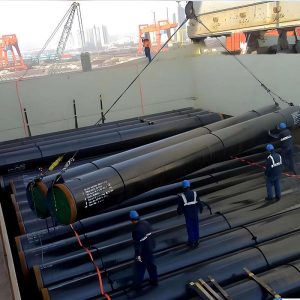
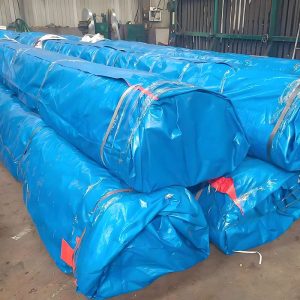
Packaging and warehousing or shipping after passing inspection

P91 Alloy Steel Boiler Tube Testing Standards

Inspection Category Inspection Method Reference Standard / Description
Chemical Composition Inspection Spectrometric analysis / chemical analysis Test contents of C, Cr, Mo, V, Nb, etc., to ensure compliance with ASTM A335 P91 standard
Dimensional & Tolerance Inspection Measurement of OD, wall thickness, and length OD, wall thickness, and length tolerances per ASTM A335: ±1% / +15% −12.5%
Mechanical Properties Inspection Tensile test, yield strength, elongation, hardness test Ensure pipe strength, toughness, and creep resistance meet P91 standard
Weld Quality Inspection X-ray / ultrasonic / eddy current testing Welds and heat-affected zones must be free from cracks, inclusions, incomplete fusion, or other defects
Pressure Test Hydrostatic test Verify pipe pressure-bearing capacity; ensure no leakage or rupture
Non-Destructive Testing (NDT) Ultrasonic testing (UT), magnetic particle testing (MT), penetrant testing (PT) Detect internal defects or surface cracks to ensure pipe integrity
Appearance & Surface Inspection Visual inspection, surface roughness measurement Pipe surface should be smooth, free from cracks, pores, scale, or severe dents
Mill Test Report (MTR) Material Test Report Includes chemical composition, mechanical properties, dimensions, tolerances, and inspection results for customer verification


P91 Alloy Steel Boiler Tube Selection: Frequently Asked Questions

Q1. What operating conditions are suitable for P91 tubing?

Answer:
P91 alloy steel boiler tubes are suitable for high-temperature and high-pressure boiler piping, especially for main steam pipes, superheater tubes, and reheater tubes in thermal power plants. They can maintain strength and creep resistance under long-term operating conditions of 540–600℃ and medium to high pressure.

Q2. How to select the pipe diameter and wall thickness?

Answer:
The pipe diameter should be calculated based on the design flow rate and pipeline system pressure, and the wall thickness should be selected according to the design pressure and safety factor. Too thin a wall thickness can easily lead to rupture, while too thick a wall thickness increases costs. Common specifications can be referenced from the ASTM A335 P91 standard table and adjusted according to engineering drawings.

Q3. What are the differences between P91 tubing and other boiler tubes (such as P22)?

Answer:
P91 contains Cr-Mo-V-Nb alloy elements, and its high-temperature strength and creep performance are significantly superior to P22. It is suitable for long-term operation at high temperatures of 540–600℃. P22 is more suitable for medium-temperature and medium-pressure conditions and cannot replace P91 for critical main steam pipes.

Q4. What are the precautions during installation?

Answer:
Ensure reasonable support point arrangement to avoid localized stress concentration.
Allow for thermal expansion compensation space.
Avoid sharp bends in the piping and excessive self-weight loading.
For high-temperature applications, sufficient expansion allowance is recommended to ensure safe operation.

Q5. What precautions should be taken during welding and heat treatment?

Answer:
Argon arc welding or automatic submerged arc welding is recommended, controlling the heat input.
Stress relief or normalizing heat treatment must be performed after welding.
The weld seam and heat-affected zone must be free of cracks, slag inclusions, and incomplete penetration.
These steps directly affect the long-term reliability of the pipe material under high temperature and high pressure.

Q6. How to extend the service life of P91 pipe material?

Answer:
Avoid operating at excessive temperatures and pressures.
Regularly inspect welds and support points to prevent loosening or cracking.
Ensure proper water treatment and corrosion prevention measures to reduce scaling and corrosion.
Perform non-destructive testing (ultrasonic or eddy current testing) when necessary.