Products

Related News

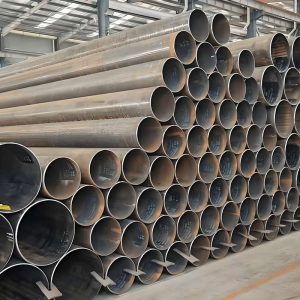
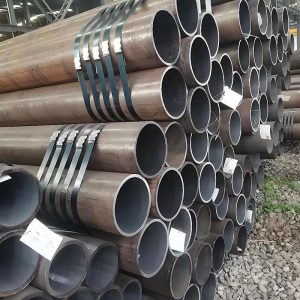
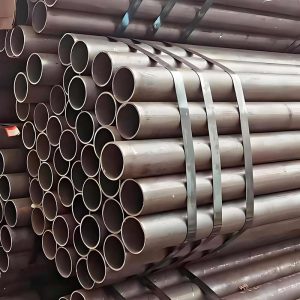
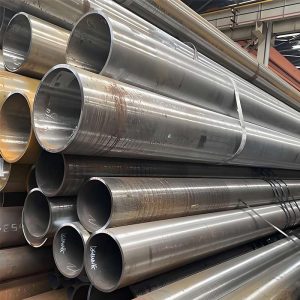
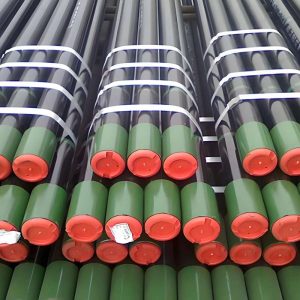
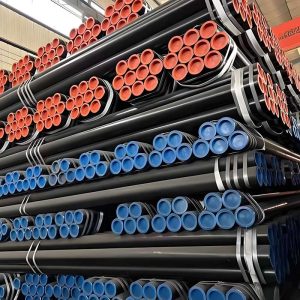
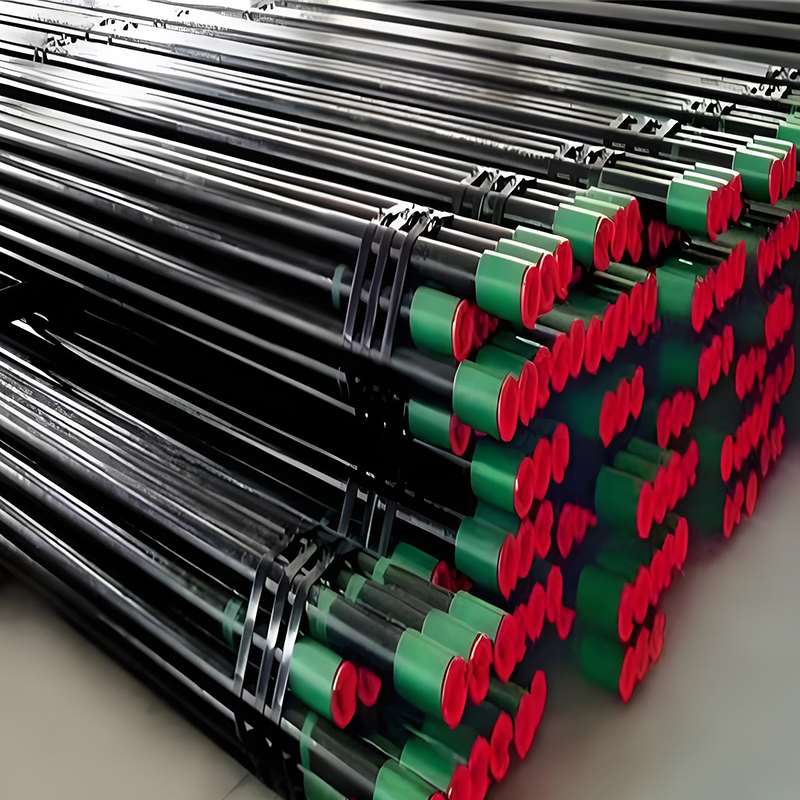
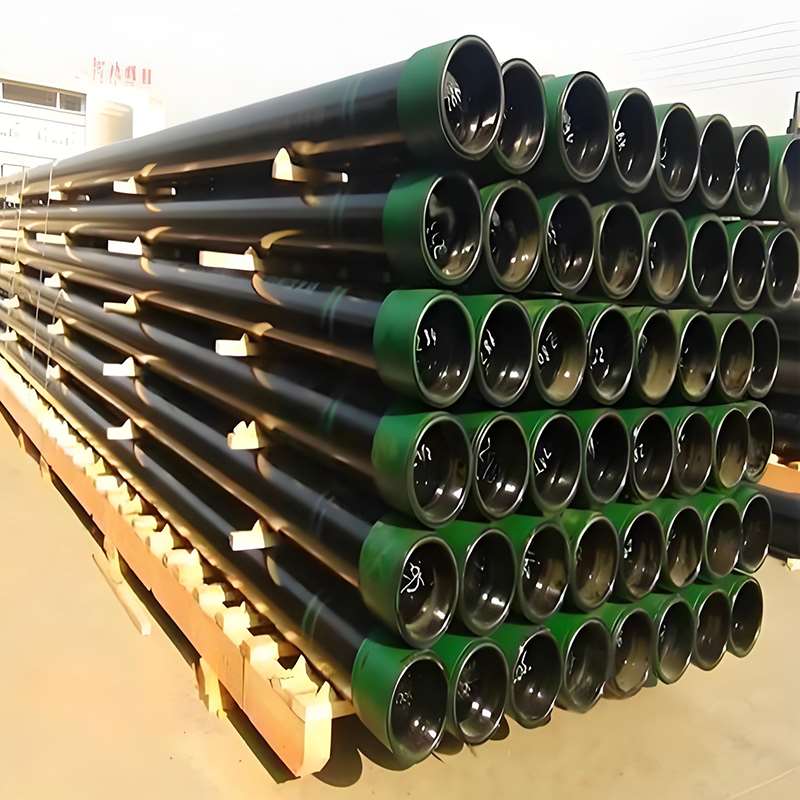
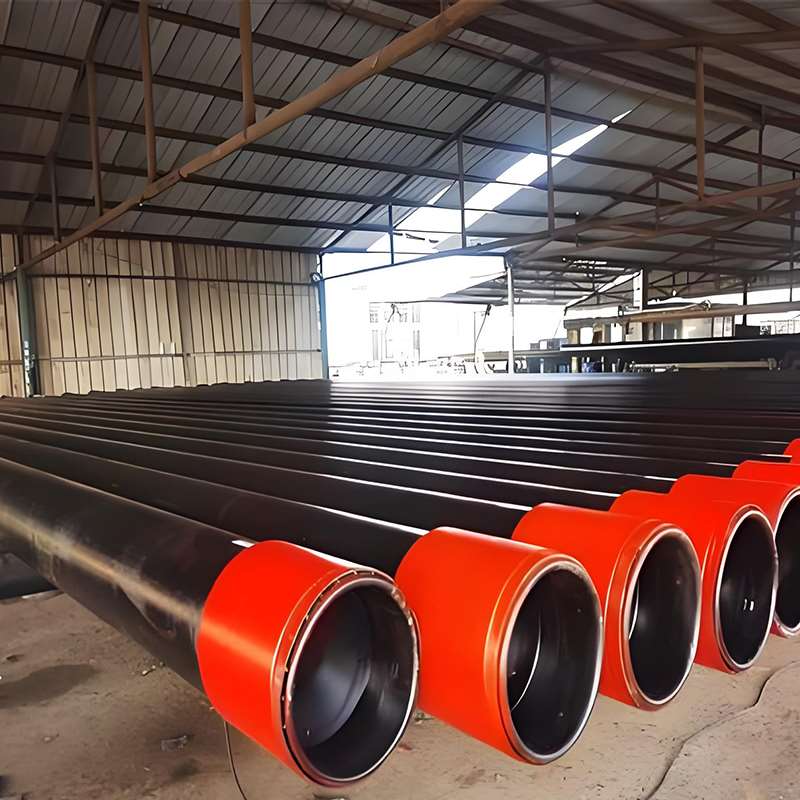
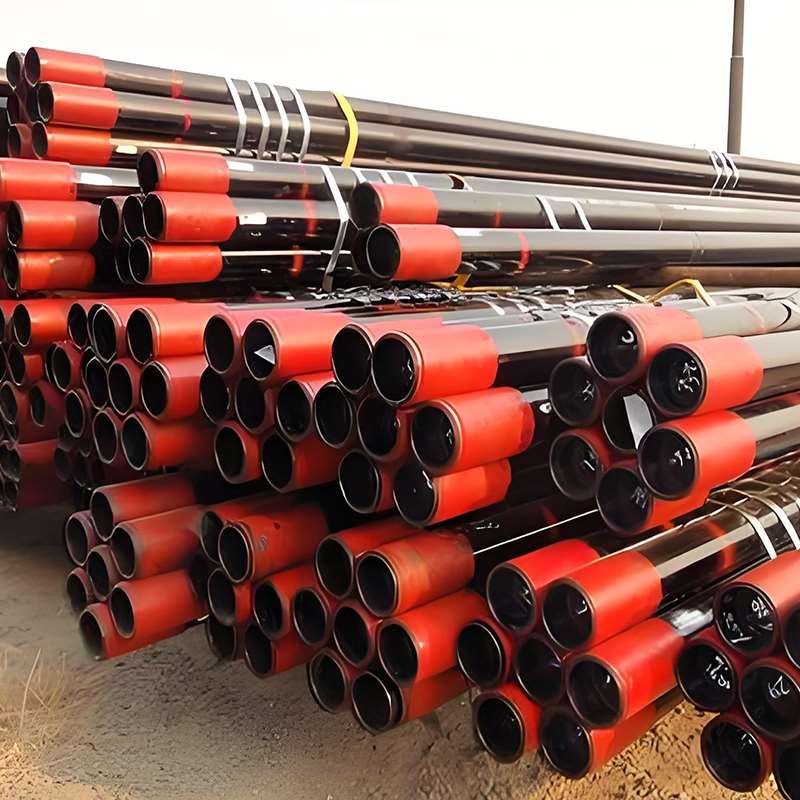
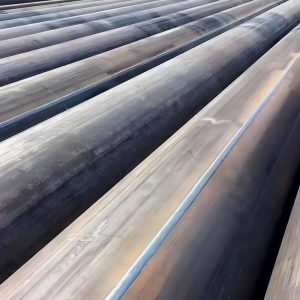
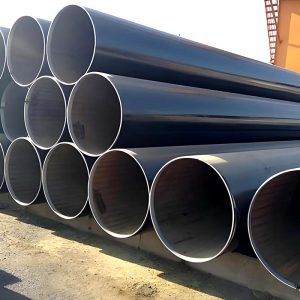
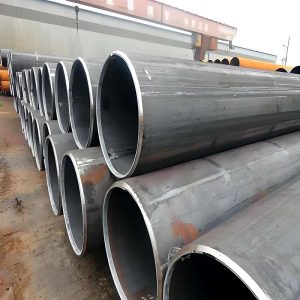
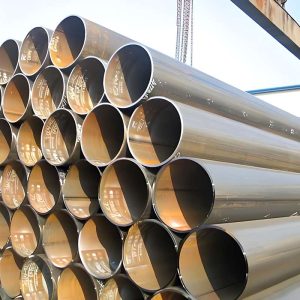
API 5CT Casing and Tubing Pipe

OD Range :

Tubing: 26.67–114.30 mm (1.05″–4-1/2″), Casing: 114.30–508.00 mm (4-1/2″–20″)

WT Range :

2.87–16.13 mm

Length :

R1:6.10–7.32 m、R2:8.53–9.75 m、R3:≥12.19 m

Tolerance :

Outer diameter: ±0.75%, Wall thickness: -12.5% ​​to +10%

Material :

H40、J55、K55、N80-1、N80Q、L80、C90、T95、P110

Standard :

API 5CT

Surface :

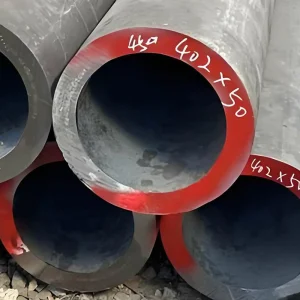
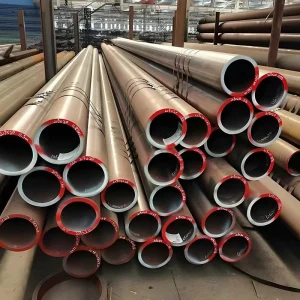
Bare pipe, anti-rust oil coating, black paint; phosphating and painted markings are optional.

Application :

Oil wells, natural gas wells, shale gas wells, geothermal wells

Introduction :

API 5CT casing and tubing are critical pipe materials in oil and gas well drilling and completion systems.

I. What are API 5CT Casing and Tubing Pipe?

API 5CT is a standard for oil well casing and tubing established by the American Petroleum Institute (API). It covers product dimensions, tolerances, steel grades, mechanical properties, testing requirements, and marking rules.

Casing: Used to support the wellbore, prevent formation collapse, and isolate different geological formations.
Tubing: Used to safely transport crude oil or natural gas from downhole to the surface.

API 5CT casing and tubing pipes are the universal choice in the global oil and gas industry due to their high strength, excellent sealing performance, and reliable quality control system.

II. API 5CT Casing and Tubing Pipe Grade Comparison Table

Steel GradeMinimum Yield Strength (MPa)Tensile Strength (MPa)Typical Well ConditionsCharacteristics
H40≥ 276≥ 414Shallow wells, low-pressure wellsLow strength, lowest cost, now rarely used
J55≥ 379517 – 760Shallow wells, conventional oil wellsWidely used, good cost performance
K55≥ 379≥ 655Shallow to medium-depth wellsSlightly higher strength than J55
N80-1≥ 552≥ 689Medium-depth wellsHigh strength with good toughness
N80Q≥ 552≥ 689Medium-depth wellsQuenched and tempered; improved resistance to brittle fracture
L80≥ 552≥ 655Wells containing CO₂ / H₂SGood corrosion resistance
C90≥ 621≥ 689Deep wells, high-pressure wellsHigh strength, resistant to sulfide stress cracking
T95≥ 655≥ 724High-pressure, high-temperature wellsStable overall performance
P110≥ 758≥ 862Deep and ultra-deep wellsHighest strength, higher cost

III. Recommended Pipe Material Selection for Different Well Depths

i. Shallow Wells (Well Depth ≤ 1500 m)

Recommended Steel Grades:
J55
K55

Applicable Pipe Types:
Casing (Surface Casing / Intermediate Casing)
Tubing
In surface pipeline connections, API 5L Line Pipe is commonly used to ensure reliable fluid transportation to and from the wellhead.

Selection Rationale:
Low downhole pressure and temperature
Low requirements for wellbore stability
Emphasis on cost-effectiveness

Recommendation: For conventional onshore oil wells and water injection wells, J55 is the preferred choice due to its optimal cost-effectiveness.

ii. Medium-Depth Wells (1500 – 3000 m)

Recommended Steel Grades:
N80-1
N80Q

Applicable Pipe Types:
Technical Casing
Production Casing
Tubing

Selection Notes:
Significantly increased pressure requirements
Pipe string subjected to large axial loads
Requirements for toughness and collapse resistance

Recommendation: N80Q, which is heat-treated, is more suitable for areas with complex well conditions.

iii. Deep Wells (3000 – 4500 m)

Recommended Steel Grades:
L80
C90

Applicable Pipe Types:
Production Casing
Deep Well Tubing

Selection Notes:
High pressure and high temperature conditions
Prone to CO₂ or H₂S corrosion
High demands on material stability

Recommendation: For wells containing acidic media, prioritize L80 or C90 to avoid sulfide stress cracking.

iv. Ultra-Deep Wells (Well Depth > 4500 m)

Recommended Steel Grades:
T95
P110

Applicable Pipe Types:
Production Casing
High-Strength Tubing

Selection Considerations:
Extremely high internal and external pressure
Extremely high pipe string weight and axial load
Extremely high manufacturing and inspection requirements

Recommendation: Strict non-destructive testing and heat treatment control are essential to avoid over-specification.

v. Quick comparison table for selecting equipment based on different well depths

Well Depth RangeRecommended Steel GradeKey Considerations
≤ 1500 mJ55 / K55Cost efficiency and ease of installation
1500 – 3000 mN80-1 / N80QPressure resistance and toughness
3000 – 4500 mL80 / C90Corrosion resistance and operational stability
> 4500 mT95 / P110High strength and high reliability

Related Products

API 5CT Casing Specifications and Dimensions Table

Nominal Size (in) Outer Diameter OD (mm) Common Wall Thickness WT (mm) Common Steel Grades
4 1/2″ 114.30 6.35 / 7.37 / 8.56 J55 / K55 / N80
5″ 127.00 6.99 / 7.52 / 9.19 J55 / K55 / N80
5 1/2″ 139.70 7.72 / 8.38 / 9.17 J55 / K55 / N80 / L80
6 5/8″ 168.28 7.72 / 8.94 / 10.59 N80 / L80 / C90
7″ 177.80 8.05 / 9.19 / 10.36 N80 / L80 / C90
7 5/8″ 193.68 8.18 / 9.65 / 10.92 N80 / L80
8 5/8″ 219.08 8.18 / 9.27 / 10.31 N80 / L80
9 5/8″ 244.48 8.94 / 10.03 / 11.99 N80 / L80 / C90
10 3/4″ 273.05 8.89 / 10.16 / 12.70 N80 / L80
13 3/8″ 339.73 9.65 / 10.92 / 12.19 J55 / K55 / N80
16″ 406.40 9.53 / 10.97 / 12.70 J55 / K55
18 5/8″ 473.08 11.05 / 12.19 / 13.84 J55 / K55
20″ 508.00 11.13 / 12.70 J55 / K55


API 5CT Tubing Specifications and Dimensions Table

Nominal Size (in) Outer Diameter OD (mm) Common Wall Thickness WT (mm) Common Steel Grades
1.05″ 26.67 2.87 / 3.18 J55
1.315″ 33.40 3.38 / 3.91 J55
1.66″ 42.16 3.56 / 4.85 J55
1.9″ 48.26 4.19 / 5.08 J55 / N80
2 3/8″ 60.33 4.83 / 5.51 / 6.45 J55 / N80 / L80
2 7/8″ 73.02 5.51 / 6.45 / 7.01 N80 / L80
3 1/2″ 88.90 6.45 / 7.62 N80 / L80 / P110
4″ 101.60 6.88 / 8.56 N80 / L80 / P110
4 1/2″ 114.30 6.88 / 8.56 N80 / L80 / P110

Additional Information

Length Range
R1: 6.10–7.32 m
R2: 8.53–9.75 m (most common)
R3: ≥12.19 m

Dimensional Tolerances
Outer Diameter: ±0.75%
Wall Thickness: -12.5% ​​to +10%

Connection Types
Casing: STC / LTC / BTC
Tubing: EUE / NUE


API 5CT Casing and Tubing Standards

Standard Applicable Products Steel Grade Size Range Inspection Requirements Connection Type
API 5CT Casing / Tubing H40 / J55 / K55 / N80-1 / N80Q / L80 / C90 / T95 / P110 Casing: 4 1/2″ – 20″; Tubing: 1.05″ – 4 1/2″ Chemical composition analysis, mechanical property tests, NDT (UT), hydrostatic test, dimensional & visual inspection Casing: STC / LTC / BTC; Tubing: EUE / NUE
ISO 11960 Casing / Tubing J55 – P110 Similar to API 5CT Chemical composition, mechanical properties, thread inspection Same as API 5CT
GB/T 3091 Tubing J55 / K55 1″ – 4″ Chemical composition, mechanical properties Same as API 5CT

API 5CT is the most commonly used international standard for oil and gas well casing and tubing. It specifies steel grades, dimensions, tolerances, manufacturing processes, and testing requirements, ensuring the safety and reliability of downhole tubular strings. ISO 11960 and GB/T 3091 can be used as international or domestic reference standards.


API 5CT Casing and Tubing Production Process Flow:

Steel billet → Hot rolling and piercing → Sizing → Heat treatment → Straightness correction → Pipe cutting → Threading → Non-destructive testing → Hydrostatic testing → Final inspection → Warehousing

Process Steps and Brief Description

1. Steel Billet Preparation
Select high-quality carbon steel or alloy steel billets, ensuring the chemical composition meets API 5CT standards.

2. Hot Rolling and Piercing
The steel billet is heated and then pierced to form a preliminary tube blank, establishing the basic shape of the pipe body.

3. Sizing
The outer diameter and wall thickness of the pipe body are adjusted to the design dimensions using a continuous sizing machine or rolling mill.

4. Heat Treatment
The pipe material undergoes normalizing or tempering treatment to improve mechanical properties and structural uniformity.

5. Straightness Correction
The pipe body is straightened to ensure that the straightness meets API 5CT tolerance requirements.

6. Pipe Cutting
The long pipe blank is cut into standard lengths (R1/R2/R3) for subsequent processing.

7. Threading
Threads (STC/LTC/BTC/EUE/NUE) are machined on both ends of the casing or tubing to ensure reliable sealing of the joints.

8. Non-Destructive Testing
Ultrasonic testing (UT) or other NDT methods are used to detect internal defects and welding quality of the pipe body.

9. Hydrostatic Testing
Each pipe is subjected to a hydrostatic pressure test to verify its pressure resistance and sealing performance.

10. Finished Product Inspection
Dimensions, surface quality, marking integrity, and various physical performance indicators are inspected.

11. Warehousing and Packaging
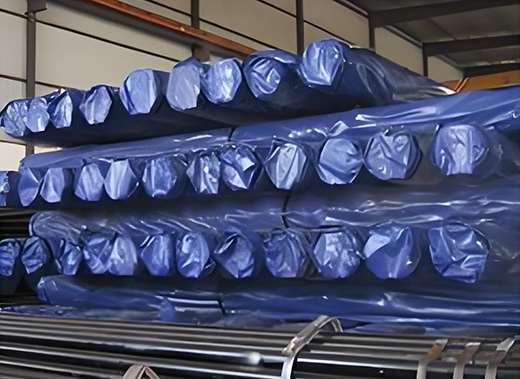
Qualified products are strapped with steel bands and marked, coated with anti-rust oil or protective packaging, and prepared for shipment.


API 5CT Casing and Tubing Inspection Standards

Inspection Item Test Method Purpose / Requirement
Chemical Composition Analysis Spectrometer or chemical analysis Ensure the steel chemical composition complies with API 5CT requirements (C, Mn, P, S, and other elements)
Mechanical Properties Test Tensile test, hardness test Verify that yield strength, tensile strength, elongation, impact toughness, etc. meet the specified steel grade requirements
Dimensional Inspection Outside diameter, wall thickness, and length measurement Ensure OD tolerance ±0.75%, wall thickness tolerance −12.5% to +10%, and length complies with R1 / R2 / R3
Non-Destructive Testing (NDT) Ultrasonic Testing (UT), Radiographic Testing (RT) Detect internal defects, cracks, porosity, and verify pipe body and threaded end quality
Hydrostatic Test Hydrostatic pressure test Verify pressure resistance of the pipe to ensure safe downhole service
Surface & Visual Inspection Visual check / tool measurement Inspect for surface scratches, dents, corrosion, and clarity of markings
Thread Inspection Thread gauge or optical projector Verify casing/tubing thread dimensions, profile, and sealing performance comply with standards


API 5CT casing thread types and connections High-strength ASTM A53 Gr B seamless steel pipe with smooth surface finish

API 5CT Casing and Tubing Selection: Frequently Asked Questions

Q1: How to select the steel grade for API 5CT casing and tubing?

A:
Steel grade selection mainly depends on well depth, downhole pressure, temperature, and corrosive media.
Shallow wells (≤1500 m): J55 / K55
Medium-depth wells (1500–3000 m): N80-1 / N80Q
Deep wells (3000–4500 m): L80 / C90
Ultra-deep wells (>4500 m): T95 / P110
For acidic wells containing CO₂/H₂S, L80 or C90 is recommended.

Q2: How to determine the length of casing and tubing?

A:
API 5CT pipes are usually available in three lengths:
R1: 6.10–7.32 m
R2: 8.53–9.75 m (most commonly used)
R3: ≥12.19 m
The appropriate length should be selected based on the well section design and transportation and construction conditions.

Q3: How to select the diameter and wall thickness of casing and tubing?

Answer:
Casing: The outer diameter and wall thickness are determined based on well depth, formation pressure, and fluid isolation requirements.
Tubing: Selected based on the pressure and flow rate of the fluid being transported and the wellhead connection method.
Ensure that the dimensions and wall thickness comply with API 5CT standard tolerances.

Q4: How to choose the connection type for casing/tubing?

Answer:
Common casing thread types: STC / LTC / BTC
Common tubing thread types: EUE / NUE
The selection should match the wellhead, casing program, and production equipment to ensure reliable sealing.

Q5: What inspection certificates are required during procurement?

Answer:
It is recommended to provide a material test certificate (MTC) conforming to API 5CT standards. EN 10204 3.1 or equivalent international certificates are usually required to ensure the traceability of the pipe’s chemical composition, mechanical properties, and non-destructive testing results.

Q6: How can casing and tubing be prevented from failing in wells containing corrosive media?

Answer:
Use corrosion-resistant steel grades (such as L80, C90)
Apply appropriate heat treatment processes (quenching Q, tempering T)
Apply anti-corrosion coatings before construction (such as epoxy coating)
Conduct regular downhole inspections to detect wall thickness loss or cracks in a timely manner.