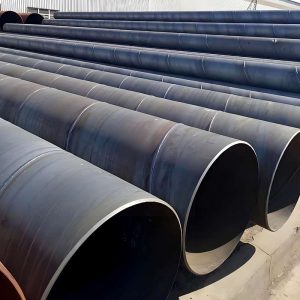
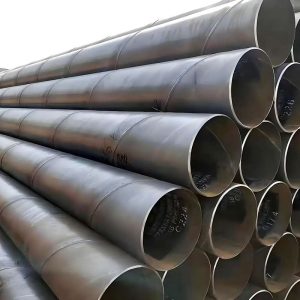
I. Introduction to API 5L X52 Line Pipe
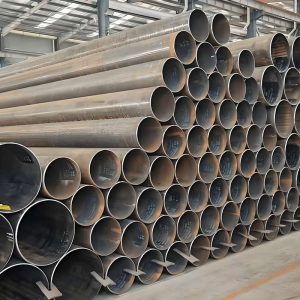
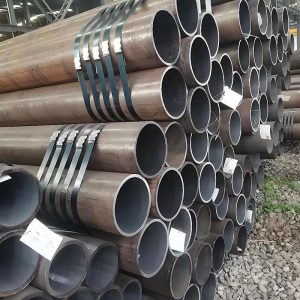
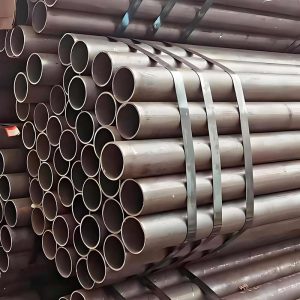
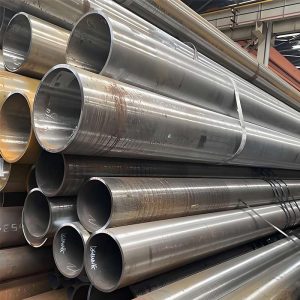
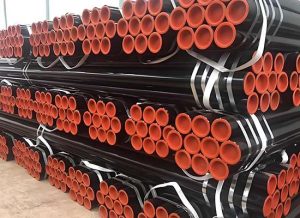
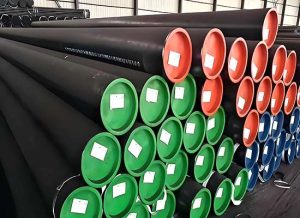
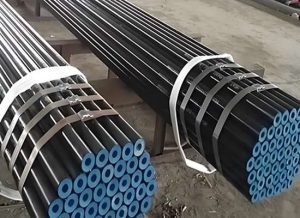
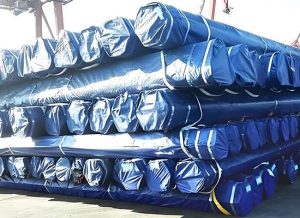
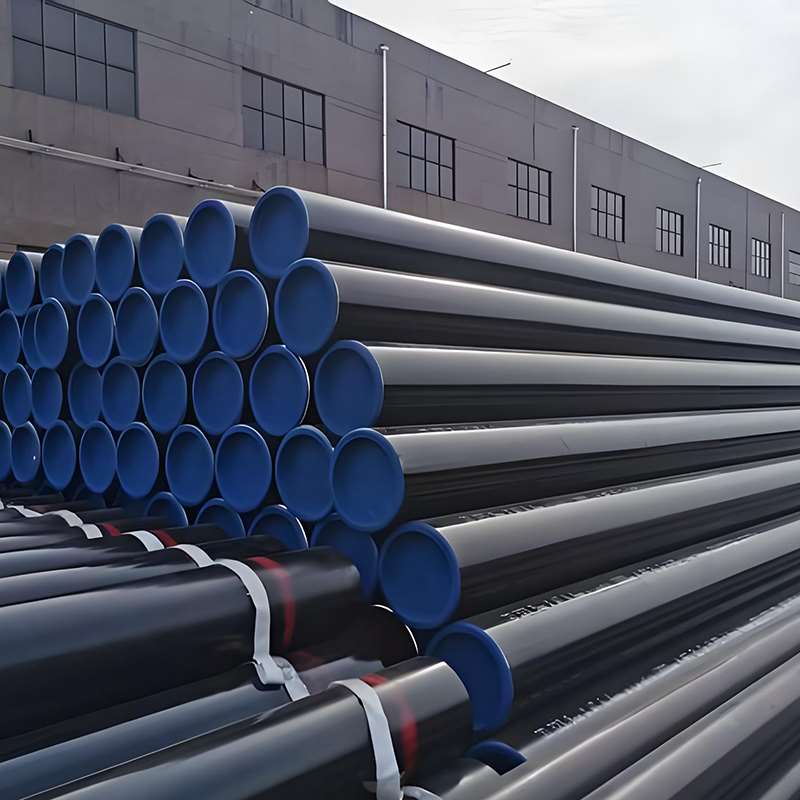
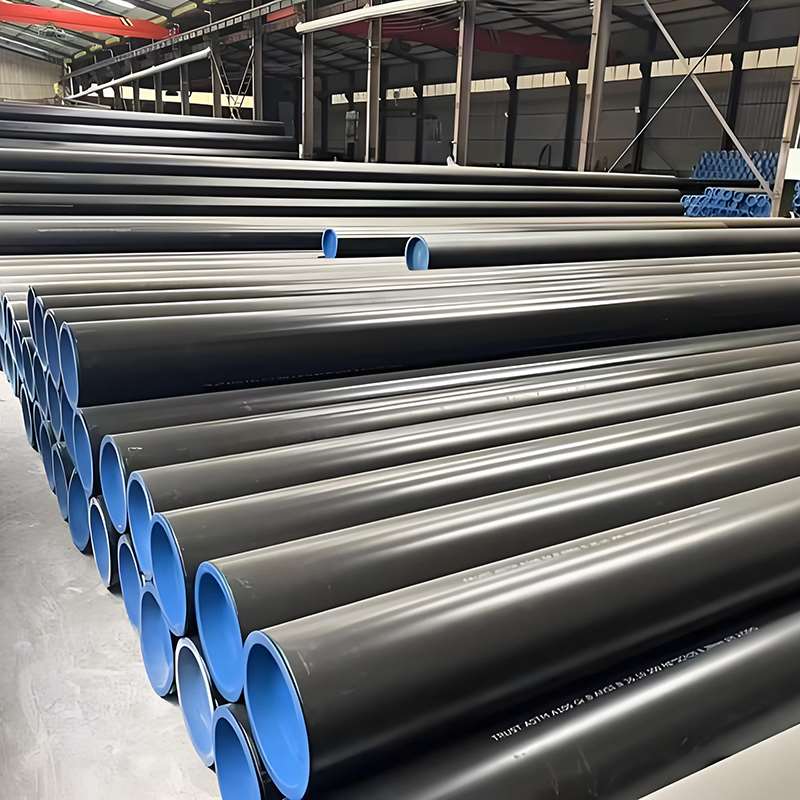
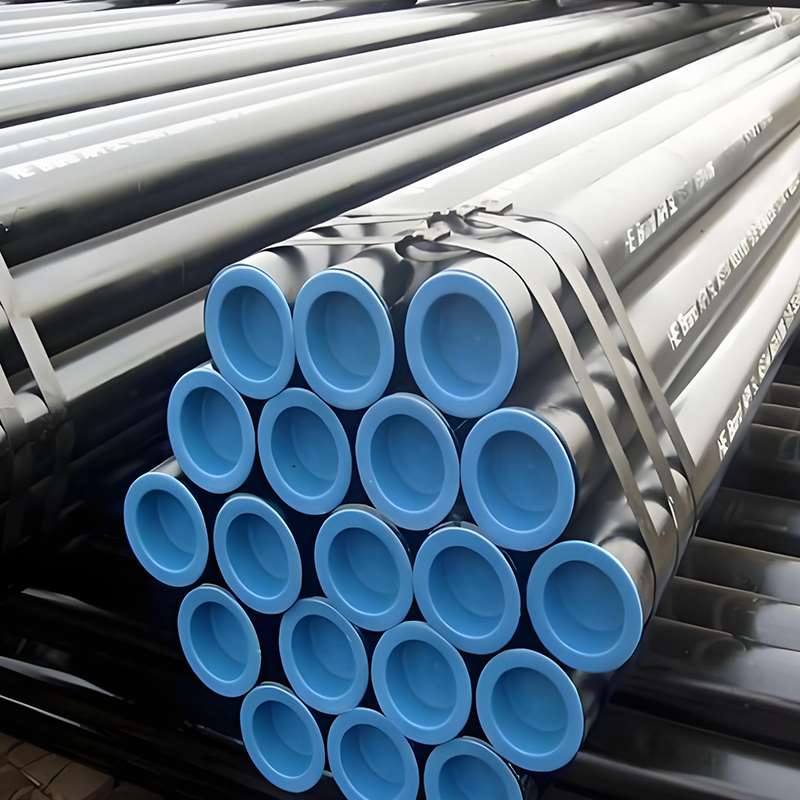
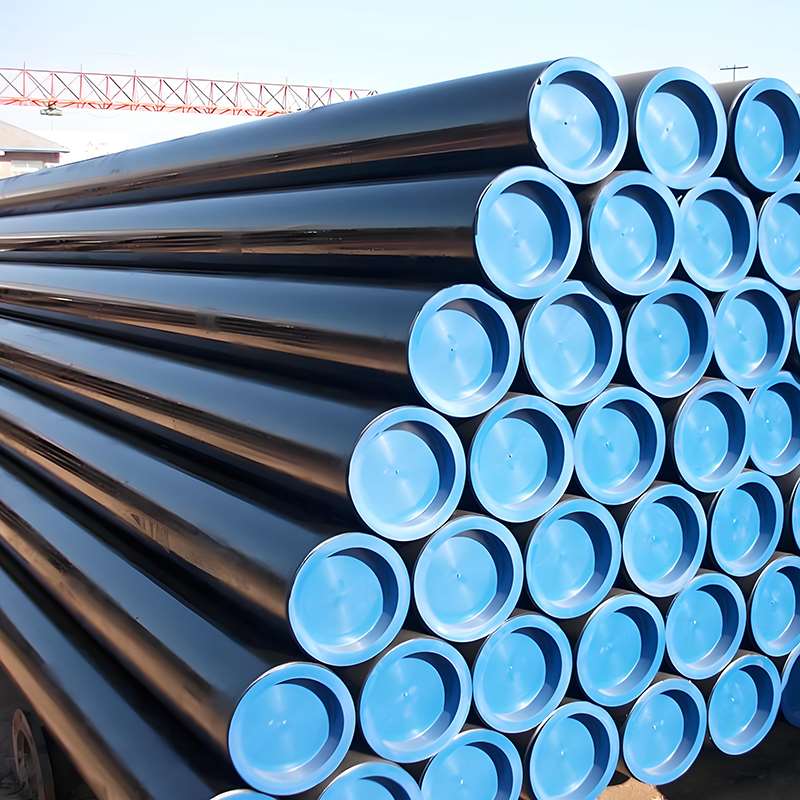
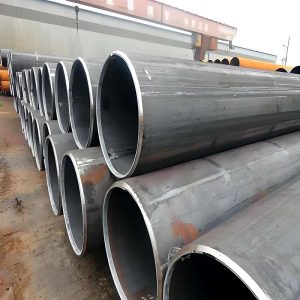
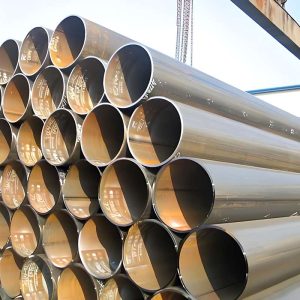
API 5L X52 line pipe is a high-strength carbon steel seamless or welded pipe primarily used for long-distance transportation in petroleum, natural gas, and water pipeline systems.
It complies with the API 5L standard, offering excellent mechanical properties and pressure resistance, enabling safe fluid conveyance under medium-to-high pressure conditions.
The designation X52 indicates a minimum yield strength of 52 ksi (approximately 360 MPa), ensuring pipeline reliability during operation.
Widely applied in oil and gas pipelines, urban gas transmission, and industrial fluid transport projects, this pipeline pipe combines high strength, corrosion resistance, and extended service life.
II. Common Parameters Table for API 5L X52 Line Pipe
| Parameter Category | Typical Parameters / Description |
|---|---|
| Standard | API 5L PSL1 / PSL2 |
| Grade | X52 |
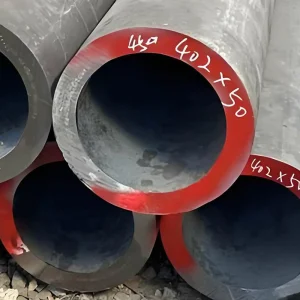
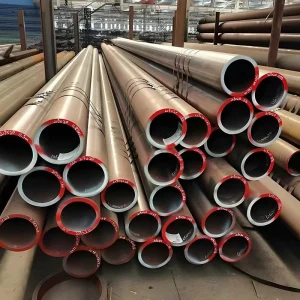
| Type | Seamless Pipe or ERW / LSAW Welded Pipe |
| Material | Carbon Steel |
| Minimum Yield Strength | 360 MPa / 52 ksi |
| Tensile Strength | 485–620 MPa / 70–90 ksi |
| Elongation | ≥ 25–30% |
| Outer Diameter (OD) | 60 mm – 1420 mm (customizable depending on mill capability) |
| Wall Thickness (WT) | 4 mm – 32 mm (commonly 6–25 mm) |
| Length | Standard 6 m – 12 m; custom lengths available |
| Pressure Rating | Medium to high pressure pipeline applications; suitable for oil, natural gas, and water transport |
| Operating Temperature | -29°C to +120°C (adjustable based on pipeline design and process requirements) |
| Application | Oil pipelines, natural gas pipelines, long-distance water transmission lines, urban gas pipelines |
| Surface Treatment | Black, oiled, anti-rust coating, hot-dip galvanized (optional) |
| Inspection Standards | Chemical composition testing, mechanical property testing, non-destructive testing (UT/X-ray), surface appearance inspection |
III. API 5L X42/52/60/65/70/80 Line Pipe Equivalency Chart
| Grade | Minimum Yield Strength (MPa / ksi) | Strength Level | Applicable Pressure | Typical Applications | Features / Description |
|---|---|---|---|---|---|
| X42 | 290 MPa / 42 ksi | Medium strength | Low to medium pressure | Oil, natural gas, water transportation | Balanced mechanical properties; cost-effective; suitable for low–medium pressure pipelines |
| X52 | 360 MPa / 52 ksi | High strength | Medium to high pressure | Oil & gas pipelines, municipal water supply | Good compressive performance; suitable for long-distance transport; high reliability |
| X60 | 415 MPa / 60 ksi | High strength | Medium to high pressure | High-pressure oil & gas transmission | High toughness and corrosion resistance; suitable for harsh environments |
| X65 | 450 MPa / 65 ksi | Extra high strength | High pressure | Long-distance oil & gas pipelines | Ideal for high-load, long-distance pipeline systems |
| X70 | 485 MPa / 70 ksi | Extra high strength | High pressure | Ultra-high-pressure oil & gas pipelines | Excellent pressure resistance; suitable for complex terrain and long laying distances |
| X80 | 550 MPa / 80 ksi | Ultra-high strength | Extremely high pressure | Ultra-high-pressure oil & gas transmission | Very high strength and toughness; optimal for long-distance and high-pressure systems |
IV. Common Types and Differences of API 5L X52 Line Pipe
| Type | Manufacturing Process | Strength Characteristics | Common Diameter Range | Application Scenarios | Main Features |
|---|---|---|---|---|---|
| Seamless Pipe | Produced by heating and extruding or drawing a solid steel billet; no weld seam | Uniform strength, excellent pressure resistance | Small, medium, and large diameters | High-pressure oil and gas pipelines, steam pipelines | High reliability, no weld-related weak points; ideal for long-distance high-pressure pipelines |
| ERW / LSAW Straight Seam Welded Pipe | Formed by rolling steel plate and welding it longitudinally (resistance welding or LSAW) | Relatively high strength, but stress concentration may occur at the weld | Small to medium diameters | Medium- and low-pressure oil, natural gas, and urban gas pipelines | Cost-effective, high production efficiency; suitable for general transmission pipelines |
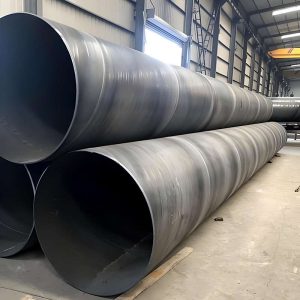
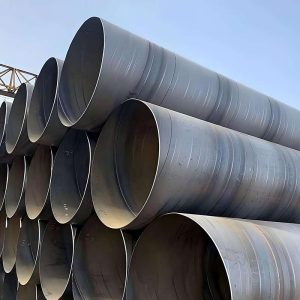
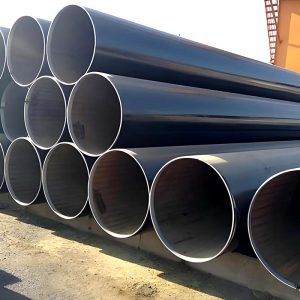
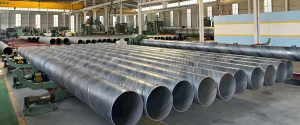
| Spiral Welded Pipe (SSAW) | Formed by spiral rolling and welding steel plate | Uniform strength; suitable for large diameters | Medium to large diameters (typically ≥ 400 mm) | Large-diameter long-distance oil and gas pipelines | Capable of producing large-diameter pipes; suitable for high-pressure long-distance pipelines; spiral weld enhances strength and reliability |
| Hot Expanded Pipe | Formed using thermal expansion processes | Smooth inner and outer surfaces; uniform strength | Small to medium diameters | Specific high-pressure pipelines or special engineering applications | Improved local strength, reduced weld stress; cost slightly higher |
Summary
Seamless pipes: Suitable for critical, high-pressure, long-distance pipelines. Safe and reliable, but relatively expensive.
Straight seam welded pipes: Low cost, suitable for conventional transmission pipelines or medium-to-low pressure sections.
Spiral welded pipes: Suitable for large-diameter, long-distance pipelines. Reliable weld seam design.
Hot-expanded pipes: Suitable for specialized projects, enhancing localized pipe strength.
Procurement Recommendations: Select appropriate types based on pipeline pressure, diameter, conveyed medium, and construction environment to balance cost and safety.
V. Anti-Corrosion Methods for API 5L X52 Line Pipe
i. External Anti-Corrosion Coating
Petroleum and natural gas pipelines are often buried underground or exposed to the open air, making their outer surfaces susceptible to corrosion. Therefore, external anti-corrosion protection is essential.
Common methods include:
(1) Epoxy Powder Coating
Typical thickness: ≥ 250 μm
Suitable for buried and subsea pipelines
Excellent chemical corrosion resistance and moisture resistance
(2) Double-layer epoxy + polyethylene
Inner epoxy layer for corrosion resistance, outer polyethylene layer for protection
Withstands high temperatures, high pressure, and mechanical damage
Commonly used for long-distance high-pressure pipelines
(3) Epoxy asphalt coating
Suitable for low-temperature environments
Resists soil corrosion, simple construction
(4) Thermal spray metal (zinc/aluminum)
Suitable for special corrosive environments
Enhances mechanical protection capabilities
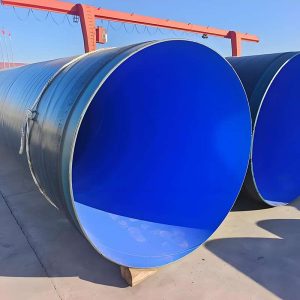
ii. Internal Anti-Corrosion Treatment
When pipelines transport crude oil or sulfur-containing gases internally, internal corrosion protection is also required:
(1) Epoxy Resin Lining
Suitable for crude oil, natural gas, and light oil transportation
Corrosion-resistant with a smooth surface to reduce flow resistance
(2) Polyethylene/Polypropylene Lining
Applicable for corrosive liquids or acidic gases
Extends pipeline service life
(3) Spray Coating or Lining
Corrosion-resistant materials can be sprayed or coated under special corrosive conditions
iii. Principles for Selecting Anti-Corrosion Treatment
Medium Type: Enhanced internal anti-corrosion is required for water-containing crude oil, sulfide-containing natural gas, and chemical substances.
Pipeline Environment: Different thicknesses and types of external anti-corrosion are required for buried, subsea, and exposed pipelines.
Pipeline Service Life Requirements: For long-term transmission pipelines, 3LPE/3LPP or thick epoxy coatings are commonly selected.
Construction Conditions: On-site construction convenience must be considered; anti-corrosion material selection should balance performance with workability.