Products

Related News

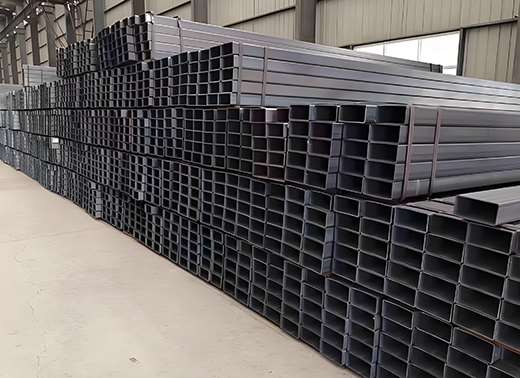
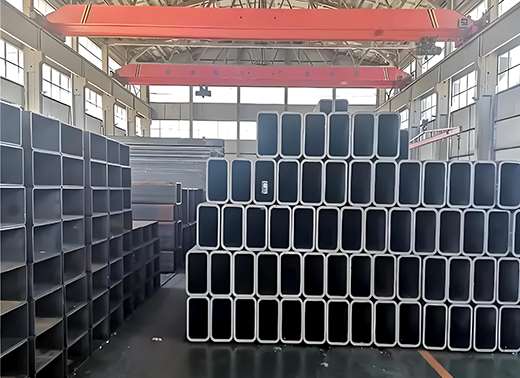
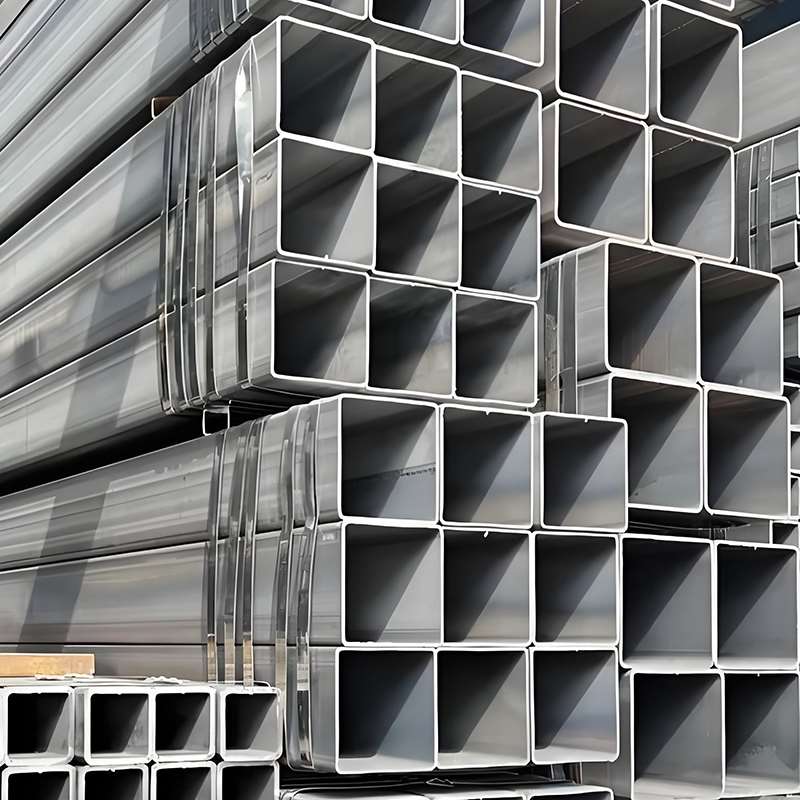
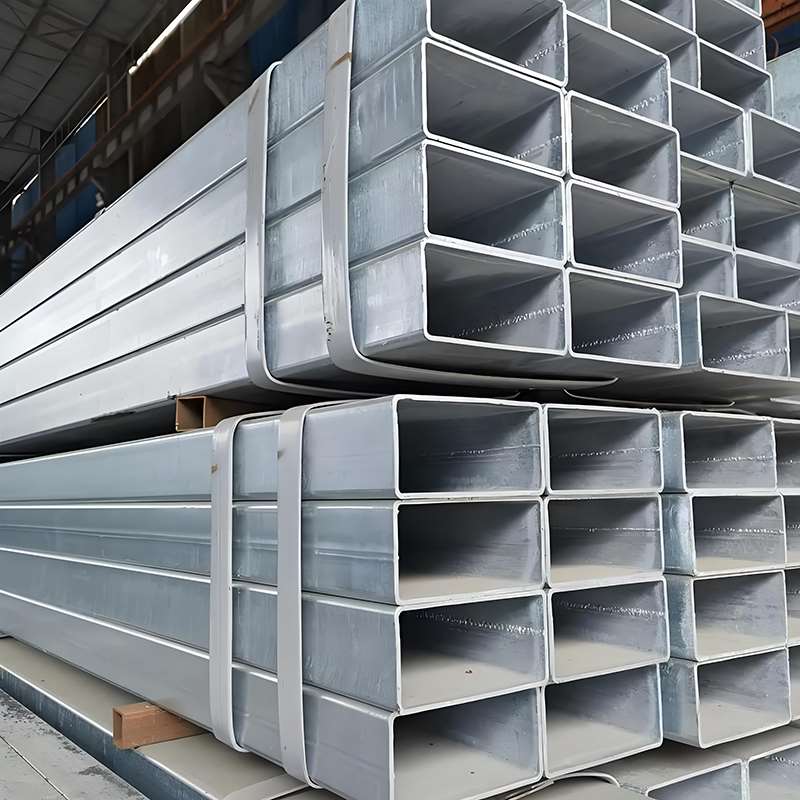
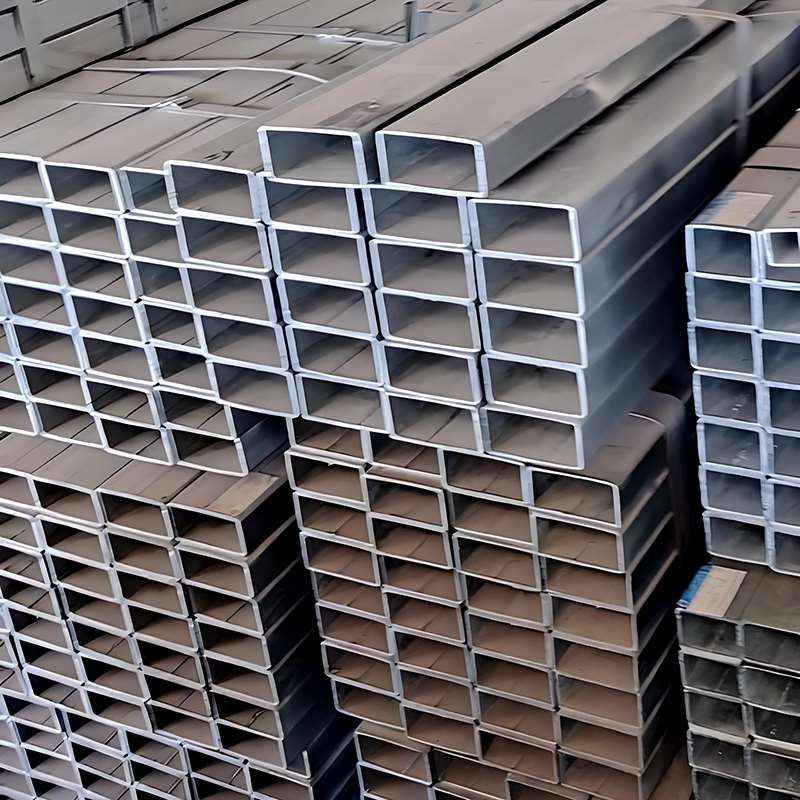
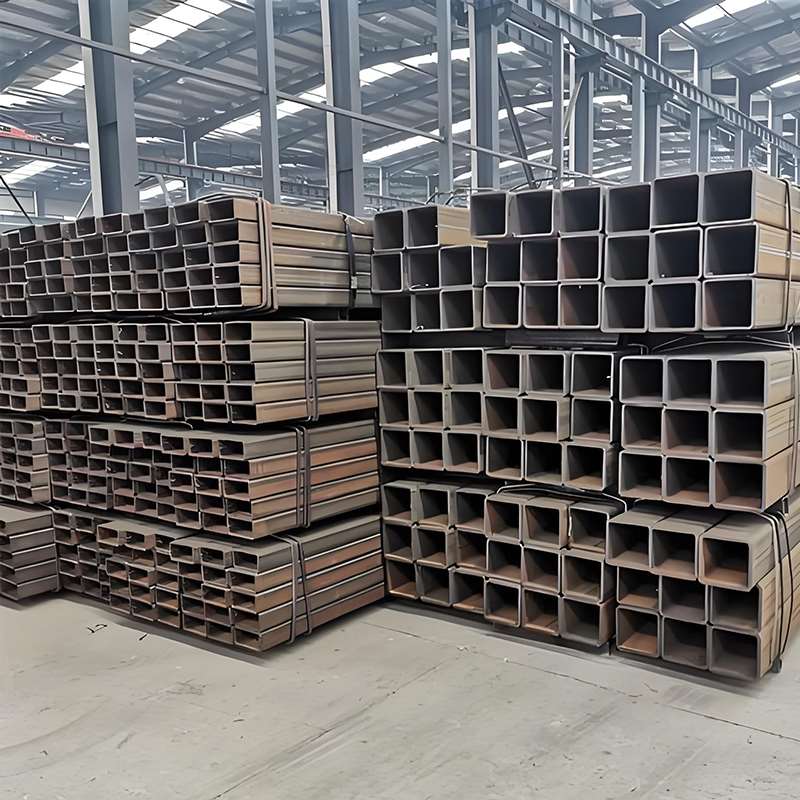
Square and Rectangular Carbon Steel Tube

OD Range :

Square Tubing: 20 × 20 mm to 400 × 400 mm、Rectangular Tubing: 30 × 20 mm to 500 × 300 mm

WT Range :

1.5 mm ~ 20 mm

Length :

6m、12m

Tolerance :

Outer diameter/width and height ±1%、 wall thickness ±0.2 to 0.5 mm、 length ±5 to 10 mm、 straightness ≤0.2% of length

Material :

Carbon Steel(S235JRH、S275JRH、S355J2H)

Standard :

EN 10210-1 / EN 10219-1、ASTM A500、GB/T 6728、GB/T 3094

Application :

Square and rectangular carbon steel pipes are widely used in load-bearing and supporting components for building structures, machinery manufacturing, industrial pipe racks, and decorative furniture.

I. Introduction to Square and Rectangular Carbon Steel Tubes

Square and rectangular carbon steel tubes are hollow structural steel products manufactured from hot-rolled or cold-rolled carbon structural steel strips through forming, welding, or seamless extrusion. Featuring square or rectangular cross-sections, they offer excellent load-bearing capacity, bending strength, and structural stability.

These pipes find extensive applications in building structures, machinery manufacturing, steel frameworks, solar panel supports, automotive chassis, and warehouse shelving systems.
Compared to round pipes, square and rectangular tubes offer advantages in planar connections and stress distribution, facilitating welding and assembly.

Based on production methods, they are categorized into hot-rolled, cold-drawn, ERW-welded, and seamless square/rectangular tubes.

Common applicable standards include EN 10210 (hot-rolled structural), EN 10219 (cold-formed structural), ASTM A500, and GB/T 6728.

II. Comparison of Square, Rectangular, and Round Carbon Steel Pipes

Carbon steel pipes are categorized into square, rectangular, and round types based on their cross-sectional shapes. Though made of the same material, their structural forms differ, resulting in distinct characteristics regarding load-bearing capacity, connection methods, processing techniques, and application scenarios.

i. Distinction Overview

Square Tubes: Equal cross-sectional sides ensure uniform stress distribution, excellent torsional resistance, and aesthetically pleasing profiles. Ideal for framework structures and decorative projects.
Rectangular Tubes: Unequal width and height provide superior bending resistance. More economical for unidirectional load-bearing structures like supports and bridge girders.
Round Tubes:
Deliver the most uniform stress distribution, making them particularly suitable for withstanding internal pressure or fluid conveyance, such as in oil pipelines, water supply/drainage pipes, and boiler tubes.

ii. Structural and Performance Comparison Table

Comparison ItemSquare Carbon Steel TubeRectangular Carbon Steel TubeRound Carbon Steel Tube
Cross-section ShapeFour equal sidesUnequal length and widthCircular cross-section
Mechanical PropertiesBalanced torsion and bending resistanceExcellent bending resistance, suitable for unidirectional loadOptimal pressure resistance, strong internal pressure capacity
Connection & InstallationEasy flat-end welding and butt jointSuitable for straight or flat connectionsRequires bevel or fixture welding, installation is more complex
Appearance & DecorationStrong linear sense, neat structureVisually balanced, used in frames and railingsStreamlined shape, strong industrial feel
Typical Production ProcessHot rolling, cold forming, ERW welding, seamlessSame as aboveHot rolling, cold drawing, ERW welding, seamless
Dimensional AccuracyHighHighRelatively high
Common StandardsEN 10210, EN 10219, ASTM A500, GB/T 6728EN 10210, EN 10219, ASTM A500EN 10210, ASTM A53, ASTM A106, API 5L
Cost LevelMediumMedium to slightly high (more complex processing)Relatively low (high production efficiency)
Main ApplicationsBuilding structures, machinery frames, shelves, decorationBridge beams, supports, vehicle frames, industrial structuresFluid transportation, pressure systems, boiler pipes
Representative ApplicationsSteel structure workshops, curtain wall supports, exhibition standsRobotic arms, container frames, warehouse racksOil & gas pipelines, water pipes, heat exchanger tubes

iii. Selection Recommendations

Pressure-bearing conveyance projects → Recommend round pipes (e.g., API 5L, ASTM A106);
Building and mechanical structures → Recommend square or rectangular pipes (EN 10210 / EN 10219);
Decorative applications, display racks, and lightweight structures → Prioritize cold-formed square or rectangular pipes for aesthetic appeal and dimensional accuracy.

III. Classification of Square and Rectangular Carbon Steel Pipes

i. Classification by Manufacturing Process

TypeProduction FeaturesApplicable Scenarios
ERW Steel Tube (Electric Resistance Welded)Formed from hot-rolled or cold-rolled strip steel via high-frequency welding; smooth weld seam, high precision, suitable for mass productionBuilding structures, steel frameworks, scaffolding, vehicle frames
Hot-Rolled Square & Rectangular TubeFormed by hot rolling; larger dimensional tolerance but high strength, suitable for heavy-duty structuresBridges, machinery manufacturing, steel structure projects
Cold-Drawn Square & Rectangular TubeFormed by cold drawing; smooth surface, high dimensional accuracyPrecision machinery, automotive parts, furniture frames
Seamless Square & Rectangular TubeFormed from seamless round tubes by hot rolling or cold drawing; no weld seam, strong pressure resistanceHigh-pressure equipment, petroleum machinery, hydraulic systems
Galvanized Square & Rectangular TubeHot-dipped or cold galvanizing applied to welded or seamless tubes to enhance corrosion resistanceOutdoor structures, fences, supports, solar panel mounting systems

ii. By Application

CategoryDescriptionTypical Standards
Structural Square & Rectangular TubeStructural components that bear static or dynamic loads, such as building steel structures and machinery supportsASTM A500, EN 10210, GB/T 6728
Fluid Transportation Square & Rectangular TubeUsed for conveying water, gas, oil, and other fluidsASTM A53, EN 10219
Mechanical Manufacturing Square & Rectangular TubeUsed for equipment frames, automotive chassis, and other mechanical partsASTM A513, GB/T 3094
Decorative & Furniture Square & Rectangular TubeHigh appearance requirements, often cold-drawn or polished productsGB/T 3094, EN 10305

iii. Shape Comparison and Selection Recommendations

ItemSquare TubeRectangular Tube
Cross-Section ShapeSquare cross-section with four equal sidesRectangular cross-section with unequal length and width
Bending PerformanceUniform stress in all directions, good torsion resistanceHigher strength in one direction, suitable for directional load structures
Appearance & ApplicationCommonly used for columns, frames, and other symmetrical structuresCommonly used for beams, supports, door and window frames, and other structural components
Production Range (Common Sizes)20 × 20 mm ~ 500 × 500 mm40 × 20 mm ~ 600 × 400 mm
Wall Thickness Range1.5 mm ~ 20 mm1.5 mm ~ 25 mm

IV. Square and Rectangular Carbon Steel Pipe Selection Checklist

i. Quick Assessment Based on Project Requirements

Project RequirementRecommended TypeSelection ReasonTypical Standards
High structural strength (e.g., steel workshops, bridges, equipment supports)Hot-Rolled Square & Rectangular Tube / ERW Structural TubeHigh load-bearing capacity, uniform wall thickness, stable weld qualityASTM A500 / EN 10210 / GB/T 6728
General building and framework structuresERW Square or Rectangular TubeModerate cost, smooth cross-section, easy installationASTM A513 / EN 10219
Pressure-bearing or fluid transportationSeamless Square & Rectangular TubeNo weld seam, good pressure resistance, impact resistantASTM A106 / EN 10216
Outdoor or corrosive environmentsHot-Dip Galvanized Square & Rectangular TubeExcellent corrosion resistance, long service lifeASTM A500 Z275 / GB/T 3091
Mechanical manufacturing, automotive structuresCold-Drawn Square & Rectangular TubeHigh dimensional accuracy, smooth surface, easy weldingASTM A513 Type 5 / EN 10305
Furniture, display racks, doors and window decorationCold-Rolled or Polished Square & Rectangular TubeAttractive appearance, small dimensions, welds can be polishedEN 10305 / GB/T 3094

ii. Select Logic by Tube Type

Application ScenarioRecommended SectionReason / Explanation
Columns, fences, 3D frame structuresSquare TubeSymmetrical on all sides, uniform stress distribution, strong torsion resistance
Beams, crossbars, doors and windows, supportsRectangular TubeLarge width-to-height ratio, better bending resistance in one direction
Large equipment or machinery support basesThick-Wall Rectangular TubeHigh strength, strong stability
Lightweight structures, advertising framesThin-Wall Square TubeLightweight, easy to process
Visible structures requiring coordinated appearanceSquare Tube (polished surface)High aesthetics, welds are well concealed

iii. Select based on wall thickness and dimensions

Strength GradeWall Thickness Range (mm)Recommended Outer Dimension Range (mm)Example Applications
Light Structures1.2 – 2.520 × 20 ~ 60 × 40Furniture, fences, advertising frames
Medium Structures3 – 680 × 80 ~ 150 × 100Building structures, equipment frames
Heavy Structures8 – 20200 × 200 ~ 500 × 300Bridges, machinery bases, assembly equipment

iv. Surface Treatment Options

Treatment TypeDescriptionRecommended Usage Environment
Black Tube (Uncoated)Low cost, requires post-rust protectionIndoor structures, non-permanently exposed environments
Cold Galvanized (Electro-Galvanized)Thin but uniform coating, good appearanceGeneral indoor and outdoor applications
Hot-Dip GalvanizedThick coating (≥50 μm), strong corrosion resistanceOutdoor, coastal, high-humidity areas
Painted / CoatedCustomizable color and corrosion resistanceArchitectural decoration, machinery casings

v. Practical Application Recommendations

Selection FocusRecommended Action
Limited budgetChoose ERW square or rectangular tube for the best cost-performance ratio
Corrosion resistance requiredChoose hot-dip galvanized or coated tubes
High strength requiredChoose seamless or thick-wall structural tubes
High appearance requirementChoose cold-drawn or cold-rolled polished square & rectangular tubes
Export or project standard compliancePrefer products that meet ASTM A500 / EN 10210 / EN 10219 standards

Related Products

Specifications and Dimensions of Square and Rectangular Carbon Steel Pipes

i. Specifications and Dimensions of Square Carbon Steel Pipes

Outer Dimension × Outer Dimension (mm) Wall Thickness (mm) Theoretical Weight (kg/m) Typical Applications
20 × 20 1.5 0.88 Furniture, decorative frames
25 × 25 2.0 1.34 Light structures, railings
40 × 40 2.5 2.44 Building supports, small structural components
50 × 50 3.0 3.60 Door and window frames, machinery supports
60 × 60 3.5 4.83 Equipment frames, steel structure beams
80 × 80 4.0 7.43 Medium steel structures, machinery bases
100 × 100 5.0 11.20 Engineering structures, storage racks
120 × 120 6.0 16.08 Pressure frames, factory columns
150 × 150 8.0 25.44 Large support structures, trusses
200 × 200 10.0 42.00 Heavy equipment frames, bridge structures

ii. Rectangular Carbon Steel Pipe Specifications and Dimensions Table

Width × Height (mm) Wall Thickness (mm) Theoretical Weight (kg/m) Typical Applications
30 × 20 1.5 0.91 Furniture, light frames
50 × 30 2.0 1.92 Door frames, railings
80 × 40 3.0 4.10 Machinery equipment supports
100 × 50 3.5 5.42 Building structures, platform beams
120 × 60 4.0 7.00 Machinery frames, conveyor equipment
150 × 100 5.0 11.18 Factory structures, main staircase beams
200 × 100 6.0 14.00 Large-span support beams
250 × 150 8.0 25.44 Bridges, heavy-duty frame structures
300 × 200 10.0 38.00 Heavy machinery bases, main structural beams

iii. Specification Selection Guide

Application Scenario Recommended Shape Wall Thickness Range (mm) Common Material Standards
Building frame structures Square / Rectangular Tube 3.0–6.0 EN 10210 / ASTM A500
Machinery structural supports Square / Rectangular Tube 4.0–8.0 EN 10219 / ASTM A513
Decorative and light structures Square Tube 1.2–3.0 EN 10305 / GB/T 3094
Heavy-duty pressure-bearing structures Thick-Wall Rectangular Tube 8.0–12.0 ASTM A500 Gr.C / EN 10210 S355J2H


Standard Type Applicable Material Key Features Typical Applications
EN 10210 European Hot-Rolled Square & Rectangular Tube Standard Carbon Steel / Low Alloy Steel Hot-rolled, high load-bearing capacity, suitable for structural components Building structures, bridges, machinery frames
EN 10219 European Cold-Formed Welded Square & Rectangular Tube Standard Carbon Steel / Low Alloy Steel Cold-formed welded, high dimensional accuracy, smooth weld seam Building structures, light industrial structures, furniture frames
ASTM A500 American Structural Square & Rectangular Tube Standard Carbon Steel Grades A/B/C with different yield strengths; available in welded or seamless Steel structure buildings, bridges, machinery supports
GB/T 6728 Chinese Hot-Rolled Square & Rectangular Tube Standard Carbon Steel High dimensional accuracy, uniform wall thickness, stable mechanical properties Building structures, load-bearing frames
GB/T 3094 Chinese Cold-Drawn / Cold-Rolled Square & Rectangular Tube Standard Carbon Steel Smooth surface, high precision, suitable for light structures Machinery, furniture, light industrial structures
ASTM A513 / EN 10305 Mechanical Manufacturing Square & Rectangular Tube Standard Carbon Steel High dimensional accuracy, smooth surface, easy to weld Machinery manufacturing, automotive chassis, equipment frames


Raw Material Preparation (Coil/Strip) → Annealing/Pickling → Shearing → Forming (Cold Bending/Hot Rolling) → Welding (ERW welding or seamless pipe process) → Weld bead finishing → Straightening → Dimensional cutting → Internal/external surface treatment (pickling/polishing/galvanizing) → Non-destructive testing (UT/radiography/eddy current) → Rust prevention treatment → Final inspection → Packaging and storage

1. Raw Material Preparation: Select hot-rolled or cold-rolled steel strip/coil.
2. Annealing/Pickling: Enhance material ductility and remove surface scale.
3. Shearing: Cut into strip lengths suitable for forming.
4. Forming: Shape into square or rectangular tube blanks via cold bending or hot rolling.
5. Welding: High-frequency ERW welding, or seamless tube hot rolling/cold drawing forming.
6. Weld Bead Leveling: Remove weld protrusions to ensure surface flatness.
7. Straightening: Ensure tubular material straightness.
8. Dimension Cutting: Cut to customer-specified lengths.
9. Internal/External Surface Treatment: Acid pickling, polishing, or galvanizing to enhance corrosion resistance.
10. Non-Destructive Testing: UT ultrasonic, radiographic, or eddy current testing to ensure quality.
11. Rust Prevention: Apply rust-inhibiting oil or implement other protective measures.
12. Final Inspection: Verify dimensions, mechanical properties, and visual appearance.
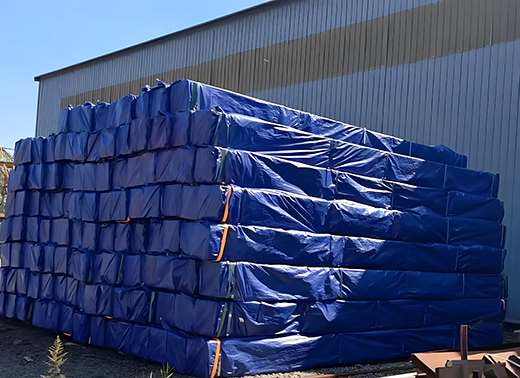
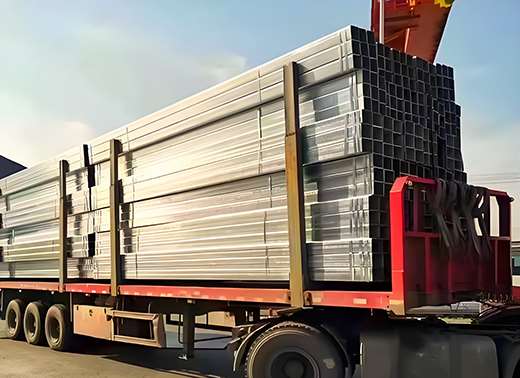
13. Storage & Packaging: Stack neatly, apply protective packaging, and prepare for shipment.


Inspection Item Testing Method Standard Requirements / Description Significance for Procurement & Use
Chemical Composition Optical Emission Spectroscopy (OES) / Chemical Analysis Meet material grade requirements, e.g., S235JRH, S355J2H Ensures welding performance and stable mechanical properties
Yield / Tensile Strength Tensile Test Meet EN 10210 / ASTM A500 / GB/T 6728 strength requirements Ensures load-bearing capacity and structural safety
Impact Toughness Charpy Impact Test Meet EN 10210 / ASTM A500 impact requirements Improves resistance to brittle fracture at low temperatures
Hardness Rockwell / Brinell Hardness Test Control hardness within standard limits Checks material heat treatment and processing consistency
Metallographic Structure Optical Microscopy Fine-grain structure, weld area free of defects Ensures mechanical properties and weld quality
Dimensions & Geometric Tolerances Measurement with calipers / micrometer Outer dimensions, wall thickness, straightness, tolerances per standard Ensures installation accuracy and structural fit
Weld Quality Radiographic Testing (RT) / Ultrasonic Testing (UT) Continuous welds, no cracks, porosity, or defects Ensures weld strength and long-term safety
Surface Quality Visual Inspection Smooth surface, free of severe scratches, cracks, rust Improves appearance and corrosion resistance

EN 10210 Hot Finished Structural Hollow Section   ASTM A500 Structural Carbon Steel Pipe

Square and Rectangular Carbon Steel Tube   Rectangular Carbon Steel Tube


Square and Rectangular Carbon Steel Pipe Selection FAQ

Q1: Should square tubes or rectangular tubes be selected for building frame structures?

A1:
Square tubes: All four sides are equal in length, offering excellent torsional resistance. Suitable for columns, frame columns, and uniformly loaded structures.
Rectangular tubes: Unequal length-to-width ratio provides superior bending resistance along the longer side. Suitable for beams, cross-braces, or directionally loaded structures.
Recommendation: Select cross-sections based on load direction. Square tubes are preferred for columns, while rectangular tubes are preferred for beams or braces.

Q2: How to determine wall thickness and cross-sectional dimensions?

A2:
Calculate cross-sectional dimensions and wall thickness based on structural load-bearing capacity, span, and load type.
For general industrial and office buildings:
Square tubes: 80×80mm to 150×150mm, wall thickness 4–6mm
Rectangular tubes: 80×40mm to 150×100mm, wall thickness 4–6mm
Recommendation: Select based on design drawings and load requirements, not solely by external dimensions.

Q3: How should cold-formed tubes and hot-rolled tubes be selected for building frames?

A3:
Hot-rolled tubes: Uniform strength and good toughness, suitable for frames with heavy loads and long spans.
Cold-formed tubes: High dimensional accuracy and low cost, suitable for lightweight or non-load-bearing structures.
Recommendation: Select hot-rolled or seamless tubes for primary frame columns and beams; choose cold-formed tubes for lightweight secondary frames or decorative structures.

Q4: How can the durability of square and rectangular tubes be ensured in outdoor environments?

A4:
Recommend selecting hot-dip galvanized square/rectangular tubes or surface coating treatments for effective corrosion and rust prevention.
For critical load-bearing structures, consider periodic anti-corrosion maintenance or protective paint application.
Practical tip: When purchasing, inspect galvanization thickness or coating uniformity to ensure long-term rust resistance.

Q5: How to select pipe materials under different standards?

A5:
Common standards: EN 10210, EN 10219, ASTM A500, GB/T 6728.
EN 10210 (hot-rolled) is suitable for load-bearing structures, while EN 10219 (cold-formed) is suitable for lightweight structures.
Recommendation: Select pipes conforming to the relevant standard based on engineering design requirements to ensure load-bearing capacity and safety factors.

Q6: What precautions should be taken during installation and welding?

A6:
Ensure pipe dimensional tolerances remain within allowable ranges (OD, wall thickness, straightness).
Deburr square and rectangular tubes before welding to prevent stress concentration.
During installation, note force direction: place beam flanges facing load direction and install columns vertically.
Practical tip: Request laser diameter measurement or straightness reports from manufacturers for expedited on-site acceptance.