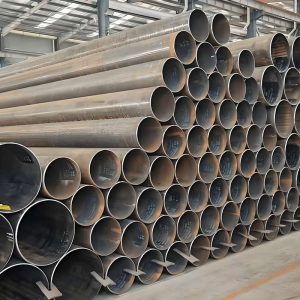
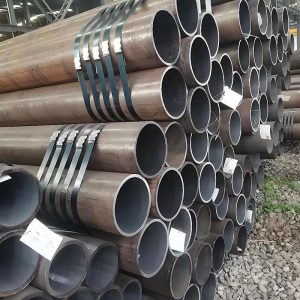
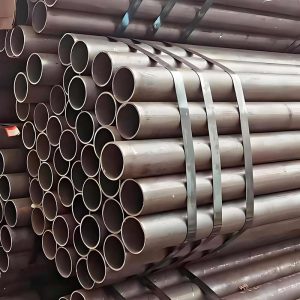
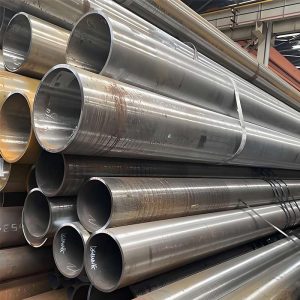
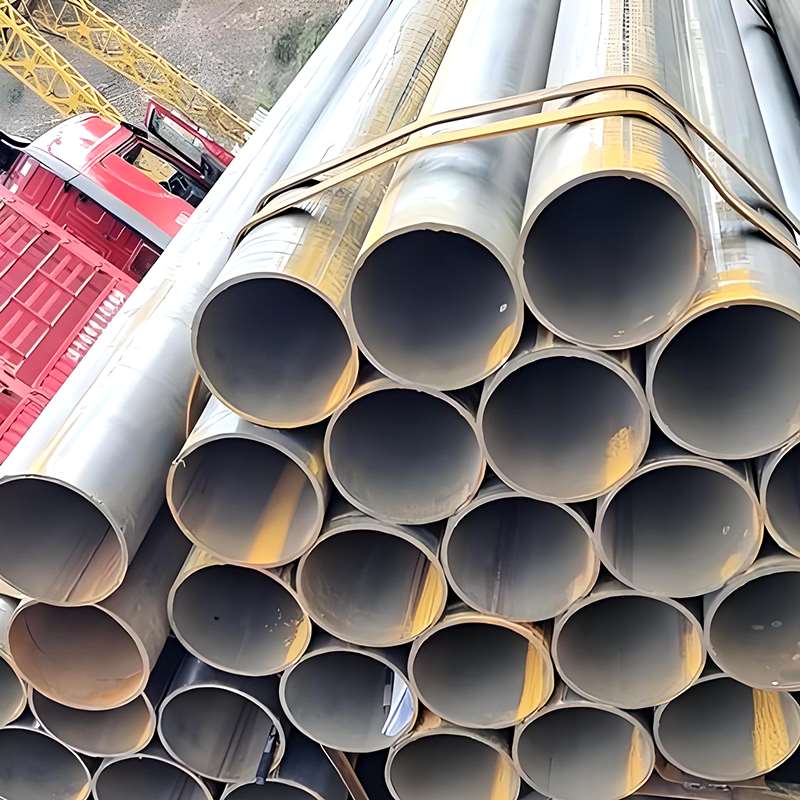
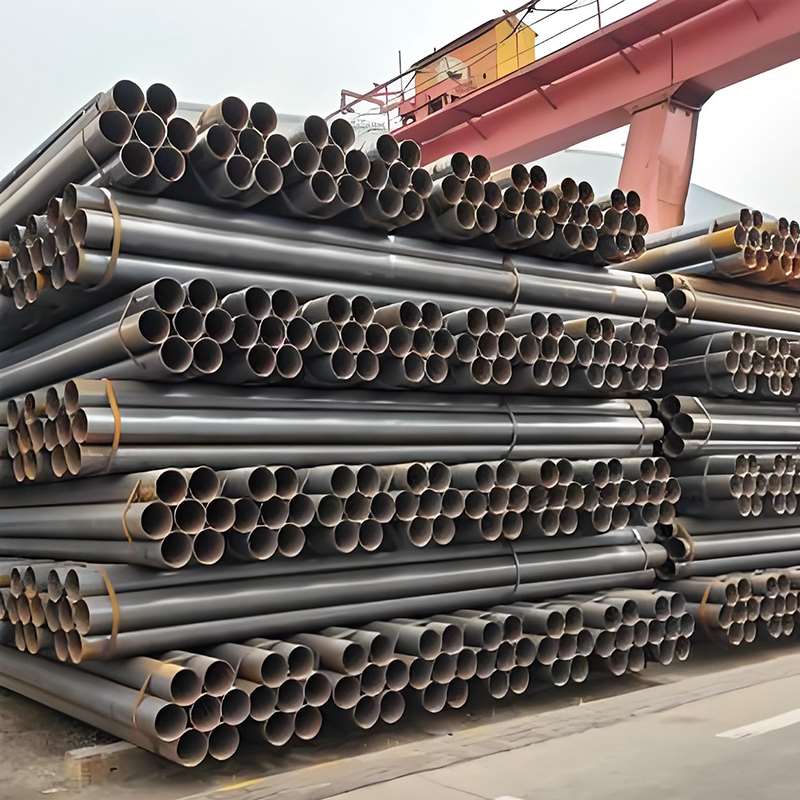
ASTM A53 Grade B Structural Round Pipe FAQ
Q1: What structural applications in construction are suitable for ASTM A53 Grade B structural round pipe?
A1:
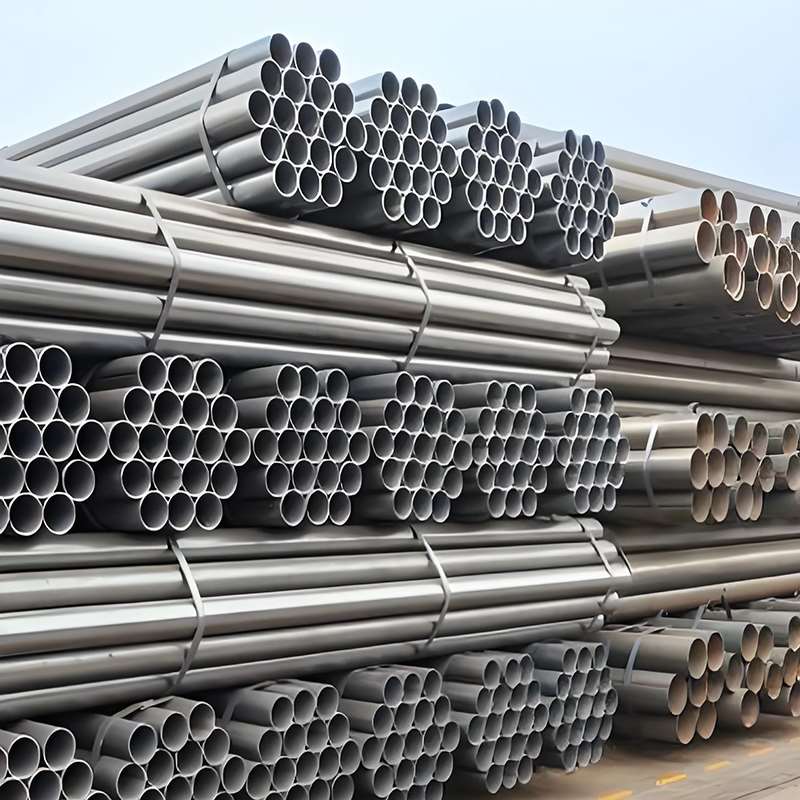
Primarily used for steel structural supports, beam-column frameworks, trusses, roof supports, and pipe rack systems.
Capable of bearing small-to-large building structural loads and also suitable for temporary construction shoring.
Practical Tip: Identify load-bearing sections during design and select seamless or ERW pipes to ensure load capacity and construction safety.
Q2: Should seamless or welded pipes be chosen for building applications?
A2:
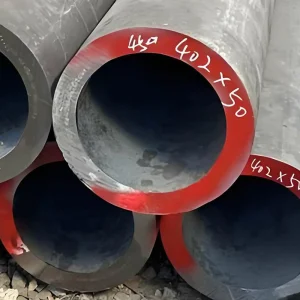
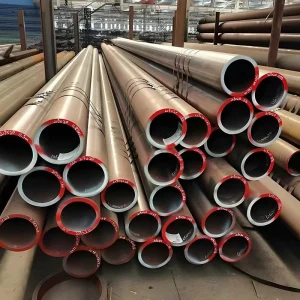
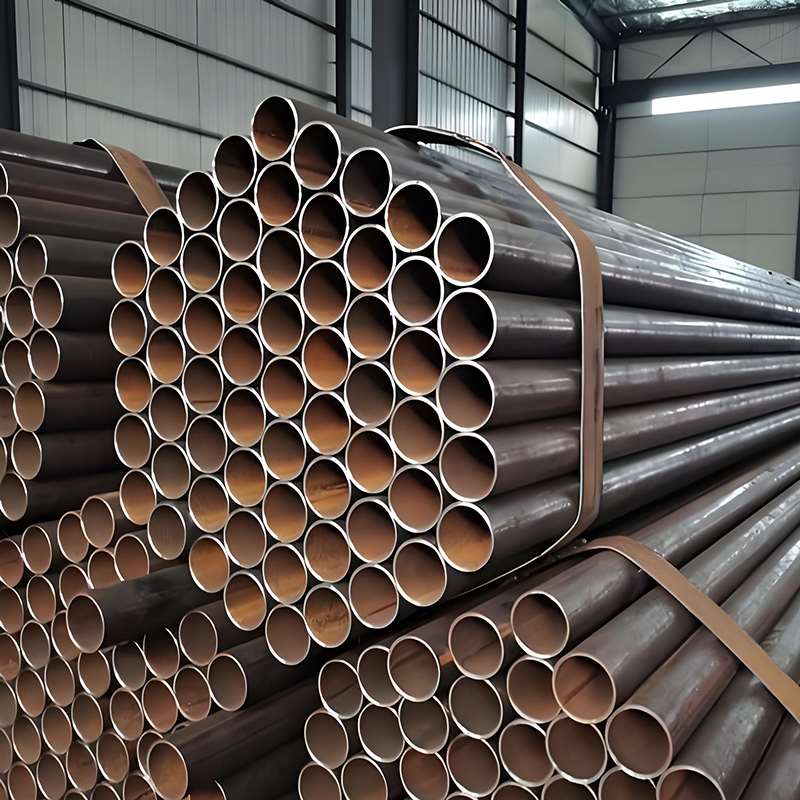
Seamless pipes: Uniform wall thickness and high toughness make them suitable for high-load, critical structural sections.
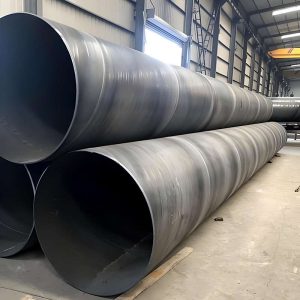
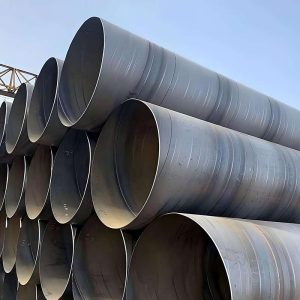
Resistance-welded (ERW) pipes: Cost-effective with high dimensional accuracy, suitable for lightweight structures or non-load-bearing areas.
Practical tip: Use hot-rolled pipes for critical load-bearing sections; welded pipes may be used for standard supports or non-load-bearing areas.
Q3: How to select the outer diameter and wall thickness for ASTM A53 Grade B round pipes used in construction?
A3:
Small brackets or light-duty frames → Outer diameter 21–60 mm, wall thickness 2–6 mm
Medium-duty beams or supports → Outer diameter 60–150 mm, wall thickness 4–10 mm
Large trusses or load-bearing tubes → OD ≥150 mm, wall thickness ≥6 mm
Practical advice: Select based on design drawings and structural load calculations to avoid structural failure due to insufficient wall thickness or increased costs from excessive wall thickness.
Q4: How can I quickly verify pipe compliance with standards during procurement?
A4:
Review material certificates (EN 10204 3.1/3.2) to confirm chemical composition (C ≤0.30%, Mn ≤1.20%) and mechanical properties (ReH ≥240 MPa, Rm 415–550 MPa).
Inspect whether the outer diameter, wall thickness, straightness, and surface quality meet design specifications.
Practical tip: Conduct random sampling of each pipe batch and compare against design parameters to ensure delivered materials are ready for immediate installation.
Q5: What considerations are important for pipe welding and fabrication in construction?
A5:
Hot-rolled pipes offer good weldability and are suitable for bracket and frame welding, though straightness may be slightly lower—straightening can be performed before construction.
For ERW pipes, pay attention to weld location to avoid stress concentration at the weld.
When bending cold-drawn or precision pipes, control stress to prevent cracking.
Practical Tip: Conduct test welds or bending tests before construction to verify process feasibility.
Q6: How can long-term durability of pipes be ensured in outdoor construction environments?
A6:
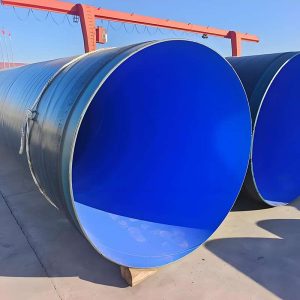
For outdoor or humid environments, use hot-dip galvanized or coated pipes.
In dry indoor environments, use plain or polished pipes to minimize friction and contamination.
Regularly inspect pipe surface coatings or galvanized layers, performing timely maintenance or repairs to ensure long-term safe use.