
I. Overview of GB/T 8163 Seamless Steel Pipes for Fluid Transportation Standard
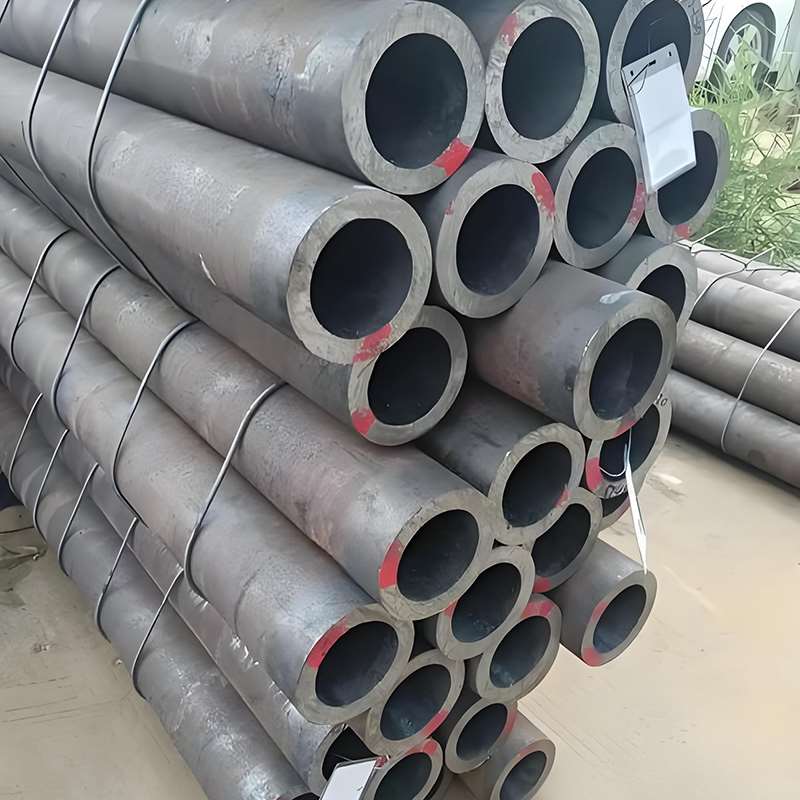
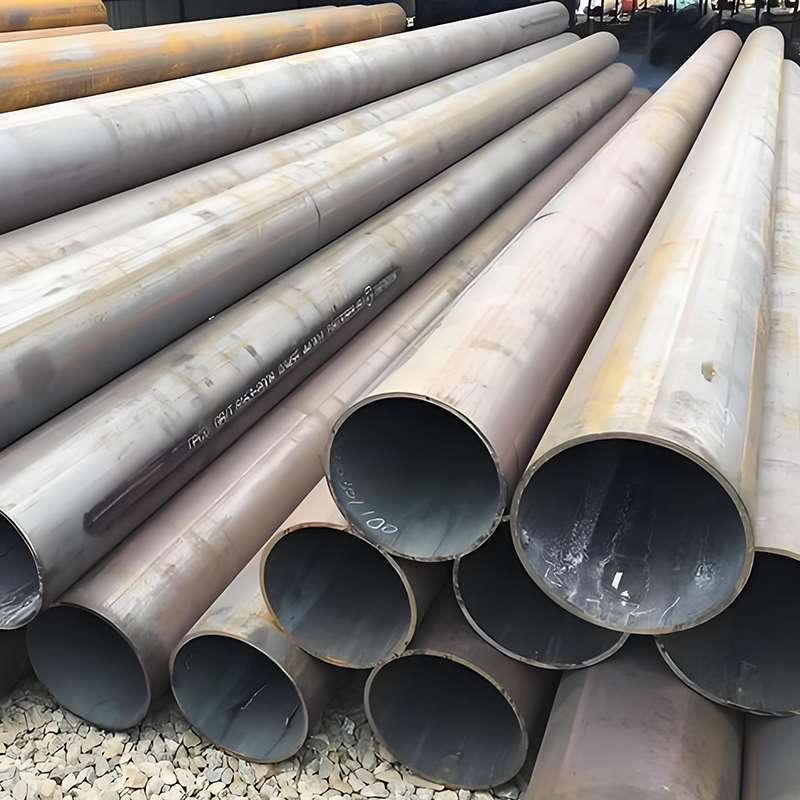
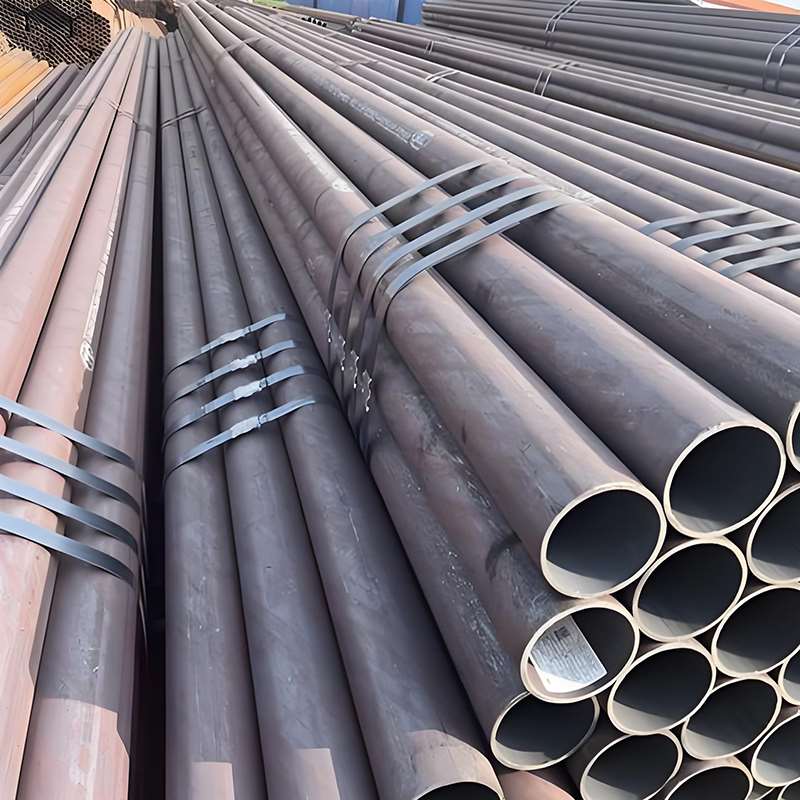
GB/T 8163 is a widely used Chinese standard for seamless steel pipes designed for fluid transportation applications. It is mainly used in the transportation systems of water, oil, natural gas, steam, and other industrial fluids. The standard specifies requirements for pipe materials, dimensions, tolerances, mechanical properties, hydrostatic testing, and surface quality to ensure the safety, stability, and long-term durability of pipelines operating under pressure.
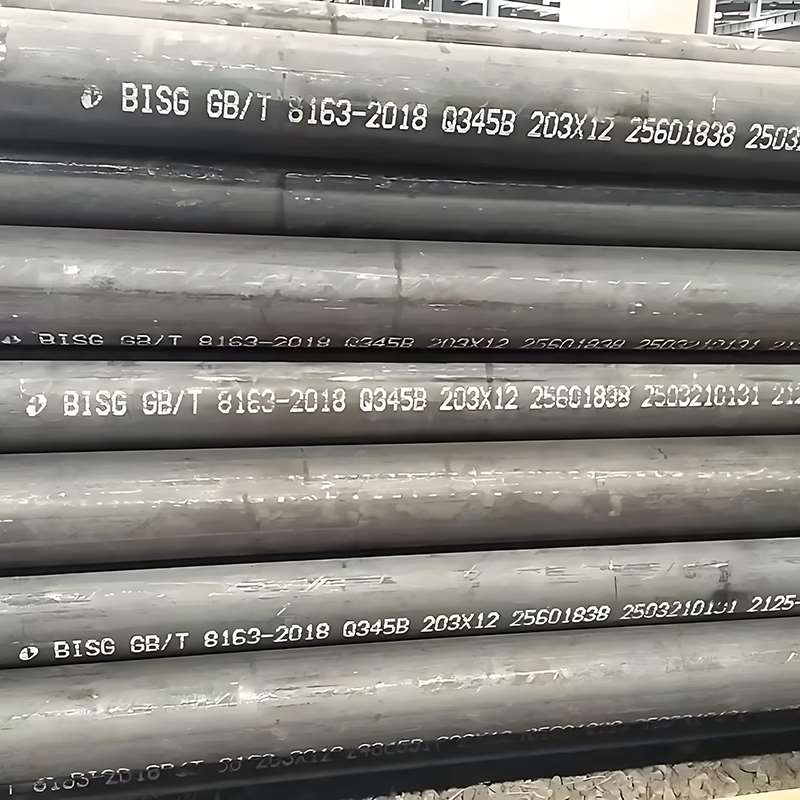
Compared to ordinary structural steel pipes, GB/T 8163 places greater emphasis on pressure-bearing performance and fluid conveyance safety, making it widely used in fields such as petrochemicals, municipal water supply, natural gas pipelines, boiler piping, and industrial pipeline engineering. Common materials include 10#, 20#, and Q345B, among which 20# seamless steel pipes are the most widely used due to their stable overall performance.
For purchasers and engineering projects, understanding the GB/T 8163 standard helps ensure the correct selection of pipe specifications, pressure ratings, and suitable materials, thereby enhancing the operational safety of piping systems and reducing long-term maintenance costs.
II. Comparison Table of Main Materials/Grades in GB/T 8163
| Material Grade | Type | Chemical Composition Features | Mechanical Properties Features | Key Differences / Remarks |
|---|---|---|---|---|
| 10# | Carbon Structural Steel | Low carbon content, few impurities | Lower strength, good plasticity, easy to process | Suitable for low-pressure, cost-sensitive applications; lowest strength, best ductility |
| 20# (Most Common) | Carbon Structural Steel | Medium strength, stable composition | Tensile strength ~410–550 MPa, good weldability | Most commonly used in GB/T 8163; cost-effective with balanced performance |
| Q345 (A/B/C) | Low-Alloy High-Strength Steel | Contains trace Nb/V/Ti, increased strength | Yield ≥345 MPa, high pressure resistance | Significantly stronger than 10# and 20#; thinner wall can be chosen for same specifications to reduce weight |
| Q390 / Q420 | Low-Alloy High-Strength Steel | More alloying, higher strength | Yield 390–420 MPa, higher pressure resistance | Higher strength, but reduced weldability and machinability; higher cost |
| 15CrMo (Alloy Steel) | Cr-Mo Alloy Steel | Heat and pressure resistant | High-temperature strength, creep resistance | Suitable for high-temperature service; preferred for high-temperature, high-pressure environments |
| 12Cr1MoV | Alloy Steel | Contains Cr, Mo, V; excellent temperature resistance | Good long-term high-temperature stability | Better temperature resistance than 15CrMo; slightly higher cost |
| 35 / 45# | Structural Steel | High strength | High tensile strength, poor weldability | Often used for structural parts; not recommended for long-distance fluid pipelines |
| ST45 / ST52 (Equivalent foreign grades) | High-Strength Steel | Refer to DIN/EN composition | High strength, moderate plasticity | Commonly matched with GB/T 8163 in export projects |
III. GB/T 8163 Chemical Composition and Mechanical Properties of Seamless Steel Pipes for Fluid Transportation
i. Chemical Composition Table
| Material | C (%) | Mn (%) | Si (%) | S (%) ≤ | P (%) ≤ | Cr (%) | Mo (%) | V (%) |
|---|---|---|---|---|---|---|---|---|
| 10# | 0.07–0.13 | 0.35–0.65 | ≤0.35 | 0.035 | 0.035 | — | — | — |
| 20# (Most Common) | 0.17–0.23 | 0.35–0.65 | ≤0.35 | 0.035 | 0.035 | — | — | — |
| Q345 | ≤0.18 | 1.0–1.6 | 0.20–0.50 | 0.035 | 0.035 | — | — | Nb/V/Ti trace |
| 15CrMo | 0.12–0.18 | 0.40–0.70 | 0.30–0.60 | 0.030 | 0.030 | 0.80–1.10 | 0.45–0.60 | — |
| 12Cr1MoV | 0.08–0.15 | 0.40–0.70 | 0.17–0.37 | 0.030 | 0.030 | 0.90–1.20 | 0.25–0.35 | 0.15–0.30 |
ii. Mechanical Properties Table
| Material | Yield Strength ReL (MPa) ≥ | Tensile Strength Rm (MPa) | Elongation A (%) ≥ | Features |
|---|---|---|---|---|
| 10# | 195 | 315–430 | 32 | Soft, easy to bend and process |
| 20# (Most Common) | 245 | 410–550 | 26 | Suitable for water, oil, and gas pipelines |
| Q345 | 345 | 470–630 | 20 | High strength, used for higher pressure or structural applications |
| 15CrMo | 310 | 470–630 | 17 | Good high-temperature and high-pressure performance |
| 12Cr1MoV | 275 | 440–600 | 18 | Best high-temperature creep performance |
IV. GB/T 8163 Specifications and Dimensions of Seamless Steel Pipes for Fluid Transportation
i. Small Diameter Fluid Pipes (10.3–60.3 mm)
| Outer Diameter OD (mm) | Wall Thickness WT Range (mm) |
|---|---|
| 10.3 | 1.8–3.0 |
| 13.7 | 1.8–3.0 |
| 17.2 | 1.8–3.5 |
| 21.3 | 2.0–4.0 |
| 26.9 | 2.0–4.5 |
| 33.4 | 2.5–5.0 |
| 42.3 | 2.5–6.0 |
| 48.3 | 2.5–6.0 |
| 60.3 | 3.0–8.0 |
ii. Commonly used medium-diameter sizes (73–168 mm)
| Outer Diameter OD (mm) | Wall Thickness WT Range (mm) |
|---|---|
| 73.0 | 3.5–10 |
| 76.1 | 3.5–10 |
| 88.9 | 4.0–12 |
| 101.6 | 4.0–14 |
| 108 | 4.0–14 |
| 114.3 | 4.0–14 |
| 121 | 4.0–14 |
| 133 | 4.5–16 |
| 139.7 | 4.5–16 |
| 159 | 5–18 |
| 168.3 | 5–20 |
iii. Large-diameter fluid pipes (≥ 219 mm)
| Outer Diameter OD (mm) | Wall Thickness WT Range (mm) |
|---|---|
| 219 | 6–25 |
| 245 | 6–25 |
| 273 | 6–30 |
| 325 | 6–30 |
| 355.6 | 8–30 |
| 377 | 8–32 |
| 406.4 | 8–36 |
| 426 | 8–36 |
| 457 | 8–40 |
| 508 | 8–45 |
| 530 | 8–50 |
| 559 | 10–50 |
| 610 | 10–60 |
V. Production Process
Round tube blank → Heating → Piercing → Rolling → Sizing/Reduction → Cooling → Cutting → Heat treatment (if required) → Surface treatment → Inspection → Finished product
VI. GB/T 8163 Quality Inspection Standard for Seamless Steel Pipes for Fluid Transportation
| Inspection Item | Test Method / Standard | Acceptance Criteria (According to GB/T 8163) |
|---|---|---|
| Chemical Composition | Spectral Analysis (OES) or Chemical Analysis | Must meet the chemical composition requirements of the corresponding steel grade (10#, 20#, Q345, 15CrMo, etc.) |
| Mechanical Properties | Tensile Test (GB/T 228) | Yield strength, tensile strength, and elongation must meet the standard values of the corresponding steel grade (e.g., 20#: ReL ≥245 MPa, Rm 410–550 MPa) |
| Impact Test (for Low Alloy Steel) | Charpy Impact Test (GB/T 229) | Q345 and similar grades must meet the specified impact energy (room temperature ≥27 J) |
| Hydrostatic Test / Pressure Test | GB/T 241 | Must withstand the specified pressure without leakage or rupture (P ≥ standard value, generally ≥20 MPa, calculated according to WT/OD) |
| Nondestructive Testing (UT/ET) | Ultrasonic Test or Eddy Current Test (GB/T 7735, GB/T 5777) | No cracks, slag inclusions, delaminations, or harmful defects are allowed |
| Surface Quality | Visual Inspection (GB/T 8163) | Pipe surface must be free of cracks, folds, laps, delaminations, weld overlaps, scars, etc.; minor scratches allowed locally but must be within tolerance |
| Dimensional Measurement | Calipers, Wall Thickness Gauge, Steel Tape | OD, WT, length, and tolerances must comply with GB/T 8163 requirements (OD ±1%, WT -12.5% or ±10%, etc.) |
| Ovality Check | OD Measurement | Ovality must be within OD tolerance range (usually ≤1%) |
| End Inspection | Visual + Caliper | Plain ends must be smooth and burr-free; bevel angle 30° ±2.5°, blunt edge 1.6 ±0.8 mm |
| Straightness (Bending) | GB/T 8163 Straightness Test | Overall bending ≤1.5‰; local bending ≤3 mm/m |
| Weight Deviation | Theoretical Weight Comparison | Weight deviation must meet the standard (generally ±10%) |
| Pipe End Seal (Threaded Pipe) | Thread Gauge Inspection | Threads must meet G pressure thread requirements; no cross-threading or damage |
VII. GB/T 8163 Application Areas of Seamless Steel Pipes for Fluid Transportation
| Application | Typical Medium / Working Condition | Why Choose GB/T 8163 (Advantages) | Common Steel Grades |
|---|---|---|---|
| Industrial Fluid Transport | Water, oil, gas, compressed air, inert gases | Seamless structure provides stability, high pressure resistance, good weldability | 20, Q345 |
| Boiler Room & Heat Exchange Piping | Hot water, steam systems (≤350°C) | Good pressure and temperature resistance, suitable for thermal cycles | 20, Q345B |
| Petrochemical Pipelines | Chemical media, light oils, water injection systems | High strength, corrosion resistance can be enhanced with internal coatings | 20, Q345, Q345E |
| Urban Infrastructure | Tap water, fire-fighting networks, pressurized water supply | High reliability and long service life of seamless steel pipes | 20 |
| Mechanical Equipment Piping | Hydraulic oil, lubricating oil, machine cooling water | Uniform wall thickness, good machinability, suitable for mechanical piping | 20, Q345 |
| Mining & Tunnel Engineering | High-pressure water supply, drainage, grouting systems | Impact and pressure resistant, suitable for harsh environments | Q345B / Q345E |
| Marine & Port Engineering | Seawater pipelines, anti-corrosion transport systems | High strength and corrosion resistance, external anti-corrosion layer can be applied | Q345E |
| Power Plant Auxiliary Piping | Industrial water, circulating water, oil systems | Moderate cost, stable performance | 20, Q345B |
VIII. Selection Guide
1. Select material based on the conveying medium
Different fluids have different requirements for the performance of steel pipes, therefore the material should be determined based on the conveying medium.
| Transported Medium | Recommended Material | Features |
|---|---|---|
| Water, air, and general fluids | 10# / 20# | Low cost and widely used |
| Oil and natural gas | 20# | Good strength and weldability |
| Medium- and high-pressure industrial fluids | Q345B | Higher strength and better pressure resistance |
| Corrosive media | Anti-corrosion coated steel pipe | Improved corrosion resistance and longer service life |
Among these, 20# seamless steel pipe is the most widely used grade in GB/T 8163 and is suitable for most standard fluid conveyance projects.
2. Select Wall Thickness Based on Operating Pressure
Generally speaking:
- Standard wall thickness (SCH40) is suitable for low-pressure conveyance systems.
- For medium- and high-pressure systems, it is recommended to use thicker walls (SCH80 or higher).
- Long-distance conveyance pipelines typically require higher strength and thicker wall designs.
If the wall thickness is too thin, the following issues may occur:
- Pipe deformation
- Risk of leakage
- Reduced service life
Conversely, excessive wall thickness will increase procurement and construction costs.
Therefore, it is recommended to select the appropriate wall thickness based on a comprehensive evaluation of:
- Operating pressure
- Transportation temperature
- Pipe diameter
- Operating environment
3. Select the outer diameter based on the installation method
| Application | Common Sizes |
|---|---|
| Indoor industrial piping systems | DN15 – DN100 |
| Municipal water supply systems | DN100 – DN400 |
| Oil and natural gas transmission | DN200 and above |
| Large industrial projects | Customized large-diameter sizes |
When placing an order, please confirm the following:
- Outer Diameter (OD)
- Wall Thickness (WT)
- Length
- Whether custom lengths are required
This will help prevent compatibility issues during installation.
4. Is Corrosion Protection Required?
GB/T 8163 is a standard for bare steel pipes. If the pipes are to be used in:
- Underground pipelines
- Humid environments
- Marine environments
- Chemical engineering projects
it is recommended to apply a corrosion protection system, such as:
- 3PE coating
- FBE epoxy coating
- Hot-dip galvanizing
- Epoxy coal tar coating
This can significantly improve the pipe’s corrosion resistance and service life.
5. Verification of Testing and Compliance with Standards
For export or engineering projects, it is recommended to focus on verifying the following:
- Hydrostatic testing
- Ultrasonic testing (UT)
- Chemical composition testing
- Mechanical property testing
- Third-party inspection
If the project has higher requirements, the following may be requested:
- EN 10204 3.1 Material Test Certificate (MTC)
- SGS / BV / TÜV inspection
to ensure that the products comply with engineering standards.
6. Choose a Reliable Manufacturer
High-quality manufacturers typically possess:
- A complete production line
- A stable supply of raw materials
- A rigorous quality control system
- Extensive export experience
When making a purchase, you should not focus solely on price, but also consider:
- Actual quality consistency
- Delivery lead times
- Testing capabilities
- After-sales service
For long-term projects, a stable and reliable supply chain is often more important than a low price.
IX. GB/T 8163 Seamless Steel Pipe Selection FAQs
1. What is the difference between GB/T 8163 and GB/T 8162 seamless steel pipes?
Although both are standards for seamless steel pipes, they are intended for different applications.
- GB/T 8163: Used for fluid conveyance, with greater emphasis on pressure-bearing performance, hydrostatic testing, and conveyance safety.
- GB/T 8162: Used for general structural and machining applications, with lower requirements for fluid pressure.
If the project involves:
- Water
- Petroleum
- Natural gas
- Steam
- Industrial fluids
GB/T 8163 should generally be the preferred choice.
2. How do I choose the appropriate steel pipe wall thickness?
Wall thickness primarily depends on:
- Working pressure
- Transportation temperature
- Pipe diameter
- Operating environment
Generally speaking:
- SCH40 is suitable for low-pressure conveyance
- SCH80 or thicker is recommended for medium- to high-pressure systems
- Long-distance conveyance typically requires higher strength and thicker walls
If uncertain, ask the supplier to calculate the recommended wall thickness based on:
- Working pressure (MPa)
- Temperature
- Conveyed medium
- Design life
Help calculate the recommended wall thickness.
3. How should I choose between 20# and Q345B?
This is one of the most common questions in procurement.
20#
Suitable for:
- General fluid conveyance
- Water pipelines
- General industrial projects
Features:
- Lower cost
- Good weldability
- Adequate market supply
Q345B
Suitable for:
- Medium- and high-pressure systems
- Large-diameter pipelines
- High-strength engineering projects
Features:
- Higher yield strength
- Greater pressure-bearing capacity
- Better suited for heavy-duty applications
If the project does not involve high pressure, 20# is usually sufficient.
4. Do GB/T 8163 seamless steel pipes require corrosion protection?
In most cases, corrosion protection is recommended.
This is because bare steel pipes are prone to corrosion in the following environments:
- Underground environments
- Damp areas
- Coastal environments
- Chemical environments
Common corrosion protection methods include:
- 3PE coating
- FBE epoxy coating
- Hot-dip galvanizing
- Epoxy coal tar
For long-term projects, corrosion protection is typically more cost-effective than subsequent repairs.
5. Are seamless steel pipes always better than welded pipes?
Not necessarily.
Advantages of seamless steel pipes:
- More stable pressure-bearing capacity
- No risk of weld defects
- Suitable for high-pressure systems
However, welded pipes (ERW/SSAW) also have advantages:
- Lower cost
- Easier to produce in large diameters
- Faster delivery
Generally:
- High-pressure systems → Seamless steel pipes are preferred
- Low-pressure water supply → Welded pipes are also acceptable
- Large-diameter long-distance pipelines → SSAW is more common
The key is to select based on the specific operating conditions, rather than simply comparing which is “better.”
6. What parameters need to be confirmed when purchasing GB/T 8163 seamless steel pipes?
At a minimum, the following information should be confirmed:
- Outer Diameter (OD)
- Wall Thickness (WT)
- Length
- Material
- Applicable Standard
- Surface Treatment
- Whether corrosion protection is required
- Inspection Requirements
- Quantity
- Operating Conditions
For export projects, it is also recommended to confirm:
- EN 10204 3.1 Material Test Certificate (MTC)
- Third-party inspection
- Hydrostatic testing
- Ultrasonic testing (UT)
The more clearly defined the complete set of parameters is, the better you can avoid delivery and installation issues later on.