
I. Overview of ASTM A210 Standard
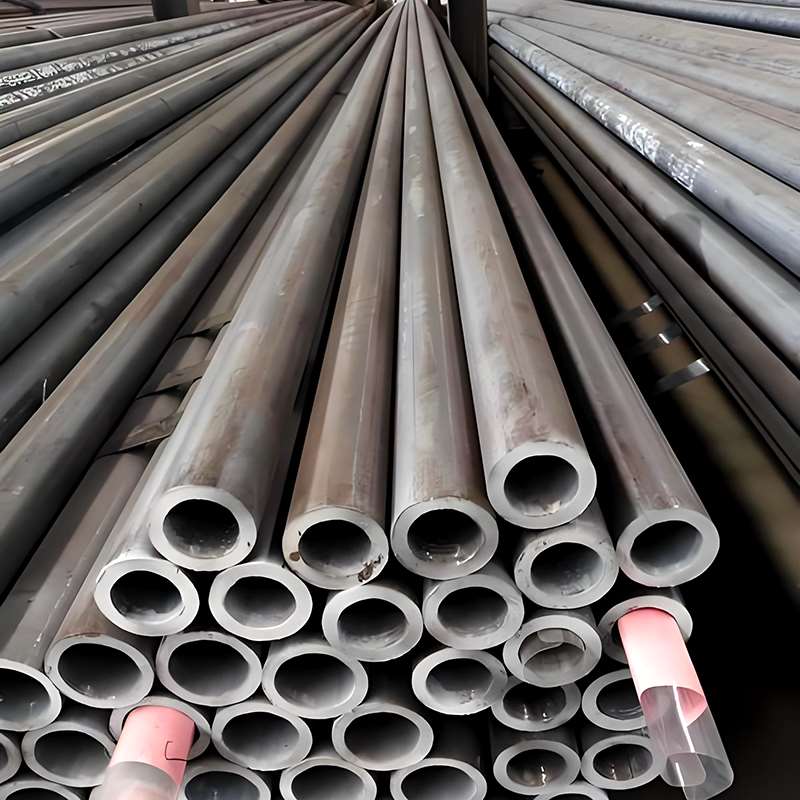
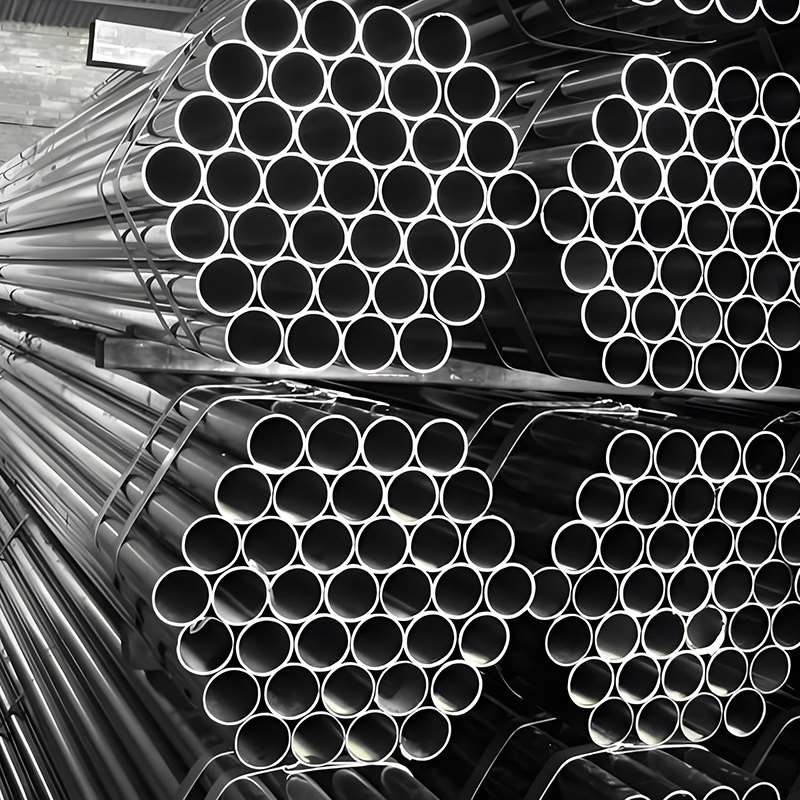
ASTM A210 is a standard for seamless boiler tubes and superheater tubes made of medium carbon steel, developed by the American Society for Testing and Materials (ASTM). It is primarily used in steam boiler systems, superheaters, and heat exchange equipment operating under high temperature and high pressure conditions.
ASTM A210 includes two main grades:
Grade A1: The common grade, suitable for general high-temperature steam conditions.
Grade C: Higher strength requirements, suitable for more demanding pressure and temperature environments.
II. ASTM A210 Scope of Application
ASTM A210 seamless boiler tubes are primarily used in heat transfer and pressure piping for high-temperature steam, hot fluids, and pressure systems. Typical applications include:
1. Boiler heating surface tubes
Water-cooled wall tubes
Economizer tubes
Superheater tubes
Reheater tubes
2. Internal piping of pressure vessels
Industrial boilers
Power plant boilers
Steam generators
3. High-temperature, high-pressure fluid transportation
Steam transportation pipelines
High-temperature hot oil systems
Heat transfer tubes for heat exchangers
4. Tubes for heat exchangers
Suitable for heat exchange equipment requiring moderate temperatures and a certain level of strength and stability.
III. Grade Differences (Grade A1 vs Grade C)
| Item | Grade A1 | Grade C |
|---|---|---|
| Yield Strength | Lower | Higher |
| Typical Application | Standard steam boilers | High-pressure or high-temperature superheaters |
| Cost | Lower | Higher |
IV. ASTM A210 Chemical Composition Table
| Element | Grade A1 (%) | Grade C (%) |
|---|---|---|
| Carbon (C) | ≤ 0.27 | ≤ 0.35 |
| Manganese (Mn) | 0.93–1.06 | 0.93–1.20 |
| Phosphorus (P) | ≤ 0.035 | ≤ 0.035 |
| Sulfur (S) | ≤ 0.035 | ≤ 0.035 |
| Silicon (Si) | ≥ 0.10 (typically 0.10–0.35) | ≥ 0.10 (typically 0.10–0.35) |
| Other Elements | Trace elements added as needed | Trace elements added as needed |
V. ASTM A210 Mechanical Properties Table for Seamless Boiler Tubes
| Mechanical Properties | Grade A1 | Grade C |
|---|---|---|
| Yield Strength (min) | 205 MPa | 275 MPa |
| Tensile Strength (min) | 415 MPa | 485 MPa |
| Elongation (min) | ≥ 30% | ≥ 30% |
| Hardness (max) | HRB 79 | HRB 89 |
| Applicable Temperature Range | Medium-temperature boilers, steam pipelines | Higher temperature and higher-pressure boiler systems |
| Typical Applications | Power plant boilers, economizers, steam transport | Superheaters, reheaters, high-pressure heating surfaces |
VI. Specifications and Dimensions
i. ASTM A210 Seamless Boiler Tube Specifications and Dimensions Table
| Item | Specification Range |
|---|---|
| Outer Diameter (OD) | 12.7 mm – 127 mm |
| Wall Thickness (WT) | 1.5 mm – 12 mm |
| Length (Length) | 3–12 m (SRL / DRL / Custom Length) |
| Grades | Grade A1, Grade C |
| Applicable Standards | ASTM A210 / ASME SA210 |
ii. ASTM A210 Commonly Used Dimensions and Specifications
| Outer Diameter (mm) | Wall Thickness (mm) | Outer Diameter (Inch) | Wall Thickness (Schedule) |
|---|---|---|---|
| 19.05 | 2.0–4.0 | 3/4″ | SCH40 / SCH80 |
| 21.3 | 2.0–4.5 | 1/2″ | SCH40 / SCH80 |
| 25.4 | 2.0–5.0 | 1″ | SCH40 / SCH80 |
| 31.8 | 2.0–6.0 | 1-1/4″ | SCH40 / SCH80 |
| 38.1 | 2.0–6.0 | 1-1/2″ | SCH40 / SCH80 |
| 42.16 | 2.5–7.0 | 1-1/4″ | SCH160 |
| 50.8 | 2.5–8.0 | 2″ | SCH40 / SCH80 |
| 60.3 | 3.0–8.0 | 2-1/2″ | SCH40 / SCH80 |
| 63.5 | 3.0–10.0 | 2-1/2″ | SCH160 |
| 73.0 | 3.5–10.0 | 3″ | SCH40 / SCH80 |
| 76.2 | 3.5–10.0 | 3″ | SCH160 |
| 88.9 | 4.0–12.0 | 3-1/2″ | SCH40 / SCH80 |
| 101.6 | 4.0–12.0 | 4″ | SCH40 / SCH80 |
| 114.3 | 4.5–12.0 | 4″ | SCH160 |
| 127 | 4.5–12.0 | 5″ | SCH40 / SCH80 |
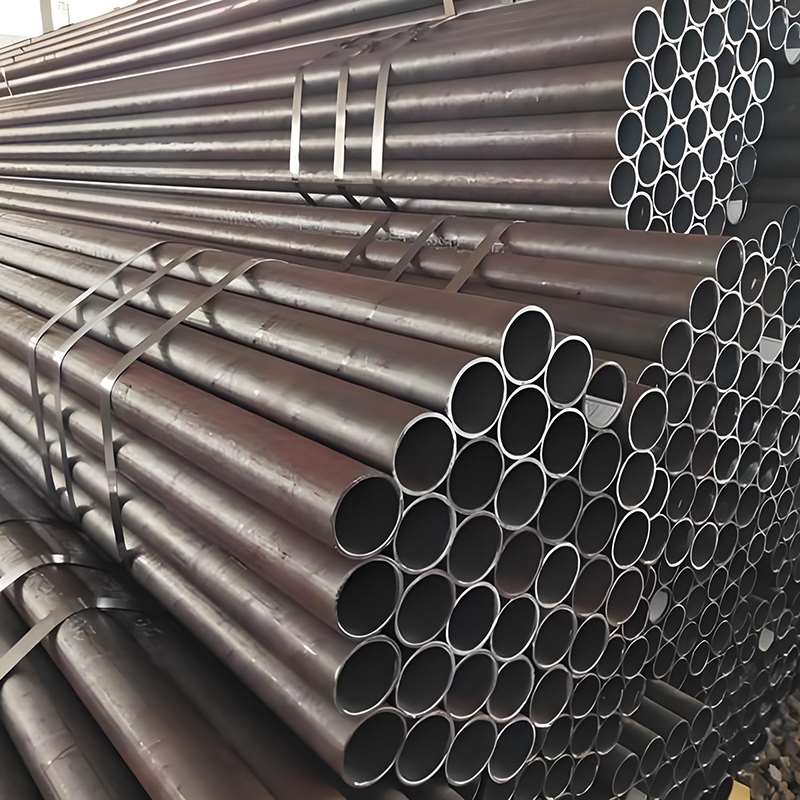
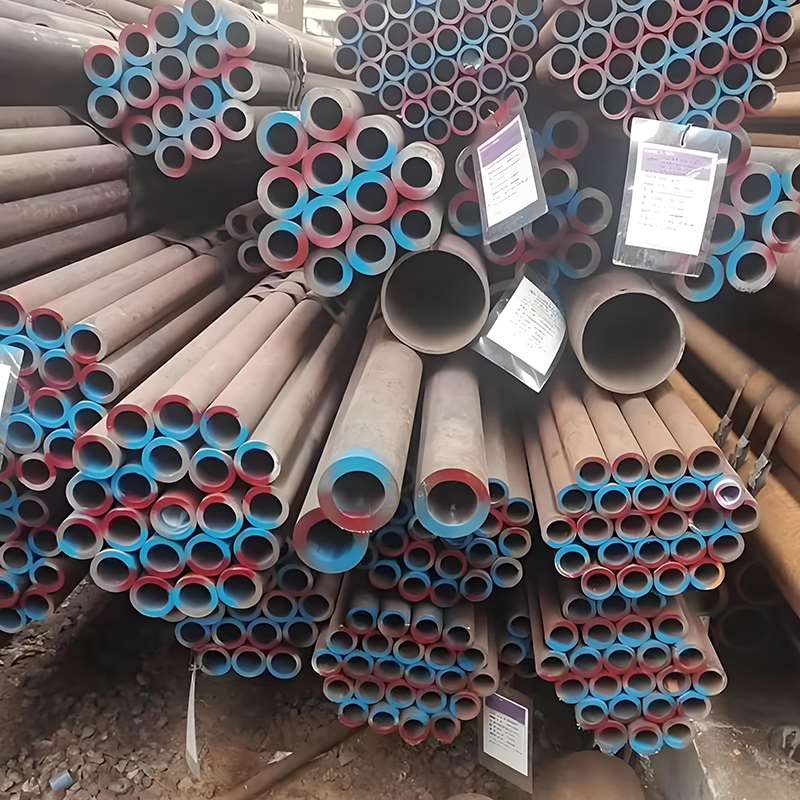
VII. Manufacturing Process of Seamless Boiler Tubes from Medium Carbon Steel (ASTM A210)
- Raw Material Preparation
Select medium carbon steel billets (usually continuously cast round billets).
Material must meet the chemical composition requirements of ASTM A210 Grade A1 or Grade C.
Inspect the surface of the billet, removing cracks, folds, inclusions, and other defects. - Heating
Heating the billet in a heating furnace to 1100–1250°C. Uniform temperature ensures good metal plasticity during piercing and reduces defects. - Piercing – A Key Step in Seamless Tube Production
A piercing mill is used to pierce a solid round billet into a hollow shell.
Controlling wall thickness uniformity and eccentricity. - Hot Rolling/Sizing/Reduction
The pierced hollow tube is extended, sized, and its wall thickness reduced on a rolling mill.
Typical processes: Three-roll skew rolling, continuous tube rolling, sizing mill.
Obtaining a hot-rolled tube close to its final dimensions. - Cold Working – Optional
Some high-precision or demanding boiler applications may require an additional cold working process:
Cold drawing: More precise dimensions, smoother surface.
Cold rolling: Increased density, improved strength and compressive strength.
Note: ASTM A210 allows cold working, but subsequent heat treatment is mandatory. - Heat Treatment
Ensures structural stability, relieves stress, and improves high-temperature resistance.
Common methods:
Normalizing (common for A1 grade)
Normalized & Tempered
High-Temperature Tempering (For Grade C)
Typical temperatures:
Normalizing: 850–950°C
Tempering: 600–700°C - Finishing
Cutting to length
Pipe end finishing (beveling, finishing, deburring)
Surface treatment (sandblasting, oiling for rust prevention) - Inspection and Testing
Performed according to ASTM A210 requirements:
Non-destructive testing (NDT): Eddy current/ultrasonic testing
Hydraulic pressure testing or alternative eddy current testing
Dimensional and tolerance inspection
Chemical composition analysis
Mechanical property testing (tensile/hardness)
Metallographic examination (some manufacturers)
VIII. ASTM A210 Seamless Boiler Tube Selection Table
| Selection Factor | Recommended Option | Applicable Notes | Tips / Notes |
|---|---|---|---|
| Pipe Grade (Grade) | Grade A1 / Grade C | A1: Medium-temperature, medium-pressure pipelines; C: High-temperature, high-pressure pipelines | For reheaters and superheaters, prioritize Grade C |
| Outer Diameter (OD) | 12.7–127 mm | Select based on flow rate and design pressure | Use larger diameter for high flow pipelines |
| Wall Thickness (WT) | 1.5–12 mm | Calculated according to working pressure and allowable stress | Increase thickness for high-pressure or high-temperature service |
| Length (Length) | SRL 3–6 m / DRL 6–12 m / Custom length | Match boiler and pipeline installation | Custom lengths reduce on-site splicing |
| Manufacturing Process | Hot-rolled / Cold-drawn / Cold-rolled + Heat Treatment | Hot-rolled: low cost, standard pipelines; Cold-drawn / Cold-rolled: high precision, smooth surface | Prefer cold-drawn + heat treatment for high-pressure, high-temperature pipelines |
| Service Medium | Steam / Hot Water / Thermal Oil | Medium-temperature steam: Grade A1; High-temperature steam: Grade C | If fluid contains impurities, consider increasing wall thickness |
| Inspection Requirements | Dimensions, tolerances, mechanical properties, chemical composition, NDT | Ensure safety and compliance with ASTM A210 standard | Optional hydrostatic or high-temperature testing |