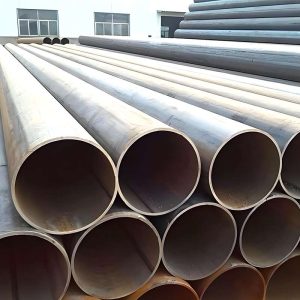
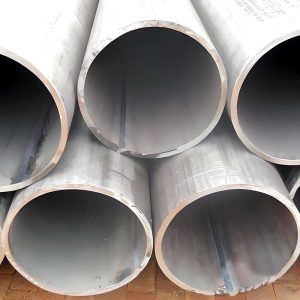
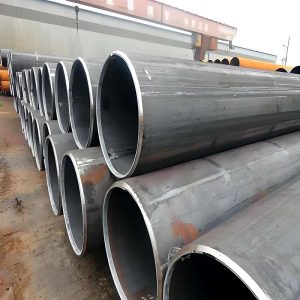
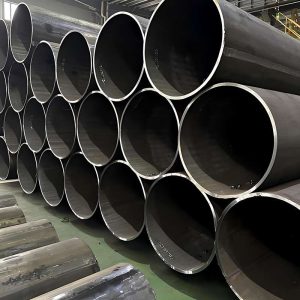
I. Introduction to Epoxy-Coated Steel Pipes
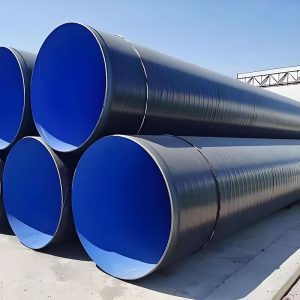
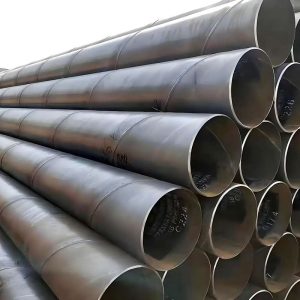
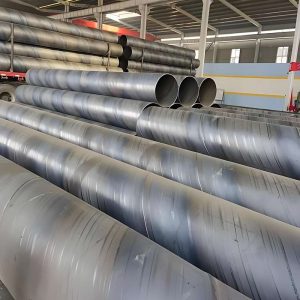
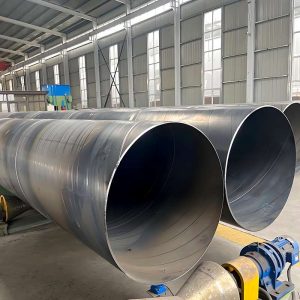
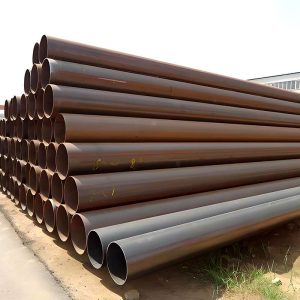
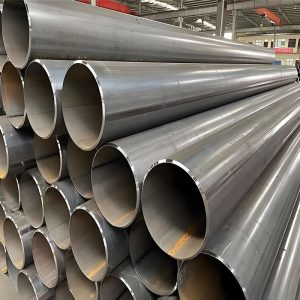
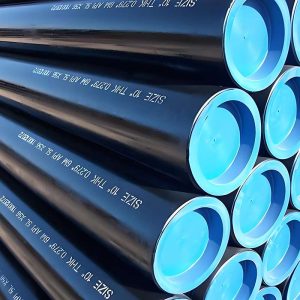
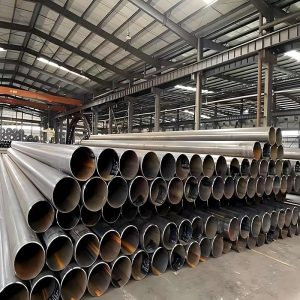
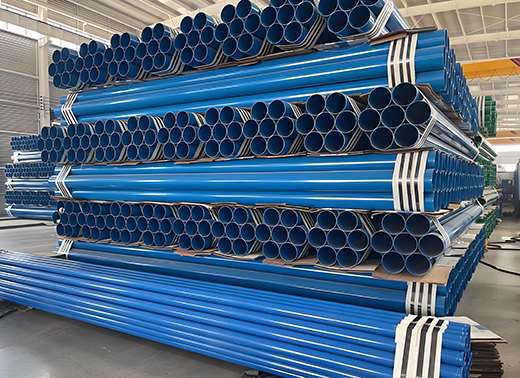
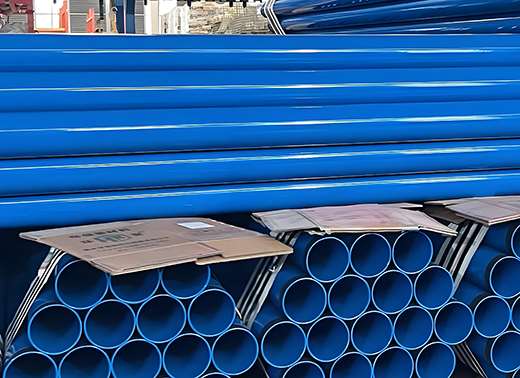
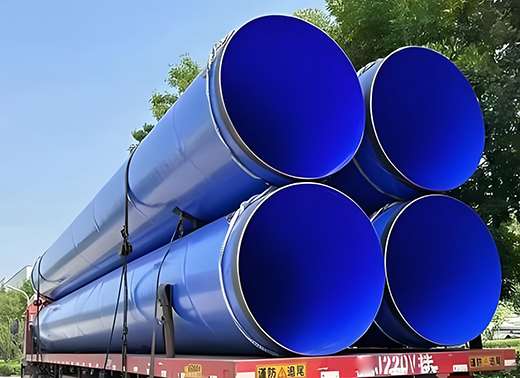
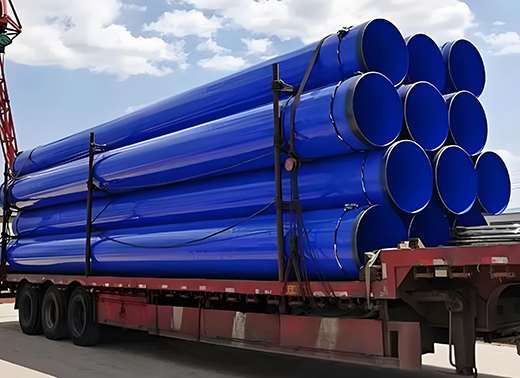
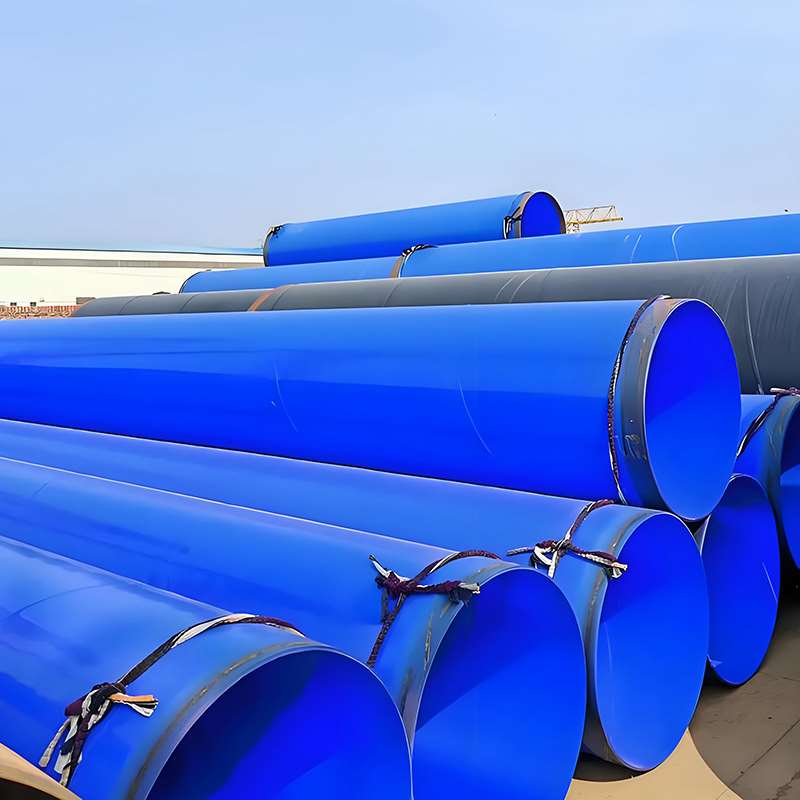
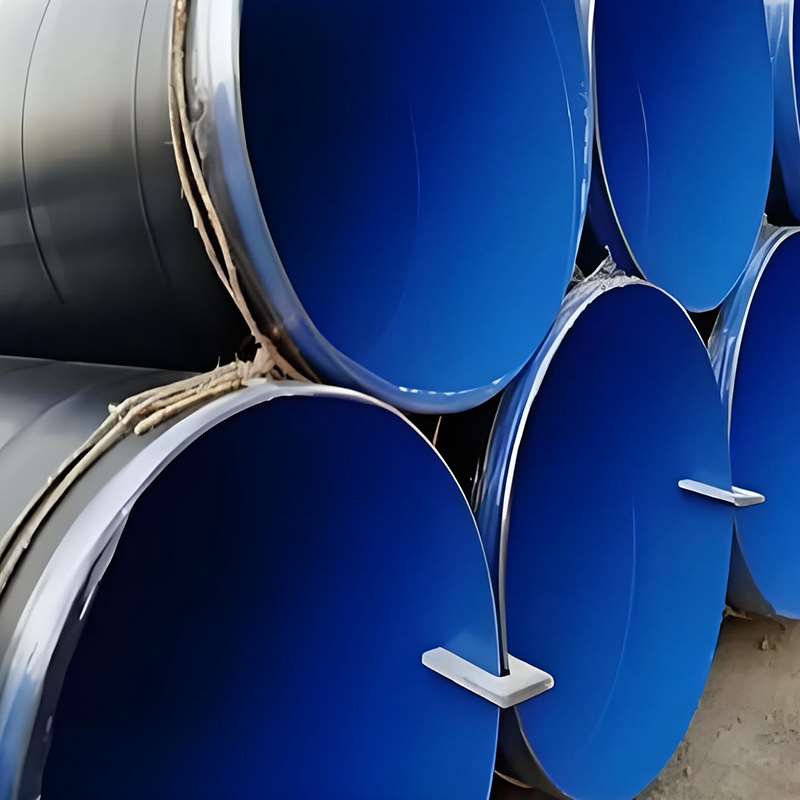
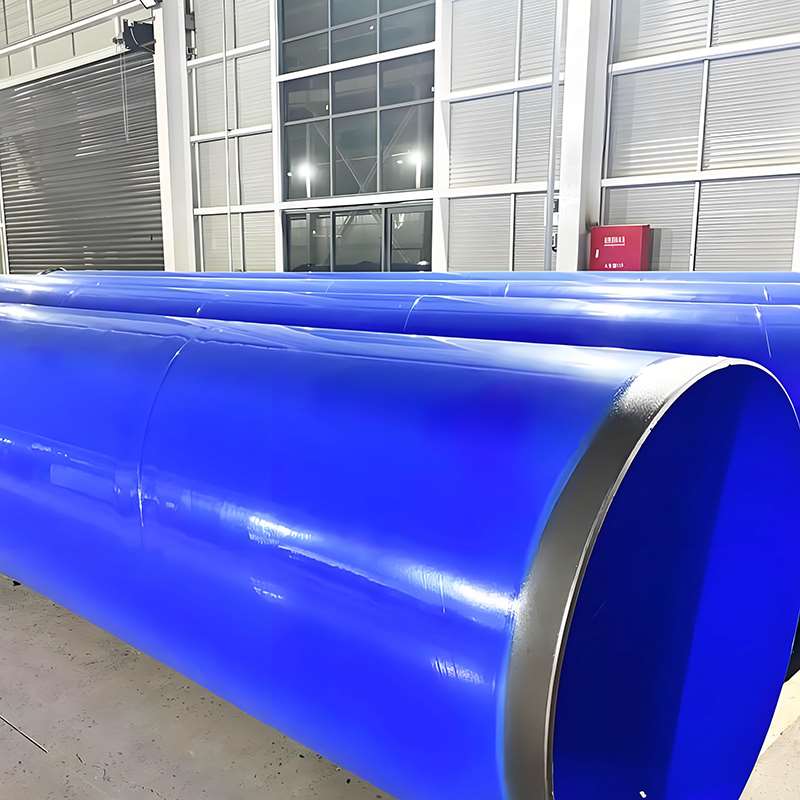
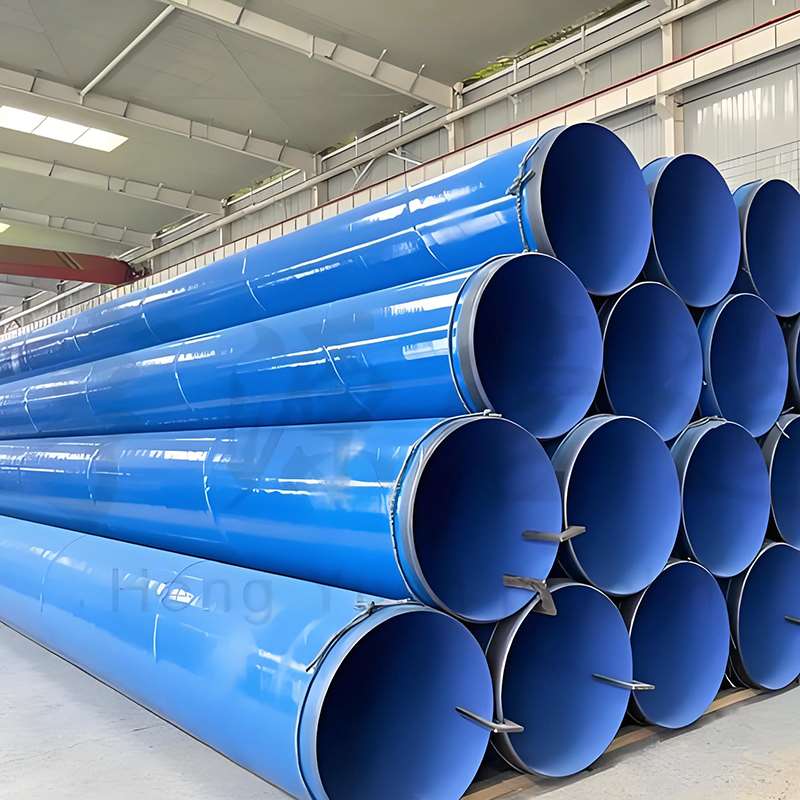
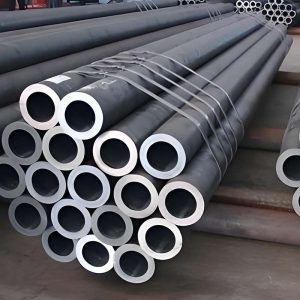
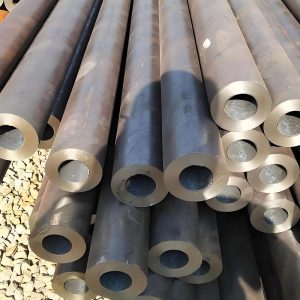
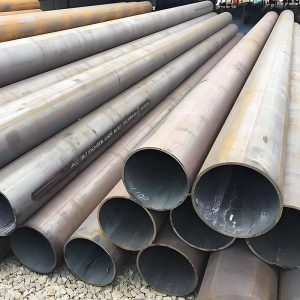
Epoxy-coated steel pipes are high-performance anti-corrosion pipes made by uniformly coating a layer of epoxy resin on the inner wall, outer wall, or both sides of high-quality carbon steel pipes.
The epoxy coating forms a strong bond with the steel pipe surface through processes such as electrostatic spraying, roller coating, or hot dipping, exhibiting excellent corrosion resistance, chemical resistance, and abrasion resistance.
This product effectively prevents steel pipes from being corroded, scaled, or contaminated during the transportation of media such as water, oil, and gas. It is widely used in municipal water supply, fire protection, seawater transportation, sewage treatment, and petrochemical pipeline networks.
II. Main Parameters of Epoxy-Coated Steel Pipes
| Item | Specification |
|---|---|
| Product Name | Epoxy Coated Steel Pipe |
| Material | Q195, Q235, Q345 or Carbon Steel according to ASTM A53 / A106 |
| Pipe Diameter (OD) | 15 mm ~ 500 mm (common DN15 ~ DN500) |
| Wall Thickness (WT) | 2 mm ~ 20 mm (customizable according to client requirements) |
| Length (L) | Standard 6 m, 9 m, 12 m, customizable |
| Coating Type | Epoxy powder coating (internal, external, or both) |
| Coating Thickness | Internal: 150~250 μm, External: 200~350 μm (customizable per project requirements) |
| Adhesion | ≥ Grade 1 (according to HG/T 20615, ISO 8179 standards) |
| Surface Condition | Smooth and even, free of bubbles, cracks, or peeling |
| End Type | Plain End, Threaded End, Flanged End |
| Standards | HG/T 20615, SY/T 0414, ISO 8179, GB/T 19250 |
| Main Applications | Municipal water supply, fire-fighting pipelines, seawater transportation, petrochemical, wastewater treatment, etc. |
| Working Pressure | ≤ 2.5 MPa (depends on wall thickness and pipe diameter) |
III. Introduction to the Anti-corrosion Structure and Process of Epoxy-Coated Steel Pipes
i. Anti-corrosion Structure
Epoxy-coated steel pipes typically employ internal coating, external coating, or both internal and external coating to form a multi-layered protective structure:
| Layer | Material & Function |
|---|---|
| Pipe Substrate | High-quality carbon steel or alloy steel, providing mechanical strength and pressure-bearing capacity |
| Primer Layer | Epoxy primer, enhancing adhesion between the epoxy coating and the steel surface |
| Intermediate Layer (Optional) | Epoxy filler layer, filling micro-pores and increasing corrosion protection thickness |
| Topcoat Layer | High corrosion-resistant epoxy resin layer, directly resisting the medium and external corrosive environment |
| Protective Layer (Optional) | Additional external PE or FBE layer, improving mechanical wear resistance and impact protection |
ii. Anti-corrosion advantages:
Strong corrosion resistance: The epoxy layer effectively blocks water, oxygen, and chemical media.
Long service life: It can last for more than 30 years in normal water and sewage environments.
Hygienic and safe: The epoxy coating does not easily contaminate the media, making it suitable for municipal water supply pipelines.
Abrasion and impact resistance: The outer coating can resist mechanical damage from soil or during construction.
IV. Application Areas and Practical Engineering Examples of Epoxy-Coated Steel Pipes
i. Municipal Water Supply Pipelines
Reasons for Application: The epoxy inner coating ensures water quality hygiene, prevents secondary pollution, and extends the service life of the pipeline.
Practical Engineering Examples:
Main urban water supply networks (e.g., DN150~DN500 pipe diameter)
Internal water supply pipelines in residential communities (DN20~DN100)
Fire hydrants and domestic water systems
ii. Fire protection system piping
Reasons for application: Corrosion resistant and high-pressure resistant, ensuring the long-term safety and reliability of the fire protection piping network.
Actual project examples: Automatic sprinkler system piping in high-rise buildings
Water supply pipes for fire pump rooms
Fire hydrant systems in industrial plants
iii. Sewage and Wastewater Treatment Pipelines
Application Reasons: Epoxy coating prevents acid and alkali corrosion and erosion by chemicals in sewage, extending pipe life.
Actual Project Examples: Main drainage pipes of urban sewage treatment plants
Industrial wastewater transmission pipelines (chemical and pharmaceutical plants)
Underground drainage networks
iv. Seawater Transportation and Coastal Engineering
Reason for Application: Epoxy coatings are resistant to saltwater corrosion and suitable for high-salt environments.
Actual Engineering Examples:
Seawater desalination plant water supply pipelines
Port and wharf water supply and drainage networks
Marine aquaculture and cooling water systems
v. Petrochemical and Industrial Pipelines
Application Reasons: Resistant to certain chemical corrosion, suitable for conveying liquids or gases that are not strong acids or alkalis.
Practical Engineering Examples: Petrochemical plants conveying raw water and processing water; Industrial cooling water circulation networks; Corrosion-resistant water supply and drainage systems for industrial plants.
vi. Underground Pipelines and Engineering in Complex Terrain
Application Reasons: Corrosion resistant, wear-resistant, and pressure-resistant; suitable for buried installations and complex construction environments.
Actual Project Examples:
Underground municipal drainage networks
Urban underground integrated pipe corridors
Underground pumping stations and sewage lifting station pipelines
Recommended Selection:
Small Diameter (DN15~DN100) → Indoor water supply and fire protection branch pipes
Medium Diameter (DN100~DN300) → Municipal water supply main pipes and fire protection main pipes
Large Diameter (DN300~DN500) → Industrial water transmission, sewage treatment, and underground pipe networks