Products

Related News

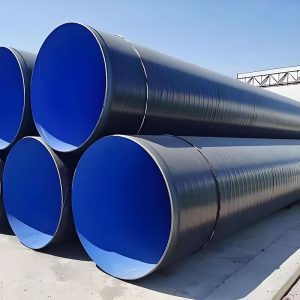
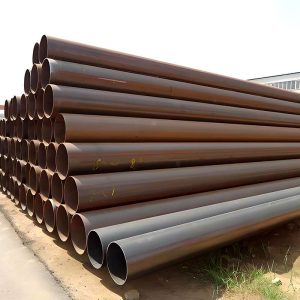
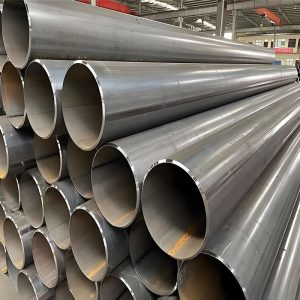
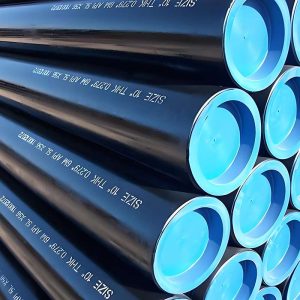
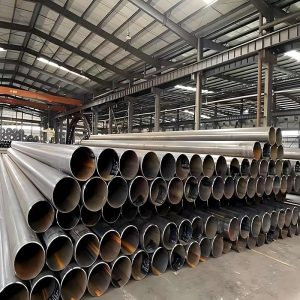
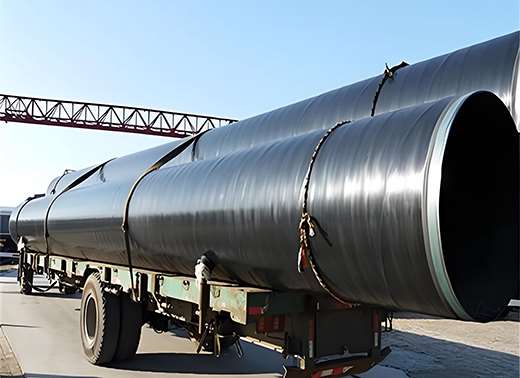
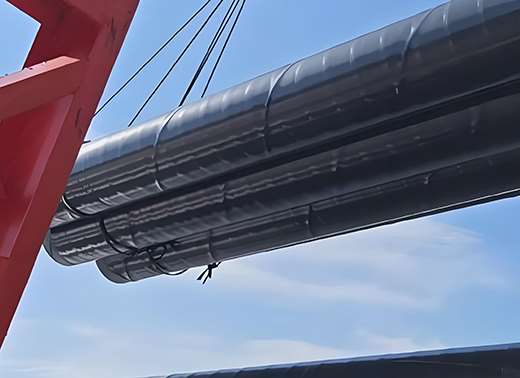
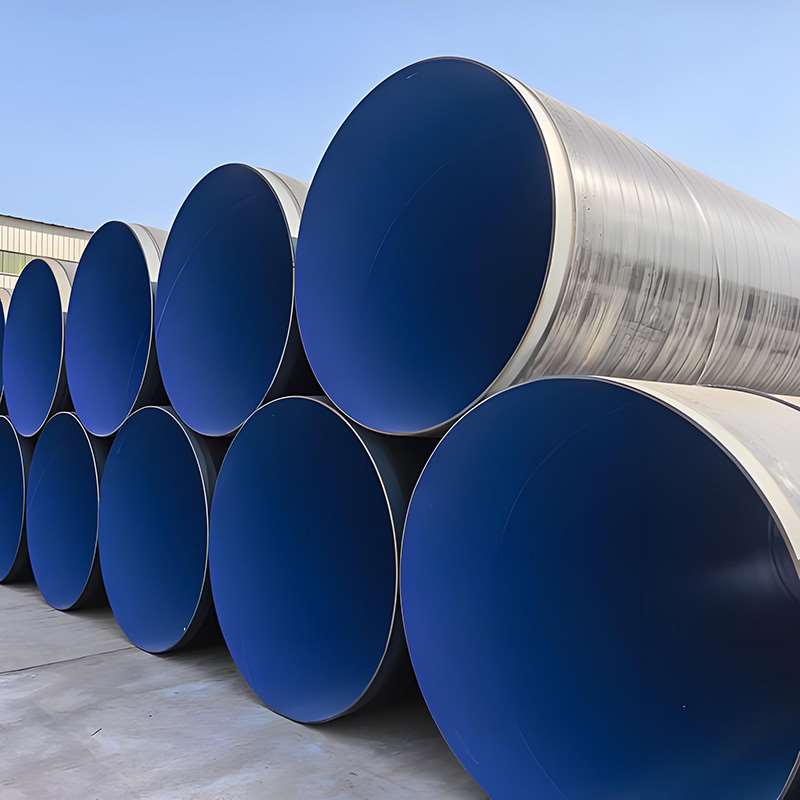
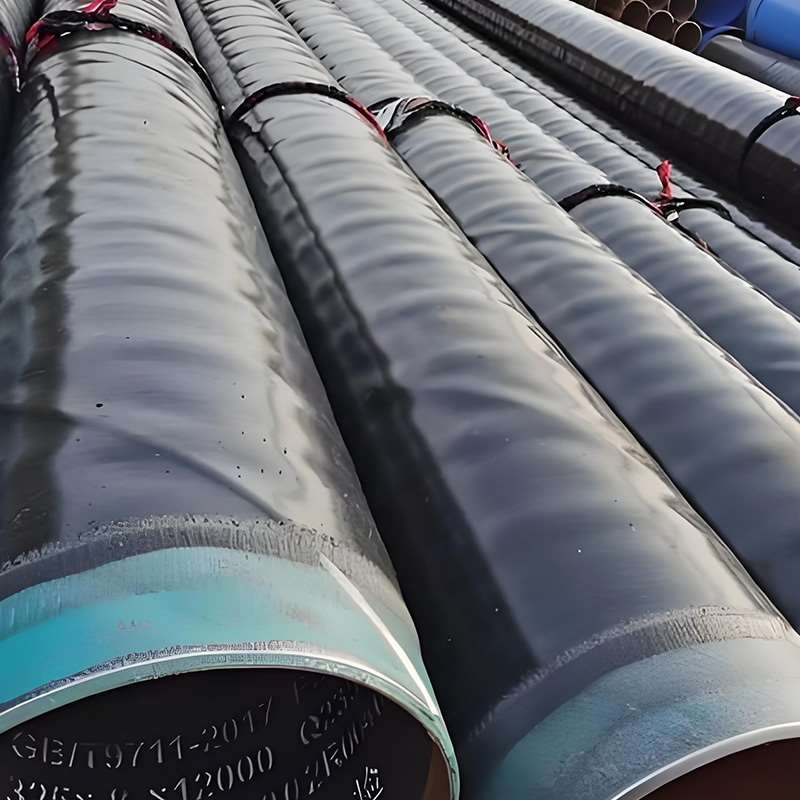
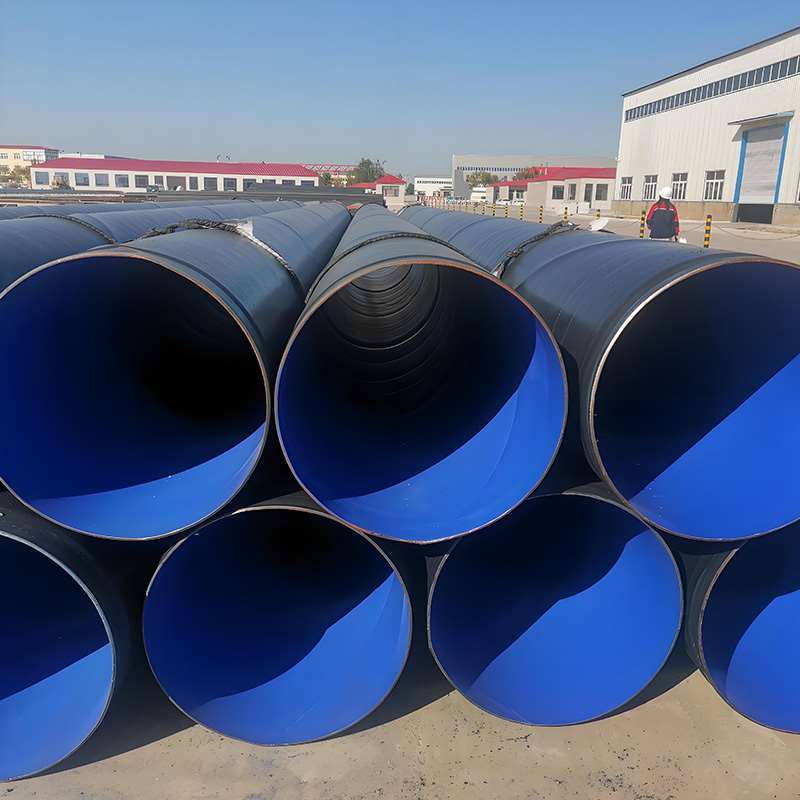
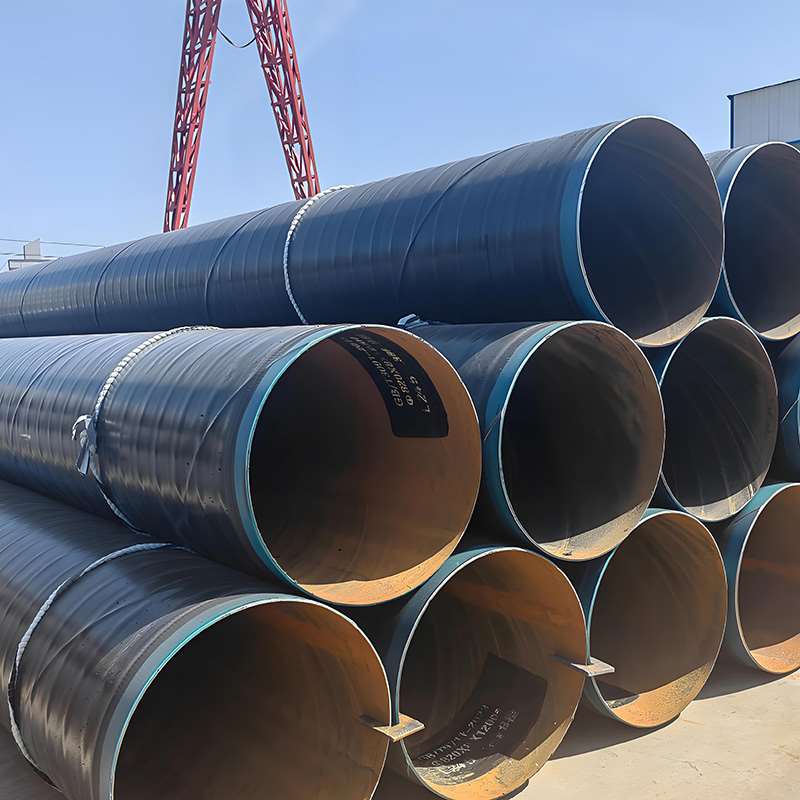
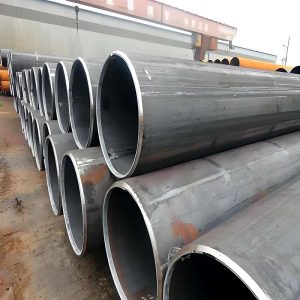
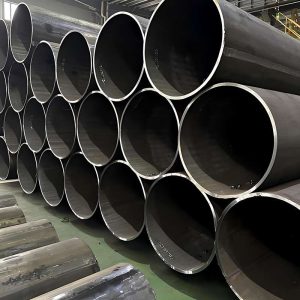
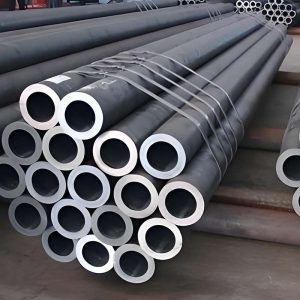
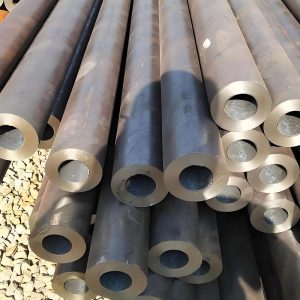
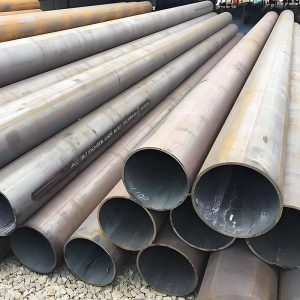
3PE Anti-Corrosion Steel Pipe

OD Range :

20 mm ~ 1420 mm

WT Range :

2.0 mm ~ 50 mm

Length :

6 m、12 m

Tolerance :

Outer diameter ±0.5%, wall thickness ±10%, length 0~+50 mm

Material :

Carbon steel or low alloy steel

Standard :

SY/T 0414、ISO 21809-3、GB/T 17433、API 5L

Surface :

3PE (3-layer Polyethylene) structure: epoxy powder primer + epoxy adhesive layer + high-density polyethylene (HDPE) protective layer

Application :

Buried and overhead water supply pipelines, gas pipelines, petrochemical pipelines, oil and gas pipelines, corrosion-resistant water supply projects, etc.

I. Introduction to 3PE Anti-corrosion Steel Pipe

3PE anti-corrosion steel pipe is a type of anti-corrosion pipe material that uses a three-layer polymer anti-corrosion system (3-Layer Polyethylene, 3PE) on the surface of the steel pipe. Its structure consists of an epoxy primer layer (FBE) + an adhesive layer + a polyethylene (PE) outer layer.

The epoxy primer layer bonds tightly to the steel pipe, providing excellent anti-corrosion and corrosion protection; the middle adhesive layer ensures a strong adhesion between the primer and the outer polyethylene layer; the outer high-density polyethylene layer forms a robust protective layer, effectively resisting corrosion from soil, moisture, and chemical media.

3PE anti-corrosion steel pipe combines strong corrosion resistance, high mechanical strength, and strong impact resistance, making it ideal for long-term transportation systems in corrosive environments such as buried water, gas, oil, and chemical pipelines, while extending pipeline service life and reducing maintenance costs.

II. 3PE Anti-corrosion Steel Pipe Anti-corrosion Structure

The anti-corrosion layer of 3PE anti-corrosion steel pipe adopts a three-layer polymer anti-corrosion system (3-Layer Polyethylene, 3PE). Each layer has a different function, forming a robust and durable protective structure:

LayerMaterialFunction & Role
Primer Layer (FBE, Epoxy Powder Coating)Epoxy resin powder coatingBonds tightly to the steel pipe, providing a corrosion-resistant base and isolating moisture and corrosive media
Intermediate Adhesive LayerHot-melt adhesiveConnects the primer and outer polyethylene layer, ensuring the integrity and adhesion of the entire anti-corrosion coating, preventing delamination
Outer Layer (Polyethylene PE)High-density polyethylene (HDPE)Provides mechanical protection and a corrosion-resistant barrier, resisting soil, groundwater, and external impact damage

Features and Functions:

Triple-layer synergistic protection → Primer for corrosion protection, intermediate layer for bonding between layers, and outer layer for resistance to mechanical damage.

Strong corrosion resistance → Can be used long-term in buried, groundwater, or acidic/alkaline soil environments.

Superior mechanical properties → The outer PE layer is robust and wear-resistant, protecting the primer from damage during construction, handling, and backfilling.

III. Main Parameters of 3PE Anti-corrosion Steel Pipe

ItemSpecification
Product Name3PE Anti-Corrosion Steel Pipe (3-Layer Polyethylene Coated Steel Pipe)
MaterialQ195, Q235, Q345 or carbon steel according to ASTM A53, A106, etc.
Pipe Diameter (OD)20 mm ~ 1219 mm (commonly DN20~DN1200)
Wall Thickness (WT)2.0 mm ~ 25 mm (customizable per project requirements)
Length (L)Standard 6 m, 12 m; customizable lengths available
Coating CompositionPrimer layer (FBE epoxy powder) + Intermediate adhesive layer + Outer layer HDPE
Coating Thickness0.3–0.5 mm (FBE primer) + 0.1–0.3 mm (adhesive) + 2.0–3.0 mm (outer PE)
Adhesion≥ Grade 1 (compliant with SY/T 0414, ISO 21809-1)
Surface ConditionSmooth, uniform, free of bubbles, delamination, or cracking
End TypePlain End, Threaded End, Flanged End
Applicable StandardsSY/T 0414, ISO 21809-1, GB/T 12771
Main ApplicationsUnderground water supply, gas, oil, chemical, and thermal transport pipelines
Working Pressure≤ 2.5 MPa (depending on pipe diameter and wall thickness)
Service LifeUp to 30+ years (depending on corrosive environment and construction quality)

IV. Classification and Application Areas of 3PE Anti-corrosion Steel Pipes

CategoryMain FeaturesTypical Application AreasSelection Reference
3PE Anti-Corrosion Seamless Steel PipeSeamless pipe body, high pressure resistance, excellent mechanical properties, strong corrosion resistanceHigh-pressure water pipelines, gas pipelines, oil & chemical transport pipelines, thermal transport pipelinesSuitable for high-pressure, highly corrosive environments, and projects with high pipe strength requirements
3PE Anti-Corrosion ERW (Electric Resistance Welded) PipeMade from hot-rolled or cold-rolled strip steel with longitudinal seam welding; relatively low cost, moderate pressure resistanceMunicipal water mains, industrial circulating water pipes, low-pressure gas pipelinesSuitable for medium- and low-pressure applications; cost-effective projects
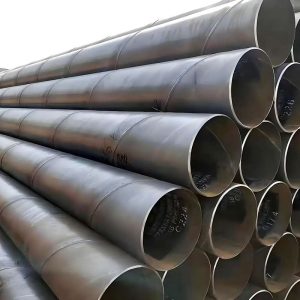
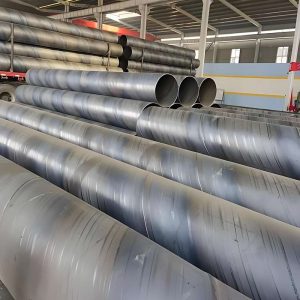
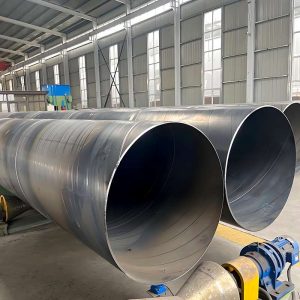
3PE Anti-Corrosion Spiral Welded Pipe (LSAW / SSAW)Spiral welded, suitable for large-diameter steel pipes; good pressure resistance; ideal for long-distance pipelinesUnderground water mains, long-distance oil pipelines, long-distance natural gas pipelinesSuitable for large-diameter, long-distance pipelines in highly corrosive environments, especially buried trunk pipelines
3PE Anti-Corrosion Flanges / Elbows / FittingsUsed in conjunction with pipelines; corrosion protection consistent with the pipesWater supply, gas, oil, chemical pipeline networksFor pipeline connections and directional changes, ensuring consistent corrosion protection throughout the system

Selection Recommendations:

  • High pressure, high strength requirements → Prioritize 3PE anti-corrosion seamless steel pipe
  • Medium to low pressure, cost-sensitive requirements → 3PE anti-corrosion straight seam welded pipe (ERW) is an option
  • Large diameter, long distance transportation → 3PE anti-corrosion spiral welded pipe (LSAW/SSAW) is recommended
  • System fittings → Use 3PE anti-corrosion flanges and elbows to ensure continuous corrosion protection

V. Comparison table of 3PE anti-corrosion steel pipes and other anti-corrosion steel pipes

Anti-Corrosion TypeCoating StructureCorrosion ResistanceMechanical ProtectionConstruction DifficultyTypical ApplicationsKey Features Summary
3PE Anti-Corrosion Steel PipeFBE Primer + Adhesive Layer + PE Outer LayerHighHighMediumBuried water supply, gas, oil, thermal pipelinesThree-layer synergistic protection, corrosion-resistant, impact-resistant, suitable for high-pressure and underground projects
FBE Epoxy Powder Coated PipeSingle-layer FBE epoxy powderMedium-HighMediumLowMunicipal water supply, industrial circulating waterStrong adhesion, corrosion-resistant, easy to construct, but moderate mechanical impact resistance
Epoxy Bitumen Coated PipeEpoxy primer + Bitumen coatingHighMediumRelatively HighUnderground water, gas, oil pipelinesStrong corrosion protection, resistant to soil corrosion, but complex construction and sensitive to temperature variations
Internal & External Epoxy Coated PipeEpoxy coating inside and outsideMedium-HighMediumMediumUnderground water, industrial liquid pipelinesCorrosion protection both inside and outside, safe for conveyed medium, but outer layer prone to scratches and moderate impact resistance
Single-layer PE Coated PipePE coatingMediumHighLowMunicipal water supply, low-pressure gasStrong mechanical protection from outer layer, moderate corrosion resistance, suitable for medium- and low-pressure environments
Glass Reinforced Plastic (GRP) Composite PipeFiberglass + ResinHighMedium-LowHighIndustrial circulating water, acid/base liquid transportLightweight, corrosion-resistant, maintenance-free, but limited pressure resistance and complex construction

Related Products

Nominal Diameter Outer Diameter OD (mm) Wall Thickness WT (mm) Inner Diameter ID (mm) 3PE Coating Total Thickness (mm) Length per Piece (m) Theoretical Weight (kg/m)
DN50 60.3 3.2 53.9 2.2 6 4.51
DN65 76.1 3.2 69.7 2.2 6 5.75
DN80 88.9 3.2 82.5 2.2 6 6.76
DN100 114.3 3.6 107.1 2.3 6 9.83
DN125 139.7 3.6 132.5 2.3 6 12.08
DN150 168.3 4.0 160.3 2.3 6 16.21
DN200 219.1 4.5 210.1 2.3 6 23.37
DN250 273.0 5.0 263.0 2.5 6 33.04
DN300 323.9 6.0 311.9 2.5 6 47.25
DN350 355.6 6.0 343.6 2.5 6 51.90
DN400 406.4 6.3 393.8 2.7 6 62.16
DN450 457.0 6.3 444.4 2.7 6 69.98
DN500 508.0 6.3 495.4 2.7 6 77.95
DN600 610.0 7.1 595.8 3.0 12 105.70
DN700 711.0 8.0 695.0 3.0 12 138.70
DN800 813.0 8.8 795.4 3.2 12 175.60
DN900 914.0 10.0 894.0 3.2 12 223.50
DN1000 1016.0 11.0 994.0 3.5 12 273.30
DN1200 1220.0 12.0 1196.0 3.5 12 358.30
DN1400 1420.0 14.0 1392.0 3.7 12 488.20
DN1600 1620.0 16.0 1588.0 3.7 12 637.50
DN1800 1820.0 18.0 1784.0 3.7 12 803.50
DN2000 2020.0 20.0 1980.0 3.7 12 993.00


3PE anti-corrosion steel pipe international standard

Standard No. Standard Name Scope of Application
ISO 21809-1 External coatings for steel pipes: Polyethylene (PE) coated steel pipes Requirements for anti-corrosion layer design, thickness, adhesion, and corrosion resistance
API 5L Specification for Line Pipe Ensures the steel pipe is suitable for oil, natural gas, and water transportation projects, used in combination with 3PE anti-corrosion coating
ASTM A53 / A106 Carbon Steel Pipe Standards Ensures steel material, dimensions, and mechanical properties meet international requirements


Steel pipe surface sandblasting for rust removal → Epoxy powder primer coating → Primer curing → Polyethylene (PE) hot melt coating → Polyethylene layer extrusion/pressurization → Cooling and curing → Coating inspection (thickness, adhesion, bubbles, uniformity) → 3PE anti-corrosion steel pipe completed.

The testing of 3PE anti-corrosion steel pipes is primarily to ensure the quality of the anti-corrosion coating, the mechanical properties of the steel pipe, and its safety in use. It typically follows relevant domestic and international standards, and the testing items include pipe dimensions, mechanical properties, anti-corrosion coating thickness, adhesion, and corrosion resistance. The following is a concise summary:

i. Domestic Testing Standards

Standard No. Standard Name Test Content
SY/T 0414-2005 Technical Standard for External Anti-Corrosion Coating of Water Supply Steel Pipes 3PE coating thickness, adhesion, impact resistance, hot water aging performance
GB/T 12771-2008 Technical Conditions for Polyethylene (PE) Coating on Steel Pipes External coating thickness, uniformity, adhesion, impact resistance, corrosion resistance
GB/T 9711-2017 Steel Pipes for Transportation Pipe dimensions, appearance, wall thickness, mechanical properties (tensile strength, yield strength, elongation, etc.)

ii. International testing standards

Standard No. Standard Name Test Content
ISO 21809-1 External Coatings for Steel Pipes — Polyethylene (PE) Coated Steel Pipes Coating thickness, adhesion, impact strength, corrosion resistance
API 5L Specification for Line Pipe Mechanical properties of the steel pipe, dimensional tolerances, chemical composition

iii. Routine testing items and requirements

Inspection Item Test Method Typical Requirements
Outer Diameter / Wall Thickness Vernier caliper, ultrasonic thickness gauge Compliant with design and standard tolerances
Mechanical Properties of Steel Pipe Tensile test, bending test Yield strength, tensile strength, and elongation meet the standard
Coating Thickness Ultrasonic thickness gauge Outer PE layer: 2–3 mm (depending on specification and environment) FBE primer: 0.3–0.5 mm
Adhesion Pull-off or cross-cut test ≥ Grade 1 (SY/T 0414)
Impact Resistance Impact test No cracking or delamination
Hot Water Aging Resistance 80°C water immersion test Coating free of bubbles and cracks
Corrosion Resistance Salt spray or soil burial simulation Coating shows no damage, blistering, or peeling


3PE Anti-corrosion Steel Pipes: Common FAQs in Oil and Gas Pipelines

Q1. Question: How should the anti-corrosion layer be treated when welding 3PE anti-corrosion steel pipes in oil and gas pipelines?

Answer:

Welding is a critical step in pipeline construction where anti-corrosion is easily damaged. Welding will damage the pipeline’s primer and PE outer layer. If not treated promptly, corrosion is likely to occur in the weld area.

Solution:

Before welding, ensure the pipe ends are clean to avoid contamination affecting weld quality.

After welding, promptly repair the damaged anti-corrosion layer using a specialized epoxy repair agent or PE repair sleeve.

The weld repair should ensure the thickness is consistent with the original anti-corrosion layer, and adhesion and corrosion resistance tests should be performed.

Critical nodes such as flanges and elbows require additional anti-corrosion protection.

Q2. Question: What are the requirements for 3PE anti-corrosion steel pipes used in buried oil and gas pipelines?

Answer:

Buried pipelines are in long-term contact with soil and may be subject to corrosion from moisture, acids, alkalis, salts, and microorganisms. Damage to the pipeline coating or insufficient anti-corrosion thickness will shorten its service life.

Solution:

Select an appropriate PE outer layer thickness (2.0–3.0 mm) based on soil corrosivity.

For highly corrosive soils, a cathodic protection (CP) system can be added.

Lay sand mats or a flexible protective layer before backfilling to prevent sharp stones from scratching the pipeline.

Q3. Question: Pipe joints (flanges, elbows, tees) are prone to corrosion. How can they be protected?

Answer:

Joints and fittings are weak points in corrosion protection; improper handling can easily lead to corrosion pitting.

Solution:

Wrap the joints with anti-corrosion sleeves or tape to ensure continuous corrosion protection.

Immediately repair welded or threaded joints with epoxy or PE coatings to maintain the integrity of the anti-corrosion coating.

Regularly inspect the joints and repair any damage promptly.

Q4. Question: Is there a risk of cracking or breakage in 3PE anti-corrosion steel pipes during high-pressure oil and gas transportation?

Answer:

During high-pressure transportation, insufficient pressure resistance of the pipe, poor welding, or damage to the anti-corrosion layer may lead to localized cracking or breakage.

Solution:

Select appropriate wall thickness and pipe grade to ensure the pressure resistance meets the design pressure for oil and gas transportation.

Welding and construction must be carried out strictly according to specifications to avoid mechanical stress concentration.

The integrity of the anti-corrosion layer must be guaranteed to prevent localized defects from becoming corrosion initiation points.

Q5. Question: How to protect the anti-corrosion coating from damage during transportation and construction?

Answer:

Although the outer PE layer of 3PE anti-corrosion steel pipes is robust, it can still be scratched during handling, hoisting, or backfilling.

Solution:

Use soft supports and corner protectors to prevent the steel pipes from impacts.

When backfilling, lay a layer of sand or soft padding to prevent sharp stones from scratching the pipes.

Repair any damage to the coating immediately during transportation and construction.

Q6. Question: How to maintain and monitor 3PE anti-corrosion steel pipes during long-term operation?

Answer:

Even with high anti-corrosion performance, oil and gas pipelines still require long-term monitoring to prevent early corrosion leading to leaks.

Solution:

Establish a regular inspection system to check the integrity of the anti-corrosion coating at welds, joints, and bends.

Install corrosion monitoring equipment, such as cathodic protection current monitoring, on critical sections.

Repair any minor damage promptly to prevent the spread of corrosion.