WANRONG
Products
Industrial Fluid Transport Pipes are high-strength piping systems specifically engineered for the safe, continuous, and efficient conveyance of liquids (such as crude oil and industrial water), gases (such as natural gas and steam), and chemical media (such as corrosive raw materials) within industrial facilities or across regions.
As critical infrastructure in core industries such as oil and gas, petrochemicals, and water supply systems, these pipelines must possess exceptionally high mechanical strength as well as outstanding pressure resistance and corrosion resistance, ensuring operational continuity and safety under extreme working conditions.
Application industries:
| Industry Sector | Typical Applications |
|---|---|
| Oil & Gas | Crude oil long-distance transmission, gathering and transportation pipelines, high-pressure natural gas pipelines, and LNG storage and transport systems. |
| Petrochemical & Chemical | Refinery unit interconnections, chemical feedstock transportation, high-temperature and high-pressure process media transfer, and handling of toxic or corrosive fluids. |
| Water Supply & Hydraulic Engineering | Municipal large-diameter water supply and drainage systems, industrial circulating water systems, seawater desalination pipelines, and wastewater treatment conveyance systems. |
| Power & Energy | High-pressure steam pipelines in thermal and nuclear power plants, boiler feedwater pipelines, and cooling water circulation systems. |
Oil and natural gas are high-value, high-risk substances.
Unlike ordinary industrial fluids, a pipeline leak can not only result in product loss but also lead to fires, explosions, or environmental pollution incidents.
Therefore, when selecting steel pipes for oil and gas projects, safety is typically the top priority, and API 5L is one of the most widely used standards for pipeline steel.
| Inspection Item | Inspection Purpose |
|---|---|
| Chemical Composition Test | To verify that the steel composition complies with API 5L grade requirements |
| Tensile Test | To confirm that yield strength and tensile strength meet specified standards |
| Impact Test | To evaluate the pipe’s resistance to brittle fracture under low-temperature conditions |
| Hydrostatic Test | To verify pressure-bearing capacity and sealing performance of the steel pipe |
| Ultrasonic Testing (UT) | To detect internal defects in the pipe body and weld seams |
| Radiographic Testing (RT) | To identify internal weld defects such as porosity, cracks, and inclusions |
| Dimensional Inspection | To check whether outer diameter, wall thickness, and length meet specification requirements |
| Visual Inspection | To identify surface defects such as cracks, scratches, and other irregularities |
| Bevel Inspection | To ensure that pipe end bevel dimensions meet field welding requirements |
API 5L is a standard specifically developed for pipeline transportation systems, and its technical requirements meet the practical operational needs of oil and gas pipelines.
| Oil & Gas Pipeline Requirement | Corresponding Requirement under API 5L |
|---|---|
| High-pressure transmission | Specifies requirements for yield strength and tensile strength |
| Long-distance safe operation | Controls steel quality and manufacturing processes |
| Prevention of weld failure | Requires weld inspection and non-destructive testing (NDT) |
| Low-temperature adaptability | Requires impact toughness testing |
| Leakage risk reduction | Requires hydrostatic testing |
| Ensuring project consistency | Standardizes steel grades and quality requirements |
1. Sufficient Pressure-Bearing Capacity
During oil and gas transportation, the interior of pipelines is typically subjected to high pressure.
API 5L ensures that steel pipes can meet the transportation requirements for different pressure classes by specifying strength criteria for various steel grades (such as X42, X52, X65, X70, etc.).
2. Emphasis on Weld Quality Control
For welded steel pipes such as SSAW and LSAW, weld quality directly impacts pipeline safety.
API 5L requires the following tests:
Ultrasonic Testing (UT)
Radiographic Testing (RT)
Hydrostatic Testing
to ensure that welds are free of defects that could compromise safe operation.
3. Excellent Crack Resistance
Oil and gas pipelines often traverse complex environments such as mountainous regions, deserts, and cold climates.
API 5L requires impact toughness testing to ensure that the steel pipes maintain good crack resistance at low temperatures or when subjected to external impact.
4. Suitable for Long-Distance Transportation Projects
Modern oil and gas pipelines often span hundreds or even thousands of kilometers.
By standardizing material, manufacturing, and inspection requirements, API 5L ensures that pipelines maintain stable and reliable performance throughout their entire lifecycle.
Steel pipes are widely used in engineering projects such as urban water supply, long-distance water transmission, reservoir water diversion, industrial water supply, and seawater conveyance.
Compared to oil and natural gas pipelines, water transmission systems typically operate at lower pressures; therefore, the focus of such projects is often not on ultimate strength, but rather on corrosion resistance, service life, and construction costs.
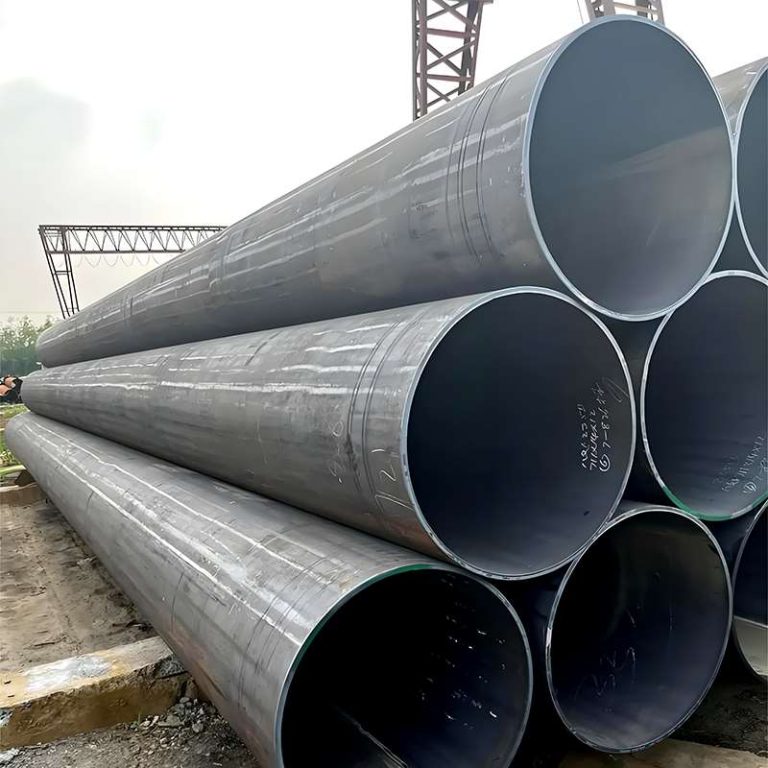
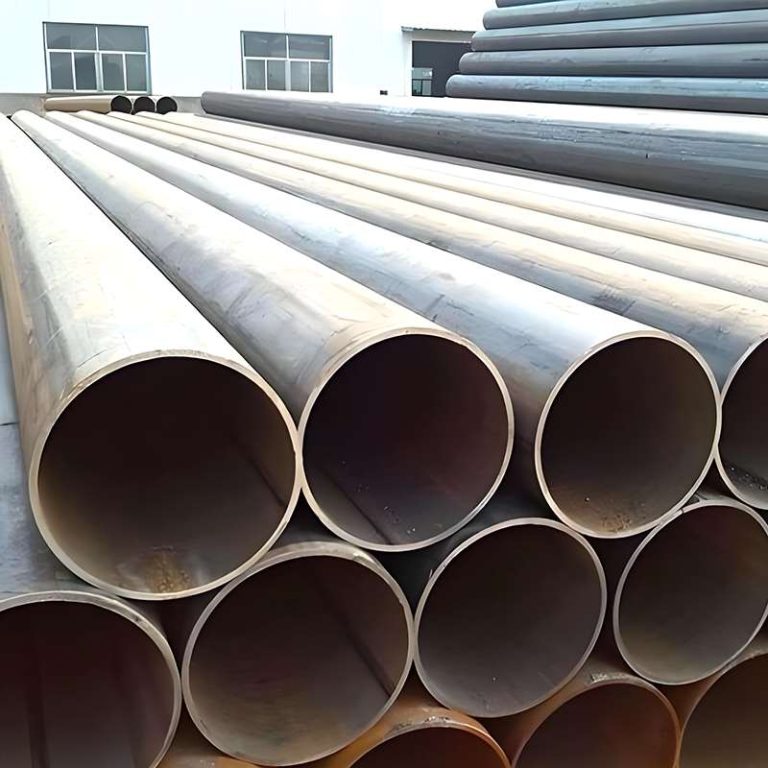
In most large-diameter water transmission projects, SSAW spiral-welded steel pipes are a common choice.
Water projects typically require the construction of large-diameter, long-distance pipeline networks, such as water transmission pipelines with diameters of DN800, DN1200, or even larger.
For such projects, SSAW spiral welded steel pipes offer distinct advantages:
In water transmission systems, corrosion is often a more common cause of pipeline failure than structural strength issues.
Steel pipes buried underground for extended periods may be subject to:
Therefore, most water transmission steel pipes are equipped with corrosion protection systems, such as:
The design of industrial fluid conveyance systems is not, at its core, simply a matter of “selecting steel pipes,” but rather involves choosing appropriate materials and protective solutions based on the characteristics of the conveyed medium.
In actual engineering practice, many pipeline failures are not due to insufficient steel pipe strength, but rather to misjudgments regarding the characteristics of the medium, leading to mismatched corrosion-resistant or wear-resistant designs, which in turn shorten service life or even pose a risk of leakage.
These media are highly corrosive and can easily damage the inner walls of pipelines.
Recommended Solutions:
Steel pipes with internal anti-corrosion coating (epoxy coating)
or steel pipes with internal lining.
Key Point:
Corrosion resistance is more important than the strength of the steel pipe.
The primary concerns are long-term corrosion and scaling, rather than strength.
Recommended Solutions:
SSAW spiral steel pipes + 3PE anti-corrosion coating
Key Point:
Stability and service life take priority
The primary issue is internal abrasion.
Recommended Solution:
Thick-walled welded steel pipes (LSAW / SSAW)
Wear-resistant lining
Key Point:
Wear resistance is more critical than strength
The primary focus is on pressure-bearing capacity and sealing performance.
Recommended Solution:
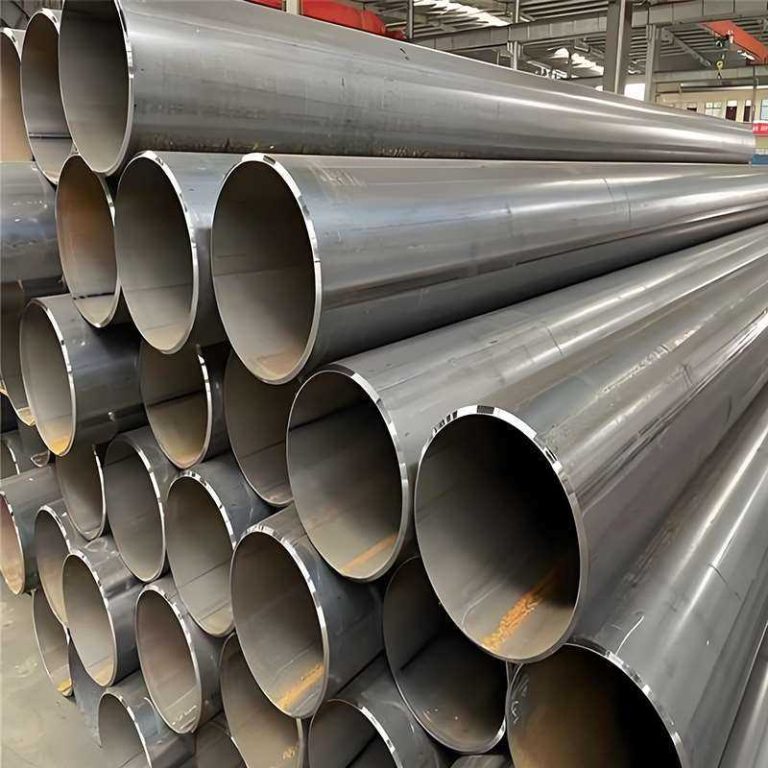
LSAW / SSAW welded steel pipes
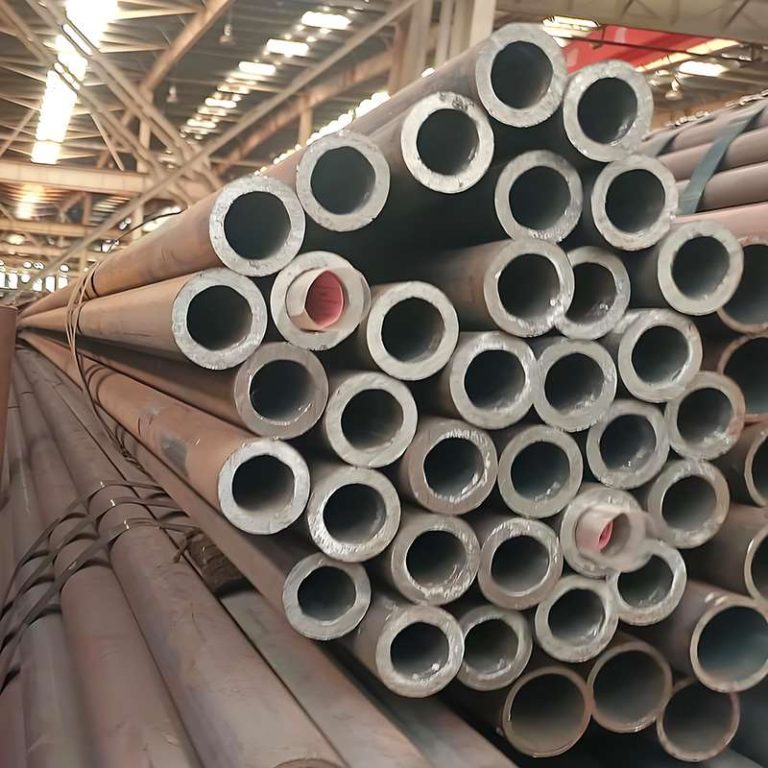
or seamless steel pipes
Key Point:
Structural safety is the top priority
In industrial fluid transportation systems, different types of steel pipes are typically selected based on pressure ratings, transportation distances, and the characteristics of the medium.
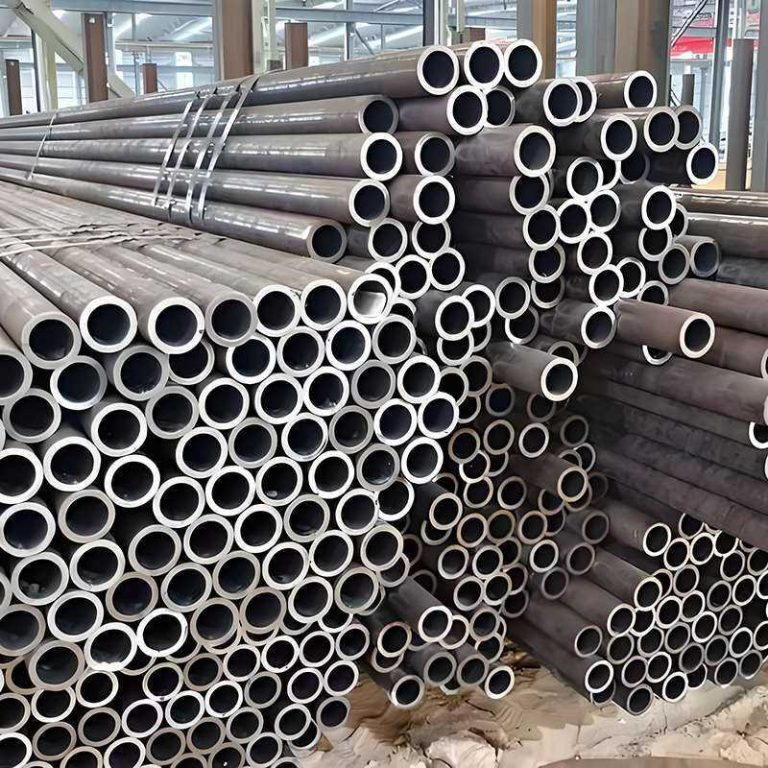
Suitable for high-pressure or critical-service systems.
Features:
Applications:
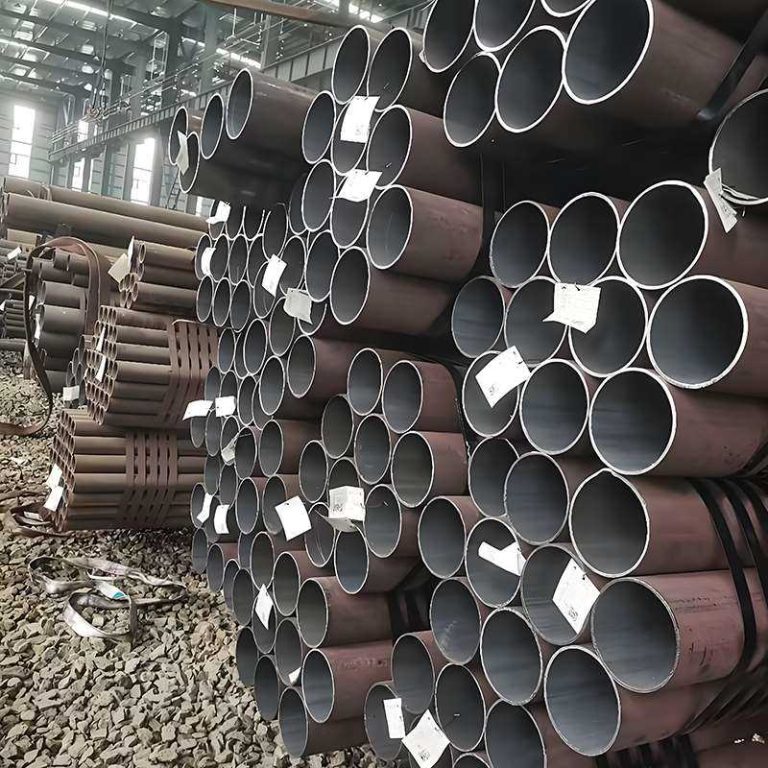
Suitable for general industrial conveyance systems.
Features:
Applications:
Suitable for large-diameter, long-distance transportation projects.
Features:
Applications:
The steel pipe itself is only the foundation; in actual engineering projects, the corrosion protection system often determines the pipeline’s service life.
1. External Corrosion Protection System
Primary function: To prevent corrosion from soil and the environment
2. Internal Corrosion Protection System
Primary function: To prevent corrosion and scaling caused by the transported medium
This depends on the pressure and safety requirements.
General rule:
The higher the pressure, the more suitable seamless steel pipes are; the larger the diameter and the longer the distance, the more suitable welded steel pipes are.
Both are welded steel pipes, but they are used for different purposes:
SSAW spiral-welded steel pipes
Are better suited for large-diameter, long-distance transportation
Are less expensive and suitable for municipal and water conservancy projects
LSAW straight-seam submerged-arc-welded steel pipes
Offer higher strength and greater consistency
Are better suited for medium- and high-pressure oil and gas transportation
Yes, especially for underground or long-term water transmission systems.
The most common issues are not related to insufficient strength, but rather:
Common corrosion protection solutions:
Because chemical media are typically corrosive, and without internal corrosion protection:
Therefore, the key factor in chemical systems is not the “strength of steel pipes,” but their “corrosion resistance.”
Because the slurry contains solid particles that continuously erode the inner walls of the pipes.
Main Issues:
Solutions:
3PE Corrosion Protection
Suitable for long-distance buried pipelines
High mechanical strength, impact-resistant
FBE Corrosion Protection
Strong adhesion, resistant to chemical corrosion
Commonly used in oil and gas and industrial pipelines
In simple terms:
3PE focuses more on “mechanical protection,” while FBE focuses more on “chemical corrosion protection.”