Products

Related News

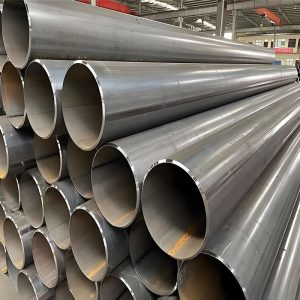
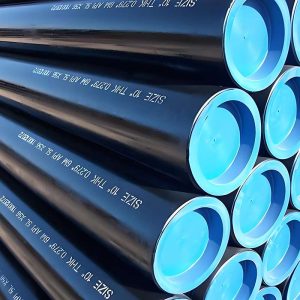
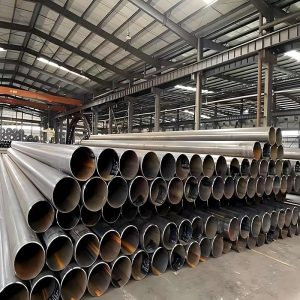
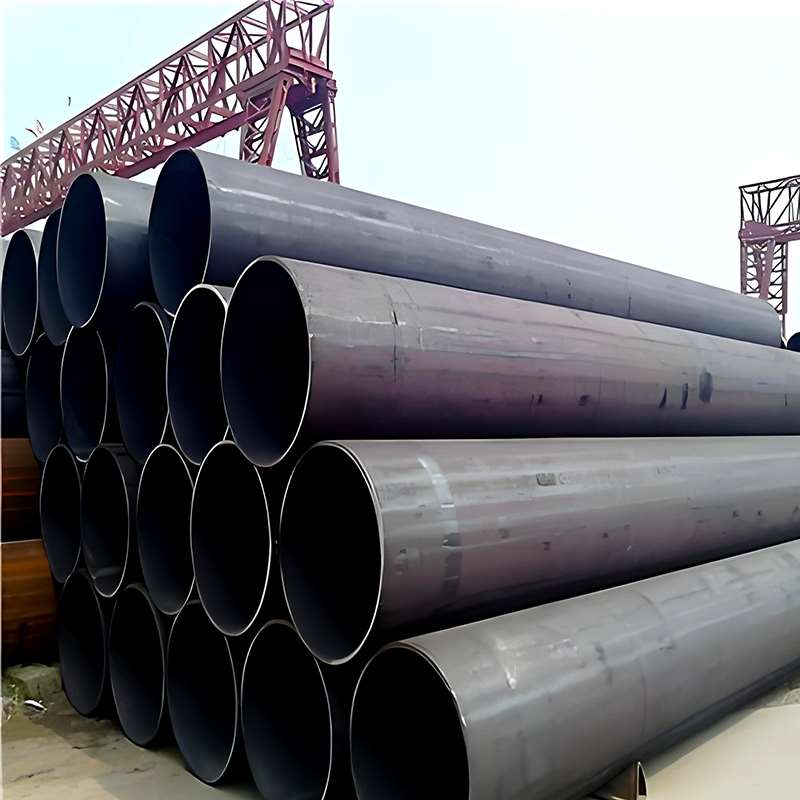
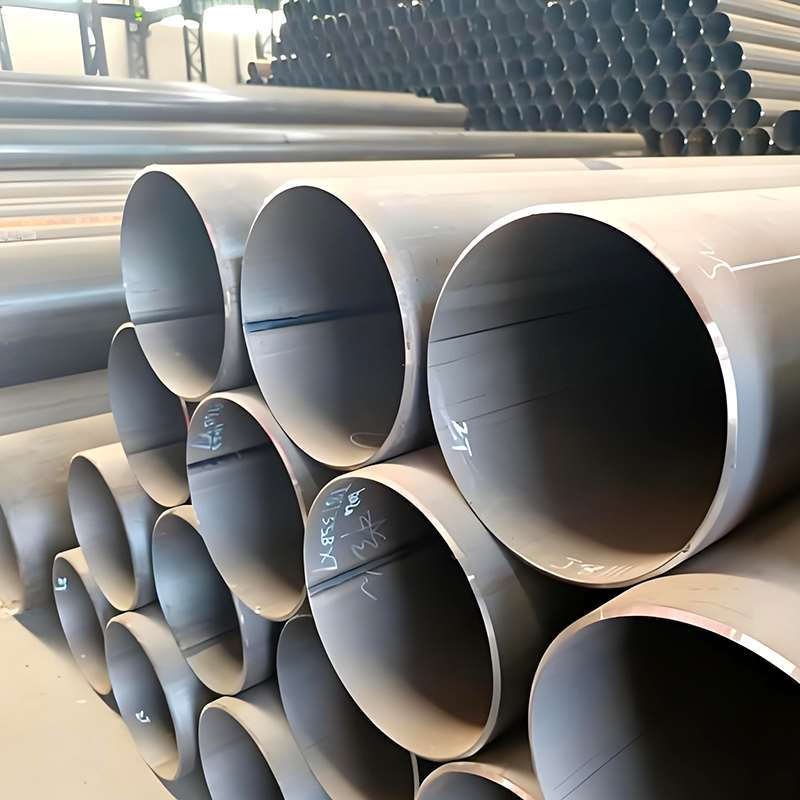
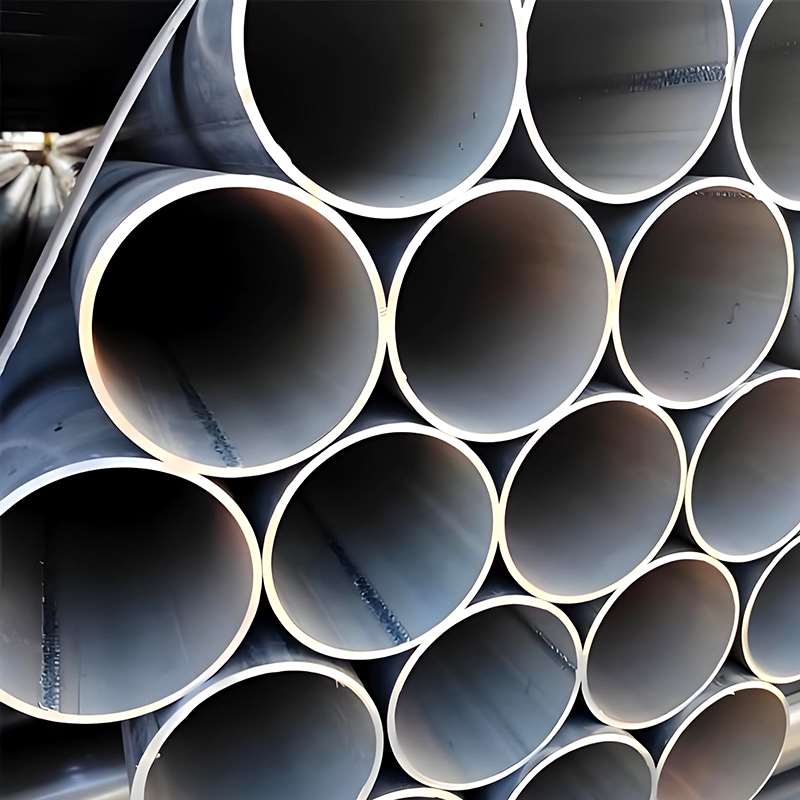
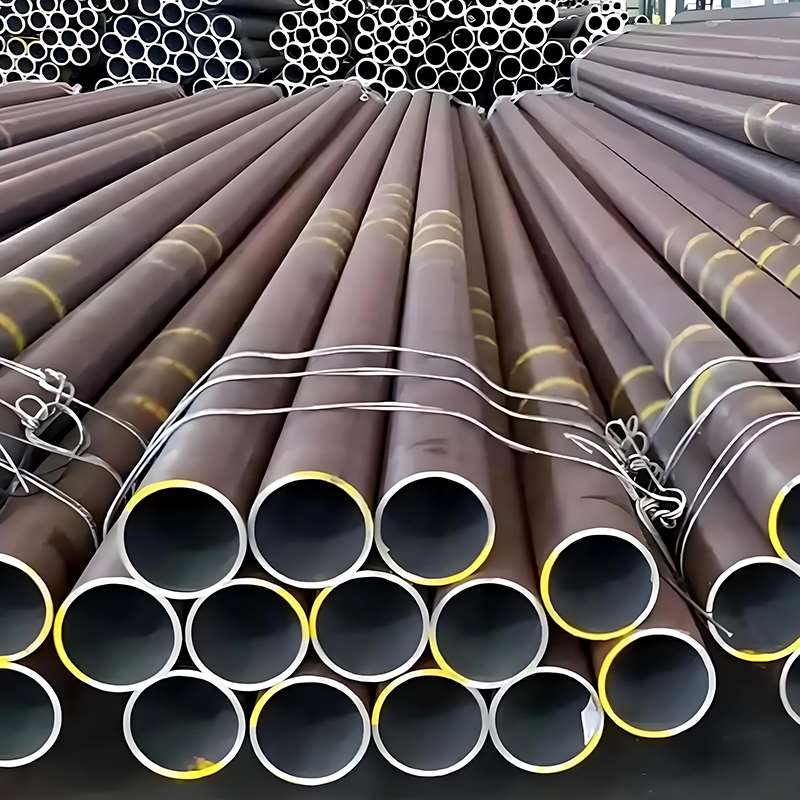
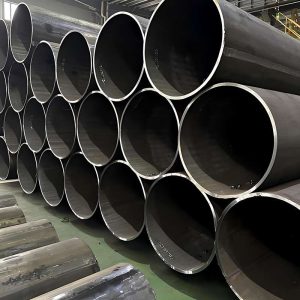
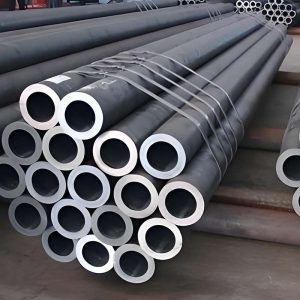
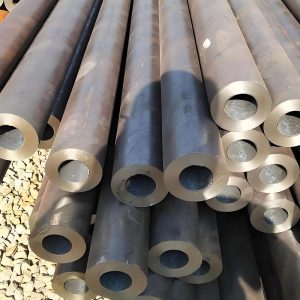
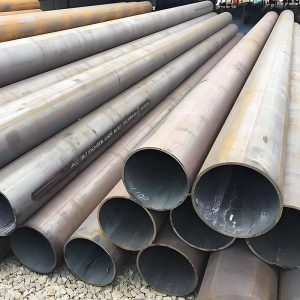
Welded Alloy Steel Pipe

OD Range :

21.3 – 610 mm

WT Range :

2.0 – 50 mm

Length :

6 – 12 m

Tolerance :

Outer diameter ±1% / Wall thickness ±0.2 mm / Length ±10 mm

Material :

P1, P5, P9, P11, P22, P91, 10CrMo910, 15CrMoG, 20G, 12Cr1MoVG

Standard :

ASTM A335, ASTM A678, GB/T 17396, EN 10216-2, EN 10219

Surface :

Acid pickling, phosphating, painting, hot-dip galvanizing, black pipe

Application :

Petrochemical industry, thermal power generation, high-temperature and high-pressure boiler tubes, chemical pipelines, pressure vessels, mechanical structural pipes

I. Overview of Welded Alloy Steel Pipes

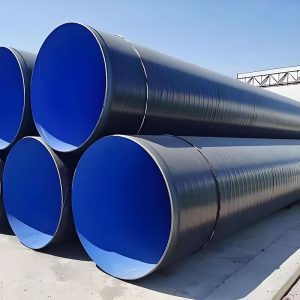
Welded alloy steel pipes refer to alloy steel pipes formed by rolling steel plates or strips through a forming unit and then welding the seams using different welding methods.
In the past, due to limitations in weld performance, the alloy pipe market was dominated by seamless pipes. However, with the advancement of modern non-destructive testing technologies (RT/UT) and heat treatment processes, welded alloy pipes are becoming increasingly widely used in large-diameter, medium-to-low pressure, and specific corrosion-resistant applications, becoming a cost-effective alternative.

II. Manufacturing Processes of Welded Alloy Steel Pipes

Based on pipe diameter and wall thickness requirements, the main processes are as follows:

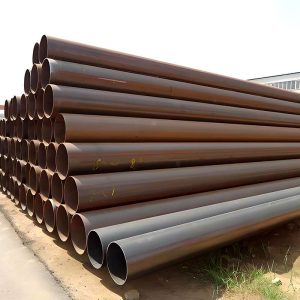
  • ERW (Electric Resistance Welding): Suitable for medium-axis small-diameter thin-walled pipes, with high production efficiency and low cost.
  • LSAW (Longitudinal Submerged Arc Welding): Suitable for large-diameter, thick-walled alloy pipes. Produced from single medium-thick plates, ensuring reliable quality.
  • EFW (Electric Fusion Welding): Commonly found in ASTM A691 standard, welded by arc heating, often used in high-temperature and high-pressure environments.
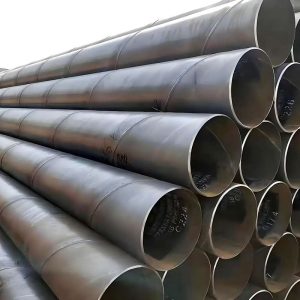
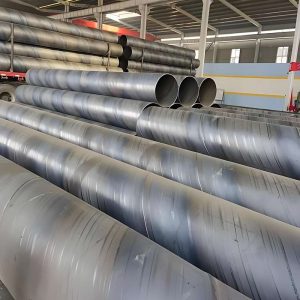
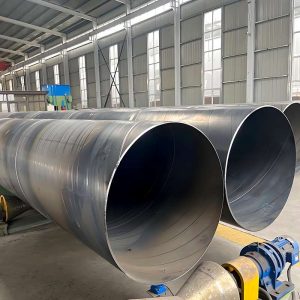
  • SSAW (Spiral Submerged Arc Welding): Primarily used for large-diameter low-pressure transportation or structural purposes, offering highly competitive pricing.

III. List of Common Steel Grades for Welded Alloy Steel Pipes

Standard SystemStandard No.Steel Grade / MaterialAlloy TypeMain Alloying ElementsTypical Application
ASTM / ASMEA6911CrLow Alloy SteelCrMedium-temperature pressure piping
ASTM / ASMEA6911.25CrCr-Mo Alloy SteelCr, MoBoiler piping, heat exchangers
ASTM / ASMEA6912.25CrCr-Mo Alloy SteelCr, MoHigh-temperature steam pipelines
ASTM / ASMEA691P111.25Cr-0.5MoCr, MoPower plant boilers
ASTM / ASMEA691P222.25Cr-1MoCr, MoRefinery high-temperature piping
ASTM / ASMEA691P919Cr-1Mo-VCr, Mo, V, NbUltra-high temperature, high-pressure applications
ASTM / ASMEA691P929Cr-0.5MoCr, Mo, W, VUltra-supercritical power units
ASTMA335P11 / P22Cr-Mo Alloy SteelCr, MoHigh-temperature pressure piping
ASTMA387Gr.11 / Gr.22Cr-Mo Alloy SteelCr, MoPressure vessels
EN10216-213CrMo4-5Cr-Mo Alloy SteelCr, MoBoilers and pressure equipment
EN10216-210CrMo9-10Cr-Mo Alloy SteelCr, MoHigh-temperature piping
EN10219S355J2HLow Alloy Structural SteelMnWelded structural pipes
EN10210S355J2HLow Alloy Structural SteelMnPressure-bearing structures
GBGB/T 531012Cr1MoVGCr-Mo Alloy SteelCr, Mo, VHigh-pressure boilers
GBGB/T 531015CrMoCr-Mo Alloy SteelCr, MoMedium-to-high temperature boilers
GBGB/T 1591Q345B / Q355BLow Alloy Structural SteelMnEngineering structures
GBGB/T 647912Cr2MoCr-Mo Alloy SteelCr, MoHigh-pressure chemical pipelines
ASTMA5194130Alloy Structural SteelCr, MoMechanical structures
ASTMA5194140Alloy Structural SteelCr, MoMechanical and hydraulic systems
EN10297E470Alloy Structural SteelMnMechanical manufacturing

V. Mechanical Properties of Commonly Used Steel Grades for Welded Alloy Steel Pipes

GradeTensile Strength Rm (MPa)Yield Strength Rp0.2 (MPa)Elongation (%)Hardness (HB)
P11≥415≥205≥30≤170
P22≥415≥205≥30≤163
P91585–760≥415≥20≤250
12Cr1MoVG440–640≥295≥20≤220
15CrMo440–640≥295≥22≤220
13CrMo4-5450–600≥290≥22≤220
42CrMo850–1000≥650≥14≤241
Q355B470–630≥355≥20

VI. Application Fields of Welded Alloy Steel Pipes

  1. Boiler and Power Plant Industry
    Superheater and reheater pipes
    Main steam lines, feedwater lines
    High-temperature and high-pressure steam systems
    Common steel grades: P11, P22, P91, P92, 12Cr1MoVG
    Features: Creep resistance, high-temperature oxidation resistance, stable long-term operation
  2. Petroleum Refining and Chemical Plants
    Heating furnace pipes
    High-temperature reactor connecting pipelines
    Cracking, hydrogenation, and desulfurization system pipelines
    Common steel grades: P22, P91, 15CrMo, 13CrMo4-5
    Features: High-temperature resistance, hydrogen corrosion resistance, thermal fatigue resistance
  3. Pressure Pipelines and Pressure Vessels
    High-pressure transmission pipelines
    Container inlet and outlet connecting pipes
    Process media transportation systems
    Common steel grades: P11, P22, 12Cr1MoVG, A387 Gr.11/22
    Features: Strong pressure bearing capacity, stable welding performance
  4. Industrial Pipelines and Energy Engineering
    Hot oil pipelines
    Industrial steam pipe networks
    Thermal energy transmission systems
    Common steel grades: P11, P22, 15CrMo
    Features: Balance of cost and performance, suitable for large-diameter welded pipes
  5. Mechanical Structures and Engineering Structures
    Heavy equipment structural pipes
    Bridge and factory steel structures
    Engineering support systems
    Common steel grades: Q355B, 42CrMo, S355J2H
    Features: High strength, wide size range, good machinability

VII. Recommendations for Selecting Welded Alloy Steel Pipes

1. Selection based on operating temperature

Temperature RangeRecommended Steel Grade
≤ 450 ℃Q355B, 15CrMo
450–550 ℃P11, 12Cr1MoVG
550–600 ℃P22, 13CrMo4-5
≥ 600 ℃P91, P92

2. Selection based on design pressure

  • Medium and low-pressure systems: P11, 15CrMo
  • High-pressure systems: P22, 12Cr1MoVG
  • Ultra-high pressure systems: P91 / P92
  • Note: For large diameter and high-pressure applications, welded pipes are more economically advantageous.

3. Selection based on media environment

  • Steam / hot oil: P11, P22
  • Hydrogen-containing media: P22, P91
  • Corrosive media: Increase Cr content or use internal corrosion protection

4. Based on welding and heat treatment requirements

Cr-Mo alloy steel usually requires PWHT (post-weld heat treatment) after welding.
High-chromium steel (P91/P92) welding materials:

  • Preheating temperature
  • Interpass temperature

require stricter control.

5. Based on cost and delivery time

  • Conventional projects: P11/P22 (high cost-effectiveness, fast delivery)
  • High-end projects: P91/P92 (performance is prioritized, higher cost)
Related Products

Specifications and dimensions of welded alloy steel pipes: a comprehensive list

Inch Outer Diameter OD (mm) Wall Thickness Range (mm, full list) Theoretical Weight Range (kg/m) OD Tolerance Wall Thickness Tolerance
0.5″ 21.34 2.11 / 2.77 / 3.73 / 4.78 1.00 – 2.27 ±1% ±12.5%
0.75″ 26.67 2.11 / 2.87 / 3.91 / 5.56 1.26 – 3.09 ±1% ±12.5%
1″ 33.40 2.77 / 3.38 / 4.55 / 6.35 2.08 – 5.44 ±1% ±12.5%
1.25″ 42.16 2.77 / 3.56 / 4.85 / 6.35 2.78 – 6.60 ±1% ±12.5%
1.5″ 48.26 2.77 / 3.68 / 5.08 / 7.14 3.26 – 7.95 ±1% ±12.5%
2″ 60.33 2.77 / 3.91 / 5.54 / 8.74 4.08 – 12.5 ±1% ±12.5%
2.5″ 73.03 3.05 / 5.16 / 7.01 / 9.53 5.44 – 15.7 ±1% ±12.5%
3″ 88.90 3.05 / 5.49 / 7.62 / 11.13 6.66 – 22.3 ±1% ±12.5%
3.5″ 101.60 3.05 / 5.74 / 8.08 / 11.13 7.67 – 27.8 ±1% ±12.5%
4″ 114.30 3.05 / 6.02 / 8.56 / 11.13 / 13.49 8.56 – 38.2 ±1% ±12.5%
5″ 141.30 3.40 / 6.55 / 9.53 / 12.70 / 15.88 11.6 – 52.5 ±1% ±12.5%
6″ 168.28 3.40 / 7.11 / 10.97 / 14.27 / 18.26 14.0 – 72.4 ±1% ±12.5%
8″ 219.08 4.78 / 8.18 / 12.70 / 15.09 / 20.62 25.0 – 108.0 ±1% ±12.5%
10″ 273.05 4.78 / 9.27 / 12.70 / 15.09 / 18.26 / 25.40 31.5 – 168.0 ±1% ±12.5%
12″ 323.85 6.35 / 9.53 / 12.70 / 15.09 / 19.05 / 25.40 48.3 – 197.0 ±1% ±12.5%
14″ 355.60 6.35 / 9.53 / 12.70 / 15.09 / 19.05 53.7 – 222.0 ±1% ±12.5%
16″ 406.40 6.35 / 9.53 / 12.70 / 16.66 / 21.44 61.6 – 270.0 ±1% ±12.5%
18″ 457.20 6.35 / 9.53 / 12.70 / 19.05 / 23.83 69.0 – 313.0 ±1% ±12.5%
20″ 508.00 6.35 / 9.53 / 12.70 / 19.05 / 25.40 77.0 – 390.0 ±1% ±12.5%
24″ 609.60 6.35 / 9.53 / 12.70 / 19.05 / 25.40 92.0 – 480.0 ±1% ±12.5%
30″ 762.00 7.92 / 9.53 / 12.70 / 19.05 / 25.40 130 – 600 ±1% ±12.5%
36″ 914.40 9.53 / 12.70 / 19.05 / 25.40 170 – 760 ±1% ±12.5%
40″ 1016.00 9.53 / 12.70 / 19.05 / 25.40 190 – 900 ±1% ±12.5%
48″ 1219.20 9.53 / 12.70 / 19.05 / 25.40 230 – 1100 ±1% ±12.5%


Standards for welding alloy steel pipes

Standard System Standard No. Standard Name Applicable Steel Grades / Alloy Types Main Application / Scope
ASTM ASTM A691 Carbon and Alloy Steel Pipe, Electric-Fusion-Welded for High-Pressure Service P11, P22, P91, P92, 1Cr, 2.25Cr High-temperature, high-pressure electric-fusion-welded alloy steel pipes (power plants, petrochemical)
ASTM ASTM A672 Electric-Fusion-Welded Steel Pipe for High-Pressure Service at Moderate Temperatures Low Alloy Steel Medium-temperature, high-pressure pressure piping
ASTM ASTM A671 Electric-Fusion-Welded Steel Pipe for Atmospheric and Lower Temperatures Low Alloy Steel Low-temperature or ambient-pressure piping
ASTM ASTM A335* Seamless Ferritic Alloy-Steel Pipe P11, P22, P91 Commonly used for verifying chemical composition and mechanical properties
ASTM ASTM A387* Pressure Vessel Steel Plates, Alloy Steel Gr.11 / Gr.22 Base material for welded pipes (from steel plates)
ASME ASME SA691 Alloy Steel Pipe, Electric-Fusion-Welded P11, P22, P91, P92 Boilers and pressure piping (ASME projects)
ASME ASME SA672 EFW Steel Pipe Low Alloy Steel ASME pressure systems
EN EN 10216-2* Seamless Steel Tubes for Pressure Purposes 13CrMo4-5, 10CrMo9-10 Reference for chemical composition and properties of European alloy steel
EN EN 10219 Cold-Formed Welded Structural Hollow Sections S355J2H Structural welded alloy steel pipes
EN EN 10217-2 Welded Steel Tubes for Pressure Purposes Cr-Mo Alloy Steel European standard pressure welded pipes
GB / China GB/T 5310 Seamless Steel Pipes for High-Pressure Boilers 12Cr1MoVG, 15CrMo Reference for performance and steel grades
GB GB/T 6479 Seamless Steel Pipes for High-Pressure Fertilizer Equipment 12Cr2Mo High-pressure chemical systems
GB GB/T 1591 Low-Alloy High-Strength Structural Steel Q345B / Q355B Structural welded pipes
Dimension Standard ASME B36.10 Welded and Seamless Wrought Steel Pipe NPS sizes Reference for OD and wall thickness
Dimension Standard ASME B36.19 Stainless Steel Pipe Schedule sizes Reference for thick-walled dimensions


Welded Alloy Steel Pipe Production Process Flow

Raw Material Inspection → Forming → Welding → Post-Weld Heat Treatment → Non-Destructive Testing → Hydrostatic Testing → Finished Product Shipment

1. Raw Material Inspection
Select alloy steel plates or strips that meet the standards, and conduct chemical composition, mechanical properties, and appearance inspections.
2. Cutting and Beveling
The steel plates are cut according to specifications, and the weld areas are beveled and surface treated after cutting.
3. Forming
Using ERW or LSAW (UOE/JCOE) processes, the steel plates are rolled into pipe blanks.
4. Welding
Inner and outer submerged arc welding or resistance welding is used, with welding materials matched to the base metal to ensure weld quality.
5. Post-Weld Heat Treatment (PWHT)
The welded pipes undergo normalizing or stress relief treatment to improve microstructure and reduce residual stress.
6. Sizing and Straightening
Adjust the roundness and straightness of the steel pipes to ensure dimensional accuracy.
7. Non-Destructive Testing (NDT)
UT/RT/MT/PT testing is performed on the welds to ensure there are no internal or surface defects.
8. Hydrostatic Testing
The finished pipes undergo hydrostatic testing to verify pressure resistance.
9. Finished Product Inspection and Packaging
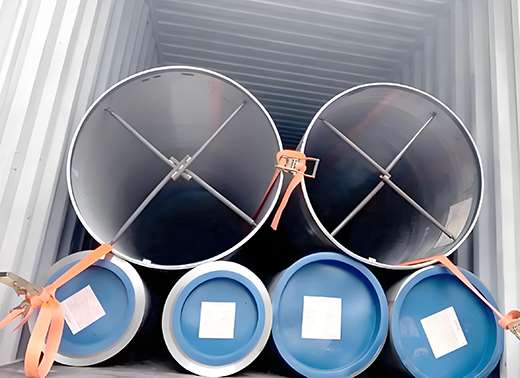
Inspect dimensions, appearance, and markings. After passing inspection, the products are rust-proof packaged and shipped.


Inspection Standards Table for Welded Alloy Steel Pipes

Inspection Item Purpose Common Methods Standard Reference
Chemical Composition Ensure steel composition meets standards Spectral analysis (OES / ICP) ASTM A691 / GB/T 5310 / EN 10216-2
Mechanical Properties Verify strength, plasticity, and toughness Tensile test, impact test, hardness test ASTM A691 / ASME SA691 / GB/T 5310
Dimensions & Appearance Check outer diameter, wall thickness, length, and surface defects Dimensional measurement, visual inspection, gauges ASME B36.10 / B36.19 / GB/T 8162 / GB/T 8163
Weld Defects Ensure welds are free of cracks and inclusions Radiographic testing (RT), ultrasonic testing (UT), magnetic particle (MT), dye penetrant (PT) ASTM / ASME / EN / GB standards
Pressure Performance Verify pipe pressure resistance Hydrostatic test / pneumatic test ASTM A691 / ASME SA691 / GB/T 5310
Marking & Packaging Ensure traceability and safe transport Visual inspection, marking, protective packaging ASTM / ASME / GB / Customer requirements


Large-diameter seamless carbon steel pipe API 5L X52 Line Pipe Transportation

Common FAQs about Welded Alloy Steel Pipes

Q1: What are the commonly used steel grades for welded alloy steel pipes?

A:
Commonly used steel grades include P11, P22, P91, P92, 12Cr1MoVG, 15CrMo, 13CrMo4-5, etc. Different steel grades are suitable for different temperature, pressure, and media environments.

Q2: What applications are welded alloy steel pipes suitable for?

A:
They can be used in boilers, high-temperature and high-pressure steam pipelines, chemical and petrochemical pipelines, pressure vessel connecting pipes, thermal transport systems, and structural support pipes, etc.

Q3: What are the differences between welded alloy steel pipes and seamless alloy steel pipes?

A:
Welded pipes have lower costs and can be produced in large diameters; seamless pipes have slightly higher compressive strength and are suitable for extremely high pressure or special working conditions. The choice depends on temperature, pressure, and economic considerations.

Q4: Does welding alloy steel pipes require post-weld heat treatment?

Answer:
Cr-Mo alloy steels used for high-temperature and high-pressure applications (such as P22 and P91) usually require post-weld heat treatment (PWHT) to eliminate welding residual stress and ensure creep resistance and high-temperature performance.

Q5: What are the inspection standards for welded alloy steel pipes?

Answer:
Chemical composition, mechanical properties, dimensions, weld defects, and pressure resistance performance should be inspected according to standards such as ASTM A691 / ASME SA691 / GB/T 5310 / EN 10216-2, including UT, RT, MT, PT, and hydrostatic testing.

Q6: How to select the specifications and wall thickness of welded alloy steel pipes?

Answer:
The steel grade and wall thickness should be selected based on the design temperature, pressure, pipe diameter, and media characteristics. Common references:
Medium temperature and pressure: P11 / 15CrMo
High temperature and pressure: P22 / 12Cr1MoVG
Ultra-high temperature and pressure: P91 / P92