Products

Related News

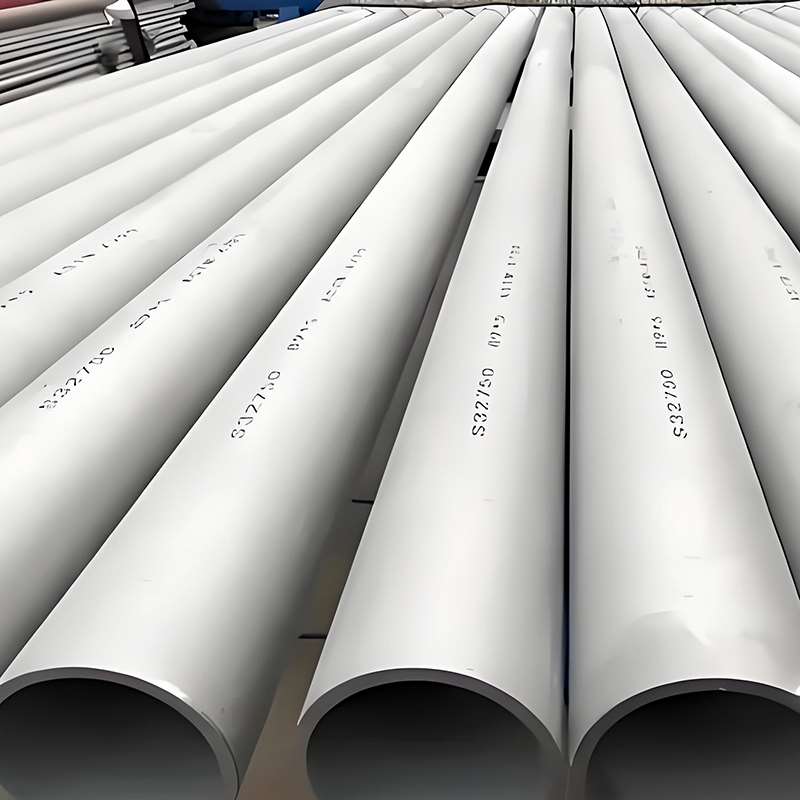
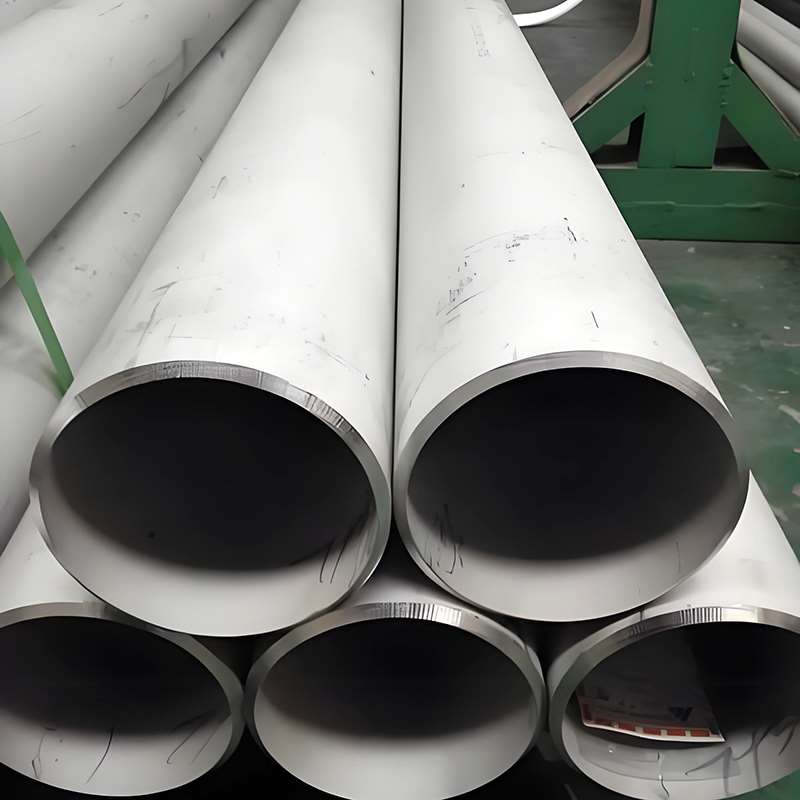
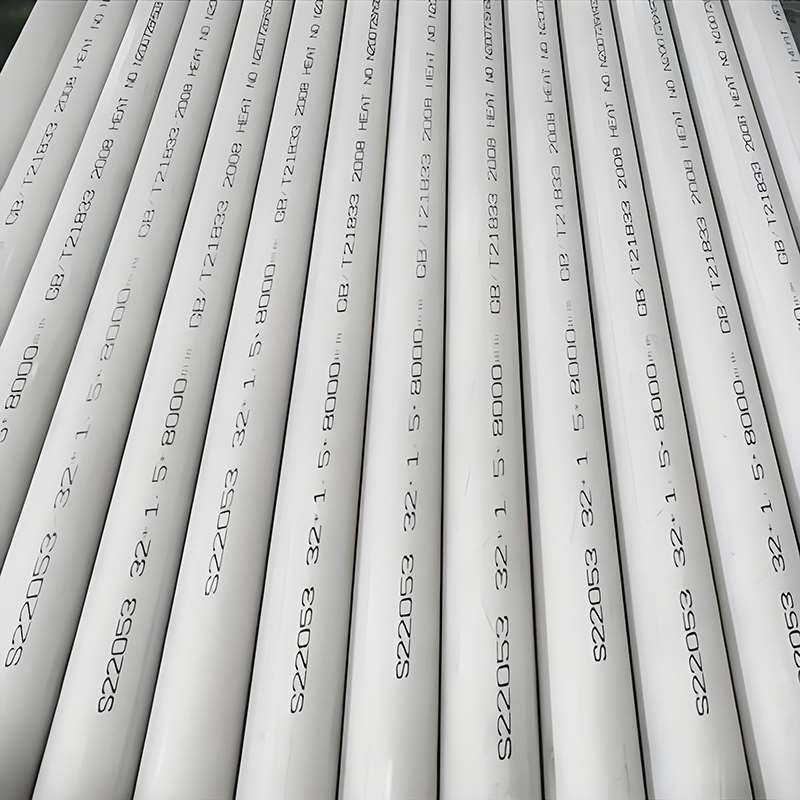
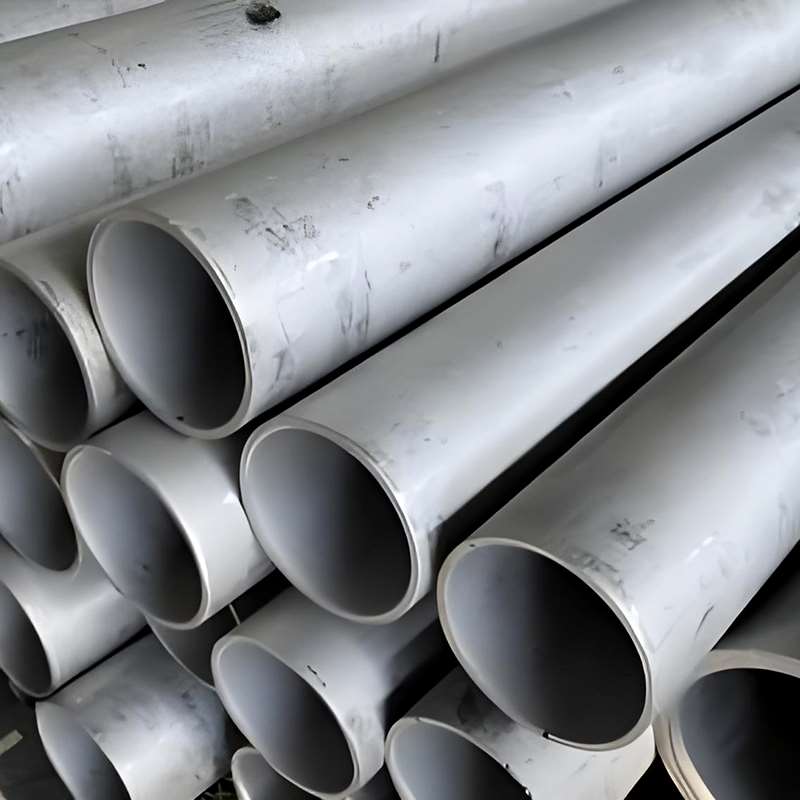
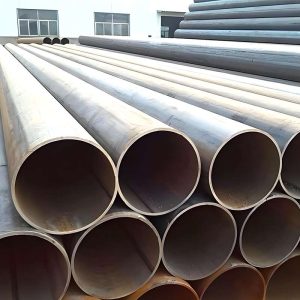
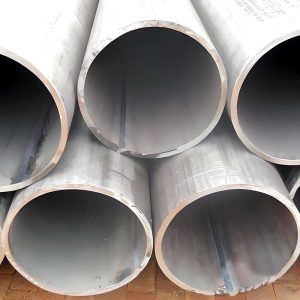
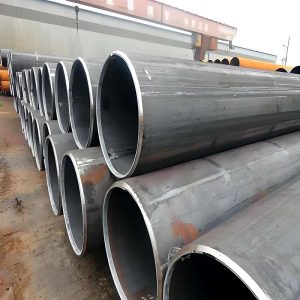
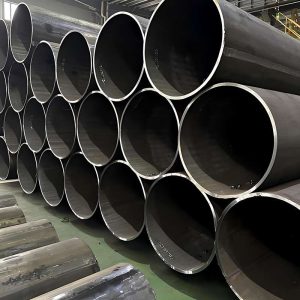
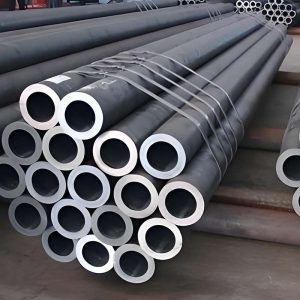
Super Duplex Stainless Steel Pipe

OD Range :

12.7 – 508 mm(Common sizes: 21.3, 26.9, 33.7, 48.3, 60.3, 76.1, 89, 114.3, 168.3, 219.1, 273, 323.9, 355.6, 406.4, 457, 508 mm)

WT Range :

1.2 – 25 mm

Length :

5.8 – 12 m

Tolerance :

Outer diameter ±1% / Wall thickness ±10% / Length ±50 mm

Material :

UNS S32750 / S32760,Super Duplex

Standard :

ASTM A789 / A790, ASME SA789 / SA790, EN 10216-5, GB/T 2513-2008

Surface :

Polishing, acid pickling and passivation, sandblasting, heat treatment followed by a bright or matte finish.

Application :

Petrochemicals, seawater treatment, shipbuilding, chemical industry, petrochemical pipelines, pipelines in highly corrosive environments.

I. Overview of Super Duplex Stainless Steel Pipes

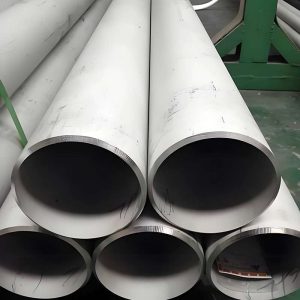
Super Duplex stainless steel pipes are high-performance duplex stainless steel pipes that combine the advantages of both austenitic and ferritic stainless steels, possessing both extremely high strength and excellent corrosion resistance.
This pipe material is particularly suitable for the transportation of seawater, acid and alkaline solutions, and chemical media, and is resistant to pitting corrosion, crevice corrosion, and stress corrosion cracking.
Super Duplex stainless steel pipes are widely used in petrochemicals, seawater desalination, shipbuilding, the chemical industry, and pipelines in highly corrosive environments, making them an ideal choice for high-end industrial pipelines and special application pipelines.

II. Chemical Composition and Mechanical Properties of Super Duplex Stainless Steel Tubes

i. Chemical Composition Table (%)

Steel gradeCCrNiMoNMn
S32750≤0.0324–266–83–50.24–0.32≤1.2
S32760≤0.0325–267–93–50.24–0.32≤1.2

ii. Mechanical Properties Table

Steel GradeYield Strength ReH (MPa)Tensile Strength Rm (MPa)Elongation A (%)Hardness HB
S32750≥ 550800–900≥ 25250–280
S32760≥ 600850–1000≥ 25280–310

III. Common Steel Grades and Differences of Super Duplex Stainless Steel Pipes

i. Common Steel Grades

Steel GradeUNS NumberAbbreviationFeatures
S32750UNS S3275025Cr-7Ni-3MoStandard Super Duplex steel, good corrosion resistance, high strength, suitable for seawater and chemical pipelines
S32760UNS S3276025Cr-7Ni-4MoHigh nickel, high chromium, high molybdenum duplex steel, superior resistance to chloride stress corrosion, suitable for harsh environments
S32906UNS S32906Lean DuplexLow nickel, low molybdenum super duplex steel, lower cost, suitable for general chemical and seawater applications
S32520UNS S32520Lean DuplexLower alloy content, slightly lower corrosion resistance, suitable for moderate corrosion environments, more economical

ii. Main Differences Between Steel Grades

  1. Corrosion Resistance
    S32760 > S32750 > S32906/S32520
    S32760 has a higher molybdenum content and is most resistant to chloride corrosion and stress corrosion cracking.
  2. Mechanical Strength
    S32760 has slightly higher strength, followed by S32750, while Lean Duplex steel has slightly lower strength.
    High strength is suitable for high-pressure, high-temperature pipeline applications.
  3. Alloy Cost
    High-nickel, high-molybdenum steel (S32760) has the highest cost.
    Lean Duplex steel (S32906/S32520) has a lower cost and is more economical.
  4. Application Environment
    S32760: High-chloride, highly corrosive environments, such as offshore oil and gas platforms and seawater desalination.
    S32750: General seawater and chemical pipelines.
    Lean Duplex: Medium to low corrosive environments, chemical plants, freshwater transportation.
  5. Applicable Standards
    ASTM A789 / A790, ASME SA789 / SA790, EN 10216-5, GB/T 2513
    Different steel grades have corresponding chemical composition and mechanical property requirements in the standards.

IV. Applications of Super Duplex Stainless Steel Pipes

  1. Oil and Gas Industry
    Offshore oil and gas platforms, subsea pipelines
    High-pressure oil and gas transmission pipelines
    Resistant to chloride stress corrosion cracking and seawater corrosion
  2. Chemical and Petrochemical Industry
    Pipelines for conveying acidic, alkaline liquids, brine, and corrosive chemicals
    Reactor and heat exchanger connecting pipes
    Piping systems in high-temperature, highly corrosive environments
  3. Seawater Desalination and Water Treatment
    Seawater intake pipelines, desalination plant pipelines
    Cooling water circulation pipelines
    Resistant to seawater corrosion, extending service life
  4. Shipbuilding and Marine Engineering
    Ship deck pipelines, internal piping systems
    Offshore platforms, floating device pipelines
    High strength and excellent corrosion resistance
  5. Energy and Power Generation Industry
    Thermal power and nuclear power plant cooling water pipelines
    High-temperature and high-pressure steam pipelines
    Suitable for harsh operating conditions, improving safety
  6. Other High-Corrosion Environments
    Chemical plants, seaport facilities
    Industrial wastewater transmission pipelines
    Scenarios requiring both high strength and corrosion resistance

V. Super Duplex Stainless Steel Pipe Selection Guide

  1. Selecting the Steel Grade Based on the Working Medium
    S32750: Suitable for seawater, desalinated water, and general chemical liquid transportation.
    S32760: Suitable for more demanding chemical media and high-concentration chloride environments.
    Note: For conditions with high chloride content or a risk of stress corrosion cracking, S32760 is the preferred choice.
  2. Selecting Wall Thickness Based on Working Pressure and Temperature
    High-pressure pipelines: Choose thicker-walled pipes to increase the safety factor.
    High-temperature conditions: Pay attention to thermal expansion and strength changes, and select a steel grade and wall thickness that meet the temperature requirements.
    It is recommended to refer to the ASTM A789 / ASME SA789 standard wall thickness table for selection.
  3. Determining Flow Rate and Installation Method Based on Pipe Diameter
    Larger outer diameter results in lower pressure loss per unit flow rate.
    When selecting the appropriate pipe diameter, consider flow rate, pressure, installation space, and the number of elbows.
  4. Surface Treatment and Corrosion Protection Requirements
    Seawater and highly corrosive environments: Acid pickling and passivation or polished surface to improve corrosion resistance.
    Chemical and high-temperature steam pipelines: Sandblasted or bright surface can be chosen for easier cleaning and maintenance.
  5. Standards and Certification Requirements
    Confirm that the pipe material complies with ASTM A789 / A790, ASME SA789 / SA790, EN 10216-5, GB/T 2513, etc.
    For critical engineering pipelines, prioritize products with certifications and test reports.
  6. Construction and Maintenance Considerations
    Welding can be performed using TIG, MIG, butt welding, etc., and passivation treatment is required after welding.
    When bending pipes, control the cold bending or hot bending radius to avoid local stress concentration leading to cracking.
Related Products

Super Duplex Stainless Steel Pipe Specifications and Dimensions Table

Inch Outer Diameter (mm) Wall Thickness (mm) Theoretical Weight (kg/m) Tolerance
1/2″ 21.3 1.2, 1.5, 2.0, 2.5, 3.0, 3.25, 4.0, 4.5, 5.0, 5.56, 6.0 1.68 – 5.34 OD ±1% / Wall ±10% / Length ±50 mm
3/4″ 26.9 1.5, 2.0, 2.5, 3.0, 3.25, 4.0, 4.5, 5.0, 5.56, 6.0, 6.35 2.21 – 6.92 OD ±1% / Wall ±10% / Length ±50 mm
1″ 33.7 2.0, 2.5, 3.0, 3.25, 4.0, 4.5, 5.0, 5.56, 6.0, 6.35, 7.0, 7.11, 8.0 2.89 – 9.84 OD ±1% / Wall ±10% / Length ±50 mm
1 1/4″ 42.4 2.5, 3.0, 3.25, 4.0, 4.5, 5.0, 5.56, 6.0, 6.35, 7.0, 7.11, 8.0, 9.0 4.03 – 14.6 OD ±1% / Wall ±10% / Length ±50 mm
1 1/2″ 48.3 2.5, 3.0, 3.25, 4.0, 4.5, 5.0, 5.56, 6.0, 6.35, 7.0, 7.11, 8.0, 9.0, 10.0 4.61 – 17.4 OD ±1% / Wall ±10% / Length ±50 mm
2″ 60.3 2.5, 3.0, 3.25, 4.0, 4.5, 5.0, 5.56, 6.0, 6.35, 7.0, 7.11, 8.0, 9.0, 10.0, 11.0, 12.0 5.83 – 22.1 OD ±1% / Wall ±10% / Length ±50 mm
2 1/2″ 76.1 3.0, 3.25, 4.0, 4.5, 5.0, 5.56, 6.0, 6.35, 7.0, 7.11, 8.0, 9.0, 10.0, 11.0, 12.0, 14.0 7.38 – 31.7 OD ±1% / Wall ±10% / Length ±50 mm
3″ 88.9 3.25, 4.0, 4.5, 5.0, 5.56, 6.0, 6.35, 7.0, 7.11, 8.0, 9.0, 10.0, 11.0, 12.0, 14.0, 16.0 8.57 – 42.9 OD ±1% / Wall ±10% / Length ±50 mm
4″ 114.3 3.25, 4.0, 4.5, 5.0, 5.56, 6.0, 6.35, 7.0, 7.11, 8.0, 9.0, 10.0, 11.0, 12.0, 14.0, 16.0, 18.0 11.1 – 61.5 OD ±1% / Wall ±10% / Length ±50 mm
6″ 168.3 4.0, 4.5, 5.0, 5.56, 6.0, 6.35, 7.0, 7.11, 8.0, 9.0, 10.0, 11.0, 12.0, 14.0, 16.0, 18.0, 20.0 17.6 – 106 OD ±1% / Wall ±10% / Length ±50 mm
8″ 219.1 5.0, 5.56, 6.0, 6.35, 7.0, 7.11, 8.0, 9.0, 10.0, 11.0, 12.0, 14.0, 16.0, 18.0, 20.0, 22.0 26.2 – 161 OD ±1% / Wall ±10% / Length ±50 mm
10″ 273 6.0, 6.35, 7.0, 7.11, 8.0, 9.0, 10.0, 11.0, 12.0, 14.0, 16.0, 18.0, 20.0, 22.0, 25.0 36.5 – 236 OD ±1% / Wall ±10% / Length ±50 mm
12″ 323.9 6.35, 7.0, 7.11, 8.0, 9.0, 10.0, 11.0, 12.0, 14.0, 16.0, 18.0, 20.0, 22.0, 25.0, 28.0 47.7 – 307 OD ±1% / Wall ±10% / Length ±50 mm
14″ 355.6 7.0, 7.11, 8.0, 9.0, 10.0, 11.0, 12.0, 14.0, 16.0, 18.0, 20.0, 22.0, 25.0, 28.0, 30.0 53.9 – 377 OD ±1% / Wall ±10% / Length ±50 mm
16″ 406.4 8.0, 9.0, 10.0, 11.0, 12.0, 14.0, 16.0, 18.0, 20.0, 22.0, 25.0, 28.0, 30.0, 32.0 67.4 – 484 OD ±1% / Wall ±10% / Length ±50 mm
18″ 457 8.0, 9.0, 10.0, 11.0, 12.0, 14.0, 16.0, 18.0, 20.0, 22.0, 25.0, 28.0, 30.0, 32.0 81.7 – 603 OD ±1% / Wall ±10% / Length ±50 mm
20″ 508 10.0, 11.0, 12.0, 14.0, 16.0, 18.0, 20.0, 22.0, 25.0, 28.0, 30.0, 32.0, 35.0 102 – 758 OD ±1% / Wall ±10% / Length ±50 mm


Super duplex stainless steel pipe standards

Standard Type Standard Number Scope / Description
International Standard ASTM A789 / A790 Austenitic-ferritic (duplex) stainless steel seamless and welded pipes; specifies chemical composition, mechanical properties, dimensions, tolerances, and heat treatment; suitable for highly corrosive piping
International Standard ASME SA789 / SA790 Equivalent to ASTM A789 / A790; applicable to ASME piping systems and boiler pressure piping
European Standard EN 10216-5 Steel seamless pipes for pressure purposes made of austenitic-ferritic stainless steel; specifies chemical composition, mechanical properties, and dimensional tolerances
Chinese National Standard GB/T 2513-2008 Austenitic-ferritic stainless steel pipes; suitable for chemical, seawater, petroleum, and other corrosive environments; specifies chemical composition, mechanical properties, dimensions, and tolerances
International Standard ISO 17781 Austenitic-ferritic (duplex) stainless steel pipes; suitable for pressure applications and corrosion-resistant environments


Super Duplex Stainless Steel Pipe Production Process

Steel billet preparation → Heating and hot rolling → Cold/hot rolling and finishing → Welding → Solution treatment → Pickling and passivation → Size cutting and inspection → Packaging and shipment

Step Brief Description
Billet Preparation Select high-quality duplex stainless steel billets and check chemical composition
Heating & Hot Rolling Heat billets to high temperature and roll into pipe billets, forming initial outer diameter and wall thickness
Cold/Hot Finishing Adjust dimensional accuracy and improve surface quality
Welding TIG/MIG welding for pipes (if welded); post-weld heat treatment and passivation
Solution Treatment High-temperature heating followed by rapid water quenching to optimize austenite/ferrite ratio, improving strength and corrosion resistance
Pickling & Passivation Remove oxide scale and impurities, forming a dense passive layer
Cutting & Inspection Cut to customer-specified lengths; inspect dimensions, wall thickness, mechanical properties, and chemical composition
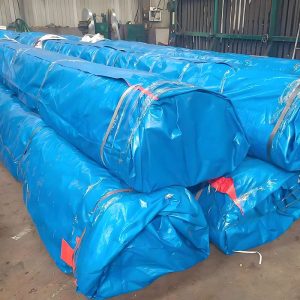
Packaging & Dispatch Protective packaging; include material certificate and inspection report, ready for shipment


Testing Standards for Super Duplex Stainless Steel Pipes

Inspection Item Purpose / Description
Chemical Composition Test Verify that elements such as C, Cr, Ni, Mo, N meet the steel grade requirements (S32750 / S32760), ensuring corrosion resistance and mechanical properties
Yield Strength & Tensile Strength Measure maximum stress and yield point under tension to ensure pipe strength meets design pressure requirements
Elongation Measure material elongation after fracture, reflecting pipe ductility and toughness, preventing brittle failure
Hardness Test Brinell or Rockwell hardness test to confirm strength and wear resistance, ensuring processing and service performance
Non-Destructive Testing (UT / PT / MT) Ultrasonic, magnetic particle, or dye penetrant testing of welds and pipe body to ensure no internal cracks, porosity, or inclusions
Dimensional & Tolerance Check Verify outer diameter, wall thickness, and length comply with standard tolerances, ensuring proper installation and flow requirements
Surface Quality Inspection Check for oxide scale, scratches, dents, or corrosion spots to ensure corrosion resistance and aesthetic quality
Bend & Flattening Test Verify that pipes do not crack during on-site bending or flattening, ensuring construction safety
Chloride Pitting / Crevice Corrosion Test (Optional) Simulate seawater or corrosive environments to verify pipe resistance to chloride corrosion, especially for marine and chemical projects


Super Duplex Stainless Steel Pipe for Industrial Applications

Super Duplex Stainless Steel Pipe Selection FAQ

Q1: What types of media are suitable for super duplex stainless steel pipes?

A:
Suitable for seawater, desalinated water, chloride environments, highly corrosive chemical liquids, petrochemical media, and high-temperature steam pipelines. The S32760 grade is suitable for harsh environments with high chloride concentrations or high risk of stress corrosion cracking.

Q2: How to select the pipe wall thickness based on working pressure and temperature?

A:
Thick-walled pipes should be selected for high-pressure pipelines to ensure a safety factor; for high-temperature pipelines, the mechanical properties and thermal expansion characteristics of the steel grade should be considered. It is recommended to refer to the standard wall thickness table in ASTM A789 / ASME SA789 for selection.

Q3: What are the differences between S32750 and S32760?

A:
S32760 has slightly higher nickel and molybdenum content, offering better corrosion resistance and resistance to chloride stress corrosion cracking, making it suitable for harsh environments; S32750 is suitable for general seawater and chemical media, and is slightly less expensive.

Q4: What surface treatment options are available for the tubing?

Answer:
Options include pickling and passivation, polishing, matte finish, or sandblasting. For seawater and highly corrosive environments, pickling and passivation or polishing are recommended to improve corrosion resistance and service life.

Q5: What are the welding properties of the tubing? What welding methods can be used?

Answer:
TIG, MIG, or butt welding can be used. Post-weld heat treatment and passivation are recommended to ensure weld strength and corrosion resistance. The austenite/ferrite ratio should be controlled during welding to prevent stress corrosion cracking.

Q6: What standards and certifications should be considered when purchasing tubing?

Answer:
Confirm compliance with ASTM A789/A790, ASME SA789/SA790, EN 10216-5, or GB/T 2513 standards. For critical applications, it is best to choose products with material certificates, mechanical property reports, and chemical composition test reports.