Products

Related News

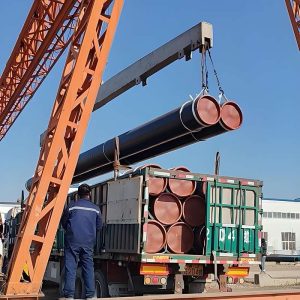
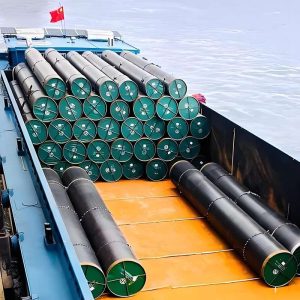
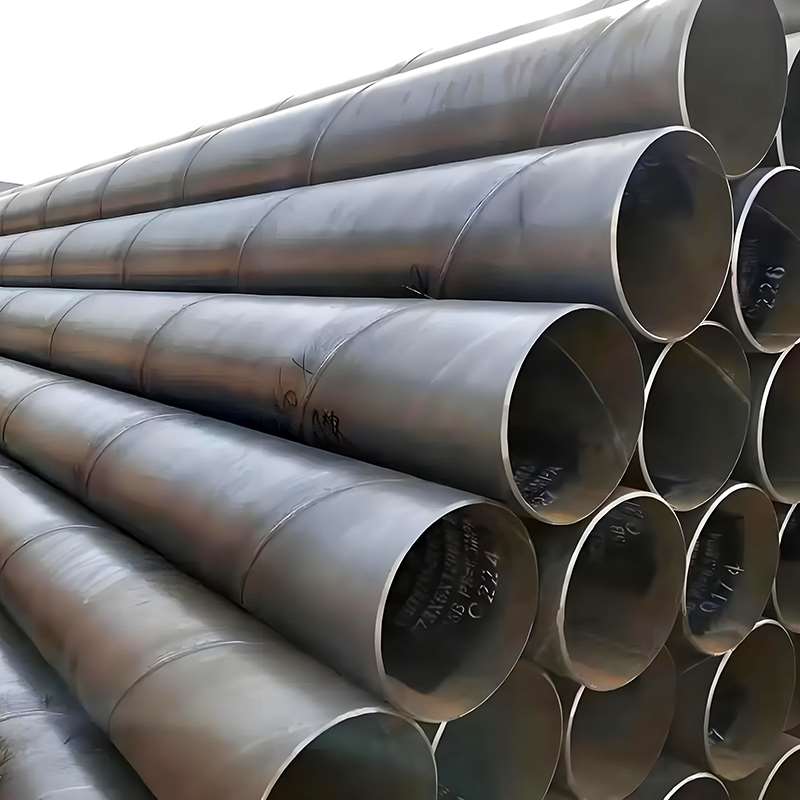
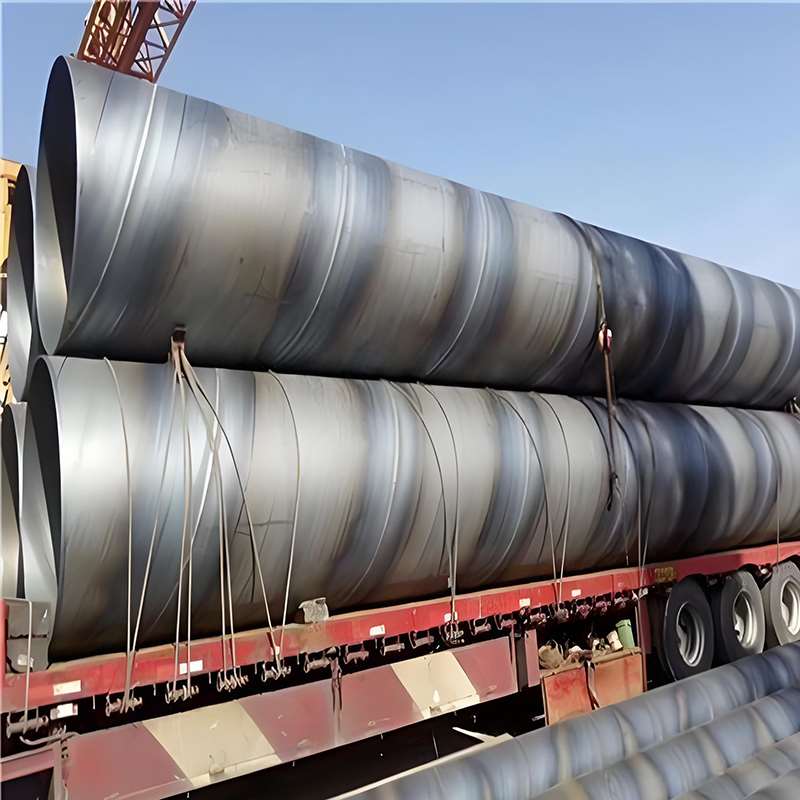
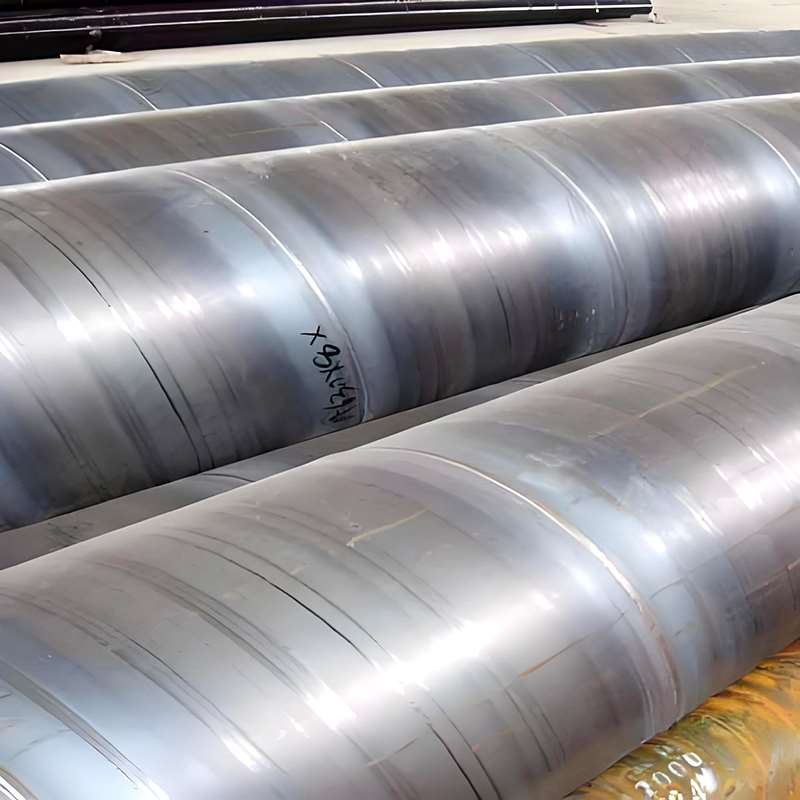
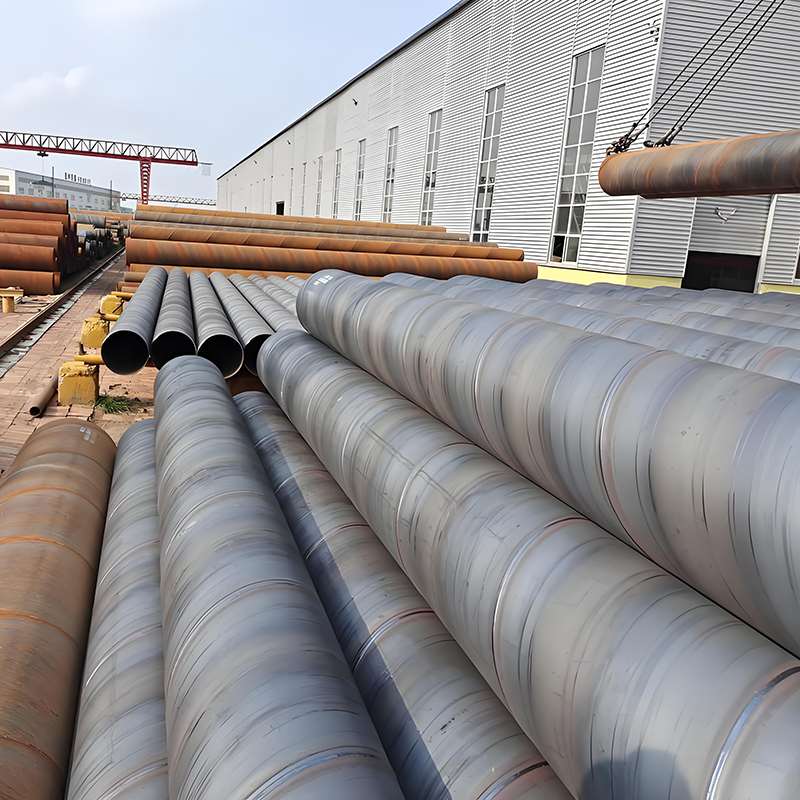
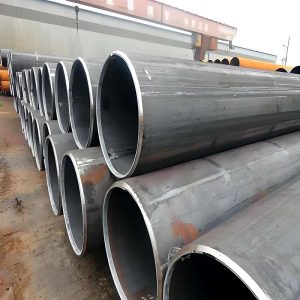
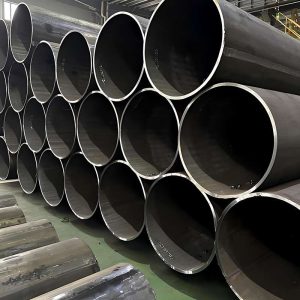
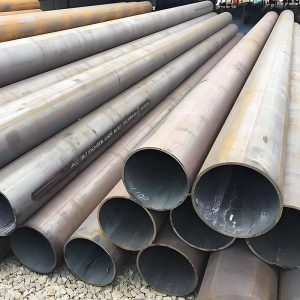
SSAW Steel Pipe for Piling

OD Range :

219 mm – 1219 mm(8.625” – 48”)

WT Range :

6 mm – 25 mm(0.236” – 0.984”)

Length :

6 m / 12 m

Tolerance :

Outer diameter ±1–2%, wall thickness ±1–2%, length ±50 mm, ellipticity ≤1%, straightness ≤0.5%.

Material :

X42 / X52 / X60 / X65 / X70

Standard :

ASTM A252 / GB/T 9711.1 / EN 10217-2

Surface :

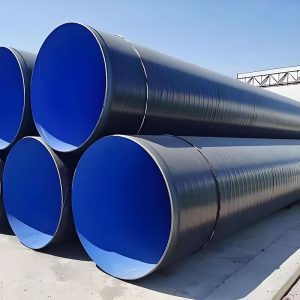
External corrosion protection: 3PE / FBE / black paint; Internal corrosion protection options include epoxy coating or polyurethane lining.

Application :

Bridge foundations, port terminals, deep foundation pit support, retaining walls, building foundations and marine pile foundation engineering

I. Overview of Spiral Submerged Arc Welded Steel Pipes for Pile Driving

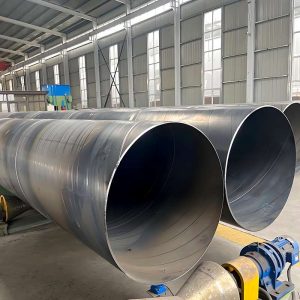
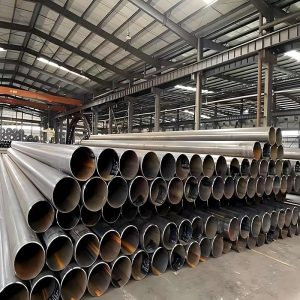
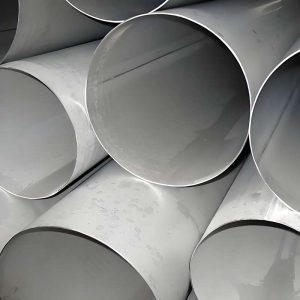
Spiral submerged arc welded steel pipes for pile driving are high-strength steel pipes specifically designed for foundation load-bearing and pile foundation construction.
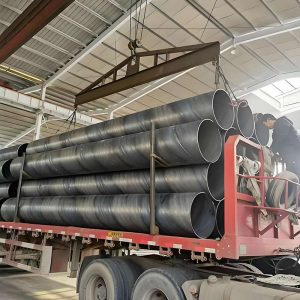
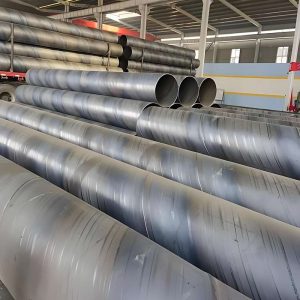
The product utilizes spiral submerged arc welding (SSAW) technology, resulting in a continuous, smooth weld with high strength, suitable for projects such as bridges, docks, ports, deep foundation pits, retaining walls, and building foundations.
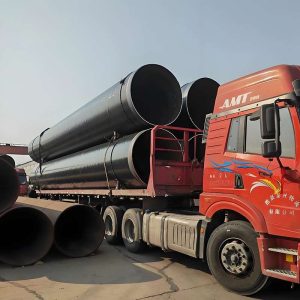
The pipes support large diameter and long length customization and can be equipped with various anti-corrosion treatments to ensure long-term reliability.

II. Application Scenarios

Bridge Foundation Engineering: Load-bearing pile foundations and supporting structures.
Port and Offshore Engineering: Used for wharf pile foundations and offshore platform support.
Deep Foundation Pit Support: Supporting construction pit walls and retaining walls.
Building Foundation Engineering: Used for industrial, commercial, and residential building foundations.
Industrial Structures: Supporting large machinery, pipe gallery supports, and structural piles.

III. Steel Grade and Mechanical Properties

Steel GradeYield Strength (MPa)Tensile Strength (MPa)Elongation (%)Applicable Pressure / Project Type
X42290415–535≥25Medium to low pressure, general pile foundations
X52355450–570≥22Medium to high-pressure piles, bridge foundations
X60415485–620≥20High-pressure piles, deep foundation pit support
X65450510–650≥18High-pressure load-bearing piles, port wharves
X70485550–700≥16Ultra-high pressure, critical foundation projects

PSL1 / PSL2 Difference:
PSL1 → General engineering use, suitable for water or industrial pipeline piles.
PSL2 → High-standard pipeline, with strict control over welds and chemical composition, suitable for high-bearing-capacity pile foundations and critical engineering projects.

IV. Steel Grade Selection Recommendations

GeGeneral Buildings and Lightweight Pile Foundations
X42/X52 is sufficient for low to medium pressure, shallow foundation pits, or lightweight wharf piles.

Medium to High Bearing Capacity Pile Foundations or Deep Foundation Pit Support
X60/X65 is more suitable for medium to large bridge foundations, port wharves, or deep foundation pit support, capable of withstanding higher levels of construction pressure.

Critical Foundations or High-Pressure/Deep-Water Projects
X70 steel grade provides ultra-high yield strength and tensile strength, suitable for offshore platform piles, deep-water wharf piles, or large bridge load-bearing piles, ensuring construction safety and long-term stability.

Note: In high-pressure or deep-water construction environments, steel grade selection should comprehensively consider bearing capacity requirements, pile depth, water pressure, and construction conditions. It is recommended to choose X60 or higher steel grades, and to use PSL2 grade steel to ensure material consistency and a safety factor.
Related Products

Outside Diameter (mm) Wall Thickness (mm) Standard Length (m) Theoretical Weight (kg/m) Applicable Description
219 6–16 6 / 12 28–72 Small pile foundations, light load-bearing
273 6–20 6 / 12 41–112 Small to medium foundation projects
325 8–22 6 / 12 64–150 Port and bridge foundation piles
377 8–25 6 / 12 86–180 Deep foundation pits, load-bearing piles
426 10–25 6 / 12 110–210 Heavy load-bearing piles, bridges
478 10–25 6 / 12 132–250 Port wharf piles, deep foundation pits
530 12–25 6 / 12 160–300 High load-bearing engineering piles
630 12–25 6 / 12 200–370 Bridge and offshore wharf piles
720 12–25 6 / 12 250–450 Large-scale foundation projects
820 12–25 6 / 12 300–540 Ultra-high load-bearing piles
920 12–25 6 / 12 350–630 Special high-strength load-bearing piles
1020 12–25 6 / 12 400–700 Large port wharves and bridges
1219 12–25 6 / 12 500–900 Extra-large pile foundation projects
Standard Name Country / Region Applicable Scope Key Requirements
ASTM A252 USA Steel Pipe Piles Steel grade, wall thickness, weld quality, yield and tensile strength; suitable for ports, bridges, and building foundation piles
GB/T 9711.1 China Submerged Arc Welded (SAW/SSAW) Pipeline Steel Steel grade, outside diameter, wall thickness tolerance, weld mechanical properties, chemical composition, and surface quality
EN 10217-2 Europe Welded Steel Pipes Steel grade, dimensional tolerance, weld strength, impact toughness, and mechanical properties
API 5L (Optional) International Pipeline Steel Pipes High-strength low-alloy steel grade, dimensions, mechanical properties; suitable for load-bearing pile projects
MSS SP-97 International Spiral Welded Steel Pipe Structural Components Steel weld and mechanical property requirements; used for pile foundations and structural support

Notes:

1. ASTM A252
Commonly used in engineering projects in the United States and North America.
It specifies clear requirements for the steel grade, weld strength, yield strength, and tensile strength of pipe piles.

2. GB/T 9711.1
A commonly used standard in China, applicable to submerged arc welded pipe piles.
It covers the chemical composition of steel, weld quality, dimensional tolerances, and mechanical properties.

3. EN 10217-2
Adopted in Europe and some international engineering projects.
It provides detailed requirements for the dimensional accuracy of pipes and the mechanical properties of welds.

4. API 5L
Primarily used for long-distance pipeline projects, but some high-strength pipe piles may also refer to the steel grade and PSL1/PSL2 management system.

5. MSS SP-97
Specifically addresses the welding and mechanical property requirements for spiral welded steel pipes and steel pipe piles for structural use, commonly used in port and bridge pile foundations.


Steel strip preparation → Forming → Spiral welding → Dimensional correction → Heat treatment (optional) → Inspection → Corrosion protection treatment → End processing

Inspection Item Inspection Content Inspection Method / Standard Requirement Engineering Significance
Visual Inspection Pipe surface smooth, free of cracks, zinc lumps, scratches, or porosity Visual inspection, in accordance with ASTM A252 / GB/T 9711.1 / EN 10217-2 Ensures pipe quality for pile foundation construction and prevents corrosion initiation
Dimensional Inspection Outside diameter, wall thickness, length, ovality, straightness OD and WT tolerance ±1–2%, length ±50 mm, ovality ≤1%, straightness ≤0.5% Ensures pile foundation design dimensions match construction, guaranteeing load-bearing capacity
Chemical Composition Test Elements such as C, Mn, Si, P, S Spectrometric or chemical analysis, meeting steel grade requirements Ensures steel mechanical and welding properties comply with standards
Mechanical Property Test Yield strength, tensile strength, elongation, impact toughness Tensile test, impact test, per ASTM / GB / EN standards Ensures pile foundation load-bearing capacity and construction safety
Weld Inspection Internal and external weld integrity Ultrasonic Testing (UT), X-ray Testing (RT), Magnetic Particle Testing (MT) Ensures weld strength, preventing cracks or failure during pile construction
Coating Inspection Coating thickness, adhesion, integrity Thickness measurement, pull-off adhesion test, visual inspection Ensures long-term corrosion resistance of pipe piles, extending service life
End Machining & Protection Inspection Pipe end bevel, end protection Visual inspection Facilitates pile driving during construction and prevents end damage
Mill Test Certificate (MTC) Provide all test data Chemical composition, steel grade, mechanical properties, dimensions, and coating data Provides reference for project acceptance and procurement

1. What types of building foundation engineering is this type of steel pipe suitable for?

Answer:
It is suitable for load-bearing pile foundation engineering such as residential, commercial and industrial building foundations, deep foundation pit support, retaining walls and bridge foundations, and is especially suitable for occasions that need to withstand high vertical or horizontal loads.

2. How to select the steel grade (X42–X70) to match the building’s load-bearing requirements?

Answer:
The higher the steel grade, the higher the yield strength and tensile strength. X42/X52 is suitable for lightweight building foundations, X60/X65 is recommended for mid- to high-rise buildings or bridge foundations, and X70 is suitable for critical load-bearing projects or deep foundation pit projects.

3. How to select pipe diameter and wall thickness?

Answer:

Pipe diameter and wall thickness should be selected based on the building design load, pile foundation length, and construction conditions. Small-diameter, thin-walled pipes are suitable for lightweight foundations, while large-diameter, thick-walled pipes are suitable for deep foundation pits and high-load-bearing building foundations.

4. Can pipe length be customized?

Answer:

Yes, the standard length is 6 m or 12 m. Custom lengths can also be provided according to project requirements to facilitate continuous pile driving and reduce the number of joints.

5. Is anti-corrosion treatment necessary in construction engineering?

Answer:
If the pile foundation is buried underground, in damp soil, or near water, it is recommended to use 3PE/FBE external anti-corrosion or epoxy lining to extend service life and prevent rust. For indoor or dry environments, black paint or other protective treatments can be selected according to design requirements.

6. What precautions should be taken during pile driving?

Answer:
During construction, ensure the pile ends are well protected. Select an appropriate power and vibration frequency for the pile driver to avoid bending or damage to the pipes. The wall thickness and steel grade should match the design load. If necessary, check the integrity of welds and anti-corrosion layers on-site.