Products

Related News

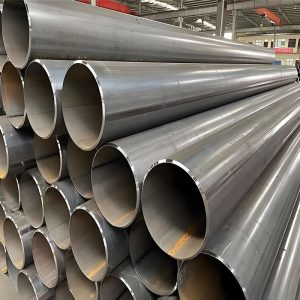
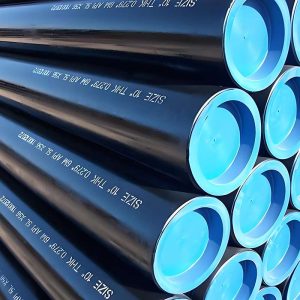
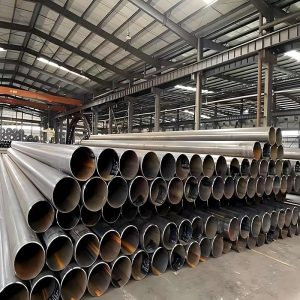
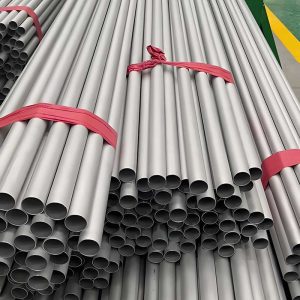
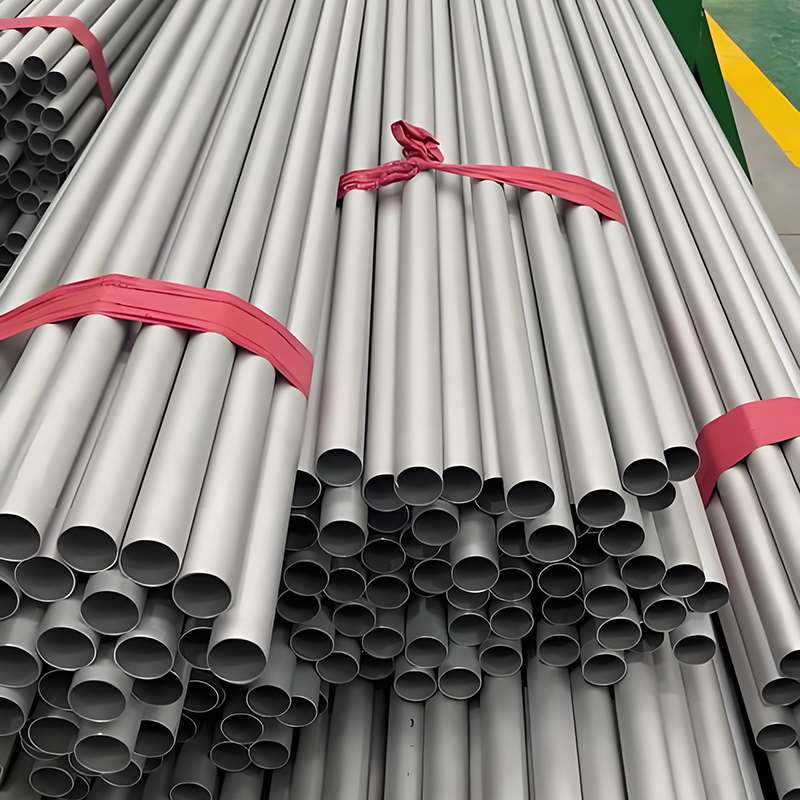
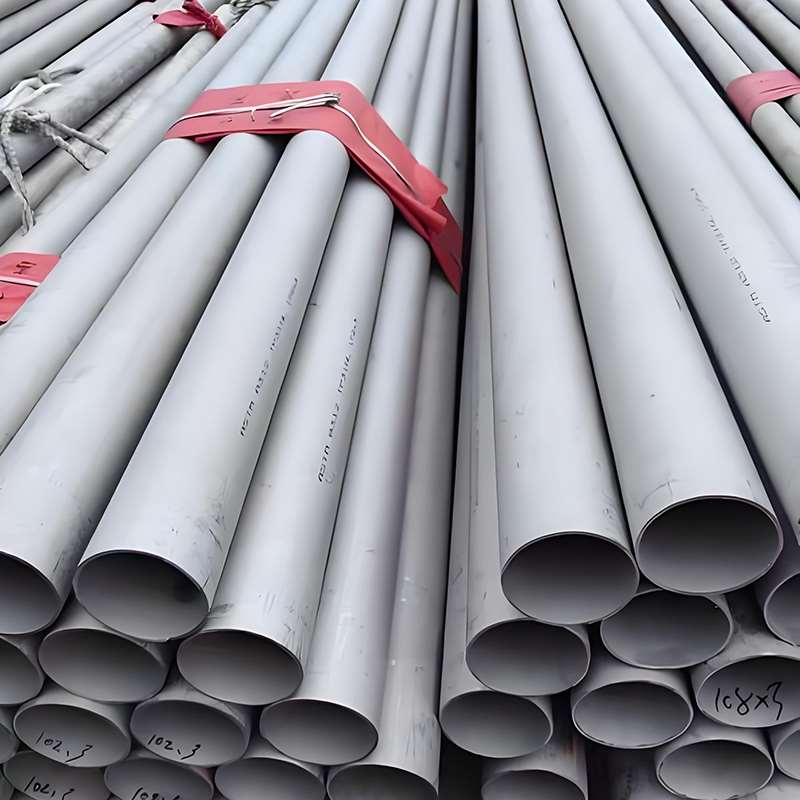
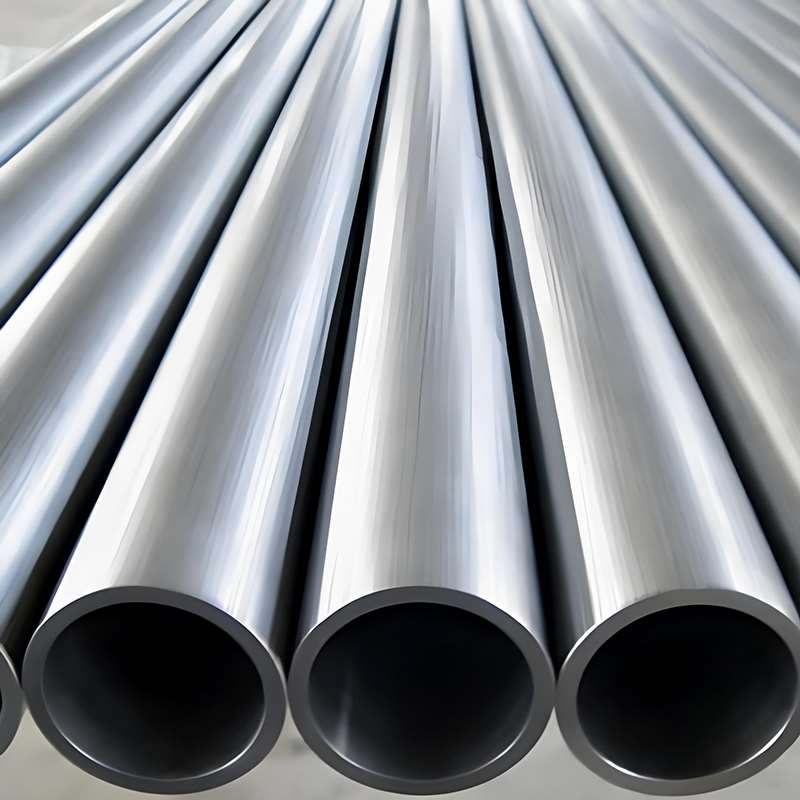
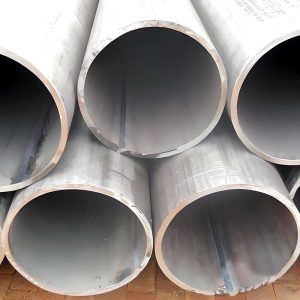
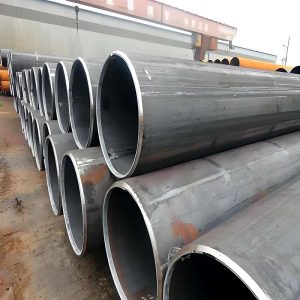
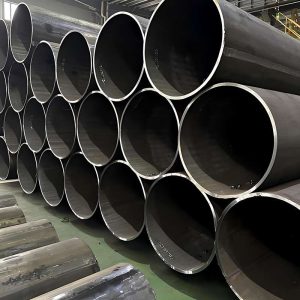
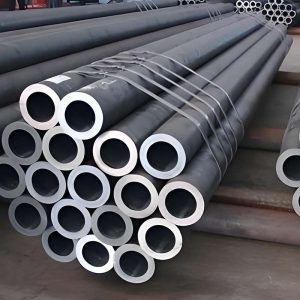
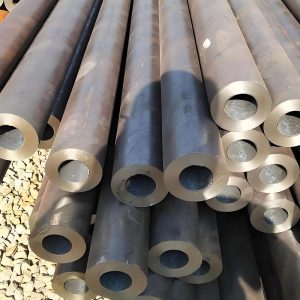
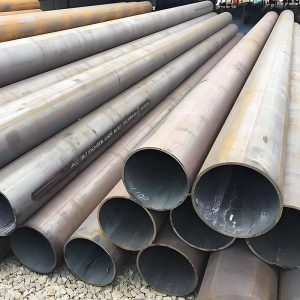
Seamless Stainless Steel Pipe

OD Range :

6 mm – 508 mm

WT Range :

1 mm – 20 mm

Length :

6–12 m

Tolerance :

Outside diameter ±1%, wall thickness ±10%, length ±50 mm

Material :

304, 304L, 316, 316L, 321, 310S

Standard :

GB/T 14975-2018 , ASTM A312 / A213 , EN 10216-5

Surface :

Polishing, brushing, acid pickling, passivation plating, anti-fingerprint treatment

Application :

Petrochemicals, chemicals, paper manufacturing, power generation, food processing, pharmaceuticals, heat exchangers, boilers, and pressure piping systems.

Introduction :

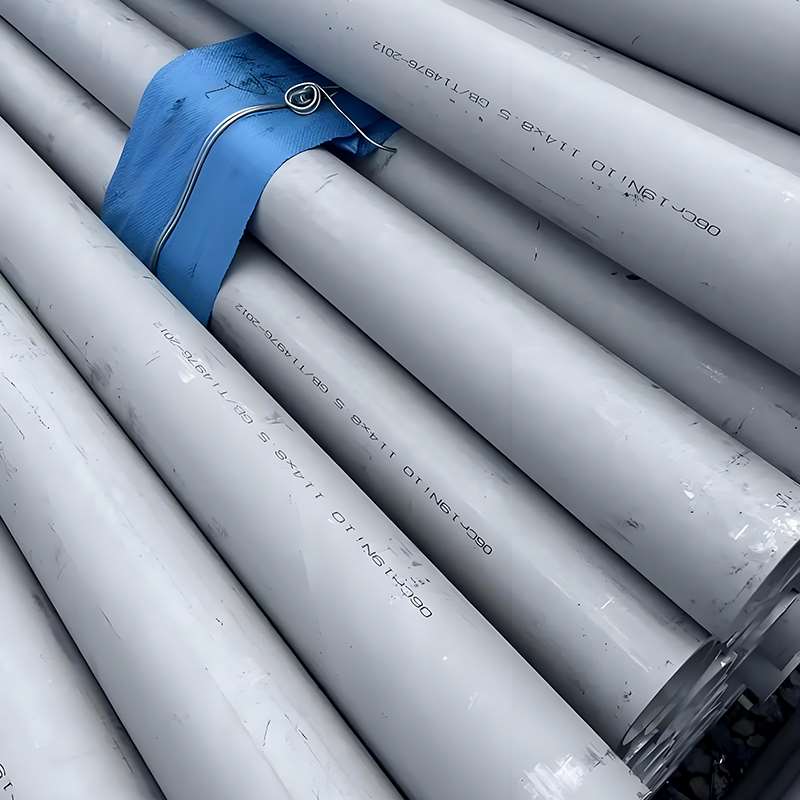
Seamless stainless steel pipes are formed through cold drawing or hot rolling, resulting in a uniform pipe body with excellent high-temperature resistance, corrosion resistance, and mechanical properties.

I. Overview of Seamless Stainless Steel Pipes

Seamless stainless steel pipes are manufactured from stainless steel billets through cold drawing or hot rolling processes. They feature a uniform structure, high strength, and excellent corrosion resistance. Compared to welded steel pipes, seamless pipes have no welds and can withstand higher pressures and temperatures, making them suitable for demanding industrial and engineering applications.

Main Features:

  • Uniform pipe body, no welds, high pressure resistance
  • Excellent corrosion resistance, suitable for corrosive environments such as acids, alkalis, and salts
  • Can be manufactured in various lengths, wall thicknesses, and diameters to meet diverse needs
  • Various surface treatments available, including polishing, brushing, or pickling, suitable for industrial and decorative purposes

Typical Applications:

  • Petrochemical, chemical, paper, power generation, boilers, heat exchangers, food and pharmaceutical piping systems, etc.

II. Chemical Composition and Mechanical Properties of Seamless Stainless Steel Tubes

i. Chemical Composition

Steel GradeCSiMnPSCrNiMo
304≤0.08≤1.00≤2.00≤0.045≤0.0318–208–10.5
304L≤0.03≤1.00≤2.00≤0.045≤0.0318–208–12
316≤0.08≤1.00≤2.00≤0.045≤0.0316–1810–142–3
316L≤0.03≤1.00≤2.00≤0.045≤0.0316–1810–142–3
321≤0.08≤1.00≤2.00≤0.045≤0.0317–199–12
310S≤0.08≤1.50≤2.00≤0.045≤0.0324–2619–22

ii. Mechanical properties

GradeTensile Strength Rm (MPa)Yield Strength Re (MPa)Elongation A (%)Hardness (HB)
304520–720≥205≥40170–200
304L485–620≥170≥40150–180
316515–695≥205≥40170–200
316L485–620≥170≥40150–180
321515–695≥205≥40170–200
310S515–690≥205≥40170–200

III. Applications of Seamless Stainless Steel Pipes

  1. Petrochemical and Chemical Industry
    Used for transporting corrosive media such as acids, alkalis, salts, and organic solvents.
    Suitable for petroleum refining, chemical reaction equipment, and chemical pipeline systems.
    High corrosion-resistant steel grades such as 316, 316L, or duplex stainless steel are recommended.
  2. Power and Boiler Industry
    High-temperature and high-pressure steam pipelines, hot water pipelines, and boiler tubes.
    Strong high-temperature oxidation resistance and pressure resistance.
    Commonly used steel grades: 304, 321, 310S.
  3. Food, Pharmaceutical, and Beverage Industry
    Sanitary seamless pipes for liquid transportation.
    Easy to clean, non-contaminating, and corrosion-resistant.
    Commonly used steel grades: 304, 304L.
  4. Heat Exchangers and Air Conditioning Equipment
    Condenser, evaporator, and heat exchanger pipes.
    High temperature resistance, corrosion resistance, and good thermal conductivity.
  5. Marine and Shipbuilding Engineering
    Seawater transportation, ship pipelines, and offshore platform pipelines.
    Requires resistance to chloride corrosion; 316 or 2205 duplex stainless steel are suitable options.

IV. Seamless Stainless Steel Pipe Selection Guide

1. Selecting the Steel Grade Based on Application

  • General industrial pipelines: Use 304 or 304L, which offer good corrosion resistance and moderate cost.
  • Chemical and seawater pipelines: Use 316, 316L, or duplex stainless steel for resistance to acid, alkali, and chloride corrosion.
  • High-temperature pipelines and boilers: Use 321 or 310S for high-temperature resistance and strong oxidation resistance.
  • Food, pharmaceutical, and beverage industries: Use 304L sanitary grade pipes, which are low-carbon and prevent intergranular corrosion after welding.

2. Selecting Wall Thickness Based on Pipe Pressure and Temperature

  • High design pressure → Choose thicker-walled pipes to ensure pressure resistance and safety.
  • High-temperature conditions → Consider thermal expansion and appropriately increase wall thickness.
  • General reference: Wall thickness 1–20 mm; pressure bearing capacity can be calculated according to standards.

3. Select the outer diameter based on the pipe diameter:

  • Small-diameter pipes (6–50 mm) → Cold-drawn seamless pipes, high precision
  • Medium and large-diameter pipes (50–508 mm) → Hot-rolled seamless pipes, high production efficiency
  • Extra-large diameters can be customized to meet specific engineering requirements

4. Select the surface treatment based on surface requirements:

  • Polishing, brushing → Decorative or for the food and pharmaceutical industries
  • Pickling and passivation → Chemical, seawater, or highly corrosive environments
  • Anti-rust oil or black paint → Industrial transportation or temporary storage

5. Confirmation according to standards and processes

  • Domestic standards: GB/T 14975, GB/T 12770
  • International standards: ASTM A312 / A213, EN 10216-5
  • Production processes: Hot rolling (large diameter and thick wall), cold drawing (small diameter and precision), cold rolling precision (high precision)

6. Inspection and quality confirmation

  • Verification of chemical composition, mechanical properties, non-destructive testing, and hydrostatic test reports
  • Confirmation of uniform welds and absence of cracks, holes, or inclusions in the pipe body
  • For high-temperature or high-pressure applications, high-temperature performance testing can be added.

7. Selection Summary

  • First, determine the application and medium → Determine the steel grade
  • Then, based on pressure and temperature → Select the wall thickness
  • Confirm the diameter, length, and surface treatment → To meet installation and aesthetic requirements
  • Follow standards and quality inspection → To ensure safety and reliability.
Related Products

Seamless Stainless Steel Pipe Specifications and Dimensions Table

Inch Outside Diameter (mm) Wall Thickness (mm) Theoretical Weight (kg/m) Tolerance
1/2″ 21.3 1.5, 2.0, 2.5, 3.0, 3.5 0.80, 1.05, 1.30, 1.55, 1.80 OD ±1%, WT ±10%
3/4″ 26.9 1.5, 2.0, 2.5, 3.0, 3.5, 4.0 1.05, 1.40, 1.75, 2.10, 2.45, 2.80 OD ±1%, WT ±10%
1″ 33.7 2.0, 2.5, 3.0, 3.5, 4.0, 4.5, 5.0 1.75, 2.20, 2.65, 3.10, 3.55, 4.00, 4.45 OD ±1%, WT ±10%
1 1/2″ 48.3 2.5, 3.0, 3.5, 4.0, 5.0, 6.0, 7.0 3.40, 4.10, 4.80, 5.50, 6.80, 8.10, 9.40 OD ±1%, WT ±10%
2″ 60.3 3.0, 4.0, 5.0, 6.0, 7.0, 8.0, 9.0 4.20, 5.60, 7.00, 8.40, 9.80, 11.20, 12.60 OD ±1%, WT ±10%
2 1/2″ 76.1 4.0, 5.0, 6.0, 7.0, 8.0, 9.0, 10.0 6.60, 8.20, 9.80, 11.40, 13.00, 14.60, 16.20 OD ±1%, WT ±10%
3″ 89.0 4.0, 5.0, 6.0, 7.0, 8.0, 9.0, 10.0, 11.0 7.70, 9.60, 11.50, 13.40, 15.30, 17.20, 19.10, 21.00 OD ±1%, WT ±10%
4″ 114.3 4.0, 5.0, 6.0, 7.0, 8.0, 9.0, 10.0, 11.0, 12.0, 13.0, 14.0, 15.0, 16.0 10.80, 13.50, 16.20, 18.90, 21.60, 24.30, 27.00, 29.70, 32.40, 35.10, 37.80, 40.50, 43.20 OD ±1%, WT ±10%
6″ 168.3 6.0, 7.0, 8.0, 9.0, 10.0, 11.0, 12.0, 13.0, 14.0, 15.0, 16.0 26.40, 30.60, 34.80, 39.00, 43.20, 47.40, 51.60, 55.80, 60.00, 64.20, 68.40 OD ±1%, WT ±10%
8″ 219.1 6.0–16.0 (in 1 mm increments) 34.30–87.50 OD ±1%, WT ±10%
10″ 273.0 8.0–16.0 52.40–97.50 OD ±1%, WT ±10%
12″ 323.9 8.0–16.0 62.40–117.50 OD ±1%, WT ±10%
14″ 355.6 10.0–16.0 75.20–131.50 OD ±1%, WT ±10%
16″ 406.0 10.0–16.0 85.00–147.50 OD ±1%, WT ±10%
20″ 508.0 10.0–16.0 105.00–187.50 OD ±1%, WT ±10%


Seamless stainless steel pipe standards

Standard Category Standard No. Scope / Description
National Standard (GB) GB/T 14975-2018 Seamless stainless steel pipes for boilers, heat exchangers, and chemical pipelines; specifies dimensions, chemical composition, mechanical properties, and surface quality
National Standard (GB) GB/T 12770-2008 Industrial stainless steel pipes covering dimensions, weight, permissible tolerances, and mechanical properties
International Standard (ASTM) ASTM A312 / A312M Seamless and welded austenitic stainless steel pipes for high-temperature and high-pressure industrial piping and chemical systems; specifies chemical composition, mechanical properties, and dimensional tolerances
International Standard (ASTM) ASTM A213 / A213M Seamless austenitic stainless steel tubes for high-temperature boiler service, suitable for steam pipelines and heat exchangers
International Standard (EN / ISO) EN 10216-5 Seamless austenitic stainless steel tubes for pressure purposes; specifies dimensions, chemical composition, mechanical properties, and tolerances
International Standard (EN / ISO) ISO 1127 General standard for dimensions, mass, and tolerances of seamless stainless steel tubes

Description
GB/T 14975-2018 is the most commonly used standard for seamless stainless steel pipes in China, applicable to industrial, chemical, boiler, and food industries.
ASTM A312 / A213 is the most commonly used international standard, suitable for export or international projects.
EN 10216-5 / ISO 1127 focuses more on pressure piping and dimensional tolerance specifications, suitable for European and international projects.
When selecting a standard, it should be determined based on the operating temperature, operating pressure, medium type, and project requirements.

Seamless Stainless Steel Pipe Production Process

Steel billet preparation → Heating → Piercing/Rolling → Hot rolling or cold drawing → Straightening → Cutting to length → Surface treatment → Inspection → Packaging and shipping

Process Overview

1. Steel Billet Preparation: Select high-quality stainless steel billets (such as 304, 316, 321) and cut them to a suitable length for processing.
2. Heating: Heat the steel billets to a high temperature (approximately 1150–1250°C) to improve plasticity and facilitate piercing.
3. Piercing/Rolling: A hot-rolling piercing machine pierces the steel billet to form a preliminary tube blank, which is then rolled through multiple passes to gradually obtain the required diameter and wall thickness.
4. Hot Rolling or Cold Drawing:
Hot-rolled tubes: Suitable for large-diameter, thick-walled tubes, with relatively rough dimensional accuracy.
Cold-drawn tubes: Suitable for small-diameter, high-precision tubes, with high surface finish.
5. Straightening: The straightness and roundness of the tubes are corrected using a straightening machine to ensure dimensional accuracy.
6. Cutting to Length: The tubes are cut to the required length according to customer specifications, typically 6–12 meters.
7. Surface Treatment: Pickling, polishing, brushing, passivation plating, or anti-rust oil treatment are applied to enhance corrosion resistance and aesthetics.
8. Inspection: Chemical composition, mechanical properties, dimensional tolerances, non-destructive testing (UT/RT), and hydrostatic testing are performed to ensure tube quality.
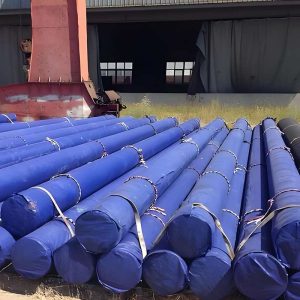
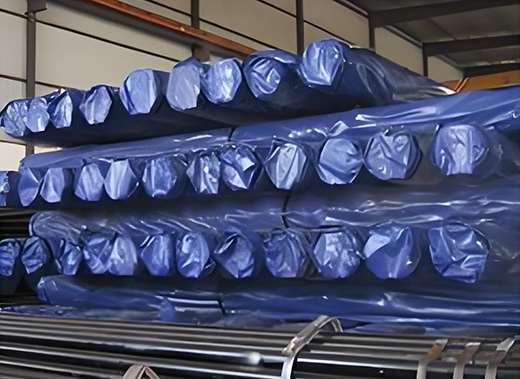
9. Packaging and Shipment: The tubes are bundled, film-wrapped, or packaged in wooden crates according to customer requirements for easy transportation and storage.


Testing standards for seamless stainless steel pipes

Inspection Item Test Method Purpose / Requirement
Chemical Composition Spectrometric analysis / Chemical analysis To ensure that elements such as carbon, manganese, silicon, phosphorus, sulfur, chromium, nickel, molybdenum, etc. comply with the specified steel grade requirements (e.g. 304, 316, 321)
Visual Inspection Visual check / Dimensional measurement To verify smooth surface finish and absence of cracks, pores, pits, laps, folds, or scale
Dimensions & Tolerances Vernier caliper / Outside diameter gauge / Wall thickness gauge To ensure outside diameter, wall thickness, length, roundness, and straightness meet standard requirements (OD ±1%, WT ±10%)
Mechanical Properties Tensile testing machine To test tensile strength, yield strength, and elongation, ensuring the pipe’s pressure-bearing capacity meets industrial piping requirements
Impact Toughness Charpy impact test (KV) To evaluate low-temperature impact toughness and ensure resistance to brittle fracture in low-temperature service
Non-Destructive Testing (NDT) Ultrasonic testing (UT) / Radiographic testing (RT) To detect internal defects such as inclusions, porosity, and cracks, ensuring safety and reliability
Hydrostatic Test Hydrostatic pressure test To simulate service pressure and verify pressure resistance, preventing leakage
Hardness Test Brinell hardness test (HB) To measure hardness, indicating strength and wear resistance
Surface Anti-Corrosion Inspection Visual inspection / Coating thickness measurement To verify uniform pickling, polishing, passivation, or rust-preventive oil coating, ensuring corrosion resistance

Description

Domestic Standard: Primarily based on GB/T 14975-2018, applicable to industrial, chemical, boiler, and food industries.
International Standards: ASTM A312 / A213 and EN 10216-5 can be referenced for export or international projects.
Testing covers chemical composition, mechanical properties, dimensional accuracy, weld/pipe body defects, and pressure resistance, ensuring reliable pipe quality.
Inspection reports are typically provided upon delivery, including chemical composition, mechanical properties, non-destructive testing, and hydrostatic test results.


Seamless stainless steel pipe for industrial use


Common Pain Points and FAQs Regarding Seamless Stainless Steel Pipes

Q1: Can seamless stainless steel pipes experience corrosion problems?

A:
Corrosion can still occur if the wrong steel grade is selected or if the working environment contains high concentrations of chlorides or acidic/alkaline media. It is recommended to select a corrosion-resistant steel grade (such as 304L, 316L, or duplex stainless steel) based on the type of medium, and to perform pickling and passivation or surface treatment to enhance corrosion resistance.

Q2: Are pipes prone to deformation or leakage in high-temperature and high-pressure environments?

A:
Large-diameter or thin-walled pipes may expand or deform under high temperature and high pressure. When selecting pipes, the wall thickness should be calculated according to the design pressure and working temperature. If necessary, select high-temperature resistant steel grades such as 321 or 310S to ensure the safety and reliability of the pipeline.

Q3: What if the pipe dimensions and straightness are not accurate enough?

Answer:
Seamless pipes may have slight bending or roundness deviations during production or transportation. It is recommended to purchase pipes that meet standards (GB/T 14975, ASTM A312) and have been straightened by a straightening machine. Length and straightness requirements can be specified during ordering.

Q4: Is it prone to cracking or leakage during welding or installation?

Answer:
Improper welding or insufficient low carbon content in the pipe material may lead to intergranular corrosion or welding cracks. It is recommended to use low-carbon type pipes (such as 304L, 316L) for welding, and to follow professional welding procedures, including preheating and post-weld heat treatment.

Q5: Are the pipe surfaces easily scratched or contaminated, affecting hygiene?

Answer:
Polished, brushed, or acid-pickled surfaces may be scratched during handling and installation, affecting aesthetics and hygiene. It is recommended to use scratch-resistant packaging, avoid metal-to-metal contact during handling, and clean the pipes after installation.

Q6: How to ensure that the purchased pipes meet quality standards?

Answer:
When purchasing, you should require the supplier to provide a Material Test Certificate (MTC), chemical composition report, mechanical properties report, non-destructive testing report, and hydrostatic test report. Simultaneously, verify the applicable standards (GB/T 14975, ASTM A312, EN 10216-5) and steel grade to ensure safety and reliability.