Products

Related News

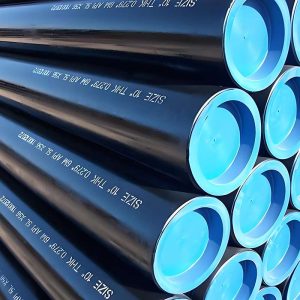
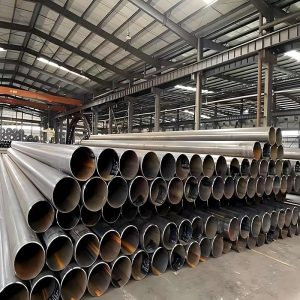
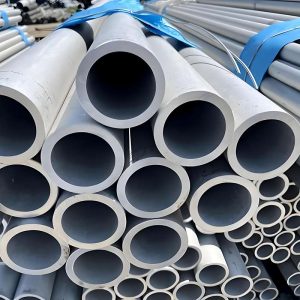
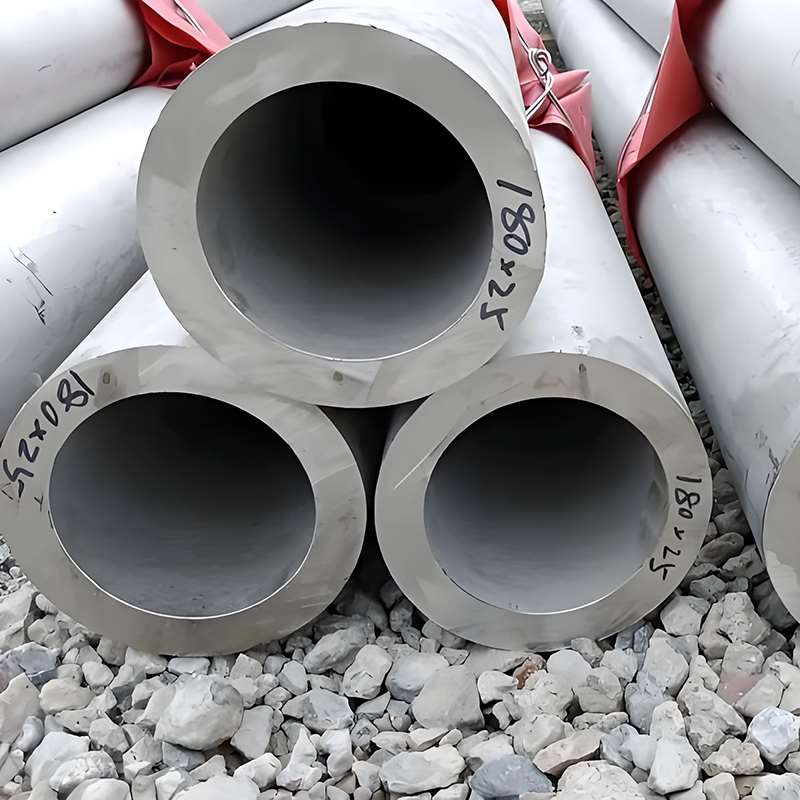
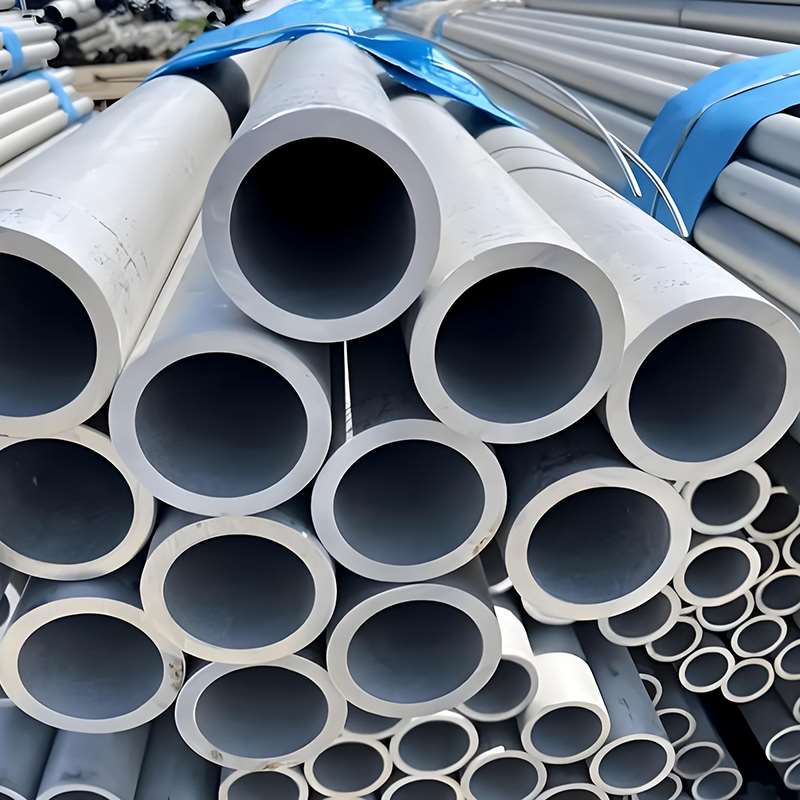
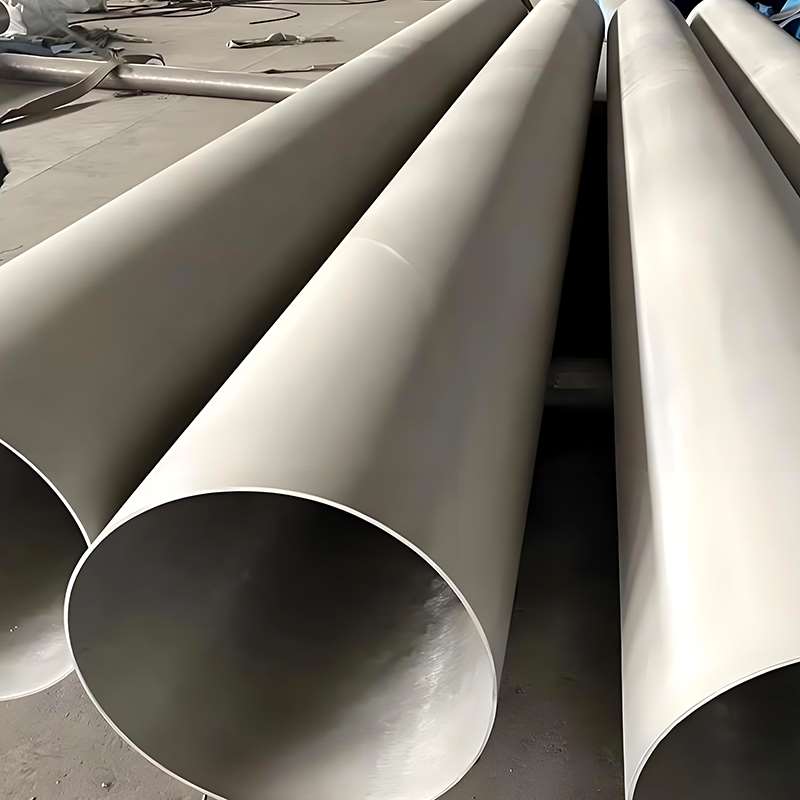
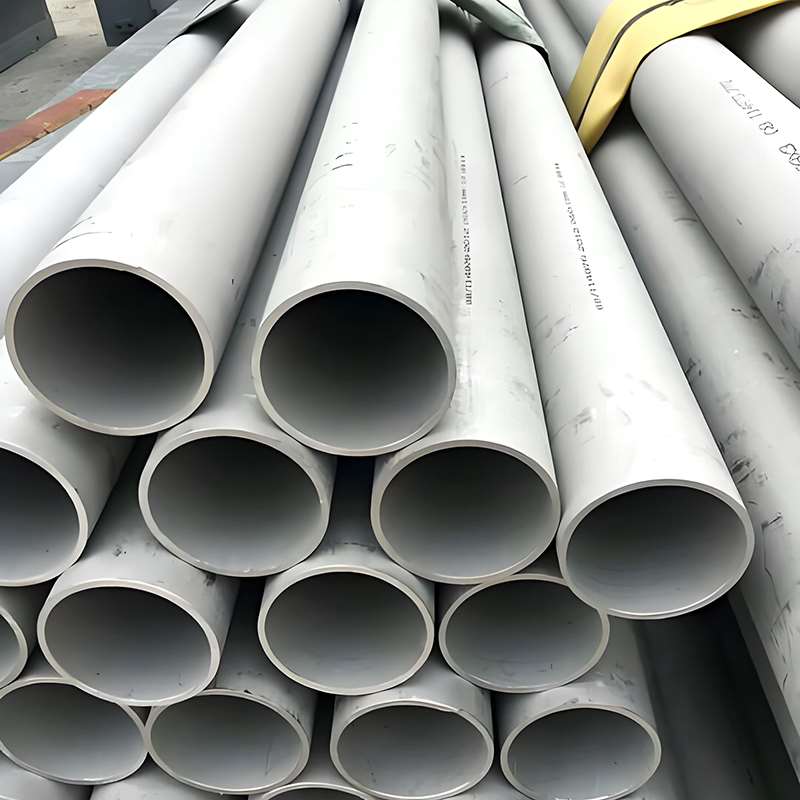
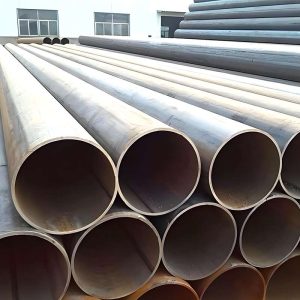
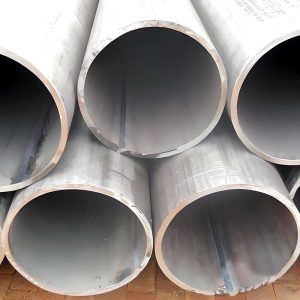
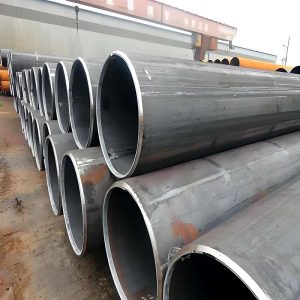
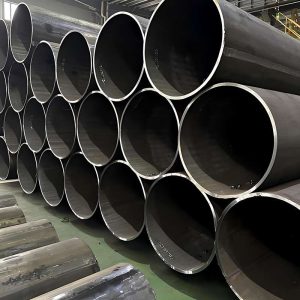
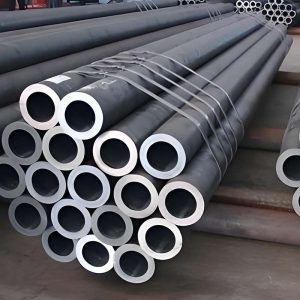
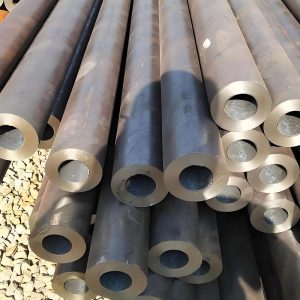
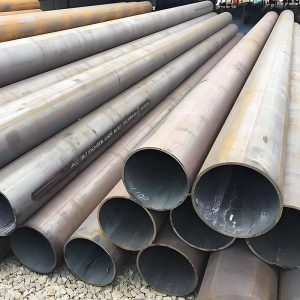
S32750 Alloy Steel Pipe

OD Range :

12.7 – 610 mm

WT Range :

1.2 – 25 mm

Length :

6 – 12 m

Tolerance :

Outer diameter ±1% / Wall thickness ±10% / Length ±50 mm

Material :

S32750 / UNS S32750 / Super Duplex Stainless Steel

Standard :

ASTM A789 / ASTM A790 / GB/T 14976 / EN 10216-5

Surface :

Brightening / Acid pickling / Passivation / Polishing

Application :

Chemical industry, oil and natural gas, offshore engineering, shipbuilding, heat exchangers, seawater treatment.

Introduction :

S32750 alloy steel pipe is a super duplex stainless steel pipe, possessing excellent corrosion resistance and high strength.

I. Overview of S32750 Alloy Steel Pipes

S32750 alloy steel pipe is a super duplex stainless steel pipe that combines the advantages of both austenitic and ferritic stainless steels, possessing high corrosion resistance and excellent mechanical strength.
This pipe material is particularly suitable for harsh environments such as chemical processing, oil and gas, offshore engineering, shipbuilding, and seawater treatment.

Its main features include:

  • Strong corrosion resistance: Excellent resistance to chlorides, sulfuric acid, brine, and other corrosive media.
  • High strength: Maintains stable performance under high pressure and low temperature conditions.
  • Stress corrosion cracking resistance: Suitable for seawater and chemically corrosive media.
  • Long service life and low maintenance costs: Suitable for critical pipelines and equipment requiring long-term use.

II. S32750 Alloy Steel Pipe Chemical Composition and Mechanical Properties

i. Chemical Composition of S32750 Alloy Steel Pipe (%)

ElementContent Range (%)
Carbon (C)≤ 0.03
Silicon (Si)≤ 0.80
Manganese (Mn)≤ 2.00
Phosphorus (P)≤ 0.030
Sulfur (S)≤ 0.010
Nickel (Ni)6.0 – 8.0
Chromium (Cr)24.0 – 26.0
Molybdenum (Mo)3.0 – 5.0
Copper (Cu)0.50 – 1.0
Nitrogen (N)0.20 – 0.30
Iron (Fe)Balance

ii. Mechanical properties of S32750 alloy steel pipes

Performance IndicatorValue
Tensile Strength (Rm)930 – 1,100 MPa
Yield Strength (0.2% offset, ReH)≥ 750 MPa
Elongation (A%)≥ 25%
Impact Toughness (KV, 20°C)≥ 100 J
Hardness (Brinell HB)280 – 310 HB

III. S32750 Alloy Steel Pipe Applicable Operating Conditions

S32750 alloy steel pipe is a super duplex stainless steel pipe, possessing high strength, high corrosion resistance, and resistance to stress corrosion cracking. Therefore, it can be used in a variety of harsh operating environments:

  1. Corrosive Chemical Media
    Strong acid and strong alkali environments (such as sulfuric acid, hydrochloric acid, sodium hydroxide, etc.)
    Chloride-containing media, preventing chloride stress corrosion cracking
  2. Seawater and Marine Environments
    Seawater pipelines, seawater cooling systems, ship piping
    Seawater desalination and offshore platform pipelines, resistant to seawater corrosion
  3. High Temperature and High Pressure Conditions
    Heat exchangers, boiler systems, chemical high-pressure pipelines
    Can withstand long-term high-temperature and high-pressure fluid transport
  4. Low Temperature and Cooling Conditions
    Low-temperature liquid transport, maintaining good toughness and mechanical properties
    Pipeline systems in marine environments or cold regions
  5. Other Harsh Industrial Environments
    Oil and gas pipelines, chemical reactors, environmental wastewater treatment
    Suitable for long-term operation, reducing maintenance costs

IV. S32750 Alloy Steel Pipe Procurement Considerations

  1. Confirm Material and Standard
    Before procurement, confirm that the pipe material is S32750 / Super Duplex Stainless Steel.
    Check the applicable standards, such as ASTM A789, ASTM A790, GB/T 14976, or EN 10216-5, to ensure quality meets engineering requirements.
  2. Verify Chemical Composition and Mechanical Properties
    Require the supplier to provide chemical composition test reports and mechanical properties test reports.
    Verify that the element content (Cr, Ni, Mo, N, etc.) meets the specifications.
    Confirm that tensile strength, yield strength, elongation, and hardness meet the operating conditions.
  3. Specification and Dimension Confirmation
    Clearly define the outer diameter, wall thickness, length, and tolerances to ensure they match the engineering design.
    For special sizes or customized requirements, communicate with the supplier in advance to avoid delivery errors.
  4. Surface Treatment and Corrosion Protection Requirements
    Select the appropriate surface treatment based on operating conditions, such as pickling, polishing, and passivation.
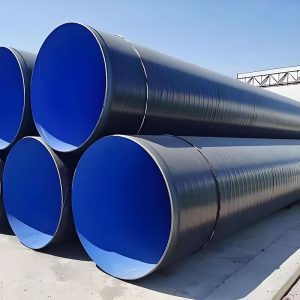
    For special environments (seawater, chemical industry), additional corrosion protection or secondary protection may be required.
  5. Supplier Qualifications and Service
    Choose a reputable supplier with complete qualifications and the ability to provide inspection reports.
    Confirm the supply cycle, delivery method, and after-sales service.
  6. Cost and Cost-Effectiveness Considerations
    S32750 pipes have a higher cost, but long-term use can reduce maintenance costs.
    Consider corrosion resistance, strength, lifespan, and construction requirements to choose the best cost-effective option.
Related Products

S32750 Alloy Steel Pipe Specifications and Dimensions Table

Inch / OD (mm) Wall Thickness (mm) Theoretical Weight (kg/m) Tolerance
1/2″ / 21.3 1.2, 1.6, 2.0, 2.5, 3.0, 3.5, 4.0, 5.0, 6.0, 8.0 1.15 – 7.40 OD ±1%, Wall ±10%
3/4″ / 26.9 1.5, 2.0, 2.5, 3.0, 3.5, 4.0, 5.0, 6.0, 8.0 1.70 – 10.00 OD ±1%, Wall ±10%
1″ / 33.7 1.5, 2.0, 2.5, 3.0, 3.5, 4.0, 5.0, 6.0, 8.0 2.10 – 12.50 OD ±1%, Wall ±10%
1 1/4″ / 42.4 1.5, 2.0, 2.5, 3.0, 3.5, 4.0, 5.0, 6.0, 8.0 2.65 – 16.00 OD ±1%, Wall ±10%
1 1/2″ / 48.3 1.5, 2.0, 2.5, 3.0, 3.5, 4.0, 5.0, 6.0, 8.0 3.05 – 18.50 OD ±1%, Wall ±10%
2″ / 60.3 1.5, 2.0, 2.5, 3.0, 3.5, 4.0, 5.0, 6.0, 8.0, 10.0 3.85 – 27.00 OD ±1%, Wall ±10%
2 1/2″ / 76.1 2.0, 2.5, 3.0, 3.5, 4.0, 5.0, 6.0, 8.0, 10.0 5.10 – 36.50 OD ±1%, Wall ±10%
3″ / 88.9 2.0, 2.5, 3.0, 3.5, 4.0, 5.0, 6.0, 8.0, 10.0, 12.0 6.05 – 46.00 OD ±1%, Wall ±10%
4″ / 114.3 2.0, 2.5, 3.0, 3.5, 4.0, 5.0, 6.0, 8.0, 10.0, 12.0, 14.0, 16.0 8.10 – 70.50 OD ±1%, Wall ±10%
6″ / 168.3 3.0, 4.0, 5.0, 6.0, 8.0, 10.0, 12.0, 14.0, 16.0, 20.0 16.10 – 145.00 OD ±1%, Wall ±10%
8″ / 219.1 3.0, 4.0, 5.0, 6.0, 8.0, 10.0, 12.0, 14.0, 16.0, 20.0, 25.0 23.00 – 220.00 OD ±1%, Wall ±10%
10″ / 273 5.0, 6.0, 8.0, 10.0, 12.0, 14.0, 16.0, 20.0, 25.0 35.00 – 330.00 OD ±1%, Wall ±10%
12″ / 323.9 5.0, 6.0, 8.0, 10.0, 12.0, 14.0, 16.0, 20.0, 25.0 45.00 – 400.00 OD ±1%, Wall ±10%
14″ / 355.6 6.0, 8.0, 10.0, 12.0, 14.0, 16.0, 20.0, 25.0 55.00 – 460.00 OD ±1%, Wall ±10%
16″ / 406 6.0, 8.0, 10.0, 12.0, 14.0, 16.0, 20.0, 25.0 65.00 – 520.00 OD ±1%, Wall ±10%
20″ / 508 8.0, 10.0, 12.0, 14.0, 16.0, 20.0, 25.0 100.00 – 750.00 OD ±1%, Wall ±10%
24″ / 610 10.0, 12.0, 14.0, 16.0, 20.0, 25.0 140.00 – 1,050.00 OD ±1%, Wall ±10%


S32750 alloy steel pipe standard

Standard Type Standard Number / Name Scope / Description
International Standard (ASTM/ASME) ASTM A789 / A789M Duplex stainless steel seamless and welded pipes; suitable for chemical, seawater, and corrosive piping
International Standard (ASTM/ASME) ASTM A790 / A790M Duplex stainless steel welded pipes; widely used in oil, gas, and chemical pipeline systems
European Standard EN 10216-5 Seamless steel pipes for pressure purposes; applicable to austenitic and duplex stainless steel
Chinese Standard GB/T 14976 Duplex stainless steel pipes; suitable for corrosion-resistant industrial pipelines and seawater systems
US Standard ASME B36.19M Stainless steel pipe dimensions, outer diameter, and wall thickness specifications; ensures interchangeability and ease of installation
US Standard ASME B31.3 / B31.1 Design and installation codes for process piping and low-pressure boilers; S32750 material can be used


S32750 Alloy Steel Pipe Production Process Flow

Raw Materials → Melting and Refining → Casting and Rolling → Piercing/Welding and Forming → Heat Treatment → Dimensional Correction → Surface Treatment → Inspection and Packaging

Process Description

1. Raw Materials: High-quality duplex stainless steel billets or plates are selected, with strict control over chemical composition.

2. Melting and Refining: Electric arc furnace + refining process is used to adjust the content of elements such as Cr, Ni, Mo, and N to ensure uniformity.

3. Casting and Rolling: Steel billets are continuously cast or mold cast, and then hot-rolled or cold-rolled into pipe blanks.

4. Piercing/Welding and Forming: Seamless pipes are formed by piercing or extrusion, with multiple finishing steps for hollow pipe blanks; welded pipes are formed by rolling and welding plates.

5. Heat Treatment: Solution treatment + quenching is performed to improve mechanical properties and corrosion resistance.

6. Dimensional Correction: Sizing machines and straightening machines are used to ensure accuracy of outer diameter, wall thickness, and straightness.

7. Surface Treatment: Pickling, passivation, and polishing are performed to remove scale and improve corrosion resistance.

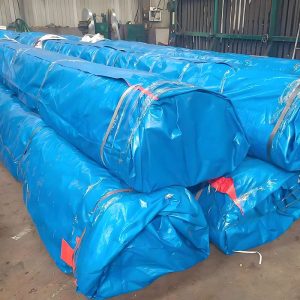
8. Inspection and Packaging: After passing chemical composition, mechanical properties, and non-destructive testing, the pipes are packaged and stored or shipped.


S32750 Alloy Steel Pipe Testing Standards

Inspection Item Test Method Purpose / Description
Chemical Composition Spectroscopy / Chemical Analysis Verify elements such as Cr, Ni, Mo, N meet S32750 standard requirements, ensuring corrosion resistance and mechanical properties
Mechanical Properties Tensile Test Measure tensile strength, yield strength, and elongation to ensure pipe safety under high pressure and low temperature
Impact Toughness Charpy Impact Test (KV) Evaluate material toughness under low temperature or harsh conditions to prevent brittle fracture
Hardness Brinell Hardness (HB) Confirm material strength and wear resistance meet standard requirements
Dimensions & Tolerances Measurement of OD, wall thickness, length Ensure outer diameter, wall thickness, and length comply with design and standard tolerances
Non-Destructive Testing (NDT) Ultrasonic Testing (UT), Magnetic Particle Testing (MT) Detect internal and surface defects in welded or seamless pipes, such as cracks, inclusions, or porosity
Surface Quality Visual / Measurement Inspect surface finish, pickling or polishing quality, check for oxide scale, scratches, dents, etc.
Pressure Test Hydrostatic or Pneumatic Test Verify pipe sealing and safety under working pressure (according to project requirements)
Packaging & Label Inspection Visual / Label Check Ensure packaging integrity and clear markings for easy transportation and installation management


S32750 Alloy Steel Pipe for Industrial and Marine Applications

S32750 Alloy Steel Pipe Selection FAQ

Q1. What working conditions are suitable for S32750 alloy steel pipes?

A:
S32750 alloy steel pipes are suitable for highly corrosive environments, high-temperature and high-pressure conditions, and seawater media, such as chemical pipelines, oil and gas transmission pipelines, offshore platform pipelines, heat exchangers, and seawater treatment systems.

Q2. How to select the specifications (outer diameter, wall thickness, length) of S32750 pipes?

A:
The outer diameter and wall thickness should be selected based on flow rate, working pressure, media type, and installation conditions. The length can be customized according to design requirements, while also considering ease of construction and transportation.

Q3. What are the advantages of S32750 pipes compared to stainless steel pipes such as 2205 and 316L?

A:
S32750 has higher Cr, Mo, and N content, offering superior resistance to chloride stress corrosion cracking and higher strength. It is suitable for harsh environments and long-term use. Although the cost is slightly higher, it offers better cost-effectiveness.

Q4. What surface treatments are available for S32750 pipes?

Answer:
Common surface treatments include pickling, passivation, and polishing. For seawater or highly corrosive environments, bright polishing or passivation can be selected to improve service life.

Q5. What should be considered when purchasing S32750 pipes?

Answer:
Confirm the material standards (ASTM A789/A790, GB/T 14976, EN 10216-5), chemical composition, mechanical properties, dimensions, and supplier qualifications. Request inspection reports and non-destructive testing records from the supplier.

Q6. Can S32750 alloy steel pipes be welded? What are the welding precautions?

Answer:
They can be welded, but welding processes suitable for duplex stainless steel should be used (such as TIG welding or submerged arc welding) to avoid overheating in the welding zone, which can lead to intergranular corrosion or performance degradation. Solution annealing or local heat treatment should be performed after welding.