I. Introduction to PE-Coated Carbon Steel Pipes
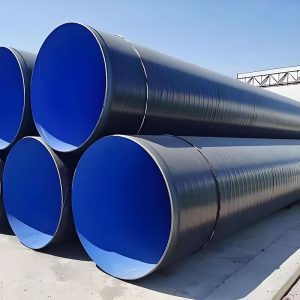
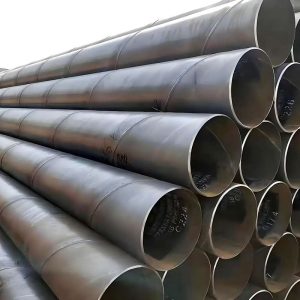
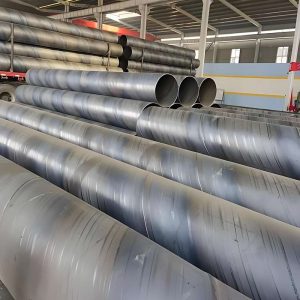
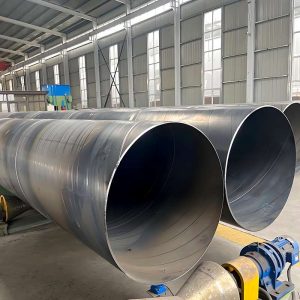
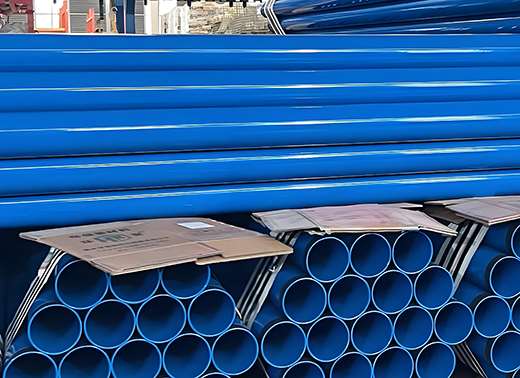
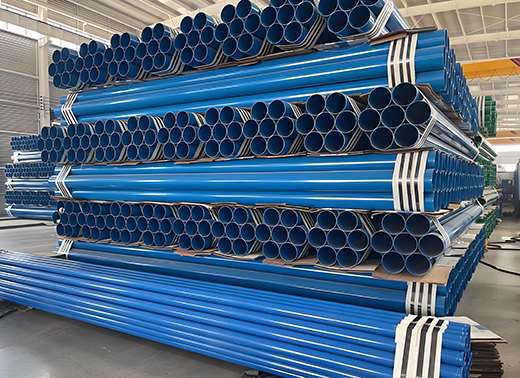
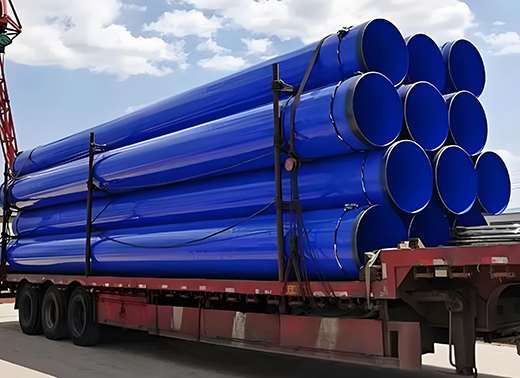
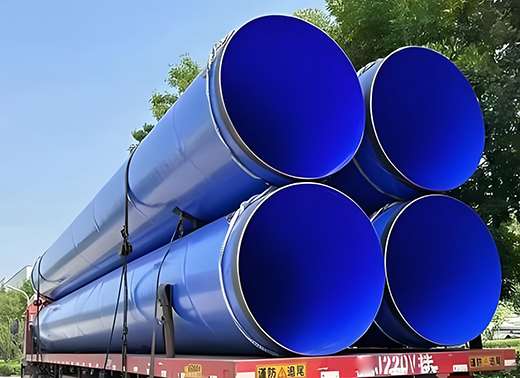
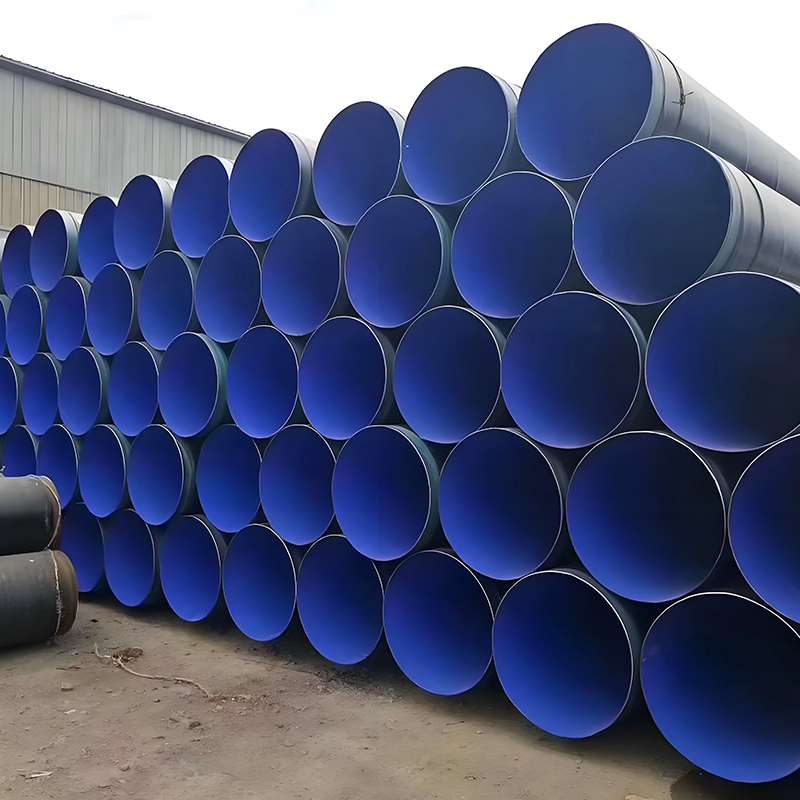
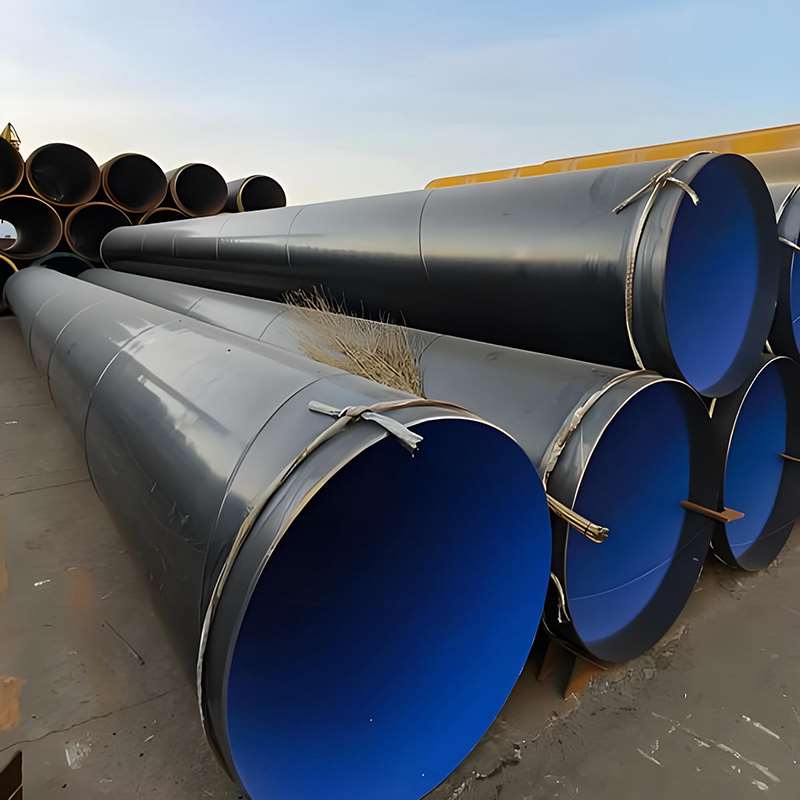
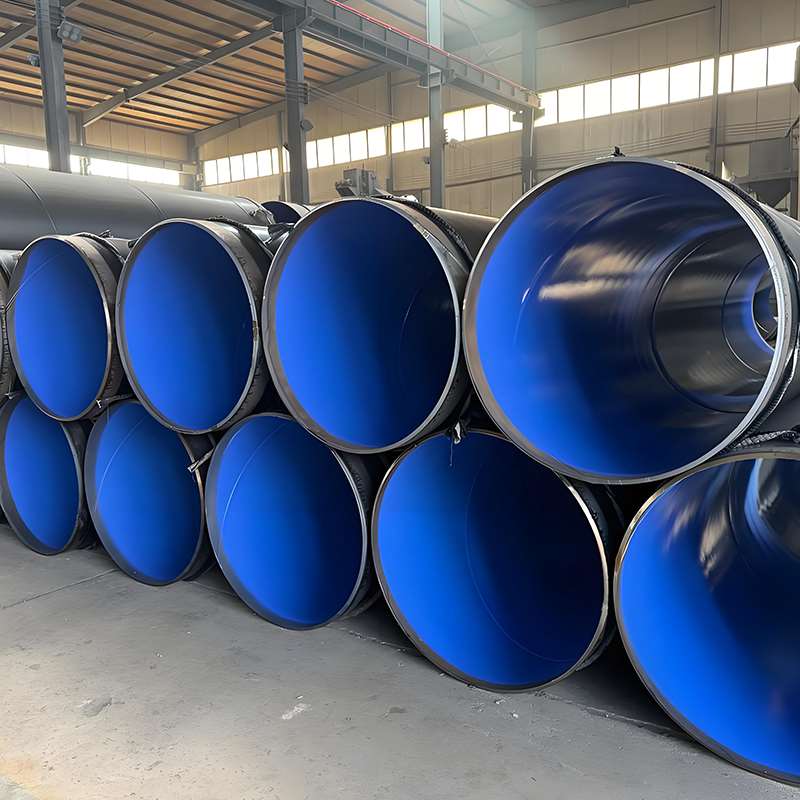
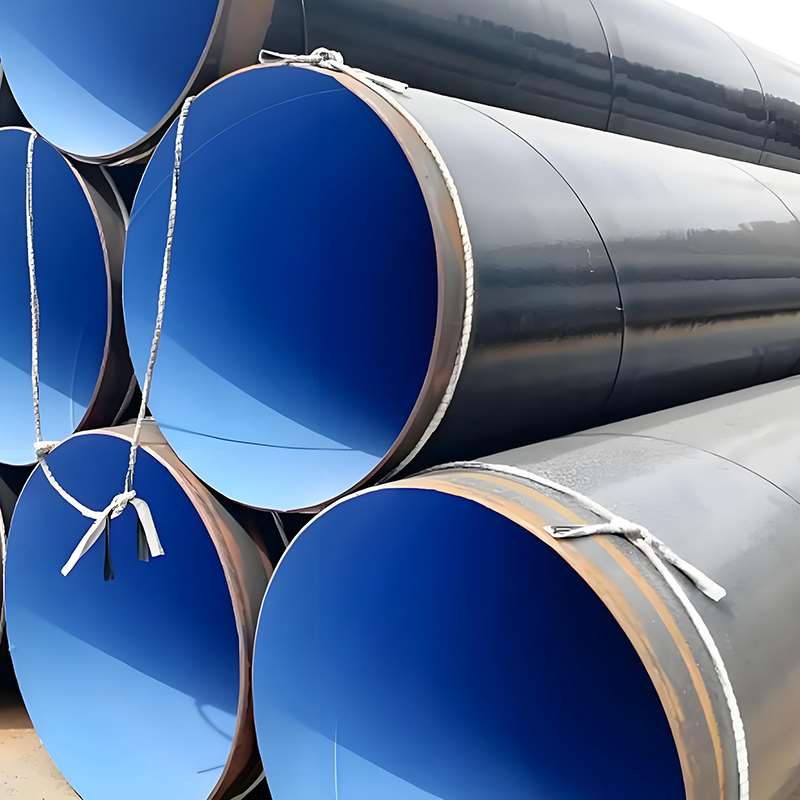
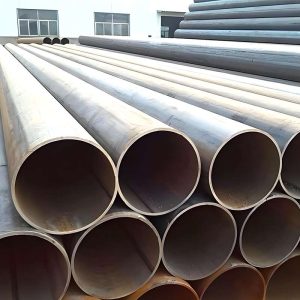
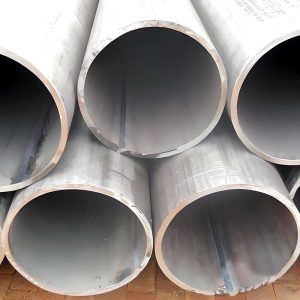
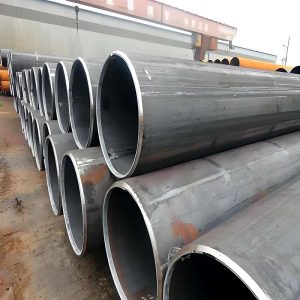
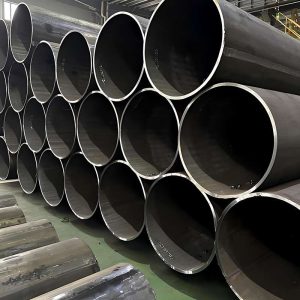
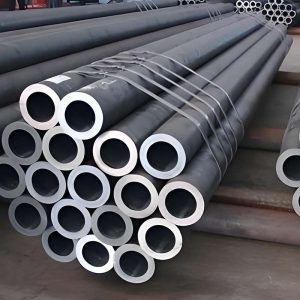
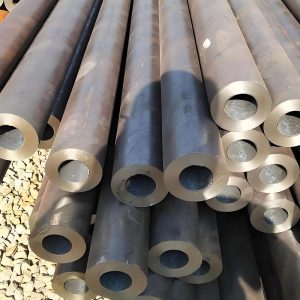
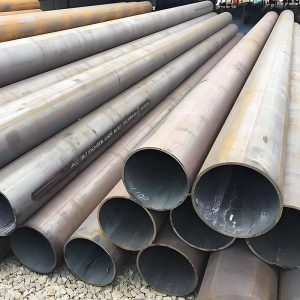
PE-coated carbon steel pipes are corrosion-resistant pipes made by uniformly covering the outer surface of high-density polyethylene (PE) plastic anti-corrosion layer onto high-quality carbon steel pipes.
This anti-corrosion layer is tightly bonded to the steel pipe through heat shrinkage or spraying processes, forming a dense and continuous insulating layer that effectively isolates moisture, oxygen, and corrosive media, thereby preventing the steel pipe from rusting and extending its service life.
PE coatings are characterized by strong corrosion resistance, wear resistance, high impact resistance, and convenient construction. They are particularly suitable for buried water, gas, oil, and chemical pipeline systems, and are a high-performance alternative to traditional hot-dip galvanized or epoxy-coated pipes.
II. Main parameters of PE coated carbon steel pipe
| Item | Specification |
|---|---|
| Product Name | PE Coated Carbon Steel Pipe |
| Material | Q195, Q235, Q345 or carbon steel according to ASTM A53 / A106 |
| Pipe Diameter (OD) | 20 mm ~ 500 mm (commonly DN20~DN500) |
| Wall Thickness (WT) | 2.0 mm ~ 20 mm (customizable per project requirements) |
| Length (L) | Standard 6 m, 12 m, customizable as required |
| Coating Type | High-density polyethylene (HDPE) external coating |
| Coating Thickness | 0.5 mm ~ 3.0 mm (commonly 2 mm) |
| Adhesion | ≥ Grade 1 (compliant with SY/T 0414 and ISO 21809 standards) |
| Surface Condition | Smooth and uniform, free from bubbles, delamination, or cracking |
| End Type | Plain End, Threaded End, Flanged End |
| Applicable Standards | SY/T 0414, ISO 21809-1, GB/T 12771 |
| Main Applications | Buried water pipelines, gas pipelines, oil and chemical pipelines, corrosion-resistant water transmission projects |
| Working Pressure | ≤ 2.5 MPa (determined by pipe diameter and wall thickness) |
III. Composition, Structure, and Advantages of PE-Coated Carbon Steel Pipes
i. Composition and Structure
| Layer | Material | Function & Practical Role |
|---|---|---|
| Carbon Steel Base Pipe | High-quality carbon steel (Q195, Q235, Q345, etc.) | Provides mechanical strength and pressure-bearing capability, ensuring safe operation in buried installations, industrial circulating water systems, and high-pressure thermal pipelines. |
| PE Anti-Corrosion Layer (Outer Layer) | High-density polyethylene (HDPE) | Forms a dense, continuous protective film that isolates soil, groundwater, and external corrosive media, preventing rust and significantly extending the service life of the pipe. |
| (Optional) Inner Coating | PE or epoxy resin | Enhances internal corrosion resistance, ensures hygiene for water or liquid transport, and reduces flow resistance to improve energy efficiency. |
ii. Advantages and Practical Applications
(1) High Corrosion Resistance
Function: The outer PE coating prevents soil corrosion, acid and alkali erosion, and groundwater corrosion, ensuring the pipeline remains intact even after long-term burial.
Application Examples: Municipal water supply mains, underground water supply and drainage pipelines.
(2) Smooth Inner Wall, Low Flow Resistance
Function: Low frictional resistance during liquid transport ensures smooth water flow and reduces pump station energy consumption.
Application Examples: Industrial circulating water systems, heat transmission pipelines.
(3) High Pressure Bearing Capacity
Function: The carbon steel base pipe can withstand high working pressure, ensuring the safe operation of underground pipelines and industrial pipe networks.
Application Examples: Main water supply pipes for large urban water plants, circulating water mains for industrial plants.
(4) Long Service Life, Low Maintenance Costs
Function: The PE coating has high durability, reducing the frequency of daily maintenance and replacement, and lowering operation and maintenance costs.
Application Examples: Underground municipal water supply projects, gas and oil pipelines. (5) Convenient Construction
Function: The pipes are relatively lightweight, with a smooth outer layer that makes them easy to handle, making them suitable for underground and long-distance pipeline construction.
Application Examples: Construction of urban underground integrated pipe corridors, industrial park water supply and heating pipe networks.
IV. Common Specifications and Applicable Scenarios Table
| Outer Diameter / DN | Wall Thickness | Standard | Application Scenario | Description |
|---|---|---|---|---|
| 20–50 mm | 2.0–3.0 mm | SY/T 0414, ISO 21809-1 | Indoor water supply, branch pipelines, fire-fighting pipelines | Small diameter, easy to install |
| 65–150 mm | 3.5–6.0 mm | SY/T 0414, ISO 21809-1 | Municipal mains, industrial circulating water | Medium diameter with strong pressure resistance |
| 200–400 mm | 6.0–12.0 mm | SY/T 0414, ISO 21809-1 | Underground pipe networks, thermal transmission | Large diameter, suitable for high flow and high pressure |
| >400 mm (Custom) | Customized per project | SY/T 0414, ISO 21809-1 | Special engineering projects | Customizable for high-flow or highly corrosive environments |