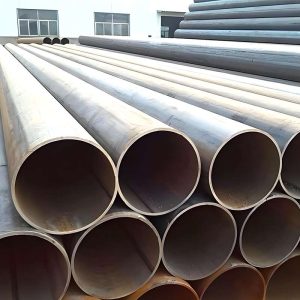
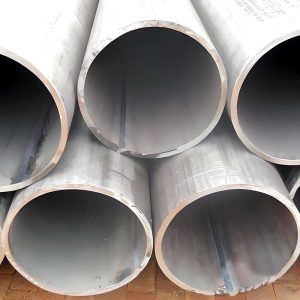
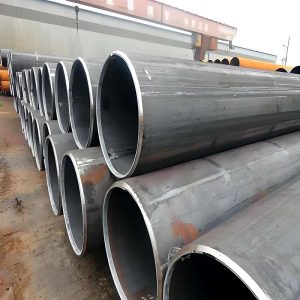
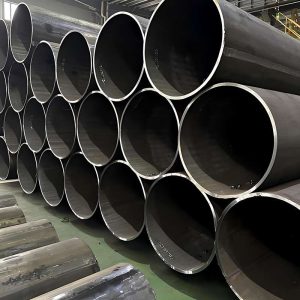
I. What are large-diameter SSAW pipes?
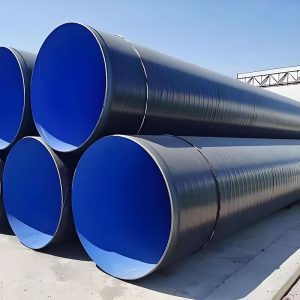
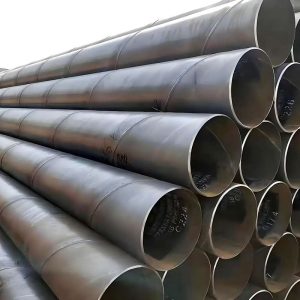
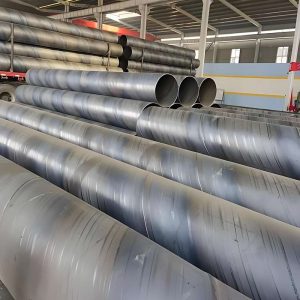
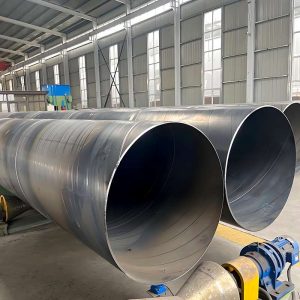
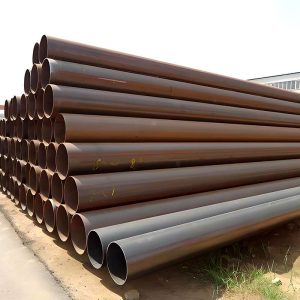
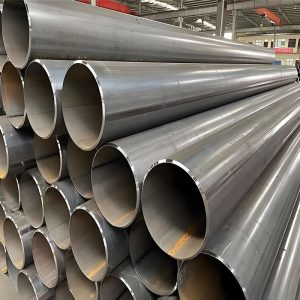
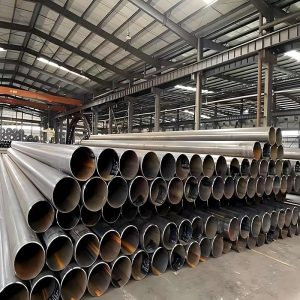
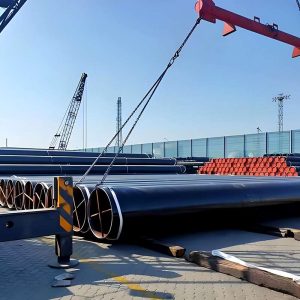
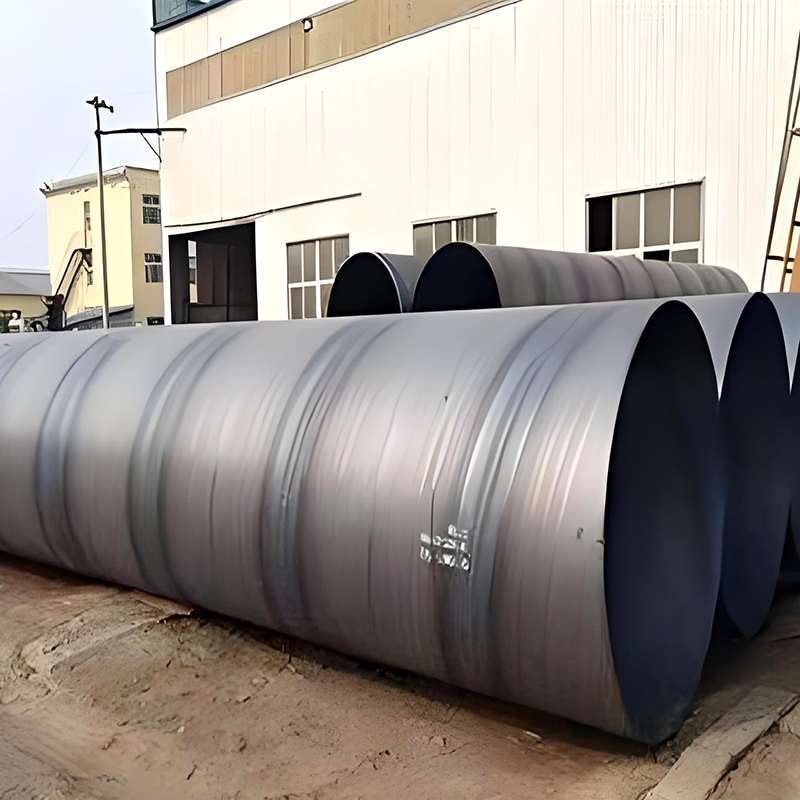
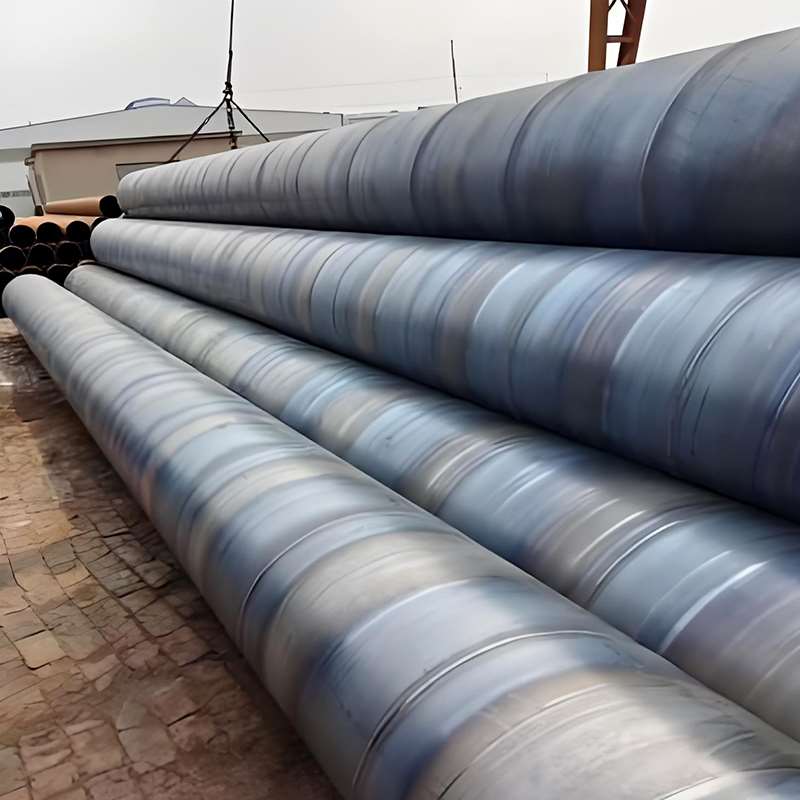
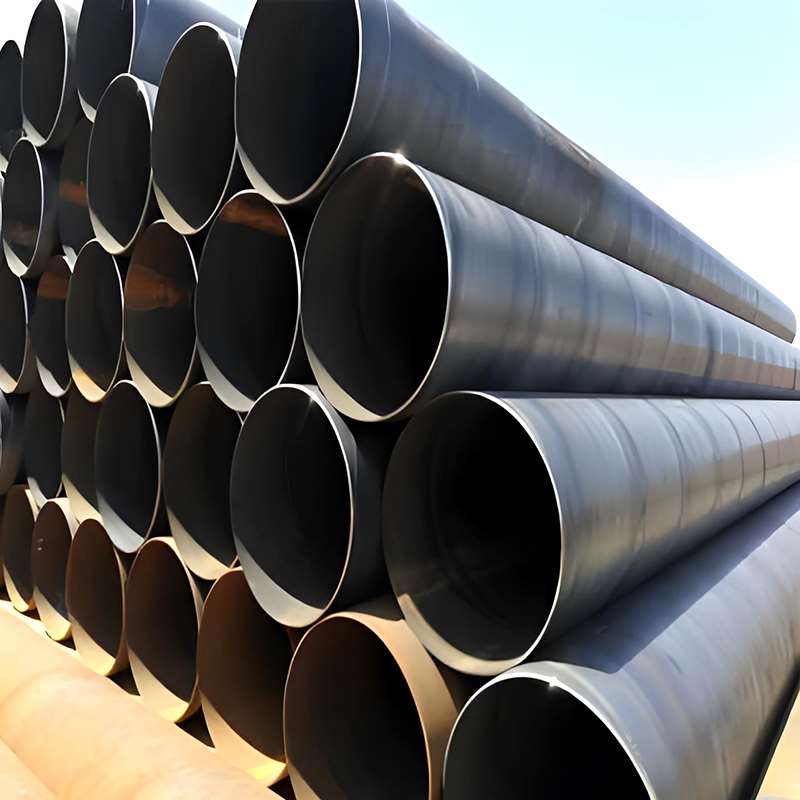
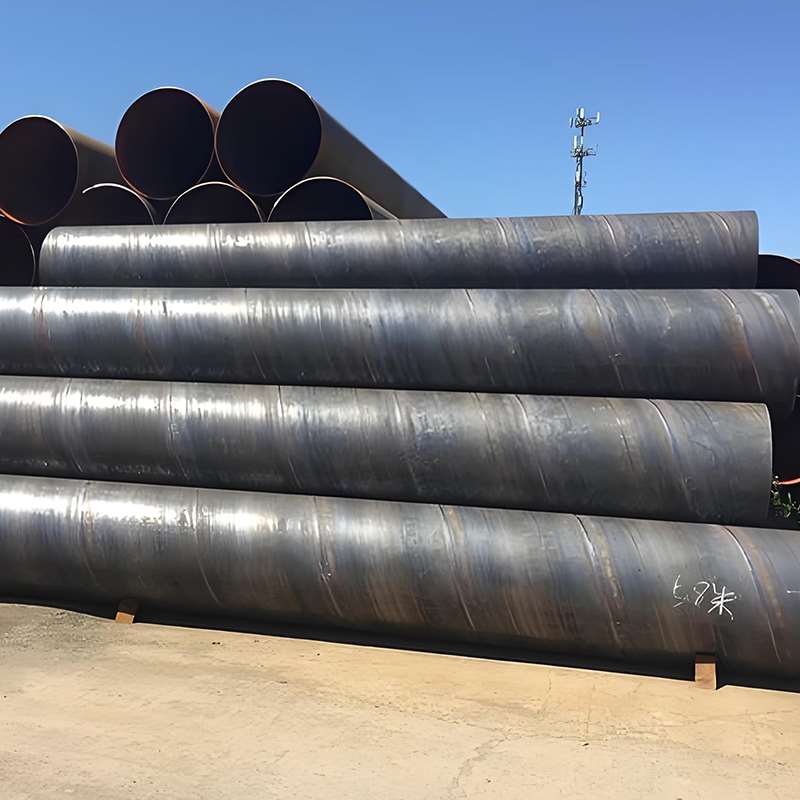
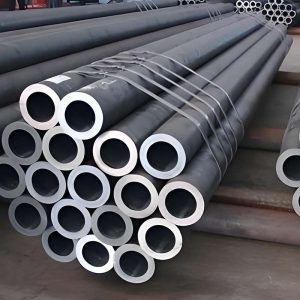
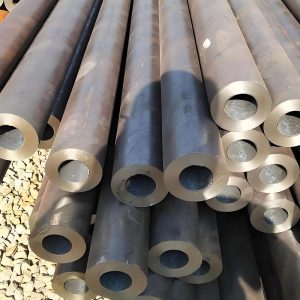
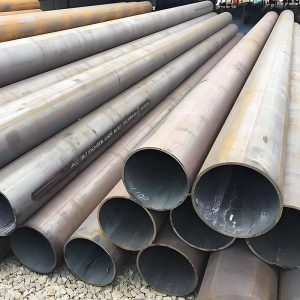
SSAW pipes are large-diameter welded steel pipes made from hot-rolled steel plates using a spiral coiling and double-sided submerged arc welding process. The spiral weld seam runs throughout the pipe body, ensuring even stress distribution when the pipe is under pressure, and making it suitable for producing ultra-large diameter steel pipes.
Key advantages:
- Can produce ultra-large diameter steel pipes from Φ219 to Φ3520 mm
- Flexible wall thickness, typically 6–40 mm
- Lower cost and high raw material utilization
- Short delivery time, meeting the needs of projects with tight deadlines.
II. Key Selection Points for Large Diameter SSAW Pipes
1. Confirm Engineering Standards and Materials
- Domestic Standards: GB/T 9711 (for transportation), GB/T 6728 (for structural use)
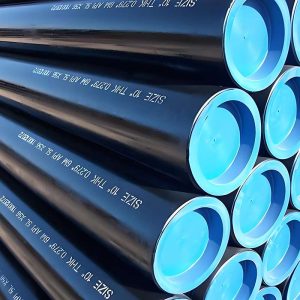
- International Standards: API 5L (oil and gas pipelines), ASTM A252/A139, EN 10219, EN 10208
- Common Materials/Grades: Q235B, Q355B, X42, X52, X60, API 5L Gr.B
- When selecting, choose the standard and material based on the engineering application, pressure rating, and type of medium.
2. Pipe Diameter and Wall Thickness Selection
- Outer Diameter Range: Φ219 – Φ3520 mm
- Wall Thickness Range: 6–40 mm
- Wall Thickness Tolerance: ±10%, Outer Diameter Tolerance ±1% or ±0.5 mm
- Thin-walled pipes can be selected for large-diameter low-pressure projects; thick-walled pipes are required for high-pressure or structurally demanding applications.
3. Weld Quality and Inspection Requirements
- Welding Method: Double-sided spiral submerged arc welding (SAW)
- Key Inspection: 100% ultrasonic testing (UT) of internal and external welds, and radiographic testing (RT) when necessary.
- Precautions: Ensure smooth weld bevel processing and uniform gaps to avoid pores and cracks.
4. Corrosion Protection Options
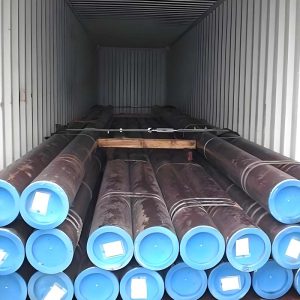
- Common methods: Black pipe, rust-inhibiting oil, painting, FBE, 3LPE, 3PP
- For buried or humid environments: Multi-layer corrosion protection (3LPE/3PP) is recommended.
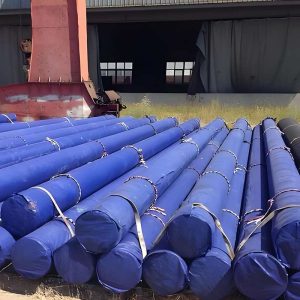
- The anti-corrosion layer directly affects the service life of the pipeline; protection should be ensured during construction and transportation.
5. Pipe End Form and Length
- Pipe end form: Plain end / Beveled end (according to ASME B16.25)
- Length options: Standard 6 / 9 / 12 m, customizable up to 18 m
- Select custom-length pipes according to construction requirements to reduce on-site welding and improve construction efficiency.
6. Applicable Engineering Scenarios
- Water pipelines, municipal drainage pipes: Large diameter, low to medium pressure, emphasis on corrosion protection
- Piling and structural pipes: High bending strength requirements, moderate wall thickness
- Low to medium pressure oil and gas pipelines: Strict adherence to API 5L standards for material selection to ensure safety
- When selecting, consider the project type, pressure rating, media characteristics, and cost factors.
III. Precautions During Use
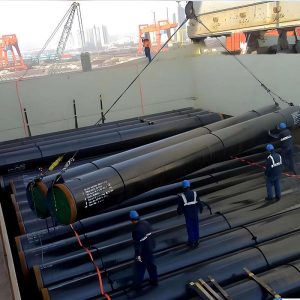
- Construction and Bending Control: Large-diameter pipes are heavy; bending must be avoided during lifting and laying.
- Welding Quality: The beveling of the pipe ends must be smooth, and welding parameters must be strictly controlled.
- Corrosion Protection: The anti-corrosion coating must not be scratched at the construction site, and regular inspections are required.
- Regular Maintenance: For long-term water or oil and gas pipelines, non-destructive testing is recommended every 5–10 years.