Products

Related News

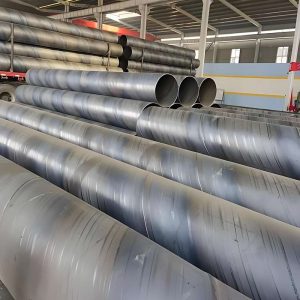
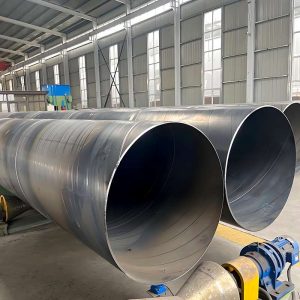
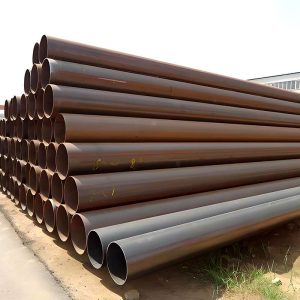
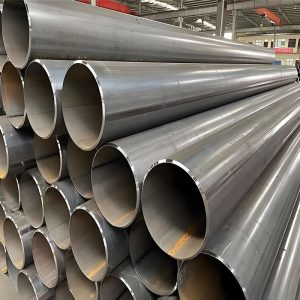
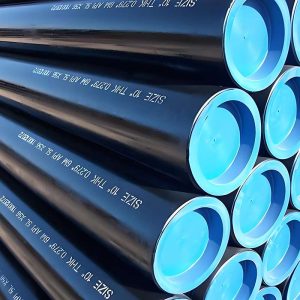
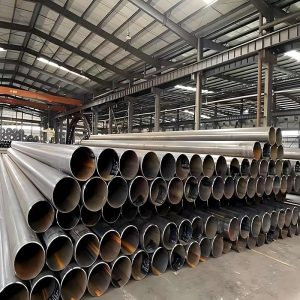
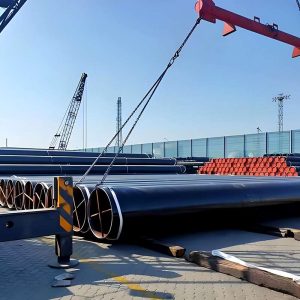
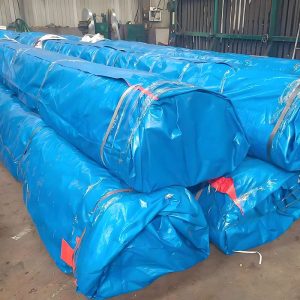
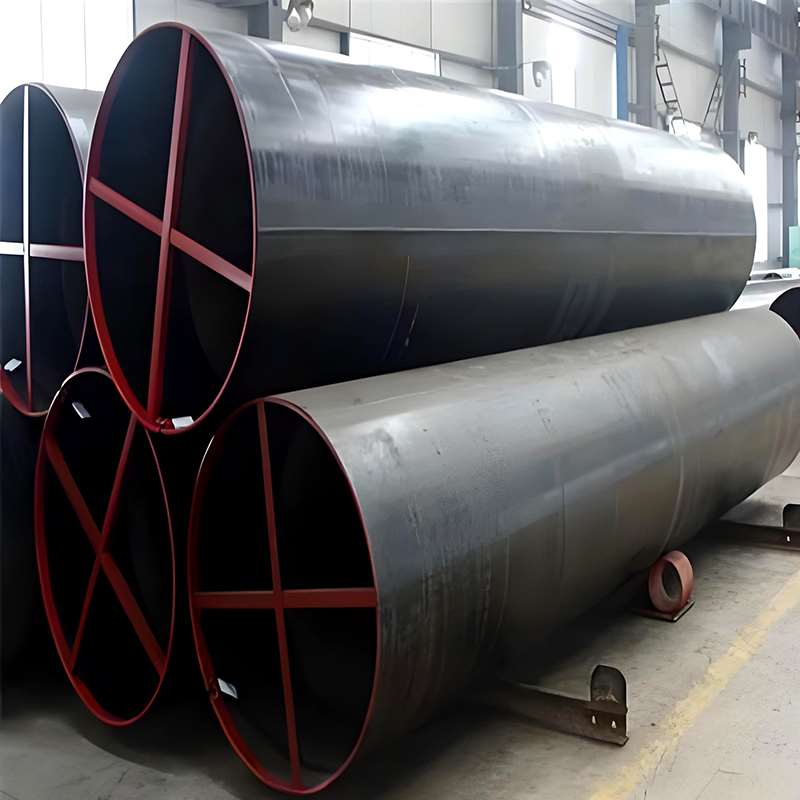
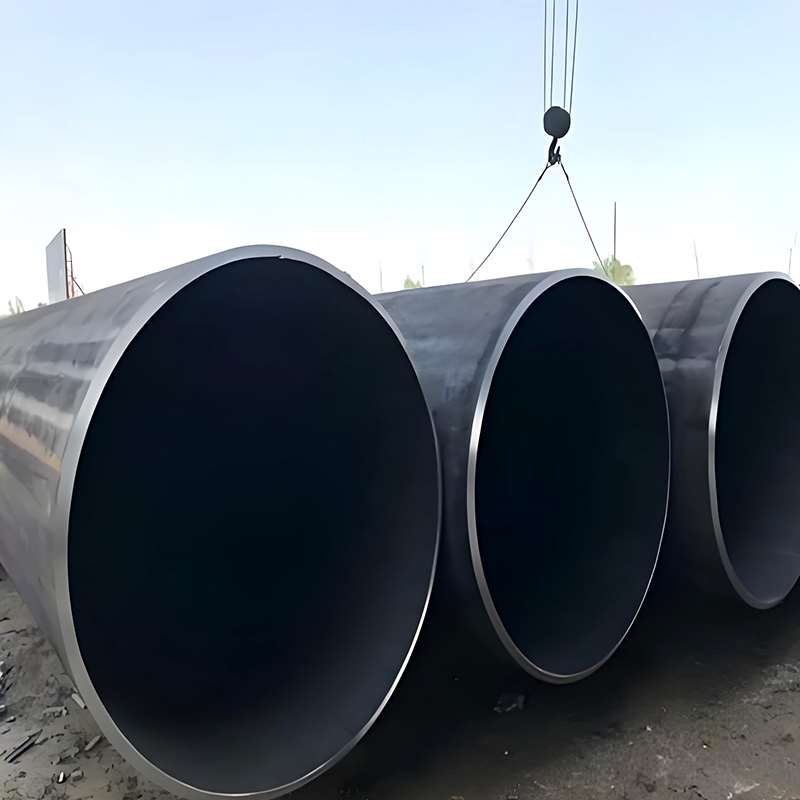
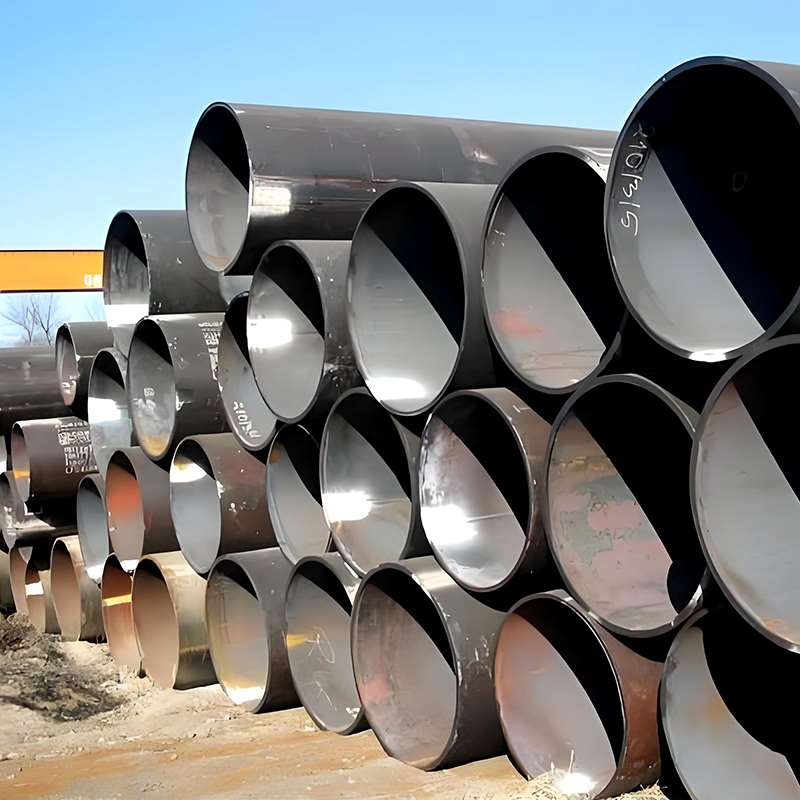
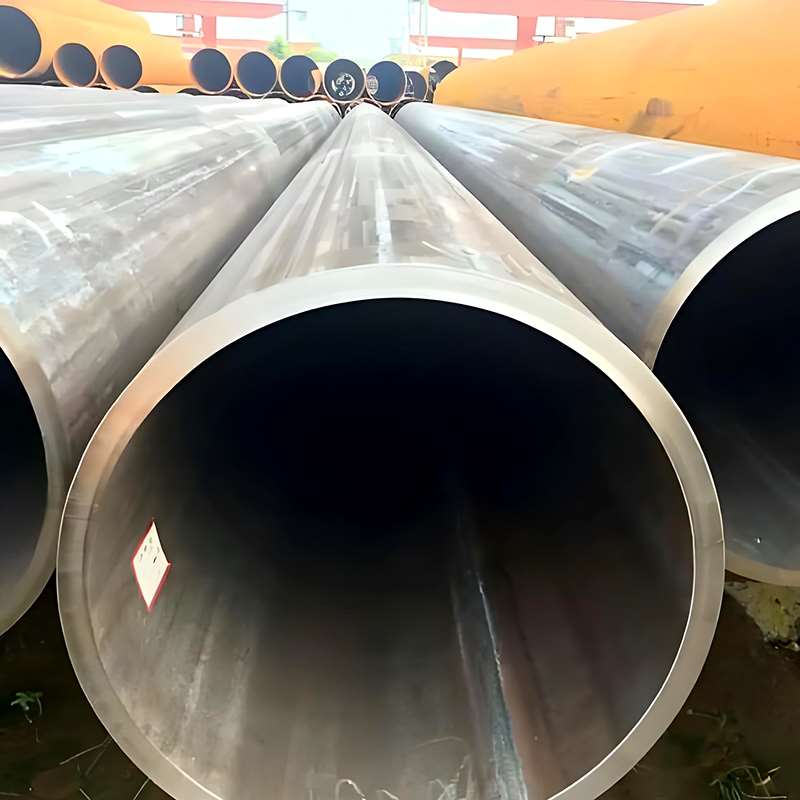
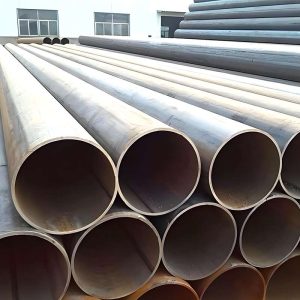
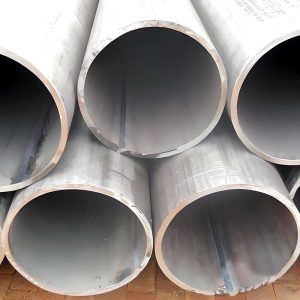
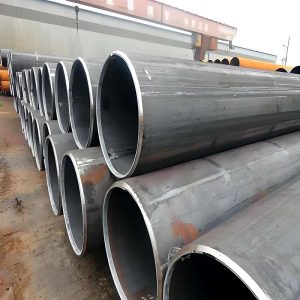
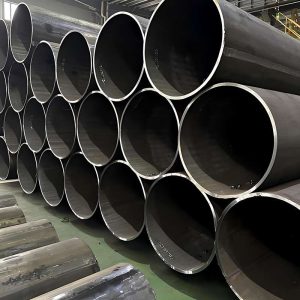
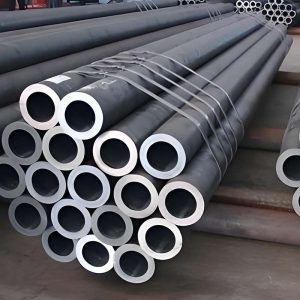
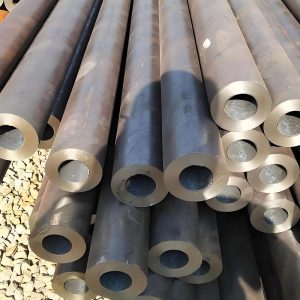
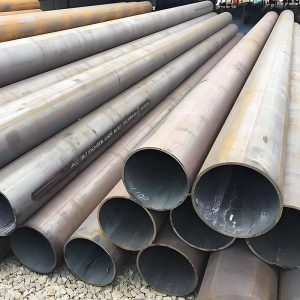
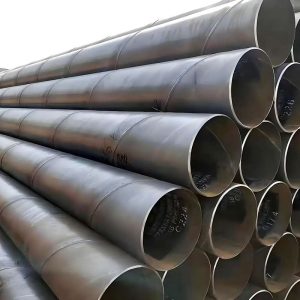
Large Diameter LSAW Steel Pipe

OD Range :

406 mm – 1626 mm

WT Range :

6 mm – 40 mm

Length :

6 m – 12 m

Tolerance :

Outside diameter ±1%, wall thickness ±10%, length ±50 mm

Material :

API 5L Gr.B、X42、X46、X52、X56、X60、X65、X70;ASTM Gr.42–Gr.70

Standard :

API 5L(PSL1 / PSL2)、ASTM A671 / A672、EN 10219 / EN 10217、ISO 3183、GB/T 9711

Surface :

Black pipes, rust-inhibiting oil, spray paint

Application :

Oil and gas long-distance pipelines, offshore engineering and subsea pipelines, power plants and energy projects, bridge structures and large-scale foundation engineering, piling and heavy foundation engineering.

I. Overview of LSAW Steel Pipes

Large-diameter LSAW (Longitudinal Submerged Arc Welding) steel pipes are a key material widely used in oil and gas pipelines, high-pressure energy projects, and large-scale infrastructure projects. They utilize a longitudinal submerged arc welding process, possessing high pressure resistance, thick-wall design, and excellent dimensional accuracy, making them ideal for long-distance, high-pressure pipelines.

II. Differences between LSAW Steel Pipes and Other Welded Pipes

Comparison ItemLSAW PipeERW PipeSSAW Pipe
Forming MethodJCOE / UOE press formingContinuous roll formingSpiral forming
Welding MethodLongitudinal submerged arc welding (inside & outside)High-frequency electric resistance weldingSpiral submerged arc welding
Outside Diameter RangeLarge diameter (406 – 1626 mm)Small to medium diameterExtra-large diameter available
Wall Thickness CapabilityThick wall (6 – 40 mm)Thin to medium wallMedium wall thickness
Pressure CapacityHighMediumLow to medium
Typical ApplicationsHigh-pressure long-distance oil & gas pipelinesLow-pressure fluid transmission, structural pipesLarge-diameter low to medium pressure pipelines

III. Chemical Composition of Large-Diameter LSAW Steel Pipes (wt.%)

Steel gradeCMnPSSiCrNiMo
Gr.B≤0.260.95–1.20≤0.030≤0.0300.15–0.35
X42≤0.240.90–1.40≤0.030≤0.0300.15–0.35
X46≤0.241.00–1.40≤0.030≤0.0300.15–0.35
X52≤0.261.00–1.40≤0.030≤0.0300.15–0.35
X56≤0.261.00–1.40≤0.030≤0.0300.15–0.35
X60≤0.261.00–1.40≤0.030≤0.0300.15–0.35≤0.50≤0.50≤0.15
X65≤0.281.10–1.40≤0.030≤0.0300.15–0.35≤0.50≤0.50≤0.15
X70≤0.281.10–1.50≤0.030≤0.0300.20–0.40≤0.50≤0.50≤0.15

Notes:

  1. C (Carbon): Affects strength and weldability.
  2. Mn (Manganese): Enhances the strength and toughness of steel.
  3. P, S (Phosphorus, Sulfur): The lower the better, to reduce brittleness and welding defects.
  4. Si (Silicon): Increases strength and improves oxidation resistance.
  5. Cr, Ni, Mo: Used in high-grade steel for high-temperature, high-pressure, and corrosive environments.
  6. The table data refers to the API 5L standard; actual values ​​can be adjusted according to project requirements.

IV. Mechanical Properties of Large-Diameter LSAW Steel Pipes

Steel GradeYield Strength σy (MPa)Tensile Strength σu (MPa)Elongation δ₅₀ (%)Impact Toughness KV (J)
Gr.B≥ 241415 – 550≥ 20≥ 27
X42≥ 290420 – 550≥ 21≥ 27
X46≥ 315430 – 570≥ 20≥ 27
X52≥ 360450 – 620≥ 20≥ 34
X56≥ 390485 – 625≥ 19≥ 34
X60≥ 415510 – 680≥ 18≥ 34
X65≥ 450535 – 710≥ 18≥ 34
X70≥ 480560 – 750≥ 17≥ 34

V. LSAW Steel Pipe Anti-Corrosion Solutions

  • Black pipe / Anti-rust oil: Used for short-term storage or transportation, low cost.
  • External paint / FBE (Epoxy powder coating): Used in indoor or mildly corrosive environments, good anti-corrosion effect.
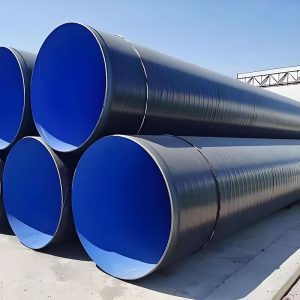
  • 3PE / 3PP Three-layer anti-corrosion: Preferred for buried or highly corrosive environments, strong corrosion resistance, suitable for long-distance oil and gas pipelines.
  • Internal anti-corrosion / PE lining: Used for transporting acidic and alkaline liquids or special chemical media, providing corrosion protection and reducing friction loss.

When selecting a corrosion protection scheme, the project environment, pipe length, media type, and budget should be considered.

VI. Typical Application Fields

  • Oil and gas long-distance pipelines: High-pressure, large-diameter, long-distance transportation of oil and gas.
  • Offshore engineering and subsea pipelines: Corrosion-resistant, high-strength, suitable for offshore platforms and subsea pipelines.
  • Power plants and energy projects: High-temperature and high-pressure steam pipelines for thermal power, nuclear power, and combined heat and power plants.
  • Bridge structures and large-scale foundation engineering: Pile pipes, foundation support, heavy structure pipelines.
  • Piling and heavy foundation engineering: Large building foundations, port terminals, foundation load-bearing structures.
Related Products

Large Diameter LSAW Steel Pipe Specifications and Dimensions Table

Outer Diameter (OD) Optional wall thickness range Common lengths
406 6.4 / 7.1 / 8.0 / 8.8 / 10 / 12 6–12 m
457 6.4 / 7.1 / 8.0 / 8.8 / 10 / 12 6–12 m
508 6.4 / 7.1 / 8.0 / 8.8 / 10 / 12 / 14 6–12 m
559 6.4 / 7.1 / 8.0 / 8.8 / 10 / 12 / 14 6–12 m
610 7.1 / 8.0 / 8.8 / 10 / 12 / 14 / 16 6–12 m
660 7.1 / 8.0 / 8.8 / 10 / 12 / 14 / 16 6–12 m
711 8.0 / 8.8 / 10 / 12 / 14 / 16 / 18 6–12 m
762 8.0 / 8.8 / 10 / 12 / 14 / 16 / 18 6–12 m
813 8.8 / 10 / 12 / 14 / 16 / 18 / 20 6–12 m
864 8.8 / 10 / 12 / 14 / 16 / 18 / 20 6–12 m
914 10 / 12 / 14 / 16 / 18 / 20 / 22 6–12 m
965 10 / 12 / 14 / 16 / 18 / 20 / 22 6–12 m
1016 10 / 12 / 14 / 16 / 18 / 20 / 22 / 25 6–12 m
1067 10 / 12 / 14 / 16 / 18 / 20 / 22 / 25 6–12 m
1118 12 / 14 / 16 / 18 / 20 / 22 / 25 6–12 m
1219 12 / 14 / 16 / 18 / 20 / 22 / 25 / 30 6–12 m
1320 14 / 16 / 18 / 20 / 22 / 25 / 30 6–12 m
1422 14 / 16 / 18 / 20 / 22 / 25 / 30 6–12 m
1524 16 / 18 / 20 / 22 / 25 / 30 6–12 m
1626 16 / 18 / 20 / 22 / 25 / 30 6–12 m

Instructions for Use
Outer Diameter Range: 406 mm – 1626 mm (16″ – 64″)
Wall Thickness Range: 6.4 mm – 30 mm (thicker sizes available upon request)
Applicable Standards: API 5L, ASTM A252, ASTM A671 / A672, EN 10219, etc.
Application Fields: Oil and gas transportation, long-distance pipelines, offshore engineering, structural engineering, piling engineering

Common standards for large-diameter LSAW steel pipes

Standard System Standard No. Standard Name (English) Main Application Typical Material Grades
API API 5L Line Pipe Long-distance oil and natural gas transmission pipelines PSL1 / PSL2: B, X42, X52, X60, X65, X70
ASTM ASTM A252 Welded and Seamless Steel Pipe Piles Piling and foundation engineering Grade 1 / 2 / 3
ASTM ASTM A671 Electric-Fusion-Welded Steel Pipe for Atmospheric and Lower Temperatures Pressure piping for ambient or low-temperature service CC60, CC65, CC70
ASTM ASTM A672 Electric-Fusion-Welded Steel Pipe for High-Pressure Service at Moderate Temperatures Medium- to high-temperature and pressure systems CC60, CC65, CC70
ASTM ASTM A691 Electric-Fusion-Welded Steel Pipe for High-Temperature, High-Pressure Service High-temperature, high-pressure applications 1Cr, 1¼Cr, 2¼Cr
EN EN 10219 Cold Formed Welded Structural Hollow Sections Structural engineering S275J0H, S355J2H
EN EN 10208-2 Steel Pipes for Pipelines European oil and gas transmission pipelines L245, L290, L360, L415
GB GB/T 9711 Steel Pipes for Pipeline Transportation Systems in the Petroleum and Natural Gas Industries Oil and gas long-distance transmission pipelines L245, L290, L360, L415
GB GB/T 3091 Welded Steel Pipes for Low-Pressure Fluid Transportation Water, gas, and general fluid service Q235B, Q355B
GB GB/T 13793 Longitudinal Electric-Resistance-Welded Steel Pipes Structural and low-pressure applications Q235B, Q355B
ISO ISO 3183 Steel Pipe for Pipeline Transportation Systems International oil and gas pipelines L245, L290, L360, L415

Selection Guidelines:
Oil and gas long-distance pipeline projects: Prioritize using API 5L / ISO 3183 / EN 10208-2
Piling and foundation engineering: Commonly use ASTM A252
Pressure pipelines (non-oil and gas): Often use ASTM A671 / A672
Structural applications: Commonly use EN 10219 / GB/T 13793

Manufacturing process flow for large-diameter LSAW steel pipes

Steel plate inspection → Pre-treatment → Forming → Pre-welding → Inner welding → Outer welding → Non-destructive testing → Expanding → Heat treatment → Hydrostatic testing → Dimensional inspection → Corrosion protection → Marking → Ex-factory


Inspection Standards for Large-Diameter LSAW Steel Pipes

Inspection Stage Inspection Item Test Method Applicable Standard (Example) Main Requirements
Raw Material Chemical composition Spectrometric analysis API 5L / ASTM / EN Chemical composition must comply with the specified steel grade
Raw Material Mechanical properties Tensile test, impact test API 5L / ASTM A370 Yield strength, tensile strength, and elongation must meet requirements
Raw Material Plate surface quality Visual inspection ASTM A6 / EN 10029 No cracks, laps, or lamination allowed
Pre-forming Plate dimensions Dimensional measurement EN 10210 / API 5L Thickness and width tolerances must comply
Welding Tack weld inspection Visual inspection API 5L No misalignment or obvious defects
Welding Inner weld seam inspection Ultrasonic Testing (UT) API 5L / ASTM A578 No lack of fusion or cracks permitted
Welding Outer weld seam inspection Ultrasonic Testing (UT) API 5L / ASTM A578 Continuous weld, free from internal defects
Welding Weld seam radiographic testing RT (if required) API 5L / ASTM E94 Defect acceptance level shall comply with the standard
Post-forming Expanding quality Dimensional re-inspection API 5L Roundness and straightness must be acceptable
Finished Product Hydrostatic test Hydrostatic pressure test API 5L / EN 10208 No leakage or deformation
Finished Product Visual inspection Visual check API 5L Surface free from cracks and dents
Finished Product Dimensional inspection Caliper, tape measurement API 5L Outside diameter, wall thickness, and length within tolerance
Finished Product Ovality Dimensional calculation API 5L ≤ maximum value specified by the standard
Finished Product Weld reinforcement Gauge measurement API 5L Complies with weld profile requirements
Finished Product Pipe end bevel Angle measurement API 5L / ASME B16.25 Bevel angle and land meet requirements
Finished Product Coating inspection Holiday test, thickness measurement ISO 21809 No pinholes; coating thickness within specification
Release Marking and documentation Visual check / document review EN 10204 Clear marking and complete documentation


Selection Frequently Asked Questions (FAQ)

Q1: How to choose the appropriate outer diameter and wall thickness?

A1: Calculate the wall thickness based on the pressure, flow rate, and length of the conveying medium. Thick-walled, large-diameter pipes are recommended for high-pressure pipelines.

Q2: What media are suitable for LSAW steel pipes?

A2: Oil, natural gas, water, steam, and some chemical media. Internal and external anti-corrosion treatment is recommended for special media.

Q3: How to choose an anti-corrosion solution?

A3: Short-term transportation → Black pipe; Indoor light corrosion → Painting/FBE; Buried high corrosion → 3PE/3PP; Special media → Internal anti-corrosion/PE lining.

Q4: How to determine whether to use LSAW, ERW, or SSAW?

A4: High pressure, large diameter → LSAW; Small to medium diameter, low pressure → ERW; Extra-large diameter, low to medium pressure → SSAW.

Q5: Do length and transportation affect the selection?

A5: 6–12 m is the standard length. Excessive length increases transportation difficulty, so construction convenience should also be considered.

Q6: How to choose the material grade?

A6: Select API 5L Gr.B / X42–X70 or ASTM Gr.42–Gr.70 according to the project pressure, temperature, and corrosive environment. High-strength grades are used for high-pressure and high-temperature projects.