Products

Related News

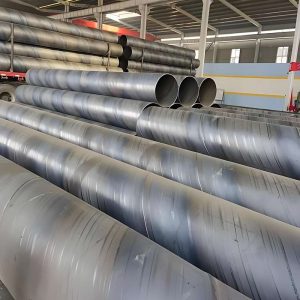
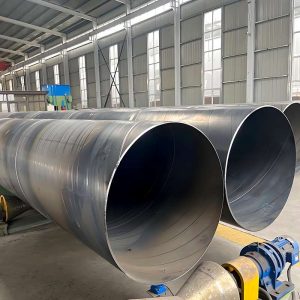
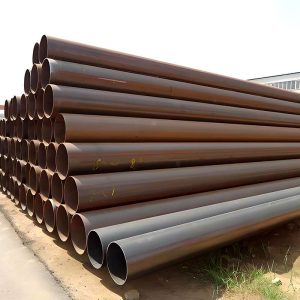
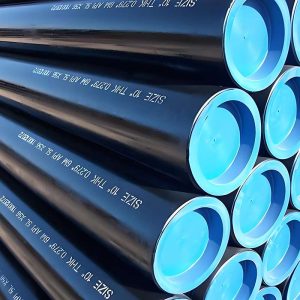
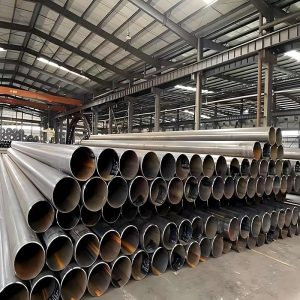
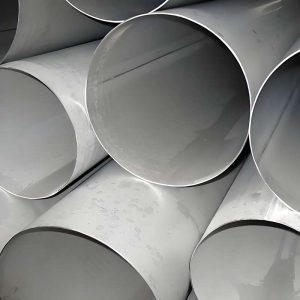
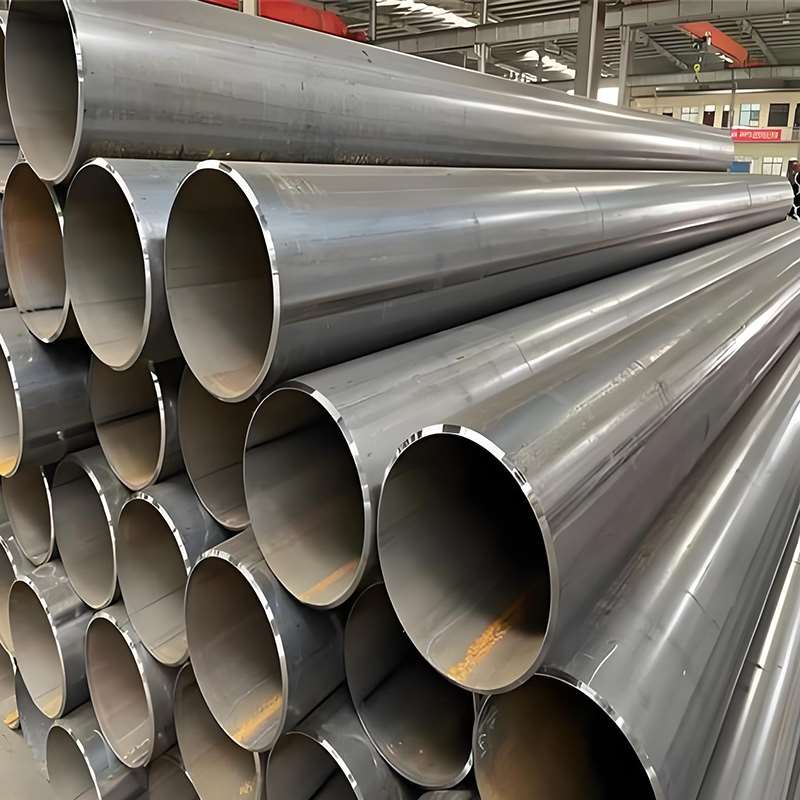
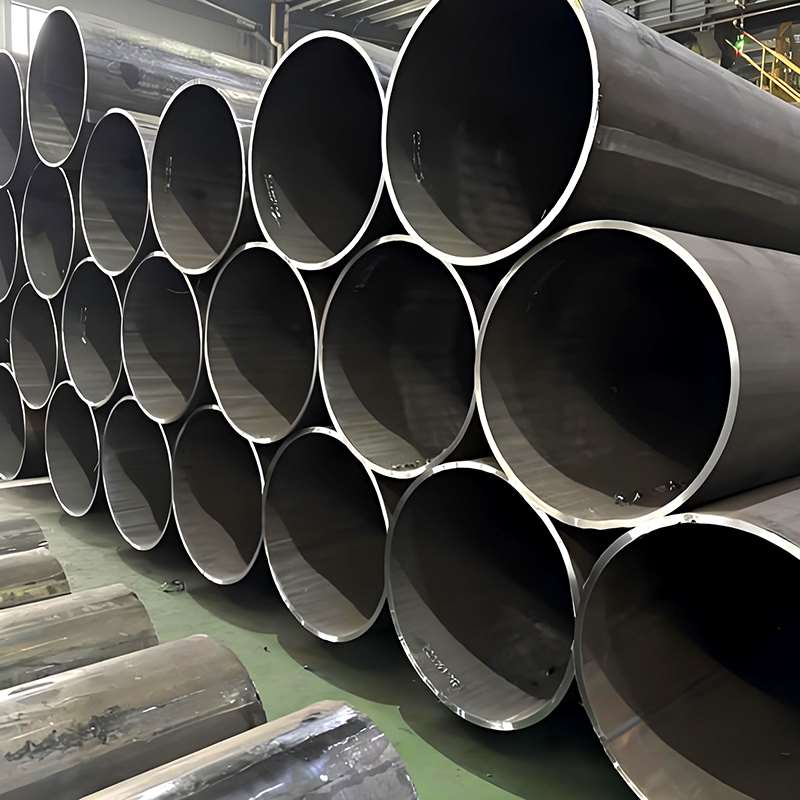
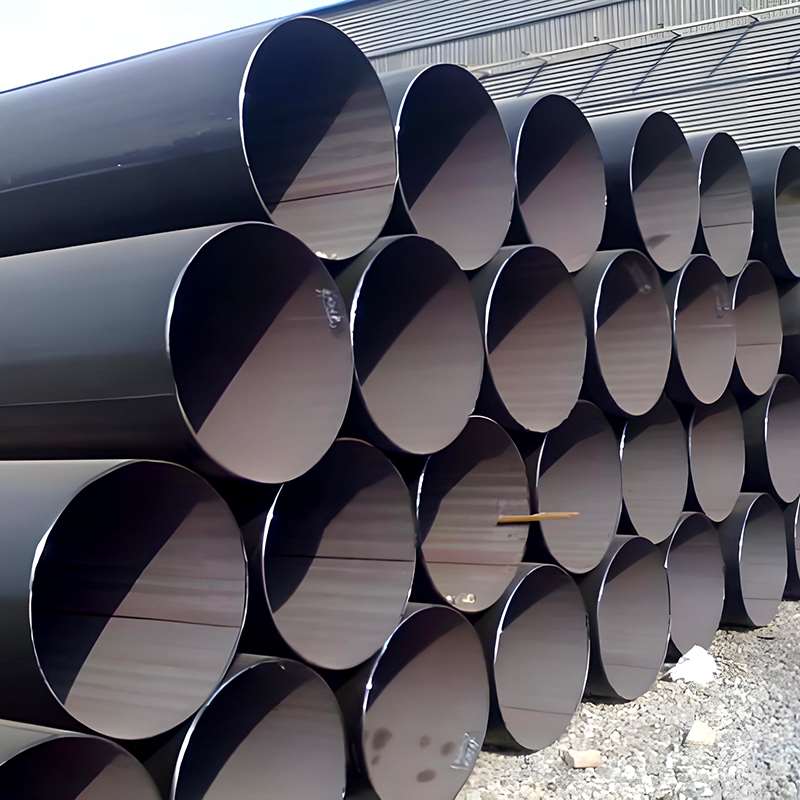
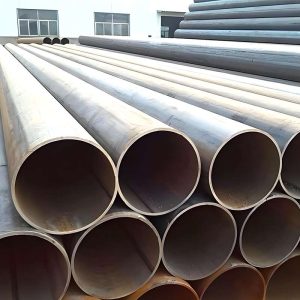
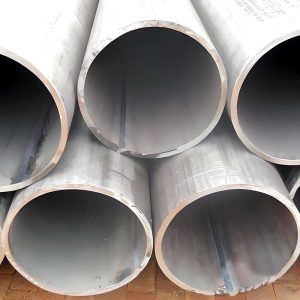
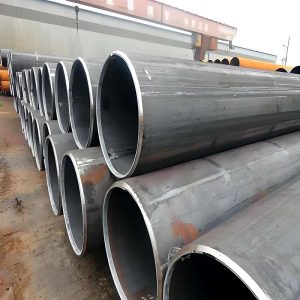
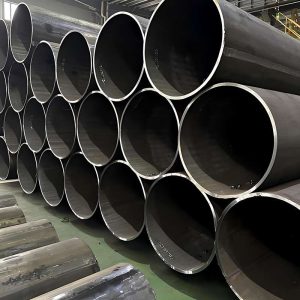
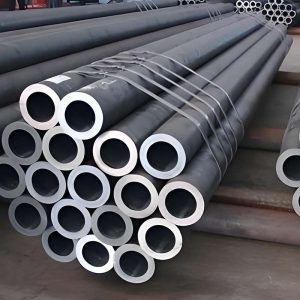
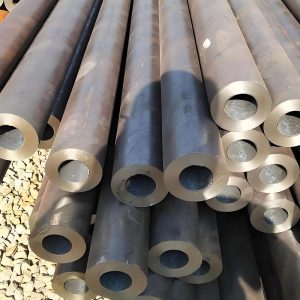
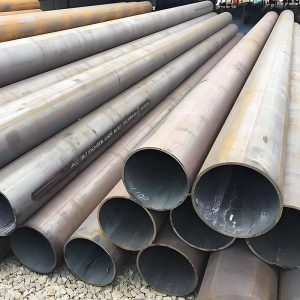
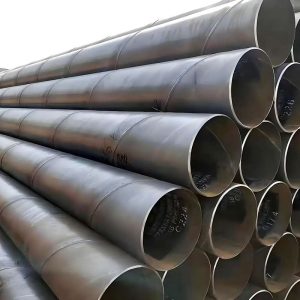
High Strength LSAW Carbon Steel Pipe

OD Range :

406 – 1626 mm(16″ – 64″)

WT Range :

6.4 – 50.0 mm

Length :

6–12 m

Tolerance :

Outer diameter: ±0.5%, Wall thickness: -10% / +15%, Length: -0 / +50 mm

Material :

API 5L X52 / X56 / X60 / X65 / X70 ,GB/T 9711 L360 / L390 / L415 / L450 / L485

Standard :

API 5L PSL1 / PSL2 ,ISO 3183 ,GB/T 9711

Surface :

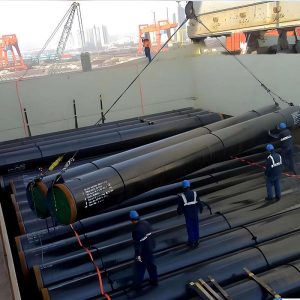
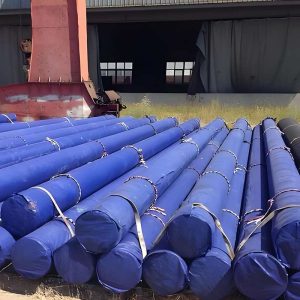
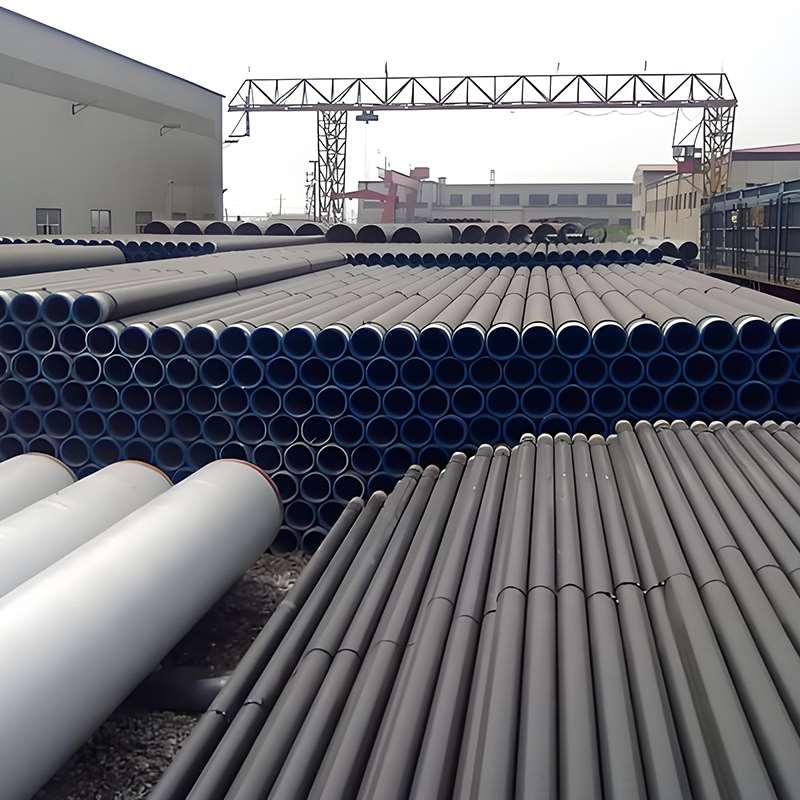
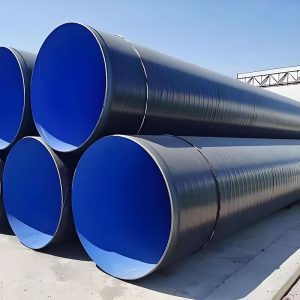
Bare pipe, with 3LPE / 3PP / FBE anti-corrosion coating, and optional internal coating (epoxy, liquid coating).

Application :

Long-distance oil and gas pipelines, high-pressure natural gas trunk lines, urban gas distribution networks, offshore/subsea pipeline projects, and high-grade energy and infrastructure projects.

I. Overview of High-Strength LSAW Carbon Steel Pipes

High-strength LSAW carbon steel pipes are manufactured using the longitudinal submerged arc welding (LSAW) process and possess excellent compressive strength and corrosion resistance.
These pipes utilize high-strength carbon steel materials, enabling them to withstand higher pressures and external impacts. They are suitable for large-diameter, high-strength pipeline projects, particularly in the oil, natural gas, chemical, and offshore platform industries, offering enhanced safety and reliability.

Main Features:

  • High Strength: Superior tensile strength and yield strength, suitable for high-pressure pipelines.
  • Welding Performance: Utilizes submerged arc welding (SAW) process, ensuring weld quality and pipe strength.
  • Wide Range of Applications: Widely used in oil, natural gas, offshore platforms, and other engineering projects.
  • Strong Corrosion Resistance: Adaptable to harsh working environments, such as seawater and acidic/alkaline media.

Application Areas:

  • Oil and natural gas long-distance pipelines
  • High-pressure industrial pipelines
  • Offshore oil and gas platform pipelines
  • Municipal and large-scale construction projects

II. Main Advantages of High-Strength LSAW Carbon Steel Pipes

  1. High Pressure Resistance
    The use of high-strength materials enables them to withstand extremely high working pressures, making them suitable for long-distance pipelines, deep-sea pipelines, and other engineering projects.
  2. Superior Corrosion Resistance
    Suitable for harsh working environments, such as chemical corrosion and seawater corrosion.
  3. Reliable Welding Performance
    The LSAW process ensures the strength of the welded joints and stable weld quality, making it suitable for high-strength pipeline projects.
  4. Application in Large-Diameter and Thick-Walled Pipes
    Particularly suitable for the production of large-diameter and thick-walled pipes, meeting the needs of ultra-large-scale engineering projects.

III. Common steel grades for high-strength LSAW carbon steel pipes

Steel GradeYield Strength (MPa)Tensile Strength (MPa)Elongation (%)Typical Applications
X42≥ 290415–560≥ 25General onshore oil and gas pipelines
X46≥ 315415–580≥ 22Medium- to low-pressure pipelines, industrial piping
X52≥ 355455–620≥ 22Onshore long-distance oil and gas transmission pipelines
X60≥ 415485–650≥ 20High-pressure long-distance transmission pipelines
X65≥ 450510–680≥ 18High-pressure pipelines and critical engineering projects
X70≥ 485535–710≥ 18Large-diameter, high-pressure pipelines and offshore pipelines
X80≥ 550585–690≥ 15Special high-pressure pipelines or deepwater pipelines

IV. Chemical Composition of High-Strength LSAW Carbon Steel Pipes

Steel gradeC (%)Mn (%)P (%)S (%)Si (%)Carbon equivalent CE (%)
X42≤0.280.60–1.35≤0.03≤0.030.10–0.40≤0.43
X46≤0.300.60–1.35≤0.03≤0.030.10–0.40≤0.45
X52≤0.260.60–1.35≤0.03≤0.030.10–0.40≤0.42
X60≤0.260.60–1.35≤0.03≤0.030.10–0.40≤0.42
X65≤0.260.60–1.35≤0.03≤0.030.10–0.40≤0.42
X70≤0.260.60–1.35≤0.03≤0.030.10–0.40≤0.42
X80≤0.230.80–1.50≤0.03≤0.030.10–0.40≤0.44

V. High-Strength LSAW Carbon Steel Pipe Application Fields and Selection Recommendations

1. Onshore Oil Pipelines

  • Application Fields: Suitable for onshore oil pipelines of oil companies and pipeline engineering projects.
  • Common Operating Conditions: Medium to low pressure, normal temperature, general environmental conditions; transporting crude oil or light oil.
  • Selection Recommendations: Steel grades X42–X52 are recommended, PSL1 is sufficient; wall thickness is determined according to design pressure and pipe diameter. Pipe lengths are typically 12–18m, and the surface can be treated with epoxy or hot-dip galvanizing for corrosion protection.

2. Onshore Gas Pipelines

  • Application Fields: Used for long-distance natural gas transmission pipelines, including urban gas or industrial gas pipelines.
  • Common Operating Conditions: High pressure, long-distance transmission, potentially involving complex terrain; sometimes accompanied by moderately corrosive environments.
  • Selection Recommendations: Steel grades X52–X60 are recommended, PSL2 is suggested; wall thickness is selected according to the pipeline’s working pressure; anti-corrosion coatings (such as epoxy powder, epoxy coal tar) can be added to enhance pipeline durability and ensure long-term safe operation.

3. Offshore Oil and Gas Platform Pipelines

  • Application Areas: Pipelines for transporting crude oil, natural gas, and chemical liquids on offshore oil and gas platforms.
  • Common Operating Conditions: High pressure, low temperature, seawater environment, susceptible to wind and waves; requires meeting complex offshore engineering safety standards.
  • Selection Recommendations: Steel grade X65–X70, PSL2 must be selected; wall thickness should be appropriately increased to withstand high pressure and external forces; high surface corrosion protection is required, usually using 3PE or epoxy coating; welds must undergo full inspection (UT/RT) to ensure welding quality.

4. Long-Distance Pipeline Projects

  • Application Areas: Long-distance oil and gas transportation projects across regions, provinces, or even countries.
  • Common Operating Conditions: High pressure, long distance, complex terrain, and variable environment; high requirements for pipeline strength and welding quality.
  • Selection Recommendations: Steel grade X60–X70, PSL2 should be selected; large diameter and high wall thickness are preferred; welds must undergo full ultrasonic or radiographic inspection to ensure safe operation; epoxy powder or 3PE coating can be selected for pipeline corrosion protection.

5. Industrial Pipelines

  • Application areas: High-pressure pipeline systems in industrial facilities such as chemical plants, refineries, and power plants.
  • Common operating conditions: High pressure, liquid or gas transportation, some conditions involve corrosive media; pipelines are mostly of medium diameter.
  • Selection recommendations: Steel grades X52–X65, PSL1 or PSL2 depending on the criticality of the project; wall thickness determined by process pressure, surface corrosion protection selected according to operating conditions, such as epoxy or thermal spray zinc.

6. Municipal Water Supply/Drainage Pipelines

  • Application areas: Urban water supply, drainage, and medium-to-low pressure water transmission networks.
  • Common operating conditions: Medium to low pressure, normal temperature, ordinary water quality environment; low corrosivity.
  • Selection recommendations: Steel grades X42–X52, PSL1 is sufficient; wall thickness selected according to SCH40/SCH80 standards, conventional anti-corrosion treatment is sufficient, such as epoxy coating or thermal spray zinc.
Related Products

High-Strength LSAW Carbon Steel Pipe Specifications and Dimensions Table

Nominal Size DN / NPS Outside Diameter OD (mm) Wall Thickness WT (mm) Standard Length (m)
4″ / DN100 114.3 6.35, 7.11, 8.18, 9.53, 10.97, 12.70 12 / 18
6″ / DN150 168.3 6.35, 7.11, 8.18, 9.53, 10.97, 12.70, 14.27 12 / 18
8″ / DN200 219.1 6.35, 7.11, 8.18, 9.53, 10.97, 12.70, 14.27, 15.88 12 / 18
10″ / DN250 273.0 7.11, 8.18, 9.53, 10.97, 12.70, 14.27, 15.88, 17.48 12 / 18
12″ / DN300 323.9 7.11, 8.18, 9.53, 10.97, 12.70, 14.27, 15.88, 17.48, 19.05 12 / 18
14″ / DN350 355.6 8.18, 9.53, 10.97, 12.70, 14.27, 15.88, 17.48, 19.05, 20.74 12 / 18
16″ / DN400 406.4 8.18, 9.53, 10.97, 12.70, 14.27, 15.88, 17.48, 19.05, 20.74, 22.23 12 / 18
18″ / DN450 457.2 9.53, 10.97, 12.70, 14.27, 15.88, 17.48, 19.05, 20.74, 22.23, 24.00 12 / 18
20″ / DN500 508.0 9.53, 10.97, 12.70, 14.27, 15.88, 17.48, 19.05, 20.74, 22.23, 24.00, 25.40 12 / 18
24″ / DN600 609.6 10.97–28.00 (Customizable) 12 / 18
30″ / DN750 762.0 12.70–32.00 (Customizable) 12 / 18
36″ / DN900 914.0 14.27–36.00 (Customizable) 12 / 18
40″ / DN1000 1016.0 15.88–40.00 (Customizable) 12 / 18


Standards Table for High-Strength LSAW Carbon Steel Pipes

Standard Type Standard No. Application Scope Steel Grade Level / Classification Key Requirements
International Standard (USA) API 5L Oil and natural gas transmission pipelines X42, X46, X52, X60, X65, X70, X80 PSL1 / PSL2 Chemical composition, mechanical properties, dimensional tolerances, weld quality, impact testing
International Standard (USA) ASTM A106 / ASTM A53 High-temperature, high-pressure or general service pipelines Carbon steel pipe Mechanical properties, surface condition, dimensions
European Standard EN 10208-2 Oil and natural gas pipeline systems B, X42–X70 Chemical composition, mechanical properties, weld inspection
European Standard EN 10217 / EN 10219 Welded steel pipes for industrial and medium-to-low pressure service Material properties and dimensional requirements
Chinese Standard GB/T 9711.1-2017 Transportation of oil, natural gas and other fluids X42, X46, X52, X60, X65, X70 PSL1 / PSL2 Material requirements, dimensional tolerances, mechanical properties, impact testing, weld inspection
Chinese Standard GB/T 8163 / GB/T 3087 Carbon steel seamless and welded pipes General material and dimensional requirements, applicable as reference for LSAW production


High-Strength LSAW Carbon Steel Pipe Production Process Flow

Raw Material Preparation → Uncoiling and Straightening → Longitudinal Submerged Arc Welding (LSAW) → Weld Heat Treatment (Optional) → Straightening and Shaping → Non-Destructive Testing (UT/RT) → Hydrostatic Testing → Cutting and End Finishing → Surface Treatment and Corrosion Protection → Packaging and Final Inspection

Process Description
Raw Material Preparation: Select high-strength carbon steel plates that meet the required steel grade specifications.
Uncoiling and Shaping: Uncoil the steel plate into a circular pipe blank, correcting the outer diameter and roundness.
Longitudinal Submerged Arc Welding (LSAW): Weld along the longitudinal direction of the pipe body to ensure a strong weld.
Weld Heat Treatment (Optional): Stress relief to improve weld toughness and mechanical properties.
Straightening and Shaping: Correct the straightness and ovality of the pipe to ensure dimensional accuracy.
Non-destructive Testing (UT/RT): Inspect weld defects such as pores and slag inclusions.
Hydrostatic Testing: Ensure the pipe’s pressure resistance meets design requirements.
Cutting and End Treatment: Cut to the design length, with beveling or flat ends.
Surface Treatment and Corrosion Protection: Hot-dip galvanizing, epoxy coating, or 3PE coating to enhance corrosion resistance.
Packaging and Final Inspection: Pipes are packaged according to classification, and dimensions, appearance, and weld quality are re-inspected.


Inspection Standards for High-Strength LSAW Carbon Steel Pipes

Inspection Item Inspection Details Standard / Requirement
Visual Inspection Check whether the pipe surface is smooth, free from cracks, scratches, and zinc lumps Visual inspection in accordance with API 5L / GB/T 9711.1
Dimensional Inspection Outside diameter, wall thickness, length, ovality, straightness OD & WT tolerance ±1–2%, length ±50 mm, ovality ≤1%, straightness ≤0.5% of length
Chemical Composition Test Content of C, Mn, P, S, Si and other elements Compliant with specified steel grades (X42–X70), carbon equivalent (CE) ≤ standard limit
Mechanical Properties Test Yield strength, tensile strength, elongation Meet steel grade requirements (X42–X70), elongation ≥15–25%
Impact Test Low-temperature impact toughness Mandatory for PSL2 projects or low-temperature service, in compliance with standards
Non-Destructive Testing (NDT) Ultrasonic Testing (UT) and Radiographic Testing (RT) of weld seams Detection of weld defects such as porosity, slag inclusion, and cracks, per API 5L / GB/T 9711.1
Hydrostatic Test Pressure-bearing capability of the pipe Hydrostatic test at 1.5 times the design pressure to ensure safety margin
Hardness Test Local hardness and weld seam hardness Controlled according to steel grade requirements to avoid brittleness
Coating & Corrosion Protection Inspection Coating thickness, adhesion, and integrity Compliant with project requirements, such as epoxy coating and 3PE corrosion protection standards


High-Strength LSAW Carbon Steel Pipe Selection FAQ

1. Question: What application areas are suitable for high-strength LSAW carbon steel pipes?

Answer:
High-strength LSAW carbon steel pipes are mainly used in oil and gas transmission pipelines (onshore and offshore), long-distance pipelines, industrial pipelines (chemical, refining, power), municipal water supply and drainage pipelines, etc. The selection of steel grade and wall thickness should be determined based on pipeline pressure, medium, environmental conditions, and pipe diameter.

2. Question: How to choose the appropriate steel grade (X42–X70)?

Answer:
Steel grade selection is based on pipeline working pressure and environment:
Low-pressure or ordinary onshore pipelines: X42–X52
High-pressure onshore gas transmission or long-distance pipelines: X52–X60
Offshore high-pressure pipelines or critical projects: X65–X70
X80 can be used for special high-pressure or deep-water pipelines.

3. Question: What are the differences between PSL1 and PSL2, and which one should I choose?

Answer:
PSL1: Suitable for general engineering, with lower pipeline pressure and conventional weld inspection requirements.
PSL2: Suitable for critical projects, high-pressure pipelines, or offshore pipelines, requiring stricter standards, including full weld NDT, low-temperature impact testing, etc.
The choice depends on the project safety level and specification requirements.

4. Question: How is the pipe wall thickness determined?

Answer:
The pipe wall thickness is calculated based on the design pressure, pipe diameter, and environmental conditions, usually referencing the API 5L / GB/T 9711.1 standard formulas.
High-pressure and long-distance pipelines require greater wall thickness.
Offshore pipelines require additional consideration for external forces and corrosion allowance.

5. Question: What quality inspections are required for the pipes?

Answer:
Key inspections for high-strength LSAW carbon steel pipes include:
Visual inspection (surface cracks, scratches)
Dimensional inspection (outer diameter, wall thickness, straightness)
Chemical composition testing
Mechanical properties testing (yield strength, tensile strength, elongation)
Weld NDT (UT/RT)
Hydrostatic testing
Low-temperature impact testing (PSL2 or offshore pipelines)

6. Question: How are corrosion protection and surface treatment selected?

Answer:
The corrosion protection method is selected based on the operating environment:
Onshore ordinary environment: Epoxy coating or thermal spray zinc
Offshore or corrosive environment: 3PE, epoxy powder, or epoxy coal tar coating
Corrosion protection extends the pipeline lifespan and reduces maintenance costs.