Products

Related News

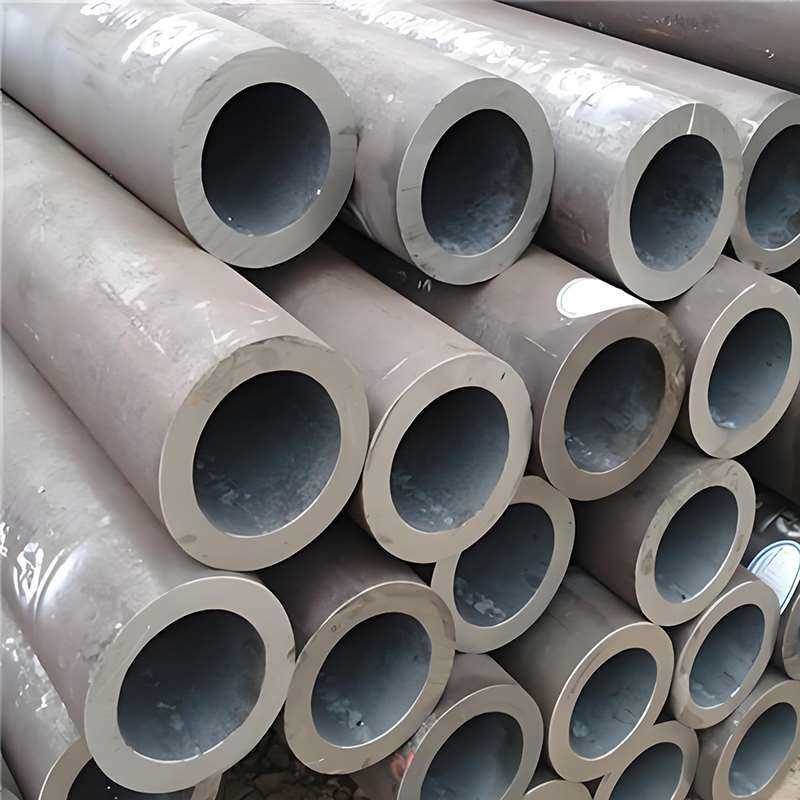
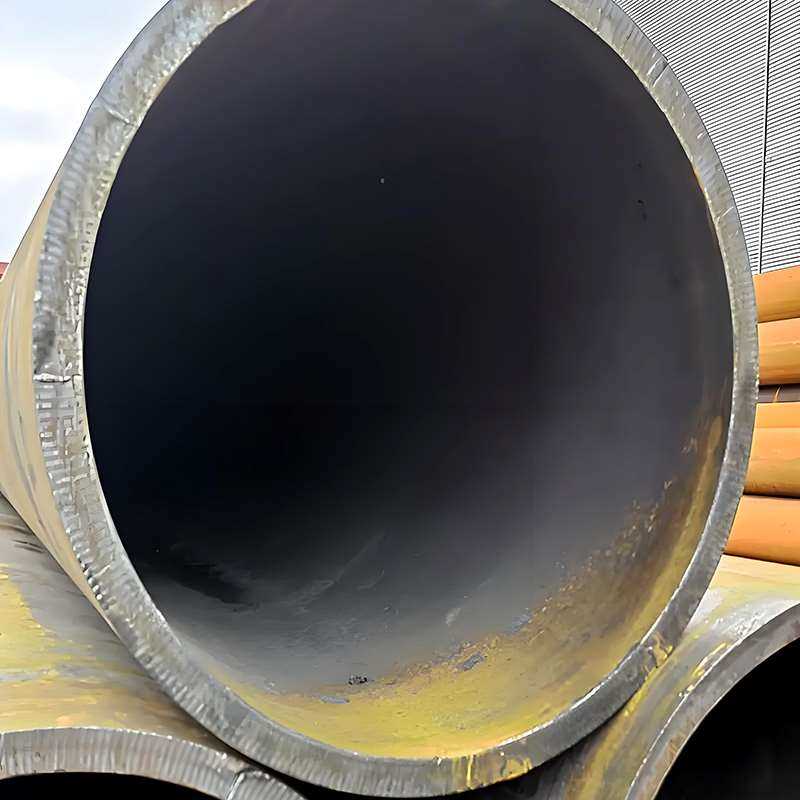
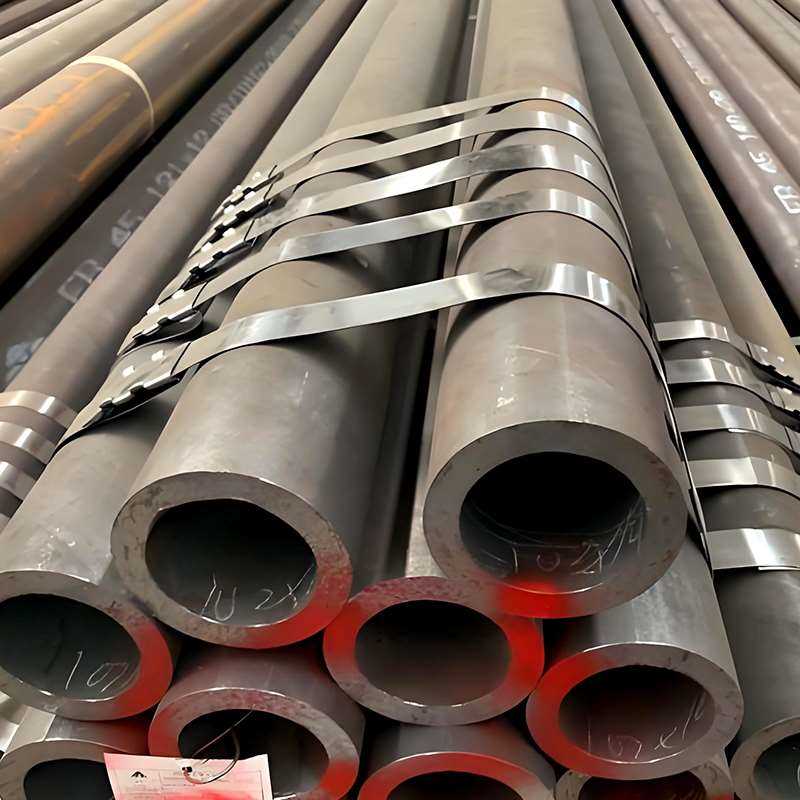
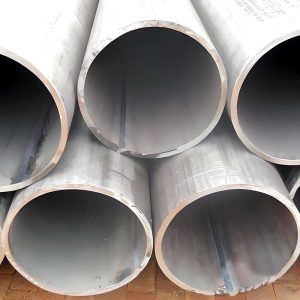
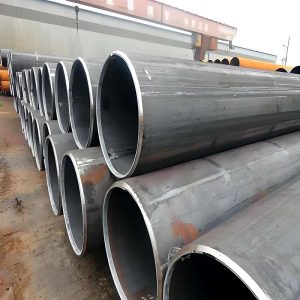
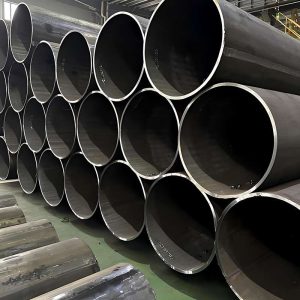
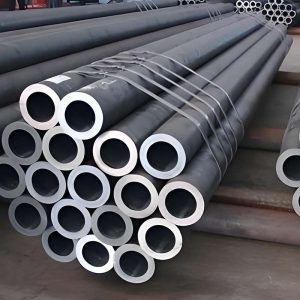
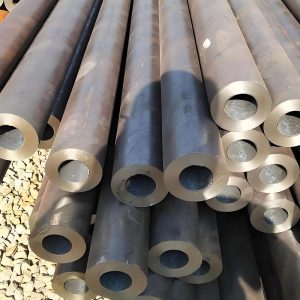
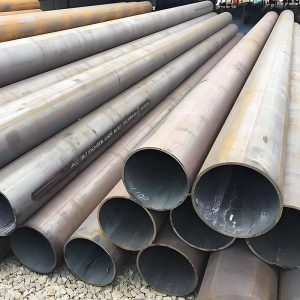
High Pressure Steam Seamless Pipe

OD Range :

10.3 – 711 mm

WT Range :

2.0 – 80.0 mm

Length :

5.8 – 6.1 m

Tolerance :

≤ 219 mm:±1.0%;>219 mm:±1.5%

Material :

ASTM A106 Gr.B / Gr.CASTM A335 P11 / P22 / P91EN 10216-2 P235GH / P265GH / 16Mo3GB 5310 20G / 15CrMoG / 12Cr1MoVG

Standard :

ASTM A106 / ASTM A335EN 10216-2GB 5310

Surface :

Black steel (as rolled) with sandblasting + rust-inhibiting oil pickling + anti-corrosion treatment; the outer surface can be coated with anti-corrosion paint.

Application :

Power plant high-pressure steam pipelines, petrochemical high-temperature and high-pressure transportation, and industrial steam main pipelines.

I. Introduction to High-Pressure Seamless Steam Pipes

High-pressure seamless steam pipes are high-performance steel pipes specifically designed for high-temperature and high-pressure steam pipeline systems. They are widely used in power generation, petrochemicals, metallurgy, boilers, and industrial steam transportation.

These pipes are manufactured from high-quality carbon steel or low-alloy steel (such as ASTM A106 Gr.B/C, ASTM A335 P11/P22/P91, or GB 5310 20G/15CrMoG/12Cr1MoVG) using hot rolling or cold drawing processes, ensuring uniform wall thickness, precise dimensions, and superior resistance to high temperatures and pressures.

II. Chemical Composition and Mechanical Properties of Commonly Used Steel Grades for High-Pressure Seamless Pipes

i. Chemical Composition Table

Steel gradeC (%)Si (%)Mn (%)P (%)S (%)Cr (%)Mo (%)V (%)
12Cr1MoV0.10-0.15≤0.350.40-0.70≤0.025≤0.0250.90-1.200.45-0.600.15-0.25
15CrMoG0.10-0.18≤0.350.40-0.70≤0.025≤0.0250.80-1.100.40-0.50
20G / Q345R0.17-0.24≤0.350.40-0.70≤0.035≤0.0350.25-0.350.08-0.15
ASTM A335 P110.05-0.120.10-0.500.30-0.60≤0.035≤0.0350.90-1.100.45-0.65
ASTM A335 P220.05-0.150.10-0.500.30-0.60≤0.035≤0.0352.00-2.500.90-1.00
ASTM A335 P910.08-0.120.20-0.500.40-0.70≤0.020≤0.0108.00-9.500.85-1.050.18-0.25

ii. Mechanical Properties Table

Steel GradeAllowable Temperature (℃)Yield Strength σs (MPa)Tensile Strength σb (MPa)Elongation δ5 (%)Impact Energy KV (J)
12Cr1MoV≤ 550≥ 235410 – 540≥ 20≥ 27
15CrMoG≤ 540≥ 235410 – 550≥ 20≥ 27
20G / Q345R≤ 450≥ 215375 – 530≥ 20≥ 27
ASTM A335 P11≤ 540240 – 275415 – 550≥ 20≥ 27
ASTM A335 P22≤ 580275 – 310415 – 550≥ 20≥ 27
ASTM A335 P91≤ 620415 – 485585 – 690≥ 2034

III. Selection Guide for High-Pressure Seamless Steam Pipes

StepOperationReference Criteria / DescriptionRemarks
1. Define operating conditionsDetermine the working pressure, temperature, medium, and flow rate of the steam pipelinePressure (MPa), temperature (℃), presence of corrosive mediaDirectly affects steel grade and wall thickness selection
2. Select steel gradeChoose pressure- and temperature-resistant steel grade based on operating conditionsDomestic: 12Cr1MoV, 15CrMoG, 20G / Q345RInternational: P11, P22, P91High-temperature and high-pressure service requires heat-resistant steels
3. Determine pipe diameter and wall thicknessCalculate flow rate and pressure loss; determine pipe diameter; calculate wall thickness using formulas or standardsWall thickness: t = P·D / (2·[σ]·φ + P·y), or refer to GB/T 5310 and ASTM A335 tablesCorrosion allowance should be considered
4. Verify pipe material qualityCheck chemical composition, mechanical properties, NDT results, and dimensional tolerancesChemical elements: Cr, Mo, V contentMechanical properties: yield strength, tensile strength, elongation, impact toughnessNDT: RT / UT / MTManufacturer shall provide MTC (Mill Test Certificate)
5. Select pipe end typeDetermine pipe end according to connection methodPlain end (welding), threaded end (threaded connection), flanged end (flange installation)Ensure ease of installation and reliable sealing
6. Verify applicable standardsEnsure the pipe complies with design and application standardsDomestic: GB/T 5310, GB/T 6479, GB/T 8162International: ASTM A335, ASTM A213, EN 10216-2Can be used as basis for procurement and acceptance
7. Consider safety margin and cost efficiencyIncrease steel grade or wall thickness appropriately considering corrosion, wear, and temperature fluctuationBalance between safety margin and economic efficiencyAvoid safety risks or material waste caused by under- or over-design

IV. Applications of High-Pressure Seamless Steel Pipes for Steam

1. Thermal Power Generation and Power Plant Boilers

Application Description:
Used for main steam pipes, superheated steam pipes, and reheat steam pipes in boilers, withstanding high-temperature and high-pressure steam to ensure the long-term safe and stable operation of power plants.

Selection Recommendations and Reasons:
Steel Grade Selection: 12Cr1MoV, 15CrMoG, or ASTM P11/P22.
Reason: These steel grades are resistant to high temperatures, high pressure, and creep, capable of withstanding long-term high-temperature and high-pressure steam, reducing pipe fatigue and leakage risks.
Wall Thickness Recommendation: Calculated based on design pressure and corrosion allowance to ensure a safety margin.

2. Chemical, Petrochemical, and Petroleum Industries

Application Description:
Used in high-temperature and high-pressure reactors, steam heating pipelines, and heat exchange systems. Also suitable for steam injection oil recovery and heating devices, ensuring process safety and reliability.

Selection Recommendations and Reasons:
Steel Grade Selection: 15CrMoG, P11, P22, or P91 high-temperature pipes if necessary.
Reason: Chemical and petrochemical steam pipelines may come into contact with corrosive media. High-temperature and high-pressure conditions require corrosion-resistant and creep-resistant steel to ensure long-term stable operation.
Pipe Diameter and Wall Thickness: Calculated based on flow rate and pressure, while considering the corrosion allowance of the medium.

3. Metallurgy, Industrial Boilers, and Other Industries

Application Description:
Used in hot rolling, heat treatment, and process heating pipelines, also suitable for paper manufacturing, food processing, and industrial boiler steam distribution, providing a stable steam supply.

Selection Suggestions and Reasons:
Steel Grade Selection: 20G/Q345R or 12Cr1MoV; ordinary low-alloy steel can be selected for low-corrosion environments.
Reason: The temperature and pressure in metallurgy and industrial boilers are relatively low, and ordinary low-alloy steel is both economical and meets the requirements; low corrosion requirements save costs.
Wall Thickness and End Form: Determined according to working pressure and steam flow rate; welded or flanged connections are selected for the ends for easy installation and maintenance.

4. Selection Principles:

Select the steel grade according to the working temperature and pressure; use high-temperature resistant steel for high temperatures and pressures, and ordinary low-alloy steel for low pressures and temperatures.
Calculate the wall thickness and pipe diameter according to the working conditions, considering corrosion and wear allowances.
Select the end form (welded, threaded, flanged) according to the piping system to ensure safety and reliability.
Related Products

Outer Diameter OD (mm) Wall Thickness WT (mm) Theoretical Weight (kg/m) Length (m) Common Standards Material / Steel Grade
21.3 2.3 – 5.6 1.68 – 3.95 5.8 – 12 ASTM A106, GB 5310 Gr.B / 20G
26.7 2.6 – 6.3 2.37 – 5.90 5.8 – 12 ASTM A106, GB 5310 Gr.B / 20G
33.4 3.0 – 8.0 3.64 – 9.72 5.8 – 12 ASTM A106, GB 5310 Gr.B / 20G
42.2 3.6 – 10.0 5.50 – 14.2 5.8 – 12 ASTM A106, GB 5310 Gr.B / 20G
48.3 3.6 – 12.0 6.28 – 18.0 5.8 – 12 ASTM A106, GB 5310 Gr.B / 20G
60.3 3.6 – 14.3 8.28 – 25.2 5.8 – 12 ASTM A106, GB 5310 Gr.B / 20G
76.1 4.0 – 16.0 11.5 – 35.8 5.8 – 12 ASTM A106, GB 5310 Gr.B / 20G
88.9 4.0 – 20.0 14.3 – 51.6 5.8 – 12 ASTM A106, GB 5310 Gr.B / 20G
114.3 4.5 – 25.0 22.0 – 87.0 5.8 – 12 ASTM A106, ASTM A335, GB 5310 P11 / P22
139.7 5.0 – 28.0 30.2 – 117.0 5.8 – 12 ASTM A106, ASTM A335, GB 5310 P11 / P22
168.3 5.0 – 32.0 41.0 – 160.0 5.8 – 12 ASTM A106, ASTM A335, GB 5310 P11 / P22
219.1 6.0 – 40.0 66.0 – 264.0 5.8 – 12 ASTM A106, ASTM A335, GB 5310 P22 / P91
273.0 6.0 – 45.0 93.0 – 390.0 5.8 – 12 ASTM A106, ASTM A335, GB 5310 P22 / P91
323.9 8.0 – 50.0 128.0 – 530.0 5.8 – 12 ASTM A106, ASTM A335, GB 5310 P22 / P91
355.6 8.0 – 55.0 156.0 – 660.0 5.8 – 12 ASTM A106, ASTM A335, GB 5310 P91
406.4 10.0 – 60.0 200.0 – 850.0 5.8 – 12 ASTM A106, ASTM A335, GB 5310 P91
508.0 12.0 – 70.0 300.0 – 1200.0 5.8 – 12 ASTM A106, ASTM A335, GB 5310 P91
610.0 12.0 – 80.0 440.0 – 1700.0 5.8 – 12 ASTM A106, ASTM A335, GB 5310 P91
711.0 14.0 – 80.0 580.0 – 2100.0 5.8 – 12 ASTM A106, ASTM A335, GB 5310 P91

Description:

Length: Random length 5.8–6.1m, fixed lengths available: 6m / 9m / 12m.
Wall thickness: Can be specified according to SCH (Schedule), such as SCH40, SCH80, SCH160.
Material options:
Gr.B / 20G: Standard high-pressure steam pipe
P11 / P22 / 15CrMoG: Medium-temperature high-pressure steam
P91 / 12Cr1MoVG: High-temperature high-pressure steam

Standard System Standard No. Steel Grade / Material Applicable Temperature / Pressure Description
USA ASTM ASTM A106 Gr.B / Gr.C / Gr.D Medium- and low-temperature high-pressure steam pipelines, commonly used in boilers and process piping
ASTM A335 P11 / P22 / P91 / P92 Medium- and high-temperature high-pressure steam pipelines, used in power plant boilers, superheaters, and reheaters
Europe EN EN 10216-2 P235GH / P265GH / 16Mo3 / 13CrMo44 High-temperature steam pipelines and boiler piping, suitable for 450–550℃ service conditions
China GB GB 5310 20G / 15CrMoG / 12Cr1MoVG High-pressure steam boiler piping, suitable for 20–600℃, for power plants and industrial steam systems
Other Standards API 5L / API 5CT X42 – X70 series low-alloy steel Oil and gas pipelines, can also be used for medium- and low-pressure steam pipelines

Description

Gr.B / 20G: Carbon steel, suitable for medium and low temperature high-pressure steam;
P11 / P22 / 15CrMoG: Low-alloy steel, suitable for medium and high temperature high-pressure steam, long-term operating temperature 450–550℃;
P91 / 12Cr1MoVG: High-temperature resistant low-alloy steel, for high-pressure steam power plant pipelines, long-term operating temperature can reach 600℃;
16Mo3 / P235GH: European standard steel for high-pressure steam pipelines, suitable for boilers and main steam lines.

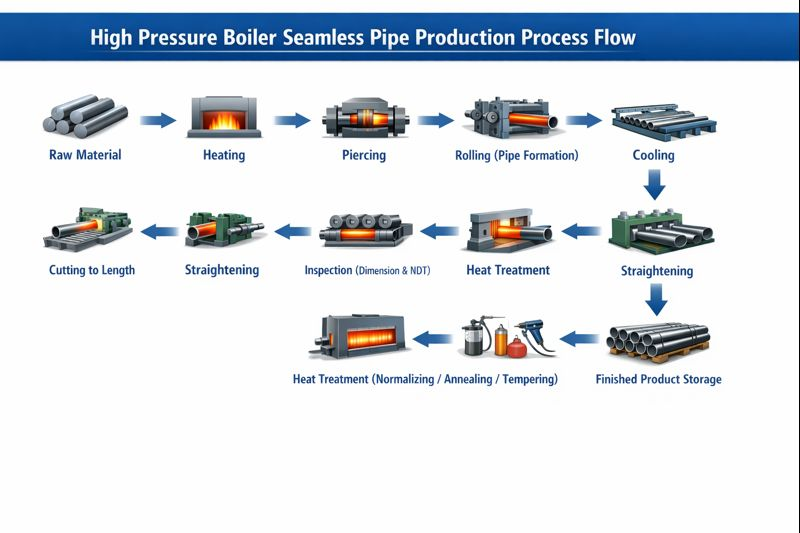
High-Pressure Steam Seamless Pipe Production Process Flow

Raw steel → Heating → Piercing → Rolling into pipe blank → Cooling → Length cutting → Straightening → Inspection (dimensions, non-destructive testing) → Heat treatment (normalizing/annealing/quenching and tempering) → Surface treatment (pickling/rust-proof oil/sandblasting) → Finished product warehousing

High-Pressure Steam Seamless Pipe Production Process Flow

High-pressure steam seamless pipe testing standards

Inspection Item Test Method Reference Values / Requirements
Chemical Composition Spectral Analysis / Chemical Analysis Depends on steel grade, for example:• 12Cr1MoV: C 0.10–0.15%, Si ≤0.35%, Mn 0.40–0.70%, P ≤0.025%, S ≤0.025%, Cr 0.90–1.20%, Mo 0.45–0.60%, V 0.15–0.25%• 15CrMoG: C 0.10–0.18%, Si ≤0.35%, Mn 0.40–0.70%, P ≤0.025%, S ≤0.025%, Cr 0.80–1.10%, Mo 0.40–0.50%
Visual Quality Visual Inspection Smooth surface, no cracks, pits, inclusions, or porosity
Dimensional Tolerance Caliper, OD Gauge, Wall Thickness Gauge Outer diameter tolerance: ±0.8–±1.5 mmWall thickness tolerance: +10% / -0%
Mechanical Properties Tensile Test Yield strength σs: ≥235–355 MPa (depending on steel grade)Tensile strength σb: 410–590 MPaElongation δ5: ≥20%
Impact Toughness Charpy Impact Test KV ≥27–34 J (typically at -20℃ or -40℃)
Hydrostatic Test Hydrostatic Pressure Test Machine Test pressure ≥1.5–2.0 × working pressure, hold for 10–30 s without leakage
Non-Destructive Testing (NDT) Radiographic (RT) / Magnetic Particle (MT) / Ultrasonic (UT) No cracks, porosity, or inclusions
Hardness Test Rockwell / Brinell Hardness HRC ≤22 / HB ≤200 (depending on steel grade)
Wall Thickness Uniformity Ultrasonic or Eddy Current Thickness Measurement ±10%
End Condition Visual / Dimensional Inspection Smooth, cut ends flat, no burrs

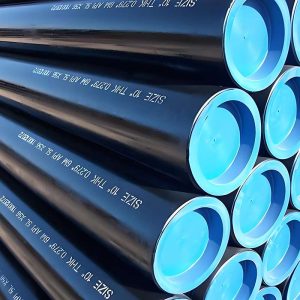
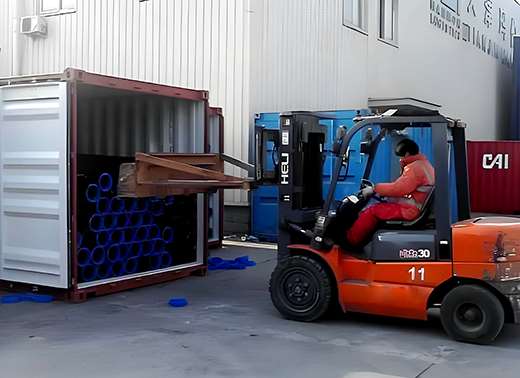
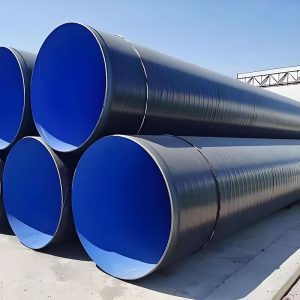
API 5L X52 Line Pipe Packaging Shipment of Anti-Corrosion Seamless Carbon Steel Pipes

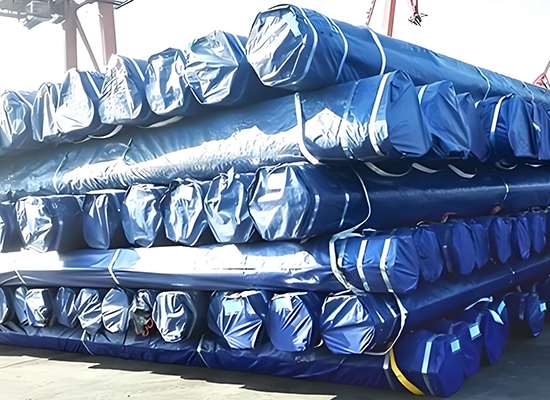
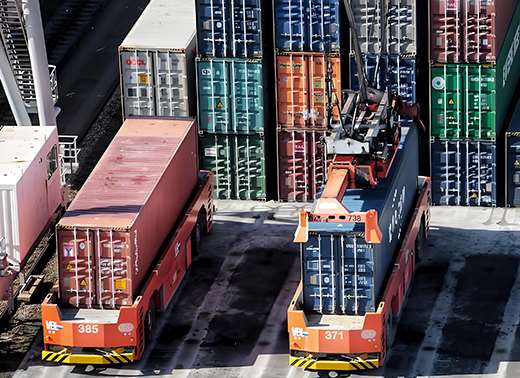
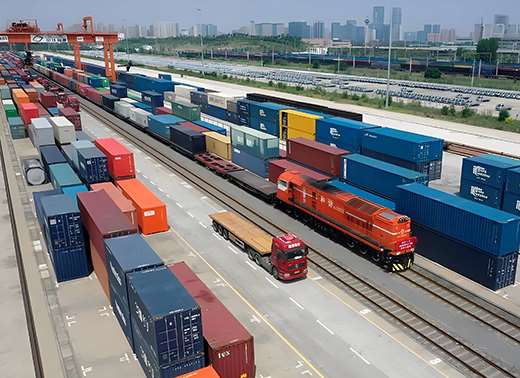
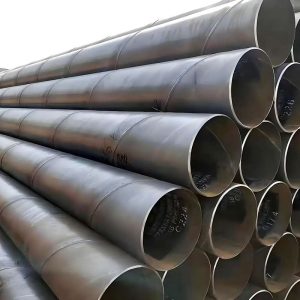
Seamless Carbon Steel Pipe Sea Freight

1. What are the differences between high-pressure steam seamless pipes and ordinary carbon steel pipes?

Answer:
High-pressure steam pipes need to withstand high temperatures (generally ≥450℃) and high pressure (≥10MPa), so the material must be a heat-resistant, creep-resistant alloy steel or low-alloy steel.
The pipe wall thickness is more strictly controlled, and seamless steel pipes are usually used to avoid potential weak points caused by welds.
The testing standards are more stringent, including chemical composition, tensile strength, impact toughness, and non-destructive testing.

2. Which parameters should be focused on when selecting pipes?

Answer:
Working pressure and working temperature: Determine the required pressure rating and steel grade of the pipeline.
Pipe diameter and wall thickness: Ensure pressure resistance while controlling fluid resistance.
Steel grade and applicable standards: Commonly used steel grades include 12Cr1MoV, 15CrMoG, ASTM P11, and P22.
End condition: Plain ends are suitable for welded connections, and threaded ends are suitable for threaded connections.
Non-destructive testing report: To ensure that the pipe material is free of cracks and inclusions.

3. What steel grades are commonly used for high-pressure seamless steam pipes?

Answer:
Common domestic steel grades: 12Cr1MoV, 15CrMoG, 20G, Q345R, etc.
International standard steel grades: ASTM A335 P11, P22, P91.
Steel grade selection is based on: steam temperature, pressure, and corrosion resistance requirements.

4. What pressure and temperature can high-pressure seamless steam pipes withstand?

Answer:
Pressure: Usually 10-40MPa, varying depending on the steel grade.
Temperature: Below 450℃ for ordinary low-alloy steel, and up to 600-650℃ for high-temperature alloy steel.
When selecting pipes, refer to the design pressure and working temperature table of the pipe material to ensure a safety margin.

5. How to determine if the pipe material quality is reliable?

Answer:
Check the quality inspection report (MTC) provided by the manufacturer, including chemical composition, mechanical properties, hardness, and non-destructive testing reports.
Check that the pipe surface is smooth and free of cracks, pits, pores, or other defects.
Check that the dimensional deviations meet the standard requirements (wall thickness, outer diameter, length).

6. How to choose the appropriate wall thickness during selection?

Answer:
The wall thickness must satisfy the pressure bearing capacity + corrosion allowance + service life.
Generally, the following formula is used:

Where: P = working pressure, D = pipe diameter, [σ] = allowable stress, φ = weld coefficient, y = design coefficient.
Empirically, the wall thickness for standard pipe diameters can be directly referenced from the specifications in GB/T 5310 or ASTM A335.