Products

Related News

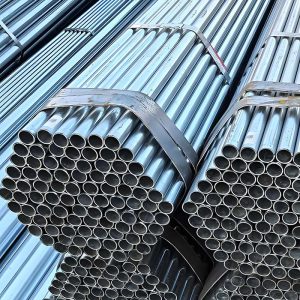
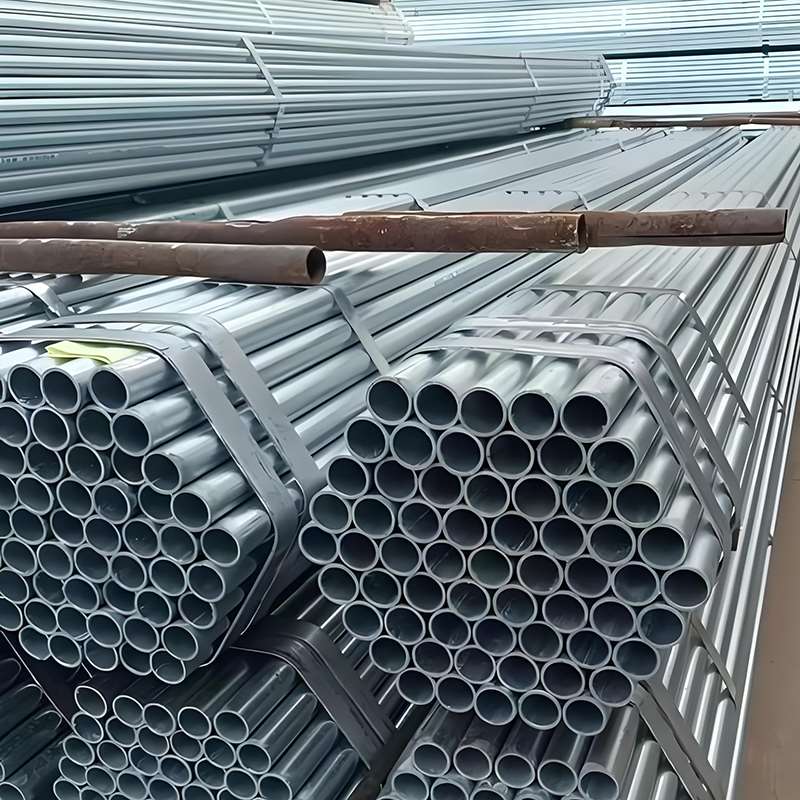
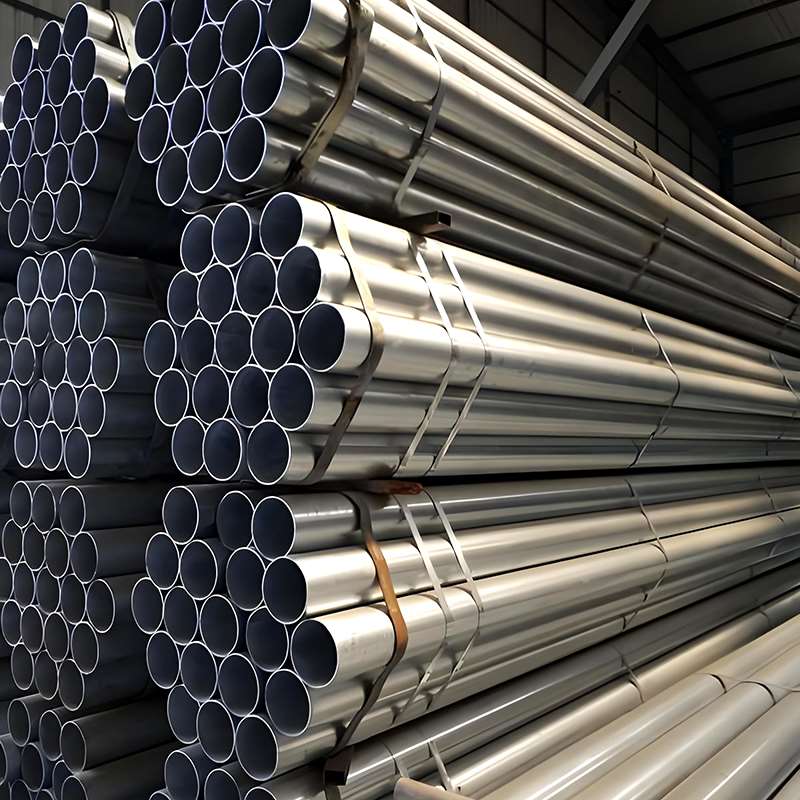
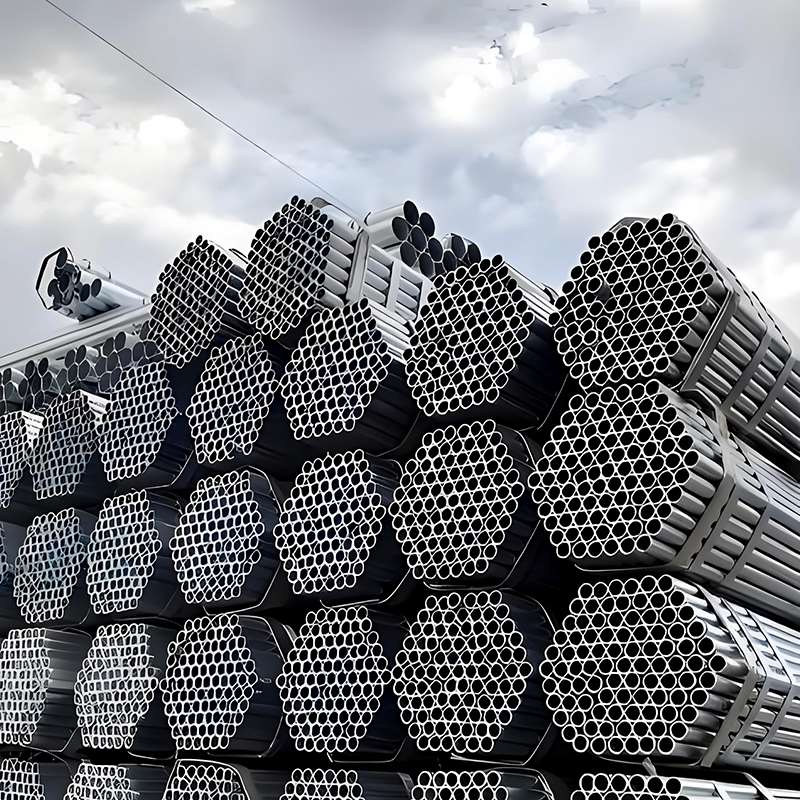
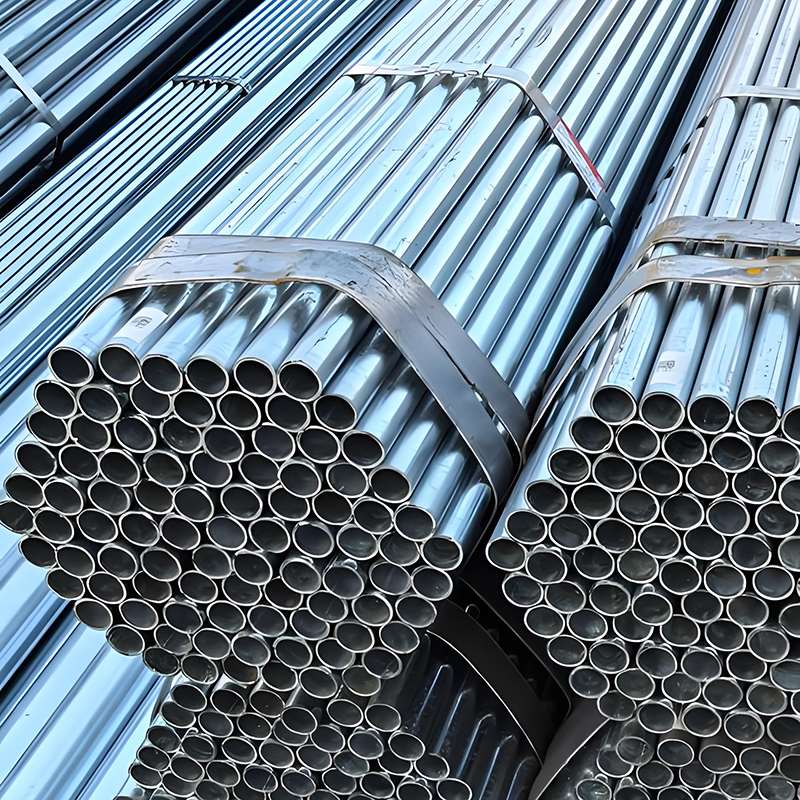
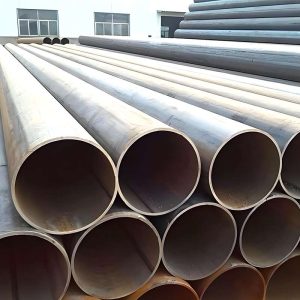
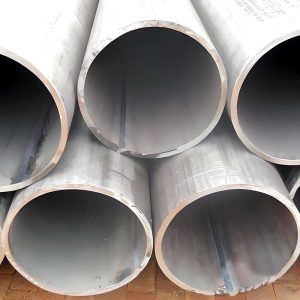
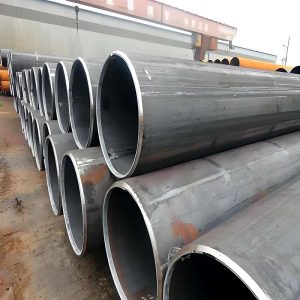
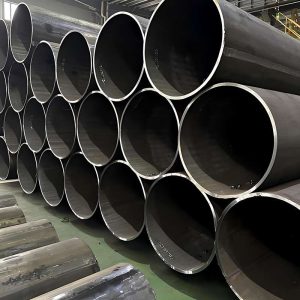
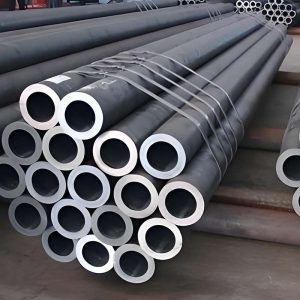
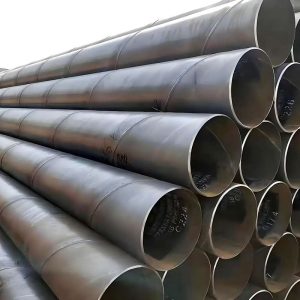
Galvanized Carbon Steel Pipe

OD Range :

12.7 – 610 mm

WT Range :

1.2 – 25 mm

Length :

6 – 12 m

Tolerance :

Outer diameter ±1%, wall thickness ±10%, length ±50 mm

Material :

(Carbon Steel) Q195 / Q215 / Q235

Standard :

ASTM A53 / ASTM A123 / GB/T 3091 / EN 10219

Surface :

Hot-dip galvanizing, cold galvanizing, zinc spraying, galvanizing + polishing

Application :

Building structures, water supply and drainage systems, gas pipelines, HVAC systems, mechanical equipment, industrial pipelines

Introduction :

Galvanized carbon steel pipes have enhanced corrosion resistance due to the galvanizing process, and also possess high strength and good durability.

I. Overview of Galvanized Carbon Steel Pipes

Galvanized carbon steel pipe is a type of steel pipe with a protective layer of zinc coating on the surface of the carbon steel. It combines the high strength of carbon steel with the corrosion resistance of the zinc layer. Through hot-dip galvanizing or cold galvanizing treatment, the pipe effectively prevents rust and extends its service life.

Galvanized carbon steel pipes have the following characteristics:

  • Strong corrosion resistance: The galvanized layer protects the carbon steel pipe from oxidation and rust.
  • High strength: Maintains the original mechanical properties of carbon steel, suitable for pressure-bearing and structural applications.
  • Long service life and low maintenance costs: Reduces long-term pipeline maintenance and replacement costs.
  • Convenient construction: Can be welded, threaded, or flanged, adapting to different engineering needs.

Typical application areas:

  • Building water supply and drainage pipelines
  • Gas pipelines and HVAC systems
  • Industrial production pipelines and mechanical equipment
  • Agricultural irrigation, municipal drainage, and other applications

II. Commonly Used Grades of Galvanized Carbon Steel Pipes

Grade / MaterialChemical Composition FeaturesMechanical PropertiesTypical Applications
Q195Low carbon content, easy to processYield strength ~195 MPa, tensile strength 270–410 MPa, elongation ≥25%Construction, light industrial piping, water supply and drainage
Q215Low carbon steel with good weldabilityYield strength ~215 MPa, tensile strength 300–430 MPa, elongation ≥23%Water supply and drainage, gas pipelines, HVAC systems
Q235Common low carbon steel with relatively high strengthYield strength ~235 MPa, tensile strength 375–500 MPa, elongation ≥20%Industrial piping, structural pipes, construction engineering
ASTM A53 Gr. A/BInternational standard grade for carbon steel pipesYield strength 205–295 MPa, tensile strength 330–440 MPaWater supply, gas pipelines, structural use, international engineering projects
ASTM A106 Gr. BCarbon steel pipe for high-temperature pressure serviceYield strength ≥205 MPa, tensile strength 415–540 MPaIndustrial boilers, high-temperature pipelines, process piping

III. Chemical Composition and Mechanical Properties of Different Grades of Galvanized Carbon Steel Pipes

1. Domestic Grades

GradeChemical Composition (%)Mechanical Properties
Q195C: 0.12–0.20Mn: 0.30–0.60Si: 0.10–0.30S: ≤0.050P: ≤0.050Yield Strength: ≥195 MPaTensile Strength: 270–410 MPaElongation: ≥25%
Q215C: 0.12–0.20Mn: 0.30–0.70Si: 0.10–0.30S: ≤0.050P: ≤0.050Yield Strength: ≥215 MPaTensile Strength: 300–430 MPaElongation: ≥23%
Q235C: 0.14–0.22Mn: 0.30–0.70Si: 0.10–0.30S: ≤0.050P: ≤0.050Yield Strength: ≥235 MPaTensile Strength: 375–500 MPaElongation: ≥20%

2. International level

GradeChemical Composition (%)Mechanical Properties
ASTM A53 Gr.AC: ≤0.25Mn: 0.27–0.93P: ≤0.06S: ≤0.05Yield Strength: ≥205 MPaTensile Strength: 330–440 MPaElongation: ≥25%
ASTM A53 Gr.BC: ≤0.30Mn: 0.29–1.06P: ≤0.06S: ≤0.05Yield Strength: ≥245 MPaTensile Strength: 415–540 MPaElongation: ≥25%
ASTM A106 Gr.BC: 0.25–0.30Mn: 0.29–1.06P: ≤0.035S: ≤0.035Yield Strength: ≥205 MPaTensile Strength: 415–540 MPaElongation: ≥30%

IV. Service Life of Galvanized Carbon Steel Pipes

  1. Indoor Dry Environment
    The service life can reach 30–50 years, with the galvanized layer being virtually unaffected by corrosion.
  2. Outdoor Non-Marine Environment
    The service life is approximately 20–30 years; attention should be paid to the chronic corrosion of the galvanized layer caused by rainwater and acid rain.
  3. Coastal or High-Corrosion Environment
    The service life is approximately 10–20 years; due to faster chloride corrosion, a thicker galvanized layer or stainless steel pipes should be considered.
  4. Underground Burial
    The service life is approximately 15–25 years; it is necessary to ensure good soil drainage and avoid acidic soil or environments with prolonged water accumulation.

V. Maintenance Suggestions for Galvanized Carbon Steel Pipes

  1. Regular Inspection
    Inspect the integrity of the galvanized layer annually for peeling, rust spots, or scratches.
    For gas or drinking water pipelines, regularly monitor water quality and the condition of the pipe’s inner wall.
  2. Cleaning and Corrosion Protection
    The outer surface of the pipe can be cleaned to remove dust and dirt, avoiding prolonged contact with acidic substances.
    In severely corroded areas, anti-corrosion paint can be applied locally or the galvanized layer can be replenished.
  3. Installation Precautions
    Avoid overheating during welding to prevent damage to the galvanized layer; threaded or flanged connections can be used.
    After bending or cutting the pipe, the exposed parts should be protected with an anti-corrosion coating.
  4. Avoid Prolonged Water Immersion or Water Accumulation
    Underground pipelines should ensure proper drainage to avoid immersion in acidic soil or saline water.
  5. Timely Replacement at the End of Service Life
    Pipes with significant corrosion and thickness reduction exceeding standards should be replaced promptly to prevent leaks or safety accidents.
Related Products

Galvanized Carbon Steel Pipe Specifications and Dimensions Table

Inch Outer Diameter (mm) Wall Thickness (mm) Theoretical Weight (kg/m) Tolerance
1/2″ 21.3 1.2, 1.5, 1.6, 2.0, 2.5, 3.0 1.6 – 3.9 OD ±1%, Wall ±10%, Length ±50 mm
3/4″ 26.9 1.2, 1.5, 1.6, 2.0, 2.5, 3.0 2.0 – 5.1 OD ±1%, Wall ±10%, Length ±50 mm
1″ 33.7 1.5, 2.0, 2.5, 3.0, 3.5, 4.0 2.9 – 7.3 OD ±1%, Wall ±10%, Length ±50 mm
1 1/4″ 42.4 1.5, 2.0, 2.5, 3.0, 3.5, 4.0, 5.0 3.7 – 11.2 OD ±1%, Wall ±10%, Length ±50 mm
1 1/2″ 48.3 1.5, 2.0, 2.5, 3.0, 3.5, 4.0, 5.0, 6.0 4.2 – 13.5 OD ±1%, Wall ±10%, Length ±50 mm
2″ 60.3 2.0, 2.5, 3.0, 3.5, 4.0, 5.0, 6.0, 8.0 5.3 – 21.0 OD ±1%, Wall ±10%, Length ±50 mm
2 1/2″ 76.1 2.0, 2.5, 3.0, 3.5, 4.0, 5.0, 6.0, 8.0, 10.0 6.5 – 28.5 OD ±1%, Wall ±10%, Length ±50 mm
3″ 89 2.5, 3.0, 3.5, 4.0, 5.0, 6.0, 8.0, 10.0 8.0 – 36.2 OD ±1%, Wall ±10%, Length ±50 mm
4″ 114.3 3.0, 3.5, 4.0, 5.0, 6.0, 8.0, 10.0, 12.0 12.3 – 54.5 OD ±1%, Wall ±10%, Length ±50 mm
5″ 139.7 3.5, 4.0, 5.0, 6.0, 8.0, 10.0, 12.0 17.0 – 76.5 OD ±1%, Wall ±10%, Length ±50 mm
6″ 168.3 4.0, 5.0, 6.0, 8.0, 10.0, 12.0, 14.0 22.5 – 108.0 OD ±1%, Wall ±10%, Length ±50 mm
8″ 219.1 5.0, 6.0, 8.0, 10.0, 12.0, 14.0, 16.0 36.0 – 175.0 OD ±1%, Wall ±10%, Length ±50 mm
10″ 273 6.0, 8.0, 10.0, 12.0, 14.0, 16.0, 20.0 53.0 – 270.0 OD ±1%, Wall ±10%, Length ±50 mm
12″ 323.9 6.0, 8.0, 10.0, 12.0, 14.0, 16.0, 20.0, 25.0 68.0 – 365.0 OD ±1%, Wall ±10%, Length ±50 mm
14″ 355.6 8.0, 10.0, 12.0, 14.0, 16.0, 20.0, 25.0 86.0 – 460.0 OD ±1%, Wall ±10%, Length ±50 mm
16″ 406 8.0, 10.0, 12.0, 14.0, 16.0, 20.0, 25.0 98.0 – 580.0 OD ±1%, Wall ±10%, Length ±50 mm
20″ 508 10.0, 12.0, 14.0, 16.0, 20.0, 25.0 145 – 870 OD ±1%, Wall ±10%, Length ±50 mm
24″ 610 12.0, 14.0, 16.0, 20.0, 25.0 210 – 1,150 OD ±1%, Wall ±10%, Length ±50 mm


Galvanized carbon steel pipe standards

Standard Type Standard Number / Name Scope / Description
International Standard (ASTM/ASME) ASTM A53 / A53M Carbon steel pipe specifications, dimensions, and mechanical property standards; suitable for water supply, gas, and structural applications
International Standard (ASTM/ASME) ASTM A123 / A123M Hot-dip galvanizing coating thickness and performance requirements; provides corrosion protection for galvanized steel pipes
European Standard EN 10219 Cold-formed welded rectangular, square, or circular carbon steel pipes; used for structural and industrial applications
Chinese Standard GB/T 3091 Seamless steel pipes for fluid transportation; suitable for low-pressure water, gas, and general industrial fluids
Chinese Standard GB/T 13912 / GB/T 3280 Requirements for galvanizing on hot-dip galvanized and welded steel pipes; ensures corrosion resistance
US Standard ASME B36.10M / B36.19M Specifications for outer diameter, wall thickness, weight, and tolerances of stainless steel and carbon steel pipes; ensures pipe interchangeability


Galvanized Carbon Steel Pipe Production Process Flow

Raw materials (carbon steel coils/steel strips) → Cutting → Forming (straight seam welded pipe or seamless pipe) → Welding/Perforating → Straightening → Pickling and rust removal → Galvanizing treatment (hot-dip galvanizing/cold galvanizing) → Surface leveling → Dimensional inspection → Packaging and warehousing

Brief Description of the Production Process:

1. Raw Material Preparation
High-quality carbon steel coils or strips (Q195/Q215/Q235) are selected as the basic material for the pipes.

2. Cutting and Forming
Steel plates are cut according to the pipe diameter specifications and rolled into a circular pipe shape using a forming machine.

3. Welding/Perforation
Straight seam welded pipes use submerged arc welding or resistance welding; seamless pipes are formed into a circular tube using a hot perforation process.

4. Straightening and Shaping
The pipes are straightened using a straightening machine to eliminate bending and deformation, ensuring dimensional accuracy.

5. Pickling and Descaling
The surface of the steel pipes is pickled or degreased to remove scale and oil stains, preparing the surface for galvanizing.

6. Galvanizing Treatment
Hot-dip galvanizing: The pipes are immersed in a molten zinc bath to form a protective layer, typically 50–150 μm thick.
Cold galvanizing: A coating is formed through electroplating or zinc spraying, suitable for thin-walled pipes or small-diameter pipes.

7. Surface Leveling and Finishing
The surface of the galvanized pipes is polished, deburred, and zinc slag is removed to ensure a smooth appearance.

8. Dimensional Inspection
The pipe diameter, wall thickness, length, tolerances, and galvanizing layer thickness are checked to ensure compliance with standards.

9. Packaging and Warehousing
Galvanized pipes are packaged according to specifications to prevent damage to the galvanized layer during transportation, and prepared for shipment or storage.

Testing Standards for Galvanized Carbon Steel Pipes

Test Item Test Method / Standard Purpose / Description
Chemical Composition Spectroscopy, chemical reagent analysis (GB/T 223.1 / ASTM A751) Ensure the pipe meets material requirements, such as C, Mn, Si, S, P content
Tensile Strength / Yield Strength / Elongation Tensile test (GB/T 228 / ASTM A370) Verify that the mechanical properties of the steel pipe meet design requirements
Hardness Brinell or Rockwell hardness test (GB/T 231.1 / ASTM E10) Check steel strength and wear resistance
Dimensional Inspection Outer diameter, wall thickness, length measurement (GB/T 3091 / ASTM A53) Ensure pipe dimensions and tolerances meet standard requirements
Galvanized Coating Thickness Thickness gauge, chemical stripping method (GB/T 13912 / ASTM A123) Ensure the galvanizing thickness meets corrosion resistance requirements
Surface Quality Visual inspection, magnetic particle testing (MT), or ultrasonic testing (UT) Check for cracks, pores, pits, or zinc coating defects
Flattening / Bending Test Bending or flattening (GB/T 3091 / ASTM A53) Verify pipe plasticity, weld quality, and pressure-bearing capacity
Pressure Test (Optional) Hydrostatic or pneumatic test (GB/T 8163 / ASTM A53) Confirm pipe pressure-bearing capacity and sealing performance, suitable for high-pressure applications


High-Quality Galvanized Carbon Steel Pipe for Plumbing Systems


Common FAQs for Selecting Galvanized Carbon Steel Pipes

Q1: What working conditions and environments are suitable for galvanized carbon steel pipes?

A:
Galvanized carbon steel pipes are suitable for indoor dry environments, water supply and drainage pipelines, HVAC systems, gas pipelines, and general industrial pipelines. For outdoor use, it is recommended to avoid highly corrosive environments near the sea or to provide enhanced protection (thicker galvanized layer or anti-corrosion paint). Underground buried pipelines require good drainage.

Q2: How to select pipe diameter and wall thickness based on pressure and flow rate?

A:
When selecting pipes, the pipe diameter and wall thickness should be determined based on the design pressure, medium type, and flow rate:
Low-pressure water and HVAC pipelines can use wall thicknesses of 1.5–3 mm;
Medium-pressure industrial or gas pipelines can use wall thicknesses of 3–6 mm;
For high-pressure or special working conditions, it is recommended to calculate the wall thickness according to pipeline design specifications (GB/T 3091 or ASTM A53).

Q3: What is the difference between hot-dip galvanizing and cold galvanizing?

A:
Hot-dip galvanizing: The pipe is immersed in a molten zinc bath, resulting in a thick coating and strong corrosion resistance, suitable for outdoor or long-term use;
Cold galvanizing: Electroplating or zinc spraying, suitable for small-diameter pipes or indoor use, with a thin coating and lower cost.
The choice should be made based on the usage environment, lifespan requirements, and budget.

Q4: What is the approximate service life of galvanized carbon steel pipes?

A: Depending on the environment:
Indoor dry environment: Approximately 30–50 years
Outdoor (non-coastal): Approximately 20–30 years
Coastal or highly corrosive environment: Approximately 10–20 years
Underground burial: Approximately 15–25 years
The service life can be extended through regular inspection, cleaning, and anti-corrosion treatment.

Q5: Can galvanized carbon steel pipes be welded? How should they be treated after welding?

A:
Galvanized pipes can be welded, but the high temperature of welding will damage the local galvanized layer.
Recommendations:
After welding, promptly apply galvanized paint or hot-dip galvanizing to repair the exposed areas;
Threaded or flanged connections can be used to avoid damaging the galvanized layer.

Q6: How to determine if the quality of galvanized carbon steel pipes is qualified?

A:
Focus on checking the following aspects:
Smooth appearance, no zinc layer peeling, no cracks or dents;
Galvanized layer thickness meets the standard (GB/T 13912, ASTM A123);
Outer diameter, wall thickness, and length tolerances meet standard requirements;
Mechanical properties and chemical composition meet the material certificate (MTC);
If necessary, perform tensile, flattening, or pressure tests to ensure the safety and reliability of the pipes.