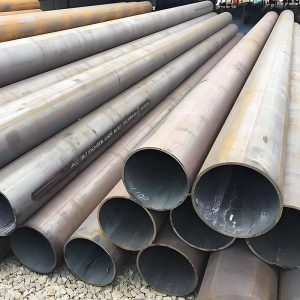
I. ERW Carbon Steel Structural Pipe Product Overview
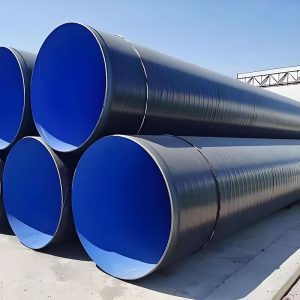
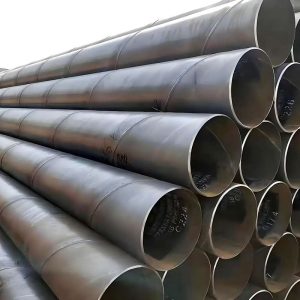
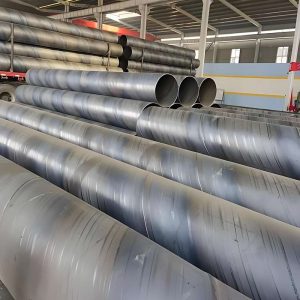
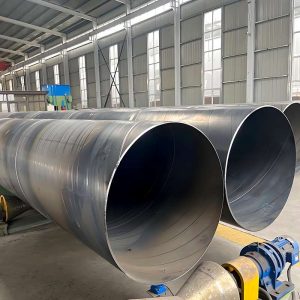
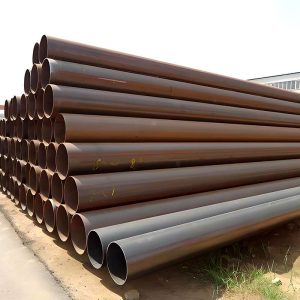
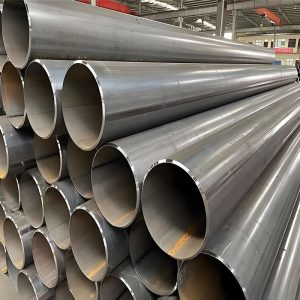
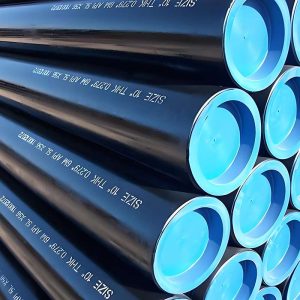
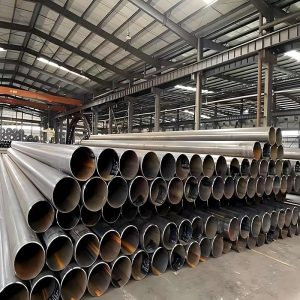
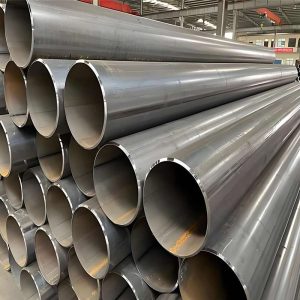
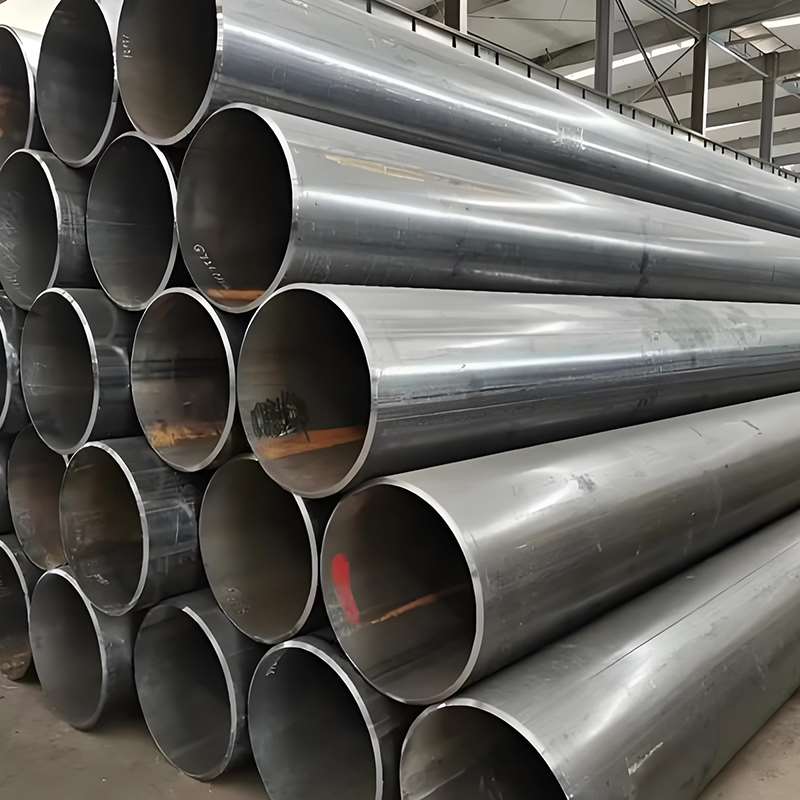
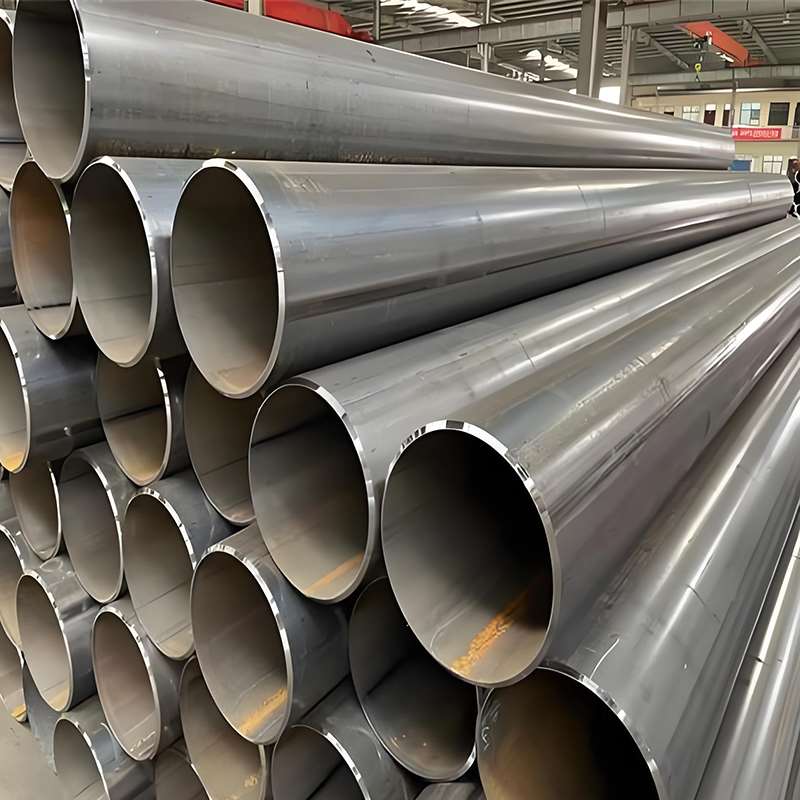
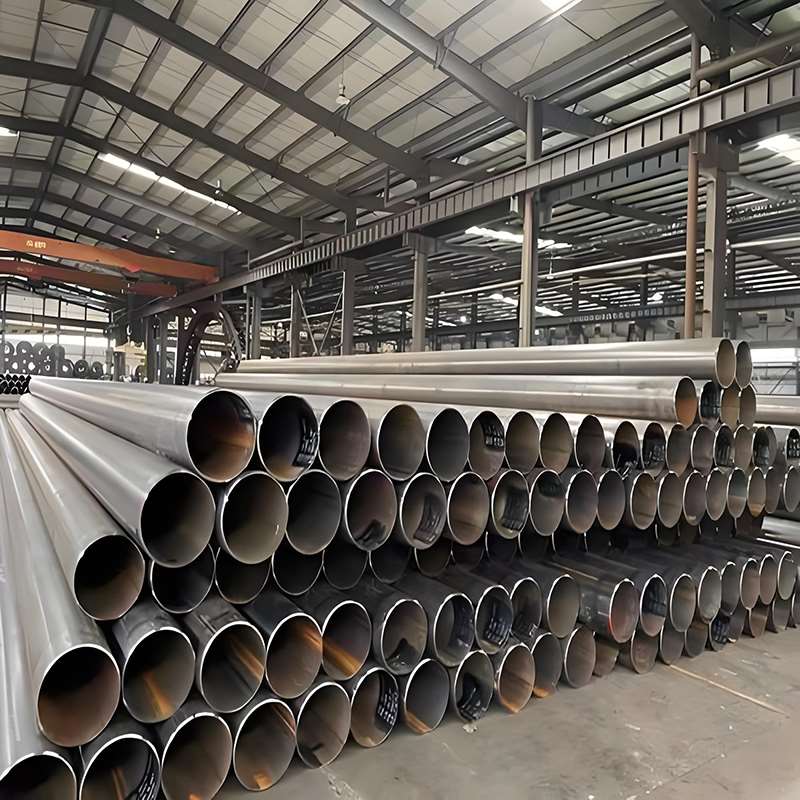
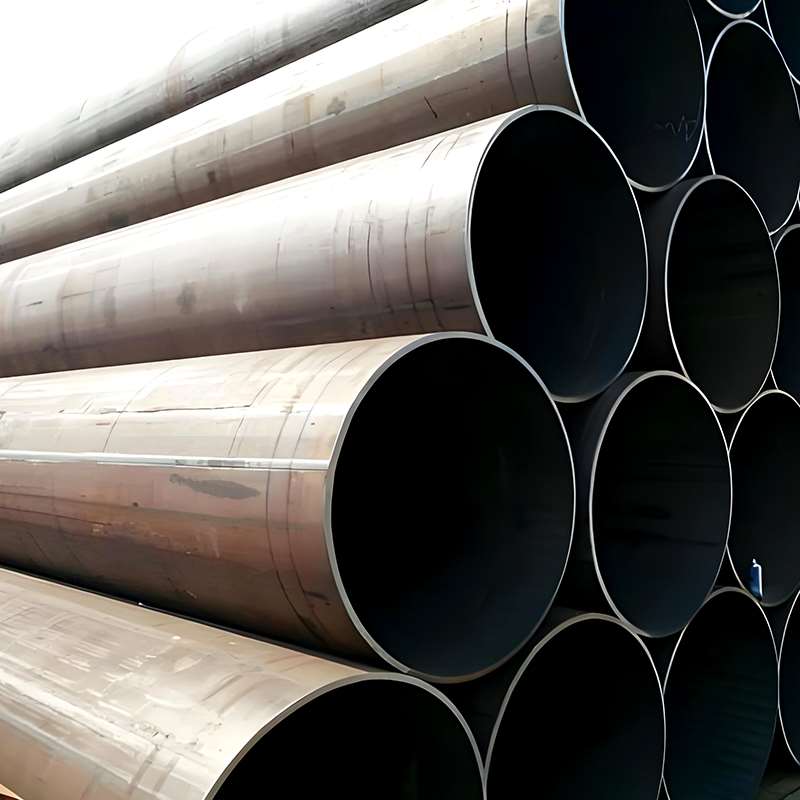
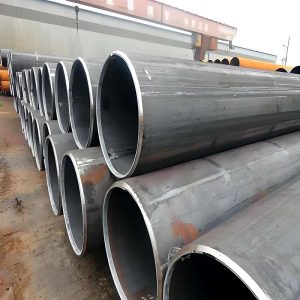
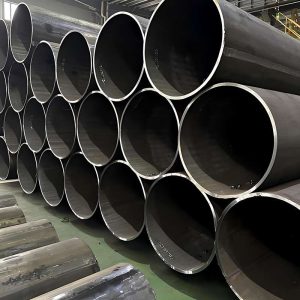
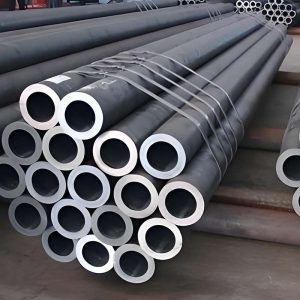
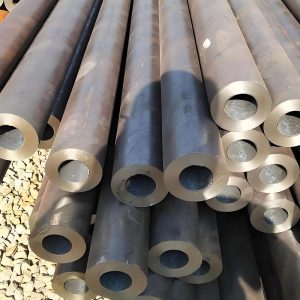
ERW carbon steel structural pipe refers to carbon steel pipes produced using high-frequency resistance welding technology, primarily used in structural applications such as construction, engineering, and machinery manufacturing.
Product Advantages
- High Precision: Compared to seamless pipes, ERW pipes have higher wall thickness uniformity and more precise outer diameter control.
- Cost-Effectiveness: Extremely high production efficiency makes them more cost-competitive than seamless steel pipes under the same pressure or load conditions.
- Excellent Appearance: The surface is flat and smooth, facilitating subsequent painting, galvanizing, or processing.
- Welding Quality: Modern ERW production lines are equipped with online weld seam heat treatment, ensuring that the weld strength is consistent with the base material.
II. Core Application Scenarios of ERW Carbon Steel Structural Pipes
- Building and Spatial Structures
Uses: Truss systems for airports, stadiums, and factories; building support columns.
Advantages: Lightweight, high load-bearing capacity, and smooth surface for easy painting and beautification. - Photovoltaics and New Energy
Uses: Solar photovoltaic brackets, wind power plant support components.
Advantages: Precise dimensions, convenient for automated large-scale assembly, and good weather resistance after hot-dip galvanizing. - Transportation and Municipal Engineering
Uses: Road guardrails, bridge handrails, street light poles, and sign supports.
Advantages: Good toughness, providing excellent energy absorption and safety during collisions, and low maintenance costs. - Mechanical Manufacturing and Agriculture
Uses: Automobile chassis structures, logistics shelving, and modern agricultural greenhouse frames.
Advantages: Easy for secondary processing such as cold bending, drilling, and cutting, significantly reducing material procurement costs. - Mining and Underground Engineering
Uses: Mine shaft support, tunnel support pipe sheds.
Advantages: Reliable welds, capable of withstanding high-intensity compressive loads.
III. Professional Applications of ERW Carbon Steel Structural Pipes in Modern Architecture
1. Excellent Sectional Mechanical Properties and Torsional Stiffness
Compared with traditional H-beams or angle steels, ERW round or rectangular pipes have significant advantages in terms of radius of gyration. Due to the material distribution being far from the central axis, round pipes have equal bending stiffness in all directions.
When used as compression members (such as lattice truss columns in stadiums), they can effectively improve stability under slenderness ratio limitations, significantly reducing the risk of overall buckling.
2. Precise Dimensional Control and Automated Construction Integration
The ERW process uses continuous cold forming, and its outer diameter and wall thickness tolerances are usually controlled within a very small range.
Automated cutting: Steel pipes can be directly fed into a multi-axis laser cutting machine for the intersecting line processing of pipe trusses, ensuring precise matching of weld bevels and improving welding efficiency and joint strength.
3. Weld Heat Treatment and Joint Reliability
High-quality ERW structural tubes undergo online internal weld normalization during production. This step eliminates the hard and brittle microstructure in the heat-affected zone of the weld, ensuring that the mechanical properties of the weld are essentially the same as the base material.
When subjected to dynamic cyclic loads such as seismic loads, the ductility of this material ensures that the structure can absorb energy through plastic deformation in extreme situations without brittle fracture.
4. Maintenance Advantages Provided by the Enclosed Space
The enclosed cross-section of the structural tube reduces maintenance costs. In corrosive environments, the surface area of the tube is approximately 30% to 40% smaller than that of steel sections with equivalent load-bearing capacity, which means:
Lower painting costs: The amount of paint or fire-retardant coating used is significantly reduced.
Fewer corrosion-prone areas: There are no grooves like those in H-beams, avoiding water accumulation, dust accumulation, and corrosion.
Internal grouting (CFT): Structural tubes can be used as molds for concrete-filled steel tubes, forming a composite structure after filling with high-strength concrete, combining the tensile strength of steel and the compressive strength of concrete.