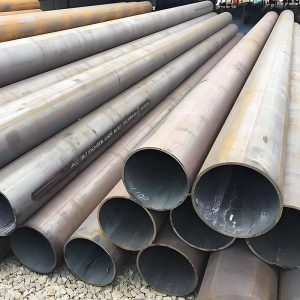
I. Overview of Resistance Welded Carbon Steel Boiler Tubes
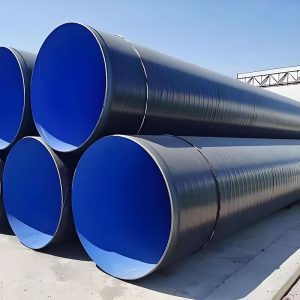
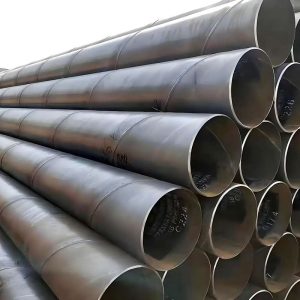
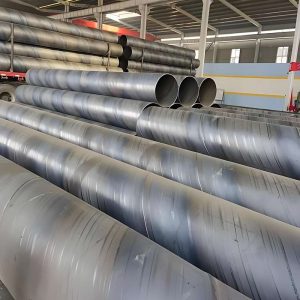
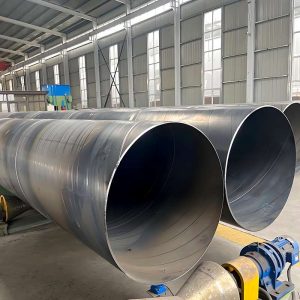
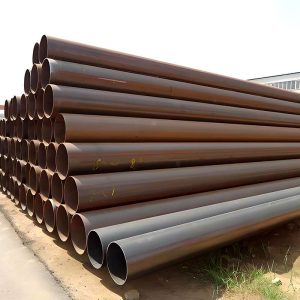
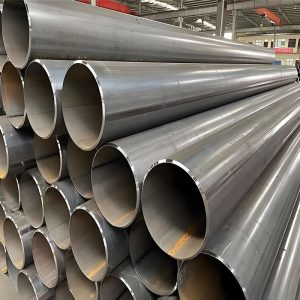
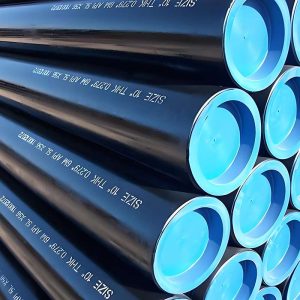
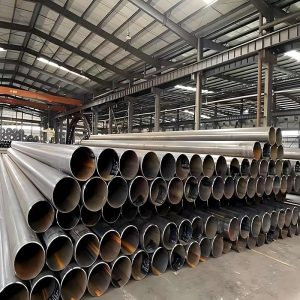
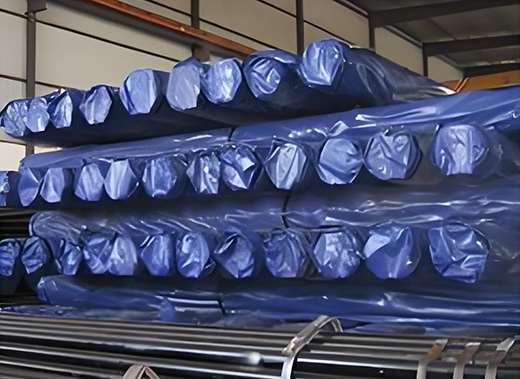
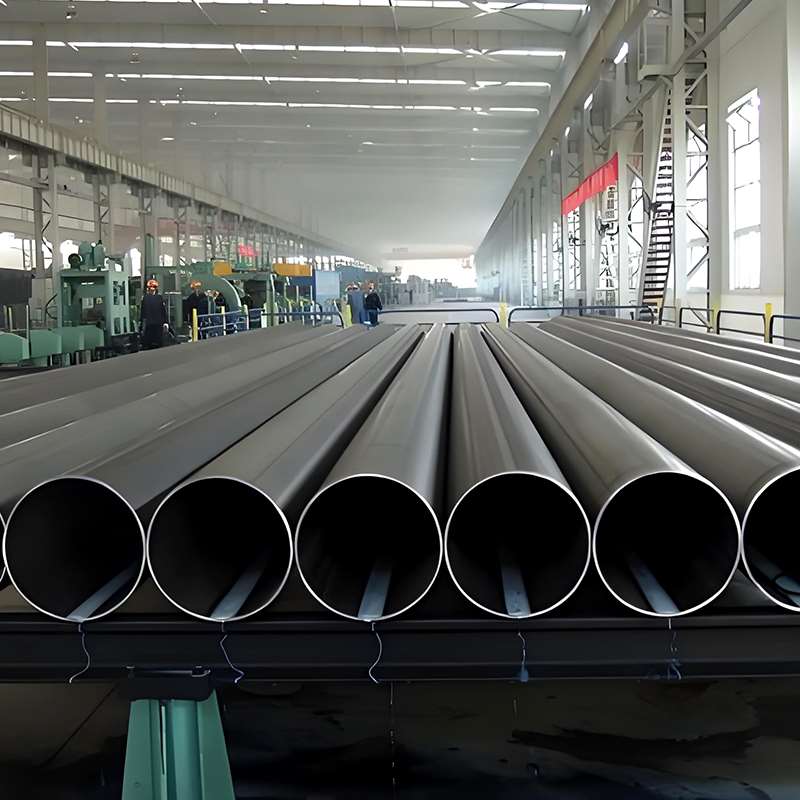
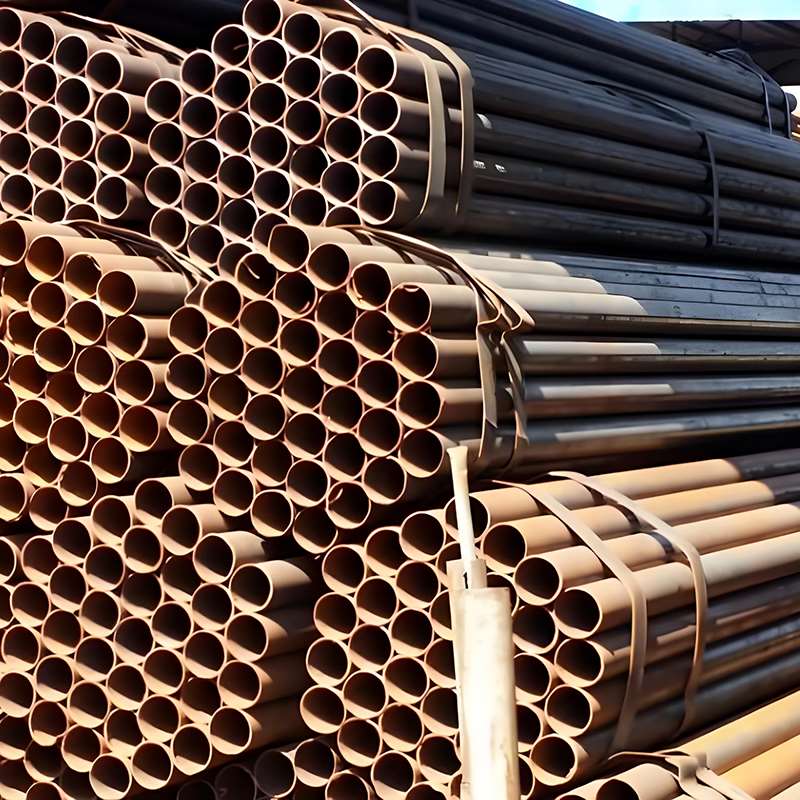
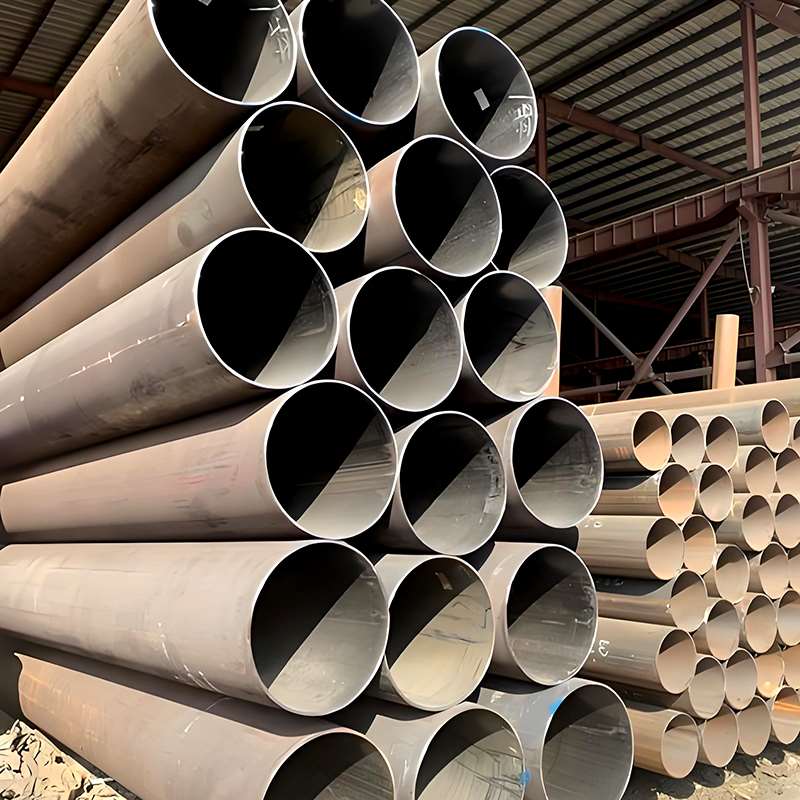
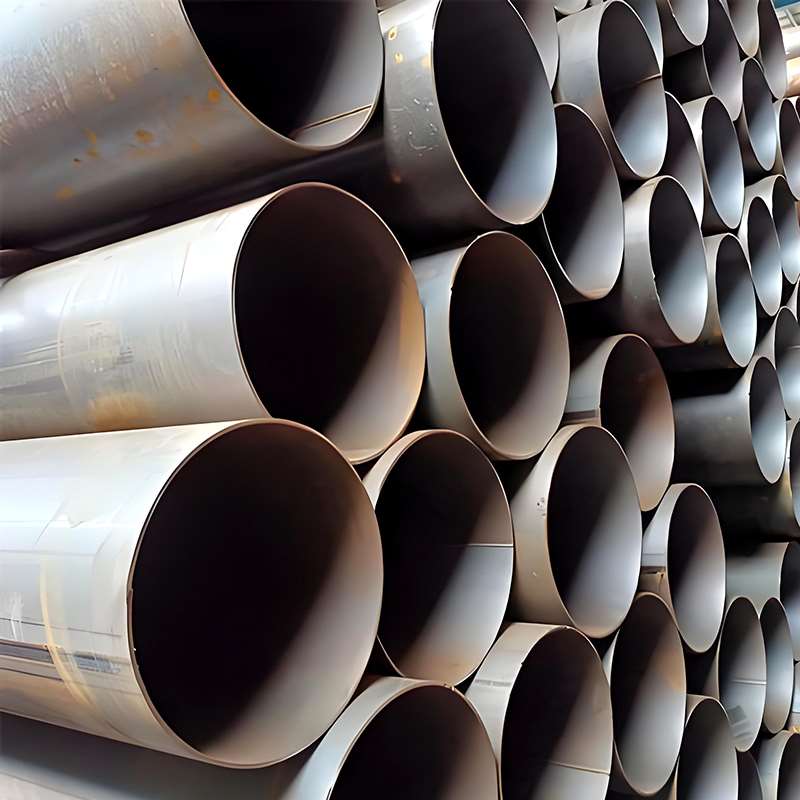
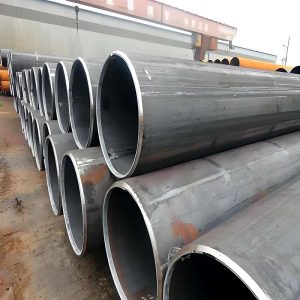
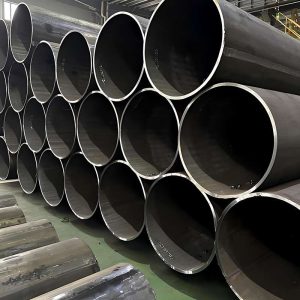
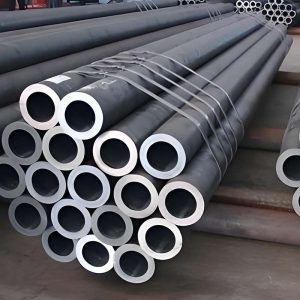
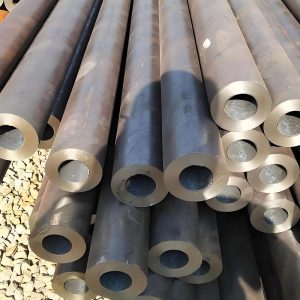
Resistance welded carbon steel boiler tubes are a type of carbon steel tubing produced through a resistance welding process. They are characterized by strong welds, precise dimensions, and excellent pressure resistance.
These tubes are widely used in boilers, steam pipes, hot water pipes, and industrial pressure piping systems, and are suitable for medium-to-low pressure to high-pressure applications.
Characteristics of Resistance Welded Carbon Steel Boiler Tubes:
- Utilulates advanced resistance welding technology, resulting in strong and reliable welds.
- High pipe diameter accuracy and uniform dimensions, making installation easy.
- Possesses excellent pressure resistance, suitable for medium, low, and high-pressure boilers.
- Available in 20#, Q235, and ASTM standard steel grades, ensuring stable performance.
- Surface can be treated with anti-rust paint or hot-dip galvanizing for strong corrosion resistance.
- Weldable and bendable, with excellent processing performance.
- Cost-effective, suitable for industrial boilers and steam piping systems.
II. Introduction to Electric Resistance Welding (ERW) Process — ERW Carbon Steel Boiler Tubes
Electric Resistance Welding (ERW) is a process that welds steel strips or plates into tubes using resistance heating and pressure. This process is the core method for producing electric resistance welded carbon steel boiler tubes, and its principles and characteristics are as follows:
1. Principle
- A steel strip is rolled into a tubular blank, and resistance heat is generated at the contact points of the two edges under the action of high-frequency current.
- Under the pressure of the pressure rollers, the contact surfaces of the steel strip melt and weld together, forming a strong weld seam.
- The weld strength is close to that of the base material, ensuring the safe use of the pipe in high-pressure steam and hot water environments.
2. Process Characteristics
- High-speed production: Compared with traditional welded pipe processes, ERW (Electric Resistance Welding) allows for continuous and rapid production, resulting in high efficiency.
- High dimensional accuracy: Through shaping and straightening, the pipe has good roundness, straightness, and uniform wall thickness, facilitating installation.
- Reliable weld seam: The welding is uniform, with no slag inclusions or cracks inside, meeting the safety requirements for boiler tubes and industrial pipelines.
- Cost-effective: It does not require high-temperature piercing or complex processing, making it more economical than seamless pipe production.
3. Application Advantages
- ERW carbon steel boiler tubes can withstand medium, low, and high-pressure conditions and are widely used in boilers, steam pipes, hot water pipes, and industrial pressure piping systems.
- They are compatible with conventional carbon steel materials such as 20#, Q235, and A53 steel grades, and exhibit stable mechanical properties.
- The manufacturing process is easy to control, facilitating non-destructive testing and hydrostatic testing, ensuring the reliability of each pipe.
III. Chemical Composition and Mechanical Properties of Resistance Welded Carbon Steel Boiler Tubes
1. Chemical Composition Table
| Steel Grade / Standard | C (Carbon) | Mn (Manganese) | Si (Silicon) | P (Phosphorus) | S (Sulfur) |
|---|---|---|---|---|---|
| 20# / GB/T 3091 | 0.17–0.24 | 0.35–0.65 | ≤0.35 | ≤0.035 | ≤0.035 |
| Q235 / GB/T 3091 | 0.12–0.20 | 0.30–0.70 | ≤0.50 | ≤0.045 | ≤0.045 |
| ASTM A53 Gr.B | 0.25 max | 0.29–1.06 | 0.10–0.35 | 0.035 max | 0.035 max |
| ASTM A106 Gr.B | 0.30 max | 0.29–1.06 | 0.10–0.35 | 0.035 max | 0.035 max |
2. Mechanical Properties Table
| Steel Grade / Standard | Tensile Strength (MPa) | Yield Strength (MPa) | Elongation (%) | Impact Toughness KV (J) | Hardness HB |
|---|---|---|---|---|---|
| 20# / GB/T 3091 | 375–500 | 235 | ≥26 | ≥27 | 120–170 |
| Q235 / GB/T 3091 | 370–500 | 235 | ≥26 | ≥27 | 120–170 |
| ASTM A53 Gr.B | 415–540 | ≥205 | ≥30 | ≥27 | 130–180 |
| ASTM A106 Gr.B | 415–540 | ≥205 | ≥30 | ≥27 | 130–180 |
IV. Application Fields of Resistance Welded Carbon Steel Boiler Tubes
1. Boiler Systems
- Low-pressure, medium-pressure, and high-pressure steam boilers
- Hot water boiler piping
- Industrial boiler auxiliary pipelines
2. Industrial Piping Systems
- Steam pipelines in chemical plants, pharmaceutical plants, and food processing plants
- Hot water and hot oil circulation systems
- Pressure piping and process piping for fluid transport
3. Energy and Heating Systems
- Steam transportation in power plants and combined heat and power systems
- District heating and thermal networks
- Industrial steam heating and heat exchange equipment
4. Other Industrial Uses
- Pressure pipelines in metallurgy, papermaking, textile, and light industry sectors
- Medium and low-pressure liquid transportation pipelines
- Heat transfer systems in industrial plants
V. Selection Recommendations for Resistance Welded Carbon Steel Boiler Tubes
1. Select the steel grade based on working pressure and temperature
- Low-pressure boilers: 20# or Q235 carbon steel is sufficient.
- Medium and high-pressure boilers: ASTM A53 Gr.B, ASTM A106 Gr.B, or corresponding high-strength steel grades.
- High-temperature steam conditions: It is recommended to choose heat-treated or low-alloy steel materials to improve high-temperature resistance.
2. Select specifications based on pipe diameter and wall thickness
- Outer diameter range: 21.3–508 mm
- Wall thickness range: 2.5–16 mm
- When selecting wall thickness, consider the design pressure, medium type, and installation environment to ensure a safety margin.
3. Select the surface treatment based on the installation environment:
- Indoor dry environment: Black paint anti-rust treatment is optional.
- Outdoor or humid environment: Hot-dip galvanizing or anti-rust oil treatment is recommended.
4. Select the pipe type based on welding and processing requirements:
- ERW pipes are suitable for welding, bending, and processing into various piping systems.
- Pay attention to bending radius specifications to avoid excessive stress on the wall thickness leading to cracking.
5. Inspection and quality requirements:
- When purchasing, confirm whether chemical composition, mechanical properties, non-destructive testing, and hydrostatic test reports are provided.
- Ensure that the pipe quality meets standards such as GB/T 3091, ASTM A53, and ASTM A106.