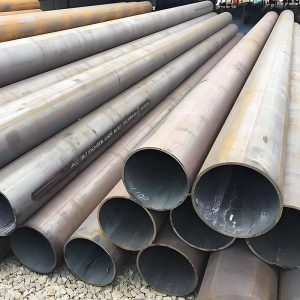
I. Overview of ERW Alloy Steel Structural Pipes
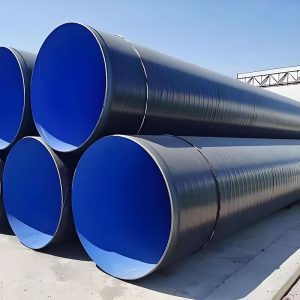
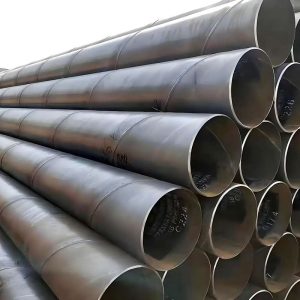
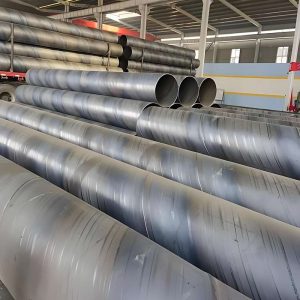
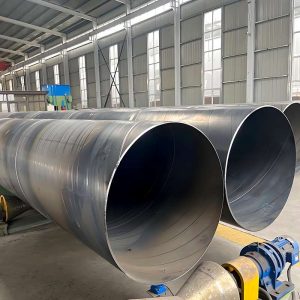
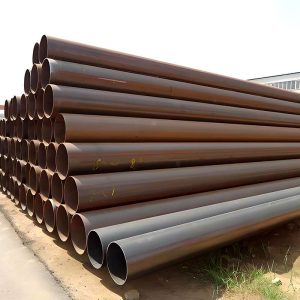
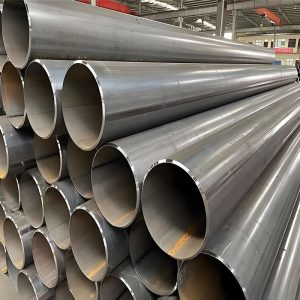
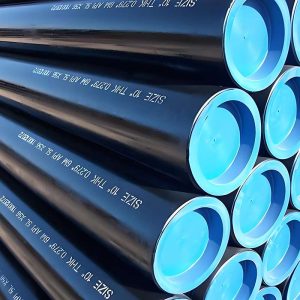
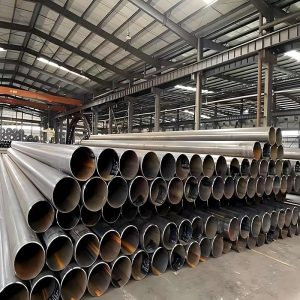
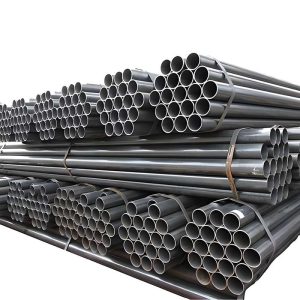
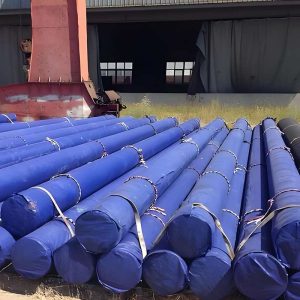
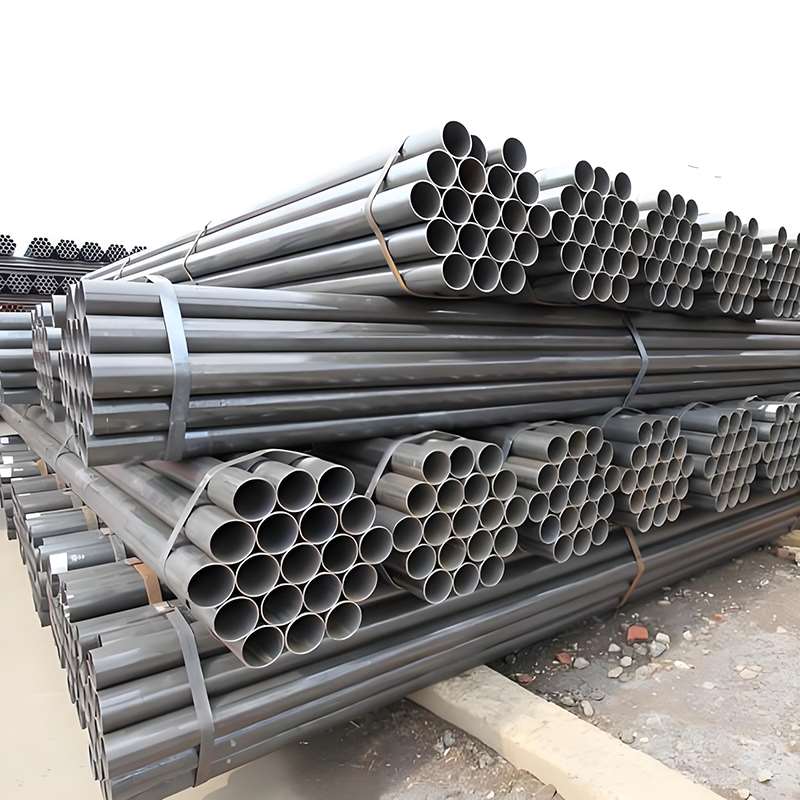
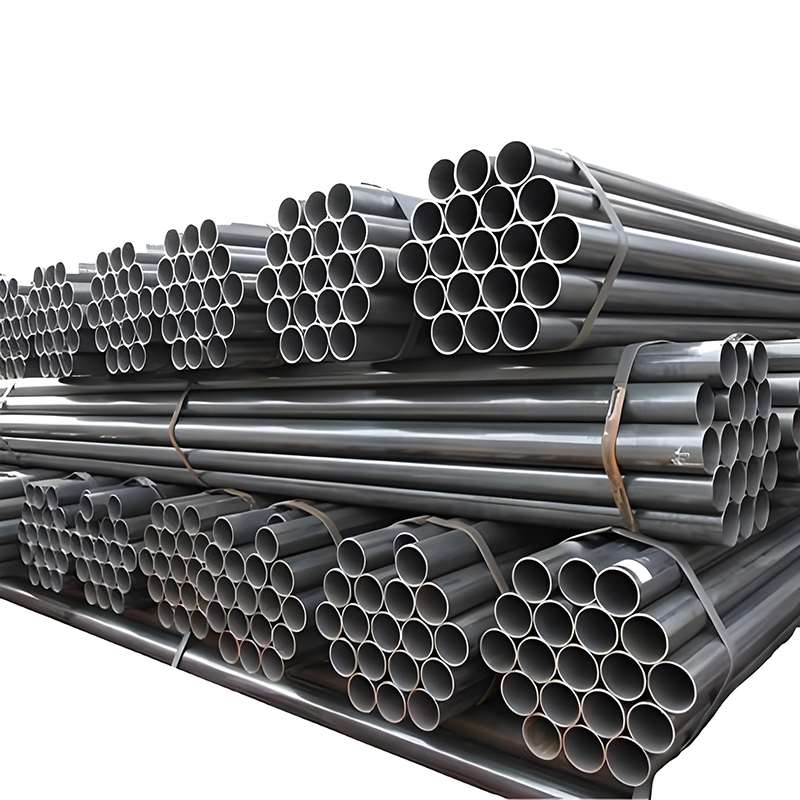
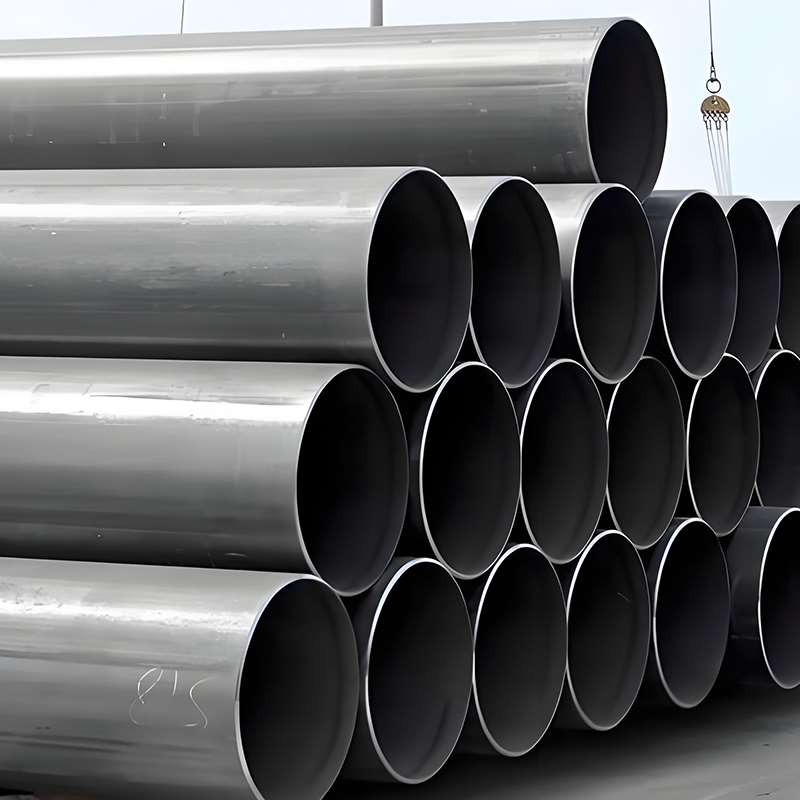
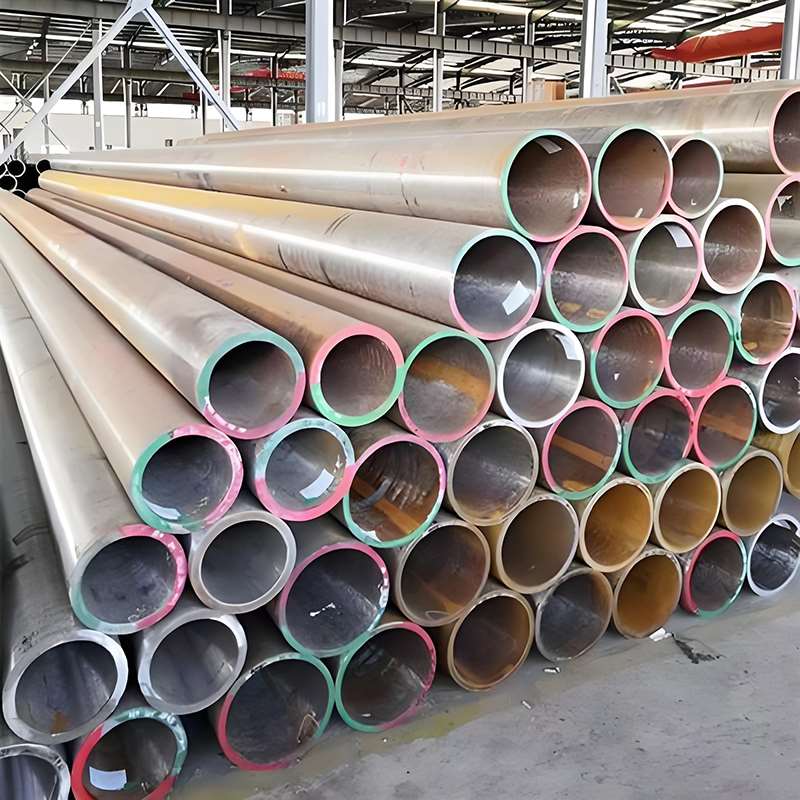
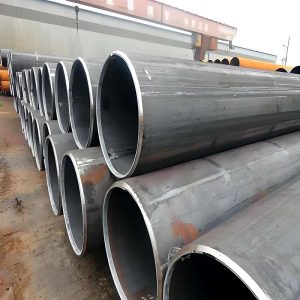
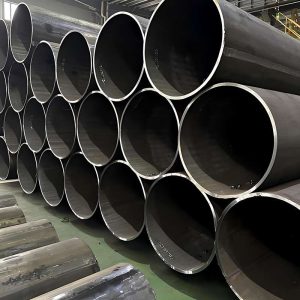
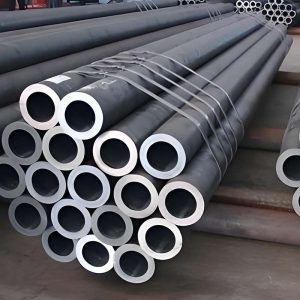
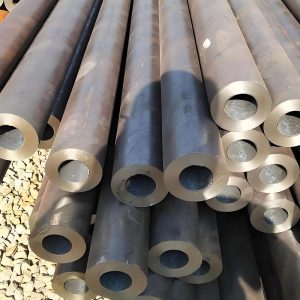
ERW alloy steel structural pipes are a type of alloy steel pipe manufactured using a high-frequency resistance welding process. This process results in uniform welds, precise dimensions, and stable wall thickness, ensuring structural strength and safety.
II. Applications and Use Cases of ERW Alloy Steel Structural Tubes
- Building Structure Support
Used for frame structures and load-bearing supports in factories, warehouses, office buildings, and other structures.
High strength and precise dimensions ensure structural stability and safety. - Mechanical Brackets and Equipment Frames
Suitable for support frames, machine frames, and frame structures of mechanical equipment, automation devices, and industrial equipment.
Good welding performance and easy processing, capable of withstanding heavy loads. - Industrial Pipeline Support
Used for supporting, fixing, and protecting pipeline systems.
Suitable for medium and low-pressure liquid or gas pipelines, ensuring the safety and stability of the pipeline. - Guardrails and Fencing Systems
Can be used for road guardrails, factory fences, and safety protection facilities.
Corrosion-resistant and aesthetically pleasing, suitable for long-term outdoor use. - Furniture and Decorative Tubing
Used for office furniture, outdoor furniture, and interior decorative tubing.
The tube surface can be painted or galvanized, making it beautiful, durable, and easy to process. - Temporary Engineering and Outdoor Structures
Used for temporary structures such as billboard supports, exhibition facilities, and scaffolding.
Easy to transport and install, suitable for quick construction and dismantling projects.
III. Load-Bearing Capacity of ERW Alloy Steel Structural Pipes
1. Factors Affecting Load-Bearing Capacity
- Material Grade: Commonly used alloy steels such as 16Mn, 20Cr, and 40Cr offer high strength and good toughness.
- Outer Diameter and Wall Thickness: Larger diameter and thicker wall result in higher load-bearing capacity.
- Welding Process: ERW high-frequency resistance welding ensures uniform and continuous welds, improving overall strength.
- Processing and Straightening: Straightened pipes should have good straightness to reduce localized stress concentrations.
2. Characteristics of Load-Bearing Capacity
Suitable for building structure support and mechanical frames, capable of withstanding medium to high axial loads.
When used for pipe supports and industrial equipment frames, it ensures structural stability and long-term reliability.
Compared to ordinary carbon steel structural pipes, alloy steel ERW pipes have higher load-bearing capacity while being relatively lighter, facilitating construction and installation.
IV. ERW Alloy Steel Structural Pipe Selection Guide
1. Building Structures and Load-Bearing Frames
Operating conditions: Heavy load-bearing, requiring long-term structural stability and a high safety factor.
Recommended specifications:
- Outer diameter: 60–219 mm
- Wall thickness: 5–12 mm
- Material: 16Mn, ASTM A500 Gr.B
Surface treatment: Painting is acceptable for indoor use; hot-dip galvanizing is recommended for outdoor use.
Note: Select medium to large diameter, high-strength pipes with uniform welds and good straightness to ensure the load-bearing capacity of the frame.
2. Mechanical Supports and Equipment Frames
Operating Conditions: Medium load-bearing capacity, easy processing and welding, stable structure
Recommended Specifications:
- Outer Diameter: 33.7–114.3 mm
- Wall Thickness: 3–8 mm
- Material: 20Cr, ASTM A519
Surface Treatment: Black pipe or painted
Note: Medium-diameter pipes are lightweight and have sufficient load-bearing capacity, making them easy to weld and cut, and offering flexible processing options.
3. Industrial Pipe Supports
Operating Conditions: Medium to heavy pipe weight, requiring long-term support for the piping system.
Recommended Specifications:
- Outer Diameter: 48.3–168 mm
- Wall Thickness: 4–10 mm
- Material: 16Mn, 20Cr
Surface Treatment: Painted or galvanized, for corrosion resistance.
Note: The pipe material should ensure sufficient load-bearing capacity and rigidity. A wall thickness slightly greater than that of light-duty pipes should be selected to accommodate pipe vibration and temperature changes.
4. Guardrail and Fence Systems
Operating conditions: Light load-bearing, small to medium-sized structures, high corrosion resistance required
Recommended specifications:
- Outer diameter: 21.3–60.3 mm
- Wall thickness: 2–5 mm
- Material: 16Mn, Q235
Surface treatment: Hot-dip galvanizing or powder coating
Note: Lightweight pipes facilitate construction, and galvanizing or powder coating improves outdoor weather resistance.
5. Furniture and Decorative Tubing
Operating Conditions: Light load, emphasis on aesthetics, capable of withstanding daily use loads
Recommended Specifications:
- Outer Diameter: 21.3–48.3 mm
- Wall Thickness: 2–4 mm
- Material: Q235, 16Mn
Surface Treatment: Painting or galvanizing to enhance aesthetics and durability
Note: Lightweight tubing is easy to process, provides light load-bearing capacity, and ensures a decorative effect.
6. Temporary Structures and Outdoor Structures
Working Conditions: Temporary construction, requiring easy transportation and quick installation, with moderate load-bearing capacity.
Recommended Specifications:
- Outer Diameter: 33.7–89 mm
- Wall Thickness: 3–6 mm
- Material: 16Mn
Surface Treatment: Painting or galvanizing for corrosion protection
Note: Selecting small to medium diameter pipes facilitates assembly and disassembly while meeting load-bearing requirements.