Products

Related News

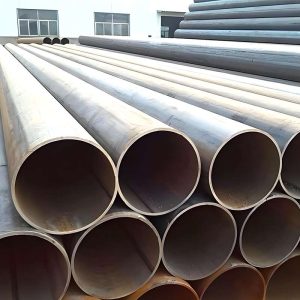
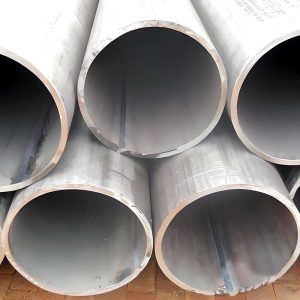
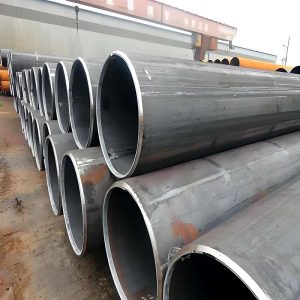
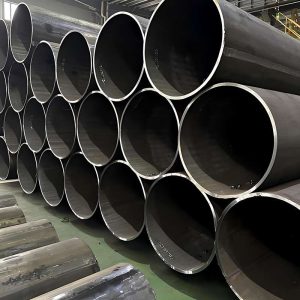
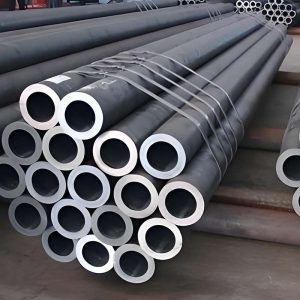
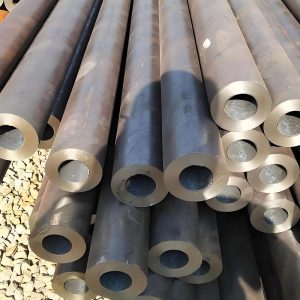
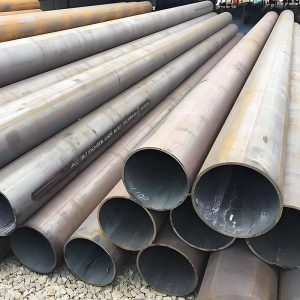
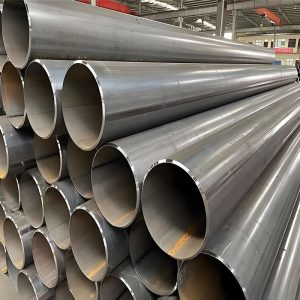
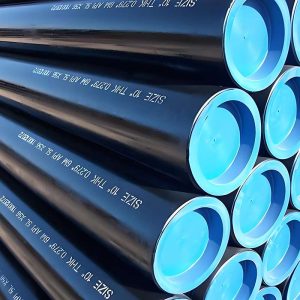
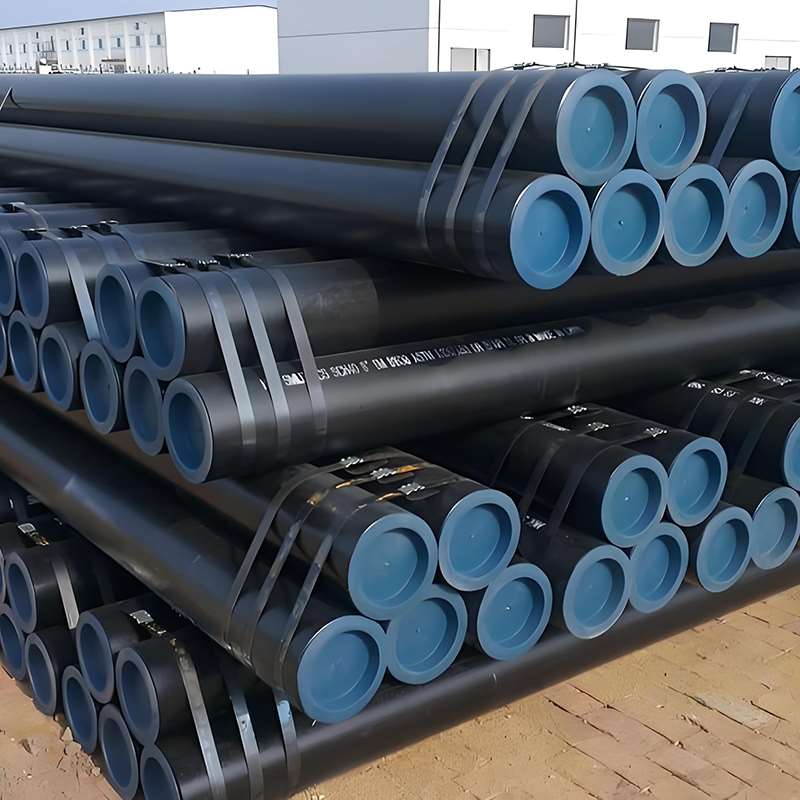
ASTM A53 Seamless Carbon Steel Pipe

OD Range :

21.3 mm – 610 mm(NPS 1/2″ – 24″)

WT Range :

2.0 mm – 40 mm

Length :

5.8m / 6m;11.8m / 12m

Tolerance :

Outer diameter: ±1% or ±0.38mm (depending on size); Wall thickness: –12.5%; Length: random ±50mm, fixed length ±10mm

Material :

Carbon Steel

Standard :

ASTM A53 / ASME SA53

Surface :

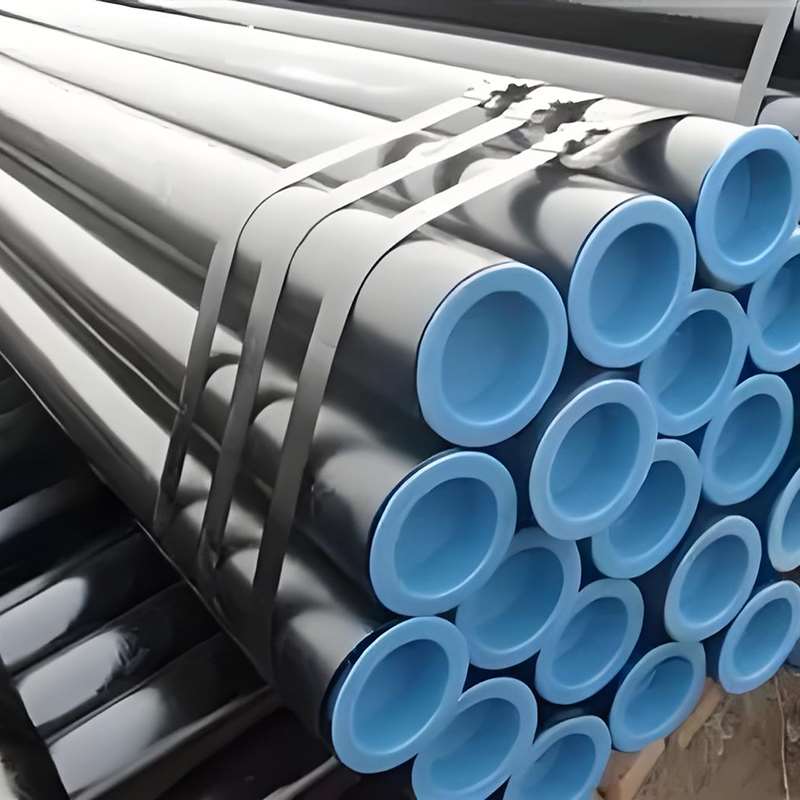
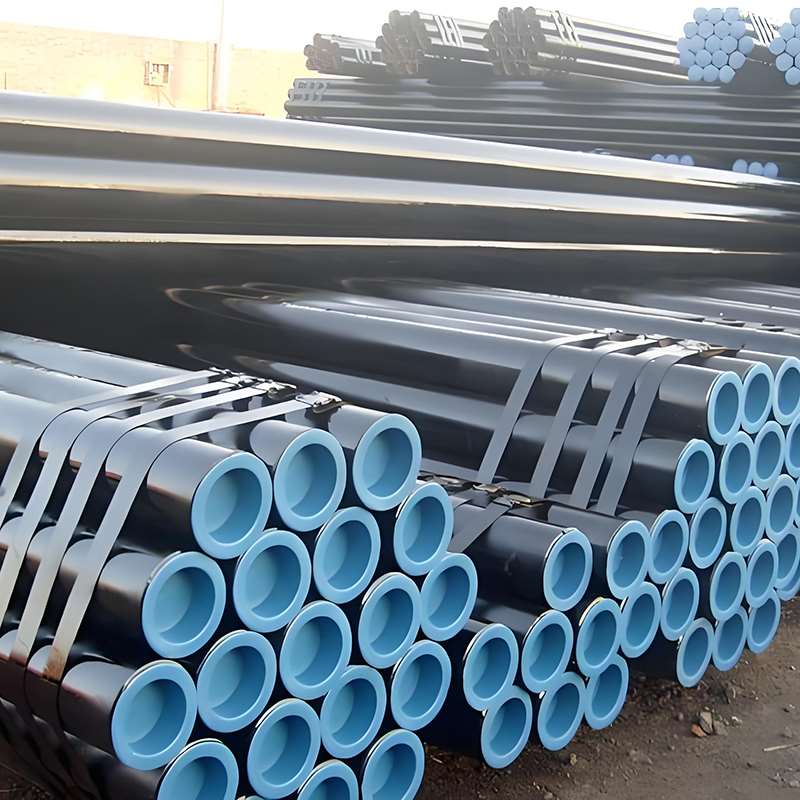
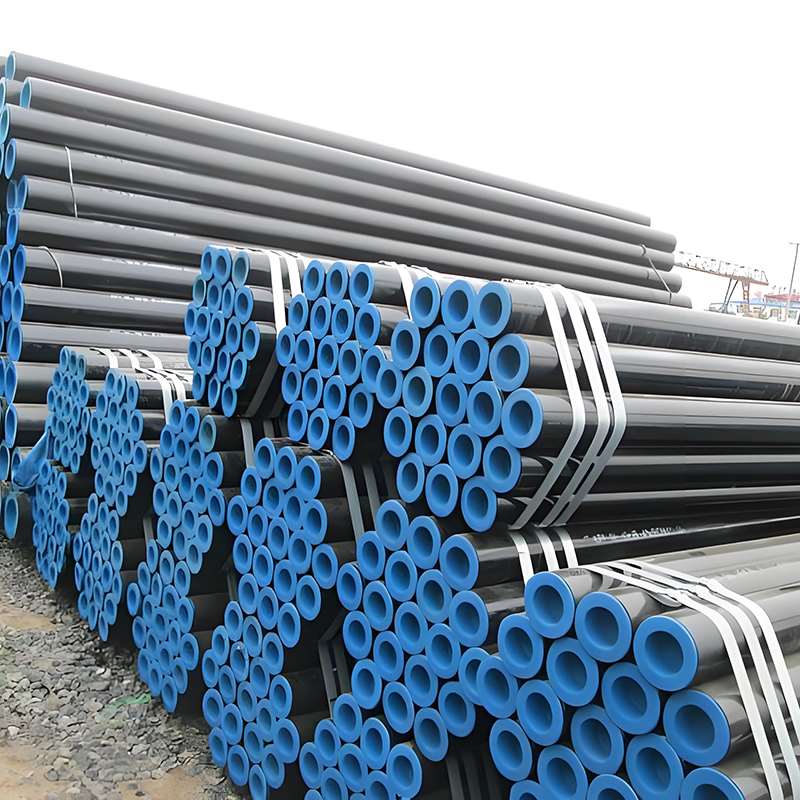
Black / Bare

Application :

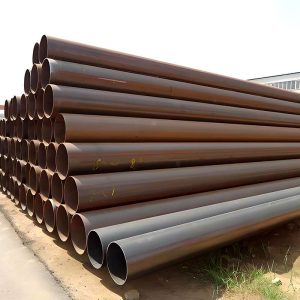
ASTM A53 seamless carbon steel pipes are mainly used for transporting water, gas, steam and low-pressure fluids, and can also be used in structural support and machining.

I. Introduction to ASTM A53 Seamless Carbon Steel Pipe

ASTM A53 seamless carbon steel pipe is a standard for piping used to transport low-pressure fluids such as water, steam, air, gases, and oils.

This pipe is made of high-quality carbon structural steel and seamlessly formed through hot rolling or cold drawing processes. It possesses good mechanical strength, weldability, and machinability. Compared to welded pipes, seamless pipes have no internal weld defects, resulting in a denser structure, making them suitable for systems with high pressure requirements or strict requirements for media purity.

ASTM A53 is divided into two grades: Grade A and Grade B. Grade B has higher strength and wider applications. This product is widely used in oil and gas transportation, boiler heat exchangers, building structures, and machining, and is one of the most commonly used seamless carbon steel pipes in industrial piping systems.

II. Technical Parameters of ASTM A53 Seamless Carbon Steel Pipe

ItemDescription
StandardASTM A53 / ASME SA53
TypeSeamless (Type S)
GradeGrade A, Grade B
Outside Diameter (OD)21.3 mm – 610 mm (1/2″ – 24″)
Wall Thickness (WT)2.77 mm – 60 mm (Schedule 10 – Schedule XXS)
Length5.8 m, 6 m, 11.8 m, 12 m, or custom length
End FinishPlain End (PE), Beveled End (BE), Threaded End (TE)
Manufacturing MethodHot Rolled, Hot Expanded, Cold Drawn (Cold Rolled)
Surface TreatmentBlack Painted, Anti-rust Oil, Galvanized, or as per customer request
Testing / InspectionHydrostatic Test, Eddy Current or Ultrasonic NDT

III. Comparison of ASTM A53 Seamless Carbon Steel Pipe Standards

i. Comparison of Standard Positioning and Scope of Application

StandardMain ApplicationsFeatures
ASTM A53Transport of water, gas, steam, oil, and other low- to medium-pressure fluidsHighly versatile; available in seamless or welded forms
ASTM A106High-temperature and high-pressure fluid transport (boilers, heat exchangers)Designed for high-temperature service; high strength and stable microstructure
API 5LLong-distance transport of oil and natural gasFocus on compressive strength and toughness; suitable for long pipelines
EN 10216-1Pressure piping systems according to European standardsStrict chemical composition control; stable mechanical properties
GB/T 8163Chinese standard for seamless pipes for fluid transportSimilar to ASTM A53; suitable for general fluid transportation

ii. Technical Requirements and Performance Comparison

ItemASTM A53ASTM A106API 5L (B/X42)EN 10216-1 (P235TR1)GB/T 8163
Manufacturing TypeSeamless / WeldedSeamlessSeamless / WeldedSeamlessSeamless
Main ApplicationsLow-pressure pipelinesHigh-temperature, high-pressure pipelinesOil & gas transmission pipelinesPressure systemsFluid pipelines
Tensile Strength (MPa)A: ≥330 / B: ≥415A: ≥415 / B: ≥485 / C: ≥485B: ≥415 / X42: ≥415≥360≥415
Yield Strength (MPa)A: ≥205 / B: ≥240A: ≥240 / B: ≥275 / C: ≥275B: ≥240 / X42: ≥290≥235≥245
Maximum Operating Temperature~400℃~550℃~450℃~450℃~450℃
Corrosion ResistanceGeneral, can be galvanizedGood, high-temperature resistantExcellent, can be coatedGoodGeneral
Typical Diameter Range1/8” – 24”1/8” – 36”1/8” – 48”21.3 – 508 mm10 – 720 mm

iii. Standard Difference Analysis and Selection Logic

Comparison DimensionAdvantages of ASTM A53Advantages of ASTM A106Advantages of API 5LFeatures of EN10216 / GB8163
Operating TemperatureSuitable for ambient to medium-temperature systemsMore suitable for high-temperature (>400℃) environmentsCan be used for medium-temperature long-distance pipelinesGeneral pressure systems
Pressure RatingLow to medium pressureMedium to high pressureMedium to high pressure (pipeline grade)Medium pressure
Cost-effectivenessLow cost, easy to processSlightly higher cost but more stable performanceHigh strength, suitable for long-distance transportGeneral-purpose standard, highly interchangeable
Testing StandardsMainly hydrostatic testIncludes high-temperature performance verificationEmphasizes toughness and fracture performanceComplies with European standard system
Industry SuitabilityConstruction, machinery, water & gas networksBoilers, heat exchangers, chemical plantsOil & gas transportation systemsEuropean and international engineering projects

Related Products

Nominal Size (NPS) Outer Diameter (mm) Wall Thickness (mm) Corresponding Schedule Theoretical Weight (kg/m) Recommended Working Pressure (MPa)* Typical Applications
1/2″ 21.3 2.77 SCH 40 1.28 3.5 Instrumentation, compressed air lines
3/4″ 26.7 2.87 SCH 40 1.68 3.2 Factory water supply, hot water pipes
1″ 33.4 3.38 SCH 40 2.43 3.0 Oil and gas distribution lines
1-1/4″ 42.2 3.56 SCH 40 3.24 2.8 Chemical fluid transport
1-1/2″ 48.3 3.68 SCH 40 3.83 2.8 Boiler auxiliary lines
2″ 60.3 3.91 SCH 40 5.44 2.6 Building hot & cold water pipes
2-1/2″ 73.0 5.16 SCH 40 7.58 2.5 HVAC circulating water systems
3″ 88.9 5.49 SCH 40 9.54 2.4 Compressed air, steam pipes
4″ 114.3 6.02 SCH 40 13.54 2.3 Firefighting & HVAC main lines
5″ 141.3 6.55 SCH 40 18.26 2.1 Industrial exhaust, heating pipelines
6″ 168.3 7.11 SCH 40 23.25 2.0 Water supply & drainage, hot oil systems
8″ 219.1 8.18 SCH 40 33.36 1.8 Oil & gas main transmission pipelines
10″ 273.0 9.27 SCH 40 46.31 1.6 Main chemical process lines
12″ 323.9 9.53 SCH 40 55.51 1.5 Pressure piping, tank connection lines
14″ 355.6 9.53 SCH 30 60.96 1.4 Low-pressure hot water supply
16″ 406.4 9.53 SCH 30 69.74 1.3 Cooling water return systems
18″ 457.2 9.53 SCH 30 78.55 1.2 Industrial circulating water pipelines
20″ 508.0 9.53 SCH 30 87.36 1.1 District heating, low-pressure gas lines
24″ 610.0 12.70 SCH 30 125.20 1.0 Main water supply for large industrial plants


ASTM A53 is a standard for carbon steel pipes developed by the American Society for Testing and Materials (ASTM). It applies to seamless or welded structures made of black steel or hot-dip galvanized steel.

This standard is primarily used for the transport of water, gas, steam, and low-pressure fluids, but can also be used for general engineering structural applications.

I. Standard Features

Wide Coverage: Applicable to both seamless pipes (Type S) and welded pipes (Type E, Type F).

Dual Material Grades: Offers Grade A and Grade B, with Grade B offering higher strength and being the most commonly used.

Multiple Applications: Suitable for both low-pressure fluid transport (water, gas, steam, etc.) and structural applications.

Zalginated: Allows for both bare and hot-dip galvanized pipes.

Strict Dimensional Tolerances: Clear tolerances are specified for pipe diameter, wall thickness, and length.

Includes Testing Requirements: Includes hydrostatic testing, non-destructive testing, and weld quality specifications.

High Versatility: One of the most widely used basic carbon steel pipe standards globally.

II. Standard Parameters

1. Chemical Composition Requirements (Taking Grade B as an example)

Element Requirement
C (Carbon) ≤ 0.30%
Mn (Manganese) 0.95 – 1.20%
P (Phosphorus) ≤ 0.05%
S (Sulfur) ≤ 0.045%
Cu / Ni / Cr / Mo / V ≤ 0.40% (each element max)

2. Mechanical Properties

Item Grade A Grade B
Yield Strength ≥ 205 MPa ≥ 240 MPa
Tensile Strength ≥ 330 MPa ≥ 415 MPa
Elongation As per ASTM formula As per ASTM formula

3. Dimensions and Tolerances

Item Requirement
Outside Diameter Tolerance ±1% or ±0.38 mm (depending on size)
Wall Thickness Tolerance –12.5% (lower deviation)
Length Tolerance Random ±50 mm; cut-to-length ±10 mm (or per agreement)

4. Testing Requirements

Hydrostatic Test
Non-destructive Testing (NDE) applicable to Type E (ERW) welded pipes
Surface quality and weld quality inspection
Zinc plating thickness requirements (if applicable)


1. Raw material preparation → 2. Heating → 3. Piercing → 4. Hot rolling → 5. Sizing/Cold drawing → 6. Annealing/Normalizing → 7. Straightening → 8. Cutting to length → 9. Dimensional inspection → 10. Surface treatment → 11. Oiling for rust prevention → 12. Finished product inspection → 13. Packaging and shipping

Process Description

1、Raw Material Preparation: Select high-quality carbon structural steel or alloy steel billets.
2、Heating: Heat the steel billets to a suitable temperature (approximately 1200℃), ensuring uniform heating.
3、Piercing: Use a piercing mill or rolling mill to pierce the billets to form tube blanks.
4、Hot Rolling: Stretch and sizing the tube blanks in a hot rolling mill to achieve the required tube diameter.
5、Sizing/Cold Drawing: Cold working ensures precise tube diameter, improving surface quality and mechanical properties.
6、Annealing/Normalizing: Eliminates internal stress, improving plasticity and toughness.
7、Straightening: Corrects tube curvature, ensuring straightness.
8、Cut-to-Length: Cut to customer or standard lengths.
9、Dimensional Inspection: Inspect outer diameter, wall thickness, length, and tolerances.
10、Surface Treatment: Available for black tubing, galvanizing, or oiling for rust prevention.
11、Oiling/Preservation: Prevents rusting during transportation and storage.
12、Final Inspection: Hydrostatic testing, non-destructive testing, and surface quality inspection.
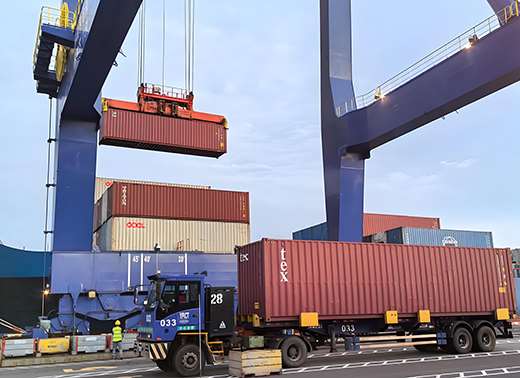
13、Packing & Delivery: Bundling or packing according to customer requirements for shipment.


Inspection Item Method / Standard Requirements
Chemical Composition Optical Emission Spectroscopy (OES) or Chemical Analysis Grade B: C ≤ 0.30%, Mn 0.95–1.20%, P ≤ 0.05%, S ≤ 0.045%, Cu/Ni/Cr/Mo/V ≤ 0.40%
Mechanical Properties (Yield & Tensile Strength) Tensile Test Grade A: YS ≥ 205 MPa, TS ≥ 330 MPaGrade B: YS ≥ 240 MPa, TS ≥ 415 MPa; elongation as per ASTM formula
Dimensional Tolerances Vernier Caliper, Thickness Measurement OD: ±1% or ±0.38 mmWT: –12.5%Length: Random ±50 mm; Cut-to-length ±10 mm
Hydrostatic Test Pressure Testing Machine Conduct hydrostatic test at ASTM A53 specified pressure, no leakage or deformation
Weld Inspection (Welded Pipes Only) Magnetic Particle or Ultrasonic Testing Ensure welds are free from cracks, incomplete penetration, porosity, and other defects
Surface Inspection Visual Inspection Free from severe mill scale, cracks, scratches, and dents
Galvanized Coating Inspection (Galvanized Pipes Only) Magnetic Thickness Gauge or Chemical Analysis Hot-dip galvanized thickness meets ASTM A123 or customer requirements
Marking & Packing Visual Inspection Pipe specifications, grade, length, and batch number clearly marked; packaging secure


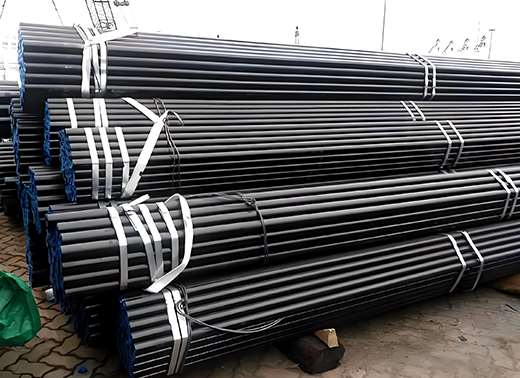
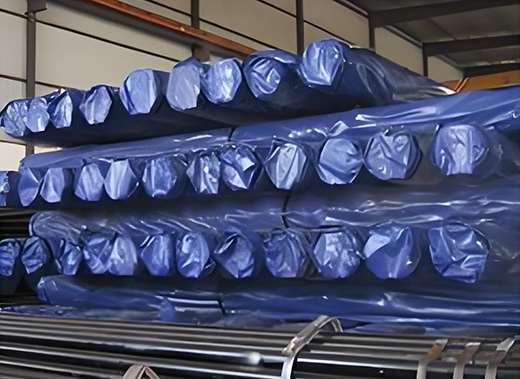
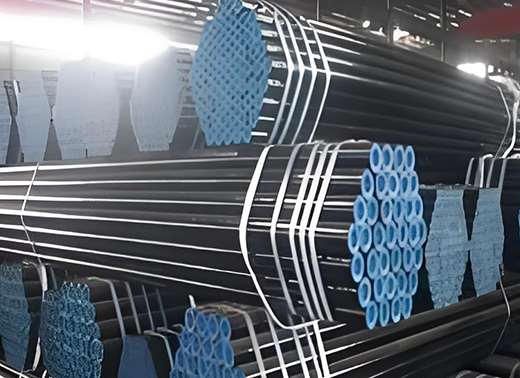
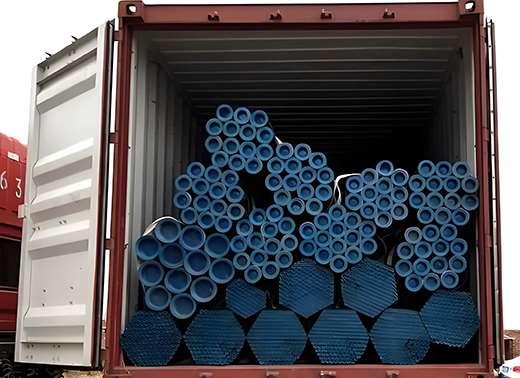
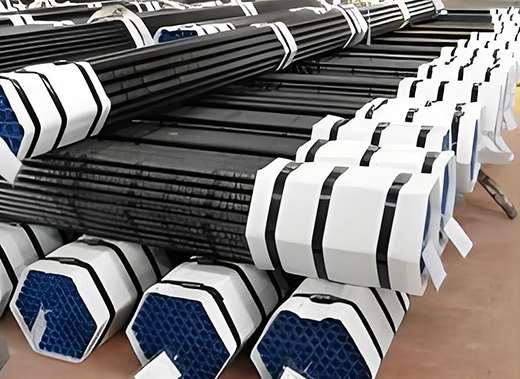
ASTM A213 T22 Seamless Carbon Steel Pipe Packaging   


V. Common Selection FAQs for ASTM A53 Seamless Carbon Steel Pipes

(1) What are the differences between ASTM A53, ASTM A106, and API 5L? Which should I choose?

Answer:

ASTM A53 is mainly used for general transportation, water supply and drainage, gas, and structural applications, suitable for medium and low pressure environments.
ASTM A106 is suitable for high-temperature, high-pressure steam or fluid systems (such as boiler pipelines).

API 5L is used for oil and gas pipelines, requiring higher strength and toughness.

If your system temperature is below 400℃ and the pressure is moderate, A53 is a cost-effective choice; if high-temperature steam or pressure pipelines are involved, A106 or API 5L should be considered first.

(2) What is the difference between ASTM A53 seamless pipe and welded pipe?

Answer:

Seamless pipe: Produced by hot rolling or cold drawing, without weld seams, with better compressive strength and fatigue resistance. Suitable for pressure systems or critical piping.

Welded pipe: Produced by resistance welding or furnace welding, with lower cost, suitable for non-pressure or low-pressure systems.

For industrial fluid, compressed air, or water supply systems, seamless pipe is recommended to reduce the risk of weld seam leakage.

(3) What is the difference between ASTM A53 Grade A and Grade B?

Answer:

Item Grade A Grade B
Yield Strength (MPa) ≥205 ≥240
Tensile Strength (MPa) ≥330 ≥415
Suitable Environment Low-pressure fluid transport, structural pipes Medium-pressure or light high-pressure fluid systems
Cost Lower Slightly higher, but better pressure and temperature resistance

For general industrial and water supply systems, Grade B is recommended due to its more reliable pressure resistance.

(4) Is ASTM A53 seamless pipe suitable for hot and cold water systems?

Answer:

Yes, but attention must be paid to corrosion protection and temperature:

Suitable for hot water systems ≤120℃;

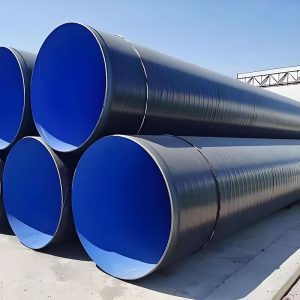
Cold water pipes should have internal and external corrosion protection (such as epoxy, galvanized, or FBE coating);

For long-term high-temperature hot water (>150℃), ASTM A106 is recommended due to its better high-temperature performance.

(5) How to select the appropriate wall thickness based on pressure and temperature?

Answer:

Selection Logic:
Determine the system operating pressure (P) and temperature (T);
Refer to the wall thickness tables in ASME B31.3 or B36.10;
Select the corresponding Schedule (SCH) based on the safety factor.

For example:
SCH 40: Commonly used in ordinary water and gas systems;
SCH 80: Used in medium and high pressure systems;
SCH 160: Suitable for high pressure or high temperature fluid transportation.

In industrial condensate or compressed air systems, if the pressure > 1.6 MPa, it is recommended to select SCH 80 or higher.

(6) What corrosion protection measures are required for ASTM A53 seamless pipes in water supply systems?

Answer:

Carbon steel pipes are prone to oxidation and corrosion. It is recommended to select the following protection methods based on water quality and operating environment:

Zinc plating: Suitable for ordinary tap water pipes;

Epoxy coating (EP): Suitable for industrial circulating water systems;

Inner plastic lining (PE/PP): Suitable for drinking water or chemical media transportation, offering stronger corrosion resistance;

Cathode protection or anti-corrosion tape wrapping: Used in buried or marine environments.