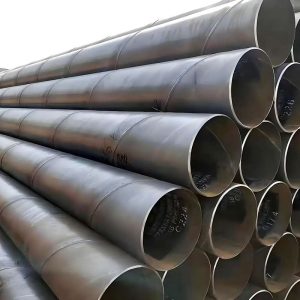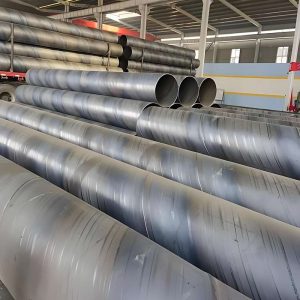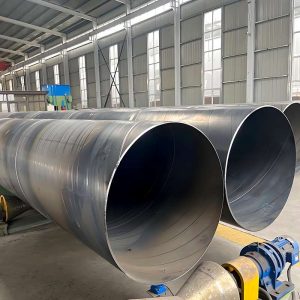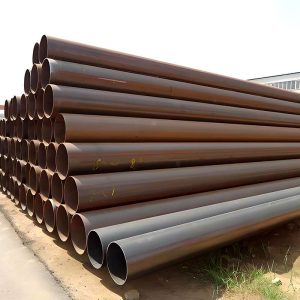
Products

Related News

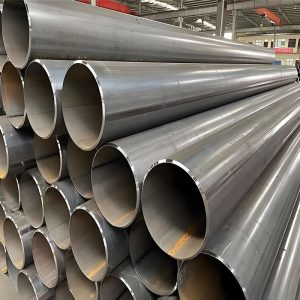
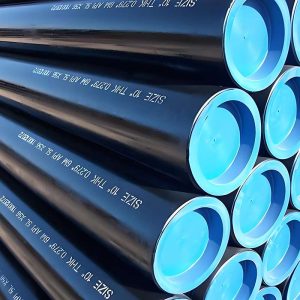
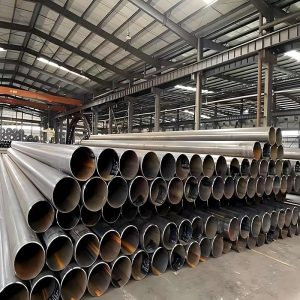
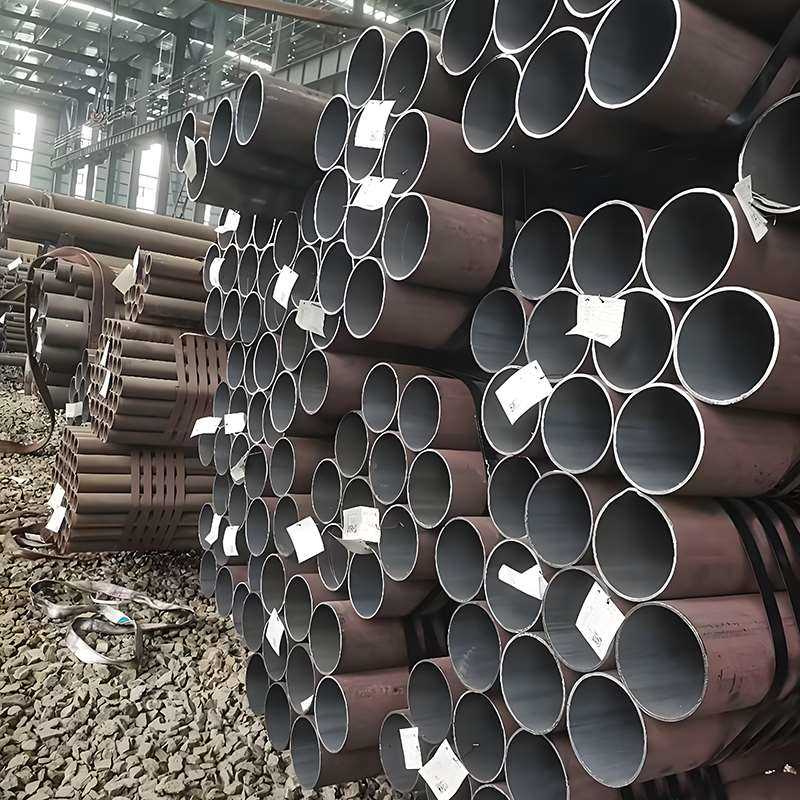
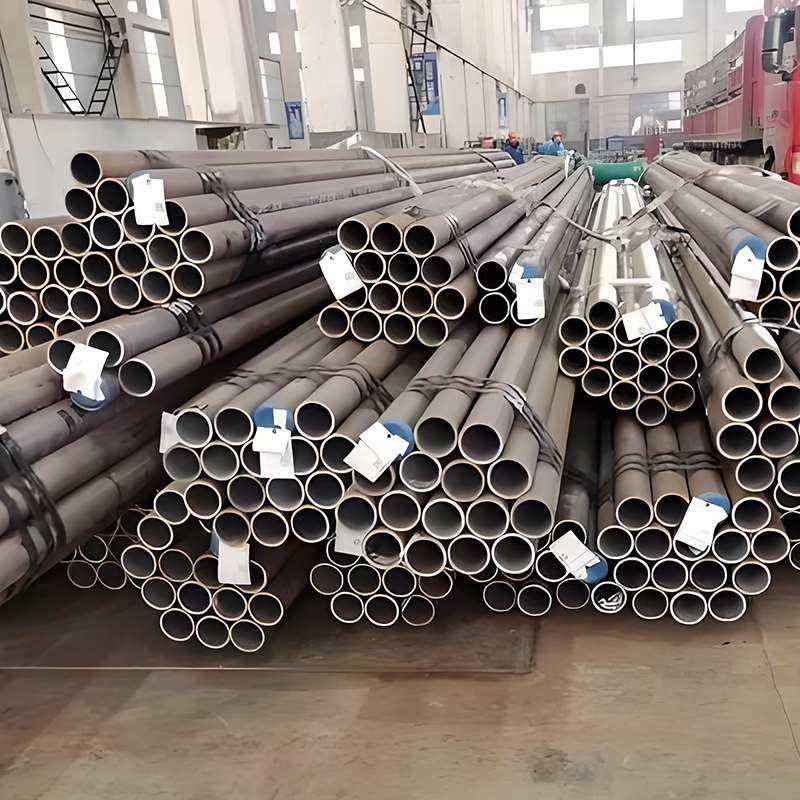
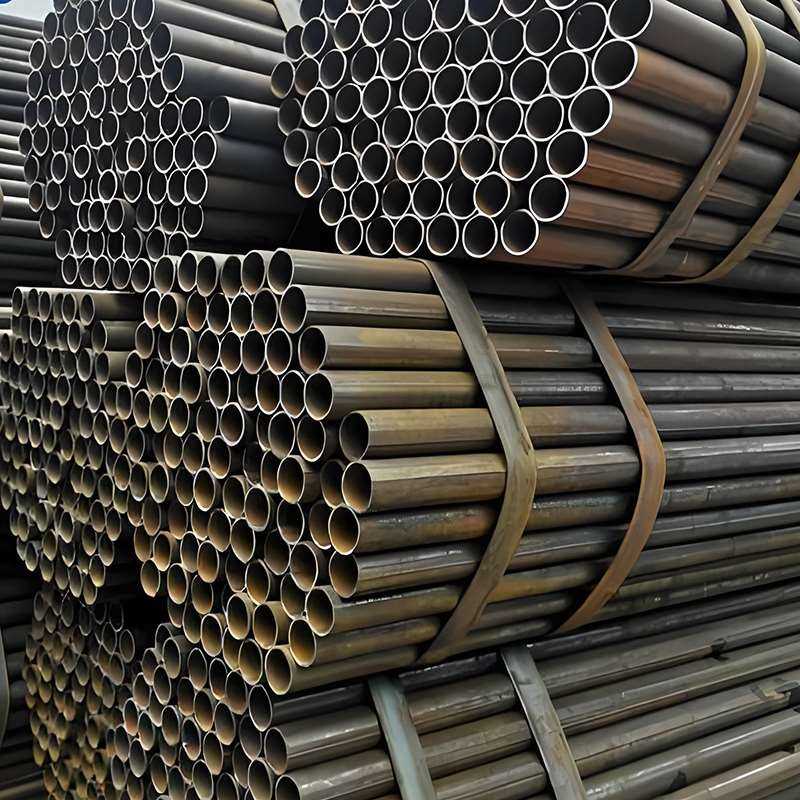
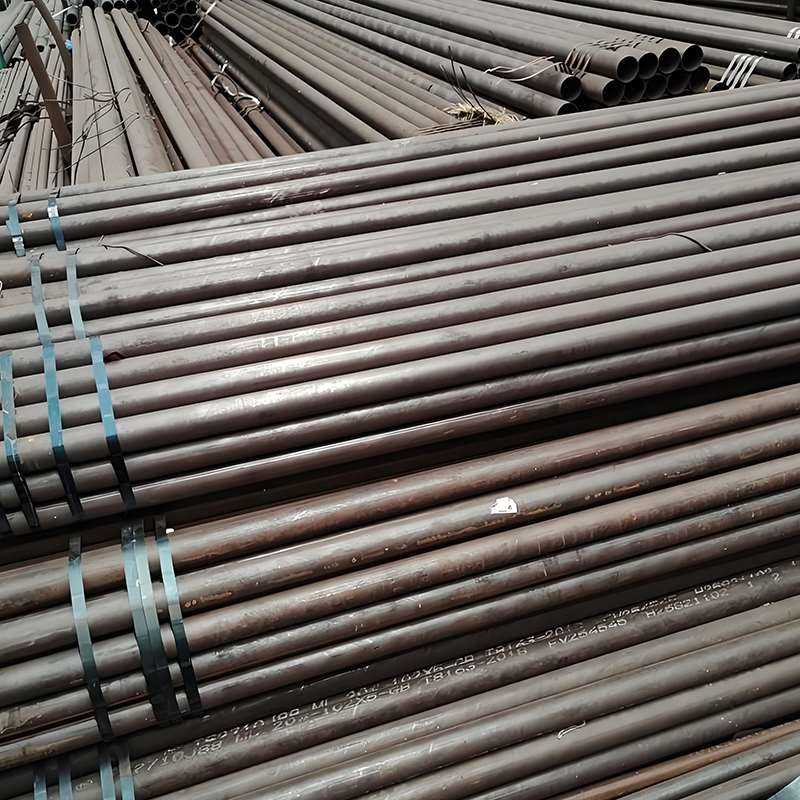
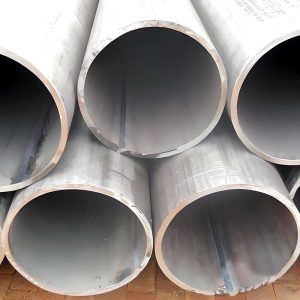
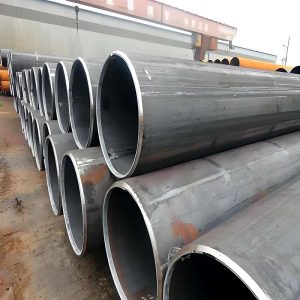
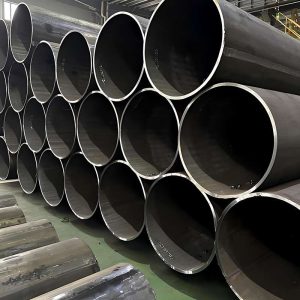
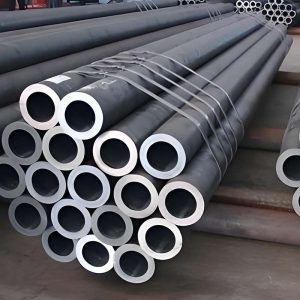
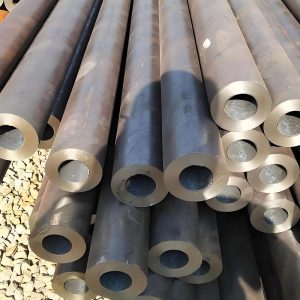
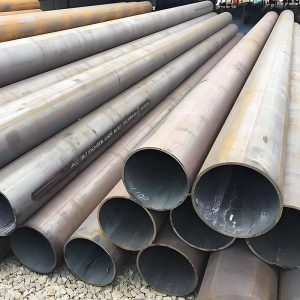
ASTM A53 Grade B ERW Steel Pipe

OD Range :

1/2″ ~ 24″(21.3 mm ~ 609.6 mm)

WT Range :

SCH10 ~ SCH80

Length :

6m、12m

Tolerance :

Outer diameter ±1%, wall thickness ±12.5% ​

Material :

Carbon steel

Standard :

ASTM A53 / ASME B36.10M

Surface :

Hot-dip galvanizing, rust-proof paint, pickling, black pipe (original color)

Application :

Conveying water, steam, gas, and low-pressure fluids; structural piping and machinery manufacturing.

I. Introduction to ASTM A53 Grade B ERW Steel Pipe

ASTM A53 Grade B ERW steel pipe is a type of carbon steel resistance-welded pipe, primarily used for medium- and low-pressure fluid transportation and structural piping. It belongs to Grade B of the ASTM A53 standard, offering higher pressure resistance than Grade A, making it suitable for various applications such as boilers, steam, water, gas, and mechanical structures.

Features and Advantages:

  • High Pressure Resistance: Grade B steel is more resistant to high pressure than Grade A, ensuring safety and reliability.
  • Resistance Welding: Seamless rolled weld seams, precise dimensions, and easy processing and installation.
  • Multiple Specifications Available: Outer diameter 1/2″ ~ 24″, wall thickness SCH10 ~ SCH80, selectable according to design conditions.
  • Various Surface Treatments: Black pipe, hot-dip galvanized, rust-proof paint, adaptable to different environments.
  • Wide Applications: Water, steam, gas pipelines, building structures, mechanical supports, etc.

II. Chemical Composition and Mechanical Properties of ASTM A53 Grade B ERW Steel Pipes

i. Chemical Composition Table

Steel GradeC (%)Mn (%)P (%)S (%)Si (%)
B级0.30 max0.27~1.350.035 max0.035 max0.10~0.35
A级0.25 max0.29~1.060.035 max0.035 max0.10~0.35

ii. Mechanical Properties Table

Steel GradeYield Strength σs (MPa)Tensile Strength σb (MPa)Elongation δ (%)
Grade B241 min415–55030 min
Grade A205 min330–45030 min

III. Characteristics of Welding Process for ASTM A53 Class B ERW Steel Pipes

i. Welding Process Principle

ERW resistance welding is a process in which the edges of a steel strip are heated to a molten or near-molten state by high-frequency current, and then welded into a long pipe under pressure.

ASTM A53 Class B ERW steel pipes typically use longitudinal seam resistance welding to form a continuous and uniform weld.

After welding, the pipe undergoes heat treatment or straightening to ensure dimensional accuracy and weld quality.

ii. Process Characteristics

(1) High Weld Strength
The weld strength is close to that of the base material, suitable for medium and low pressure fluid transportation.

(2) Good Dimensional Accuracy
Strict control of outer diameter and wall thickness facilitates installation with fittings, valves, and flanges.

(3) Smooth Surface
The weld surface is smooth, less prone to cracks or defects, reducing the difficulty of subsequent processing.

(4) High Production Efficiency
ERW process allows for continuous production, suitable for mass production of pipes, with relatively lower costs than seamless pipes. (5) High adaptability: It can produce pipes with different outer diameters and wall thicknesses to meet various engineering needs.

IV. ASTM A53 Class B ERW Steel Pipe Application Areas and Selection Guide

1. Medium and Low Pressure Fluid Transportation

Applications: Urban water supply and drainage pipes, HVAC pipes, steam pipes, compressed air pipes, low-pressure natural gas pipes.

Selection Recommendations:
Wall Thickness: Select Schedule (SCH10~SCH80) based on design pressure.
Outer Diameter: Select according to flow rate and pipe layout (1/2″~24″).
Material: Grade B carbon steel to ensure pressure resistance.
Surface Treatment: Hot-dip galvanizing or paint for rust prevention in outdoor or humid environments; black pipes can be used indoors.

2. High-Rise and Industrial Building Structures

Applications: Building support pipes, scaffolding, frames, railings, industrial plant structures, warehouse racking.

Selection Recommendations:
Outer Diameter and Wall Thickness: Calculate based on load-bearing capacity to ensure a safety factor.
Welding Quality: Check the strength of the ERW longitudinal weld seam; perform non-destructive testing if necessary.
Surface Treatment: Galvanized pipe is recommended for outdoor structures; black pipe can be selected for indoor structures.

3. Industrial Machinery and Equipment Support

Applications: Machinery and equipment support, process piping supports, equipment frames, heavy machinery guide rails, pipe supports and hangers.

Selection Recommendations:
Wall Thickness: Ensure mechanical load-bearing capacity; SCH40~SCH80 is recommended.
Outer Diameter: Select according to equipment structural requirements.
Machining: Can be secondary welded and cut to ensure installation flexibility.

4. Energy and Process Piping

Applications: Low-pressure steam pipes, industrial cooling water pipes, chemical plant process pipes, gas pipelines.

Selection Recommendations:
Wall Thickness and Material: Grade B steel ensures pressure and temperature resistance; pipe diameter and wall thickness are selected according to process requirements.
Surface Treatment: Hot-dip galvanizing or anti-corrosion coating is recommended for chemical or humid environments.
Inspection: For large-scale projects, it is recommended to provide a Material Certificate (MTC) and non-destructive testing of welds.

5. Export and Special Projects

Applications: Overseas construction projects, public facility piping, mechanical equipment support.

Selection Recommendations:
Standards: ASTM A53 / ASME B36.10M
Material: Grade B carbon steel, meeting export requirements
Surface Treatment: As per customer requirements; commonly hot-dip galvanizing or black pipe
Inspection: Provide MTC, dimensions, chemical composition, mechanical properties, and weld inspection reports.

V. Quick Selection Tips:

  • Fluid Piping → Select wall thickness based on pressure (Schedule)
  • Structural Application → Select outer diameter and wall thickness based on load-bearing capacity
  • Outdoor/Corrosive Environments → Galvanized or painted for rust prevention
  • Important Projects → Provide material certificates and weld inspections
Related Products

ASTM A53 Grade B ERW Steel Pipe Specifications and Dimensions

Outer Diameter (inch/mm) Wall Thickness (inch/mm, all rows) Theoretical Weight (kg/m)
1/2″ (21.3) SCH10 (2.77), SCH20 (3.05), SCH40 (3.68), SCH80 (5.54) 2.27, 2.50, 3.06, 4.60
3/4″ (26.7) SCH10 (2.87), SCH20 (3.05), SCH40 (3.91), SCH80 (5.74) 2.88, 3.05, 3.91, 5.70
1″ (33.4) SCH10 (3.38), SCH20 (3.68), SCH40 (4.55), SCH80 (6.02) 3.91, 4.27, 5.25, 6.95
1-1/4″ (42.2) SCH10 (3.56), SCH20 (3.91), SCH40 (4.85), SCH80 (6.35) 5.23, 5.75, 7.10, 9.20
1-1/2″ (48.3) SCH10 (3.68), SCH20 (4.06), SCH40 (5.08), SCH80 (6.55) 6.09, 6.70, 8.40, 10.7
2″ (60.3) SCH10 (3.91), SCH20 (4.27), SCH40 (5.54), SCH80 (7.11) 7.95, 8.60, 11.2, 14.0
2-1/2″ (73.0) SCH10 (4.06), SCH20 (4.55), SCH40 (6.02), SCH80 (7.62) 10.7, 12.0, 15.5, 19.0
3″ (88.9) SCH10 (4.19), SCH20 (4.78), SCH40 (6.35), SCH80 (8.18) 13.9, 15.8, 21.0, 26.5
4″ (114.3) SCH10 (4.27), SCH20 (4.78), SCH40 (6.35), SCH80 (8.56) 18.9, 21.0, 27.5, 35.0
6″ (168.3) SCH10 (4.78), SCH20 (5.16), SCH40 (7.11), SCH80 (10.31) 28.4, 31.0, 42.0, 60.5
8″ (219.1) SCH10 (5.16), SCH20 (5.54), SCH40 (7.62), SCH80 (11.13) 40.2, 43.5, 60.0, 86.0
10″ (273.0) SCH10 (5.49), SCH20 (5.79), SCH40 (8.18), SCH80 (12.70) 52.3, 55.2, 78.0, 115.0
12″ (323.9) SCH10 (5.54), SCH20 (6.02), SCH40 (8.56), SCH80 (12.70) 63.5, 69.0, 95.0, 140.0
14″ (355.6) SCH10 (6.02), SCH20 (6.55), SCH40 (9.27), SCH80 (13.49) 77.2, 83.5, 115.0, 160.0
16″ (406.4) SCH10 (6.35), SCH20 (6.55), SCH40 (9.27), SCH80 (14.27) 91.3, 97.0, 130.0, 185.0
18″ (457.0) SCH10 (6.55), SCH20 (6.83), SCH40 (9.53), SCH80 (14.27) 105.0, 110.0, 150.0, 200.0
20″ (508.0) SCH10 (6.65), SCH20 (7.11), SCH40 (9.53), SCH80 (15.09) 120.0, 128.0, 165.0, 220.0
24″ (609.6) SCH10 (7.11), SCH20 (7.62), SCH40 (11.13), SCH80 (18.25) 145.0, 155.0, 225.0, 320.0

ASTM A53 Grade B ERW Steel Pipe Relevant Standard Table

Standard Standard Type Scope / Content Applicable Range / Notes
ASTM A53 American Standard Chemical composition, mechanical properties, dimensional tolerances, and welding requirements of carbon steel pipes Suitable for medium- and low-pressure pipelines for water, steam, gas, and structural use. Includes Grade A (low pressure) and Grade B (medium-low pressure)
ASME B36.10M American Mechanical Engineers Standard Outside diameter, wall thickness, and schedule comparison for carbon steel pipes Supports fittings, valves, and flange design and selection, ensuring standardized pipeline connections
EN 10219 European Standard Cold-formed welded structural steel pipes Used for building structures, machinery supports, and industrial pipelines; suitable for export projects
EN 10210 European Standard Hot-formed welded structural steel pipes High-strength structural pipes, suitable for construction and engineering support
GB/T 8162 Chinese Standard Dimensions, chemical composition, and mechanical properties of carbon steel seamless and welded pipes Common domestic standard, suitable for medium- and low-pressure fluid transport and structural applications
GB/T 8163 Chinese Standard Carbon steel seamless and welded pipes for fluid transport Commonly used in domestic engineering projects; includes dimensions, wall thickness, welding, and inspection requirements
ISO 3183 International Standard Steel pipes for petroleum and natural gas Suitable for oil and gas pipelines; reference for export projects
API 5L International Petroleum Standard Steel pipes for fluid transport Used in oil and gas pipelines; includes dimensions, chemical composition, mechanical properties, and welding requirements

ASTM A53 Grade B ERW Steel Pipe Manufacturing Process

Steel Coil → Leveling → Edge Preparation → Forming → High-Frequency Longitudinal Seam Welding → Sizing and Straightening → Cutting → Heat Treatment (Optional) → Inspection → Finished Product Warehousing

Process Description:

(1) Coil Unrolling
Unroll the hot-rolled steel coil, ensuring the strip is flat and free of significant bends and wrinkles.

(2) Edge Preparation
Beveling or chamfering the edges of the steel strip ensures weld quality.

(3) Forming
Roll the steel strip into a round tube shape using forming rollers, preparing for longitudinal seam welding.

(4) High-Frequency Longitudinal Seam Welding
Heating the pipe edges with high-frequency current and applying pressure during welding creates a continuous weld, ensuring strength close to that of the base material.

(5) Sizing and Straightening
Straightening the pipe using sizing rollers ensures the diameter, roundness, and straightness meet standard requirements.

(6) Cutting
Cut the pipe into standard lengths (usually 6m or 12m), or custom lengths according to customer needs.

(7) Heat Treatment
Annealing or stress relief is performed on some sections of the pipe to improve mechanical properties and weld quality.

(8) Inspection
Dimensional inspection, chemical composition inspection, mechanical property inspection, and non-destructive testing (UT/RT) of welds.

(9) Finished Product Warehousing
After passing inspection, the finished product is packaged and stored in the warehouse, ready for shipment or construction use.


ASTM A53 Class B ERW Steel Pipe Testing Standard

Inspection Item Test Content Requirement / Standard Description
Chemical Composition Content of C, Mn, P, S, Si, and other elements Must meet ASTM A53 Grade B requirements to ensure strength and weldability
Mechanical Properties Tensile strength, yield strength, elongation Tensile test shall comply with ASTM A53 Grade B standard to ensure pipe load-bearing capacity
Dimensions & Tolerances Outside diameter, wall thickness, pipe length, straightness Controlled according to ASME B36.10M or ASTM A53 tolerances to ensure proper fitting with pipe components
Weld Quality Weld seam continuity, weld defects High-frequency longitudinal welds must be free of cracks, porosity, or incomplete penetration; testing can be performed by UT (ultrasonic) or RT (radiographic) methods
Hydrostatic or Pneumatic Test Static water or air pressure test Ensure the pipe does not leak or burst under design pressure; usually tested at 1.5 times the working pressure per ASTM A53 Grade B requirements
Surface Quality Appearance, mill scale, scratches Pipe surface should be smooth, free of obvious scratches, dents, or rust, meeting user and standard requirements
Hardness Test (Optional) Metallographic hardness, Brinell or Rockwell hardness For special requirements, to ensure stable mechanical performance after welding

Note:

Chemical composition and mechanical properties are core indicators for ensuring the pressure-bearing capacity of Class B pipes.
Dimensions and tolerances directly affect pipe installation and joint fit.
Weld inspection is the most critical quality control step for ERW pipes.
Export or large-scale projects typically require a Material Certificate (MTC), which includes chemical composition, tensile test results, weld inspection, and dimensional reports.


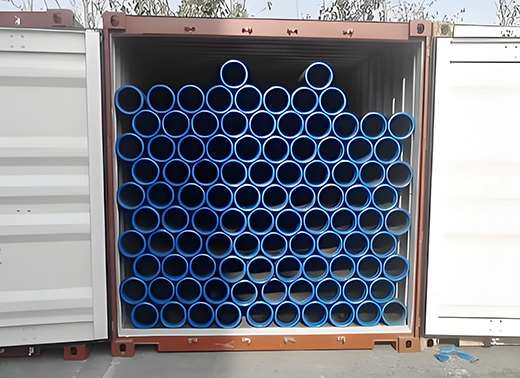
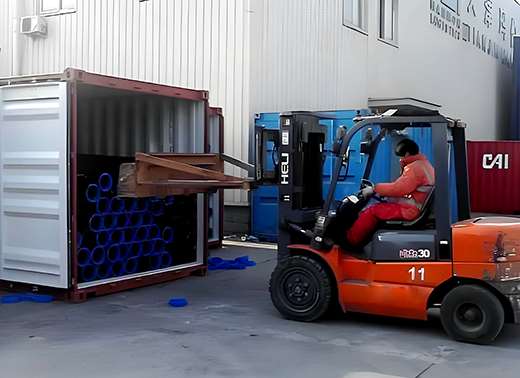
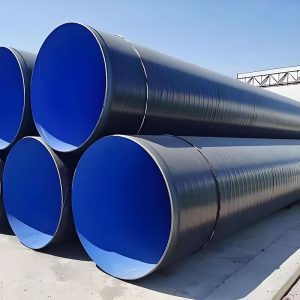
Seamless Carbon Steel Pipe Packing Shipment of Anti-Corrosion Seamless Carbon Steel Pipes

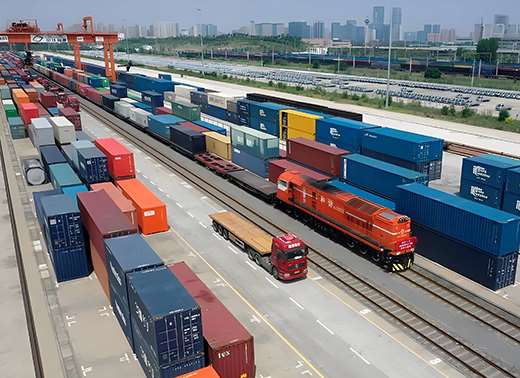
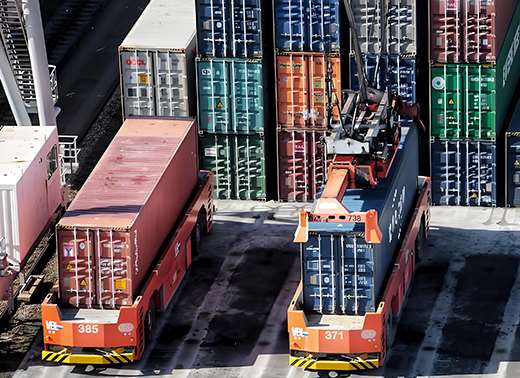
Seamless Carbon Steel Pipe Sea Freight

ASTM A53 Class B ERW Steel Pipe Frequently Asked Questions

Q1: What are the suitable applications for ASTM A53 Class B ERW steel pipe?

A: Primarily used for medium to low pressure fluid transportation (such as water, steam, and gas), building structural pipes (supports, frames, railings), and mechanical equipment support. Class B has a higher pressure resistance than Class A and is suitable for pipelines with slightly higher pressure.

Q2: How to select pipe diameter and wall thickness?

A: Pipe diameter: Select according to flow rate or structural requirements (1/2″~24″ is commonly used).
Wall thickness: Select according to the working pressure schedule (SCH10~SCH80). For structural applications, it can be calculated based on load-bearing capacity.
It is recommended to refer to the ASTM A53 / ASME B36.10M Schedule for quick selection.

Q3: How to ensure the quality of the pipe?

A: Check the chemical composition, mechanical properties, and dimensional tolerances. Welds can be inspected using ultrasonic testing (UT) or radiographic testing (RT) to ensure they are free of cracks, porosity, or incomplete penetration.
Large-scale projects or export pipelines typically require a Material Certificate (MTC).

Q4: What is the difference between ERW welded pipe and spiral welded pipe?

A: ERW pipe: Longitudinal seam welded, suitable for small to medium diameter, low to medium pressure pipelines, the weld seam runs along the length of the pipe.
Spiral welded pipe: Steel strip spiral welded, suitable for large diameter and high pressure pipelines, the weld seam is spiral-shaped.
ERW pipe is economical and efficient, suitable for conventional low to medium pressure applications.

Q5: How should pipe materials be treated outdoors or in corrosive environments?

A: It is recommended to choose hot-dip galvanizing or painting for rust prevention to extend service life.
Black pipe is suitable for dry indoor environments.
For chemical or humid environments, an anti-corrosion coating or lining can be added.

Q6: Precautions for pipe cutting, welding, or secondary processing?

A: ERW pipes are allowed to be cut and welded on-site, but the cut edges must be ground smooth to avoid damaging the weld seam.
Inspect the quality of the original weld seam before secondary welding.
For pressure-bearing pipelines, weld seam inspection should be performed after secondary welding to ensure safety and reliability.