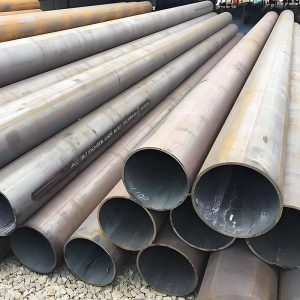
I. Introduction to ASTM A500 Structural Carbon Steel Pipe
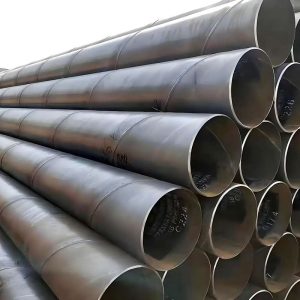
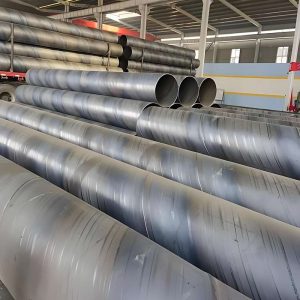
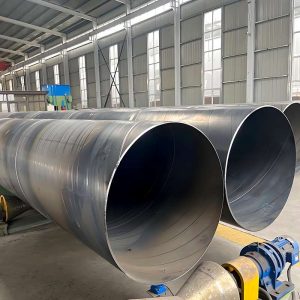
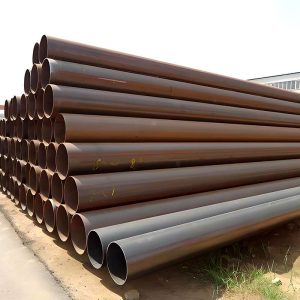
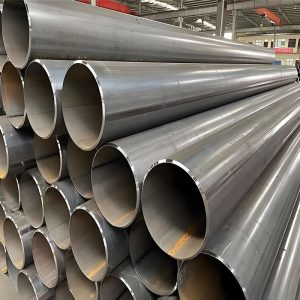
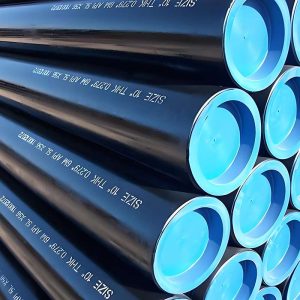
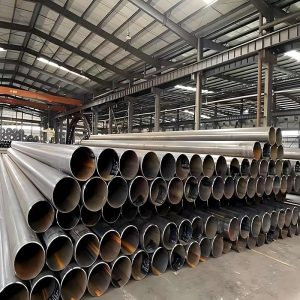
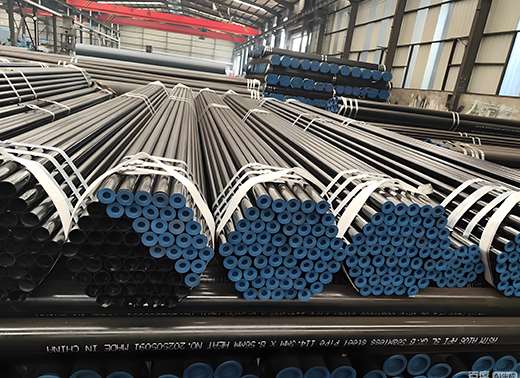
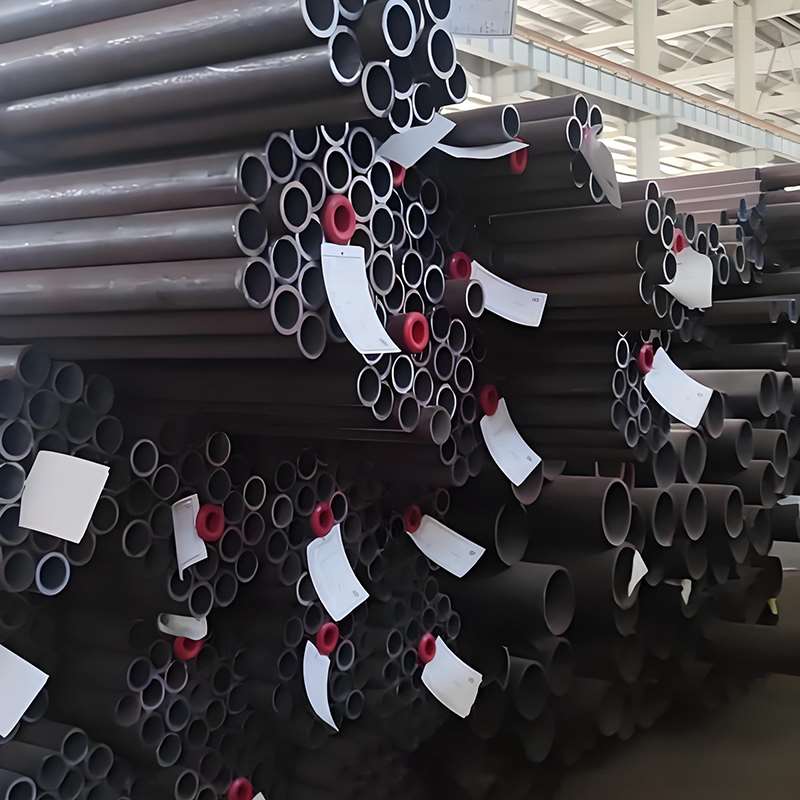
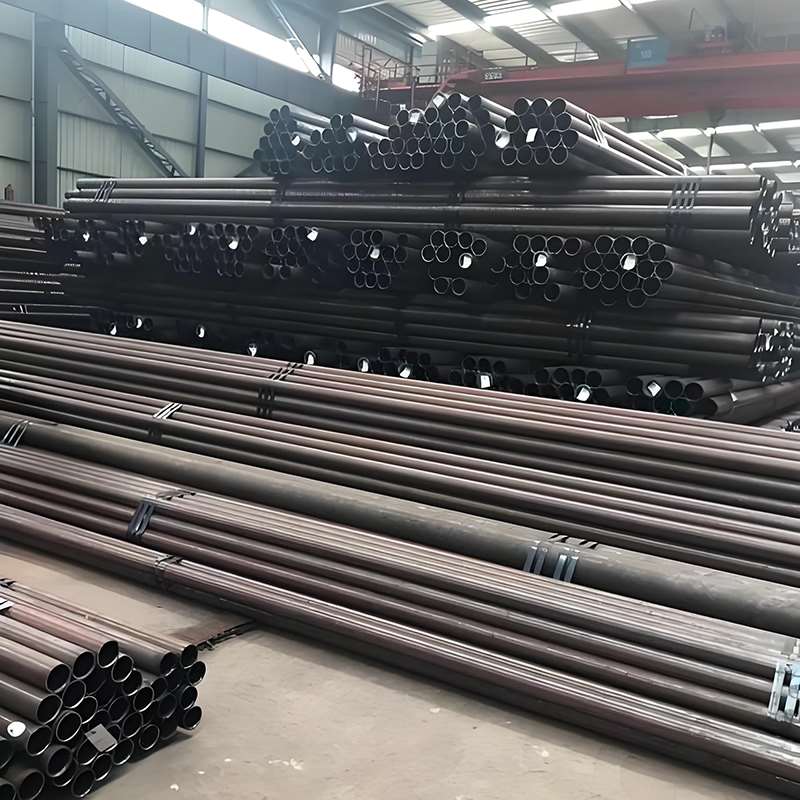
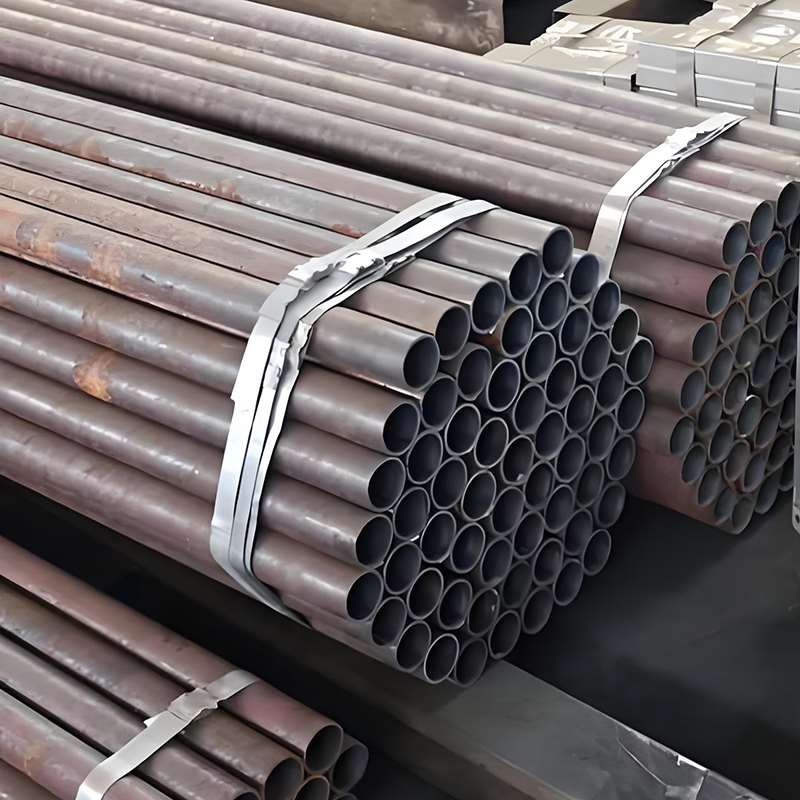
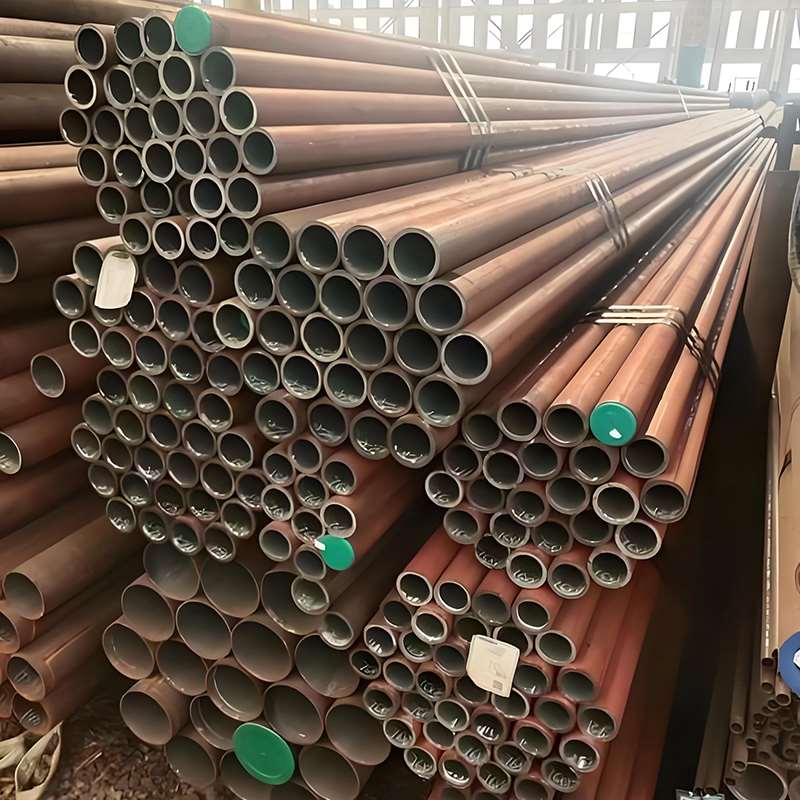
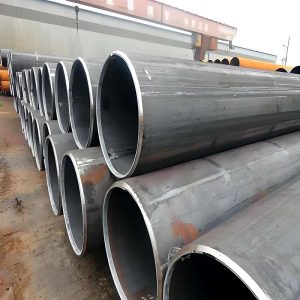
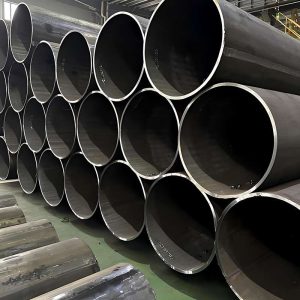
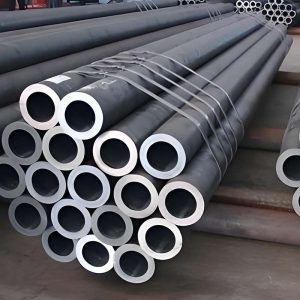
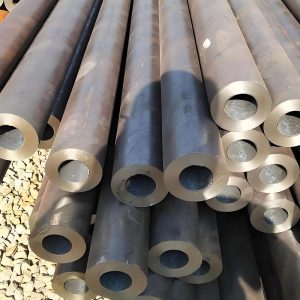
ASTM A500 is a standard for structural carbon steel pipe established by the American Society for Testing and Materials (ASTM). It covers cold-formed welded pipe and seamless pipe, specifically designed for engineering structures such as buildings, bridges, and mechanical supports.
This standard offers varying strength options (yield strength 30-50 ksi) through graded materials (Grade A/B/C/D). Combined with precision cold-forming processes, it ensures pipes possess high load-bearing capacity, deformation resistance, and durability.
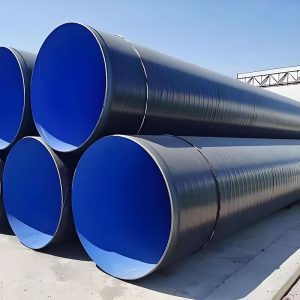
With outer diameters ranging from 12.7mm to 1219.2mm, the product supports custom lengths and corrosion-resistant coatings (e.g., 3PE, hot-dip galvanizing). Widely used in high-rise building frameworks, tower structures, and vehicle chassis, it balances cost-effectiveness with construction convenience, serving as a core lightweight, high-strength structural material in modern engineering.
II. ASTM A500 Structural Carbon Steel Pipe Selection Reference Table
i. Round pipe
| Outer Diameter OD (inch/mm) | Wall Thickness WT (mm) | Theoretical Weight (kg/m) | Grade | Typical Applications |
|---|---|---|---|---|
| 0.625″ / 15.9 | 1.2–2.0 | 1.0–1.5 | A / B / C / D | Light supports, guardrails, handrails |
| 0.75″ / 19.1 | 1.2–2.5 | 1.3–2.0 | A / B / C / D | Small frames, support racks |
| 1″ / 25.4 | 1.5–3.0 | 2.0–3.5 | A / B / C / D | Handrails, light supports |
| 1.25″ / 31.8 | 1.5–3.5 | 2.5–4.5 | A / B / C / D | Small frame supports |
| 1.5″ / 38.1 | 1.5–3.5 | 3.5–5.5 | A / B / C / D | Building structural supports |
| 2″ / 50.8 | 2.0–4.0 | 5.5–9.0 | A / B / C / D | Frame structures, fences |
| 2.5″ / 63.5 | 2.5–4.5 | 8.0–12.0 | A / B / C / D | Industrial supports, columns |
| 3″ / 76.2 | 3.0–5.0 | 11.0–17.0 | A / B / C / D | Frame structures, guardrails |
| 4″ / 101.6 | 3.0–6.0 | 17.0–26.0 | A / B / C / D | Large building supports, columns |
| 6″ / 152.4 | 4.0–7.0 | 34.0–48.0 | A / B / C / D | Bridges, main building beams |
| 8″ / 203.2 | 5.0–8.0 | 55.0–80.0 | A / B / C / D | Large supports, industrial pipe racks |
| 10″ / 254.0 | 6.0–10.0 | 80.0–120.0 | B / C / D | Heavy structures, bridges |
| 12″ / 304.8 | 6.0–12.0 | 110.0–165.0 | B / C / D | Large industrial frames, support columns |
ii. Square tube
| Outer Diameter OD (inch/mm) | Wall Thickness WT (mm) | Theoretical Weight (kg/m) | Grade | Typical Applications |
|---|---|---|---|---|
| 0.5″ x 0.5″ / 12.7 | 1.2–2.0 | 1.0–1.4 | A / B / C / D | Light frames, guardrails |
| 0.75″ x 0.75″ / 19.1 | 1.2–2.5 | 1.5–2.2 | A / B / C / D | Small supports, machinery racks |
| 1″ x 1″ / 25.4 | 1.5–3.0 | 2.0–3.5 | A / B / C / D | Handrails, light frames |
| 1.5″ x 1.5″ / 38.1 | 1.5–3.5 | 3.5–5.5 | A / B / C / D | Building supports, frames |
| 2″ x 2″ / 50.8 | 2.0–4.0 | 5.5–9.0 | A / B / C / D | Frame structures, columns |
| 3″ x 3″ / 76.2 | 3.0–5.0 | 11.0–17.0 | A / B / C / D | Bridge supports, industrial frames |
| 4″ x 4″ / 101.6 | 3.0–6.0 | 17.0–26.0 | A / B / C / D | Large building supports, pipe racks |
| 6″ x 6″ / 152.4 | 4.0–7.0 | 34.0–48.0 | A / B / C / D | Heavy industrial supports, bridges |
| 8″ x 8″ / 203.2 | 5.0–8.0 | 55.0–80.0 | A / B / C / D | Large frames, pipe racks |
iii. Rectangular tube
| Outer Diameter OD (inch/mm) | Wall Thickness WT (mm) | Theoretical Weight (kg/m) | Grade | Typical Applications |
|---|---|---|---|---|
| 1″ x 0.5″ / 25.4 x 12.7 | 1.2–2.0 | 1.2–2.0 | A / B / C / D | Light frames, guardrails |
| 1.5″ x 0.75″ / 38.1 x 19.1 | 1.5–3.0 | 2.5–4.5 | A / B / C / D | Small supports, machinery racks |
| 2″ x 1″ / 50.8 x 25.4 | 2.0–4.0 | 5.5–9.0 | A / B / C / D | Frame structures, columns |
| 3″ x 2″ / 76.2 x 50.8 | 3.0–5.0 | 11.0–17.0 | A / B / C / D | Bridge supports, industrial frames |
| 4″ x 2″ / 101.6 x 50.8 | 3.0–6.0 | 17.0–26.0 | A / B / C / D | Large building supports, pipe racks |
| 6″ x 4″ / 152.4 x 101.6 | 4.0–7.0 | 34.0–48.0 | A / B / C / D | Heavy industrial supports, bridges |
| 8″ x 6″ / 203.2 x 152.4 | 5.0–8.0 | 55.0–80.0 | A / B / C / D | Large frames, pipe racks |
III. ASTM A500 Structural Carbon Steel Pipe Grade Comparison
| Grade | Yield Strength (MPa / psi) | Tensile Strength (MPa / psi) | Elongation (%) | Features | Typical Applications |
|---|---|---|---|---|---|
| A | 46 MPa (6,700 psi) | 58–79 MPa (8,400–11,400 psi) | ≥23% | Lowest strength, high toughness, easy to work | Light supports, guardrails, handrails, light frames |
| B | 48 MPa (7,000 psi) | 62–79 MPa (9,000–11,400 psi) | ≥21% | Most common grade, balanced strength and toughness | Small to medium building structures, industrial supports, frames |
| C | 52 MPa (7,500 psi) | 62–93 MPa (9,000–13,500 psi) | ≥20% | Higher strength, suitable for moderately heavy loads | Heavy-duty buildings, bridge main beams, large industrial frames |
| D | 58 MPa (8,400 psi) | 67–98 MPa (9,600–14,200 psi) | ≥18% | Highest strength, slightly lower toughness, suitable for high-load applications | Extra-large structures, bridges, main building beams, heavy industrial supports |
IV. ASTM A500 Structural Carbon Steel Pipe Chemical Composition
| Grade | C (Carbon) | Mn (Manganese) | P (Phosphorus) | S (Sulfur) | Si (Silicon) | Other Elements / Notes |
|---|---|---|---|---|---|---|
| A | ≤0.26% | 0.60–1.20% | ≤0.035% | ≤0.035% | ≤0.15% | Balance Fe |
| B | ≤0.30% | 0.60–1.20% | ≤0.035% | ≤0.035% | ≤0.15% | Balance Fe |
| C | ≤0.30% | 0.60–1.50% | ≤0.035% | ≤0.035% | ≤0.15% | May contain minor Cu, Ni, Cr |
| D | ≤0.30% | 0.60–1.50% | ≤0.035% | ≤0.035% | ≤0.15% | Strengthening heat treatment may adjust composition |
Grade A/B: Suitable for general construction and light-duty structures, with excellent weldability.
Grade C/D: High load-bearing capacity, primarily used in heavy-duty construction, bridges, and industrial frameworks.
Minor adjustments to chemical composition affect yield strength, tensile strength, and weldability; therefore, verify the Mill Test Certificate during procurement.
V. ASTM A500 Structural Carbon Steel Pipe Surface Treatment and Anti-Corrosion Measures
i. Common Surface Treatment Methods
(1) Hot-Dip Galvanizing
Characteristics: Forms a thick, uniform zinc coating on pipe surfaces, offering strong corrosion resistance.
Suitable Environments: Outdoor exposure, humid conditions, coastal or industrial areas.
Advantages: Long service life (typically exceeding 20 years), low maintenance costs.
Precautions: Welding after galvanization requires specialized techniques to prevent zinc layer damage or harmful fumes.
(2) Spray Painting / Coating for Corrosion Protection
Features: Applying anti-corrosion paint or epoxy primer to the pipe surface.
Suitable Environments: Indoor or mild outdoor settings, particularly in humid construction scenarios.
Advantages: Simple application, offers diverse color options, and provides strong decorative appeal.
Precautions: Surface must remain clean and dry; requires periodic maintenance or touch-ups.
(3) Fireproof Coatings
Features: Forms a fire-resistant protective layer on pipe surfaces to enhance fire resistance ratings.
Suitable Environments: Steel structures in buildings, factories, bridges, and other locations requiring fire protection.
Advantages: Delays structural failure during fires, improving safety.
Precautions: Fireproof coating thickness and application quality must comply with design specifications.
(4) Sandblasting / Rust Removal Treatment
Characteristics: First removes scale and rust from pipe surfaces, followed by subsequent anti-corrosion treatment.
Applicable Environments: All pre-treatment for anti-corrosion to ensure coating adhesion.
Advantages: Enhances coating adhesion and extends anti-corrosion service life.
ii. Guide to Selecting Anti-Corrosion Measures
| Environment Type | Recommended Surface Treatment | Notes |
|---|---|---|
| Indoor, dry environment | Paint or epoxy coating | Mainly for appearance, low corrosion protection required |
| Indoor, humid environment | Paint + primer | Prevent moisture corrosion |
| Outdoor, normal environment | Hot-dip galvanizing | Strong weather resistance, reduces maintenance |
| Coastal or industrial areas | Hot-dip galvanizing + paint | Maximum corrosion protection, resists salt spray |
| Buildings with high fire protection requirements | Fireproof coating | Complies with fire rating standards |
| Long-term storage | Anti-rust oil or protective coating film | Prevents short-term oxidation or rust |
VI. ASTM A500 Structural Carbon Steel Pipe Selection Reference Table
| Grade | Yield Strength (MPa) | Tensile Strength (MPa) | Pipe Type | OD / Side Length Range | Wall Thickness Range (mm) | Typical Applications | Corrosion Protection | Welding / Fabrication Recommendation |
|---|---|---|---|---|---|---|---|---|
| A | 46 | 58–79 | Round | 15–100 mm | 1.2–6.0 | Handrails, light supports, guardrails | Indoor paint | Easy to weld, standard welding methods |
| Square | 25–100 mm | 1.5–6.0 | Light frames | Indoor paint | Easy to weld | |||
| B | 48 | 58–79 | Round | 15–150 mm | 1.5–8.0 | Medium building frames, industrial supports | Indoor painting / Outdoor hot-dip galvanizing | Easy to weld |
| Square / Rectangular | 25–150 mm | 2.0–8.0 | Frame columns, beams, pipe racks | Indoor painting / Outdoor hot-dip galvanizing | Easy to weld | |||
| C | 52 | 62–93 | Square / Rectangular | 50–200 mm | 3.0–12.0 | Heavy-duty buildings, bridge main beams, large industrial frames | Outdoor hot-dip galvanizing, paint if necessary | Welding requires preheating and proper welding procedures |
| D | 58 | 67–98 | Square / Rectangular | 100–300 mm | 4.0–14.0 | Extra-large structures, bridges, main building beams | Hot-dip galvanizing + paint or fireproof coating | High-strength welding requires strict welding control |
Selection Guide Instructions
- Grade Selection
Lightweight structures → Grade A/B
Heavy-duty frames, bridges → Grade C/D - Pipe Type Selection
Aesthetic, lightweight → Round pipes
High load-bearing capacity → Square or rectangular pipes - Wall Thickness and Outer Diameter
Small supports → Thin-walled, small diameter
Load-bearing columns/beams → Thick-walled, large diameter - Corrosion Protection Measures
Indoor → Painting sufficient
Outdoor → Hot-dip galvanizing
High fire resistance → Fireproof coating - Welding and Fabrication Recommendations
Grade A/B → Easy welding
Grade C/D → Welding requires preheating or controlled welding procedures