I. Overview of ASTM A500 Grade B ERW Steel Pipes
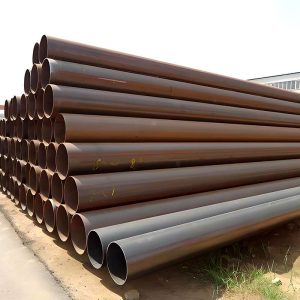
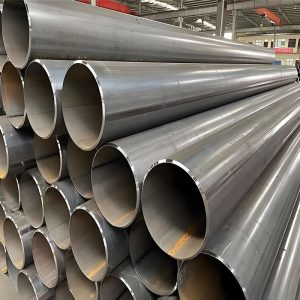
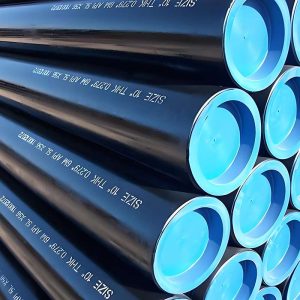
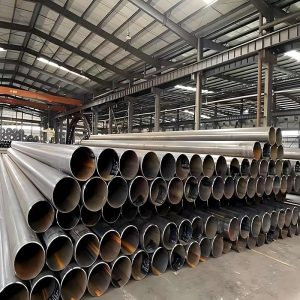
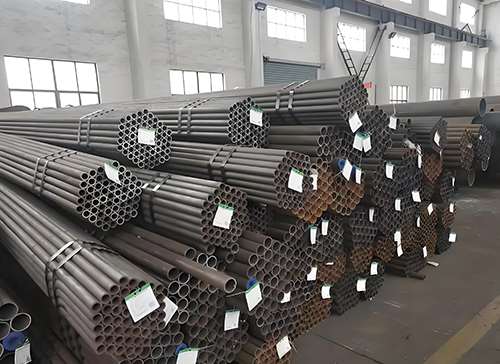
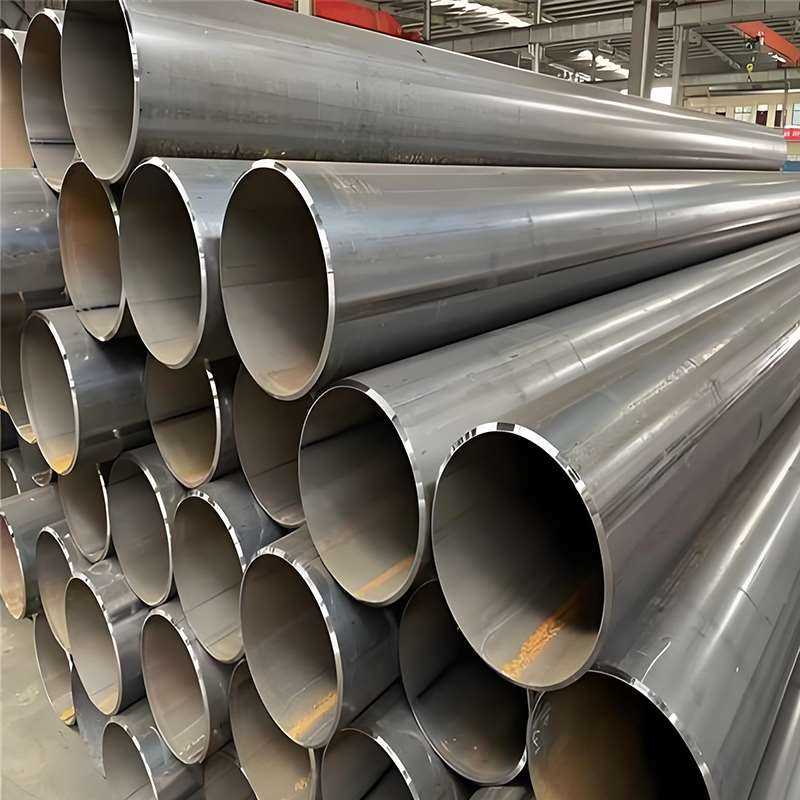
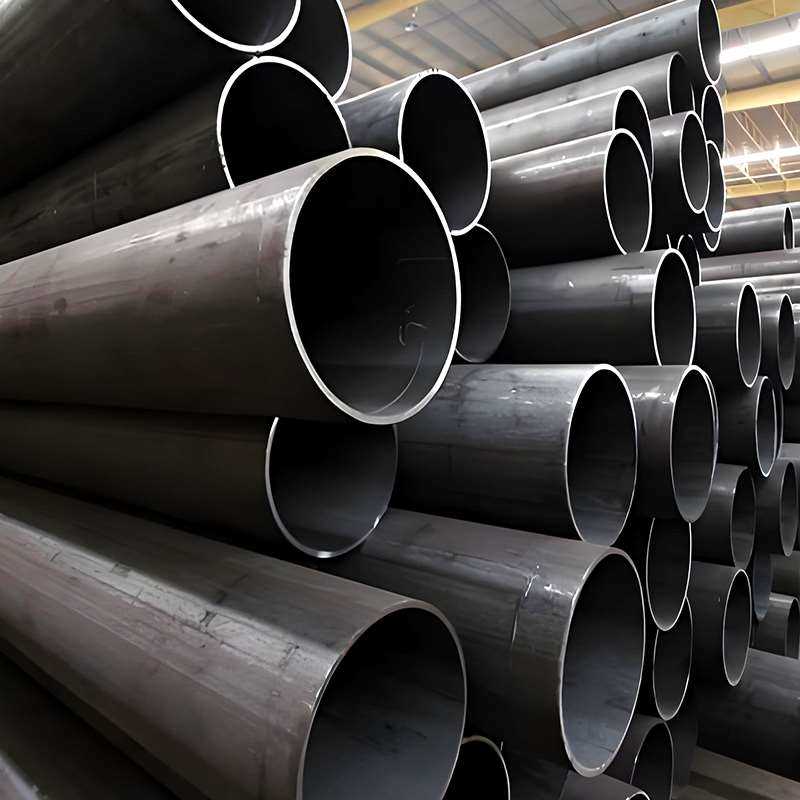
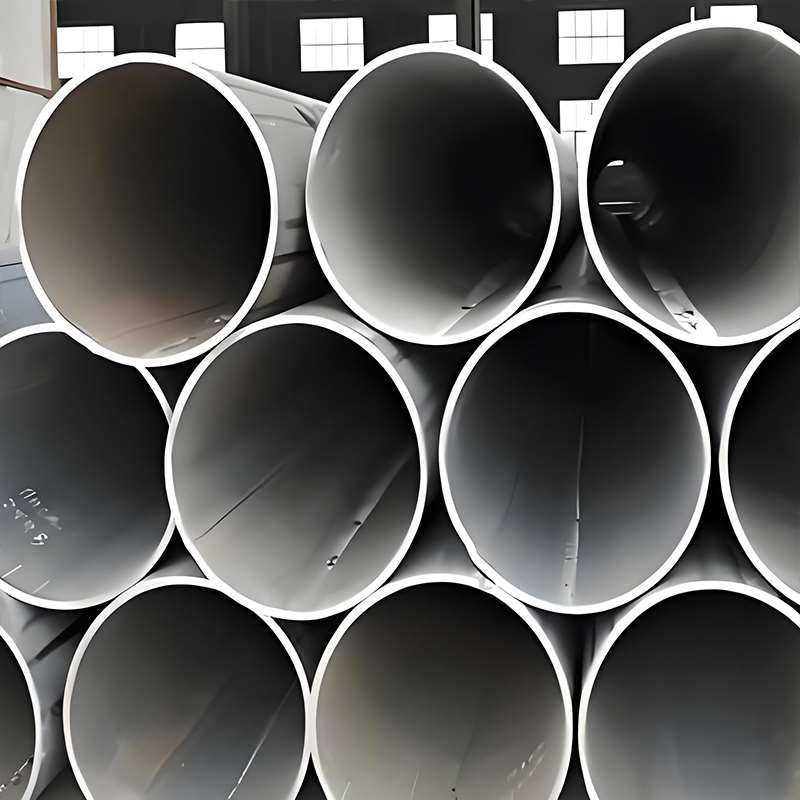
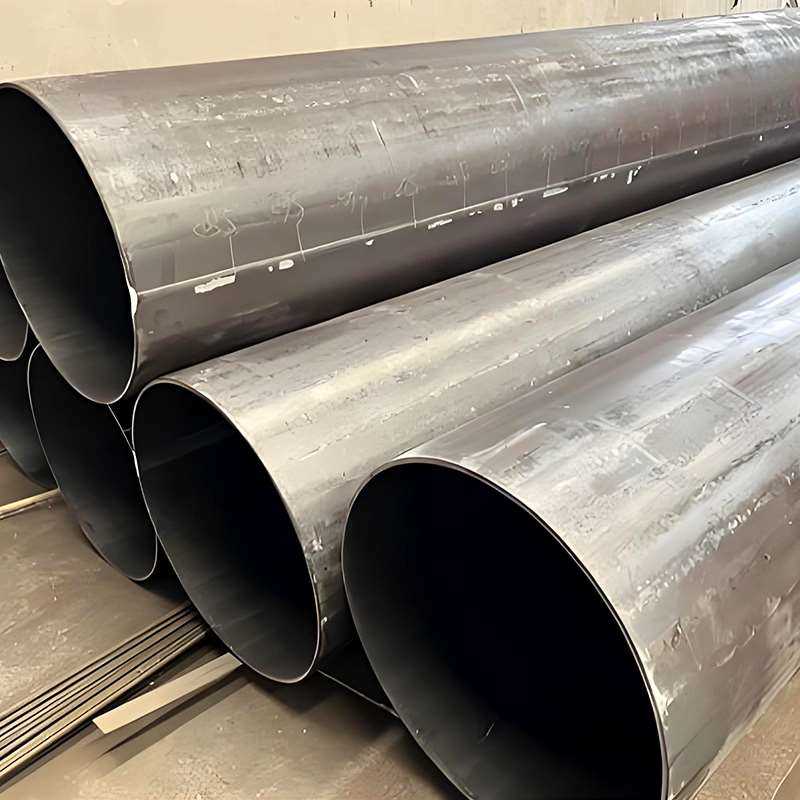
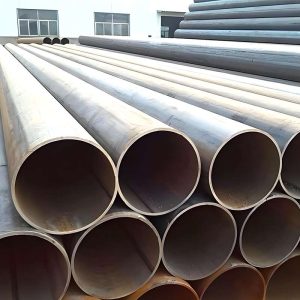
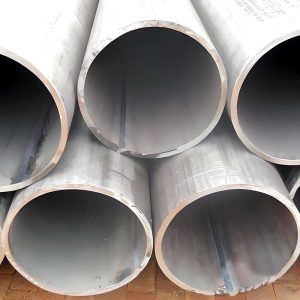
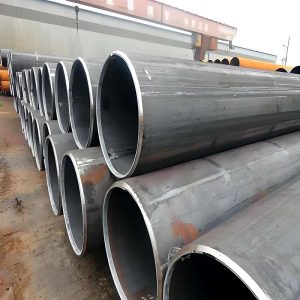
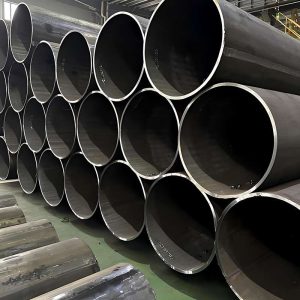
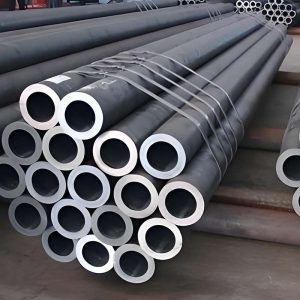
ASTM A500 Grade B ERW steel pipe is a high-strength, lightweight, and economical carbon steel structural tubing, primarily manufactured through steel strip forming and high-frequency longitudinal seam welding (ERW). It possesses excellent mechanical properties and dimensional accuracy.
Main Features:
- High Strength: Grade B steel has higher yield strength and tensile strength than Grade A, making it suitable for bearing heavier loads.
- Cost-Effective: The ERW welding process offers high production efficiency and low cost.
- Easy Processing: It can be cut, welded, and bent, allowing for flexible installation.
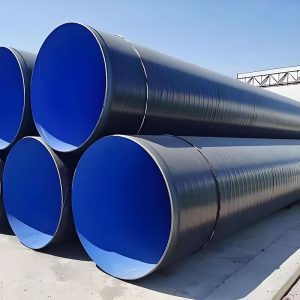
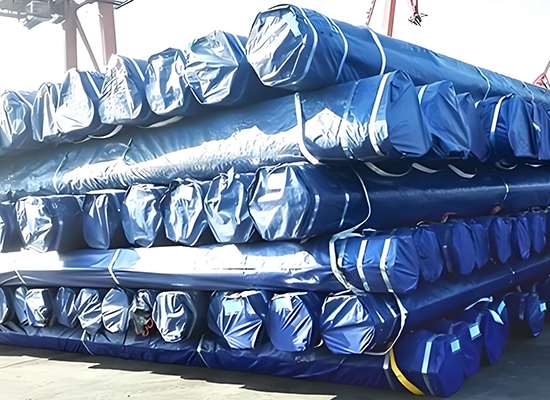
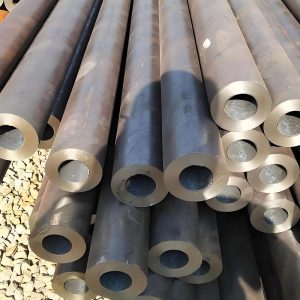
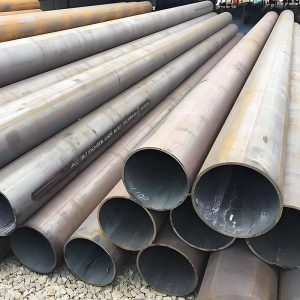
- Surface Treatment Options: Available in black pipe, hot-dip galvanized, or painted finishes for corrosion protection, adapting to different environments.
ASTM A500 Grade B ERW steel pipe applications:
- Structural tubing for buildings: support columns, frames, railings
- Industrial machinery supports and pipe racks
- Medium and low-pressure fluid pipelines: water, steam, gas
- Municipal and light industrial pipelines: irrigation, drainage
- Temporary or light-duty support structures
II. Comparison Table of ASTM A500 Steel Pipe Grades
| Steel Grade | Chemical Composition Characteristics | Mechanical Properties (Yield / Tensile Strength, MPa) | Typical Applications | Features / Notes |
|---|---|---|---|---|
| Grade A | C ≤ 0.23%, Mn ≤ 1.2%, P ≤ 0.035%, S ≤ 0.035% | Yield ≥ 205 MPa, Tensile 330–440 MPa | General structural pipes, light supports | Lower strength, suitable for light loads or non-pressure structures |
| Grade B | C ≤ 0.26%, Mn ≤ 1.2%, P ≤ 0.035%, S ≤ 0.035% | Yield ≥ 230 MPa, Tensile 340–450 MPa | Structural pipes, medium-load supports, some fluid pipelines | Moderate strength, higher load-bearing capacity than Grade A, most commonly used grade |
| Grade C | C ≤ 0.29%, Mn ≤ 1.2%, P ≤ 0.035%, S ≤ 0.035% | Yield ≥ 250 MPa, Tensile 360–470 MPa | Structural pipes, high-load supports | Higher strength, suitable for structures bearing relatively large loads |
| Grade D | C ≤ 0.30%, Mn ≤ 1.3%, P ≤ 0.035%, S ≤ 0.035% | Yield ≥ 270 MPa, Tensile 380–500 MPa | High-strength structural pipes, special industrial supports | Highest strength, strong load-bearing capacity, higher cost, typically used for special engineering projects |
Summary and Comparison:
Grade B is the most commonly used grade, balancing strength, cost-effectiveness, and processability.
Grade A is suitable for light-load structures or non-load-bearing applications, and has the lowest cost.
Grades C and D are used for high-strength, high-load-bearing structures or special engineering projects, and have higher costs.
The main factors to consider when choosing a grade are load-bearing capacity, application, and cost balance.
III. ASTM A500 Grade B ERW Steel Pipe Selection Guide
1. Application Types
(1) Structural Tubing
Suitable for medium-load structures in buildings, industrial facilities, supports, frames, and guardrails.
Reason: Grade B steel has moderate strength, is easy to weld and process, and can withstand general static and dynamic loads.
(2) Medium-to-Low Pressure Fluid Transportation
Suitable for water pipes, steam pipes, gas pipes, and other medium-to-low pressure pipelines (not exceeding design pressure limits).
Reason: Grade B steel has higher yield strength and tensile strength than Grade A, ensuring safe and reliable operation of pipelines under medium-to-low pressure.
(3) Mechanical Equipment Support and Light Industrial Pipe Racks
Used for equipment support, storage racks, and light frames.
Reason: Flexible processing, can be cut, welded, and bent, and is easy to install.
2. Pipe Diameter and Wall Thickness Selection
(1) Pipe Diameter
Determined based on flow rate or structural dimensions, commonly ranging from 1/2″ to 24″.
Small diameters are used for fluid transport in pipelines, while large diameters are often used for structural support.
(2) Wall Thickness
Fluid pipelines: Select SCH10, SCH20, SCH40, or SCH80 according to the working pressure.
Structural pipes: Calculated based on load-bearing capacity; thicker walls provide higher load-bearing capacity, but at increased cost.
3. Surface Treatment Options
Indoor or dry environments: Black steel pipes can be used, which are cost-effective.
Outdoor or humid environments: Hot-dip galvanizing or paint coating is recommended for corrosion protection and extended service life.
Special environments (chemical, corrosive): Anti-corrosion coatings or lined pipes can be selected.
4. Other Selection Suggestions
Length: Standard lengths are 6m or 12m, but can be customized according to construction requirements.
Weld Quality: For pipes used in pressure-bearing or structurally critical applications, pipes that have passed UT/RT testing should be selected.
Processing Requirements: If secondary welding, bending, or drilling is required, confirm in advance whether the pipe material is suitable for processing.