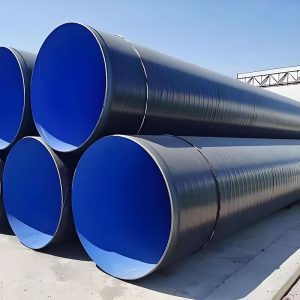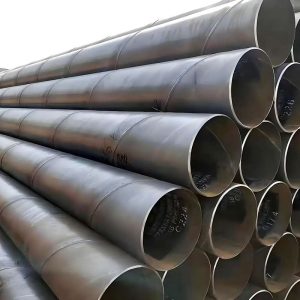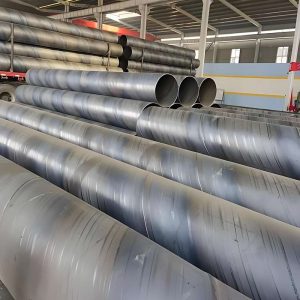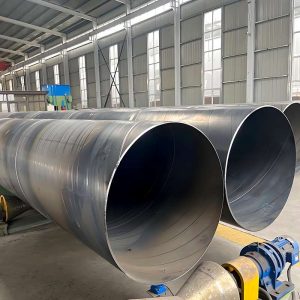
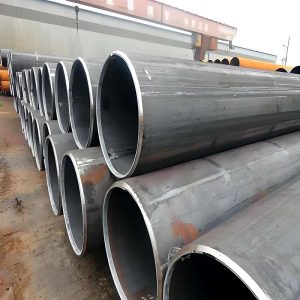
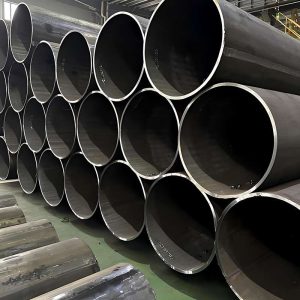
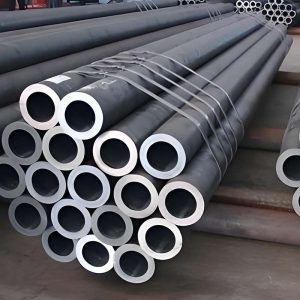
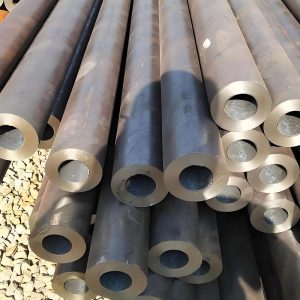
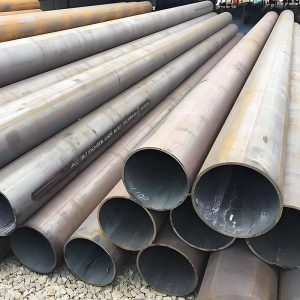
I. Introduction to ASTM A335 P11 Alloy Carbon Steel Pipe
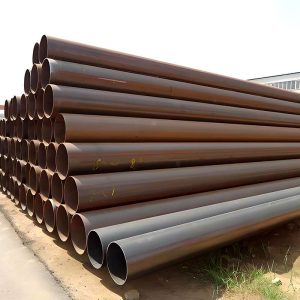
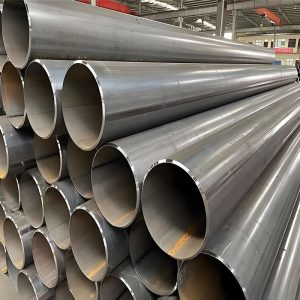
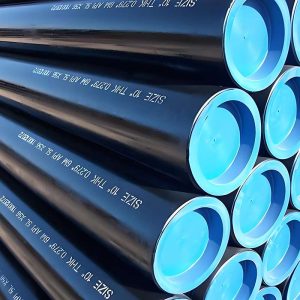
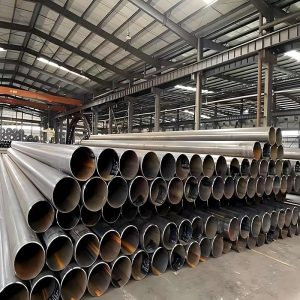
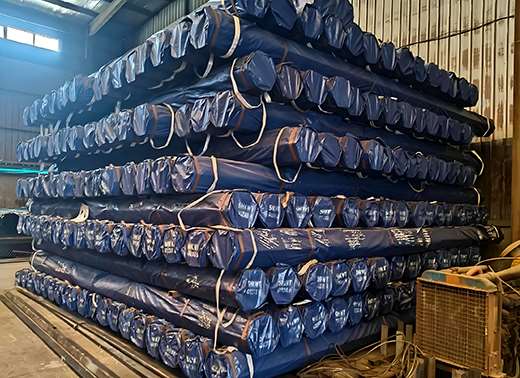
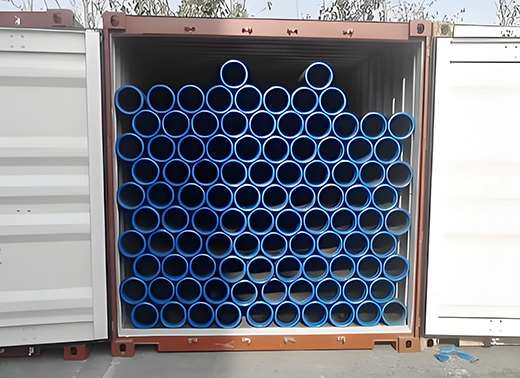
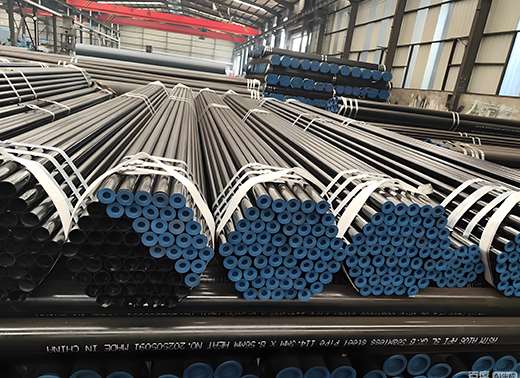
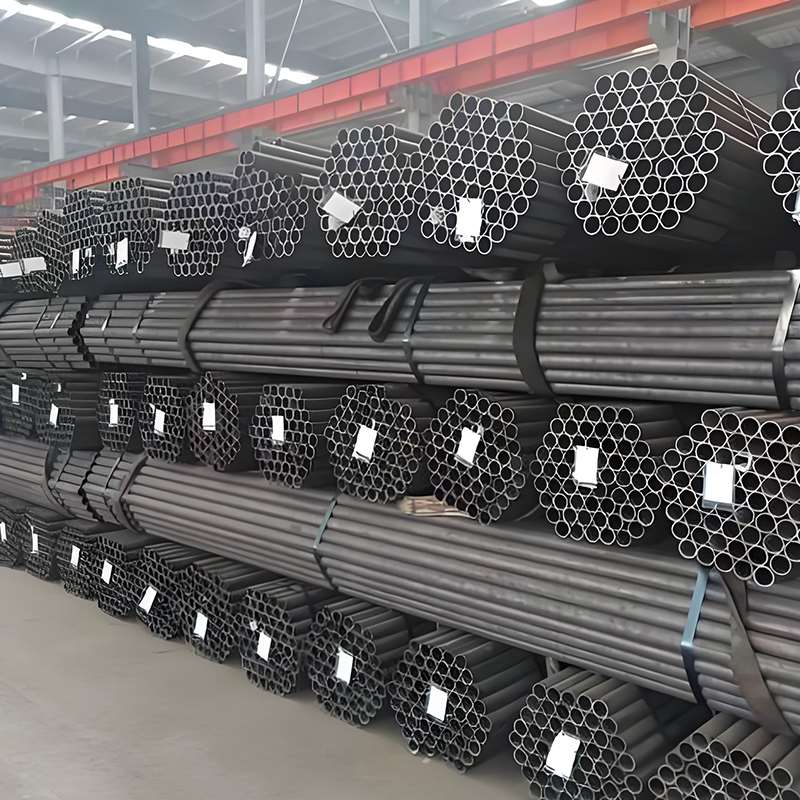
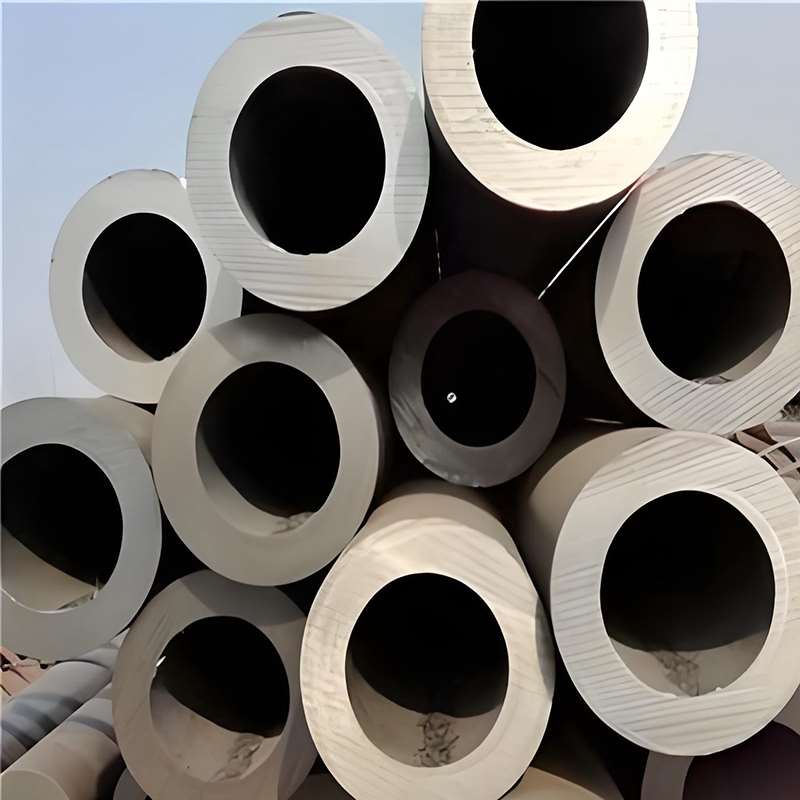
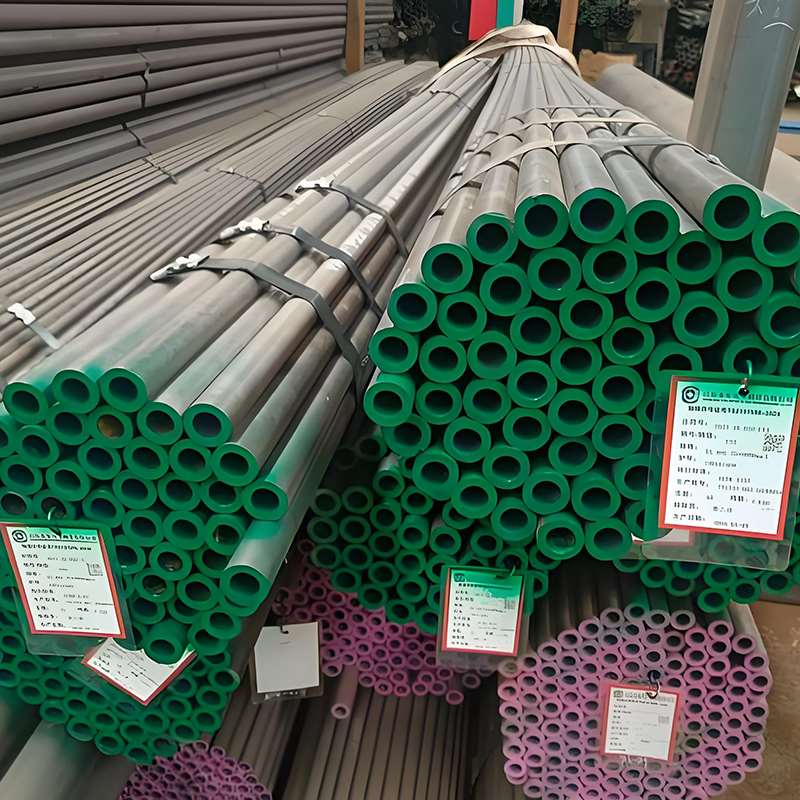
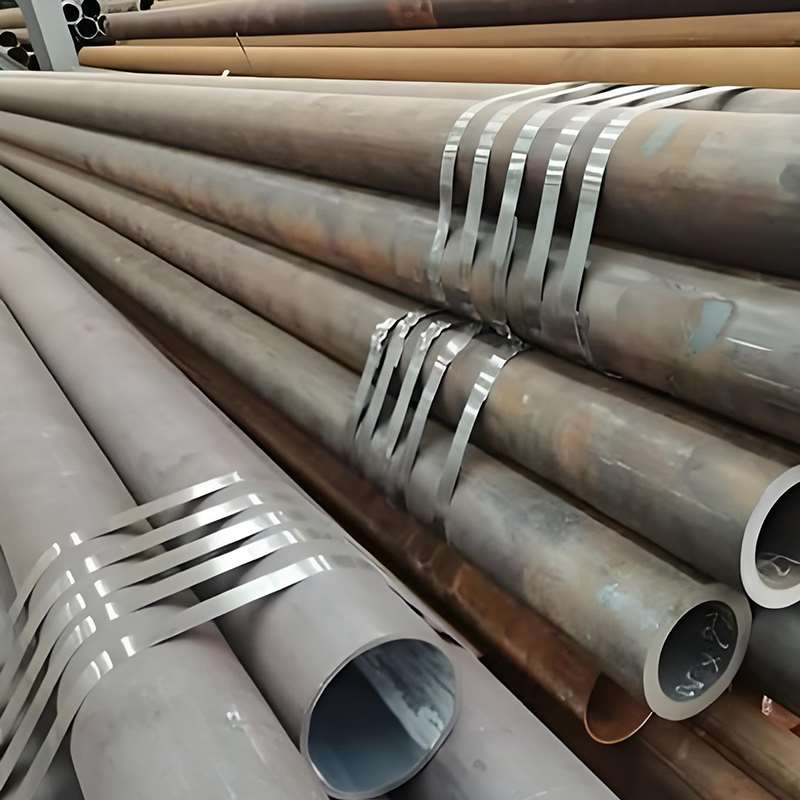
ASTM A335 P11 alloy carbon steel pipe is a seamless alloy carbon steel pipe primarily used in high-temperature, high-pressure boilers, heat exchangers, petrochemical equipment, and power plant piping systems.
Standard: ASTM A335
Material Grade: P11
Chemical Composition Characteristics: Contains 0.45–0.60% Chromium (Cr) and 0.45–0.60% Molybdenum (Mo), offering superior heat resistance, creep resistance, and high-temperature corrosion resistance compared to ordinary carbon steel.
Primary Applications: Suitable for steam pipelines, boiler tubes, heat exchanger tubes, and high-temperature petrochemical pipelines.
Core Advantages:
Excellent high-temperature strength, suitable for long-term operation in high-temperature boiler environments (≤550°C).
Superior creep resistance and oxidation resistance, ideal for medium-to-high-pressure steam pipelines.
Weldable with good machinability, facilitating construction and field installation.
II. ASTM A335 Alloy Carbon Steel Pipe Grades and Differences
i. Overview of ASTM A335 Alloy Carbon Steel Pipe Grades
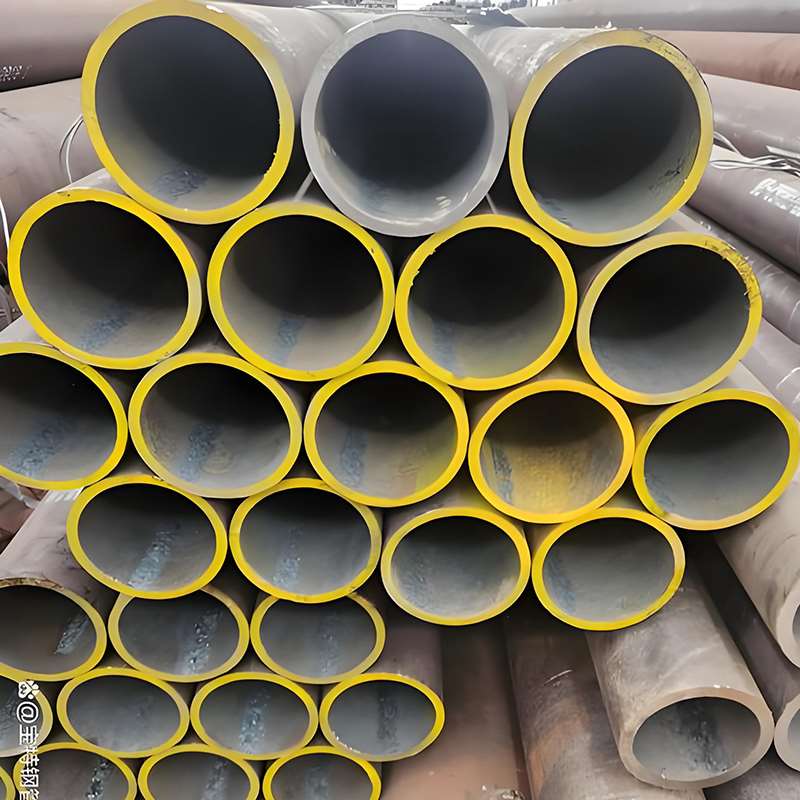
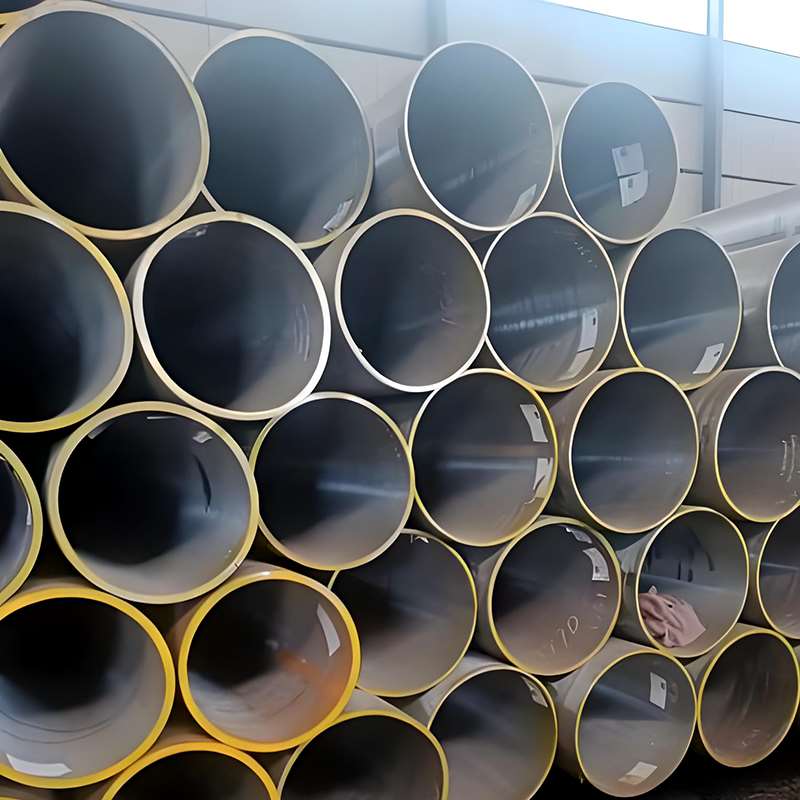
The ASTM A335 standard specifies seamless alloy carbon steel pipes for high-temperature and high-pressure service, commonly used in boilers, steam piping, heat exchangers, and petrochemical equipment.
Based on chemical composition and high-temperature resistance, A335 alloy steel pipes are categorized into seven primary grades: P1, P5, P9, P11, P22, P91, and P92.
ii. Grade Chemical Composition and Temperature Resistance Comparison Table
| Grade | Main Alloying Elements | Typical Service Temperature (℃) | Yield Strength ReH (MPa) | Tensile Strength Rm (MPa) | Main Applications |
|---|---|---|---|---|---|
| P1 | Low Carbon Steel | ≤400 | ≥205 | 330–440 | Low-pressure boilers, steam pipes |
| P5 | Mo 0.5% | ≤510 | ≥240 | 415–550 | Medium-temperature, medium-pressure boiler pipes |
| P9 | Cr 1% + Mo 0.5% | ≤550 | ≥275 | 415–585 | Medium-temperature, high-pressure boiler pipes, steam pipes |
| P11 | Cr 1% + Mo 0.5% | ≤550 | ≥275 | 415–585 | High-temperature, high-pressure boilers, heat exchangers, petrochemical equipment |
| P22 | Cr 2% + Mo 1% | ≤580 | ≥275 | 415–585 | High-temperature, high-pressure boiler pipes, power plant pipelines |
| P91 | Cr 9% + Mo 1% + V/Nb | 600–620 | ≥415 | 585–760 | Ultra-supercritical boilers, nuclear power plants, high-temperature high-pressure pipelines |
| P92 | Cr 9% + Mo 1% + V/Nb | 600–620 | ≥415 | 585–760 | Ultra-supercritical boilers, nuclear power and high-temperature chemical equipment |
iii. Key Differences Between Grades
(1) Chemical Composition:
Higher grades feature increased Cr and Mo content, with potential additions of trace alloying elements such as V and Nb to enhance high-temperature strength and creep resistance.
(2) Temperature Resistance:
P1 ≤ 400°C, P5–P22 ≤ 580°C, P91/P92 up to 600–620°C, suitable for higher temperature and pressure environments.
(3) Strength and Toughness:
P1 has the lowest yield strength, suitable for low-pressure, low-temperature piping.
P11/P22 are commonly used for medium-to-high pressure applications, while P91/P92 are employed under ultra-high temperature and pressure conditions.
(4) Application Scenarios:
Low grades (P1, P5) are suitable for low-temperature, medium-to-low-pressure boilers.
Medium grades (P9, P11, P22) are used in industrial boilers, steam pipelines, and power plant piping.
High grades (P91, P92) are employed in supercritical boilers, nuclear power plants, and high-temperature, high-pressure chemical pipelines.
III. Chemical Composition and Mechanical Properties of ASTM A335 P11 Alloy Carbon Steel Pipe
i. Chemical Composition
| Element | Content Range (%) | Description |
|---|---|---|
| Carbon (C) | 0.07–0.15 | Controls strength and toughness, ensures weldability |
| Manganese (Mn) | 0.30–0.60 | Increases strength, improves toughness |
| Silicon (Si) | 0.10–0.50 | Enhances high-temperature strength |
| Phosphorus (P) | ≤0.035 | Reduces brittleness, ensures low-temperature toughness |
| Sulfur (S) | ≤0.035 | Ensures machinability |
| Chromium (Cr) | 0.90–1.20 | Improves high-temperature strength and oxidation resistance |
| Molybdenum (Mo) | 0.45–0.60 | Enhances high-temperature creep resistance |
| Nickel (Ni) | ≤0.30 | Improves toughness and heat resistance (optional) |
| Copper (Cu) | ≤0.30 | Increases corrosion resistance (optional) |
ii. Mechanical Properties
| Performance Indicator | Minimum / Range | Description |
|---|---|---|
| Yield Strength ReH | ≥ 275 MPa | Load-bearing capacity of the pipe |
| Tensile Strength Rm | 415–585 MPa | Ability to withstand tension or internal pressure |
| Elongation A | ≥ 20% | Ensures toughness and machinability |
| Impact Toughness (Charpy V-notch) | 20–27 J (at 20℃ or -20℃) | Impact resistance, ensures safety at high temperatures |
| Service Temperature | ≤ 550℃ | Suitable for medium- to high-temperature boilers, heat exchangers, and steam pipelines |
IV. Production Process and Quality Control of ASTM A335 P11 Seamless Alloy Carbon Steel Pipes
(1) Manufacturing Process
| Step | Process Description | Practical Value |
|---|---|---|
| Melting | Refined in Vacuum Induction Furnace (VIM) or Electro-Slag Remelting (ESR) to reduce impurities | Improves pipe cleanliness, reduces creep and cracking risk at high temperatures |
| Forming | Hot piercing + cold drawing finishing, reduction rate controlled at 10–15%, dimensional tolerance ±0.1 mm | Ensures uniform outer diameter and wall thickness, providing reliability for high-temperature, high-pressure installations |
| Heat Treatment | Online quenching + tempering (QT process), grain size 7–8 | Enhances impact toughness by ~15%, ensures long-term safety in high-temperature steam environments |
| Inspection | Ultrasonic testing, hydrostatic testing, flattening/expansion tests | Ensures pipes are free of cracks, porosity, and other defects, improving engineering safety |
(2) Quality Control Standards
| Inspection Item | Standard / Requirement | Practical Value |
|---|---|---|
| Chemical Analysis | Spectroscopic testing of each heat | Ensures key alloy elements such as Cr, Mo, C meet P11 specifications, suitable for high-temperature and high-pressure service |
| Mechanical Properties | Tensile test, impact test | Verifies yield strength, tensile strength, and toughness, ensuring reliable pressure-bearing and weldability |
| Non-Destructive Testing | 100% ultrasonic testing, defect detection rate ≥99.6% | Prevents pipe failure after installation, reduces engineering risk |
| Dimensional Tolerance | Outer diameter deviation ≤ ±0.5%, wall thickness deviation ≤ ±10% | Ensures smooth installation and joint fit on site, reduces rework |
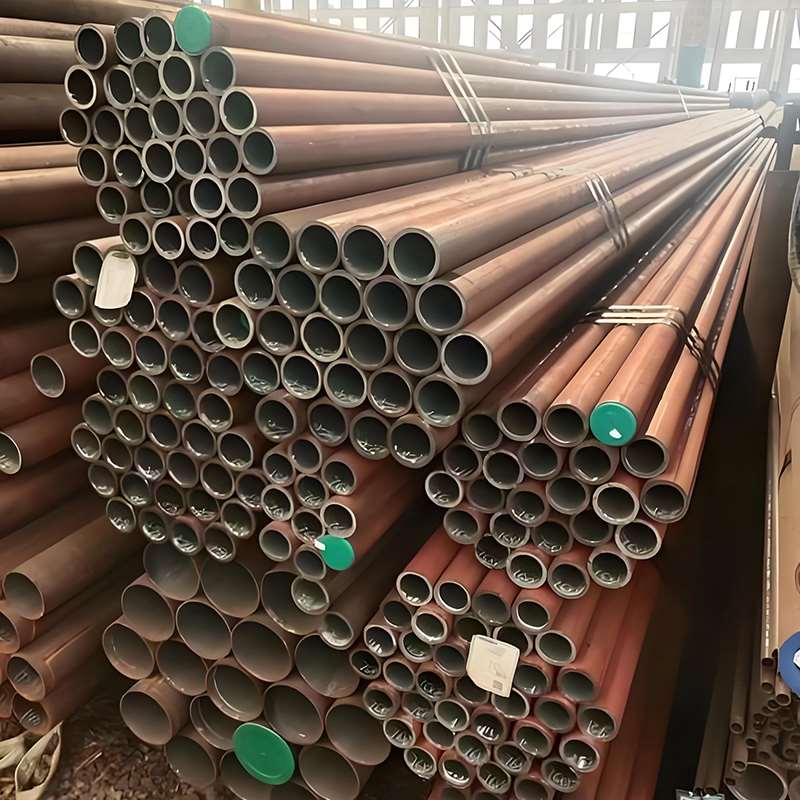
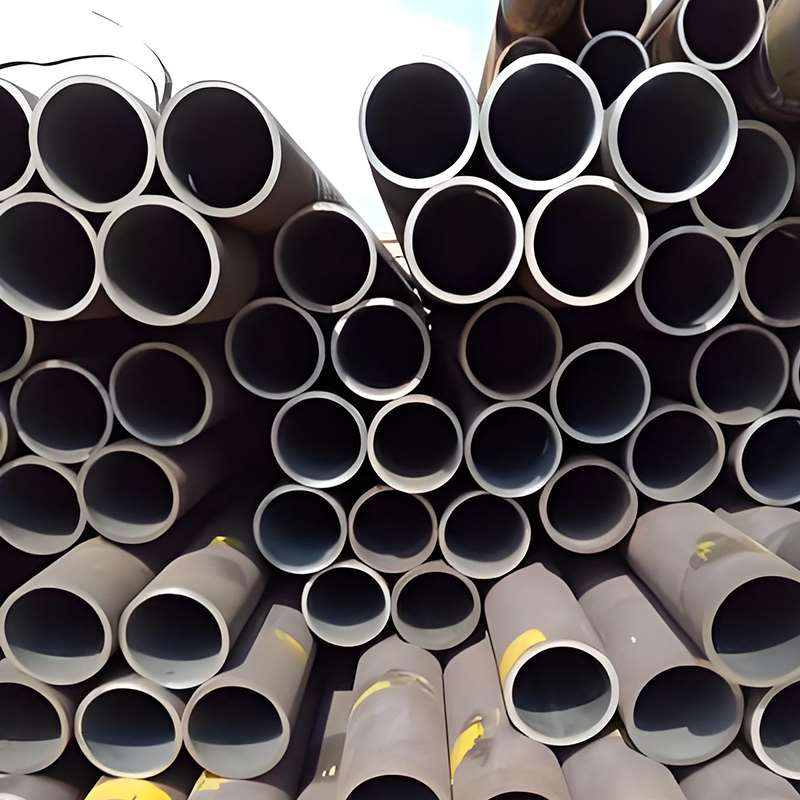
V. ASTM A335 P11 High-Temperature Application Selection Guide
(1) Determine Operating Temperature and Pressure
For high-temperature steam pipelines, boiler piping, heat exchangers, and similar applications, temperatures typically remain ≤550°C.
First, select appropriate wall thickness and pipe diameter based on design pressure and temperature to ensure long-term service without creep or strength degradation.
P11 steel pipes are suitable for medium-to-high temperature and pressure conditions. For higher temperatures or pressures, consider higher grades such as P22 or P91.
(2) Confirm Pipe Specifications and Dimensions
Select outer diameter, wall thickness, and length based on project flow rate and piping layout.
Note pipe dimensional tolerances (OD ±0.5%, wall thickness ±10%) to ensure smooth field connections and minimize welding difficulties.
(3) Material and Heat Treatment Requirements
Select hot-rolled seamless pipe + online quenching and tempering (QT process), with grain size grade 7–8, to ensure impact toughness and high-temperature creep resistance.
Material must provide chemical composition certificates (Cr, Mo, C, etc.) and mechanical property reports (ReH, Rm, elongation) to ensure compliance with P11 standards.
(4) Key Inspection and Acceptance Focus
Non-destructive testing: 100% ultrasonic flaw detection with ≥99.6% defect detection rate to ensure absence of cracks, porosity, and other defects.
Mechanical property testing: Tensile and impact tests to validate high-temperature pressure safety.
Dimensional verification: Random sampling of outer diameter, wall thickness, and straightness to prevent mismatches at construction sites.
(5) Environmental and Medium Considerations
For pipelines conveying steam or hot water, P11 steel pipe provides sufficient high-temperature resistance.
For corrosive media (acidic or oxidizing fluids), select appropriate anti-corrosion treatments or internal lining options.
(6) Procurement and Engineering Considerations
Request complete ASTM A335 P11 material certificates (3.1/3.2).
Verify heat treatment process records and non-destructive testing reports.
For critical pipelines, sample pipe testing is recommended to ensure welding and installation compatibility.