Products

Related News

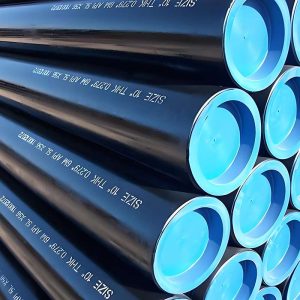
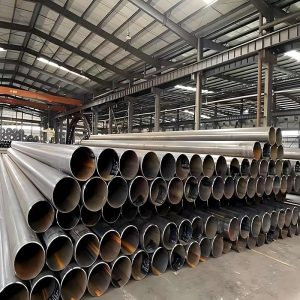
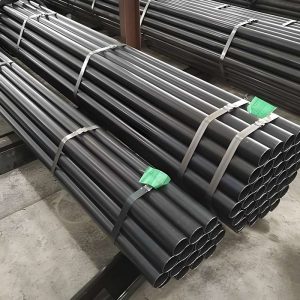
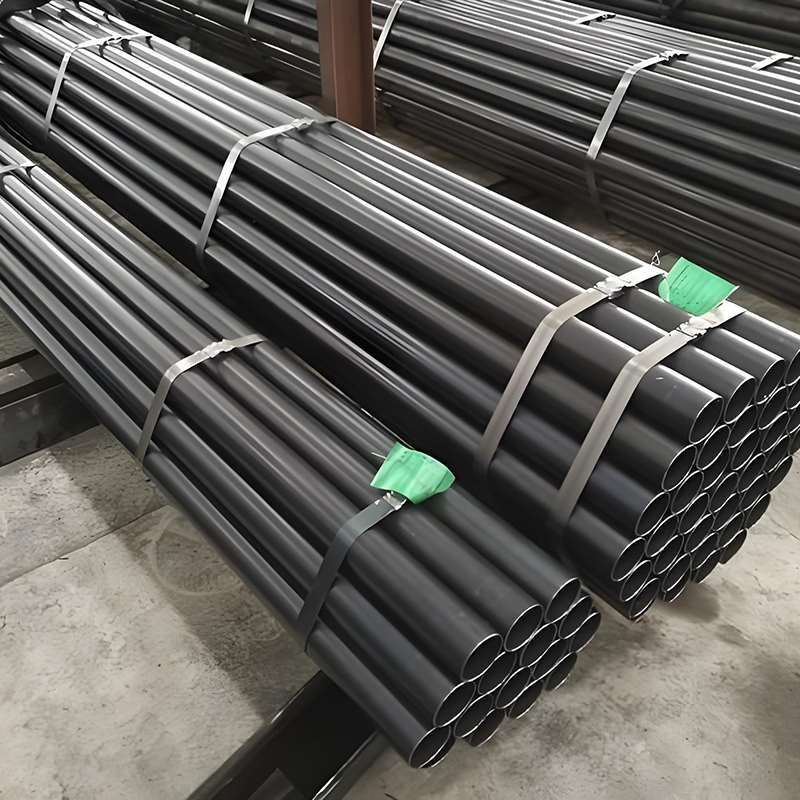
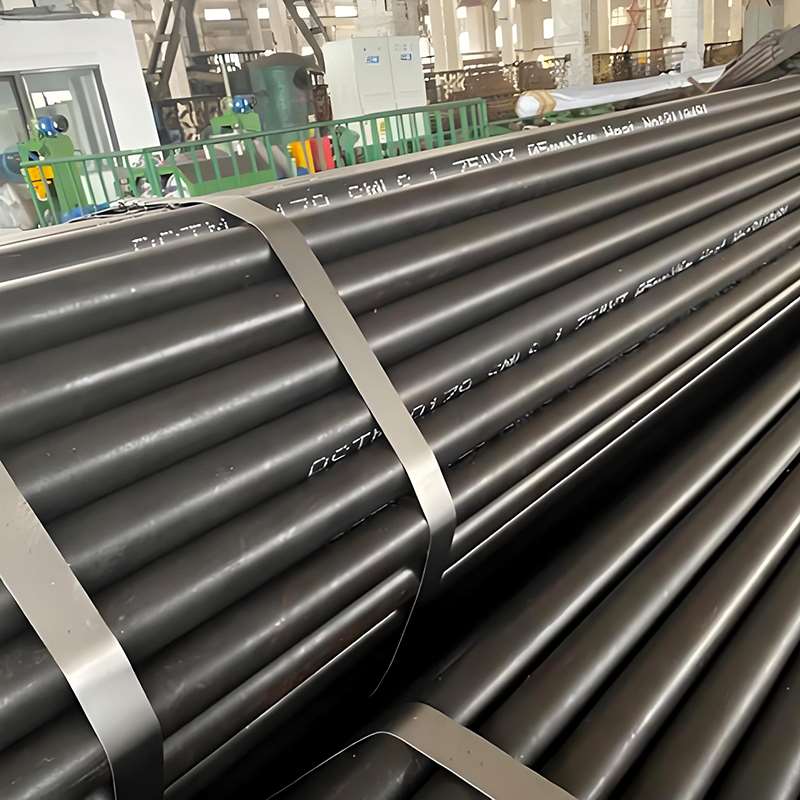
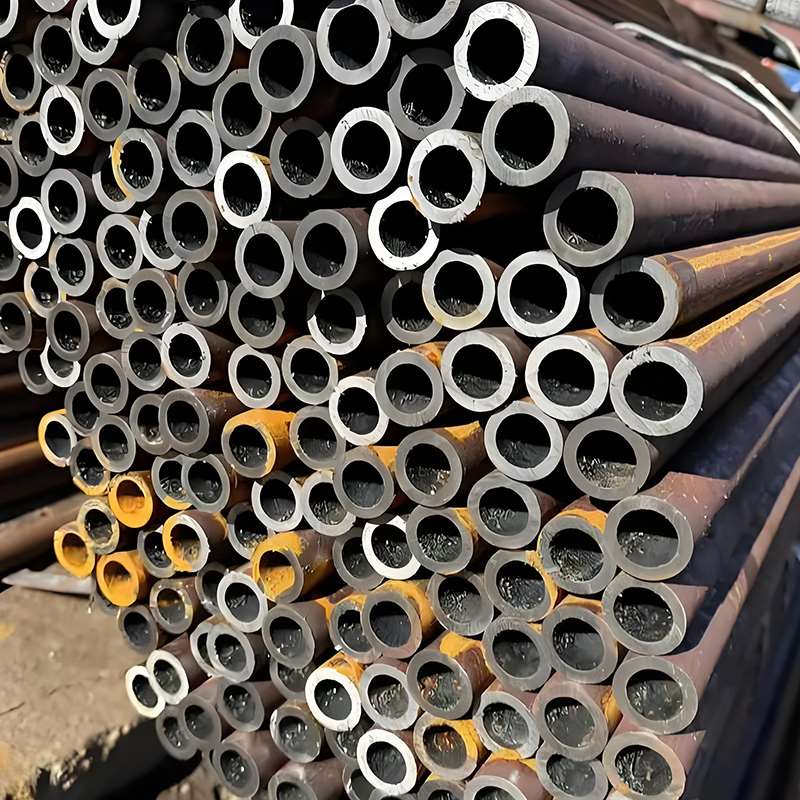
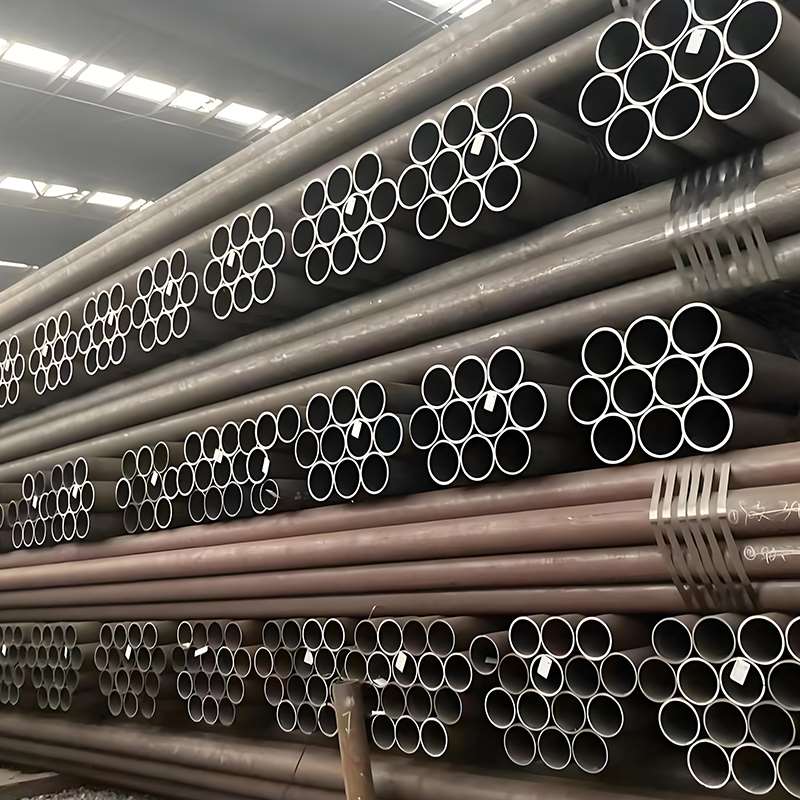
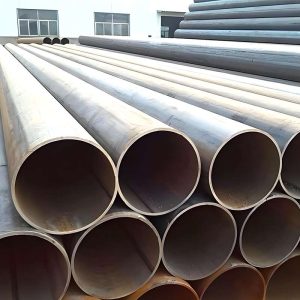
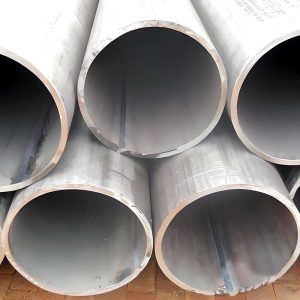
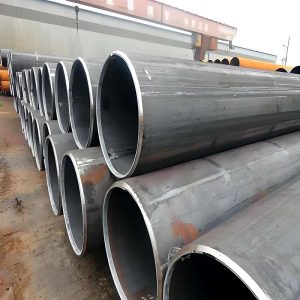
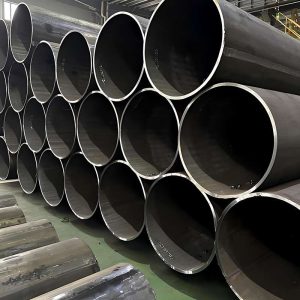
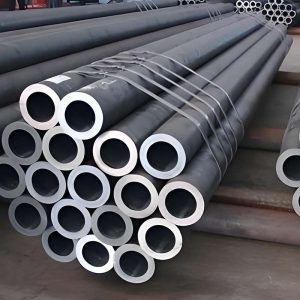
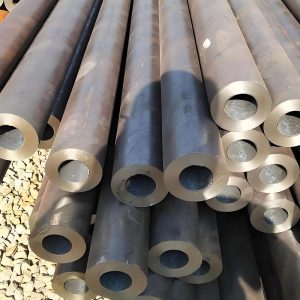
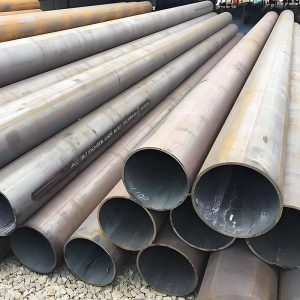
ASTM A178 Boiler Tube

OD Range :

12.7 mm 至 127 mm(1/2″–5″)

WT Range :

0.9 mm 至 9.1 mm(0.035″ – 0.360″)

Length :

6 m–25 m

Tolerance :

Outer diameter (OD) 50 mm: ±1%; Wall thickness: +15%/−12.5%

Material :

Carbon steel or carbon-manganese steel, Grade A, Grade C, Grade D

Standard :

ASTM A178/A178M;ASME SA178/SA178M

Application :

Low-pressure boilers, heat exchange tubes, heat exchangers, boiler flues, heating furnaces, pressure vessels, marine boilers, chemical plants, and power plants, etc.

Introduction :

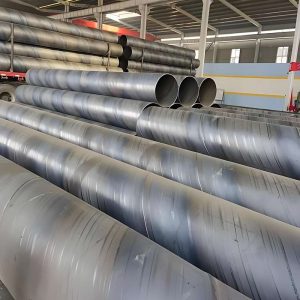
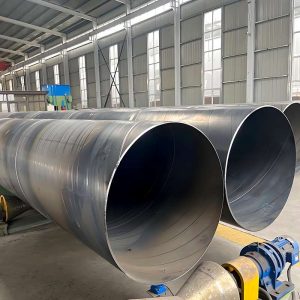
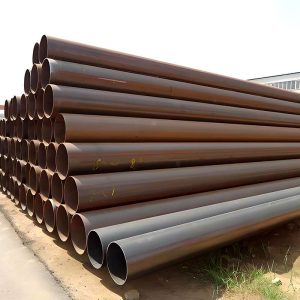
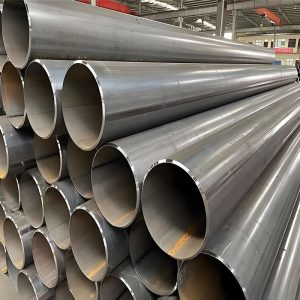
ASTM A178 boiler tubes are resistance-welded carbon steel boiler tubes manufactured according to ASTM/ASME standards.

I. Overview of ASTM A178 Boiler Tubes

ASTM A178 boiler tubes are electric resistance welded (ERW) carbon steel boiler tubes manufactured according to ASTM A178/A178M (ASME SA178/SA178M) standards.
They are primarily used in low-pressure boilers and heat exchange equipment and are widely applied in the chemical, power generation, shipbuilding, and pressure vessel industries.

II. Grades and Differences of ASTM A178 Boiler Tubes

GradeChemical Composition CharacteristicsMechanical Properties / FeaturesTypical Applications
Grade ALow-carbon steel with low carbon content, offering good formabilityModerate strength, good ductility, and excellent weldabilityLow-pressure boilers and general heat exchanger piping
Grade CMedium-carbon steel with slightly higher carbon content, providing increased strengthHigher strength than Grade A with good pressure resistanceMedium- to low-pressure boilers, heat exchangers, and pressure equipment
Grade DCarbon–manganese steel with higher carbon and manganese content, offering improved strength and wear resistanceHighest strength, excellent pressure resistance, and superior wear performanceHigh-temperature and high-pressure boilers, heated surface tubes, and critical pressure pipelines

Description:

  • Grade A: Suitable for general low-pressure boilers and heat exchange systems, offering good cost-effectiveness.
  • Grade C: Higher strength than Grade A, suitable for medium-low pressure conditions and heat exchange equipment with slightly higher requirements.
  • Grade D: The highest strength grade, suitable for more demanding pressure and temperature conditions, mainly used for boiler heating surfaces or critical pressure pipelines.

III. ASTM A178 Boiler Tube Chemical Composition and Mechanical Properties

i. Chemical Composition

GradeC (Carbon)Mn (Manganese)P (Phosphorus)S (Sulfur)Si (Silicon)
Grade A0.15–0.250.27–0.63≤ 0.035≤ 0.035≤ 0.15
Grade C0.27–0.340.27–0.63≤ 0.035≤ 0.035≤ 0.15
Grade D0.37–0.440.27–0.63≤ 0.035≤ 0.035≤ 0.15

Note: The upper and lower limits for each element are based on the ASTM A178 standard and may vary slightly depending on the actual materials used by the manufacturer.

ii. Mechanical properties

GradeYield Strength σy (MPa)Tensile Strength σu (MPa)Elongation δ (%)Impact Toughness (Optional)
Grade A≥ 205345–483≥ 30Optional
Grade C≥ 235415–550≥ 25Optional
Grade D≥ 270485–620≥ 20Optional

Note: Elongation and impact toughness are typical requirements and may be slightly adjusted depending on the pipe diameter and wall thickness.

IV. Selection Recommendations for ASTM A178 Boiler Tubes

Selection FactorRecommendation / Description
Boiler Operating PressureLow-pressure boilers (≤ 1.0 MPa): Grade A ERW carbon steel pipes are recommended
Low to medium pressure boilers (1–2.5 MPa): Grade C is suitable
High-pressure or critical heated pipelines (> 2.5 MPa): Grade D is recommended
Operating TemperatureGeneral boilers and heat exchangers ≤ 200 °C: Grade A is sufficient
Higher temperatures or continuous heating conditions: Grade C or Grade D is recommended
Pipe Diameter SelectionAvailable outside diameter range: 12.7–127 mm
Small-diameter pipes (< 50 mm) are typically used for branch lines or heat exchangers
Large-diameter pipes (> 50 mm) are used for main circulation pipes or heated surfaces
Wall Thickness SelectionCalculate required wall thickness based on operating pressure and pipe diameter
Standard wall thickness range: 0.9–9.1 mm; custom thicknesses available upon engineering requirements
Material GradeGrade A: Cost-effective, suitable for low-pressure boilers
Grade C: Moderate strength, suitable for low to medium pressure piping
Grade D: Highest strength, used for critical pressure pipelines or heated surface tubes
Corrosive Service ConditionsFor general water quality, standard carbon steel is acceptable
For more corrosive media, protective coatings or galvanized treatment are recommended
Installation MethodERW pipes are easy to weld and suitable for straight pipelines or elbow connections
Lengths can be customized to facilitate on-site installation

Selection Principles Summary

  • Pressure Priority: Determine the grade (Grade A/C/D) based on the maximum working pressure of the boiler.
  • Temperature Matching: Select the appropriate material grade based on the operating temperature.
  • Size Matching: Determine the pipe diameter and wall thickness according to the design flow rate and pressure requirements.
  • Economy and Fabricability: For low-pressure pipelines, choose Grade A whenever possible for lower cost and easier construction.
  • Special Operating Conditions: For corrosive, abrasive, or high-temperature conditions, select a higher grade or apply protective treatment.
Related Products

ASTM A178 Boiler Tube Specifications and Dimensions Table

Outside Diameter OD (mm) Wall Thickness WT (mm) Standard Length (m) Tolerance Applicable Grades Remarks
12.7 0.9–1.5 6–12 ±0.05 mm Grade A / C / D Small diameter, commonly used for branch lines or heat exchangers
16 1.0–2.0 6–12 ±0.05 mm Grade A / C / D For low-pressure boilers
19 1.0–2.5 6–12 ±0.05 mm Grade A / C / D Low-pressure or low to medium pressure boilers
25 1.2–3.0 6–12 ±0.05 mm Grade A / C / D Heat exchangers and branch piping
32 1.5–3.5 6–12 ±0.05 mm Grade A / C / D Main circulation pipes or heated surface tubes
38 1.5–4.0 6–12 ±0.05 mm Grade A / C / D Medium to low-pressure boiler pipes
50 2.0–5.0 6–12 ±0.1 mm Grade A / C / D Main boiler pipes
65 2.5–6.0 6–12 ±0.1 mm Grade C / D Medium to low-pressure boilers and heat exchanger tubes
76.1 3.0–6.5 6–12 ±0.1 mm Grade C / D Main heated surface tubes
89 3.0–7.0 6–12 ±0.1 mm Grade C / D High-temperature, medium-pressure boiler pipes
108 3.5–8.0 6–12 ±0.1 mm Grade D High-pressure heated surface tubes
127 4.0–9.1 6–12 ±0.1 mm Grade D Critical high-pressure boiler piping


ASTM A178 Boiler Tube Standard Parameters

Parameter Category Standard Specification Description
Full Standard Title ASTM A178 / A178M (Specification for Electric-Resistance-Welded Carbon Steel and Carbon-Manganese Steel Boiler and Superheater Tubes) Specifies manufacturing and inspection requirements for ERW welded boiler tubes
Scope of Application Electric resistance welded (ERW) boiler tubes, boiler flues, superheater flues, and safety-end tubes Suitable for boilers and related heat exchange equipment
Material Grades Grade A, Grade C, Grade D Different grades correspond to different chemical compositions and mechanical properties
Outside Diameter Range (OD) 12.7 mm – 127 mm (½″–5″) Common dimensional range specified in the standard
Wall Thickness Range (WT) 0.9 mm – 9.1 mm (0.035″ – 0.360″) Minimum wall thickness varies with pipe size
Heat Treatment Requirement Post-weld heat treatment followed by cooling Ensures stable mechanical properties of the weld seam and tube
Chemical Composition Control Limits on C, Mn, P, S, Si, and other elements Different grades have different allowable limits
Mechanical Property Requirements Minimum tensile strength, yield strength, and elongation Grade C and D have clearly defined quantitative requirements; Grade A also has minimum criteria
Dimensional Tolerances OD < 50 mm: ±0.05 mm; OD > 50 mm: ±1% Wall thickness, length, and other tolerances as specified in the standard
Inspection and Testing Flattening test, flaring test, hydrostatic or non-destructive electrical testing Mechanical properties and weld quality must be verified
Optional Additional Tests Flattening test and other supplementary requirements Additional testing may be applied based on customer requirements

Key Content Summary:

ASTM A178 standard primarily specifies the basic technical specifications for resistance welded (ERW) boiler tubes, including which steels can be used, dimensional ranges, chemical composition, and mechanical properties.

The standard clearly defines three grades: A, C, and D, each corresponding to different strength and performance requirements, facilitating the selection of appropriate boiler tube materials based on operating conditions.

All tubes must undergo heat treatment and necessary testing after welding to ensure that the weld and base material properties meet safe operating requirements.

The standard also specifies dimensional tolerances and inspection methods to ensure consistency and reliability in manufacturing and inspection.


ASTM A178 Boiler Tube Manufacturing Process

Raw Material Preparation → Uncoiling and Straightening → Rolling and Forming → High-Frequency Resistance Welding (ERW) → Post-Weld Heat Treatment → Sizing and Straightening → Cutting and End Treatment → Surface Treatment and Packaging → Factory Inspection

Steps

Raw Material Preparation – Select standard-compliant carbon steel or carbon-manganese steel strip.

Uncoiling and Straightening – Unroll and straighten the steel strip to ensure flatness.

Rolling and Forming – Roll the steel strip into a circular tube blank, aligning the edges.

High-Frequency Resistance Welding (ERW) – Weld the tube edges to form a complete tube.

Post-Weld Heat Treatment – ​​Annealing or stress relief to improve weld toughness and mechanical properties.

Sizing and Straightening – Adjust the tube diameter and straightness to ensure dimensional accuracy.

Cutting and End Treatment – ​​Cut to standard length and smooth the tube ends.

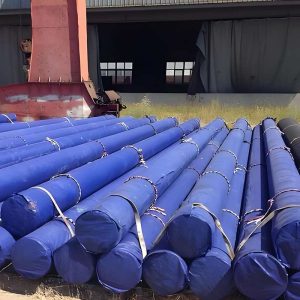
Surface Treatment and Packaging – Apply anti-rust oil film or varnish and pack for shipment.


ASTM A178 Boiler Tube Inspection Standard Table

Inspection Category Inspection Item Inspection Method Standard Requirement / Description
Appearance & Dimensions Outside diameter (OD), wall thickness (WT), length, tolerances, straightness, surface defects Dimensional measurement, visual inspection OD < 50 mm: ±0.05 mm; OD ≥ 50 mm: ±1%; wall thickness tolerance +15% / −12.5%; free from cracks, pores, and dents
Chemical Composition C, Mn, P, S, Si, etc. Chemical analysis (spectrometric analysis / wet chemical method) Different limits for Grade A / C / D to ensure strength, toughness, and weldability
Mechanical Properties Yield strength σy, tensile strength σu, elongation δ Tensile test Grade A: σy ≥ 205 MPa, σu 345–483 MPa, δ ≥ 30%Grade C: σy ≥ 235 MPa, σu 415–550 MPa, δ ≥ 25%Grade D: σy ≥ 270 MPa, σu 485–620 MPa, δ ≥ 20%
Weld Quality Flattening test, flaring test, flattening (crushing) test (optional) Flattening, flaring, and crushing procedures No cracks, openings, or localized defects in the weld seam
Pressure & Non-Destructive Testing Hydrostatic test, ultrasonic / eddy current testing Hydrostatic testing machine, NDT equipment Verify pressure-bearing capability and detect internal defects in the weld and base material
Packaging & Final Inspection Rust prevention, bundling, mill test certificate (MTC) Visual inspection, document verification Pipes coated with rust-preventive oil or varnish; securely bundled; MTR/test report provided, including dimensional, chemical, mechanical, and weld inspection results


ASTM A178 Boiler Tube

ASTM A178 Boiler Tube FAQ

Q1. What are the grades of ASTM A178 boiler tubes, and what are the differences?

Answer: ASTM A178 is mainly divided into Grade A, Grade C, and Grade D.
Grade A: Low carbon steel, suitable for low-pressure boilers, moderate strength, easy to weld.
Grade C: Medium carbon steel, suitable for medium- and low-pressure boilers and heat exchangers, higher strength.
Grade D: Carbon manganese steel, suitable for critical heat transfer tubes or medium- and low-pressure high-temperature conditions, best pressure resistance and wear resistance.

Q2. What boiler pressures and temperatures are suitable for ASTM A178 boiler tubes?

Answer:
Grade A: Low-pressure boilers (≤1MPa), temperature ≤200°C.
Grade C: Medium- and low-pressure boilers (1–2.5MPa), medium-temperature conditions.
Grade D: Critical heat transfer tubes or high-temperature conditions (can exceed 2.5MPa), strongest pressure resistance.

Q3. What are the common specifications and dimensions for ASTM A178 boiler tubes?

Answer: Outer diameter 12.7–127mm (½″–5″), wall thickness 0.9–9.1mm, length 6–12m. Custom sizes are available upon request. Standard requirements stipulate that OD, wall thickness, and length meet tolerances to ensure safe use.

Q4. What is the manufacturing process for ASTM A178 boiler tubes?

Answer:
They are manufactured using ERW (Extreme Resistance Welding) technology. The main process is as follows:
Raw materials → Uncoiling and straightening → Rolling and forming → Welding → Post-weld heat treatment → Sizing and straightening → Cutting → Surface treatment → Inspection.
This ensures strong welds, high dimensional accuracy, and stable mechanical properties.

Q5. How to select the appropriate ASTM A178 boiler tube grade?

Answer:
Select the grade based on boiler pressure, operating temperature, tube diameter, and wall thickness:
Grade A for low-pressure boilers (good economic efficiency);
Grade C for medium-low pressure boilers;
Grade D for high-pressure or critical heat-receiving tubes.
Corrosion conditions should also be considered; anti-corrosion coatings or galvanizing can be applied.

Q6. What inspections are performed on ASTM A178 boiler tubes before they leave the factory?

Answer:
All pipes must undergo dimensional inspection, weld inspection, mechanical property testing (tensile strength, yield strength, elongation), flattening and flanging testing before leaving the factory. Some orders may undergo hydraulic or non-destructive testing.
We ensure that the pipes conform to ASTM A178 standards for safety and reliability.