I. Introduction to ASTM A106 Grade C Seamless Steel Pipe
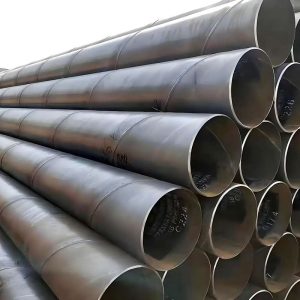
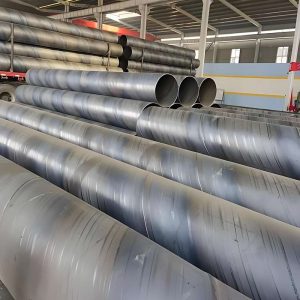
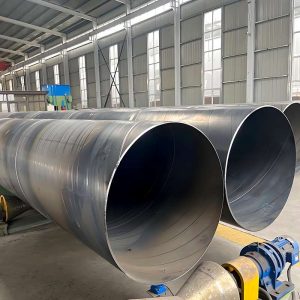
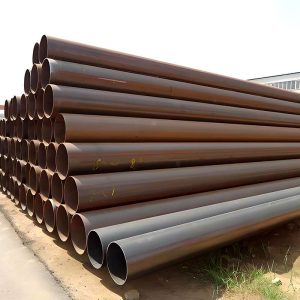
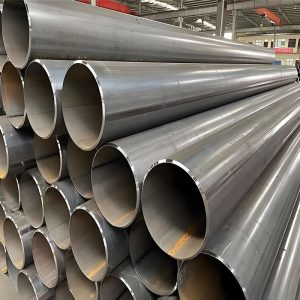
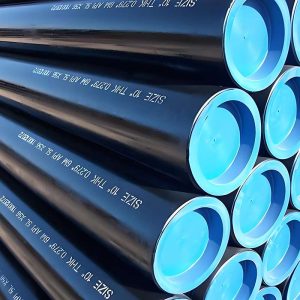
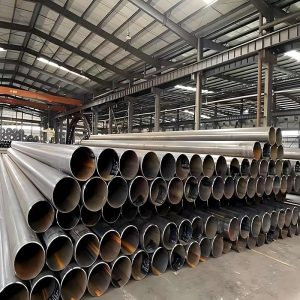
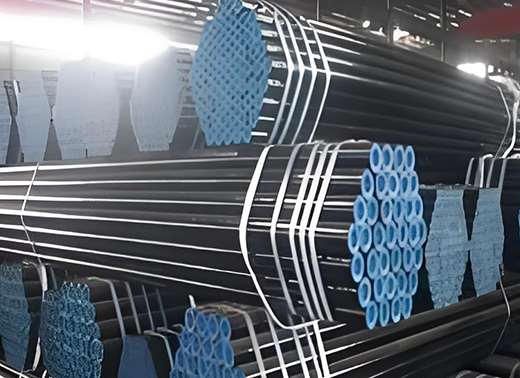
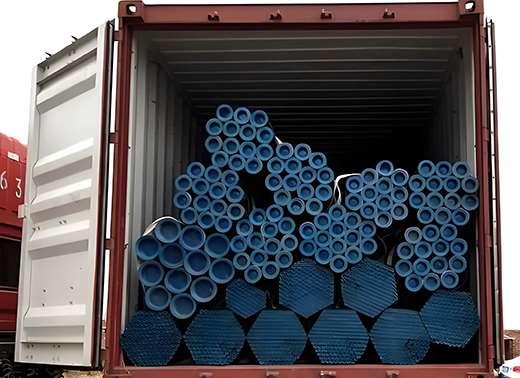
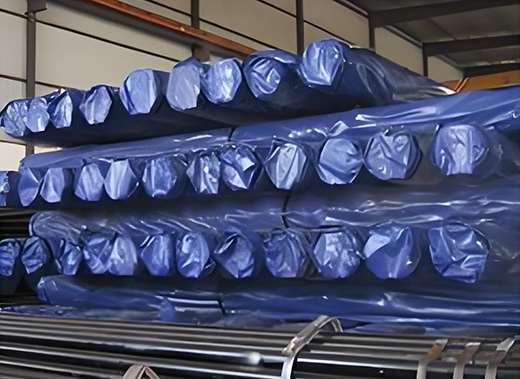
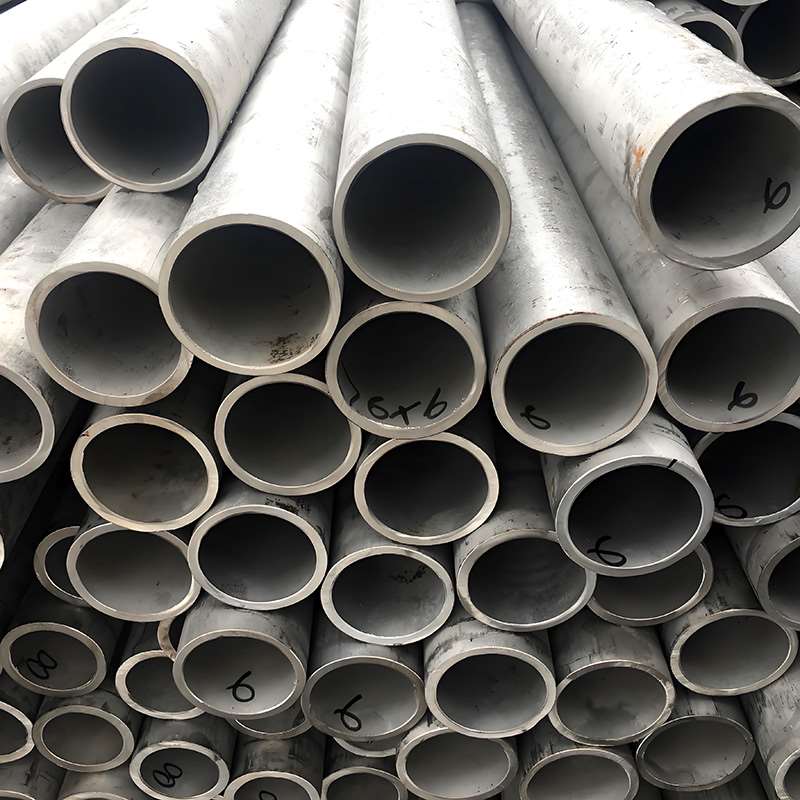
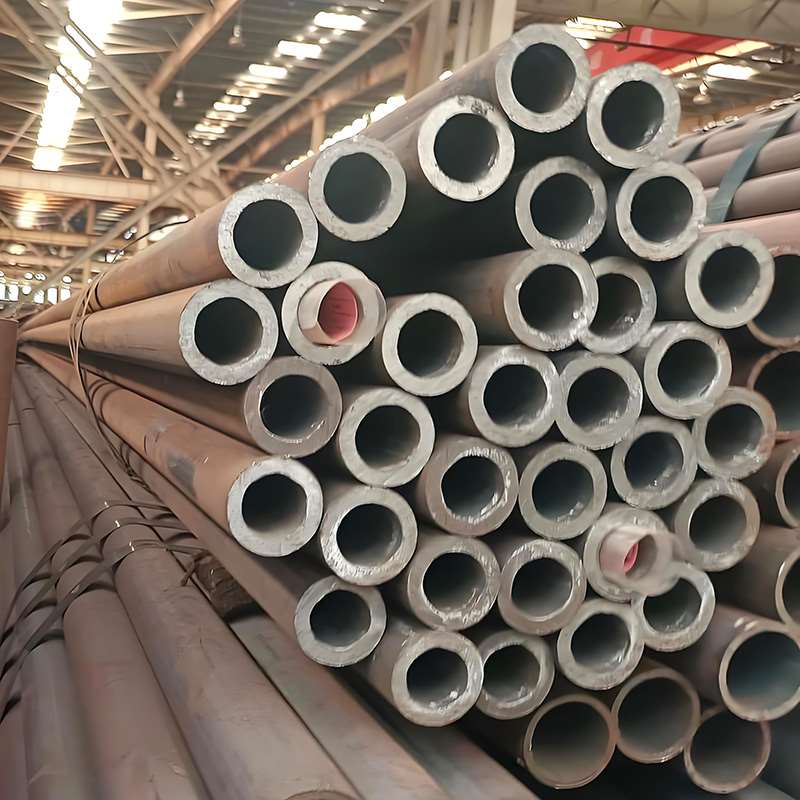
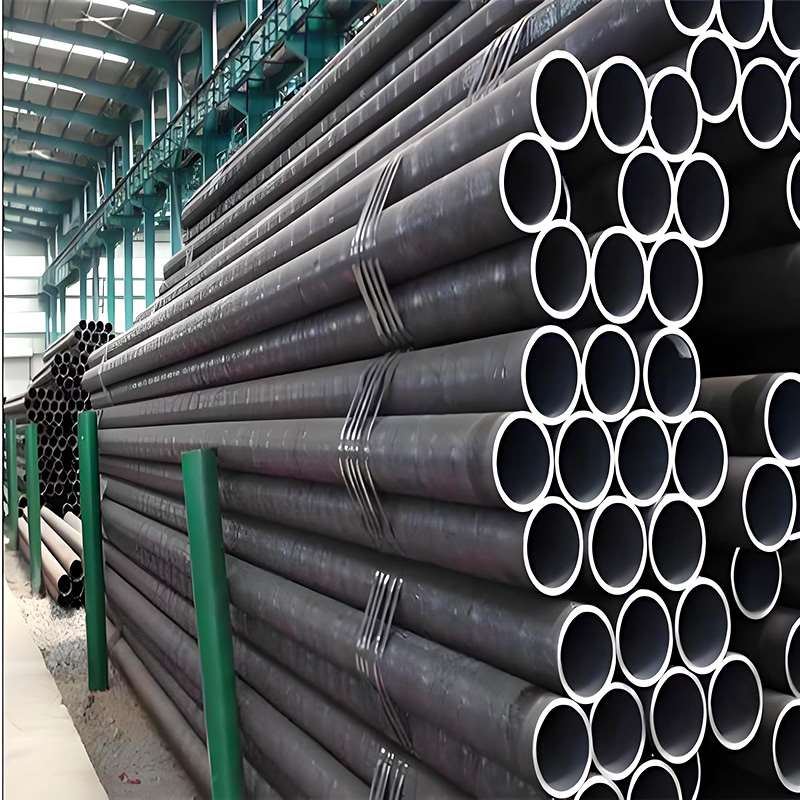
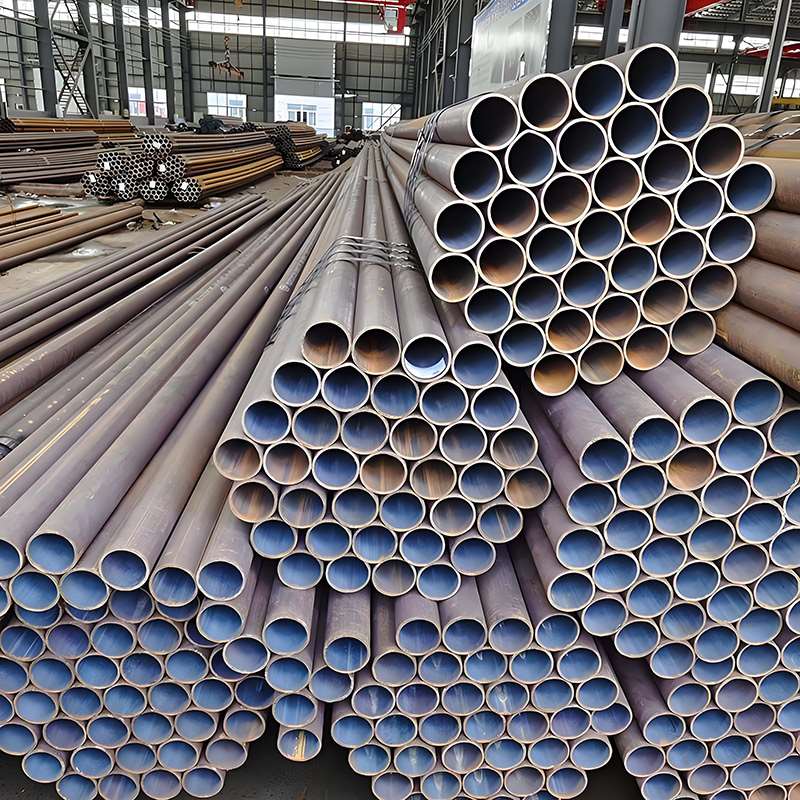
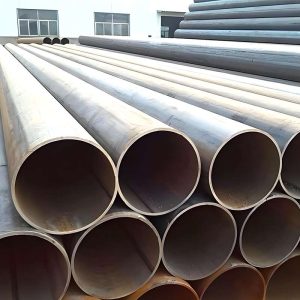
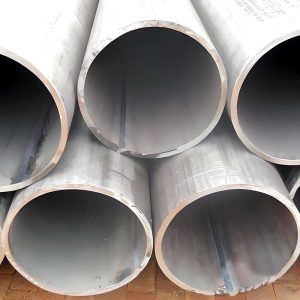
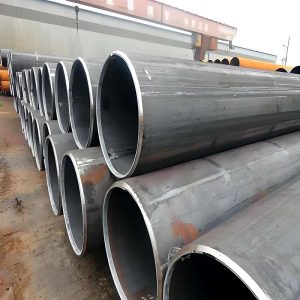
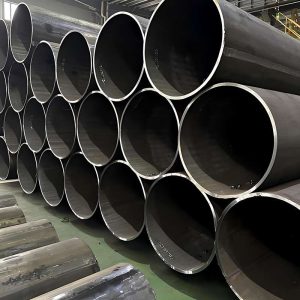
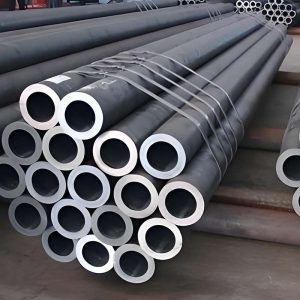
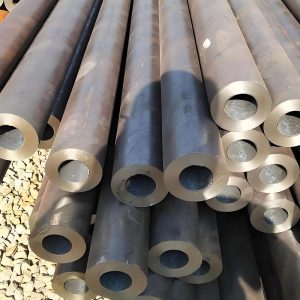
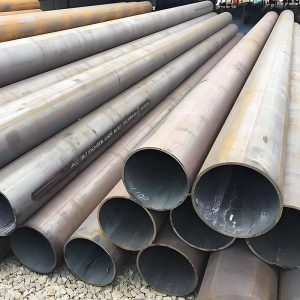
ASTM A106 Grade C seamless carbon steel pipe is a high-strength seamless steel pipe conforming to the ASTM A106 standard, specifically designed for high-temperature and high-pressure fluid transportation, steam piping, and boiler piping.
Its seamless structure ensures excellent pressure resistance and long-term stability. This pipe is resistant to high temperatures and pressures, and boasts high reliability, making it an ideal choice for industrial high-temperature and high-pressure engineering projects.
II. Chemical Composition and Mechanical Properties of ASTM A106 Grade C Seamless Carbon Steel Pipe
i. Chemical Composition and Function
| Element | Content Range | Function and Description |
|---|---|---|
| Carbon (C) | ≤0.35% | Increases pipe strength and hardness, allowing the pipe to withstand high temperature and pressure; slightly higher carbon improves high-temperature resistance, but excessive carbon reduces weldability. |
| Manganese (Mn) | 0.29–1.06% | Enhances yield and tensile strength, improves high-temperature strength and toughness; helps deoxidation and reduces inclusions in steel. |
| Silicon (Si) | 0.10–0.35% | Improves high-temperature oxidation resistance and strength, enhances heat resistance, and improves elasticity and thermal stability. |
| Phosphorus (P) | ≤0.045% | Excess phosphorus reduces toughness; controlling low content maintains high-temperature toughness and prevents brittleness. |
| Sulfur (S) | ≤0.05% | Sulfur forms sulfides, which can reduce high-temperature toughness and weldability; controlling content ensures stability at high temperatures. |
Summary:
Grade C has a higher carbon content than Grades A and B, improving its high-temperature yield strength and enabling the pipes to withstand pressure during high-temperature fluid transport.
Mn and Si enhance the steel’s high-temperature strength and oxidation resistance, ensuring high-temperature performance.
Low P and S content ensures good toughness at high temperatures and reduces brittleness.
ii. Mechanical properties
| Performance Indicator | Value / Requirement | Description |
|---|---|---|
| Yield Strength σy | ≥ 276 MPa | Ensures the pipe maintains sufficient pressure-bearing capacity at high temperatures and resists permanent deformation. |
| Tensile Strength σb | 415–550 MPa | Ensures the pipe will not fracture under high-temperature and high-pressure conditions. |
| Elongation A | ≥ 18% | Guarantees the steel pipe has adequate plasticity and toughness, allowing it to absorb stress at high temperatures without brittle failure. |
iii. Why is ASTM A106 Grade C High Temperature Resistant?
Optimized Chemical Composition: High carbon, moderate amounts of manganese and silicon enhance high-temperature yield strength and oxidation resistance.
Seamless Manufacturing Process: No welds or heat-affected zones reduce high-temperature weaknesses and ensure more uniform pressure resistance.
Controlled Impurities: Low phosphorus and low sulfur ensure toughness and reduce the risk of high-temperature embrittlement.
Adaptable Mechanical Properties: High yield strength and tensile strength ensure safe operation even at temperatures around 400°C.
III. Applications of ASTM A106 C-grade seamless steel pipes
| Application Scenario | Operating Conditions | Recommended Reason | Alternative Material Comparison |
|---|---|---|---|
| Steam pipelines in petroleum refining units | Long-term operating temperature 450–550℃, pressure 4–10 MPa | ASTM A106 Grade C can withstand high-temperature stress relaxation and oxidation, with excellent thermal stability | Stainless steel is corrosion-resistant but costly and difficult to process |
| Main steam pipes in high-pressure boiler systems | Temperature 500–540℃, steam pressure 9–16 MPa | Grade C has high yield strength and creep resistance, suitable for high-pressure steam environments | Alloy steels (e.g., T11, T22) perform better at higher temperatures but are more expensive |
| Heat exchange tubes in chemical reaction units | Frequent temperature cycles (200–550℃), subject to thermal fatigue | Seamless structure reduces leakage risk and provides strong thermal fatigue resistance | Welded steel pipes are prone to weld cracks under frequent temperature changes |
| Power plant piping and high-temperature condensate return loops | Long-term exposure to hot water and high-pressure steam | Grade C steel is dimensionally stable in high-temperature water environments with low thermal expansion | Ordinary carbon steel (Q235) softens and deforms at these temperatures |
| High-pressure sections within oil & gas pipeline stations | Pressure 5–12 MPa, temperature 300–400℃ | Maintaining sufficient wall thickness balances strength and economy | For temperatures above 550℃, ASTM A335 P-series alloy steel can be used |
IV. Logic Analysis of Material Selection for ASTM A106 Seamless Steel Pipes
(1) Select Yield Strength Grade Based on Operating Pressure
When the design pressure > 5 MPa, Grade C should be selected.
The higher the yield strength, the smaller the required wall thickness, which can reduce the overall weight and cost.
(2) Select Thermal Stability Based on Medium Temperature
Below 400℃: Grade B is sufficient;
400–550℃: Grade C offers the best cost-performance ratio;
Above 550℃: Alloy steel (P11, P22) should be considered.
(3) Adjust Protection Method Based on Medium Corrosivity
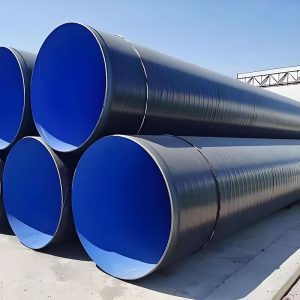
If the medium contains sulfur or water vapor, external zinc coating, internal epoxy coating, FBE coating, etc., can be used for protection;
For non-corrosive media (such as superheated steam), the bare pipe can be maintained.
(4) Optimize Material Selection Based on Service Life and Maintenance Cycle
Under high temperature and high pressure, Grade C pipes with normalizing and tempering treatment should be given priority, as they have uniform structure and strong fatigue resistance;
For systems used temporarily or in the short to medium term, Grade B can be used as an alternative to reduce procurement costs.