Products

Related News

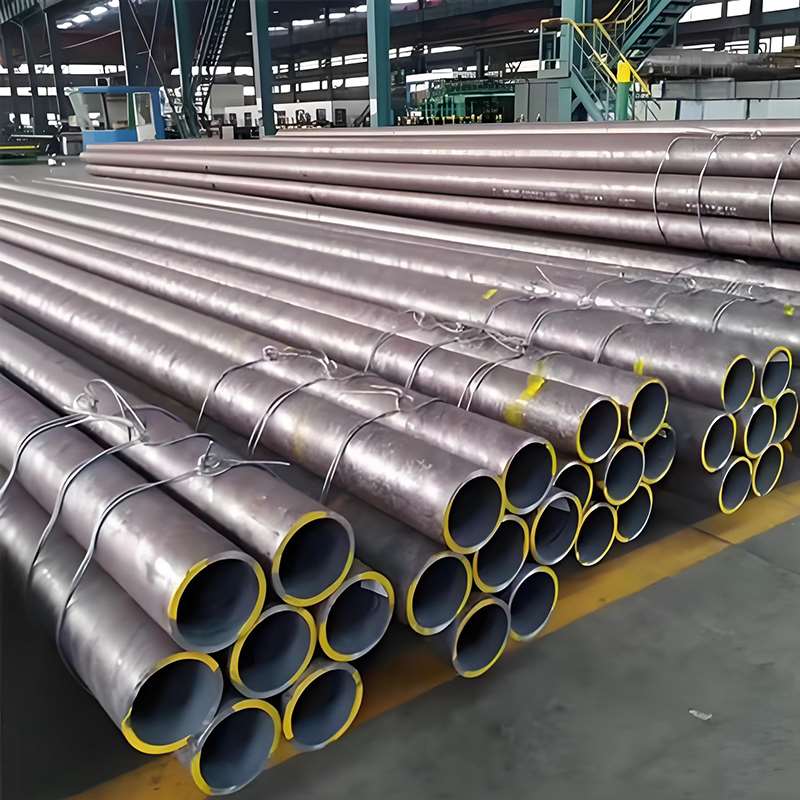
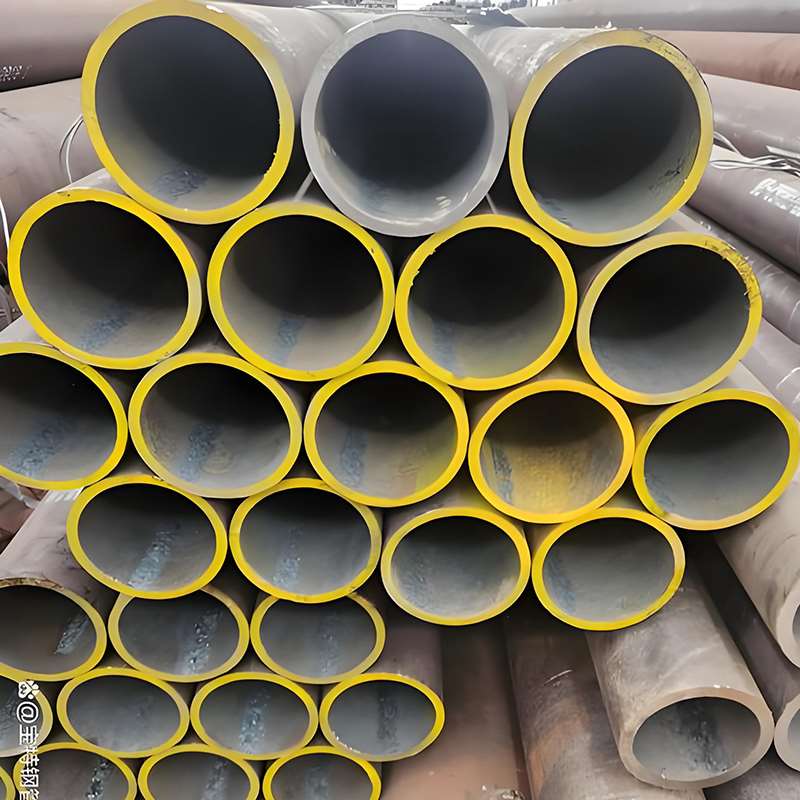
ASTM A106 Grade C Seamless Boiler Pipe

OD Range :

21.3 mm – 711 mm (1/2″ – 28″)

WT Range :

2.5 mm – 60 mm

Length :

5 m – 12 m (Random / Fixed Length)

Tolerance :

OD: ±1% • WT: ±10% • Length: ±10 mm • Straightness ≤ 2 mm/m

Material :

ASTM A106 Grade C (Carbon Steel)

Standard :

ASTM A106 / ASME SA106

Surface :

Black varnish, oil-coated, bare surface, anti-rust coating

Application :

Boilers, heat exchangers, superheaters, pressure piping, refinery units

Introduction :

ASTM A106 Grade C seamless boiler tubing is a high-strength, high-temperature pressure-resistant carbon steel pipe specifically designed for boilers, steam piping, and transportation systems operating under high-temperature and high-pressure conditions.

I. Introduction to ASTM A106 Grade C Seamless Boiler Pipe

ASTM A106 Grade C seamless boiler pipe is a high-strength carbon steel pipe designed for high-temperature service. It is widely used in high-pressure boilers, steam piping, heat exchangers, and petrochemical equipment. Manufactured through seamless hot-rolling, this tubing offers excellent high-temperature resistance and pressure tolerance while ensuring good weldability and machinability.

Grade C pipes exhibit higher yield strength and tensile strength than Grade A and Grade B, enabling them to withstand elevated temperatures and pressures. They are suitable for demanding industrial boilers and thermal energy piping systems. Their chemical composition and mechanical properties are strictly controlled in accordance with ASTM A106 standards, ensuring safe and reliable engineering applications.

II. ASTM A106 Grade C Seamless Boiler Pipes Standard Specifications

ParameterValue / RangeDescription
StandardASTM A106U.S. standard for seamless carbon steel pipes
GradeGrade CHigh-strength grade for high-temperature and high-pressure service
TypeSeamlessProduced by hot-rolled seamless process
Chemical CompositionC ≤ 0.35%, Mn 0.29–1.06%, P ≤ 0.035%, S ≤ 0.035%, Si 0.10–0.35%Ensures high-temperature strength, weldability, and toughness
Yield Strength (ReH)≥ 275 MPaStress at which permanent deformation begins
Tensile Strength (Rm)415–585 MPaMaximum load-bearing capacity of the pipe
Elongation (A%)≥ 20%Indicates tensile ductility of the pipe
Impact Toughness20–27 J (Charpy V-notch, 20℃)Ensures safety under both low and high temperatures
Service Temperature≤ 400℃Suitable for high-temperature steam or heat-transfer piping
Outer Diameter Range21.3–323.9 mm (1/2″–12″)Common sizes, selectable per design requirement
Wall Thickness Range2.3–12.7 mmSelectable according to pressure class and design
Inspection & CertificationEN 10204 3.1 / 3.2Ensures full material traceability and quality compliance

III. ASTM A106 Seamless Boiler Pipes: Grades and Distinctions

i. ASTM A106 Seamless Boiler Pipe Grades

ASTM A106 seamless steel pipes are classified into three grades based on strength and chemical composition:

GradeYield Strength ReH (MPa)Tensile Strength Rm (MPa)Elongation A (%)Typical Applications
Grade A≥ 205330–440≥ 30General low-pressure steam and boiler piping, low-temperature pipelines, general fluid transportation
Grade B≥ 240415–550≥ 25Most commonly used grade; suitable for medium- and high-temperature steam lines, industrial boilers, and heat exchangers
Grade C≥ 275415–585≥ 20High-temperature and high-pressure piping, large industrial boilers; best performance under high temp & pressure

ii. Key Differences Between Levels

Comparison ItemGrade AGrade BGrade C
Yield StrengthLowestMediumHighest
Tensile Strength330–440 MPa415–550 MPa415–585 MPa
Elongation≥30%≥25%≥20%
Applicable Temperature / PressureLow temperature & low pressureMedium–high temperature, medium pressureHigh temperature & high pressure
CostLowestMediumHighest
Common ApplicationsSmall steam pipelines, low-pressure boilersIndustrial boilers, steam lines, heat exchangersLarge boilers, high-temperature & high-pressure steam pipelines, petrochemical equipment

iii. Practical Recommendations

Grade A: Suitable for low-pressure and low-temperature piping projects, offering low cost but limited applicability.
Grade B: The most commonly used grade, suitable for most industrial boilers and steam piping systems, providing high cost-effectiveness.
Grade C: Designed for high-temperature and high-pressure conditions, typically employed in large thermal power plants, chemical, and petrochemical facilities. While higher in cost, it offers a superior safety factor.

IV. ASTM A106 A/B/C Seamless Boiler Pipe Chemical Composition Comparison Table

ElementGrade AGrade BGrade CDescription / Effect
Carbon (C)≤ 0.30%≤ 0.30%≤ 0.35%Higher carbon increases strength but slightly reduces weldability
Manganese (Mn)0.29–1.06%0.29–1.06%0.29–1.06%Enhances strength and toughness; same for all grades
Silicon (Si)0.10–0.30%0.10–0.30%0.10–0.35%Affects weldability and high-temperature strength
Phosphorus (P)≤ 0.035%≤ 0.035%≤ 0.035%Controls brittleness and ensures low-temperature toughness
Sulfur (S)≤ 0.035%≤ 0.035%≤ 0.035%Ensures machinability and reduces risk of cracking
Copper (Cu)≤ 0.20%≤ 0.20%≤ 0.20%Improves corrosion resistance (optional)
Nickel (Ni)≤ 0.20%≤ 0.20%≤ 0.20%Enhances high-temperature toughness and heat resistance (optional)
Chromium (Cr)≤ 0.20%≤ 0.20%≤ 0.20%Improves oxidation resistance (optional)
Molybdenum (Mo)≤ 0.15%≤ 0.15%≤ 0.15%Improves high-temperature strength and corrosion resistance (optional)

V. Precautions for Procurement and Use of ASTM A106 Grade C Seamless Boiler Pipes

i. Procurement Considerations

(1) Verify Grade and Standards
Prior to procurement, confirm the requirement for Grade C and ensure compliance with ASTM A106 standards.
Verify that suppliers provide complete material certificates (EN 10204 3.1/3.2) to ensure chemical composition and mechanical properties meet design specifications.
Practical Tip: Grade C offers highest strength, suitable for high-temperature/high-pressure boilers and industrial steam piping. Consider Grade B for low-temperature/low-pressure projects to avoid unnecessary cost overruns.

(2) Specification and Dimension Verification
Confirm O.D., wall thickness, and length per construction drawings.
Common tolerances: OD ±1%, wall thickness ±10%, straightness ≤2 mm/m.
Practical advice: For large-diameter or pressure-bearing pipes, conduct sample pipe tests beforehand to ensure dimensional compatibility with construction joints.

(3) Supply Capacity and Delivery Lead Time
Grade C pipes are high-strength materials with potentially limited inventory. Confirm supplier production capacity and delivery lead time before procurement.
Practical advice: Plan bulk purchases in advance to avoid construction delays.

(4) Cost and Budget
Grade C pipes are priced higher than Grade B. Evaluate necessity during procurement based on project safety requirements and budget constraints.

ii. Usage and Construction Precautions

(1) Welding and Fabrication
Grade C pipes contain slightly higher carbon content. Control heat input during welding to prevent cracking.
Verify pipe diameter and wall thickness before bending or cutting; perform preheating if necessary.
Practical recommendation: Conduct small-scale test welding or bending on-site to ensure construction feasibility.

(2) Installation and Stress Management
When installing in high-temperature/high-pressure pipelines, ensure adequate pipe support and expansion compensation design.
Prevent overload, distortion, or localized stress concentration during installation.

(3) Surface Treatment and Environmental Adaptation
For outdoor or humid environments, use hot-dip galvanized or coated pipes to extend service life.
High-temperature pipelines require consideration of oxidation and corrosion factors; inspect protective coatings promptly after installation.

(4) Acceptance and Quality Control
Inspect upon receipt:
Visual quality (no cracks, pores)
Dimensions
Straightness
Verify material certificates match actual pipe batches. Conduct third-party testing when necessary.
Related Products

Nominal Diameter (inch) OD (mm) Wall Thickness (mm) Theoretical Weight (kg/m) Typical Applications
1/2″ 21.3 2.3 1.14 Small steam pipelines, low-pressure boilers
3/4″ 26.7 2.8 1.86 Low to medium-pressure piping, supports
1″ 33.7 3.2 2.45 Building framework, mechanical supports
1 1/4″ 42.4 3.6 3.63 Medium-pressure steam lines, pipe networks
1 1/2″ 48.3 4.0 4.70 Support beams, mechanical structures
2″ 60.3 4.5 6.72 Trusses, medium industrial structures
2 1/2″ 76.1 5.0 9.82 Mechanical supports, pressure piping
3″ 88.9 5.0 11.40 Heavy-duty structures, load-bearing piping
3 1/2″ 101.6 5.6 14.64 Large machinery piping, medium industrial pipelines
4″ 114.3 6.0 18.30 Trusses, bridge support structures
5″ 141.3 6.0 22.60 Industrial piping, load-bearing structures
6″ 168.3 6.5 30.10 Pressure vessels, large pipelines
8″ 219.1 7.1 45.60 Large structural pipes, mechanical supports
10″ 273.0 8.2 71.20 High-strength piping, industrial structures
12″ 323.9 9.3 100.10 Large industrial pipelines, load-bearing structures


ASTM A106 Grade C Seamless Boiler Pipe – Standard Parameters Table

Parameter Category Parameter / Property Requirement / Range Test Method / Notes
Chemical Composition Carbon (C) ≤ 0.35% Ensures high-temperature strength and weldability
Manganese (Mn) 0.29–1.06% Improves strength and toughness
Phosphorus (P) ≤ 0.035% Controls brittleness, ensures low-temperature toughness
Sulfur (S) ≤ 0.035% Reduces cracking risk and ensures machinability
Silicon (Si) 0.10–0.35% Influences weldability and high-temperature strength
Mechanical Properties Yield Strength (ReH) ≥ 275 MPa Stress at which permanent deformation begins
Tensile Strength (Rm) 415–585 MPa Maximum load-bearing capacity
Elongation (A%) ≥ 20% Indicates ductility and toughness
Impact Toughness 20–27 J (Charpy V-notch, 20℃) Ensures low and high-temperature safety
Dimensions & Tolerances Outer Diameter (OD) 21.3–323.9 mm (1/2″–12″) Per ASTM A106
Wall Thickness (WT) 2.3–12.7 mm Selectable according to pressure rating
Tolerances OD ±1%, WT ±10%, Straightness ≤ 2 mm/m Ensures proper installation and fit
Service Conditions Temperature ≤ 400℃ Suitable for high-temperature steam or heat-transfer piping
Inspection & Certification Material Certificate EN 10204 3.1 / 3.2 Ensures traceability and quality compliance
Surface Quality Appearance Smooth, no cracks, folds, or pores Ensures safe operation and weldability


Billet Inspection → Heating → Piercing → Mandrel Mill / Hot Rolling → Sizing & Stretching → Cutting to Length → Heat Treatment (if required) → Straightening → Internal & External Surface Cleaning → Non-Destructive Testing → Rust Prevention / Coating → Finished Product Storage

1、Billet Inspection – Verify chemical composition and material quality before processing.
2、Heating – Heat steel billets to rolling temperature (~1200°C).
3、Piercing – Form hollow shell through rotary piercing mill.
4、Mandrel Mill / Hot Rolling – Roll pipe to required diameter and wall thickness.
5、Sizing & Stretching – Ensure precise dimensions and straightness.
6、Cutting to Length – Cut pipes to standard or customer-specified lengths.
7、Heat Treatment (Optional) – Normalize to improve mechanical properties if needed.
8、Straightening – Correct any curvature for straightness.
9、Surface Cleaning – Remove scale, rust, and burrs internally and externally.
10、Non-Destructive Testing (NDT) – Perform ultrasonic or eddy current inspection.
11、Rust Prevention / Coating – Apply oiling, galvanizing, or other protective treatment.
12、Finished Product Storage – Stack and store under controlled conditions.


Inspection Category Parameter / Item Requirement / Range Test Method / Standard Notes
Chemical Composition C, Mn, Si, P, S C ≤ 0.35%, Mn 0.29–1.06%, Si 0.10–0.35%, P ≤ 0.035%, S ≤ 0.035% Spectrometer / OES / Chemical Analysis Ensure strength, weldability, toughness
Mechanical Properties Yield Strength (ReH) ≥ 275 MPa Tensile Test (ASTM E8 / EN 10002) Permanent deformation stress
Tensile Strength (Rm) 415–585 MPa Tensile Test Max load-bearing capacity
Elongation (A%) ≥ 20% Tensile Test Pipe ductility
Impact Toughness 20–27 J (Charpy V-notch, 20℃) Charpy Impact Test (ASTM E23 / EN 10045) Low & high-temp safety
Dimensions & Tolerances OD, Wall Thickness OD 21.3–323.9 mm, WT 2.3–12.7 mm Calipers, Micrometer OD ±1%, WT ±10%, Straightness ≤ 2 mm/m
Surface Quality Appearance Smooth, no cracks, folds, pores Visual & NDT Ensures weldability and safe operation
Non-Destructive Testing (NDT) Internal & External No defects exceeding acceptance Ultrasonic Testing (UT), Eddy Current Detects internal voids, laminations
Certification Material Certificate EN 10204 3.1 / 3.2 Supplier / Third-party Traceability and compliance


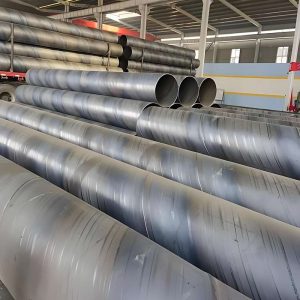
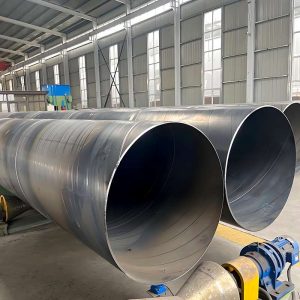
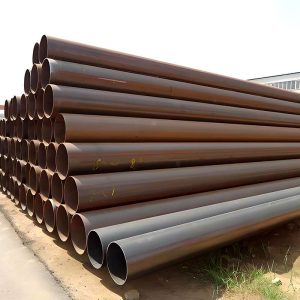
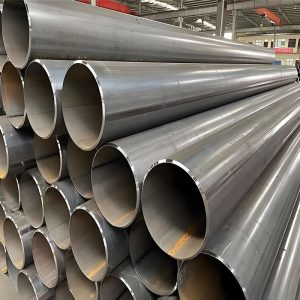
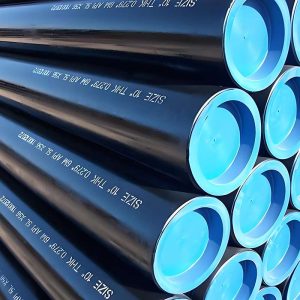
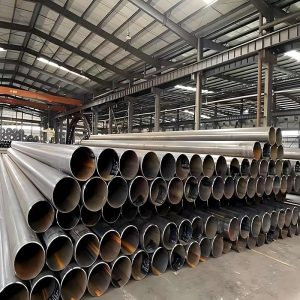
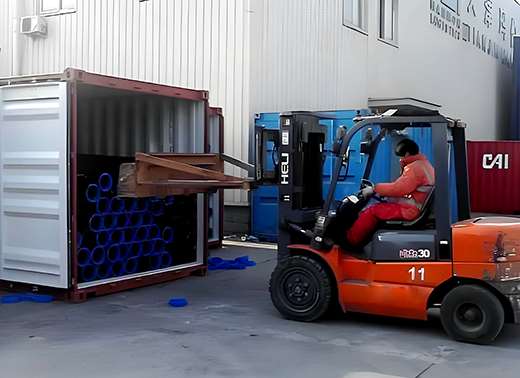
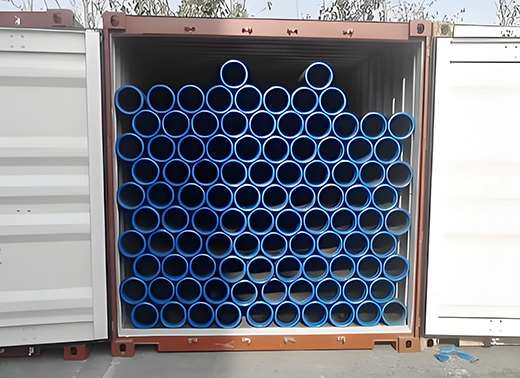
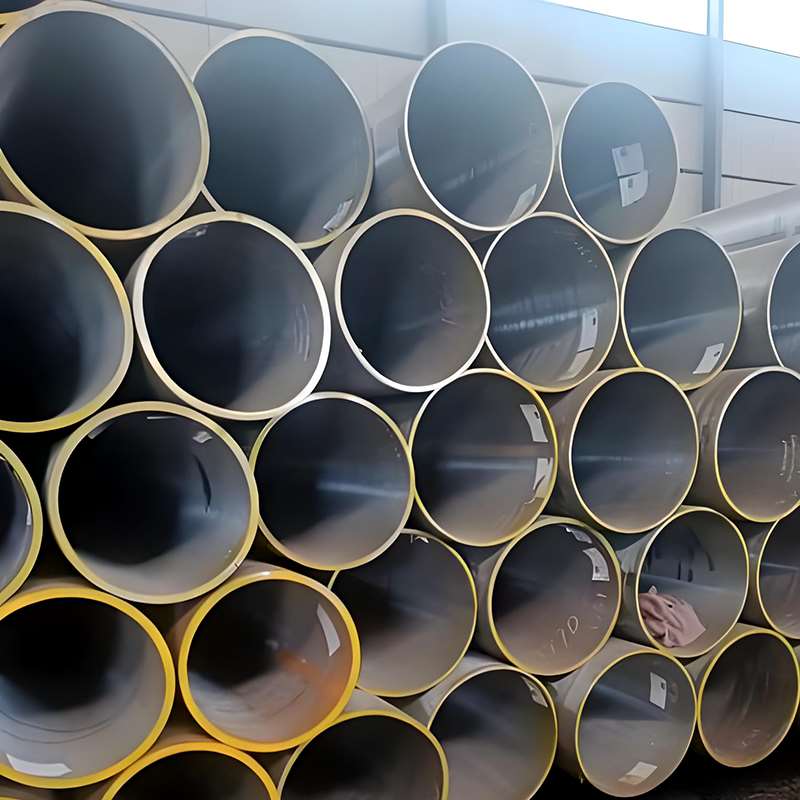
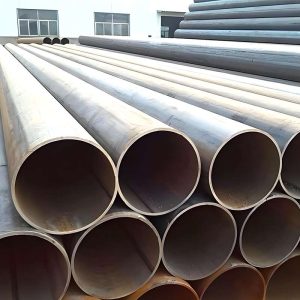
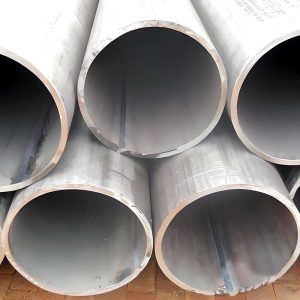
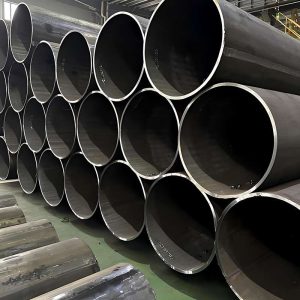
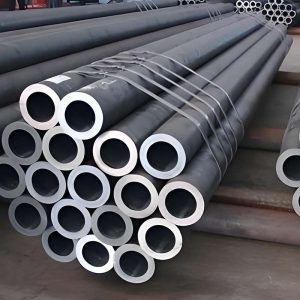
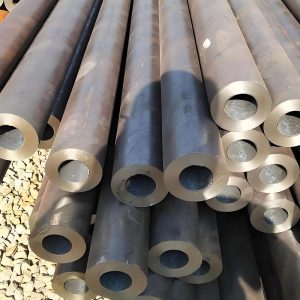
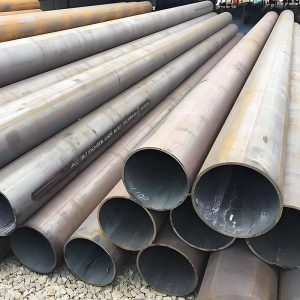
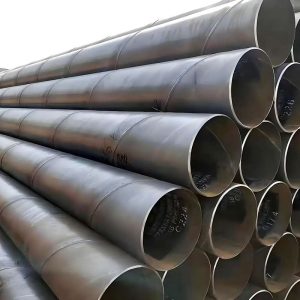
Seamless Carbon Steel Pipe Finished Products   Large-diameter seamless carbon steel pipe

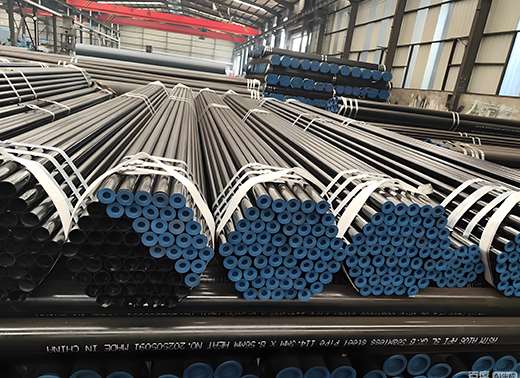
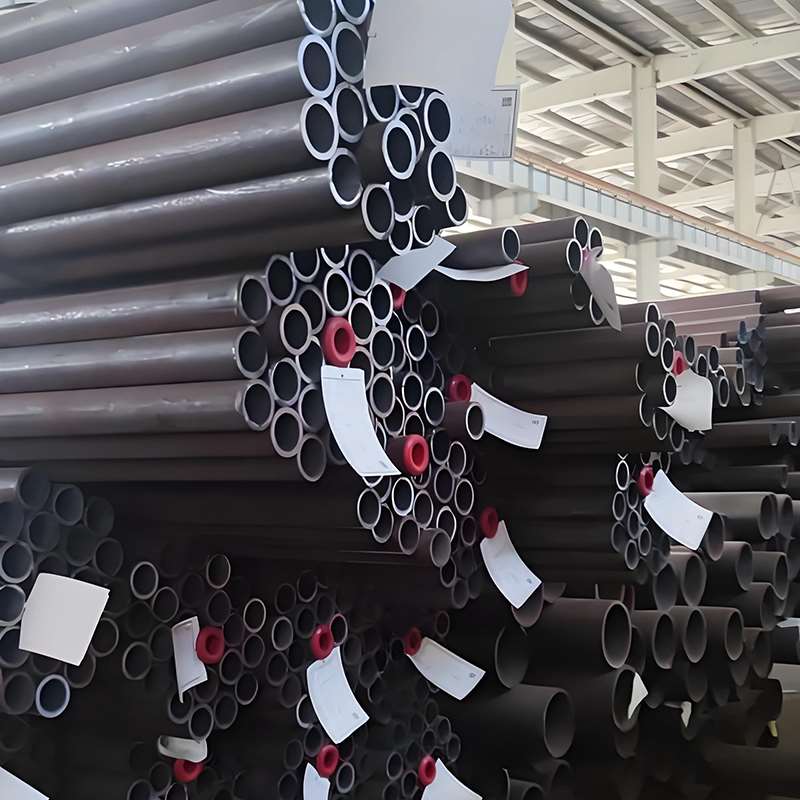
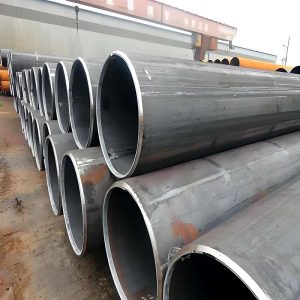
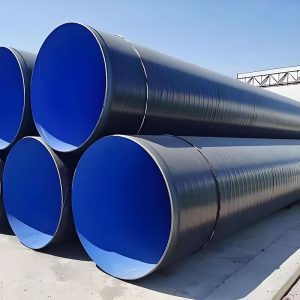
Shipment of Anti-Corrosion Seamless Carbon Steel Pipes   Seamless Carbon Steel Pipe Packing

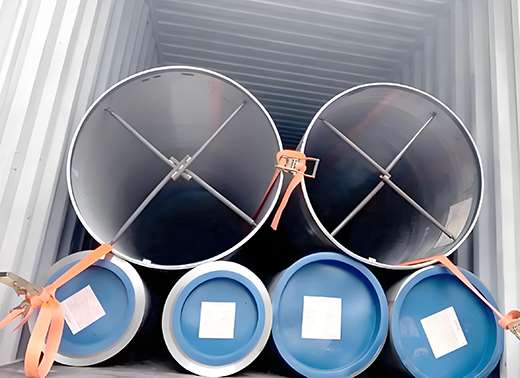
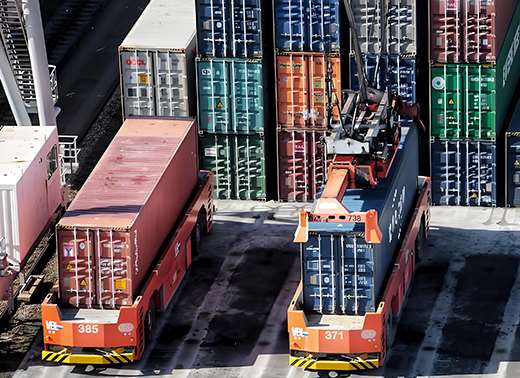
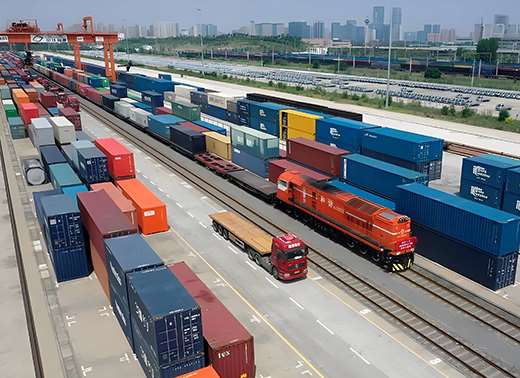
   Seamless Carbon Steel Pipe Sea Freight

ASTM A106 Grade C High-Temperature Boiler Pipes FAQ

Q1: How can we ensure the pipe material truly meets Grade C standards during procurement?

A1:
Verify that the supplier provides an ASTM A106 Grade C material certificate (EN 10204 3.1/3.2).
Check the chemical composition (C ≤0.35%, Mn 0.29–1.06%, Si 0.10–0.35%, P/S ≤0.035%) and mechanical properties (yield strength ≥275 MPa, tensile strength 415–585 MPa).
Practical tip: Conduct random inspections during bulk purchases to verify material consistency with certificates and prevent construction safety risks.

Q2: Grade C pipes are costly. How can procurement costs be controlled?

A2:
Grade C pipes are priced higher than Grades A/B and are suitable for high-temperature, high-pressure projects.
Practical approach: Select grades based on project design temperature and pressure requirements. Non-critical sections may use Grade B pipes as substitutes to reduce costs.
Plan bulk purchases in advance to avoid cost increases caused by frequent small-batch procurement.

Q3: What should be done when pipe specifications mismatch causes construction difficulties?

A3:
High-temperature boiler pipes typically have strict requirements for outer diameter, wall thickness, and straightness.
Practical approach: Verify design drawings before construction to confirm pipe diameter, wall thickness, and length; if necessary, request sample pipes or cut-to-length pipes from suppliers.
Upon delivery, conduct on-site spot checks of outer diameter, wall thickness, and straightness to ensure pipes are ready for direct installation.

Q4: What should be done when Grade C pipes are prone to cracking or deformation during welding?

A4:
Grade C pipes have higher carbon content, making them susceptible to cracks or localized stress from excessive heat input during welding.
Practical methods:
Preheat pipe ends before welding and cool slowly after welding.
Control welding current, voltage, and welding speed.
For large-diameter or thick-walled pipes, use multi-pass welding with stress relief after each pass.

Q5: Pipes are prone to oxidation and corrosion in high-temperature environments. How can their service life be extended?

A5:
Outdoor or high-temperature steam pipes may exhibit surface oxidation or corrosion.
Practical Recommendations:
Select pipes with hot-dip galvanizing, anti-corrosion coating, or high-temperature oxidation-resistant treatment.
After installation, conduct regular inspections of coatings or plating conditions, and perform timely maintenance or repairs.

Q6: It’s difficult to quickly assess pipe quality upon delivery. What should be done?

A6:
High-temperature boiler pipes have stringent requirements, and internal quality is difficult to assess solely by appearance.
Practical Methods:
Verify that the material certification matches the actual pipe batch.
Conduct random inspections of outer diameter, wall thickness, and straightness. Mechanical property tests (e.g., tensile or impact) may also be performed.
For critical pipelines, it is recommended to use third-party inspection reports to ensure safety and traceability.