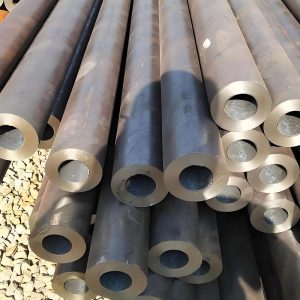
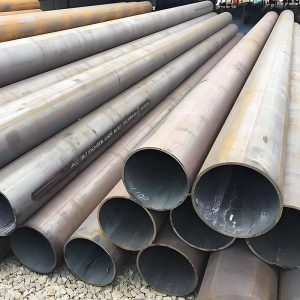
I. Introduction to ASTM A106 Grade B Seamless Carbon Steel Pipe
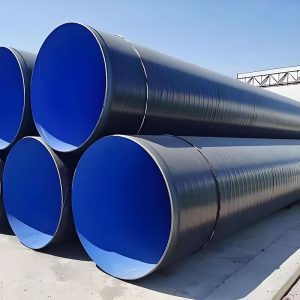
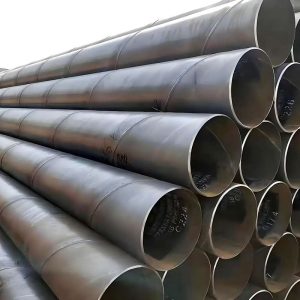
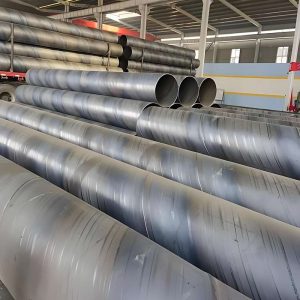
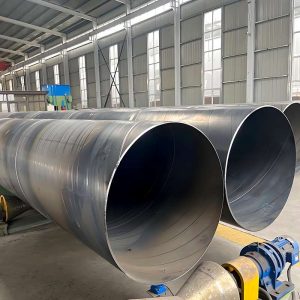
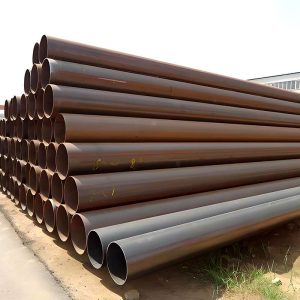
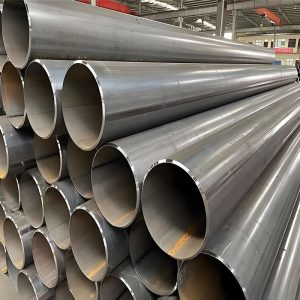
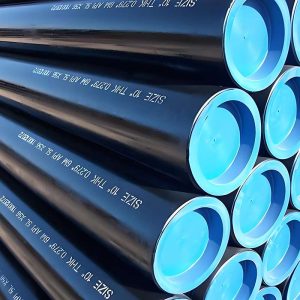
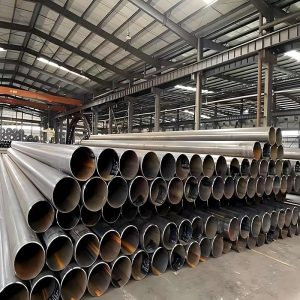
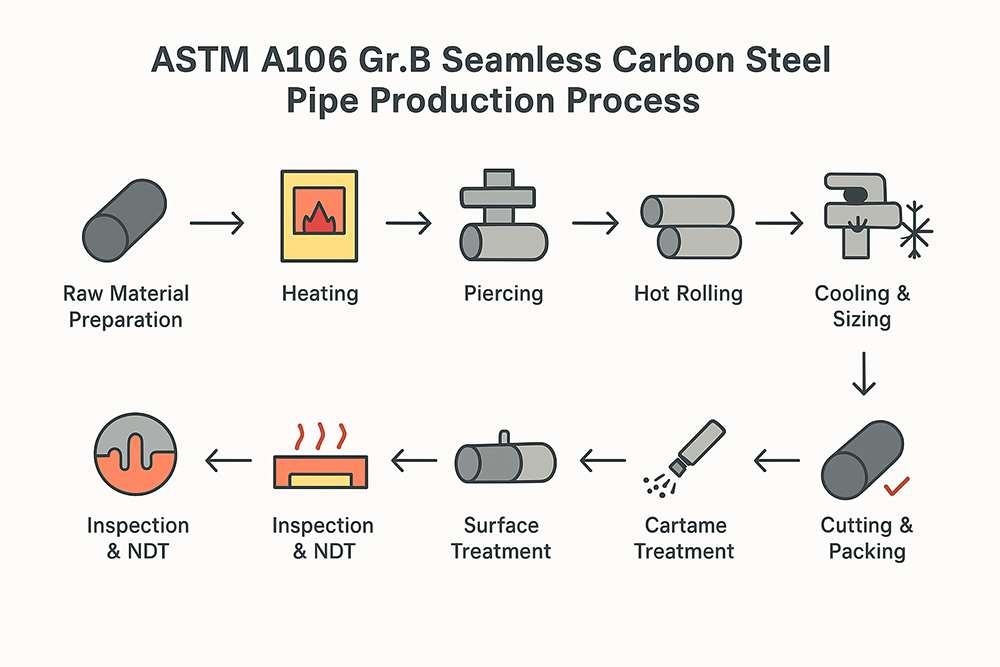
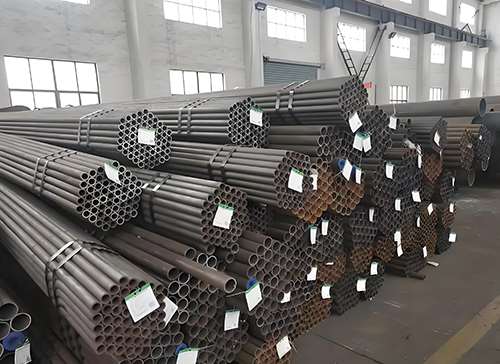
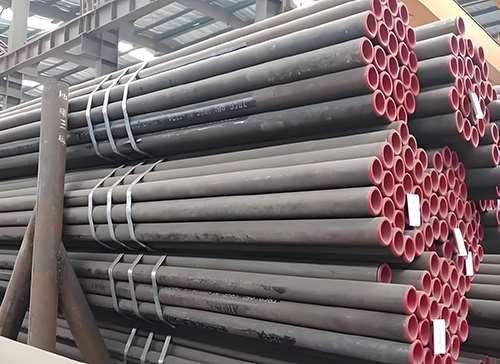
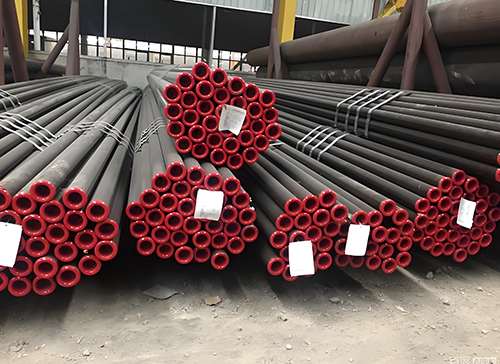
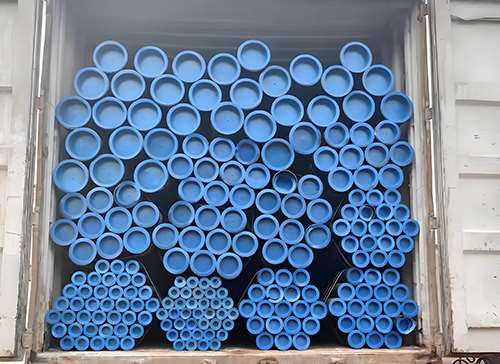
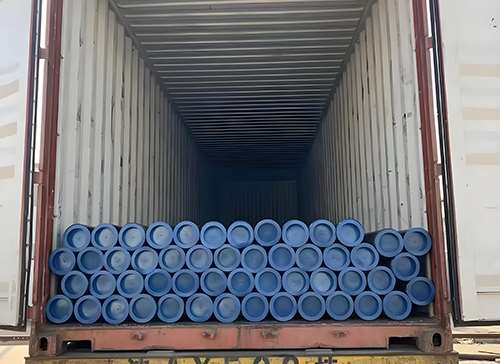
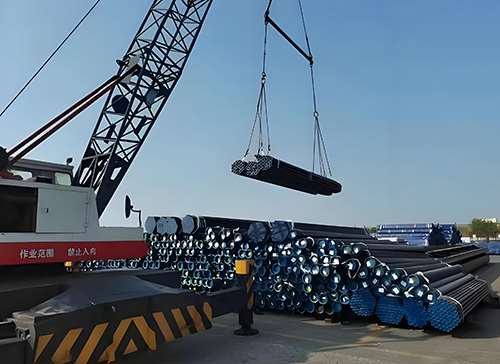
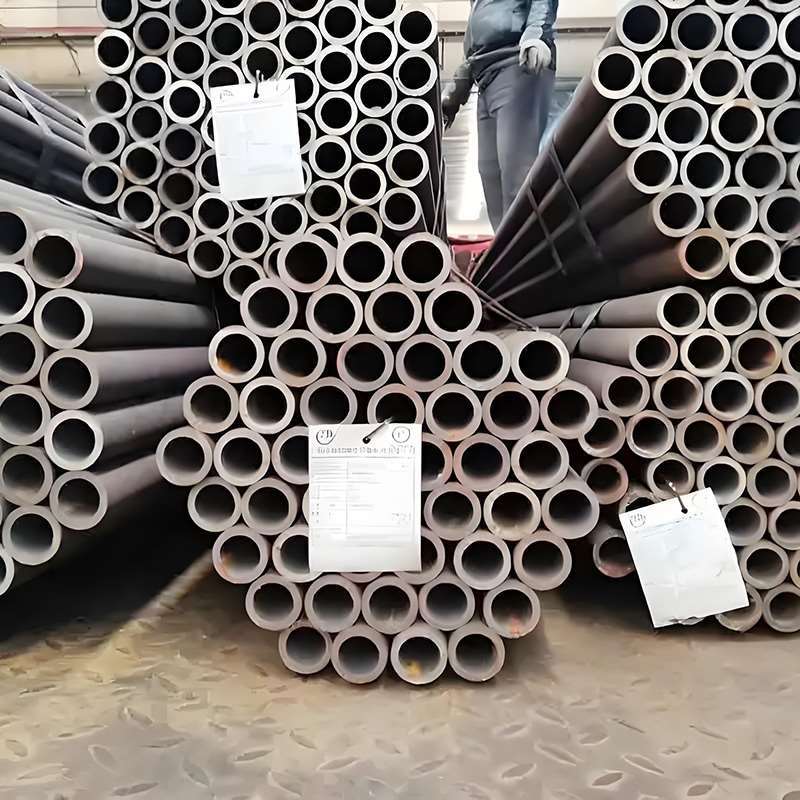
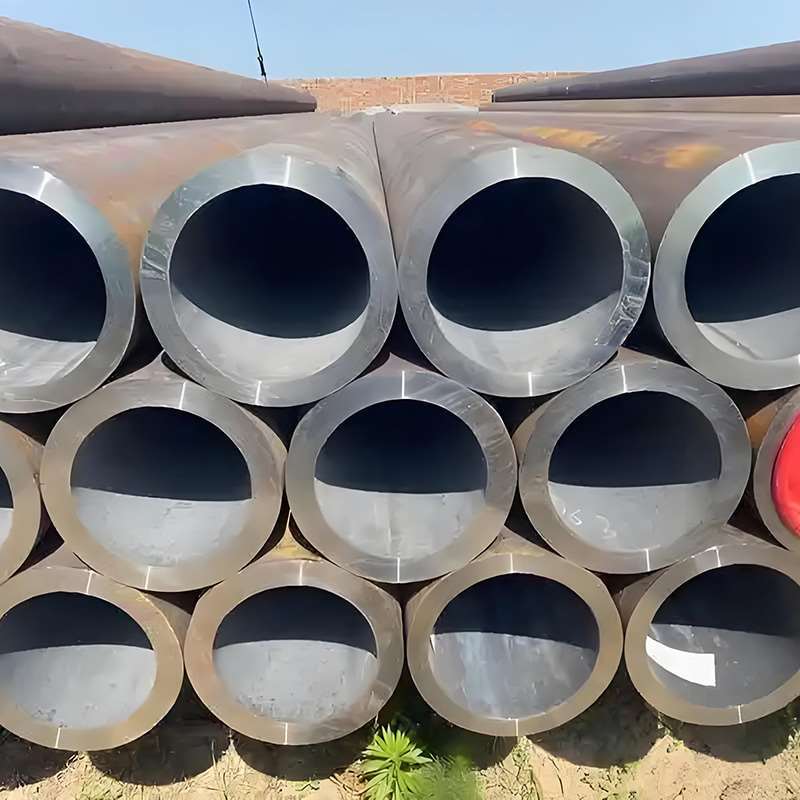
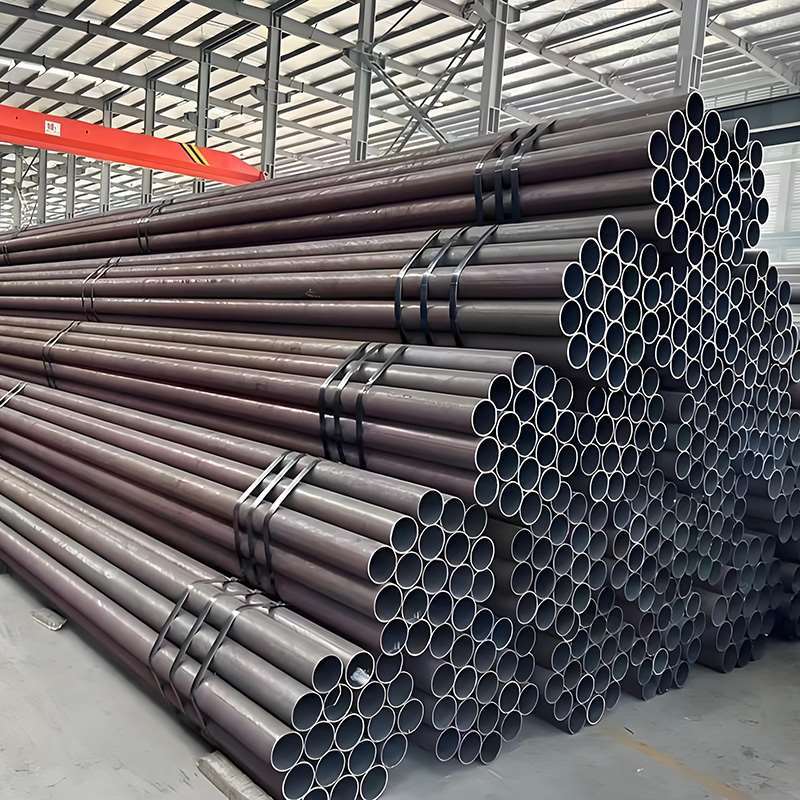
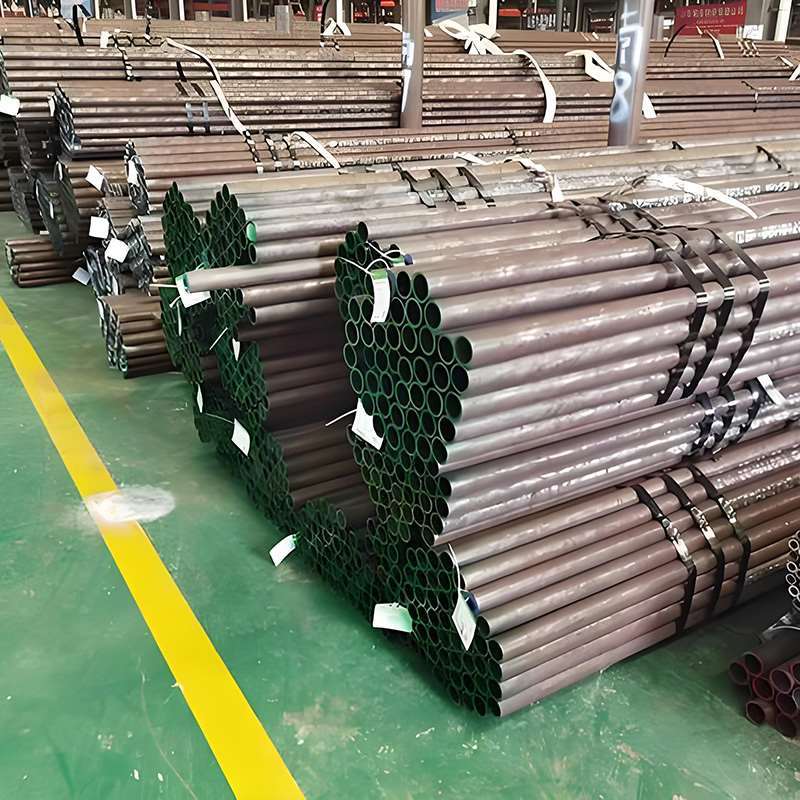
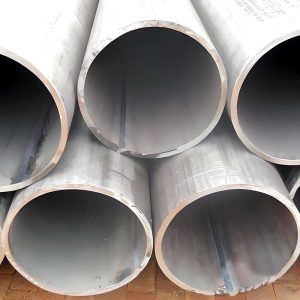
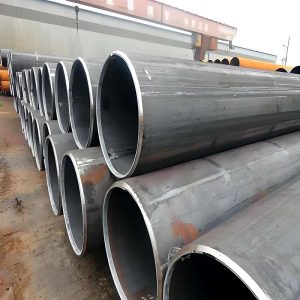
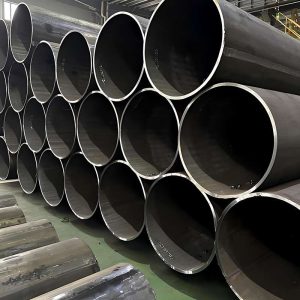
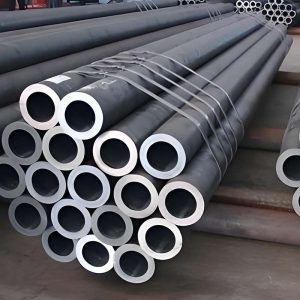
ASTM A106 grade B seamless carbon steel pipe is a type of carbon steel pipe designed for high-temperature and high-pressure environments. It belongs to Class B of the American ASTM standard A106. This pipe uses high-quality carbon steel as the base material and is manufactured through seamless hot rolling or cold drawing processes, featuring high strength, high temperature resistance, and pressure resistance.
Main applications include:
Boiler piping
Oil and natural gas transmission pipelines
High-temperature steam systems
Industrial circulating water and hot water piping
ASTM A106 Grade B seamless pipe is widely used in the petrochemical, heating, and energy industries, and is a reliable choice for ensuring safe pipeline operation.
II. Chemical Composition and Mechanical Properties of ASTM A106 Grade B Seamless Carbon Steel Pipes
i. Chemical Composition (mass fraction %)
| Element | Content Range |
|---|---|
| Carbon (C) | 0.30% (max) |
| Manganese (Mn) | 0.29–1.06% |
| Silicon (Si) | 0.10–0.35% |
| Sulfur (S) | 0.05% (max) |
| Phosphorus (P) | 0.045% (max) |
| Other Elements | Trace impurities allowed by the standard |
ii. Mechanical properties
| Property | Requirement |
|---|---|
| Yield Strength (σy) | ≥ 241 MPa (35 ksi) |
| Tensile Strength (σb) | 415–550 MPa (60–80 ksi) |
| Elongation (A) | ≥ 20% (varies with pipe diameter) |
| Hardness | Not strictly specified, typically ≤ 187 HB |
| Impact Toughness | Not mandatory, generally good at room temperature |
III. Comparison Table of ASTM A106 Seamless Carbon Steel Pipe Grades
| Grade | Carbon Content C (%) | Yield Strength σy (MPa) | Tensile Strength σb (MPa) | Elongation A (%) | Typical Applications |
|---|---|---|---|---|---|
| Grade A | 0.25% (max) | ≥ 205 MPa | 330–480 MPa | ≥ 30% | Low-pressure steam and low-temperature fluid pipelines; good corrosion resistance and weldability |
| Grade B | 0.30% (max) | ≥ 241 MPa | 415–550 MPa | ≥ 20% | High-temperature steam, boilers, petroleum, natural gas, and industrial high-temperature pipelines |
| Grade C | 0.35% (max) | ≥ 276 MPa | 415–550 MPa | ≥ 18% | High-temperature, high-pressure fluid pipelines; strong high-temperature performance, slightly lower weldability |
IV. ASTM A106 Grade B Seamless Carbon Steel Pipe Standard Description
ASTM A106 is a standard for seamless carbon steel pipe developed by the American Society for Testing and Materials (ASTM). It is primarily used for high-temperature service, boilers, steam, oil, and natural gas pipelines. Grade B is the most commonly used grade, balancing strength and weldability.
i. Standard Number and Name
Standard Number: ASTM A106 / A106M
Standard Name: Standard Specification for Seamless Carbon Steel Pipe for High-Temperature Service
Scope of Application: For seamless carbon steel pipes used to transport fluids (steam, oil, natural gas, water, etc.) under high temperature and high pressure conditions.
ii. Main Requirements
| Category | Details |
|---|---|
| Grade | Grade A / B / C (Grade B is the most commonly used) |
| Material Type | Carbon Steel |
| Chemical Composition | C ≤ 0.30%; Mn 0.29–1.06%; Si 0.10–0.35%; P ≤ 0.045%; S ≤ 0.05% |
| Mechanical Properties | Yield Strength σy ≥ 241 MPa; Tensile Strength σb 415–550 MPa; Elongation A ≥ 20% |
| Pipe Type | Seamless Steel Pipe |
| Applicable Temperature | High-temperature service pipelines (steam, hot water, oil & gas above ambient temperature) |
| Dimensional Tolerance | OD and wall thickness tolerance according to ASME B36.10M |
| Inspection Requirements | Dimensional measurement, chemical composition analysis, mechanical testing, optional non-destructive testing (NDT) |
iii. Standard Description
ASTM A106 is a commonly used standard for high-temperature seamless carbon steel pipes in American, Canadian, and international projects.
Grade B balances high-temperature resistance, pressure resistance, and weldability, making it suitable for most boilers, steam, and oil pipelines.
The standard covers chemical composition, mechanical properties, dimensional tolerances, and inspection methods to ensure long-term safe operation of the pipes.
It can be combined with ASME B36.10M pipe diameter and wall thickness standards for design and engineering selection.