Products

Related News

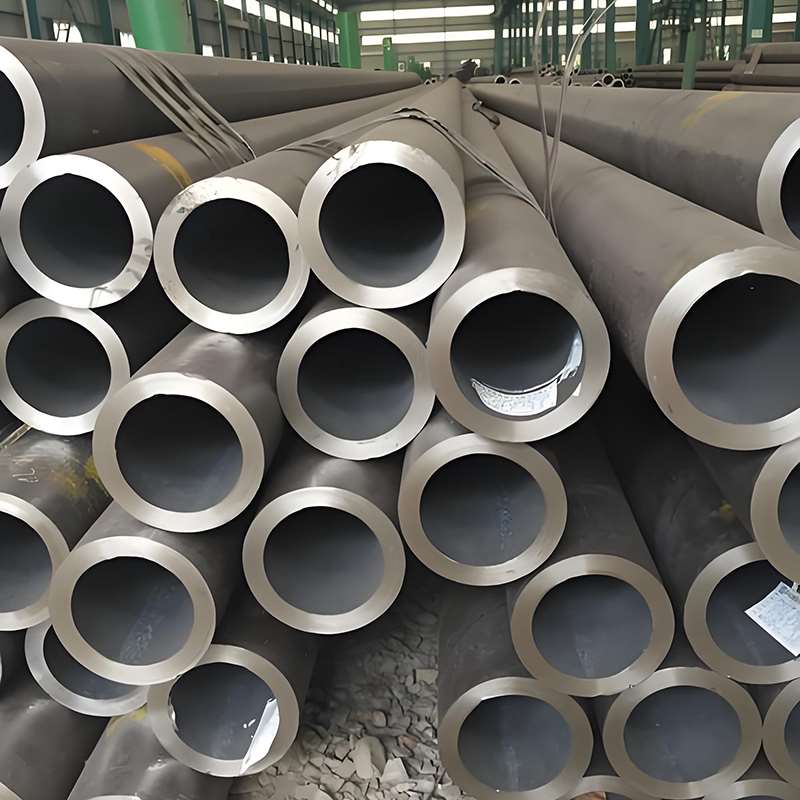
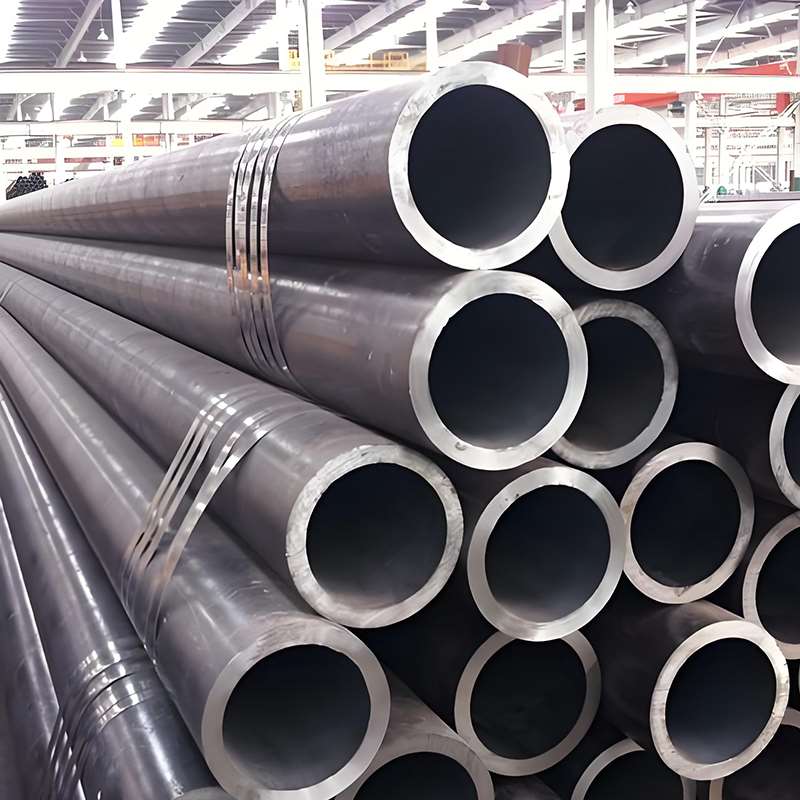
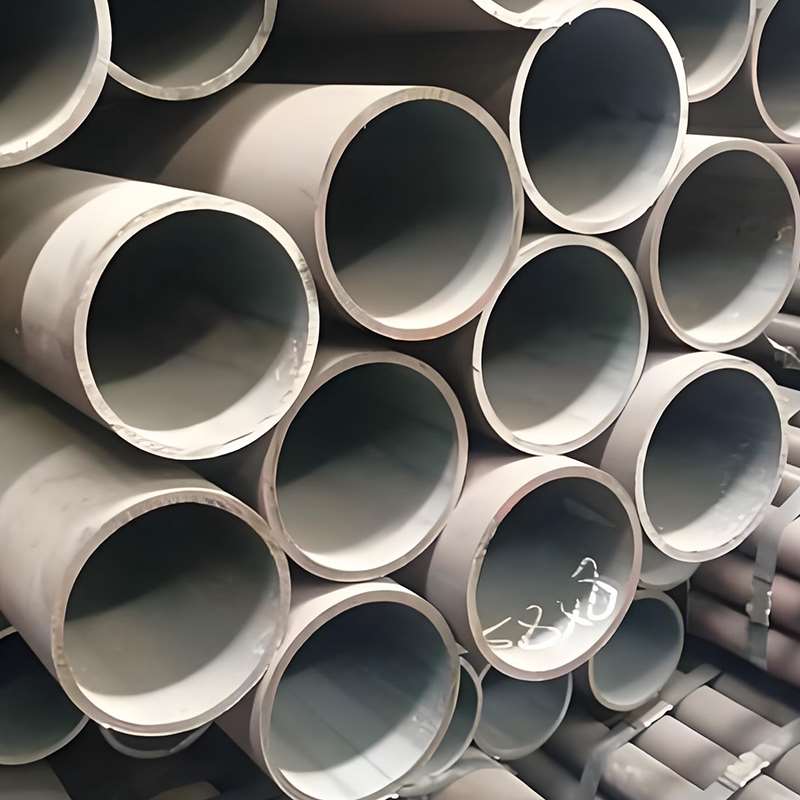
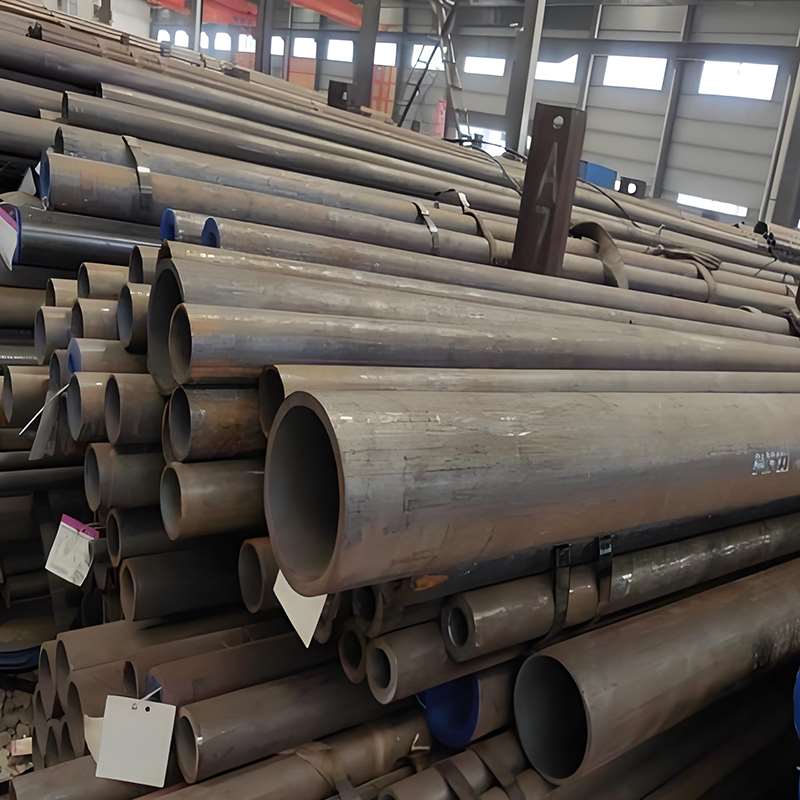
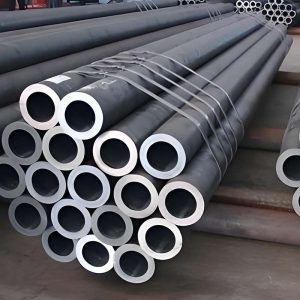
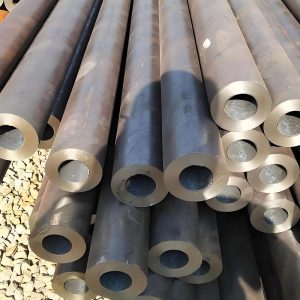
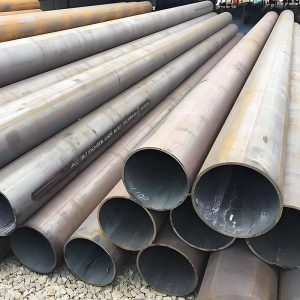
ASME SA106 High-Temperature Seamless Pipe

OD Range :

13.7 mm – 660 mm(NPS 1/2″ – 26″)

WT Range :

2.0 mm – 40 mm (commonly Sch 10–160)

Length :

5.8 m / 6 m;11.8 m / 12 m

Tolerance :

Outer diameter ±1% or ±0.38 mm; wall thickness –12.5%; length: random ±50 mm, fixed length ±10 mm

Material :

SA106 Grade A / B / C (Carbon steel)

Standard :

ASME SA106 / ASTM A106

Surface :

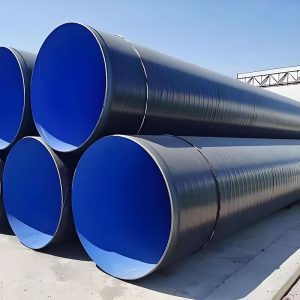
Bare/Black tubing, oiled for rust prevention, hot-dip galvanized, 3PE/FBE heavy-duty anti-corrosion coating.

Application :

High-temperature steam, hot water, oil, and industrial fluid transportation; also used in boiler tubes, heat exchanger tubes, and high-temperature process piping.

I. Introduction to ASME SA106 High-Temperature Seamless Pipe

ASME SA106 high-temperature seamless pipe is a carbon structural steel seamless pipe specifically designed for high-temperature and high-pressure conditions. It is mainly used in boilers, heat exchangers, steam pipelines, and high-temperature fluid transport systems in the chemical industry.

This pipe conforms to the ASME SA106 standard and is classified into Grades A, B, and C. Grades B and C have higher yield strength and creep resistance, enabling long-term stable operation in high-temperature (≤550℃) and medium-high pressure environments.

ASME SA106 pipe is produced using hot-rolled seamless forming or cold-drawn processes. It possesses excellent mechanical properties, weldability, and heat resistance. The weld-free structure reduces the risk of leakage, making it one of the most commonly used steel pipe types in industrial high-temperature piping systems.

II. ASME SA106 High-Temperature Seamless Pipe Grade Classification

GradeYield Strength (MPa)Tensile Strength (MPa)Applicable TemperatureTypical Applications
Grade A≥ 205330–415≤ 425℃Medium-low pressure steam pipes, general industrial circulating water pipes
Grade B≥ 240415–540≤ 450℃Medium-high temperature, high-pressure steam pipes, main pipes for heat exchangers
Grade C≥ 275485–620≤ 550℃High-temperature, high-pressure systems, boiler main steam pipes, high-temperature chemical installations

Analysis:

Grade B is the most commonly used grade, balancing strength and economy;
Grade C has the highest yield strength and is suitable for harsh conditions such as high temperature and high pressure;
Grade A is suitable for systems with lower pressure and moderate temperature.

III. ASME SA106 High Temperature Seamless Pipe Quality Control

i. Quality control focus

Inspection ItemPurposeMethod
High-Temperature Creep PerformanceEnsure long-term deformation resistance under high temperature and high pressureHigh-temperature tensile test / Creep testing machine
Hydrostatic TestVerify pressure-bearing capacity1.5 times the system operating pressure
Non-Destructive Testing (NDT)Detect internal defects and surface cracksUltrasonic Testing (UT) or Eddy Current Testing (ECT)
Dimensional InspectionEnsure standard OD, wall thickness, and lengthVernier caliper, laser diameter gauge
Chemical Composition TestEnsure mechanical propertiesSpectroscopy / Chemical analysis

ii. Analysis of the Influence of Process on Mechanical Properties

Process StepFunction / PurposeEffect on Mechanical Properties
Hot RollingEliminate casting defects, obtain continuous dense structureImprove tensile strength and toughness
Sizing / Mandrel RollingAdjust outside diameter and wall thicknessEnsure dimensional consistency and reduce stress concentration
Heat Treatment (Normalizing / Tempering)Refine grain structure, relieve internal stressEnhance high-temperature creep strength and extend service life
Non-Destructive Testing (NDT)Detect and eliminate defectsPrevent premature fracture or leakage
Hydrostatic TestVerify pressure-bearing capacityEnsure safe pressure margin

IV. Application Scenarios Analysis of ASME SA106 High-Temperature Seamless Pipes

(1) Boiler Steam Piping System

Application Description: Boiler steam piping is used to transport steam generated by the boiler to heating, drive, or process systems.
Temperature Range: 200–550℃
Operating Pressure: 1.6–6.4 MPa (adjustable according to pipe diameter and wall thickness)
Selection Logic:
Conventional Boiler System → Grade B
High-Temperature High-Pressure Boiler System → Grade C
Seamless pipes must be selected to avoid stress concentration in welds and improve long-term high-temperature creep resistance.

(2) Main and Branch Pipes of Heat Exchangers

Application Description: Pipes inside and outside heat exchangers carry hot water, steam, or chemical heat media.
Temperature Range: 300–520℃
Operating Pressure: 1.0–5.0 MPa
Selection Logic:
High-Temperature, Long-Term Operation → Prioritize Grade B or Grade C
Ensure the pipes have undergone normalizing/tempering heat treatment to improve creep resistance
Corrosion protection measures (such as FBE coating or lining) are required to prevent media corrosion.

(3) Petrochemical and Chemical High-Temperature Process Piping

Application Description: Carries high-temperature chemical media, steam, or heated oil, requiring high strength and good corrosion resistance.
Temperature Range: 250–550℃
Operating Pressure: 1.6–6.0 MPa
Selection Logic:
Highly corrosive media → Requires anti-corrosion coating or alloy lining
High-temperature and high-pressure systems → Grade C preferred
Seamless pipes are used to ensure creep resistance and long-term safety.

(4) High-Temperature Piping in Power Plants and Heating Systems

Application Description: Transports high-temperature hot water and steam to heat exchangers or building heating networks.
Temperature Range: 200–450℃
Operating Pressure: 1.0–4.0 MPa
Selection Logic:
Long-term operation in the system → Grade B is sufficient
If there are localized high-temperature and high-pressure sections → Grade C is preferred
Seamless pipes are preferred to reduce thermal expansion and weld stress issues.

(5) High-Temperature Steam Power System

Application Notes: Main and branch pipes of steam turbines and high-temperature steam turbine generator sets.
Temperature Range: 450–550℃
Working Pressure: 3.0–6.4 MPa
Selection Logic:
Grade C seamless steel pipes must be selected.
Pipe materials must undergo rigorous hydrostatic testing and creep performance testing.
Pipe diameter and wall thickness are calculated according to ASME B31.1/B31.3 standards.
Related Products

NPS / Nominal Size Outside Diameter OD (mm) Wall Thickness WT (mm) Standard Length (m) Weight (kg/m, approx.)
1/2″ (DN15) 21.3 2.77 – 3.91 5.8 / 6 2.0 – 2.8
3/4″ (DN20) 26.7 2.87 – 4.55 5.8 / 6 2.9 – 4.2
1″ (DN25) 33.4 3.38 – 4.78 5.8 / 6 4.1 – 5.8
1-1/4″ (DN32) 42.2 3.56 – 5.54 5.8 / 6 5.5 – 8.5
1-1/2″ (DN40) 48.3 3.68 – 5.54 5.8 / 6 6.5 – 9.5
2″ (DN50) 60.3 3.91 – 6.02 5.8 / 6 8.2 – 12.3
2-1/2″ (DN65) 73.0 4.19 – 6.55 5.8 / 6 10.8 – 15.6
3″ (DN80) 88.9 4.55 – 7.11 5.8 / 6 14.5 – 20.5
4″ (DN100) 114.3 4.78 – 8.18 5.8 / 6 19.5 – 31.0
5″ (DN125) 141.3 5.54 – 9.27 5.8 / 6 29.5 – 45.0
6″ (DN150) 168.3 5.54 – 9.53 5.8 / 6 36.5 – 54.5
8″ (DN200) 219.1 6.35 – 12.7 5.8 / 6 55.0 – 88.0
10″ (DN250) 273.0 7.11 – 15.09 5.8 / 6 82.0 – 128.0
12″ (DN300) 323.9 7.92 – 16.0 5.8 / 6 110.0 – 165.0
14″ (DN350) 355.6 8.18 – 17.5 5.8 / 6 140.0 – 200.0
16″ (DN400) 406.4 9.53 – 19.05 5.8 / 6 180.0 – 260.0
18″ (DN450) 457.0 9.53 – 20.63 5.8 / 6 220.0 – 320.0
20″ (DN500) 508.0 10.97 – 22.23 5.8 / 6 270.0 – 400.0
24″ (DN600) 610.0 12.70 – 25.40 5.8 / 6 380.0 – 560.0


ASME SA106 High Temperature Seamless Steel Pipe Standard Requirements and Parameters

Item Requirement / Parameters
Standard ASME SA106 / ASTM A106
Scope High-temperature seamless carbon steel pipe for steam, hot water, oil, and industrial fluid transport
Pipe Type Seamless
Material Grades Grade A / B / C
Applicable Temperature Grade A ≤ 425℃Grade B ≤ 450℃Grade C ≤ 550℃
Chemical Composition (Grade B) C ≤ 0.30%, Mn 0.29–1.20%, P ≤ 0.035%, S ≤ 0.035%, Cu/Ni/Cr/Mo/V ≤ 0.40% (each element max)
Mechanical Properties Grade A: YS ≥ 205 MPa, TS 330–415 MPaGrade B: YS ≥ 240 MPa, TS 415–540 MPaGrade C: YS ≥ 275 MPa, TS 485–620 MPaElongation as per ASTM formula
Dimensions & Tolerances OD: ±1% or ±0.38 mmWT: –12.5%Length: Random ±50 mm; Cut-to-length ±10 mm
Standard Sizes NPS 1/2″ – 24″ (OD 13.7 – 610 mm)
Standard Lengths 5.8 / 6 m fixed length; optional 11.8 / 12 m; or custom cut-to-length
Surface Treatment Black / Bare, Oiled, Hot-dip Galvanized, 3PE / FBE coating
Testing & Inspection High-temperature creep test, hydrostatic test, ultrasonic / eddy current NDT, dimensional inspection, chemical composition check
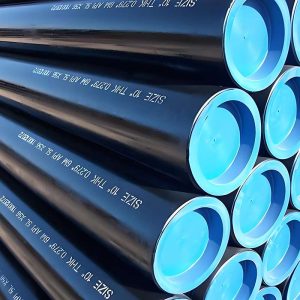
Marking Clear marking of pipe size, wall thickness, material grade, length, and batch number
Typical Applications Boiler main steam pipes, high-temperature and high-pressure steam pipes, heat exchanger main lines, high-temperature chemical pipelines, industrial circulating hot water pipes


Steel billet → Heating → Hot rolling → Sizing (rolling or extrusion) → Heat treatment (normalizing/tempering) → Dimensional inspection → Non-destructive testing (ultrasonic/eddy current) → Hydrostatic testing → Packaging and shipping

Process Description:

Bill Preparation: Select carbon steel billets that meet the chemical composition requirements.

Hot Rolling: Heate at high temperature and continuously roll into tube blanks.

Sizing: Adjust the pipe diameter and wall thickness to meet standard dimensional requirements.

Heat Treatment: Normalizing or tempering optimizes the microstructure and improves high-temperature strength and toughness.

Dimensional Inspection: Measure the outer diameter, wall thickness, and length to ensure compliance with ASME SA106 standards.

Non-destructive Testing: Ultrasonic or eddy current testing eliminates internal defects and cracks.

Hydrostatic Testing: Verify the pipe’s pressure resistance and sealing performance.

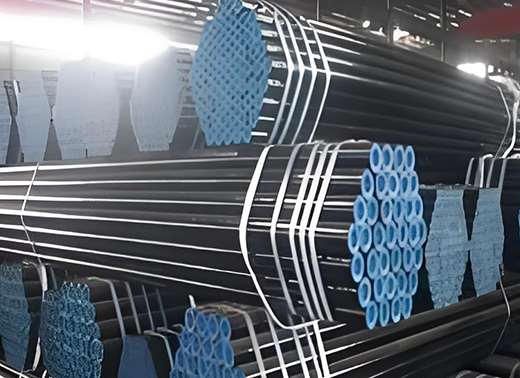
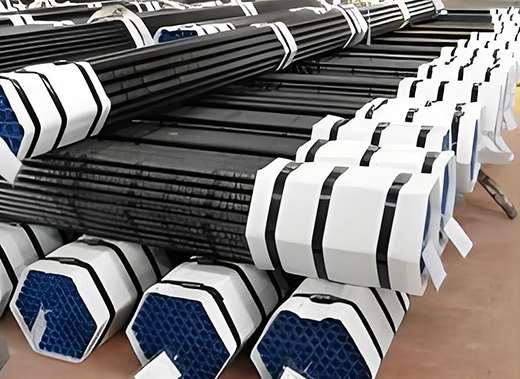
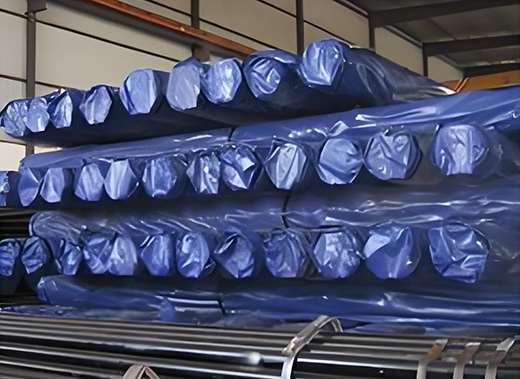
Packaging and Shipping: Apply anti-rust oil, secure with wooden pallets or heat-shrink film, ready for shipment.

Inspection Item Purpose Method / Standard Specific Requirements / Parameters
Chemical Composition Test Ensure mechanical and high-temperature performance Optical Emission Spectroscopy (OES) / Chemical analysis Grade B: C ≤ 0.30%, Mn 0.29–1.20%, P ≤ 0.035%, S ≤ 0.035%, Cu/Ni/Cr/Mo/V ≤ 0.40% (each element max)
Mechanical Properties Test Verify yield strength, tensile strength, and elongation Tensile Test according to ASTM A106 Grade A: YS ≥ 205 MPa, TS 330–415 MPa; Grade B: YS ≥ 240 MPa, TS 415–540 MPa; Grade C: YS ≥ 275 MPa, TS 485–620 MPa; Elongation per ASTM formula
Dimensional Inspection Ensure OD, wall thickness, and length meet standards Vernier caliper, laser diameter gauge OD: ±1% or ±0.38 mm; WT: –12.5%; Length: Random ±50 mm, Cut-to-length ±10 mm
Hydrostatic Test Verify pressure-bearing capacity Pressure testing machine 1.5× system operating pressure; no leakage or plastic deformation
High-Temperature Creep Test Ensure long-term stability under high temperature and pressure High-temperature tensile / creep testing machine Grade A ≤ 425℃, Grade B ≤ 450℃, Grade C ≤ 550℃; Creep deformation ≤ allowable value
Non-Destructive Testing (NDT) Detect internal defects and surface cracks Ultrasonic Testing (UT) or Eddy Current Testing (ECT) No cracks, porosity, inclusions, or incomplete fusion defects
Surface Inspection Check surface quality Visual inspection Surface free of severe mill scale, cracks, scratches, dents, or peeling
Marking & Packaging Check Ensure clear identification for traceability Visual inspection Clear marking of pipe size, material grade, length, batch number; secure and reliable packaging


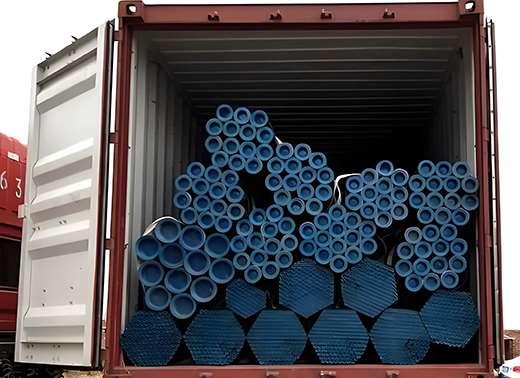
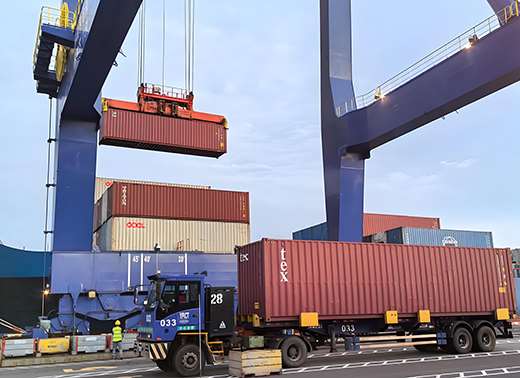
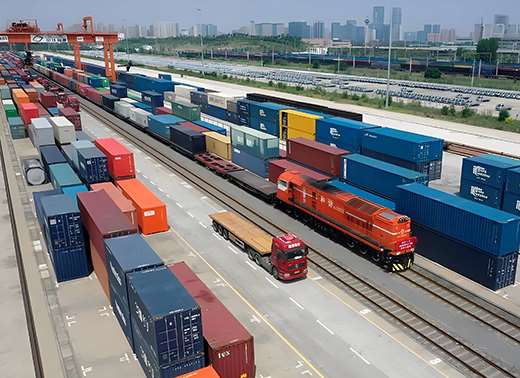
    Seamless Carbon Steel Pipe Sea Freight


i. What are the differences between ASME SA106 Grade A/B/C, and how should one choose?

Answer:
Grade A: Suitable for medium-low temperature and low-pressure systems, yield strength ≥205 MPa.
Grade B: Most commonly used, suitable for medium-high temperature and medium-high pressure conditions, yield strength ≥240 MPa.
Grade C: Preferred for high-temperature and high-pressure systems, yield strength ≥275 MPa.
Selection Logic: The higher the operating temperature or pressure, the higher the grade (B or C) should be selected to ensure the creep and strength safety of the pipe during long-term operation.

ii. What are the advantages of seamless pipes versus welded pipes in high-temperature and high-pressure applications?

Answer: Seamless pipes have no weld defects, avoiding stress concentration and offering better pressure resistance and creep resistance.
Welded pipes are prone to weld cracks or leakage risks under high temperature and high pressure.
Conclusion: Seamless pipes should be preferred for critical systems such as boilers, heat exchangers, and steam pipelines.

iii. What are the maximum temperatures and pressures that ASME SA106 pipes can withstand?

Answer:
Grade A: ≤425℃, Pressure ≤4 MPa
Grade B: ≤450℃, Pressure ≤6 MPa
Grade C: ≤550℃, Pressure ≤6.4 MPa
Note: For specific selection, please refer to ASME B31.1/B31.3 for design pressure and wall thickness calculations.

iv. What performance characteristics should be considered for pipes used at long-term high temperatures?

Answer: High-temperature creep performance: Pipes subjected to long-term fluid pressure at high temperatures may undergo plastic deformation; Grade B/C should be selected.
Tensile and yield strength: Ensure the pipeline does not fail under thermal expansion and internal pressure.
Corrosion resistance: High-temperature steam or chemical media may accelerate corrosion; anti-corrosion coatings or linings are required.

v. What are the quality control measures for ASME SA106 pipes before they leave the factory?

Answer: Dimensional inspection: Outer diameter, wall thickness, and length must conform to standards.
Non-destructive testing (UT/ECT): Eliminate internal defects.
Hydraulic pressure test: Verify the pipe’s pressure-bearing capacity.
High-temperature creep and tensile performance testing: Ensure reliability for long-term high-temperature use.

vi. How to select wall thickness and schedule in high-temperature and high-pressure systems?

Answer: Refer to the ASME B36.10 wall thickness table based on the system’s working pressure and temperature. Common logic: Medium temperature and medium pressure → SCH 40 High pressure or long-distance transmission → SCH 80 or SCH 160 Safety margin recommendation: consider a water pressure test at 1.5 times the working pressure.