Products

Related News

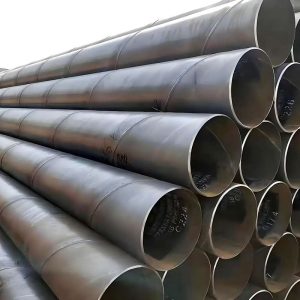
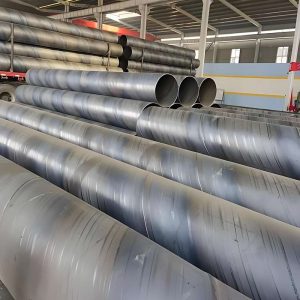
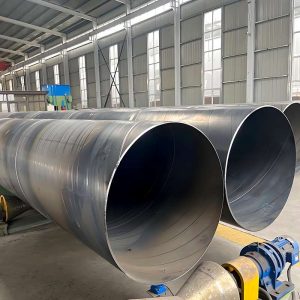
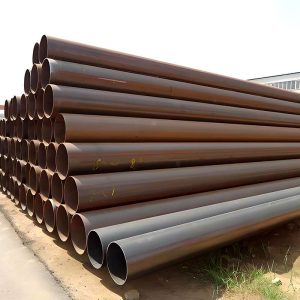
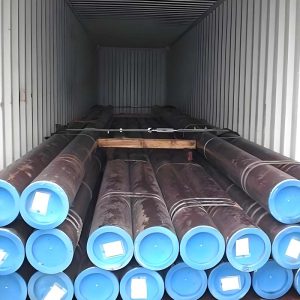
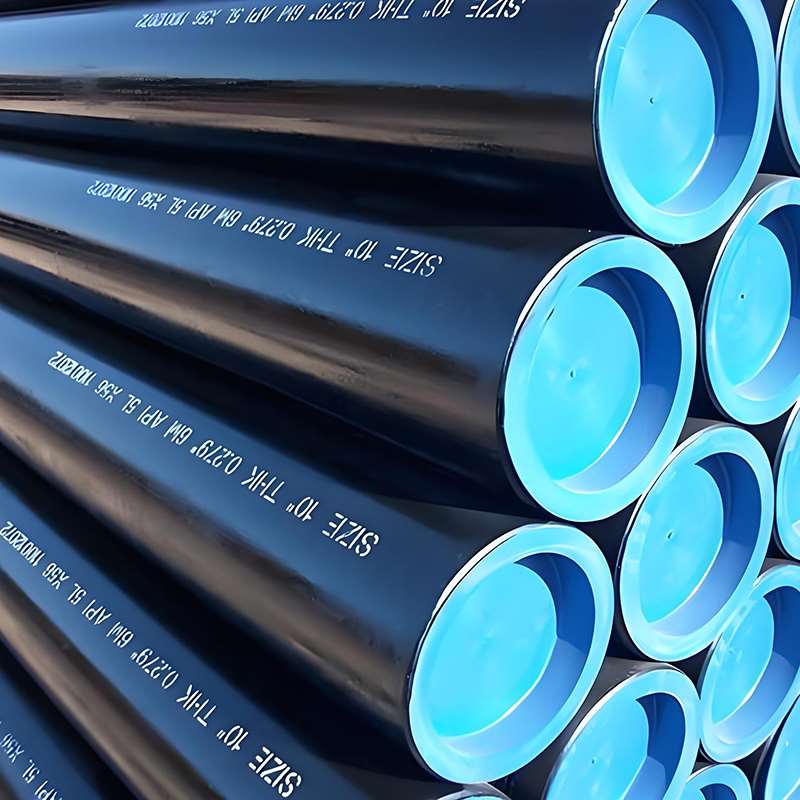
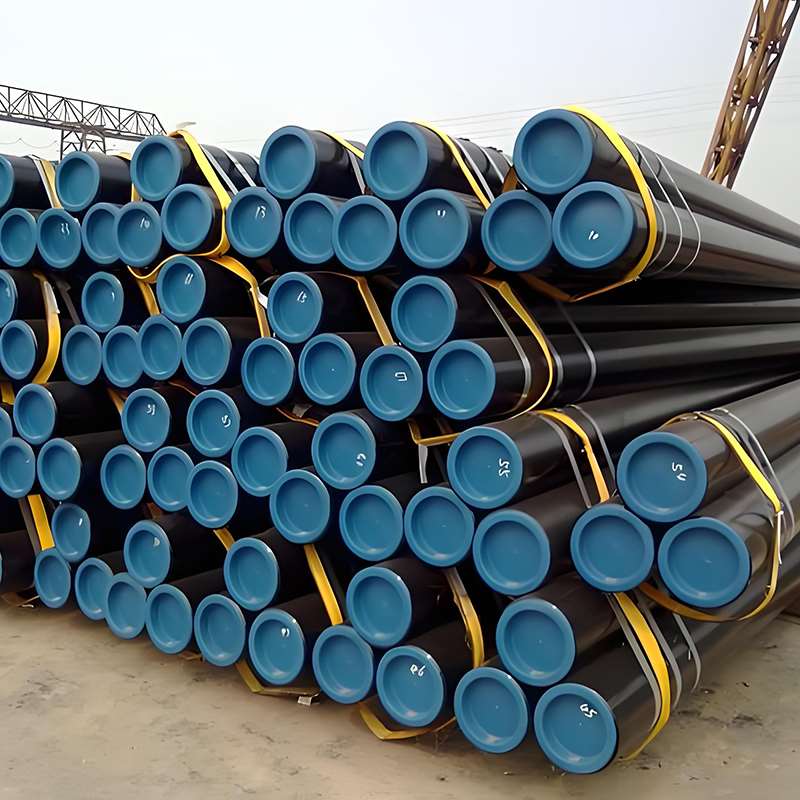
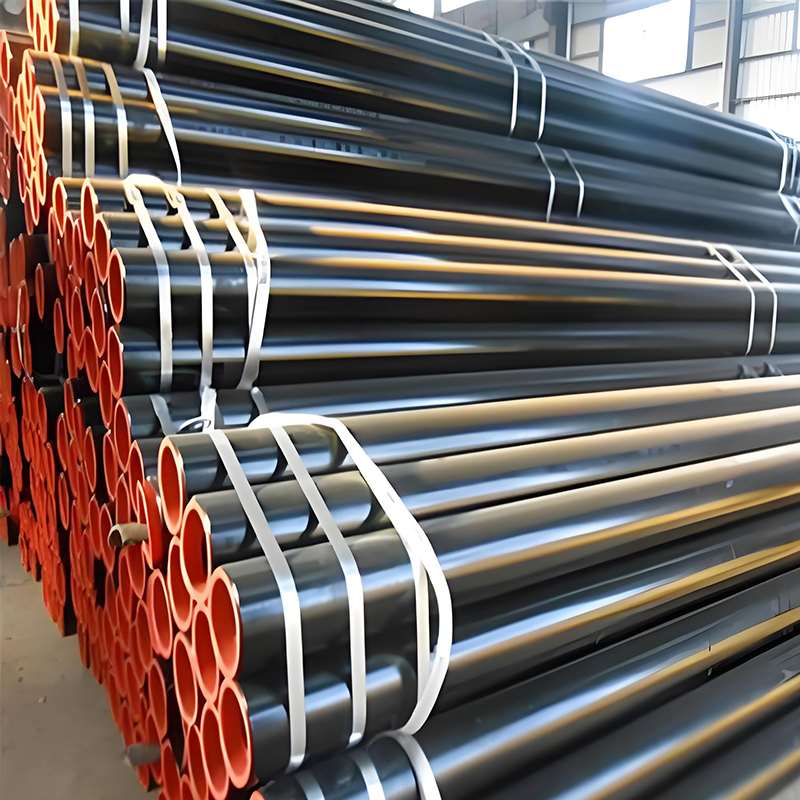
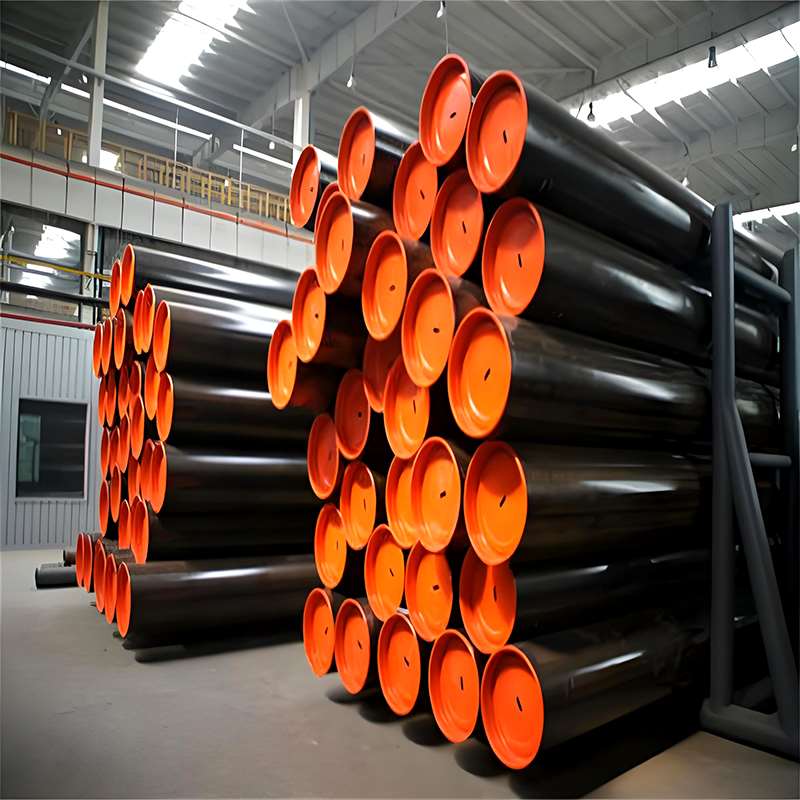
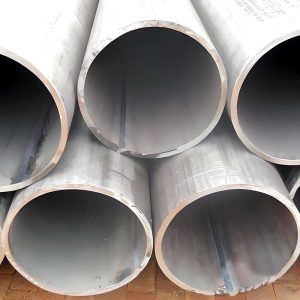
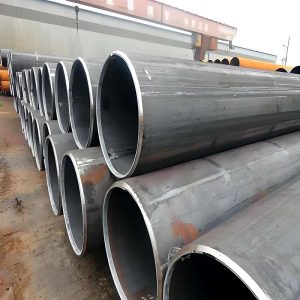
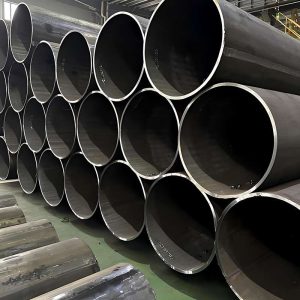
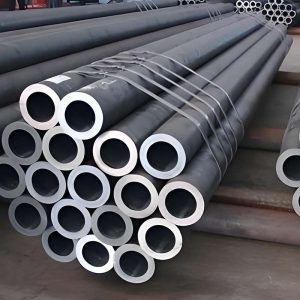
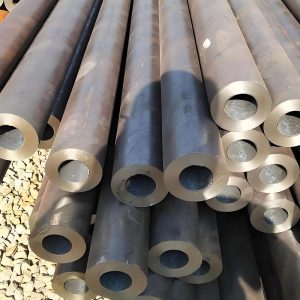
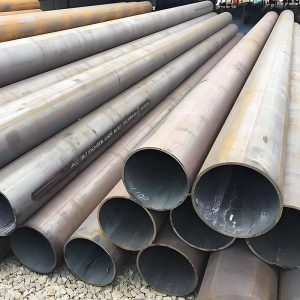
API 5L LSAW Line Pipe

OD Range :

406 mm – 1626 mm

WT Range :

6.4 mm – 40 mm

Length :

6 m / 12 m

Tolerance :

Outer diameter ±0.5%, wall thickness ±10%, length ±50 mm, straightness ≤0.2% × pipe length

Material :

Gr.B、X42、X46、X52、X56、X60、X65、X70

Standard :

API 5L PSL1 / PSL2、GB/T 9711、ISO 3183

Surface :

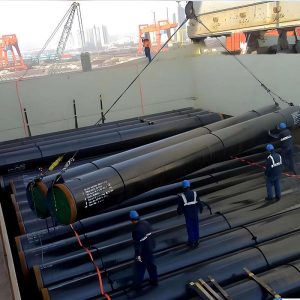
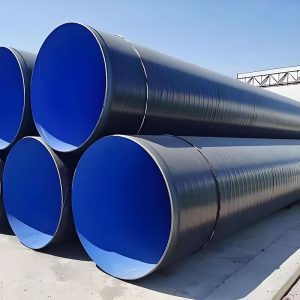
Sandblasting, shot blasting, black paint, anti-rust oil; optional 3PE / FBE / 2PE / 3PP anti-corrosion coating.

Application :

Oil and gas long-distance pipelines, offshore oil and gas platforms, urban gas distribution systems, industrial water supply and chemical pipelines.

I. Overview of API 5L LSAW Welded Line Pipe

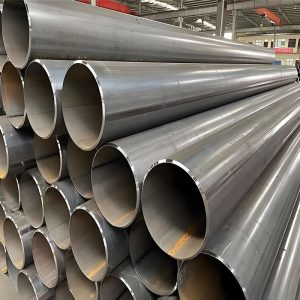
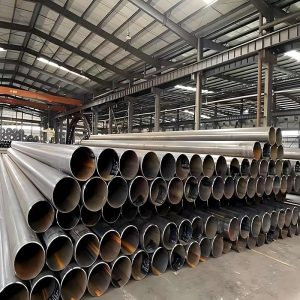
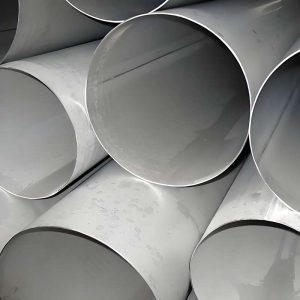
API 5L LSAW Line Pipe is a longitudinally submerged arc welded steel pipe conforming to API 5L standard (PSL1/PSL2), primarily used in oil, natural gas, and industrial pipeline projects.

Main Features

  1. Large Diameter, Thick-Walled Pipe
    Outer diameter typically ranges from 406 mm to 1626 mm
    Wall thickness from 6.4 mm to 40 mm, meeting high-pressure pipeline requirements
  2. Longitudinal Submerged Arc Welding Process
    Steel plates are rolled longitudinally into pipe blanks before welding
    The weld seam runs along the pipe axis, resulting in high weld strength and toughness
    Both internal and external welds can be fully inspected, ensuring safety and reliability
  3. High Pressure Bearing Capacity
    Suitable for medium and high-pressure and long-distance oil and gas transmission pipelines
    Available steel grades X42 – X70 (PSL2), meeting the needs of high-grade engineering projects
  4. Various Anti-corrosion and Surface Treatment Methods
    Sandblasting, shot blasting, black paint, anti-rust oil
    Optional coatings such as 3PE, FBE, 2PE, 3PP, suitable for buried or offshore pipelines
  5. Flexible Pipe End Forms
    Beveled ends: for welding construction
    Plain ends/flanged ends: suitable for bolted connections or matching pipe fittings

Main Applications

  • Long-distance oil and gas pipelines
  • Offshore oil and gas platform pipelines
  • Urban gas and industrial water pipelines
  • Chemical, metallurgical, and large-scale industrial pipelines

II. API 5L LSAW Pipeline Pipe Standard Grade Comparison Table

i. Product Specification Level (PSL)

ItemPSL1PSL2
Standard LevelBasic / General UseHigh Grade / Engineering Use
Applicable Pipe TypeLSAW / ERW / SSAWMainly LSAW
Chemical Composition ControlRelatively relaxedStricter (lower limits for C, P, S)
Mechanical Property RequirementsBasic requirementsHigher and more stable
Impact Test (Charpy)Not mandatoryMandatory
Non-Destructive Testing (UT / RT)Optional or partialFull inspection mandatory
Dimensional & Weight TolerancesStandard tolerancesStricter tolerance control
Quality DocumentationBasic QA documentsComplete MTC / test reports
Typical ApplicationsLow-pressure pipelines, water pipelinesLong-distance oil & gas, high-pressure pipelines
Engineering Usage ProportionLess commonMainstream choice for international projects

ii. Steel Grade (Grade / X-grade)

Steel GradeMinimum Yield Strength (MPa)Strength LevelTypical Applications
X42≥ 290Low StrengthGeneral transportation, low-pressure pipelines
X46≥ 320Medium-Low StrengthStandard oil and gas pipelines
X52≥ 360Common GradeOil, gas, and water transmission pipelines
X56≥ 390Medium-High StrengthCity gas main pipelines
X60≥ 415High StrengthLong-distance transmission pipelines
X65≥ 450High GradeHigh-pressure main oil and gas pipelines
X70≥ 485Ultra High StrengthLarge-diameter long-distance projects

Common steel grades for LSAW pipeline pipes: X52 / X60 / X65 / X70

iii. Common combinations of PSL and steel grades

API 5L MarkingPipe Grade ClassificationTypical Applications
API 5L PSL1 X52 LSAWStandard GradeGeneral transportation projects
API 5L PSL2 X52 LSAWEngineering GradeMedium-pressure oil & gas pipelines
API 5L PSL2 X60 LSAWMainstream ConfigurationLong-distance oil & gas transmission
API 5L PSL2 X65 LSAWHigh-End ConfigurationHigh-pressure main pipelines
API 5L PSL2 X70 LSAWUltra-High GradeLarge-diameter long-distance projects

III. Chemical Composition and Mechanical Properties of API 5L LSAW Line Pipe

i. Chemical Composition Comparison Table (PSL2)

Steel gradeC ≤Mn ≤P ≤S ≤Si ≤Nb ≤V ≤Ti ≤
X420.221.400.0250.0150.450.050.050.04
X460.221.400.0250.0150.450.050.050.04
X520.221.400.0250.0150.450.050.050.04
X560.221.400.0250.0150.450.050.050.04
X600.221.400.0250.0150.450.050.050.04
X650.181.400.0250.0150.450.050.050.04
X700.181.700.0250.0150.450.050.050.04

ii. Mechanical Properties Comparison Table (PSL2)

Steel GradeMinimum Yield Strength (MPa)Tensile Strength (MPa)Elongation ≥Impact Toughness Requirement
X42≥ 290415 – 56521%≥ 27 J
X46≥ 320435 – 56521%≥ 27 J
X52≥ 360460 – 56521%≥ 27 J
X56≥ 390490 – 63519%≥ 27 J
X60≥ 415520 – 76018%≥ 27 J
X65≥ 450535 – 76018%≥ 27 J
X70≥ 485570 – 76017%≥ 27 J

IV. PSL1 vs. PSL2 Customer Quick Selection Table

Comparison DimensionPSL1PSL2How Customers Can Quickly Choose
Standard LevelStandard / General GradeEngineering / High GradeFor international projects, choose PSL2 directly
Common Pipe TypesERW / SSAW / LSAWMainly LSAWLarge-diameter pipes generally favor PSL2
Design PressureLow–MediumMedium–HighHigher pressure → PSL2
Conveyed MediumWater, general fluidsOil, gas, hazardous mediaOil & gas pipelines → PSL2
Chemical Composition ControlStandardStricter (lower C / P / S)Safety-critical applications → PSL2
Mechanical Property StabilityGeneralMore stable and controllableLong-term operation → PSL2
Impact Toughness (Charpy)Not requiredMandatoryLow-temperature / cold regions → PSL2
Non-Destructive TestingSpot check or not mandatoryUT / RT mandatoryTender or project requirement → PSL2
Quality DocumentationBasic QA documentsComplete MTC + test reportsThird-party inspection required → PSL2
Project Risk LevelLowMedium–HighHigher project risk → PSL2
CostLowerSlightly higherCost-sensitive, low-risk → PSL1

V.API 5L LSAW Pipeline Corrosion Protection Scheme

i. How to choose corrosion protection under different operating environments?

(1) Ordinary Buried Environment (Urban areas, general soil)

Typical working conditions:
Soil corrosivity is moderate
Groundwater conditions are not complex
Transported medium is natural gas or ordinary petroleum products

Suitable corrosion protection approach:
Requires stable adhesion
Must be able to isolate moisture and oxygen for a long time
Easy for construction and maintenance

Recommended solution:
Single-layer FBE (Fusion Bonded Epoxy)
or 2PE coating

Why this choice?
FBE has strong adhesion to the steel pipe surface, and construction quality is easy to control, sufficient to cope with ordinary buried environments;
If a longer service life is desired, 2PE is a cost-effective upgrade option.

(2) Highly Corrosive Buried Environments (Saline-alkali soil, humid areas, chemical industrial zones)

Typical Working Conditions:
High soil salinity
Abundant groundwater
Risk of stray current or microbial corrosion

Suitable Corrosion Protection Approach:
The anti-corrosion layer must be thick.
It must have strong adhesion and excellent barrier properties.
It must have strong mechanical protection capabilities.

Recommended Solution:
3PE Anti-corrosion Coating (FBE + Adhesive + PE)

Why is 3PE the mainstream solution?
Inner layer FBE: Responsible for adhesion and chemical corrosion protection
Middle adhesive layer: Ensures structural stability
Outer PE layer: Waterproof and protects against mechanical damage
This is also the most commonly used anti-corrosion solution for API 5L LSAW long-distance oil and gas pipelines.

(3) High-Temperature Operating Pipelines (High-temperature oil and gas, heat transfer media)

Typical operating conditions:
Long-term operation at high temperatures
Ordinary PE is prone to aging at high temperatures

Suitable corrosion protection approach:
The anti-corrosion material must be high-temperature resistant and not soften.
The anti-corrosion performance should remain stable with temperature changes.

Recommended solution:
3PP anti-corrosion coating

Why not use 3PE?
PE’s performance deteriorates at high temperatures, while PP is more stable in terms of heat resistance.
Therefore, 3PP is safer and more reliable for high-temperature oil and gas transportation.

(4) Subsea or Underwater Pipelines (Rivers, Oceans)

Typical Working Conditions:
Long-term immersion in water
Subject to water flow erosion
Buoyancy issues exist

Suitable Corrosion Protection Approach:
Corrosion protection is only the basic requirement
Erosion resistance and anti-buoyancy must also be considered

Recommended Solution:
External corrosion protection (3PE or FBE) + concrete weighting layer

Why add concrete?
To prevent the pipeline from floating
To resist water flow and surge impact
To protect the corrosion protection layer from damage

(5) Overhead or above-ground pipelines

Typical working conditions:
Main corrosion sources: air, rainwater, ultraviolet radiation
No soil corrosion pressure

Suitable corrosion protection approach:
Emphasis on protection against atmospheric corrosion
Easy maintenance

Recommended solutions:
Epoxy paint / polyurethane paint system
Or anti-rust primer + topcoat

ii. When is internal corrosion protection “mandatory”?

Not all pipelines require internal corrosion protection, but it is strongly recommended in the following situations:

  • Transporting crude oil containing water
  • Transporting corrosive media
  • Pipeline design life ≥ 20 years
  • When there are requirements for the cleanliness of the transported medium.
Related Products

API 5L LSAW Pipeline Pipe Specifications and Dimensions Table

1. Outer Diameter (OD) and Wall Thickness (WT) Specifications
Unit: mm
Applicable to API 5L PSL1 / PSL2, Steel Grades X42–X70

Nominal Outside Diameter OD (mm / inch) Common Wall Thickness Range WT (mm) Typical Application
406 (16″) 6.4 – 14.2 Small to medium transmission pipelines
457 (18″) 6.4 – 16.0 City gas / water pipelines
508 (20″) 6.4 – 17.5 Oil & gas branch lines
559 (22″) 6.4 – 19.1 Buried transportation pipelines
610 (24″) 7.1 – 22.2 Common oil & gas pipe diameters
660 (26″) 7.1 – 25.4 Long-distance transmission pipelines
711 (28″) 7.1 – 25.4 Main trunk pipelines
762 (30″) 7.9 – 25.4 High-flow transmission pipelines
813 (32″) 7.9 – 30.0 Long-distance oil & gas pipelines
864 (34″) 7.9 – 30.0 Large-diameter pipelines
914 (36″) 8.0 – 32.0 Main oil & gas trunk lines
965 (38″) 8.0 – 32.0 High-pressure transmission
1016 (40″) 8.0 – 35.0 LSAW mainstream sizes
1067 (42″) 9.0 – 35.0 Long-distance projects
1118 (44″) 9.0 – 35.0 Main trunk pipelines
1168 (46″) 9.0 – 40.0 High-grade projects
1219 (48″) 9.5 – 40.0 Common for international projects
1320 (52″) 10.0 – 40.0 Extra-large diameter pipelines
1422 (56″) 10.0 – 45.0 Mega-scale projects
1524 (60″) 10.0 – 45.0 Customized engineering pipelines
1626 (64″) 12.0 – 50.0 Special long-distance projects

Explanation:
Wall thickness selection is strongly correlated with design pressure and steel grade (X60 / X65 / X70).
Large diameter + high pressure → typically requires thick walls + high steel grade.

2. Length specifications

Item Specification
Standard Length 6 m / 12 m
Random Length 6–12 m
Cut-to-Length As per customer request (common tolerance ±50 mm)

3. Dimensional tolerances

Item Tolerance Requirement
Outside Diameter ±0.5% or according to API 5L
Wall Thickness −10% / +15% (stricter for PSL2)
Length −0 / +50 mm (cut-to-length)
Ovality ≤ API 5L specified limit


1. Standard Introduction:
API 5L is a pipeline steel pipe standard developed by the American Petroleum Institute (API), widely used in oil, natural gas, and water transportation pipeline systems.
LSAW (Longitudinal Submerged Arc Welding) pipes are manufactured by rolling steel plates into shape and welding the longitudinal seam using submerged arc welding. They are suitable for large-diameter, high-pressure, and long-distance pipeline projects, offering stable weld quality and strong pressure resistance.

2. PSL1 vs. PSL2 Grade Comparison:

Item PSL1 PSL2 Description
Engineering Application General pipelines High-demand / critical pipelines PSL2 is used for long-distance oil & gas or high-pressure pipelines
Chemical Composition Basic requirements Strict Ensures weldability and pipe strength
Mechanical Properties Basic requirements High requirements Higher yield strength and tensile strength
Impact Test Optional Mandatory PSL2 steel has better toughness at low temperatures
Non-Destructive Testing Spot check Full inspection Full weld inspection to ensure safety

3. Table of commonly used steel grades and parameters

Item PSL1 PSL2 Description
Engineering Application General pipelines High-demand / critical pipelines PSL2 is used for long-distance oil & gas or high-pressure pipelines
Chemical Composition Basic requirements Strict Ensures weldability and pipe strength
Mechanical Properties Basic requirements High requirements Higher yield strength and tensile strength
Impact Test Optional Mandatory PSL2 steel has better low-temperature toughness
Non-Destructive Testing Spot check Full inspection Full weld inspection to ensure safety

4. Parameters and testing requirements

Item Key Requirements
Outside Diameter & Wall Thickness OD ±1–2%, Wall Thickness ±10%
Length Standard 12 m / 18 m, customizable
Chemical Composition C, Mn, S, P, Si; PSL2 carbon equivalent ≤ 0.42
Mechanical Properties Yield strength, tensile strength, elongation; PSL2 impact test 27 J @ -10°C
Weld & Inspection LSAW longitudinal seam weld, full UT/RT inspection; no surface cracks or defects
Testing Hydrostatic test, tensile test, impact test (PSL2)


Steel plate preparation → Preheating and forming → Welding → Cooling and straightening → Dimensional and surface treatment → Heat treatment (optional) → Non-destructive testing and inspection → Corrosion protection and coating → Final inspection → Factory marking

1. Steel Plate Preparation
Select steel plates that meet the standards and clean the surface of impurities.

2. Steel Plate Forming
Heat the steel plate and roll it into a tubular shape, then perform preliminary welding.

3. Welding
Perform longitudinal welding using Submerged Arc Welding (SAW) technology.

4. Cooling and Straightening
After cooling, straighten the pipe to ensure its shape and dimensions.

5. Size Cutting and Surface Treatment
Cut the pipe to the standard length according to requirements and clean the surface.

6. Heat Treatment (Optional)
Perform annealing or normalizing treatment on pipes of specific steel grades.

7. Non-destructive Testing and Inspection
Conduct visual inspection and mechanical property testing to ensure compliance with standards.

8. Corrosion Protection and Coating
Apply anti-corrosion coating as required.

9. Final Inspection and Shipment
Complete the final inspection, mark the qualified products, and package them for shipment.


API 5L LSAW Pipeline Pipe Inspection Standards

Inspection Item Description Standard Requirement
Visual Inspection Check the pipe surface for smoothness, no cracks, pores, scratches, or other defects. API 5L standard
Dimensional Inspection Measure outside diameter, wall thickness, length, end diameter, and other dimensions. Must meet tolerance requirements: OD ±1–2%, wall thickness ±10%
Chemical Composition Testing Verify pipe chemical composition to ensure compliance with standards. Must meet API 5L requirements for C, Mn, S, P, etc.
Mechanical Properties Test Tensile test, yield strength, tensile strength, elongation, etc. Specific values according to steel grade (e.g., X42, X52, etc.)
Impact Test Evaluate low-temperature toughness, especially for PSL2. PSL2: 27 J @ -10°C
Weld Quality Inspection Perform Ultrasonic (UT) or Radiographic (RT) testing on welds. Welds must be free from major defects (porosity, cracks, slag inclusions, etc.)
Hydrostatic Test Simulate pipeline working pressure to verify pressure resistance. No leakage; pressure resistance meets design requirements
Hardness Test Check surface hardness of the steel pipe to ensure strength. Per requirement; must meet standard hardness values


Q1: What is API 5L LSAW pipeline pipe, and which industries is it suitable for?

A:
API 5L LSAW pipeline pipe is a welded pipeline pipe that conforms to the American Petroleum Institute (API) standard and is manufactured using the Longitudinal Submerged Arc Welding (LSAW) process. It is commonly used in oil and natural gas transmission pipelines, suitable for large-diameter, high-pressure pipeline projects, and widely used in onshore, offshore, long-distance oil and gas pipelines, as well as other industrial and municipal pipeline networks.

Q2: What are the differences between PSL1 and PSL2? Which one should I choose?

A:
PSL1 and PSL2 are two different grades under the API 5L standard.
PSL1: Suitable for general transmission pipelines, with less stringent requirements, suitable for conventional pressure and environmental conditions.
PSL2: Suitable for high-pressure, critical projects, such as long-distance oil and gas pipelines, with more stringent requirements. It must pass impact testing and full weld inspection to ensure higher welding quality and low-temperature toughness.
If your project requires high safety and pressure resistance for the pipeline, it is recommended to choose PSL2.

Q3: What are the common steel grades of API 5L LSAW pipeline pipe? What are the uses of each steel grade?

A:
Common API 5L LSAW pipeline pipe steel grades include:
X42: Yield strength 290 MPa, suitable for general transmission pipelines.
X52: Yield strength 355 MPa, suitable for onshore oil and gas pipelines.
X60: Yield strength 415 MPa, suitable for long-distance pipelines.
X65: Yield strength 450 MPa, suitable for high-pressure pipelines.
X70: Yield strength 485 MPa, suitable for large-diameter and high-pressure projects.
When choosing a steel grade, you need to decide based on the pipeline’s pressure requirements and operating environment.

Q4: How do I choose the appropriate pipe wall thickness?

Answer:
The choice of pipe wall thickness mainly depends on the following factors:
Pipe pressure capacity: High-pressure environments require thicker walls.
Pipe length: Long pipelines usually require increased wall thickness to improve strength.
Construction and corrosion protection requirements: The construction environment or corrosion protection needs will also affect the choice of wall thickness.
Generally, when choosing wall thickness, it is necessary to refer to design specifications, operating pressure, and the working environment of the pipeline.

Q5: How is the quality of API 5L LSAW line pipe tested?

Answer:
The quality testing of API 5L LSAW line pipe includes the following steps:
Visual inspection: Ensuring the pipe surface is free of cracks, pores, or scratches.
Dimensional inspection: Checking the outer diameter, wall thickness, length, etc., of the pipe to ensure compliance with tolerance requirements.
Non-destructive testing: Including ultrasonic testing (UT) and radiographic testing (RT) to ensure that the welds are free of defects.
Mechanical property testing: Performing tensile strength, yield strength, and elongation tests.
Impact testing (PSL2): Testing the toughness of the pipe at low temperatures, especially for PSL2 requirements.
These tests ensure that the pipeline is safe and reliable during use.

Q6: What kind of maintenance is required for API 5L LSAW line pipe during use?

Answer:
Maintenance of API 5L LSAW line pipe mainly includes:
Regular inspection: Regularly inspecting the pipe surface to promptly identify cracks, corrosion, and other problems.
Pipe cleaning: Keeping the inner and outer surfaces of the pipe clean to prevent impurities from affecting fluid transport.
Corrosion protection: For buried or exposed pipelines, regular corrosion protection treatment is necessary to extend the pipeline’s lifespan.
Pressure testing: Regularly conducting hydrostatic pressure tests to ensure the pipeline’s sealing and pressure-bearing capacity.
Good maintenance can effectively extend the service life of the pipeline and reduce the risk of failure.