Products

Related News

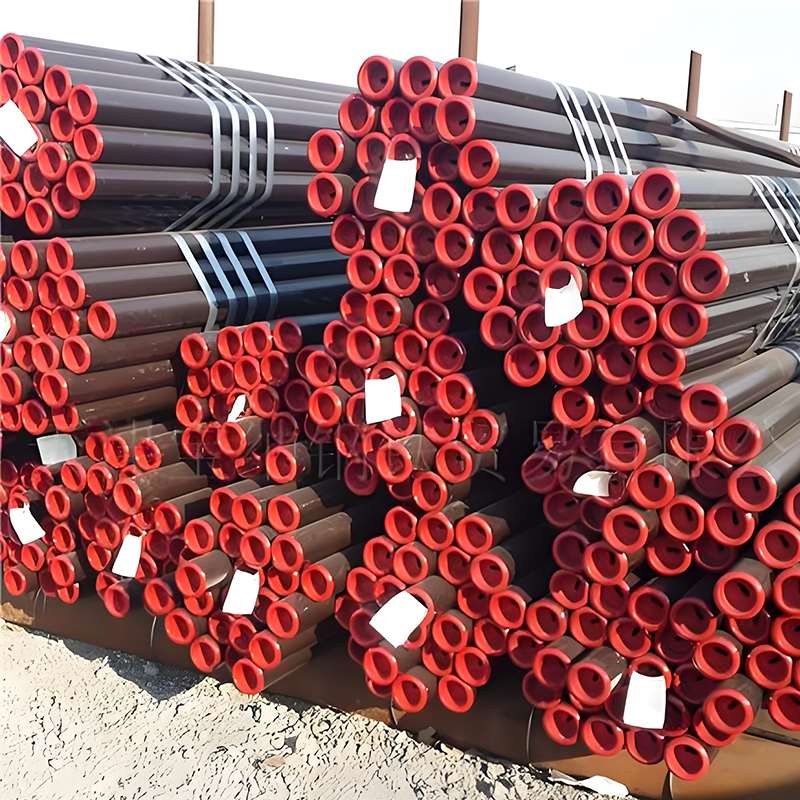
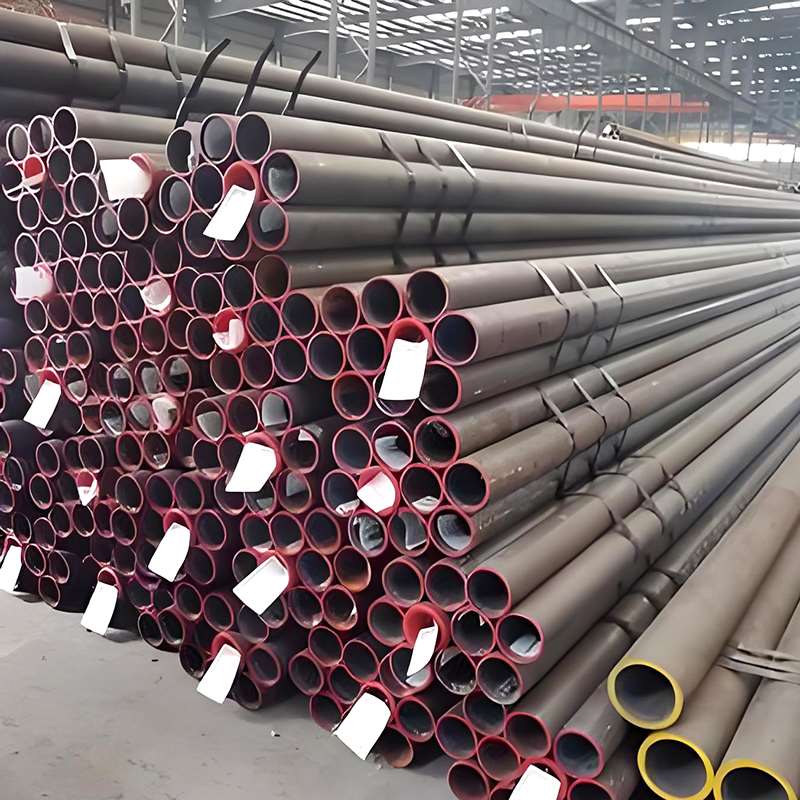
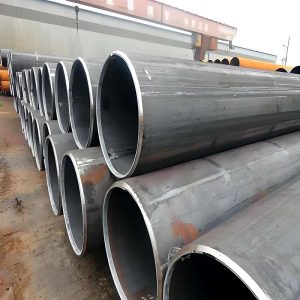
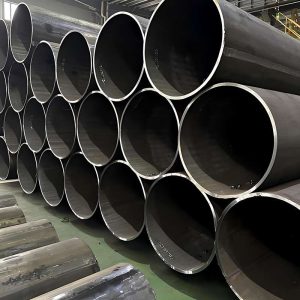
API 5L Line Pipe

OD Range :

60.3 mm – 1420 mm(2″ – 56″)

WT Range :

3.91 mm – 40 mm

Length :

6 / 12 m

Tolerance :

Outer diameter ±1% or ±0.5 mm; wall thickness ±10%

Material :

Gr.B、X42、X46、X52、X60、X65、X70;PSL1 / PSL2

Standard :

API 5L、ISO 3183、ASTM A53/A106、EN 10208/EN 10219

Surface :

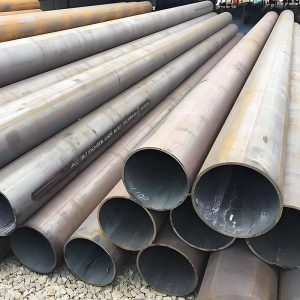
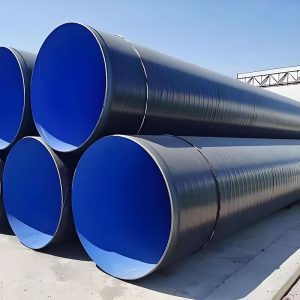
Black pipe, anti-rust oil, paint coating, FBE, 3LPE, 3PP

Application :

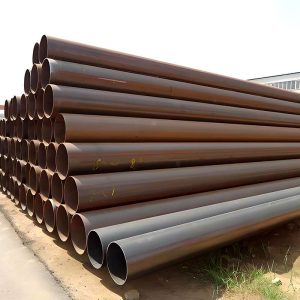
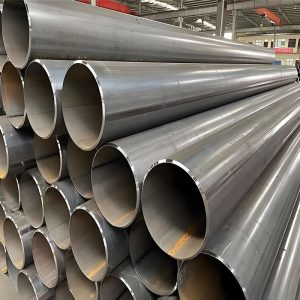
Oil pipelines, natural gas pipelines, municipal water supply pipelines, industrial fluid transportation, and structural foundation piling projects.

Introduction :

API 5L pipeline pipes are characterized by high pressure resistance, corrosion resistance, and a wide range of specifications.

API 5L line pipe is one of the most commonly used steel pipes in oil, natural gas, and water transmission pipelines, widely applied in pipeline network construction due to its high strength, pressure resistance, and reliability.
This article will provide practical guidance on specifications, standards, application scenarios, and selection considerations to help you make the best decisions in your engineering or procurement projects.

I. Introduction to API 5L Line Pipe

API 5L line pipe is a steel pipe designed according to the American Petroleum Institute (API) standards for transporting fluid media such as oil, natural gas, and water.

Its main features include:
High-strength steel, capable of withstanding high pressure
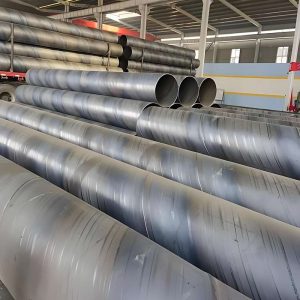
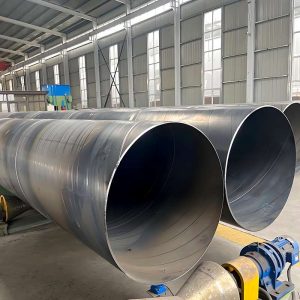
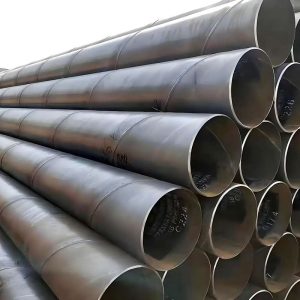
Available in both seamless and welded types (including LSAW and SSAW)
A full range of material grades to meet different pressure and environmental requirements
Combines corrosion resistance with long-term reliability

II. Differences in API 5L Pipeline Steel Grades

Steel GradeYield Strength (MPa)Tensile Strength (MPa)Applicable Pressure RatingCharacteristics & Typical Applications
Gr.B≥ 205330 – 415Low to medium pressure pipelinesMost commonly used grade; suitable for water transmission and low-pressure oil & gas pipelines; cost-effective
X42≥ 290415 – 535Medium to low pressure pipelinesWidely used for oil and gas pipelines; suitable for long-distance transmission; good cost performance
X46≥ 315455 – 585Medium to low pressure pipelinesSlightly higher strength than X42; suitable for medium-pressure pipelines and mildly corrosive environments
X52≥ 355490 – 620Medium to high pressure pipelinesCommonly used for medium- to high-pressure oil & gas pipelines and long-distance transmission lines
X60≥ 414520 – 660High-pressure pipelinesHigh-strength line pipe for high-pressure oil & gas pipelines and long-distance projects
X65≥ 448550 – 690High-pressure pipelinesUsed for high-pressure oil & gas pipelines and special projects; suitable for large-diameter pipelines
X70≥ 483580 – 710High-pressure pipelinesHigh-strength steel pipe suitable for ultra-high-pressure pipelines or deeply buried lines

III. Recommendations for Selecting API 5L Pipeline Steel Grades

Application Scenario / Service ConditionRecommended Steel GradePSL LevelRemarks & Corrosion Protection Recommendation
Low-pressure water pipelines or low-pressure oil & gas pipelinesGr.B, X42PSL1Economical choice, suitable for short-distance or low-pressure pipelines; black pipe or light corrosion protection optional
Medium-pressure oil / gas pipelinesX46, X52PSL1 / PSL2Moderate strength, suitable for long-distance pipelines; FBE or 3PE coating recommended to enhance corrosion resistance
High-pressure long-distance oil & gas pipelinesX60, X65PSL2High-strength grades to ensure pressure-bearing capacity; 3LPE / 3PP coating recommended for buried pipelines to ensure long service life
Ultra-high-pressure or special environment pipelinesX70PSL2High-strength and high-toughness material, suitable for deep burial, high pressure, or cold regions; 3PE / 3LPE coating mandatory, internal PE or epoxy lining may be considered if required
Structural piling or bridge engineeringGr.B, X42PSL1Pipes used mainly for load-bearing or piling; corrosion protection not mandatory or light coating applied based on project requirements

Selection Criteria

  1. Pressure rating is the primary consideration:
    Low-pressure pipelines can use lower steel grades, while high-pressure long-distance pipelines must use steel grades of X60 and above.
  2. Matching pipe diameter and wall thickness:
    Large-diameter pipes require higher steel grades to ensure pipeline load-bearing capacity and long-term safety.
  3. PSL grade selection:
    PSL1 meets general transportation requirements, while PSL2 has stricter requirements for chemical composition and mechanical properties, making it suitable for long-distance and high-pressure pipelines.
  4. Corrosion protection coating:
    Underground or subsea pipelines must use 3PE/3LPE/3PP corrosion protection coatings, and high-grade steel pipelines especially require corresponding corrosion protection.
  5. Construction and environmental considerations:
    In harsh or corrosive environments, high-toughness, high-grade steel pipes should be selected, along with appropriate corrosion protection and coatings.
Related Products

API 5L Pipeline Pipe Specifications Table

Nominal Diameter NPS / DN Outer Diameter (mm) Wall Thickness Range (mm) Theoretical Weight (kg/m) Common Material Grades
2″ / DN50 60.3 3.91 – 6.02 4.1 – 6.3 Gr.B / X42 / PSL1
2.5″ / DN65 73 3.91 – 6.35 5.0 – 7.5 Gr.B / X42 / PSL1
3″ / DN80 88.9 4.19 – 6.35 6.8 – 9.2 Gr.B / X42 / PSL1
4″ / DN100 114.3 4.19 – 8.56 10.2 – 18.3 Gr.B / X42 / PSL1
6″ / DN150 168.3 4.78 – 9.53 16.5 – 26.7 Gr.B / X42 / X52
8″ / DN200 219.1 5.49 – 10.97 24.0 – 38.5 Gr.B / X42 / X52
10″ / DN250 273 6.35 – 12.70 35 – 53 Gr.B / X46 / X52
12″ / DN300 323.9 7.11 – 14.27 46.5 – 72.5 Gr.B / X52 / X60
14″ / DN350 355.6 8 – 16 65 – 95 Gr.B / X52 / X60
16″ / DN400 406.4 8.18 – 16 79 – 120 Gr.B / X52 / X60
18″ / DN450 457 9 – 18 100 – 150 Gr.B / X52 / X60
20″ / DN500 508 10 – 20 130 – 200 Gr.B / X52 / X60
24″ / DN600 609.6 12 – 22 190 – 280 Gr.B / X60 / X65
30″ / DN750 762 14 – 25 280 – 400 Gr.B / X60 / X65
36″ / DN900 914 16 – 32 400 – 600 Gr.B / X65 / X70
42″ / DN1050 1067 18 – 36 550 – 800 Gr.B / X65 / X70
48″ / DN1200 1219 20 – 40 700 – 1000 Gr.B / X70 / PSL2
56″ / DN1400 1422 22 – 40 900 – 1300 Gr.B / X70 / PSL2

API 5L Pipeline Pipe Standard Table

Standard Category Standard No. Application Scope Material Grade / Grade Description Remarks
API Standards API 5L Pipelines for transportation of oil, natural gas, and water Gr.B, X42, X46, X52, X60, X65, X70; PSL1 / PSL2 Most commonly used line pipe standard, covering both seamless and welded pipes
ISO Standards ISO 3183 Steel pipes for petroleum and natural gas industry pipelines Gr.B / X42–X70 Internationally recognized standard, suitable for cross-border pipeline projects
ASTM Standards ASTM A53 / A106 / A252 Seamless and welded steel pipes for oil, water transmission, and piling applications Gr.B / X42–X60 Applicable to structural pipes and low- to medium-pressure pipelines
EN Standards EN 10208-1 / EN 10208-2 Gas and oil & gas pipelines L245 / L290 / L360 / L415 / L450 Commonly used in Europe and export markets for fluid transportation
EN Standards EN 10219 Cold formed welded structural pipes S235JR, S275JR, S355JR Structural pipe standard, suitable for bridges, piling, and engineering support
MSS Standards MSS SP-44 / SP-75 High-pressure pipeline steel pipes Gr.B / X52–X65 Standards issued by the Manufacturers Standardization Society, widely used for high-pressure oil and gas pipelines

Description

PSL1 / PSL2: PSL2 has stricter requirements for chemical composition and mechanical properties, making it suitable for high-pressure oil and gas pipelines and critical engineering projects.
ASTM A53 / A106 is mainly used for low to medium pressure pipelines and structural pipes, suitable for domestic projects.
EN 10208 / EN 10219 is suitable for export to Europe or international projects, guaranteeing quality and structural performance.
ISO 3183 is an international standard for the oil and gas industry, suitable for transnational oil and gas pipelines.


API 5L Pipeline Pipe Manufacturing Process Flow:

Raw Material Preparation → Uncoiling/Cutting → Edge Preparation → Pipe Forming → Welding → Weld Inspection → Straightening → Cutting to Length → Beveling → Surface Treatment → Final Inspection → Packaging and Shipment

Brief Description of Each Step

1. Raw Material Preparation
Select qualified steel coils or plates, ensuring that the chemical composition and mechanical properties meet the API 5L standard requirements.

2. Uncoiling/Cutting
Uncoil the steel coil or cut it into the required plate size for pipe manufacturing, ensuring the plate is flat and free of cracks.

3. Edge Processing
Chamfer or bevel the edges of the plate to facilitate subsequent welding.

4. Pipe Forming
The plate is rolled into a circular pipe shape using a pipe rolling machine to form a pipe blank.
Seamless pipes: Formed by hot rolling or hot expanding.
Welded pipes (LSAW/SSAW): Formed by straight seam or spiral rolling.

5. Welding
The pipe blank is welded:
Double-sided submerged arc welding (LSAW/SSAW)
Ensuring weld strength and sealing.

6. Weld Inspection
Ultrasonic (UT) or radiographic (RT) testing is used to detect weld defects such as pores, slag inclusions, and cracks, ensuring quality.

7. Straightening
The welded pipe is straightened to ensure that the straightness and ovality meet standard requirements.

8. Cutting to Length
Cut to the specified length according to customer requirements, usually 6/12 m, and can be customized up to 18 m.

9. Beveling
The pipe ends are beveled or end-faced to facilitate on-site welding and installation.

10. Surface Treatment
Depending on the application, select anti-rust oil, paint, FBE, 3PE, 3LPE, or other anti-corrosion coatings to improve durability.

11. Finished Product Inspection
A comprehensive inspection of appearance, dimensions, wall thickness, anti-corrosion coating, and markings is performed to ensure outgoing quality.

12. Packaging and Shipping
Use brackets or steel straps for fixing to prevent scratching or deformation during transportation, and prepare for shipment.


API 5L Pipeline Pipe Testing Standards

Inspection Category Inspection Item Test Method Specific Requirement / Standard Description
Raw Material Inspection Chemical composition analysis Optical Emission Spectrometry (OES) C, Mn, P, S and alloying elements shall comply with API 5L PSL1 / PSL2 requirements
Mechanical properties Tensile test Yield strength, tensile strength, and elongation shall meet the corresponding steel grade (e.g. X52, X60, X70)
Dimensional Inspection Outside diameter (OD) Vernier caliper / OD measuring device Typical tolerance ±0.75% (or as specified in API 5L)
Wall thickness (WT) Ultrasonic thickness gauge Permissible deviation usually −12.5% to +10%
Length Steel tape Standard lengths 6 m or 12 m; fixed lengths as per contract
Visual Inspection Surface quality Visual inspection No cracks, laps, lamination, or severe dents allowed
Weld appearance Visual + dimensional inspection Uniform weld profile; no obvious undercut or lack of penetration
Non-Destructive Testing (NDT) Weld seam ultrasonic testing UT 100% inspection; no defects exceeding acceptance limits
Weld seam radiographic testing RT Per PSL2 requirements or contract agreement
Pipe body inspection UT / MT Detection of lamination and cracks
Pressure Performance Test Hydrostatic test Hydrostatic pressure test Each pipe tested; test pressure calculated according to API 5L
Toughness Test (PSL2) Charpy impact test Charpy V-notch Minimum absorbed energy met at specified test temperature
Chemical Property (PSL2) Carbon equivalent (CE) Calculation and evaluation Ensures good weldability
Coating Inspection (if applicable) Coating thickness Coating thickness gauge Complies with FBE / 3PE / 3LPE standard requirements
Coating adhesion Peel-off test No large-area delamination
Marking & Documentation Pipe marking Visual inspection Steel grade, standard, heat number, and dimensions clearly traceable
Quality documents MTC (EN 10204 3.1) Includes chemical, mechanical, NDT, and pressure test results


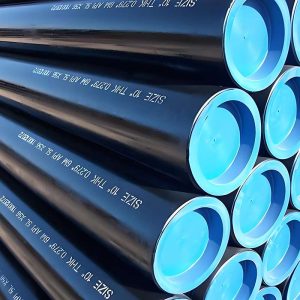
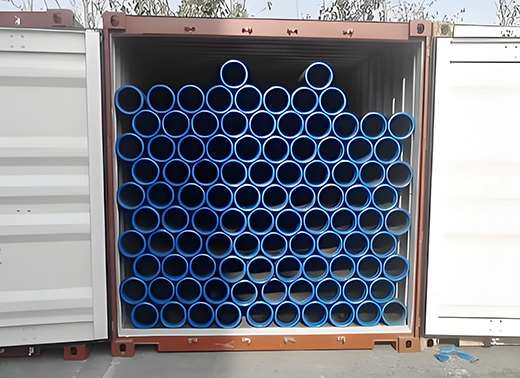
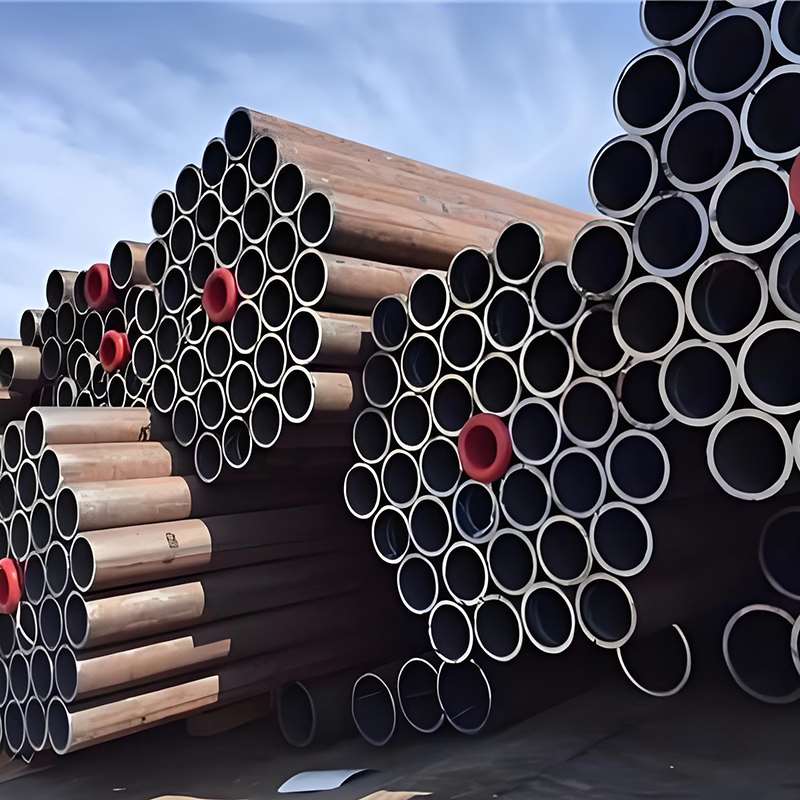
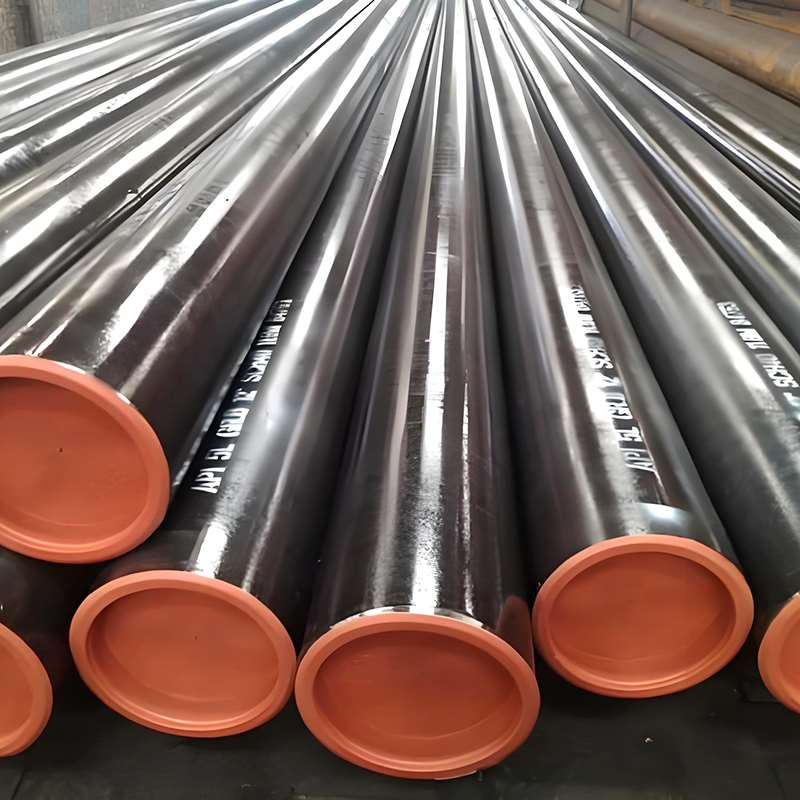
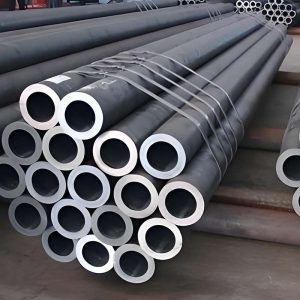
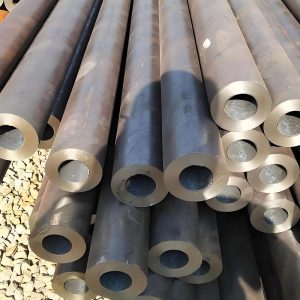
Seamless Carbon Steel Pipe Finished Products Shipment of Anti-Corrosion Seamless Carbon Steel Pipes

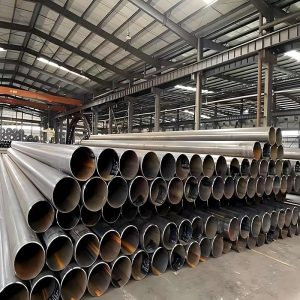
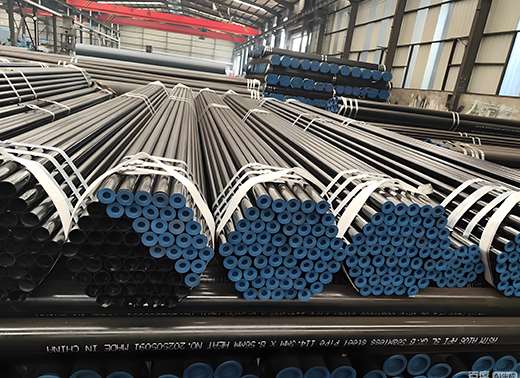
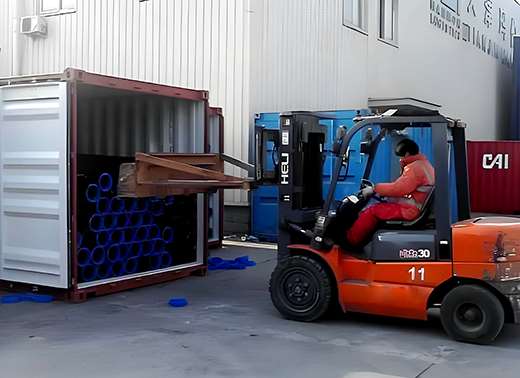
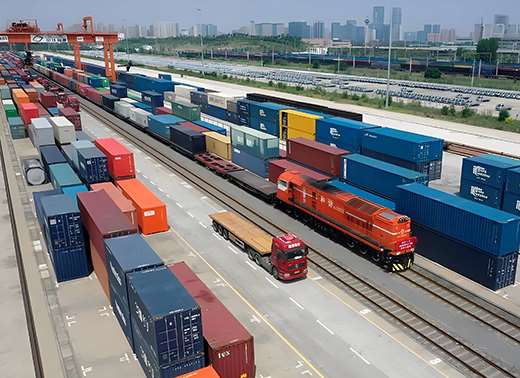
Seamless Carbon Steel Pipe Packing Seamless Carbon Steel Pipe Sea Freight

API 5L Pipeline Pipe Procurement Frequently Asked Questions

Q1: When purchasing API 5L pipeline pipes, should I choose PSL1 or PSL2?

Answer:
This depends on the safety level and operating conditions of the pipeline.
PSL1: Suitable for general transportation conditions, such as conventional water and low-risk oil and gas pipelines, with lower cost.
PSL2: Suitable for high-pressure, long-distance, and critical oil and gas pipelines, with added requirements such as impact testing, chemical composition control, and non-destructive testing.
Recommendation: For long-distance oil and gas transmission and cross-regional pipeline projects, prioritize PSL2 for safer operation in the long run.

Q2: How to choose the steel grade (e.g., X52, X60, X70) for API 5L pipeline pipes?

Answer:
The steel grade is mainly related to the design pressure, transported medium, and cost.
X52 / X56: Medium to low-pressure pipelines, easy to construct, and lower cost.
X60 / X65: Commonly used in long-distance oil and gas pipelines, with good overall performance.
X70 and above: High-pressure, large-diameter projects, requiring strict welding and quality control.
Recommendation: Do not blindly pursue high steel grades; determine the appropriate grade based on design pressure and specifications.

Q3: What key dimensions and tolerances need to be specified during procurement?

Answer:
At least the following parameters need to be specified:
Outer diameter (OD)
Wall thickness (WT) and allowable tolerance
Length (random length / fixed length)
Ovality and straightness requirements
Note: Negative wall thickness tolerance (usually -12.5%) significantly affects pressure bearing capacity and should be clearly specified in the contract.

Q4: What inspection items are mandatory for API 5L line pipes?

Answer:
Routine mandatory inspection items include:
Chemical composition analysis
Mechanical property testing
Weld non-destructive testing (UT/RT)
Hydrostatic testing
For PSL2, the following should also be included:
Charpy impact test
Carbon equivalent (CE) control
Recommendation: Request an EN 10204 3.1 material certificate (MTC).

Q5: How to choose between welded steel pipes and seamless pipes during procurement?

Answer:
Welded pipes (LSAW/SSAW): Suitable for large-diameter, long-distance pipelines, offering high cost-effectiveness.
Seamless pipes: Suitable for small and medium diameters, high-pressure or special operating conditions.
Engineering experience: Large-diameter oil and gas transmission projects often use welded API 5L line pipes.

Q6: What key points are easily overlooked in contracts when purchasing API 5L line pipes?

Answer:
Frequently overlooked but very important details include:
Whether the PSL grade is clearly specified
Non-destructive testing ratio (whether 100%)
Corrosion protection type and applicable standards (e.g., FBE, 3PE)
Marking and traceability requirements
Recommendation: Include all technical requirements in a contract appendix to avoid future quality disputes.