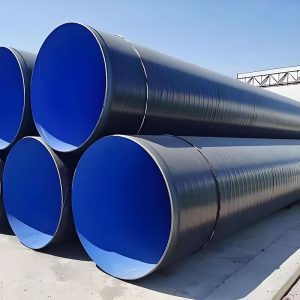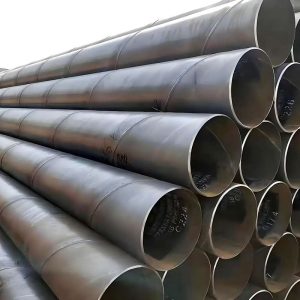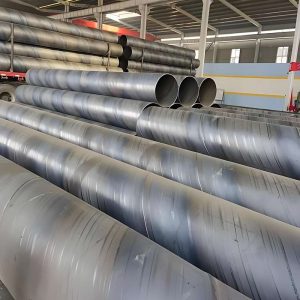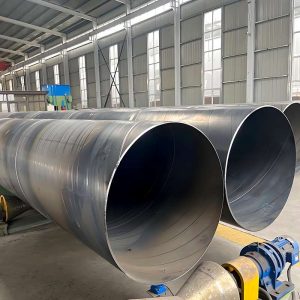
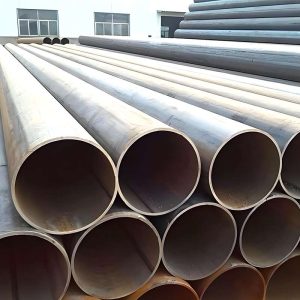
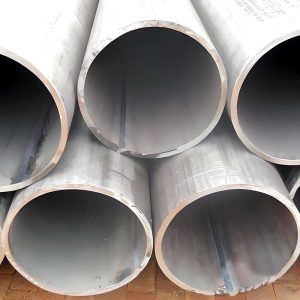
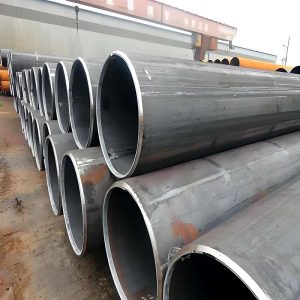
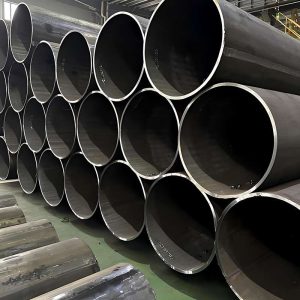
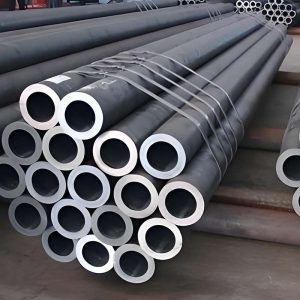
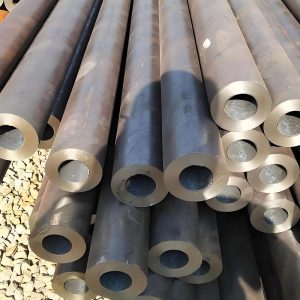
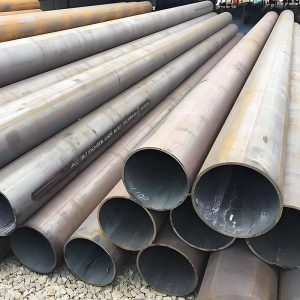
I. What are API 5CT Casing and Tubing Pipe?
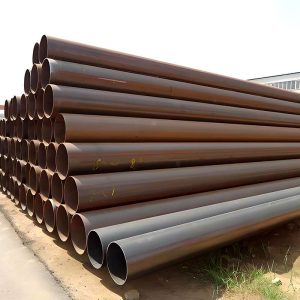
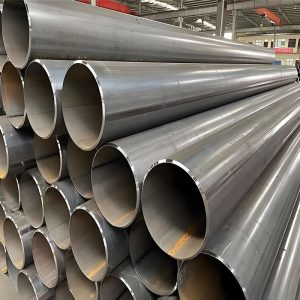
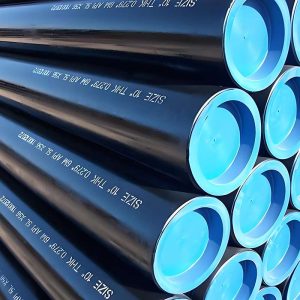
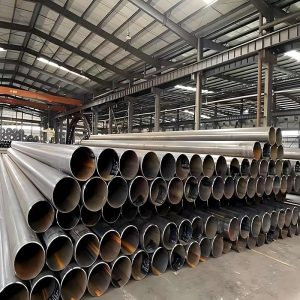
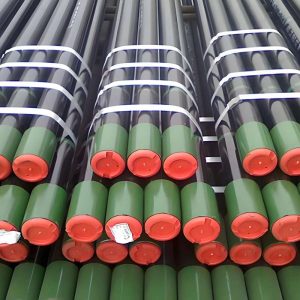
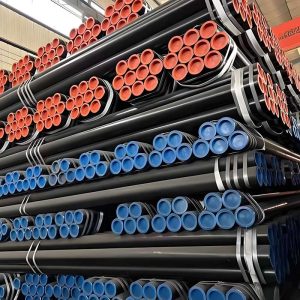
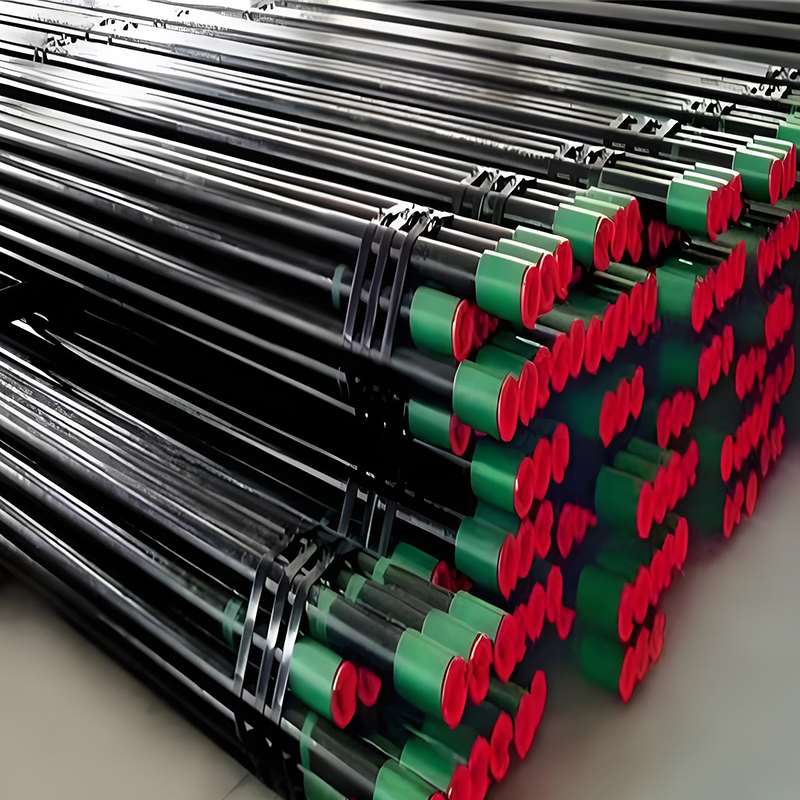
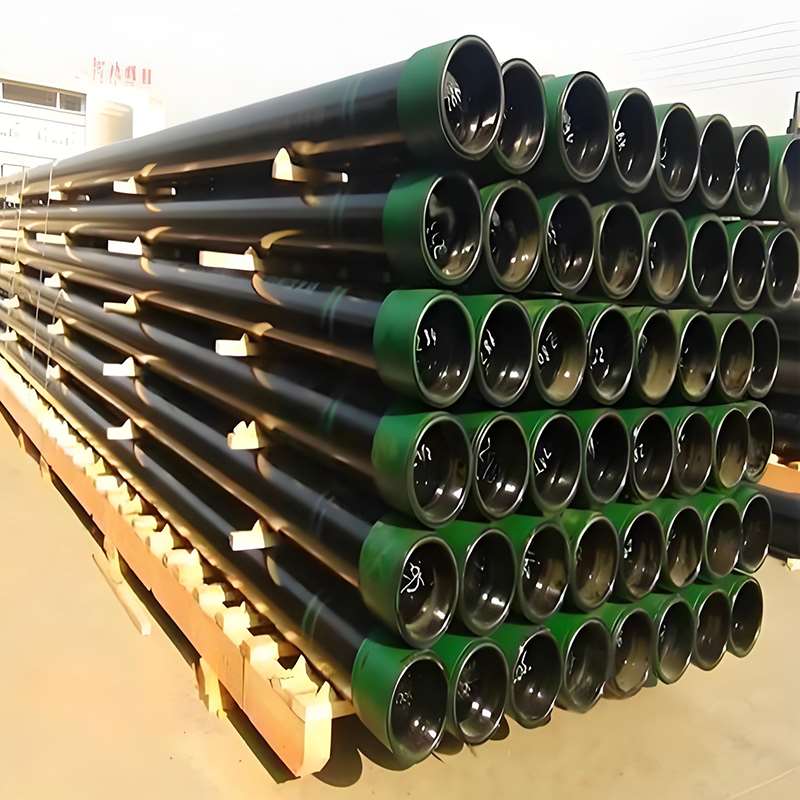
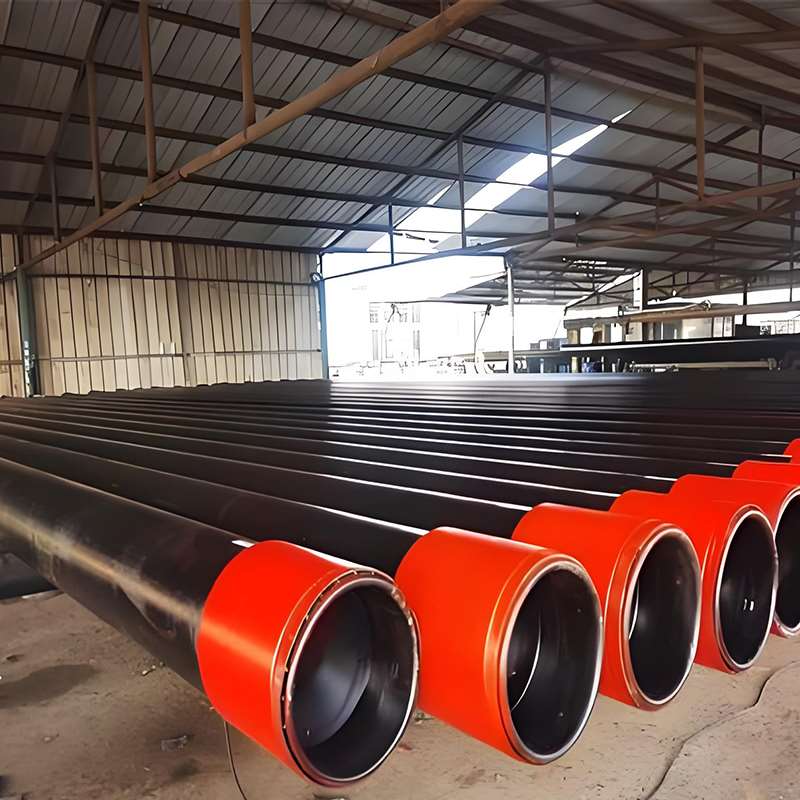
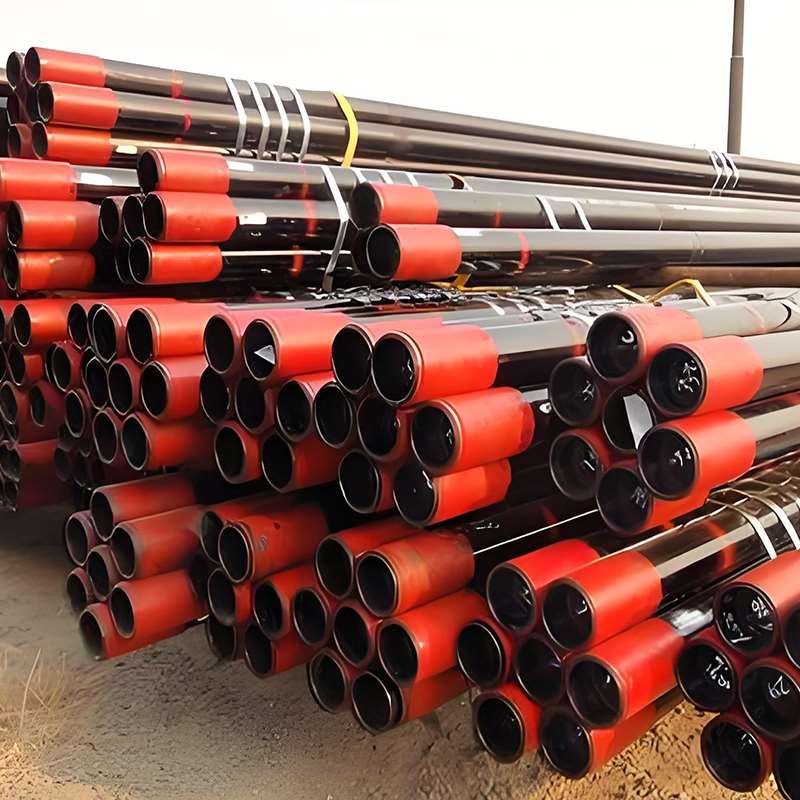
API 5CT is a standard for oil well casing and tubing established by the American Petroleum Institute (API). It covers product dimensions, tolerances, steel grades, mechanical properties, testing requirements, and marking rules.
Casing: Used to support the wellbore, prevent formation collapse, and isolate different geological formations.
Tubing: Used to safely transport crude oil or natural gas from downhole to the surface.
API 5CT casing and tubing pipes are the universal choice in the global oil and gas industry due to their high strength, excellent sealing performance, and reliable quality control system.
II. API 5CT Casing and Tubing Pipe Grade Comparison Table
| Steel Grade | Minimum Yield Strength (MPa) | Tensile Strength (MPa) | Typical Well Conditions | Characteristics |
|---|---|---|---|---|
| H40 | ≥ 276 | ≥ 414 | Shallow wells, low-pressure wells | Low strength, lowest cost, now rarely used |
| J55 | ≥ 379 | 517 – 760 | Shallow wells, conventional oil wells | Widely used, good cost performance |
| K55 | ≥ 379 | ≥ 655 | Shallow to medium-depth wells | Slightly higher strength than J55 |
| N80-1 | ≥ 552 | ≥ 689 | Medium-depth wells | High strength with good toughness |
| N80Q | ≥ 552 | ≥ 689 | Medium-depth wells | Quenched and tempered; improved resistance to brittle fracture |
| L80 | ≥ 552 | ≥ 655 | Wells containing CO₂ / H₂S | Good corrosion resistance |
| C90 | ≥ 621 | ≥ 689 | Deep wells, high-pressure wells | High strength, resistant to sulfide stress cracking |
| T95 | ≥ 655 | ≥ 724 | High-pressure, high-temperature wells | Stable overall performance |
| P110 | ≥ 758 | ≥ 862 | Deep and ultra-deep wells | Highest strength, higher cost |
III. Recommended Pipe Material Selection for Different Well Depths
i. Shallow Wells (Well Depth ≤ 1500 m)
Recommended Steel Grades:
J55
K55
Applicable Pipe Types:
Casing (Surface Casing / Intermediate Casing)
Tubing
In surface pipeline connections, API 5L Line Pipe is commonly used to ensure reliable fluid transportation to and from the wellhead.
Selection Rationale:
Low downhole pressure and temperature
Low requirements for wellbore stability
Emphasis on cost-effectiveness
Recommendation: For conventional onshore oil wells and water injection wells, J55 is the preferred choice due to its optimal cost-effectiveness.
ii. Medium-Depth Wells (1500 – 3000 m)
Recommended Steel Grades:
N80-1
N80Q
Applicable Pipe Types:
Technical Casing
Production Casing
Tubing
Selection Notes:
Significantly increased pressure requirements
Pipe string subjected to large axial loads
Requirements for toughness and collapse resistance
Recommendation: N80Q, which is heat-treated, is more suitable for areas with complex well conditions.
iii. Deep Wells (3000 – 4500 m)
Recommended Steel Grades:
L80
C90
Applicable Pipe Types:
Production Casing
Deep Well Tubing
Selection Notes:
High pressure and high temperature conditions
Prone to CO₂ or H₂S corrosion
High demands on material stability
Recommendation: For wells containing acidic media, prioritize L80 or C90 to avoid sulfide stress cracking.
iv. Ultra-Deep Wells (Well Depth > 4500 m)
Recommended Steel Grades:
T95
P110
Applicable Pipe Types:
Production Casing
High-Strength Tubing
Selection Considerations:
Extremely high internal and external pressure
Extremely high pipe string weight and axial load
Extremely high manufacturing and inspection requirements
Recommendation: Strict non-destructive testing and heat treatment control are essential to avoid over-specification.
v. Quick comparison table for selecting equipment based on different well depths
| Well Depth Range | Recommended Steel Grade | Key Considerations |
|---|---|---|
| ≤ 1500 m | J55 / K55 | Cost efficiency and ease of installation |
| 1500 – 3000 m | N80-1 / N80Q | Pressure resistance and toughness |
| 3000 – 4500 m | L80 / C90 | Corrosion resistance and operational stability |
| > 4500 m | T95 / P110 | High strength and high reliability |