Products

Related News

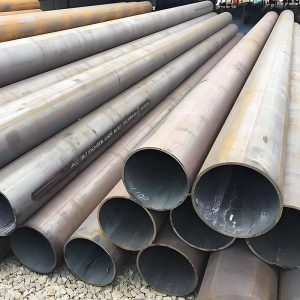
1-inch Seamless Steel Pipe

OD Range :

33.4 mm

WT Range :

2.77mm — 7.11mm

Length :

6 m / 12 m

Material :

Carbon steel (20#, Q235, Q345), low-alloy steel (12Cr1MoV, 15CrMoG, 20G), high-temperature alloy steel (ASTM A335 P11, P22, P91)

Standard :

ASTM A335、ASTM A213

Surface :

Hot-dip galvanizing, cold galvanizing, pickling/phosphating, black pipe (with anti-rust paint), polishing (for stainless steel pipes), anti-corrosion coating

Application :

High-pressure seamless steel pipes are used for transporting high-temperature and high-pressure steam and are widely used in boilers, power plants, chemical, petrochemical, metallurgical, and industrial steam pipeline systems.

I. Introduction to 1-Inch Seamless Steel Pipe

The 1-inch seamless steel pipe (NPS 1″/ DN25) is a commonly used pipe material with a fixed outer diameter of 33.4 mm. The wall thickness can be selected according to the Schedule (SCH5S~SCH160S), and the length is typically 6 meters or 12 meters, with custom lengths available.

The pipe material includes carbon steel (20#, Q235, Q345), low-alloy steel (12Cr1MoV, 15CrMoG, 20G), and high-temperature alloy steel (ASTM A335 P11, P22, P91), meeting the needs of steam and liquid transportation under different pressure and temperature conditions.

The pipe surface can be treated with hot-dip galvanizing, cold galvanizing, pickling/phosphating, anti-rust painting, or polishing to suit various industrial environments. Its main use is for transporting high-temperature and high-pressure steam, and it is widely used in boilers, power plants, chemical, petrochemical, metallurgical, and other industrial steam systems.

II. 1-inch Seamless Steel Pipe: Chemical Composition and Mechanical Properties of Commonly Used Steel Grades

1. Chemical Composition Table

Steel gradeC (%)Si (%)Mn (%)P (%)S (%)Cr (%)Mo (%)V (%)
20# / Q2350.17~0.240.17~0.370.30~0.65≤0.035≤0.035
Q3450.12~0.200.30~0.500.80~1.20≤0.035≤0.035
12Cr1MoV0.12~0.180.17~0.370.40~0.70≤0.035≤0.0350.90~1.200.45~0.600.06~0.10
15CrMoG0.12~0.180.17~0.370.40~0.70≤0.035≤0.0350.80~1.100.40~0.50
ASTM P110.08~0.150.300.40~0.60≤0.035≤0.0350.90~1.400.45~0.65
ASTM P220.08~0.150.300.40~0.60≤0.035≤0.0351.90~2.600.85~1.05
ASTM P910.08~0.120.20~0.500.40~0.70≤0.025≤0.0158.50~9.500.85~1.050.18~0.25

2. Mechanical Properties Table

Steel GradeYield Strength σs (MPa)Tensile Strength σb (MPa)Elongation δ (%)Impact Toughness Kv (J)Remarks
20# / Q235≥235375–500≥20Low-pressure steam and water pipelines
Q345≥345470–630≥20Medium and low-pressure pipelines
12Cr1MoV275–335510–640≥2047–60Boiler medium and high-temperature steam pipes
15CrMoG275–335490–620≥2047–60Medium and high-pressure steam pipelines
ASTM P11275–365415–535≥2247High-temperature and high-pressure steam pipes
ASTM P22275–365415–535≥2247High-temperature and high-pressure steam pipes
ASTM P91585–695740–910≥2080High-temperature and high-pressure steam pipes, creep-resistant

III. 1-inch Seamless Steel Pipe Advantages and Features

  1. Strong Pressure Resistance
    The seamless structure can withstand high-temperature and high-pressure steam, ensuring safety and reliability.
  2. Excellent High-Temperature Resistance
    Made of low-alloy and high-temperature alloy steel, it can operate stably in high-temperature environments for extended periods.
  3. Strong Corrosion Resistance
    Material and surface treatment can be selected according to working conditions, such as hot-dip galvanizing, pickling and phosphating, or stainless steel, extending service life.
  4. Precise Dimensions and Easy Assembly
    Outer diameter and wall thickness are strictly manufactured according to standards, facilitating pipe connection and installation.
  5. Long Service Life
    High-quality steel and seamless technology reduce leakage and fatigue damage, resulting in low maintenance costs.
  6. Wide Range of Applications
    Suitable for various steam or fluid pipeline systems in boilers, power plants, chemical, petrochemical, metallurgical, paper, and food industries.

IV. 1-Inch Seamless Steel Pipe Application Fields and Selection Recommendations

1. Thermal Power Generation and Power Plant Boilers

Application Description:
Used for boiler main steam pipes, superheated steam pipes, and reheat steam pipes, withstanding high-temperature and high-pressure steam.

Selection Recommendations:
Steel Grade: ASTM A335 P11, P22, or domestic 12Cr1MoV, 15CrMoG
Wall Thickness: SCH40S or SCH80S, selected based on design pressure
Reason: High temperature and high pressure resistance, creep resistance, ensuring long-term stable operation

2. Chemical, Petrochemical, and Petroleum Industries

Application Description:
Used in high-temperature and high-pressure reactors, steam heating pipelines, heat exchange systems, and steam injection and heating devices.

Selection Recommendations:
Steel Grade: ASTM A335 P11, P22, or 15CrMoG
Wall Thickness: SCH20S~SCH80S, calculated based on flow rate and pressure
Reason: Corrosion resistance, high temperature and high pressure resistance, ensuring process safety and reliability

3. Metallurgy, Industrial Boilers, and Other Industries

Application Description:
Used in hot rolling, heat treatment, and process heating pipelines, also suitable for papermaking, food processing, and industrial boiler steam distribution.

Selection Recommendations:
Steel Grade: 20#, Q235, Q345, or 12Cr1MoV (medium and high-pressure steam)
Wall Thickness: SCH10S~SCH40S, calculated according to working pressure
Reason: Economical and practical for medium and low-pressure steam pipelines, ensuring stable steam supply

4. Application Fields and Selection Recommendations Table for 1-inch Seamless Steel Pipes

Application AreaRecommended Steel GradesSuggested Wall Thickness (Schedule)Selection Rationale / Notes
Thermal Power Plants & Power Station BoilersASTM A335 P11 / P22 / 12Cr1MoV, 15CrMoGSCH40S – SCH80SDesigned to withstand high-temperature and high-pressure steam, offering excellent creep resistance and long-term operational stability
Chemical, Petrochemical & Oil IndustryASTM A335 P11 / P22 / 15CrMoGSCH20S – SCH80SResistant to high temperature, high pressure, and corrosive environments, ensuring process safety and reliability
Metallurgy, Industrial Boilers & Other Industries20#, Q235, Q345 / 12Cr1MoVSCH10S – SCH40SEconomical and practical for medium- and low-pressure steam pipelines, ensuring stable steam supply
Pulp & Paper, Food Processing20#, Q235, Q345 / Stainless Steel TP304 / TP316SCH10S – SCH40SSuitable for low-pressure or sanitary steam pipelines, providing corrosion resistance and easy cleaning

Related Products

1. Dimensions and specifications table for 1-inch (NPS 1″) seamless steel pipes

Nominal Pipe Size (NPS / DN) Outside Diameter OD (mm) Wall Thickness t (mm) Theoretical Weight (kg/m) Standard Length (m) Remarks
1″ / DN25 33.4 1.65 0.91 6 / 12 SCH5S, low-pressure pipelines
1″ / DN25 33.4 2.77 1.52 6 / 12 SCH10S, general-purpose pipelines
1″ / DN25 33.4 3.38 1.83 6 / 12 SCH20S, low to medium-pressure pipelines
1″ / DN25 33.4 3.56 1.93 6 / 12 SCH40S / STD, industrial standard pressure pipelines
1″ / DN25 33.4 4.78 2.59 6 / 12 SCH80S, high-pressure pipelines
1″ / DN25 33.4 7.11 3.83 6 / 12 SCH160S / XS, ultra high-pressure pipelines

2. Reference Table for Wall Thickness and Allowable Working Pressure of 1-Inch Seamless Steel Pipes

Schedule Wall Thickness t (mm) Allowable Working Pressure P (MPa) Remarks
SCH5S 1.65 3.0 Low-pressure steam or water pipes, reference at ambient temperature
SCH10S 2.77 6.0 Low-pressure steam and process water pipelines
SCH20S 3.38 9.0 Medium and low-pressure steam or industrial fluid service
SCH40S / STD 3.56 10–12 Industrial standard pressure pipelines, commonly used
SCH80S 4.78 16–18 High-pressure steam or high-pressure liquid pipelines
SCH160S / XS 7.11 25–28 Ultra-high-pressure steam or special service pipelines


International Standards and Steel Grade Comparison Table for 1-inch Seamless Steel Pipes

Standard Type Standard / Grades Typical Applications
ASTM A335 P1, P5, P9, P11, P22, P91 High-temperature and high-pressure boiler and power plant steam pipes designed for long-term high-temperature, high-pressure steam service
ASTM A213 TP304, TP304L, TP316, TP316L, P11, P22 Stainless steel and alloy steel tubes for boilers and heat exchangers, offering excellent corrosion resistance and high-temperature performance
ASTM A106 Grade A, B, C Carbon steel seamless pipes for low to medium-pressure steam and water pipelines
EN 10216-2 P235GH, P265GH, P355NH, 16Mo3 European standard seamless steel pipes for boilers and pressure vessels, suitable for medium to high-pressure steam service
EN 10204 / ISO 3183 X42–X70 Seamless steel pipes for oil and natural gas pipelines, suitable for high-pressure liquid transmission

Selection Recommendations:
High-temperature and high-pressure steam pipelines: Choose high-temperature resistant steel grades such as ASTM A335 P11/P22/P91 or EN 10216-2 16Mo3/P355NH.
Low-to-medium pressure steam or process pipelines: ASTM A106 A/B or carbon steel EN 10216-2 P235GH/P265GH are sufficient.
High corrosion resistance requirements: Choose ASTM A213 TP304/TP316 series stainless steel.


1-inch Seamless Steel Pipe Production Process Flow:

Raw material preparation → Heating → Piercing → Longitudinal rolling → Sizing/Finishing rolling → Straightening → Cutting → Heat treatment → Surface treatment → Inspection → Packaging

Process Description:

(1) Raw Material Preparation
Steel billets or alloy steel bars are selected, with chemical composition and dimensions meeting standard requirements.
(2) Heating
The steel billets are heated to a specified temperature (generally 1200℃~1250℃) to facilitate piercing and forming.
(3) Piercing
A piercing machine is used to create a hole, forming a preliminary hollow tube blank.
(4) Longitudinal Rolling
The tube blank is rolled into a tube close to the finished size using a hot rolling mill.
(5) Sizing/Finishing Rolling
The outer diameter and wall thickness are precisely controlled to ensure the pipe meets standard specifications.
(6) Straightening
A straightening machine is used to eliminate bending and ensure the straightness of the pipe.
(7) Cutting
The pipe is cut into standard lengths (6m, 12m, or customized lengths).
(8) Heat Treatment
Normalizing, annealing, or tempering treatments are performed to improve mechanical properties and toughness.
(9) Surface Treatment
Hot-dip galvanizing, cold galvanizing, pickling/phosphating, black pipe rust prevention, etc., are applied to enhance corrosion resistance.
(10) Inspection
Chemical composition, mechanical properties, dimensions, non-destructive testing (UT/RT/MT/PT), hydrostatic testing, etc., are performed to ensure quality.
(11) Packaging
Wooden pallet bundling or anti-rust packaging is used for easy transportation and export.


1-Inch Seamless Steel Pipe Testing Standards

(1) Chemical Composition Testing
Purpose: To ensure that the steel’s pressure resistance, high-temperature resistance, and corrosion resistance meet design requirements.
Method: Spectroscopic analysis or chemical analysis to detect elements such as C, Si, Mn, P, S, Cr, Mo, and V.
Applicable Standards: ASTM A335, ASTM A106, GB/T 8162, GB/T 5310.
Significance: Prevents pipe failure due to insufficient strength or inadequate heat resistance caused by substandard composition.

(2) Mechanical Performance Testing
Purpose: To guarantee the pipe’s pressure bearing capacity and toughness for safe use.
Method: Tensile test (yield strength, tensile strength, elongation), impact test.
Applicable Standards: ASTM A335, ASTM A106, GB/T 5310.
Significance: Ensures that the pipeline does not undergo plastic deformation or fracture under high-temperature and high-pressure conditions.

(3) Dimensions and Appearance Testing
Purpose: To ensure that the pipe can be installed correctly and that fluid transport is smooth.
Method: Measure outer diameter, wall thickness, length, and straightness; check the surface for cracks, burrs, or obvious defects.
Applicable Standards: ASTM A106, GB/T 8162, EN 10216-2.
Significance: Ensures tight pipe connections, reducing leaks and construction difficulties.

(4) Non-Destructive Testing (NDT)
Purpose: To detect internal defects and ensure the safety of the pipe material.
Methods: Ultrasonic testing (UT), radiographic testing (RT), magnetic particle testing (MT), liquid penetrant testing (PT).
Applicable Standards: ASTM A335, ASTM A106, GB/T 5310.
Significance: Prevents pipe burst accidents caused by internal cracks or pores.

(5) Hydrostatic Testing
Purpose: To verify the pressure resistance of the pipeline.
Method: Hydrostatic testing at 1.5 times the design pressure.
Applicable Standards: ASTM A335, ASTM A106, GB/T 5310.
Significance: Ensures the pipeline is safe and reliable under actual operating conditions.

(6) Hardness Testing
Purpose: To check whether the mechanical properties of the steel meet the standards.
Method: Rockwell or Brinell hardness testing.
Applicable Standards: GB/T 5310, ASTM A335.
Significance: Ensures wear resistance and creep resistance for high-temperature and high-pressure pipelines.


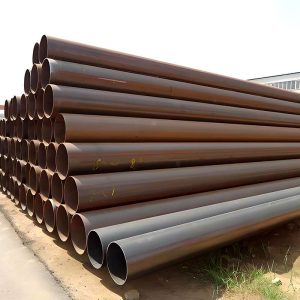
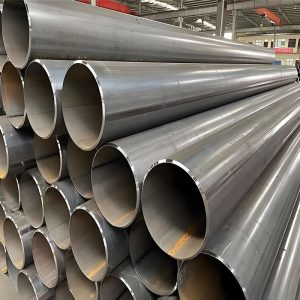
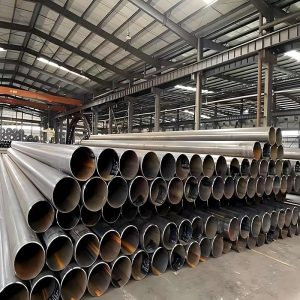
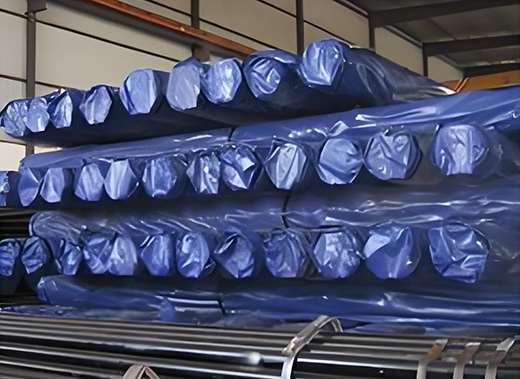
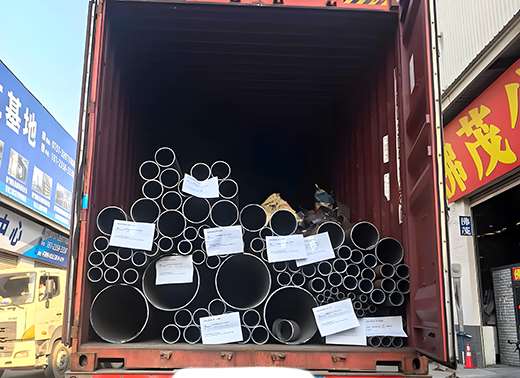
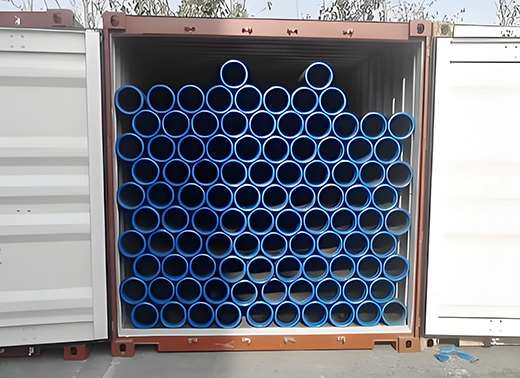
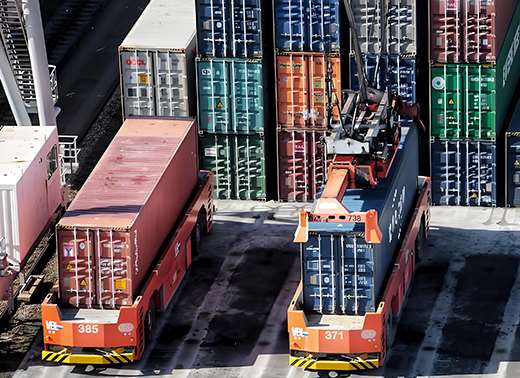
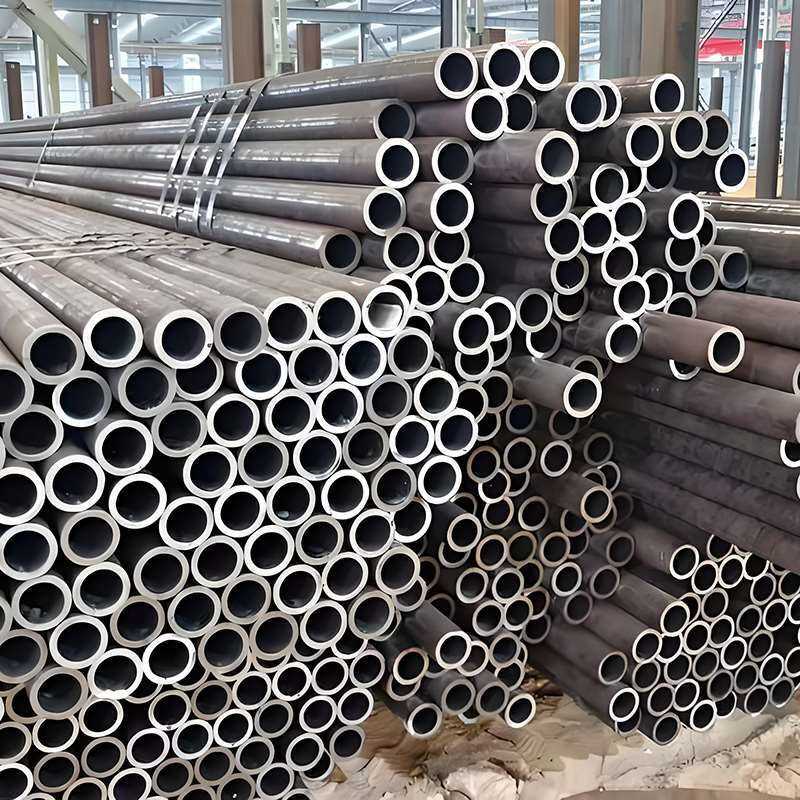
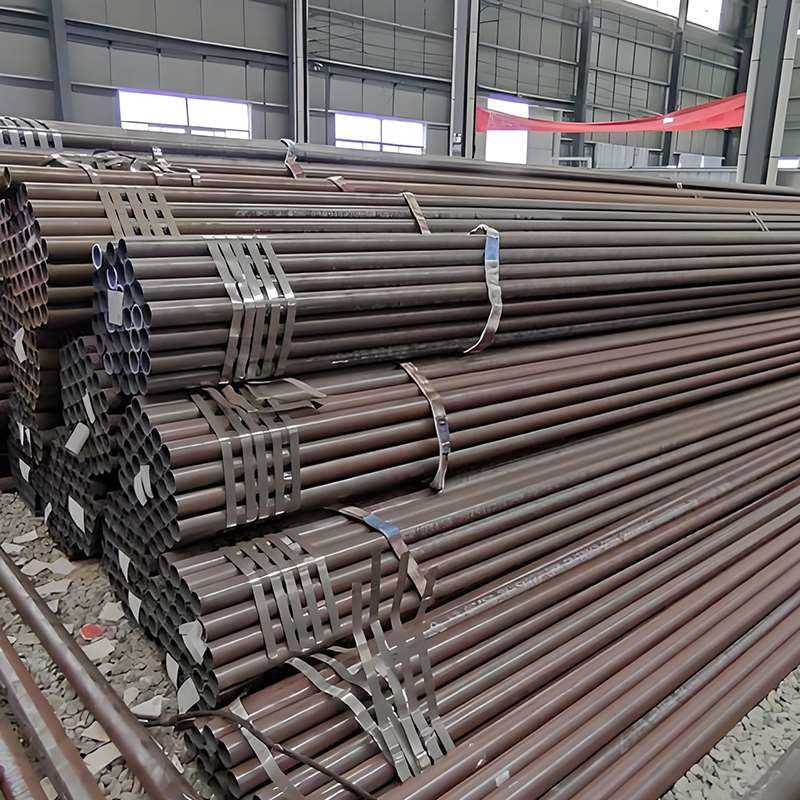
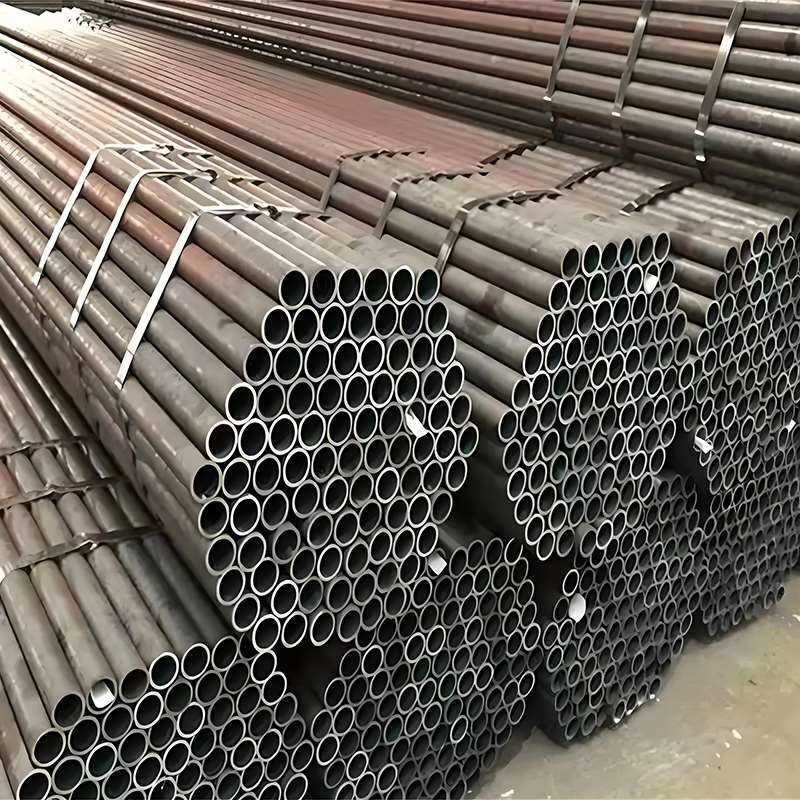
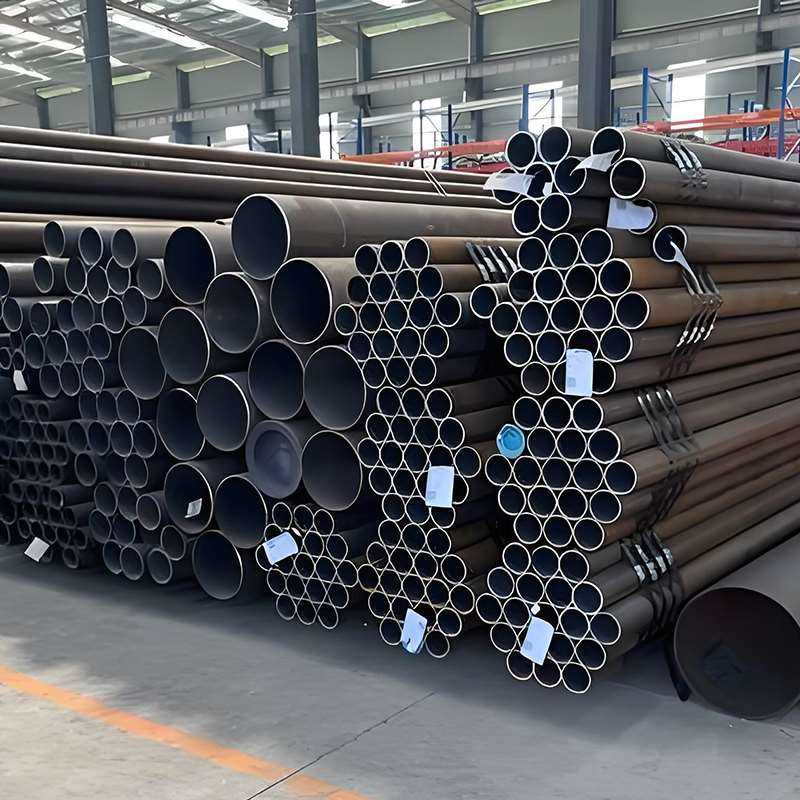
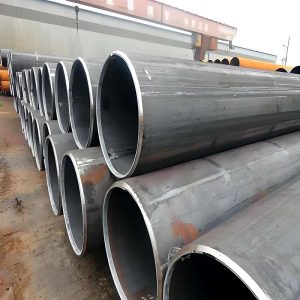
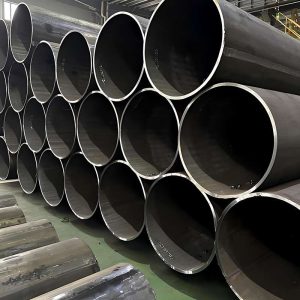
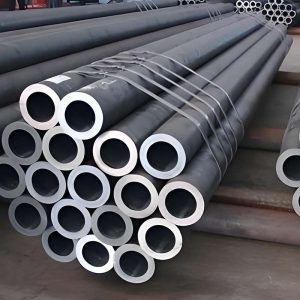
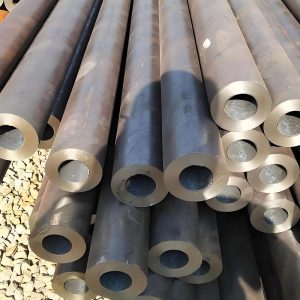
Loading of seamless carbon steel pipes Seamless Carbon Steel Pipe Packing

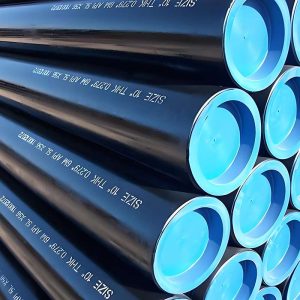
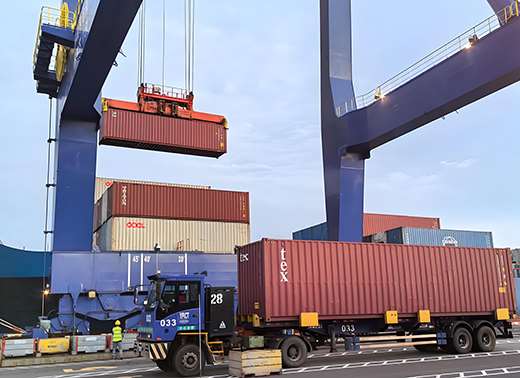
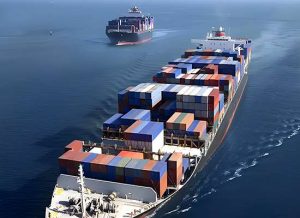
API 5L X52 Line Pipe Transportation

1-Inch Seamless Steel Pipe Frequently Asked Questions (FAQ)

1. Q: How to choose the appropriate steel grade?

Reason: Different steel grades have significant differences in temperature resistance, pressure resistance, and corrosion resistance. Improper selection may lead to premature pipe failure or accidents.
Suggestions:
Low-pressure steam or water pipes: Choose 20#, Q235, Q345 carbon steel
Medium-to-high pressure steam pipes: Choose 12Cr1MoV, 15CrMoG
High-temperature and high-pressure boiler or power plant steam pipes: Choose ASTM P11, P22, P91
Key point: Be sure to select the steel grade based on the operating temperature and pressure, and refer to relevant standards (GB/T or ASTM).

2. Q: How to determine the pipe wall thickness?

Reason: Wall thickness directly affects the pipe’s pressure bearing capacity. Choosing a thin wall may lead to bursting, while choosing a thick wall increases costs.
Suggestions: Calculate the required wall thickness based on the design pressure, temperature, and pipe length, referring to Schedule (SCH5S~SCH160S) and standard size tables.
Practical tip: Use a pressure rating chart for quick selection and to ensure a safety margin.

3. Question: Does the pipe surface require treatment?

Reason: Pipes are prone to rusting during transportation or installation, especially carbon steel pipes.
Suggestions:
Outdoor or humid environments: Hot-dip galvanizing, cold galvanizing, or anti-rust paint
Industrial steam or corrosive media: Acid pickling and phosphating or stainless steel polishing
Key point: Choosing the appropriate surface treatment extends service life and reduces maintenance costs.

4. Question: How to inspect pipe quality?

Reason: Substandard pipes can cause leaks, bursts, or shortened service life.
Suggestions:
Check appearance: No cracks, dents, or burrs
Measure dimensions: Outer diameter, wall thickness, length
Review test reports: Chemical composition, mechanical properties, NDT, hydrostatic test
Practical tip: Exported pipes must be accompanied by an MTC (Material Test Certificate) as a basis for acceptance.

5. Question: How to assess supplier reliability during procurement?

Reason: Substandard pipes that may not meet standards exist in the market.
Suggestions:
Choose qualified and experienced manufacturers.
Request standard certifications (ISO, ASTM, GB/T).
Check test reports and factory certificates.
Key point: Reliable suppliers can guarantee material and dimensional consistency, reducing construction risks.

6. Question: What precautions should be taken during transportation and storage?

Reason: Pipes are susceptible to rust, bending, or damage, affecting their performance.
Suggestions:
Use wooden pallets or strapping during transportation to prevent collisions.
Use flat supports during storage to prevent pipe deformation.
Apply anti-rust oil or wrap with plastic film, especially for carbon steel pipes.
Key point: Good transportation and storage practices can extend the service life of pipes and reduce rework and scrap losses.