
I. Overview of AS 1163 Structural Welded Steel Pipes
i. Standard Introduction
Standard Full Name: AS 1163 – Structural Steel Hollow Sections
Standard Type: Structural Steel Pipe Standard
Application Scope: Applicable to load-bearing or support applications such as buildings, bridges, supports, towers, and mechanical structures.
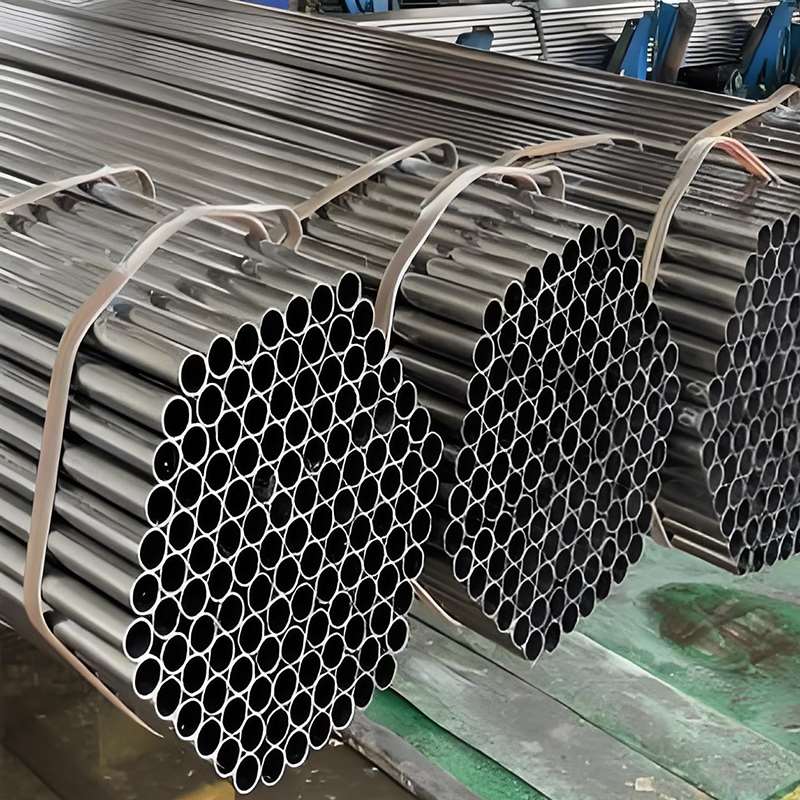
Manufacturing Method: Resistance welding (ERW) or straight seam welding
ii. Pipe Types
Shape: Round, square, and rectangular tubes
Wall Thickness: Various thicknesses to meet structural design requirements
Length: Customizable according to project requirements
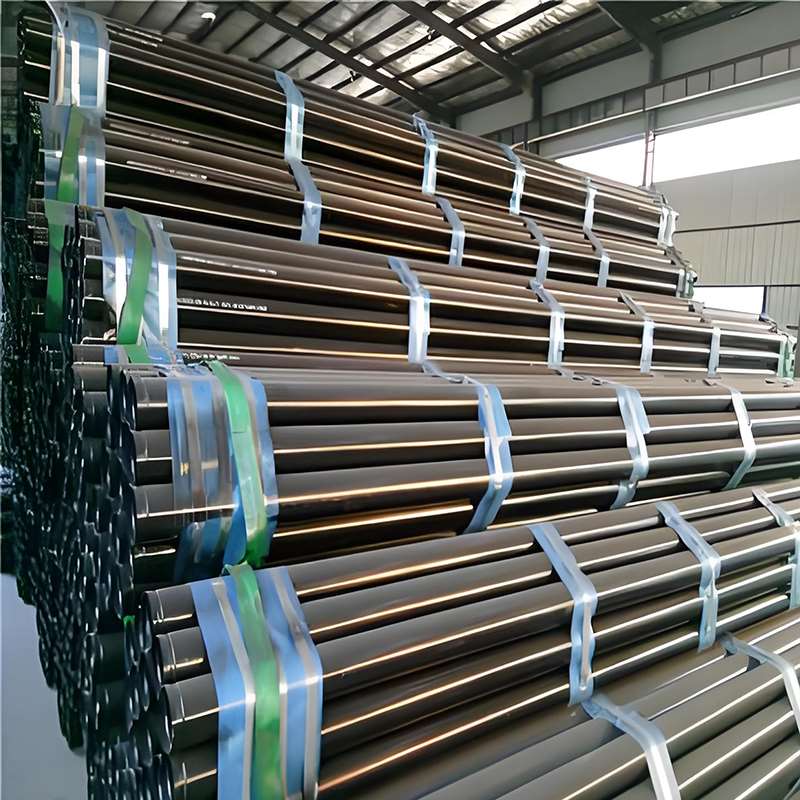
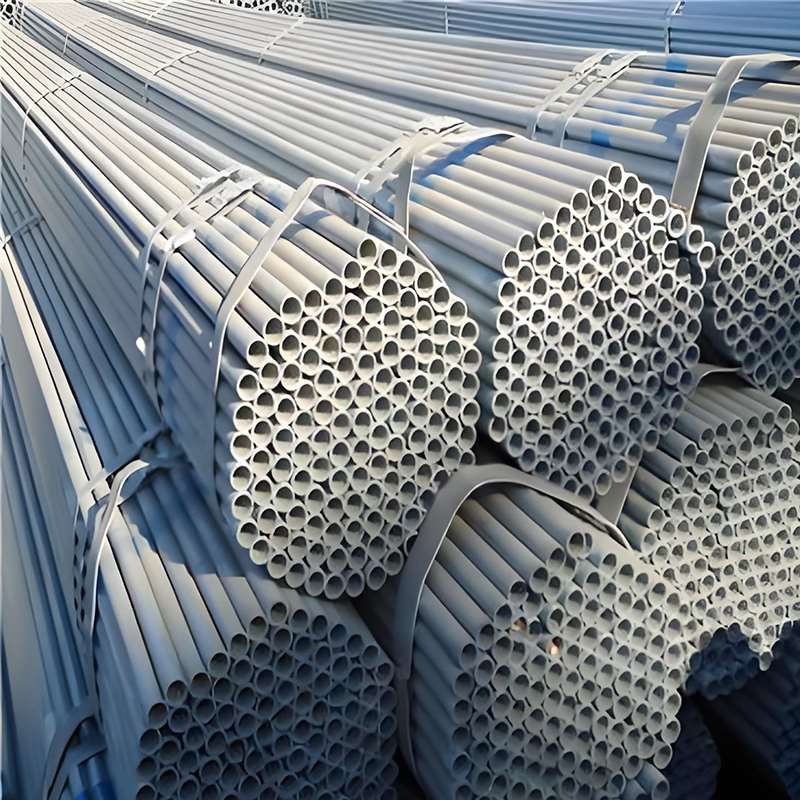
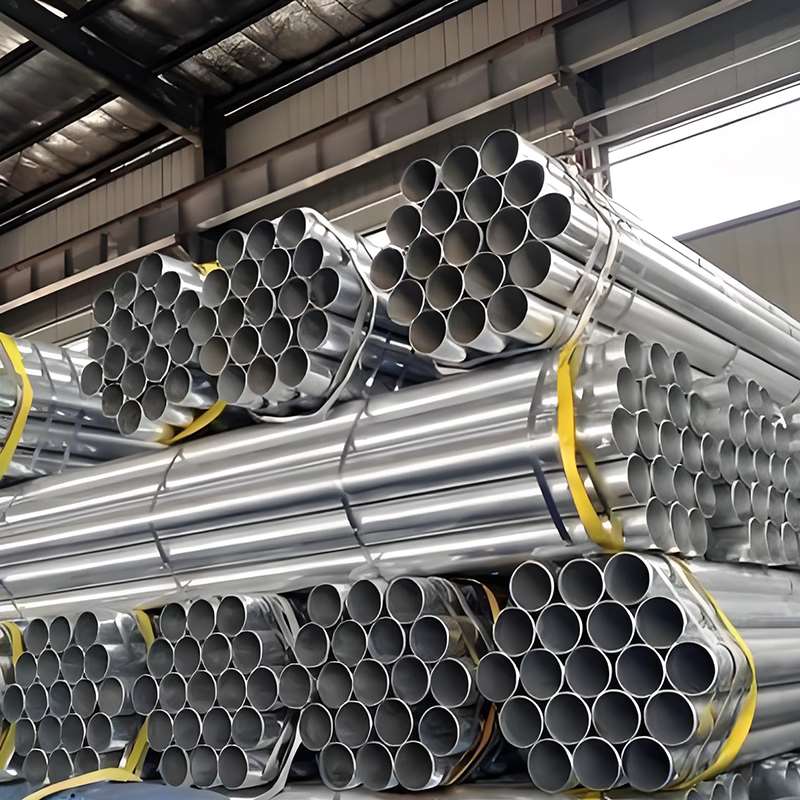
Surface Treatment: Black pipe, galvanized, painted, etc.
iii. Materials and Mechanical Properties
Material: Low alloy or carbon steel; strength grade can be selected according to design requirements.
Mechanical Properties: Ensures yield strength, tensile strength, and elongation meet structural design requirements.
Features: Uniform welds, stable wall thickness, high load-bearing capacity, easy to process and weld.
iv. Typical Applications
Building steel structures (frames, columns, beams)
Bridges and elevated structures
Ventilation, support frames, mechanical equipment structures
Power towers, billboard frames, steel structure scaffolding
II. AS 1163 Chemical Composition and Mechanical Properties of Welded Steel Pipes for Structural Use
i. Chemical Composition Table
| Material Grade | C (%) | Mn (%) | P (%) | S (%) | Si (%) | Remarks |
|---|---|---|---|---|---|---|
| C250 / C350 | ≤0.25 | 0.50–1.50 | ≤0.035 | ≤0.035 | ≤0.30 | Low-alloy steel / Carbon steel |
| C450 / C550 | ≤0.30 | 0.80–1.50 | ≤0.035 | ≤0.035 | ≤0.30 | Medium-strength low-alloy steel |
| C650 / C700 | ≤0.35 | 1.00–1.60 | ≤0.035 | ≤0.035 | ≤0.30 | High-strength structural steel |
ii. Mechanical properties
| Material Grade | Yield Strength σy (MPa) | Tensile Strength σu (MPa) | Elongation A (%) | Impact Toughness (Optional) | Remarks |
|---|---|---|---|---|---|
| C250 | ≥250 | 370–500 | ≥20 | — | Low-strength structural steel |
| C350 | ≥350 | 470–600 | ≥18 | — | Common medium-strength structural steel |
| C450 | ≥450 | 520–650 | ≥16 | — | High-strength structural steel |
| C550 | ≥550 | 600–700 | ≥14 | — | High-strength structural steel |
| C650 | ≥650 | 700–800 | ≥12 | — | Ultra-high-strength steel (special applications) |
III. AS 1163 Specification Table for Welded Steel Pipes for Structural Use
i. AS 1163 Specification Table for Round Pipes
| Nominal Size DN | Outer Diameter OD (mm) | Wall Thickness WT (mm) | Single Length (m) | Theoretical Weight (kg/m) | Remarks |
|---|---|---|---|---|---|
| 25 | 33.7 | 2.0–3.2 | 6–12 | 2.1–2.8 | Small-diameter round pipe |
| 32 | 42.4 | 2.0–3.6 | 6–12 | 3.3–4.5 | Common round pipe |
| 40 | 48.3 | 2.5–4.0 | 6–12 | 4.3–5.8 | — |
| 50 | 60.3 | 2.5–4.5 | 6–12 | 5.8–7.8 | — |
| 65 | 76.1 | 3.0–5.0 | 6–12 | 8.2–11.0 | Medium-diameter structural pipe |
| 80 | 88.9 | 3.2–5.5 | 6–12 | 10.3–13.9 | — |
| 100 | 114.3 | 3.5–6.0 | 6–12 | 15.0–20.0 | — |
| 125 | 139.7 | 4.0–6.5 | 6–12 | 21.0–28.0 | — |
| 150 | 168.3 | 4.5–7.0 | 6–12 | 28.0–36.0 | — |
| 200 | 219.1 | 5.0–8.0 | 6–12 | 41.0–55.0 | Large-diameter pipe |
| 250 | 273.0 | 6.0–9.0 | 6–12 | 60.0–80.0 | — |
| 300 | 323.9 | 6.5–10.0 | 6–12 | 85.0–110.0 | — |
ii. AS 1163 Square Tube Specification Table
| Outer Size (mm) | Wall Thickness WT (mm) | Single Length (m) | Theoretical Weight (kg/m) | Remarks |
|---|---|---|---|---|
| 25 × 25 | 2.0–3.2 | 6–12 | 2.2–3.0 | Small-diameter structural square tube |
| 32 × 32 | 2.0–3.6 | 6–12 | 3.3–4.5 | — |
| 40 × 40 | 2.5–4.0 | 6–12 | 4.3–5.8 | Common square tube |
| 50 × 50 | 3.0–4.5 | 6–12 | 6.0–8.0 | — |
| 65 × 65 | 3.2–5.0 | 6–12 | 9.0–12.0 | Medium-diameter square tube |
| 80 × 80 | 3.5–5.5 | 6–12 | 12.0–16.0 | — |
| 100 × 100 | 4.0–6.0 | 6–12 | 18.0–24.0 | Large-diameter square tube |
| 125 × 125 | 4.5–6.5 | 6–12 | 25.0–33.0 | — |
| 150 × 150 | 5.0–7.0 | 6–12 | 34.0–45.0 | — |
| 200 × 200 | 6.0–8.0 | 6–12 | 60.0–80.0 | Extra-large square tube |
iii. AS 1163 Rectangular Tube Specification Table
| Outer Width × Outer Height (mm) | Wall Thickness WT (mm) | Single Length (m) | Theoretical Weight (kg/m) | Remarks |
|---|---|---|---|---|
| 40 × 60 | 2.5–4.0 | 6–12 | 4.5–6.0 | Small rectangular tube |
| 50 × 80 | 3.0–4.5 | 6–12 | 6.5–10.0 | Common rectangular tube |
| 60 × 100 | 3.2–5.0 | 6–12 | 9.0–14.0 | Medium rectangular tube |
| 80 × 120 | 3.5–6.0 | 6–12 | 14.0–20.0 | — |
| 100 × 150 | 4.0–6.5 | 6–12 | 20.0–28.0 | — |
| 120 × 180 | 4.5–7.0 | 6–12 | 28.0–38.0 | — |
| 150 × 200 | 5.0–8.0 | 6–12 | 38.0–50.0 | Large rectangular tube |
| 200 × 250 | 6.0–9.0 | 6–12 | 55.0–75.0 | — |
| 250 × 300 | 6.5–10.0 | 6–12 | 80.0–110.0 | Extra-large rectangular tube |
IV. AS 1163 Application Areas and Selection Reference for Welded Steel Pipes for Structural Use
(1) Building Structures
Typical Scenarios: Frame columns, floor beams, light steel structure workshops, warehouse sheds
Recommended Pipe Materials: Square or rectangular tubes
Selection Reference:
Small buildings (light load): 25×25, 32×32, 40×40 square tubes, wall thickness 2–3 mm
Medium buildings (medium load): 50×50, 65×65 square tubes or 50×80, 60×100 rectangular tubes, wall thickness 3–5 mm
Large buildings (heavy load): 100×100 square tubes or 100×150, 120×180 rectangular tubes, wall thickness 5–8 mm
Selection Tips: The greater the load, the larger the tube cross-sectional dimensions and wall thickness need to be; for taller columns, it is recommended to choose square or rectangular tubes to increase bending resistance.
(2) Bridges and Elevated Structures
Typical Scenarios: Pedestrian bridges, landscape bridges, lightweight elevated structures
Recommended Pipe Materials: Both round and square pipes are acceptable, selected based on design stress
Selection Reference:
Small-span bridges: Round pipe 60–88 mm, wall thickness 3–5 mm
Medium-span bridges: Square pipe 65×65, rectangular pipe 60×100, wall thickness 4–6 mm
Large-span bridges: Square pipe ≥100×100 or rectangular pipe ≥100×150, wall thickness 6–8 mm
Selection Tips: Rectangular pipes have better bending resistance, while round pipes are suitable for bridges requiring aesthetic design or less torsion.
(3) Mechanical Equipment Support
Typical Scenarios: Conveying equipment support, machine tool base, lightweight frame
Recommended Pipe Material: Square or rectangular tube, wall thickness 2–5 mm
Selection Reference:
Small Equipment: 25×25 or 32×32 square tube
Medium Equipment: 40×40, 50×50 square tube or 50×80, 60×100 rectangular tube
Selection Tips: For equipment supports that need to withstand dynamic loads, it is recommended to select C350 or C450 material with higher strength grade.
(4) Power Tower and Billboard Structure
Typical Scenarios: Power transmission towers, billboard frames, solar panel supports
Recommended Pipe Materials: Rectangular tubes, square tubes, wall thickness 4–8 mm
Selection Reference:
Small towers / Small billboards: 50×80, 60×100 rectangular tubes
Medium and large towers / Large billboards: 100×150, 120×180 rectangular tubes
Selection Tips: High-strength steel (C450–C550) can improve wind load resistance; for outdoor use, galvanizing or painting for corrosion protection can be selected.
(5) Summary of Selection Principles
Load-bearing priority: The greater the structural load, the larger the cross-sectional size and wall thickness; round tubes are suitable for parts with low torsional force, while square and rectangular tubes have stronger bending resistance.
Application matching: Square/rectangular tubes are preferred for buildings, bridges, and supports; round tubes can be selected for scenarios requiring aesthetic design or round fittings.
Material grade: C250–C350 is suitable for general buildings and light supports; C450–C550 is suitable for high-strength structures and large-span projects.
Corrosion protection requirements: Galvanizing or painting is recommended for outdoor or humid environments.
Length and processing: Standard length 6–12 m, can be cut or welded according to site requirements.
V. AS 1163 Recommendations for Purchasing and Supplying Structural Welded Steel Pipes
i. Quick Selection and Specification Determination
Define the intended use: First, confirm the intended application of the pipes (construction, bridges, supports, machinery, towers, etc.).
Determine the load-bearing capacity: Select the material grade based on the structural stress (C250–C350 for general load-bearing, C450–C550 for high strength).
Tube Type Selection:
Square Tube (SHS): Balanced bending and torsional strength, commonly used in building structures.
Rectangular Tube (RHS): Capable of supporting large spans, high bending strength.
Round Tube (CHS): Aesthetically pleasing, low torsional load.
Confirm dimensions and wall thickness:
Small supports/light structures: 25×25 ~ 50×50 square tube, wall thickness 2–3 mm
Medium-sized buildings/supports: 50×50 ~ 100×100 square tube or 50×80 ~ 100×150 rectangular tube, wall thickness 3–6 mm
Large projects: 100×100 or larger square tube or 120×180 or larger rectangular tube, wall thickness 5–8 mm
Selection tips: You can quickly check the application → tube type → size → wall thickness → material grade using a standard table.
ii. Supplier Qualifications and Certifications
Required Qualifications: Ensure the supplier possesses AS/NZS 1163 certification.
Additional Certificates: Material Test Certificate (MTC), Factory Inspection Report, Welding Process Certification
Supplier Experience: Prioritize manufacturers with experience supplying steel pipes for building or mechanical structures.
After-Sales Service: Providing processing services such as cutting, galvanizing, and painting can expedite construction.
iii. Quality Inspection Requirements
Chemical Composition Testing: Ensure that carbon, manganese, sulfur, phosphorus, silicon, and other components comply with AS 1163 standards.
Mechanical Property Testing: Yield strength, tensile strength, and elongation must meet design requirements.
Weld Quality: Welds should be uniform, free of cracks, porosity, or incomplete penetration; random sampling for ultrasonic or radiographic testing is acceptable.
Dimensional Tolerances:
Outer Diameter/Side Length Deviation ≤ ±1–2%
Wall Thickness Deviation ±0.2–0.5 mm
Length Error ±10–20 mm
Note: It is recommended to obtain the MTC and inspection report before purchasing to confirm that the pipes meet the standards.
iv. Cost and Delivery Time Reference
Cost Factors: Pipe cross-sectional dimensions, wall thickness, material grade, surface treatment (black pipe/galvanized/painted)
Price Range (Based on market reference, subject to supplier quotation):
Small diameter square/rectangular pipe: As low as tens of RMB per meter
Medium-to-large diameter square/rectangular pipe: Hundreds of RMB per meter
Delivery Time: Regular stock pipes 1–3 weeks, custom sizes or surface-treated pipes 3–6 weeks
Cost-Saving Suggestions:
Choose standard lengths and wall thicknesses whenever possible.
Bulk purchases may receive discounts.
For outdoor or humid environments, galvanizing or painting can be completed in one step to avoid secondary anti-corrosion treatment later.